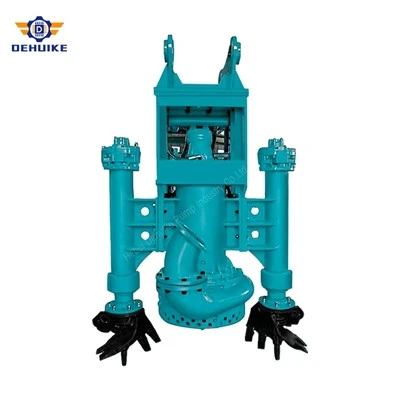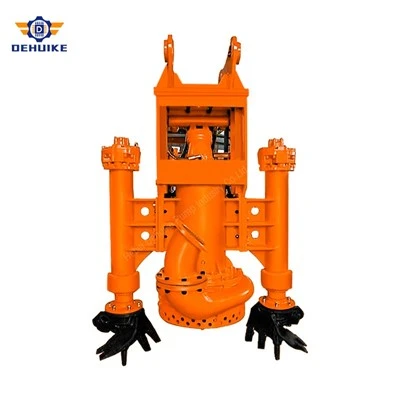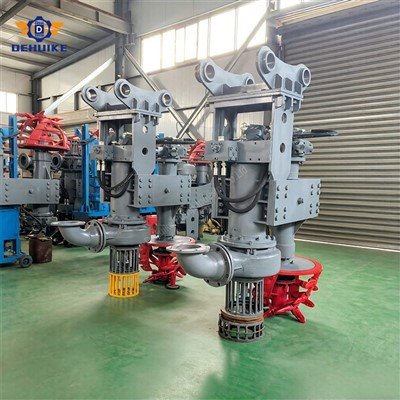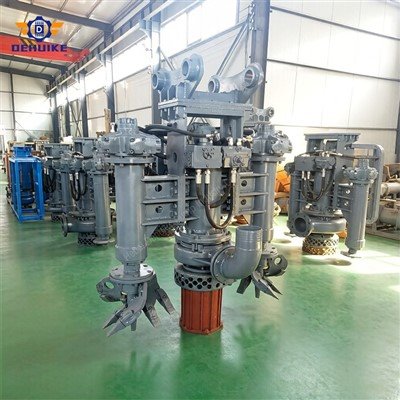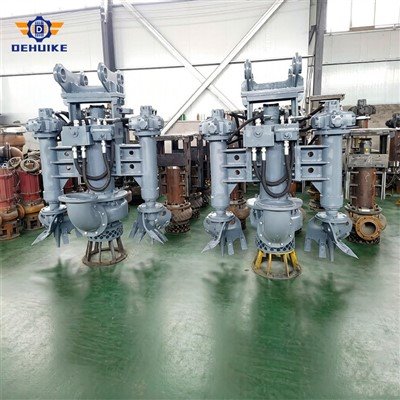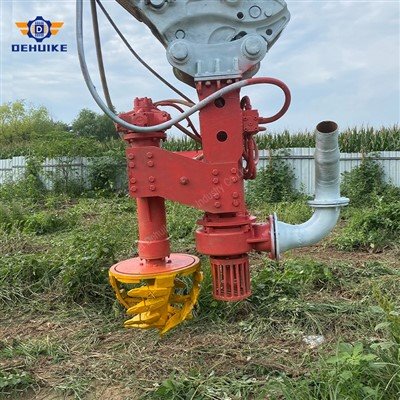

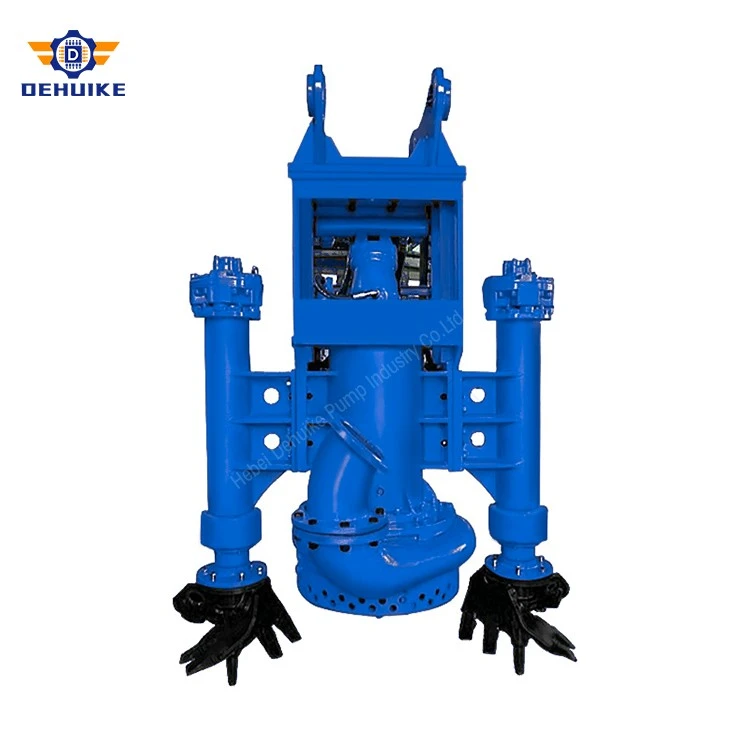
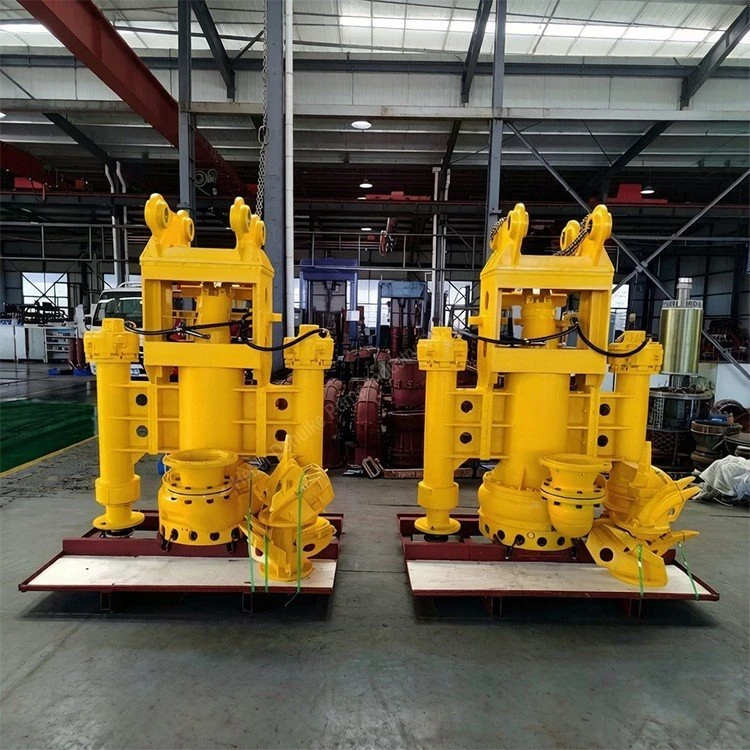
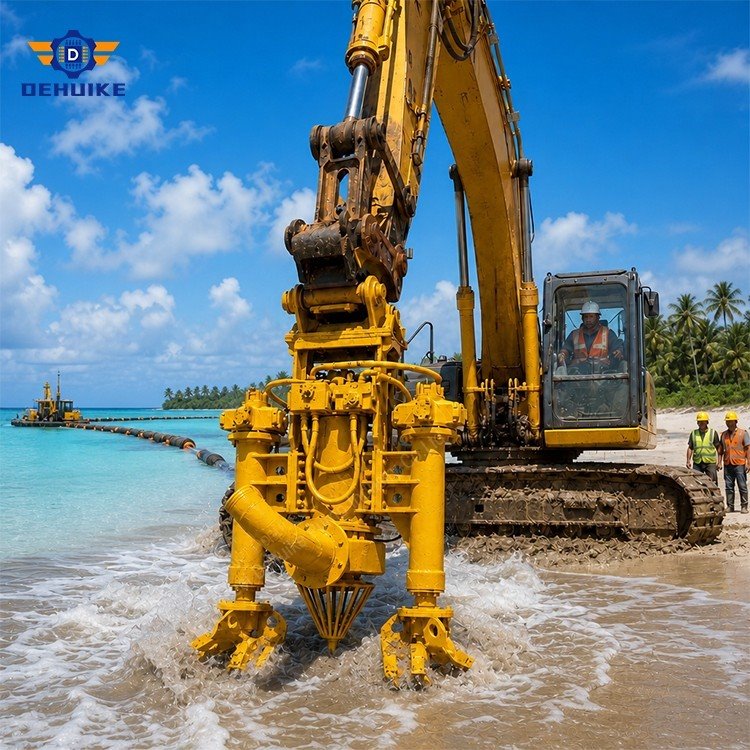
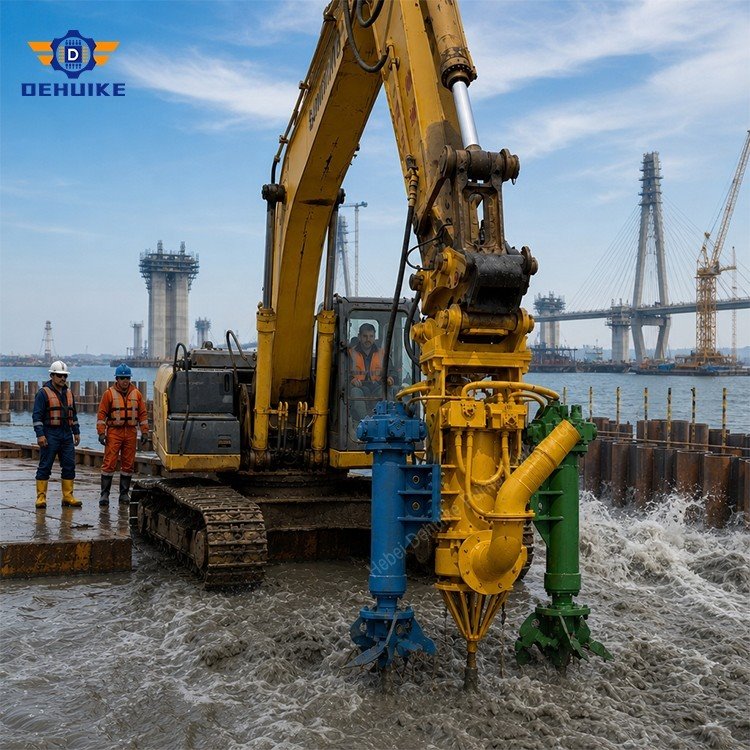
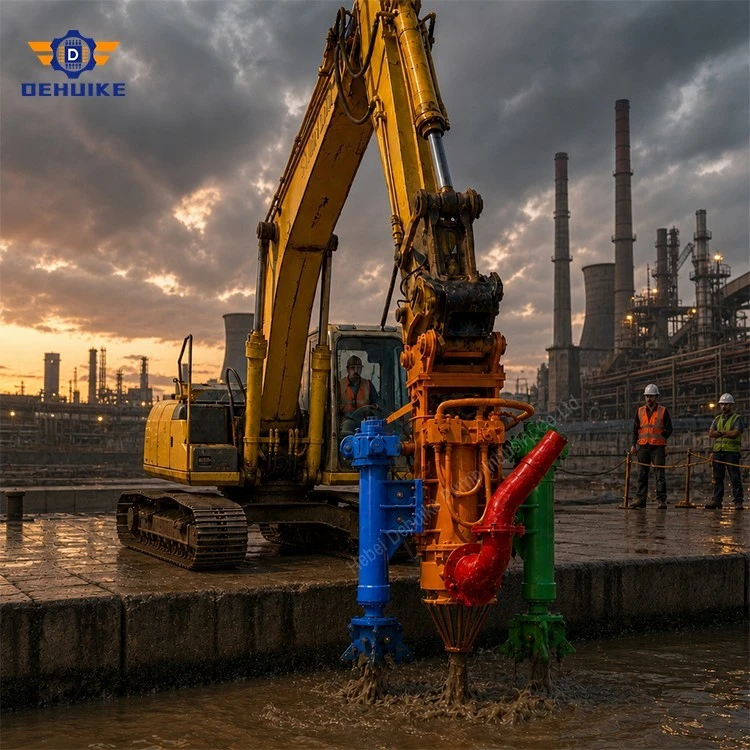
Hebei Dehuike Pump Industry Co., Ltd. is one of the most reliable manufacturers and suppliers of hydraulic sediment removal pump in China. With abundant experience, we are committed to providing high quality customized pumps with competitive price. Welcome to wholesale bulk hydraulic sediment removal pump for sale here from our factory. Also, pricelist is available.
Introduction | Clear Deposits Without Losing Control of the Water Route
A Hydraulic Sediment Removal Pump is considered when water carries settled silt, sand, fine mineral solids, pond residue, or mixed deposits that must be relocated through a controlled discharge route. The useful starting point is the deposit itself: its depth, water content, degree of consolidation, material grading, and the path from collection point to discharge area.
A Hydraulic Sediment Removal Pump selection also requires the hydraulic drive arrangement, intake method, pipe or hose route, elevation change, operating cycle, and expected shutdown procedure. These site factors are not stated in the published specifications and must be confirmed before a final configuration is offered.
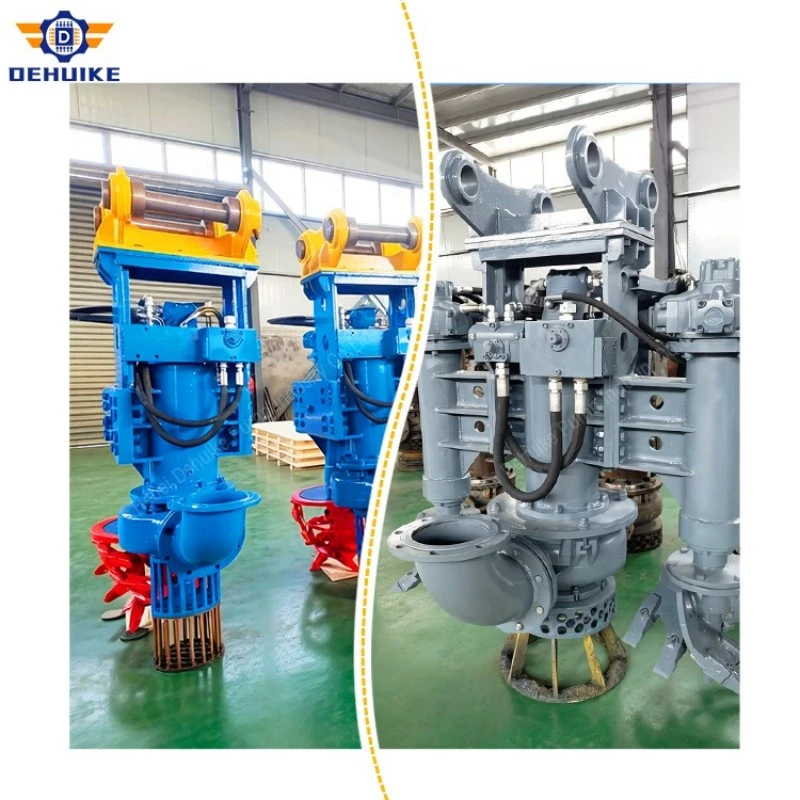
Hydraulic Sediment Removal Pump Specifications / Technical Parameters / Technical Data
Selection Guidance
Use the five WJY models as preliminary duty references. Final suitability depends on the pumped material, solids condition, route profile, hydraulic supply, inlet arrangement, discharge system, and confirmed construction.
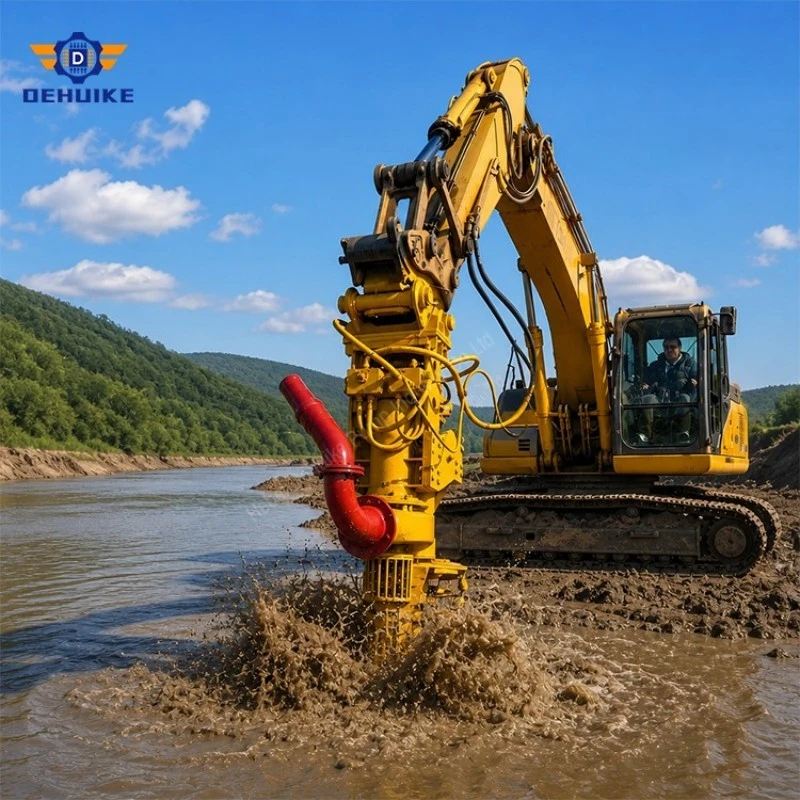
The following five WJY models provide practical reference points for project selection. Confirm the material condition, route, hydraulic interface, connection drawing, and final equipment scope before ordering.
|
Application reference |
WJY model |
Outlet caliber* |
Flow rate |
Total head |
Rotating speed |
|
Local deposit recovery |
WJY50-20 |
80 |
50 m3/h |
20 m |
1450 r/min |
|
Pond transfer duty |
WJY260-28 |
150 |
260 m3/h |
28 m |
1450 r/min |
|
Process sediment movement |
WJY450-30 |
200 |
450 m3/h |
30 m |
1450 r/min |
|
Extended discharge route |
WJY700-25 |
250 |
700 m3/h |
25 m |
1450 r/min |
|
Large sediment circuit |
WJY1000-20 |
350 |
1000 m3/h |
20 m |
1450 r/min |
*Confirm the outlet caliber unit and connection drawing before selecting pipe, hose, flange, gasket, or adaptor components.
Product Details | Link Collection, Transfer, and Discharge
A Hydraulic Sediment Removal Pump works within a complete movement path. Material may be collected from a basin floor, a settling pond, an intake channel, a tank bottom, or an excavation low point. The pump then sends the mixture through a line whose low sections, bends, changes in elevation, and receiving point can all affect the practical duty.
The WJY parameter data does not identify an intake hose, suction head, collection tool, support frame, pipeline, or hydraulic power unit. It also does not establish whether a configuration is fixed, portable, mounted on a carrier, or submersible. These are project scope decisions and must be defined separately.
General slurry-system practice recognizes that solids properties and viscosity affect transport behavior. The material condition and route must therefore be reviewed together before the hydraulic drive and pump configuration are finalized.
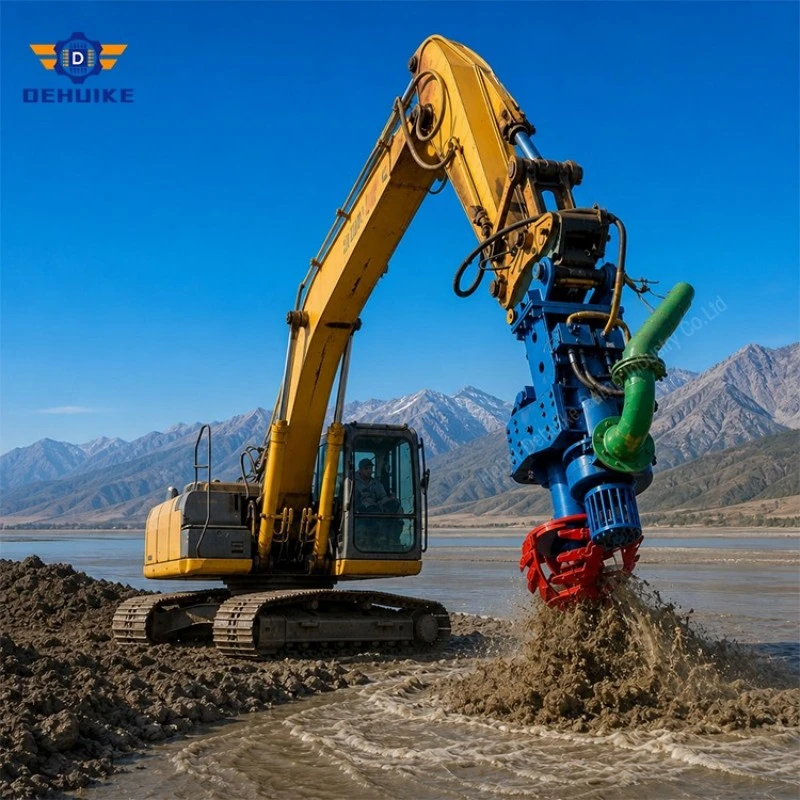
Features / Equipment Characteristics | Compare Source Duty Points by Removal Route
The five selected WJY models create a clear range for sediment-removal discussions.
WJY50-20 provides a low-flow reference for small collection areas or localized sediment handling.
WJY260-28 introduces a medium flow and head combination for pond transfer or controlled basin cleanup.
WJY450-30 provides a higher-flow model reference where the route requires a 30 m head entry.
WJY700-25 offers a larger reference for longer transfer routes after pipeline and sediment conditions are checked.
WJY1000-20 is the highest selected flow record in this page, but its 1000 m3/h entry does not establish a sediment production rate or a particle-handling limit.
Our Advantages | Source-Traceable Data for Technical Review
Each number on the five-model table is traceable to one supplied published specifications row. The page does not replace missing construction or site information with generic performance claims. This creates a clearer basis for B2B enquiries, especially when sediment condition and installation boundaries still need confirmation.
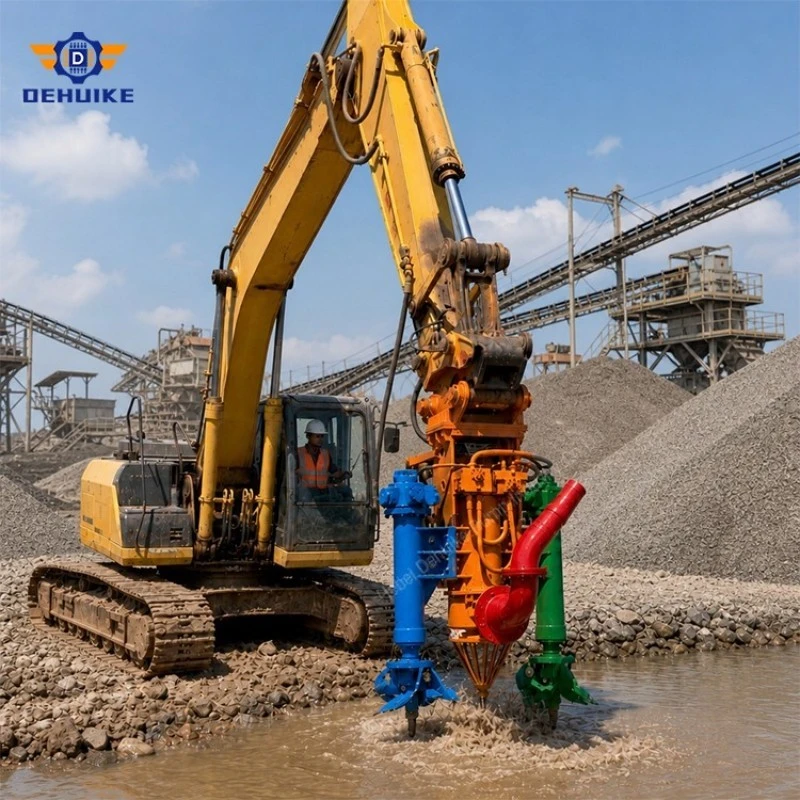
Production Process and Quality Assurance | Define the Removal Duty Before Release
A sediment-removal order should begin with a written duty description.
Material review: identify the deposit source, estimated solids content, particle range, water condition, required removal rate, route length, elevation, and planned operating period.
Configuration review: confirm the selected WJY WJY model, hydraulic motor interface, inlet arrangement, outlet connection, hoses or pipework, support method, and requested accessories.
Manufacturing control: request material, assembly, or component records only for the construction that is explicitly included in the order. Generic descriptions cannot prove suitability for a particular sediment stream.
Quality Assurance: agree inspection checkpoints, acceptance criteria, documents, and warranty language in the purchase documentation. The published parameter table is not a performance guarantee for an unverified site condition.
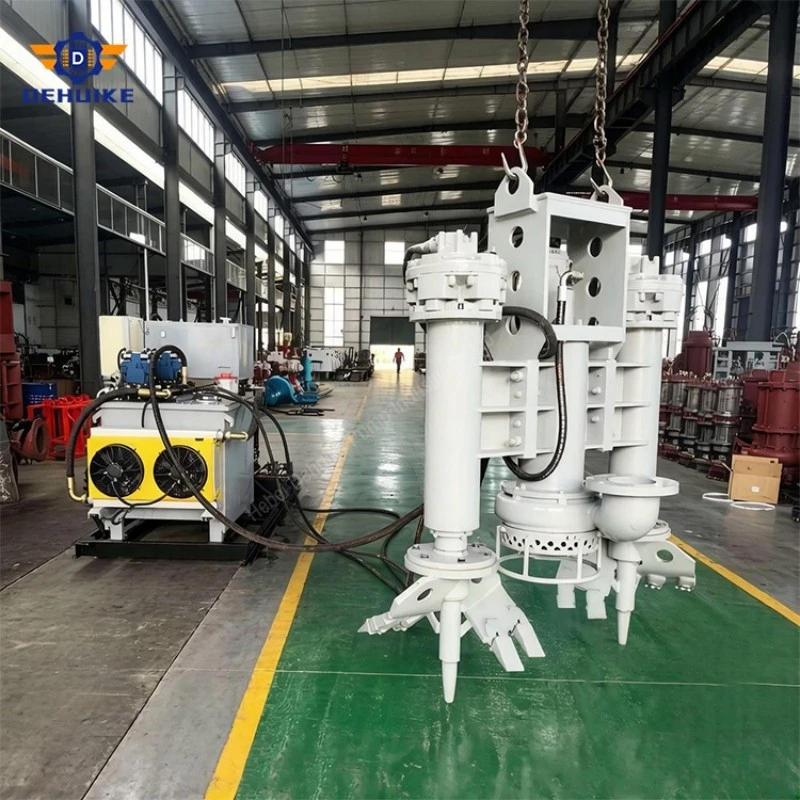
Application | Sediment Conditions to Review
The title does not approve any particular application. Site material, route, and safety method must be reviewed before selection.
|
Work point |
Primary review question |
Reason for review |
|
Pond deposit |
How settled is the material and how will it enter the intake? |
Defines collection and restart conditions. |
|
Basin cleanup |
What is the line elevation and discharge destination? |
Establishes the transfer route. |
|
Channel sediment |
What grading and water depth are present? |
Identifies hydraulic and pickup questions. |
|
Tank-bottom residue |
What access and cleaning method are available? |
Defines scope beyond the pump data. |
Experience and Markets | Ask for Comparable Sediment Evidence
A relevant reference should describe the deposit, collection method, line route, selected construction, and the evidence available from that service. A general slurry reference is not proof that another sediment, water condition, or pipeline arrangement will behave in the same way.
The published specifications does not provide customer cases, project locations, country-market information, running hours, inspection records, or maintenance results. This page therefore makes no such claims. Buyers who require comparable evidence should request supplier documentation for a similar duty.
Our Service | Start the Enquiry from the Sediment Path
A complete request should show how sediment moves through the site.
- Source information: deposit condition, water level, material grading, solids estimate, and collection point.
- Route information: intake arrangement, hose or pipe path, bends, vertical changes, isolation points, and receiving location.
- Duty information: required mixture flow, target head, operating schedule, and shutdown or cleanout routine.
- Drive information: available hydraulic circuit or power-unit information.
- Supply information: requested pump, motor, inlet equipment, line equipment, support, spares, documents, packing, and inspection scope.
This information lets the supplier compare the five WJY WJY models with the real work method rather than only with a product title.
Installation, Maintenance and Precautions | Plan for Settlement During Stops
Before starting, inspect the collection point, route supports, hose or pipe condition, isolation positions, discharge restraints, and the cleanout plan. If sediment can settle in a line while work is paused, determine the approved restart method before commissioning.
During operation, monitor delivery consistency, vibration, leakage, hydraulic temperature, unusual noise, and accumulation at bends or low points. A change in sediment concentration or water content can alter the duty without changing the selected model.
Maintenance plans should identify accessible inspection locations, line-cleaning responsibilities, component identification, and energy-isolation requirements. Do not operate with an obstructed route, unknown oversize material, reverse direction, or unapproved liquid condition without written supplier guidance.
FAQ
Q1. Which parameters in this page come from the published specifications?
The model, outlet entry, flow, head, and rotating-speed values in the five-model table are copied from the supplied Technical Parameters sheet.
Q2. Why are only five models shown?
This page is a focused product-page version using five complete WJY models to represent a range of duty references. The models were selected without changing the row values.
Q3. Is flow a dry-sediment production figure?
No. Flow is a pumped-mixture value in m3/h. Dry sediment output needs density and solids concentration data that the published specifications does not provide.
Q4. Which selected model has the highest head entry?
WJY450-30 has the highest selected head entry at 30 m. This value is a model reference and not a statement about removal depth or system pressure.
Q5. Which selected model has the highest flow entry?
WJY1000-20 has the highest selected flow entry at 1000 m3/h. The technical table does not convert that value into sediment tonnage or particle capacity.
Q6. Can the outlet entry be used as a final piping size?
No. The published specifications gives no unit or connection standard for Outlet caliber. A supplier drawing is needed before interface components are chosen.
Q7. What should be sent for a sediment-removal quotation?
Send the deposit description, route sketch, requested duty, hydraulic information, operating cycle, and intended supply boundary.
Q8. Does the page prove cutter, agitator, or submergence capability?
No. The published specifications does not describe those items. Request project-specific supplier documentation if they are required.

Request a Sediment Removal Duty Review
Send the work method and expected material condition for a Hydraulic Sediment Removal Pump review. Ask the supplier to distinguish source-row data, site assumptions, and optional equipment in the response.
Hot Tags: hydraulic sediment removal pump, China hydraulic sediment removal pump manufacturers, suppliers, factory