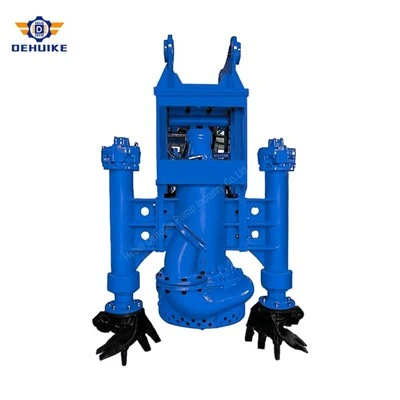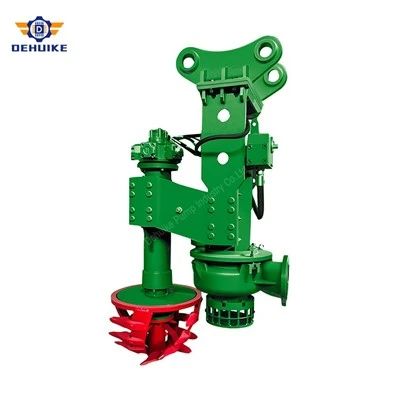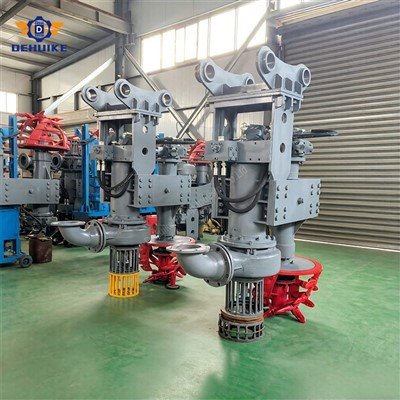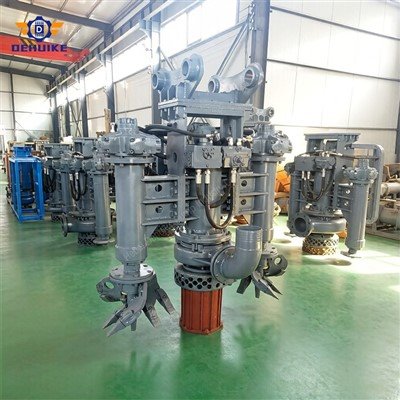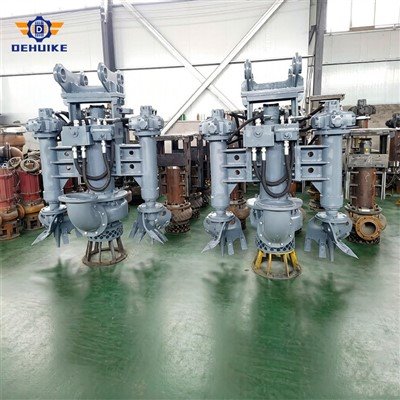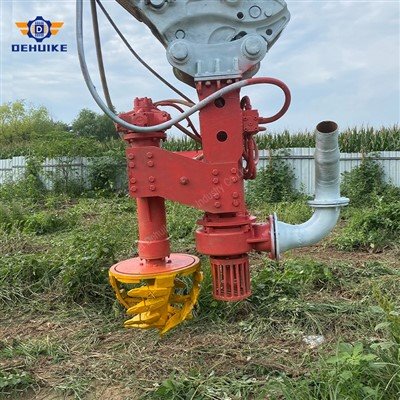

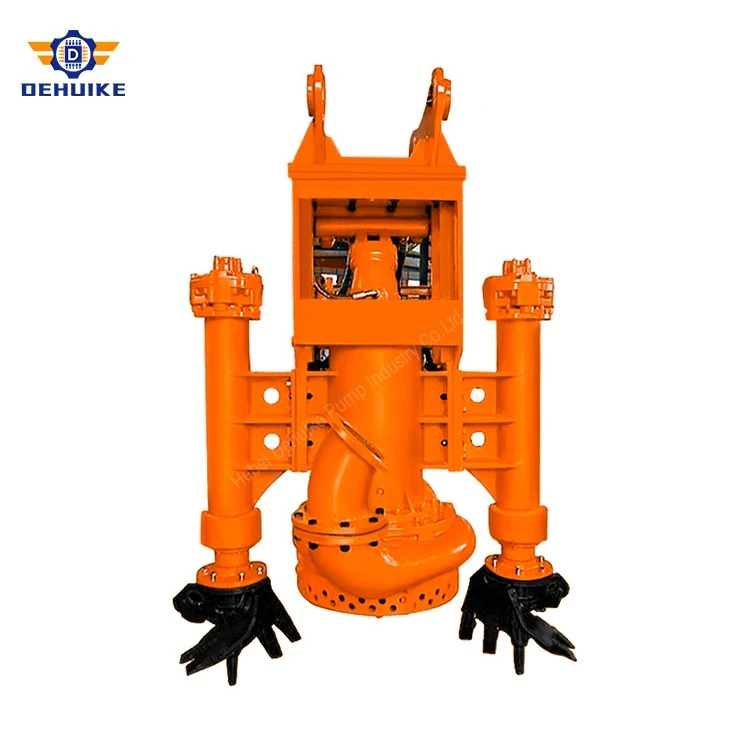
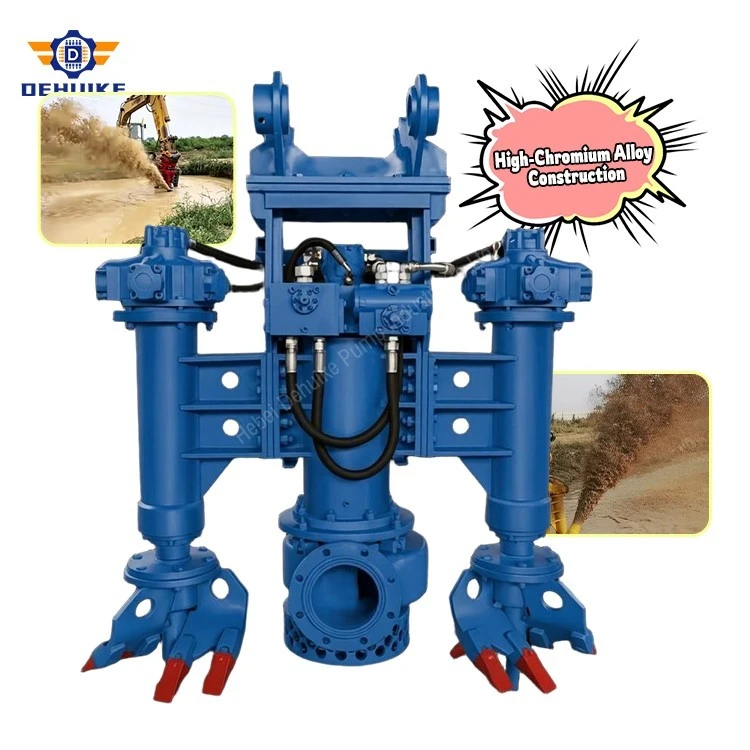


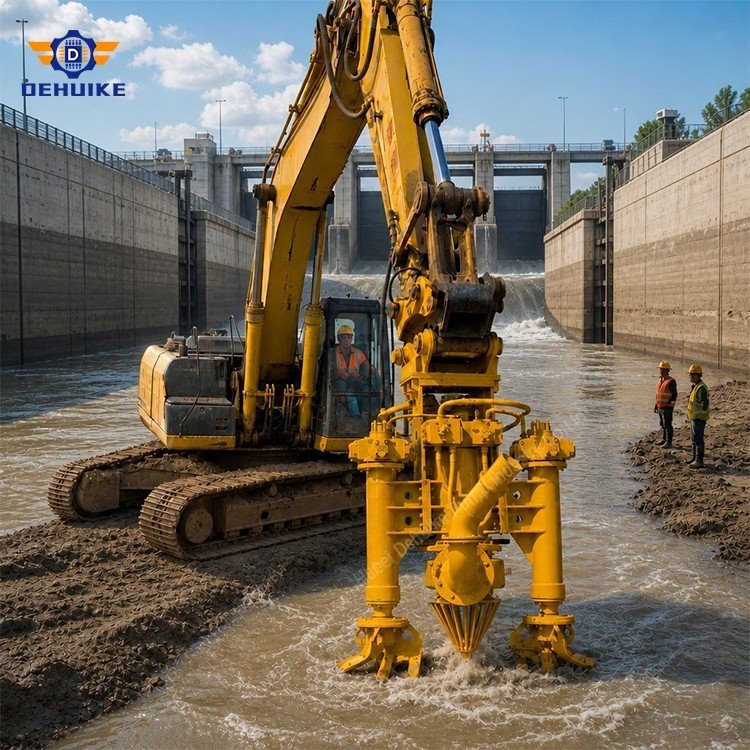
Hebei Dehuike Pump Industry Co., Ltd. is one of the most reliable manufacturers and suppliers of hydraulic excavator mounted slurry pump in China. With abundant experience, we are committed to providing high quality customized pumps with competitive price. Welcome to wholesale bulk hydraulic excavator mounted slurry pump for sale here from our factory. Also, pricelist is available.
Introduction | Start with the Carrier-to-Attachment Match
A Hydraulic Excavator Mounted Slurry Pump is a project concept in which a mobile carrier may power and position slurry-moving equipment at the work face. The useful starting point is the complete attachment chain: excavator auxiliary ports, hydraulic motor interface, bracket or coupler arrangement, hose protection, discharge route and the medium to be transferred.
A purchase enquiry should include the carrier identification, hydraulic schematic data, connection locations, intended attachment position, material characteristics and delivery route. Until those documents are matched, the page should be treated as a pump-data reference rather than proof of a completed excavator installation.

Hydraulic Excavator Mounted Slurry Pump Specifications / Technical Parameters / Technical Data
Selection Guidance
Use the five WJY models as preliminary duty references. Final suitability depends on the pumped material, solids condition, route profile, hydraulic supply, inlet arrangement, discharge system, and confirmed construction.

The following five WJY models provide practical reference points for project selection. Confirm the material condition, route, hydraulic interface, connection drawing, and final equipment scope before ordering.
|
Application reference |
WJY model |
Outlet caliber* |
Flow rate |
Total head |
Rotating speed |
|
Compact carrier review |
WJY80-20 |
80 |
80 m3/h |
20 m |
1450 r/min |
|
Mid-range attachment review |
WJY300-25 |
150 |
300 m3/h |
25 m |
1450 r/min |
|
Higher-head carrier review |
WJY500-40 |
200 |
500 m3/h |
40 m |
1450 r/min |
|
Larger transfer review |
WJY700-20 |
250 |
700 m3/h |
20 m |
1450 r/min |
|
High-flow carrier review |
WJY1000-18 |
300 |
1000 m3/h |
18 m |
1450 r/min |
*Confirm the outlet caliber unit and connection drawing before selecting pipe, hose, flange, gasket, or adaptor components.
Product Details | Treat the Excavator and Pump as One Working System
A Hydraulic Excavator Mounted Slurry Pump arrangement includes more than the pump. The carrier supplies hydraulic energy; the attachment interface supports and positions the unit; the hose set transfers oil; the discharge line moves the slurry. The excavator's auxiliary circuit therefore has to be assessed alongside the pumping duty.
The supplied table describes neither the excavator connection nor the attachment structure. It should not be used to infer a quick-hitch fit, boom mounting method, carrier size or permitted return connection. These must be agreed through an approved mounting and hydraulic-interface drawing.
Before connecting or disconnecting work tools, stored pressure in auxiliary hydraulic lines must be managed according to the carrier and attachment instructions. Caterpillar's auxiliary-hydraulic safety guidance notes the need to relieve pressure before attachment connection or removal. [1] This is a general safety reference, not evidence of compatibility for any WJY model.
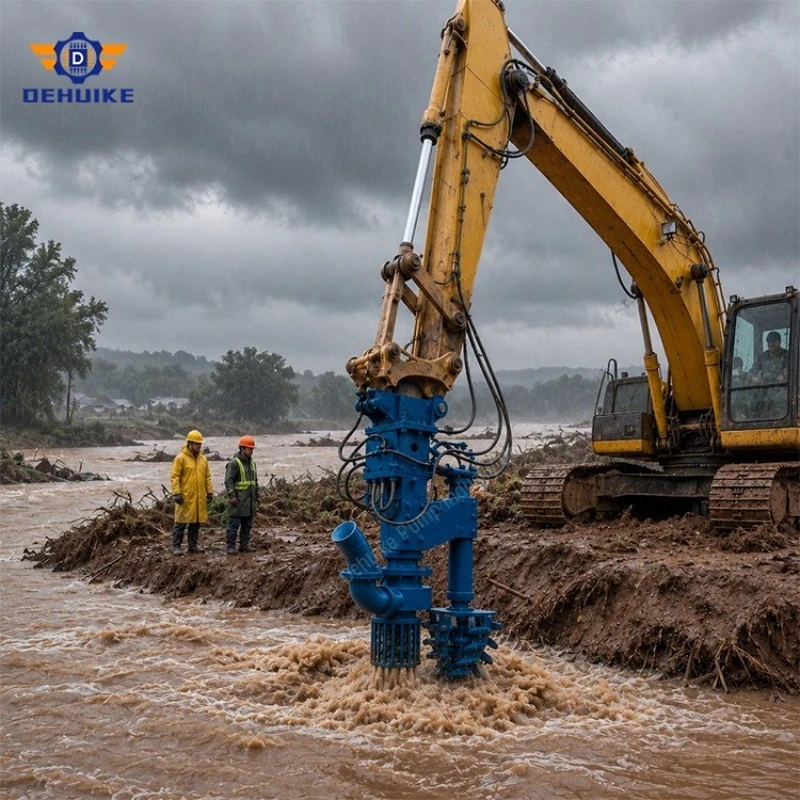
Features / Equipment Characteristics | Review Carrier Limits Before Nominal Capacity
The selected WJY models supports preliminary comparison, but an excavator-mounted project needs a two-part review: the slurry transfer requirement and the carrier interface.
Small flow entries offer initial reference points for confined site cleanup, pits, drainage points or controlled sediment transfer.
Mid-range entries can be reviewed for construction slurry, pond maintenance or process-support duties where the carrier can reach the work area.
Higher listed flows require an especially careful check of excavator hydraulic supply, mounting stability, hose routing and discharge-line conditions.
Models sharing one flow may have different head values; retain the full model code and its whole WJY model during selection.
Attachment fit is not implied: no WJY row names an excavator brand, quick coupler, bracket or carrier class.
Our Advantages | Separate Confirmed Data from Attachment Assumptions
A clearer request can compare carrier data, slurry duty and supply scope at the same time. This avoids unsupported claims about plug-and-play installation, universal excavator fit, attachment weight, rapid coupling or operating depth.
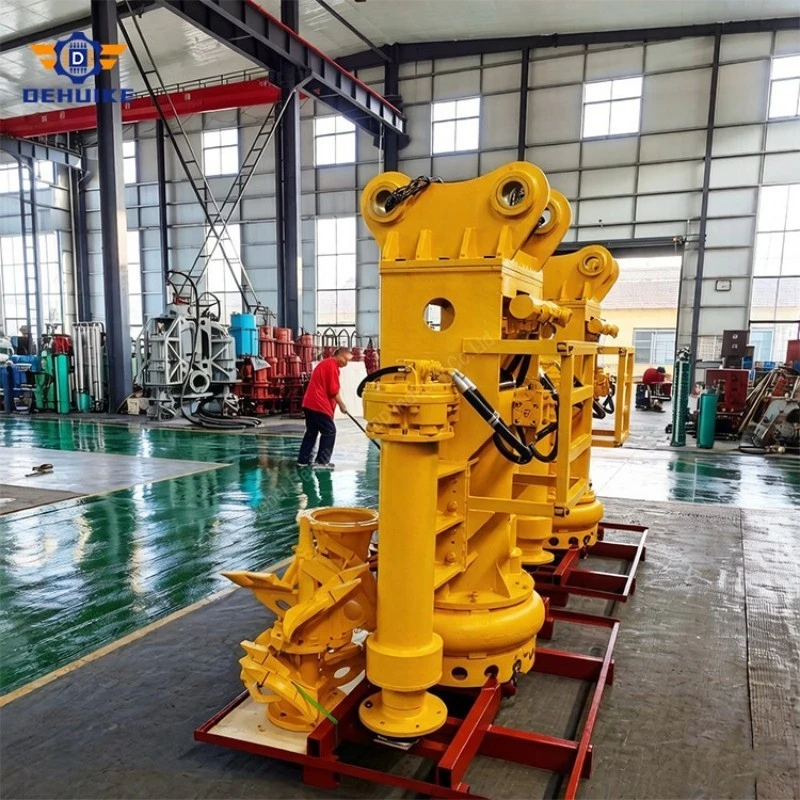
Production Process and Quality Assurance | Release the Mounted Package Only After Interface Approval
Carrier review: record excavator model, available auxiliary hydraulic flow, pressure limits, return arrangement, attachment control mode, mounting location and operating envelope.
Slurry review: define the pumped material, solids content, particle range, water condition, target capacity, target head, line routing and working schedule.
Configuration release: approve the WJY model, motor interface, coupler or bracket arrangement, hoses, fittings, discharge connection, frame and optional pickup equipment.
Inspection plan: agree how model identity, hydraulic interfaces, mounting dimensions, hose routing, assembly condition, packing and required documents will be checked before shipment.
Quality Assurance: test method, acceptance criteria and warranty boundaries must be written into the order documents. The source parameter list is not proof of excavator compatibility or attachment certification.
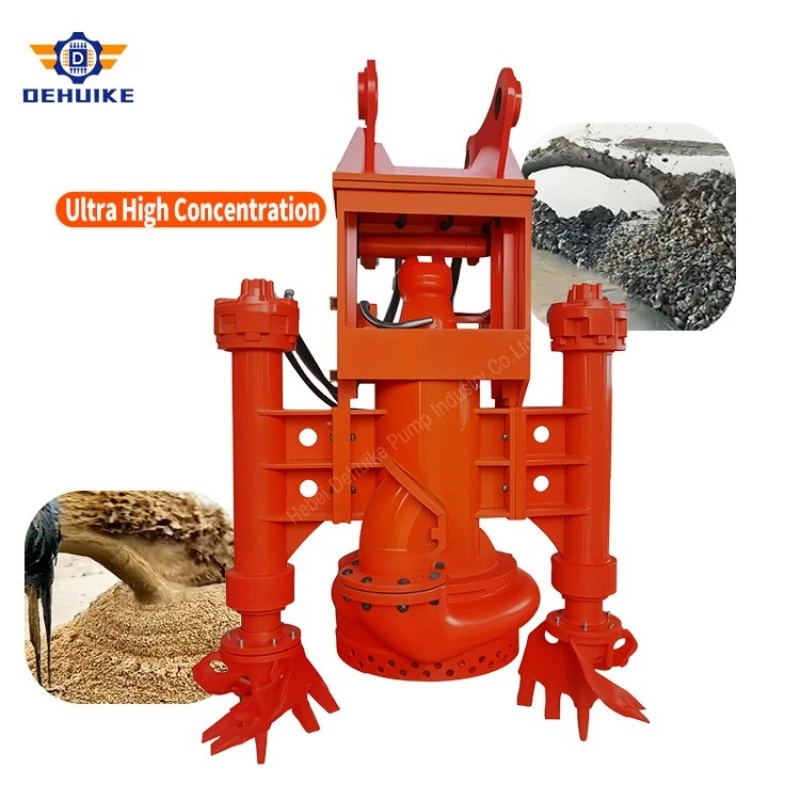
Application | Excavator-Positioned Slurry Duties to Assess
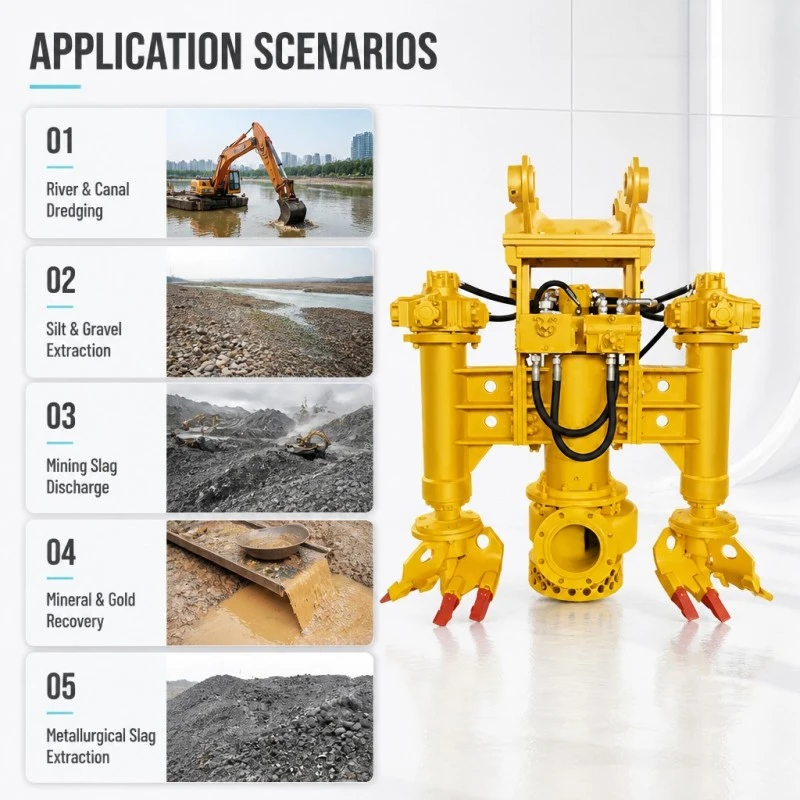
A Hydraulic Excavator Mounted Slurry Pump may be evaluated where an excavator can safely position a hydraulic slurry-transfer attachment near the material. The intended application must be confirmed with carrier and site data.
|
Work location |
Primary confirmation |
Why the WJY source cards help |
|
Construction pit |
Carrier access, slurry condition and discharge route |
Establishes a pump-duty shortlist. |
|
Pond or lagoon cleanup |
Reach, water level, sediment pickup and hose routing |
Identifies attachment and system constraints. |
|
Riverbank or channel work |
Ground stability, mounting arrangement and delivery point |
Separates project safety from pump parameters. |
|
Industrial settlement area |
Process material, chemical condition and carrier interface |
Defines unknown construction and compatibility data. |
The product title does not authorize use at any site. Ground condition, carrier stability, local regulations and approved work method remain project responsibilities.
Experience and Markets | Request Evidence for Comparable Carrier Installations
A relevant excavator-mounted reference should identify the carrier type, installation arrangement, hydraulic interface, material handled, discharge line and confirmed operating conditions. A general hydraulic-pump reference does not prove a specific attachment fit.
The supplied published specifications has no excavator installation records, project locations, carrier brands, customer cases, operating hours, export markets or maintenance data. These claims are therefore not made on this page. Where references are required, ask the supplier for documents that match the proposed carrier and slurry duty.
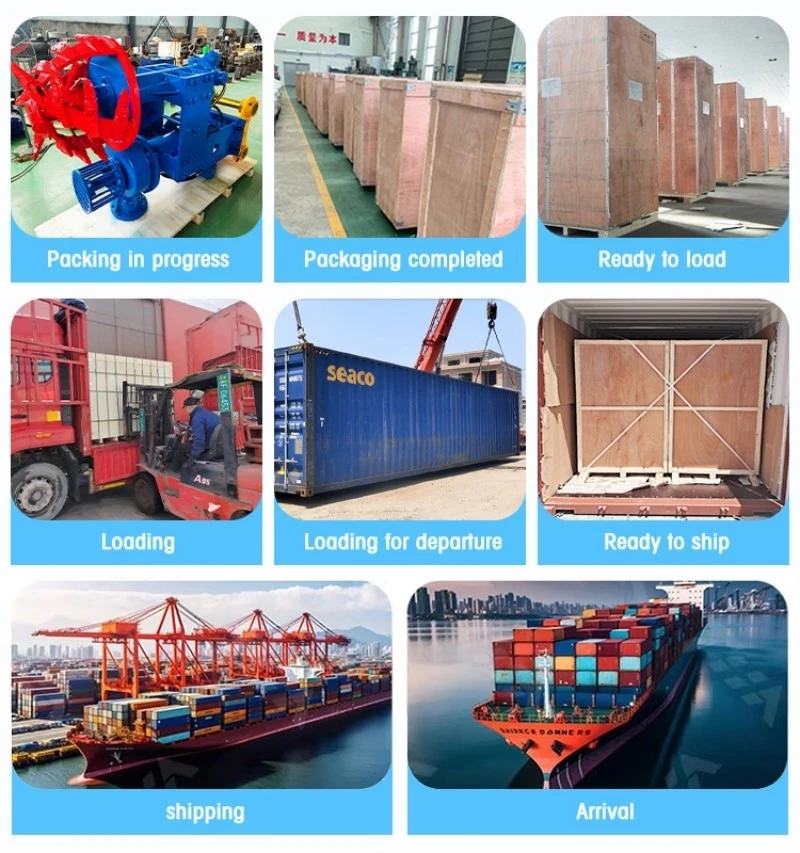
For international B2B purchases, obtain the attachment drawing, hydraulic schematic, manual, lifting or handling instructions, spare-parts list, packing specification, inspection record and warranty terms before release.
Our Service | Send a Carrier and Slurry Information Pack
A complete information pack lets the supplier review an excavator-mounted proposal as a system rather than as an isolated pump.
Carrier details: excavator make and model, auxiliary circuit flow, pressure, return arrangement, coupler and mounting information.
Slurry details: material description, solids content, particle range, fluid condition, target capacity and target head.
Work layout: reach, pickup location, water level, discharge distance, line routing and operating schedule.
Attachment request: motor, bracket, hose set, fittings, frame, pickup tool, discharge interface and controls.
Order scope: pump-only, mounted assembly, hydraulic accessories, spares, documents, inspection and packing requirements.
This structure helps distinguish published specifications values from the additional data needed to engineer an excavator-mounted system.

Installation, Maintenance and Precautions | Control Hydraulic Connections and Site Movement
Before work begins, inspect the attachment mounting, hydraulic hose condition, couplings, return path, discharge line, supports and planned shutdown procedure. Release residual pressure only under the carrier manufacturer's approved method before connecting or removing hydraulic lines.
During service, observe attachment stability, hose movement, leakage, pump delivery, vibration, hydraulic temperature, abnormal sound and solids accumulation in the discharge route. Stop and investigate if the carrier circuit or slurry condition changes outside the approved operating scope.
Maintenance planning should cover attachment inspection, hose condition, wear components, connection cleanliness, spare identification and energy isolation. Do not assume dry running, blocked discharge, reverse rotation, unsupported lifting, unapproved chemical exposure or work under an unconfirmed excavator arrangement is permitted.
FAQ | Carrier Interface Questions Before Ordering
Q1. Which values are directly traceable to the source file?
Every model card uses the published specifications's listed model name, medium-flow value, head value, outlet entry and speed value. No excavator fit has been derived from those fields.
Q2. How many WJY models are shown?
Five selected WJY models are shown to provide compact, mid-range, higher-head, larger-transfer, and high-flow reference points.
Q3. Does m3/h describe an excavator's oil supply?
It does not. The m3/h field is the pumped-medium capacity shown in the WJY data. Carrier oil flow, pressure and return conditions need separate hydraulic documentation.
Q4. Why is carrier tonnage not shown?
Neither attachment mass nor mounting geometry is available in the published specifications. A tonnage estimate without those data would be unreliable.
Q5. What do the two 1000 m3/h cards indicate?
WJY1000-18 combines that flow figure with 18 m of head, while WJY1000-20 pairs it with 20 m. The difference matters when routing the discharge line.
Q6. Which records carry the 40 m head figure?
The 40 m value appears with WJY200-40 and WJY500-40. It is not a statement about attachment reach, motor pressure or lifting capacity.
Q7. Is an outlet number enough to order connection hardware?
No. The published specifications does not attach a standard or dimensional unit to "Outlet caliber." Obtain an approved interface drawing first.
Q8. Which documents help an attachment supplier evaluate the project?
Provide the carrier auxiliary-hydraulic information, mounting sketch, pump duty, material description, hose route, work position and planned scope of supply.

Request an Excavator-Mounted Duty Review
For a Hydraulic Excavator Mounted Slurry Pump proposal, submit the carrier and duty data together. Ask the supplier to mark the difference between technical-table parameters, carrier-interface checks and optional package equipment.
Hot Tags: hydraulic excavator mounted slurry pump, China hydraulic excavator mounted slurry pump manufacturers, suppliers, factory