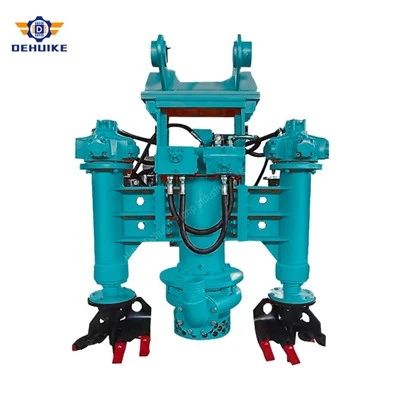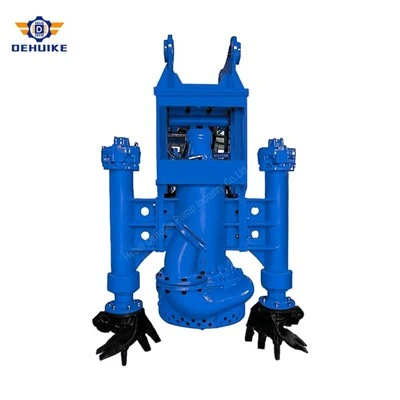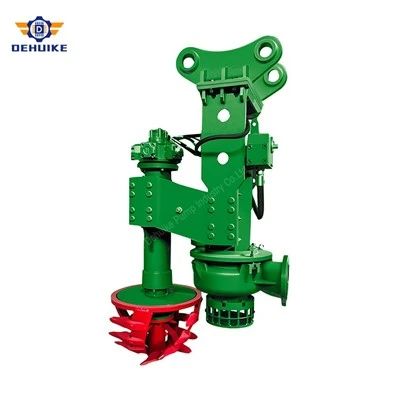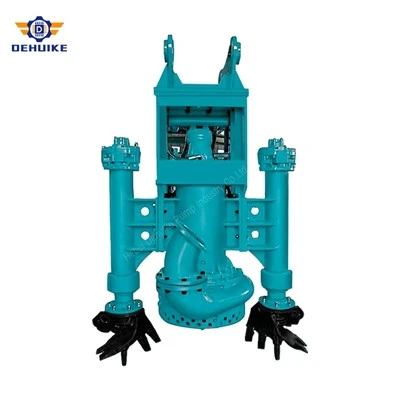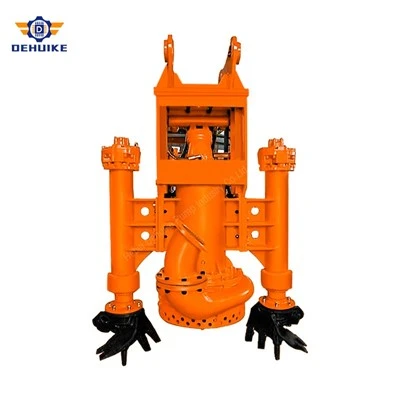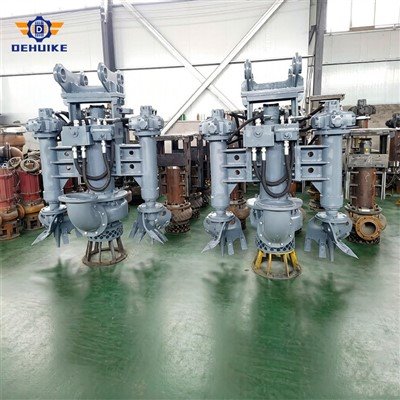

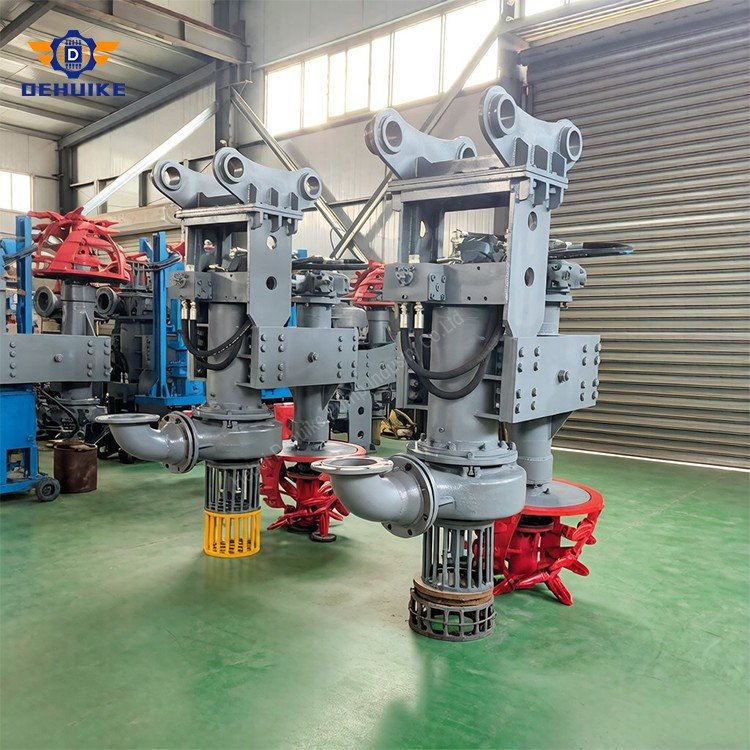

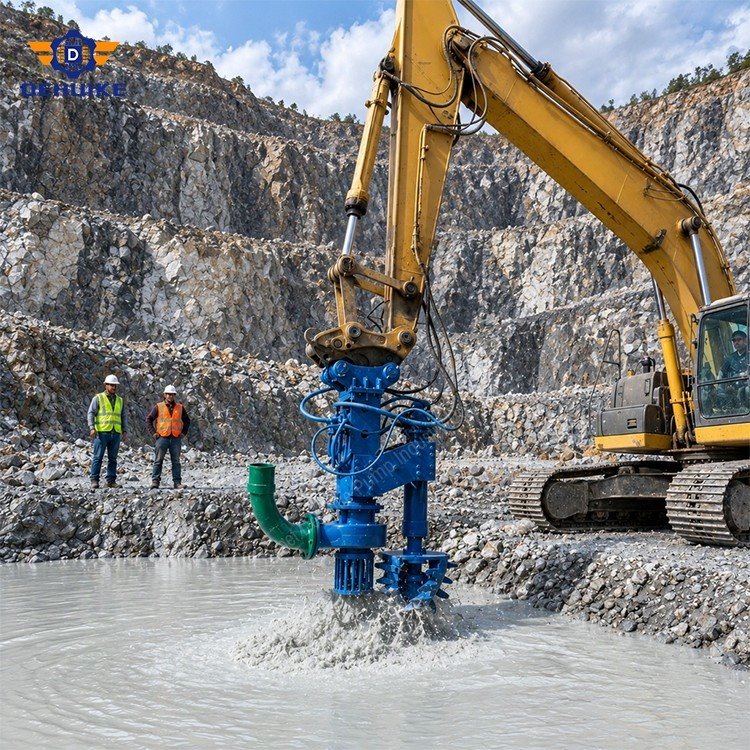
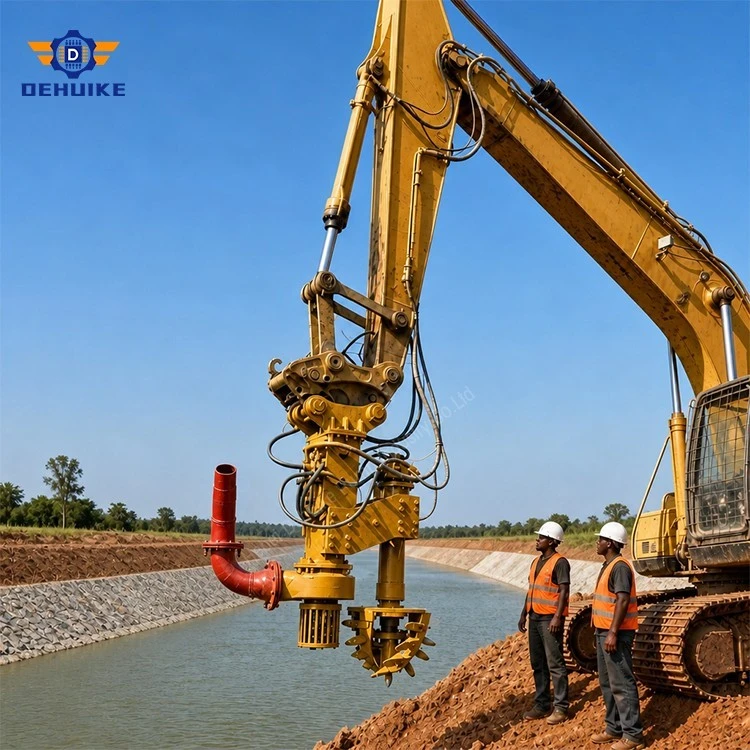
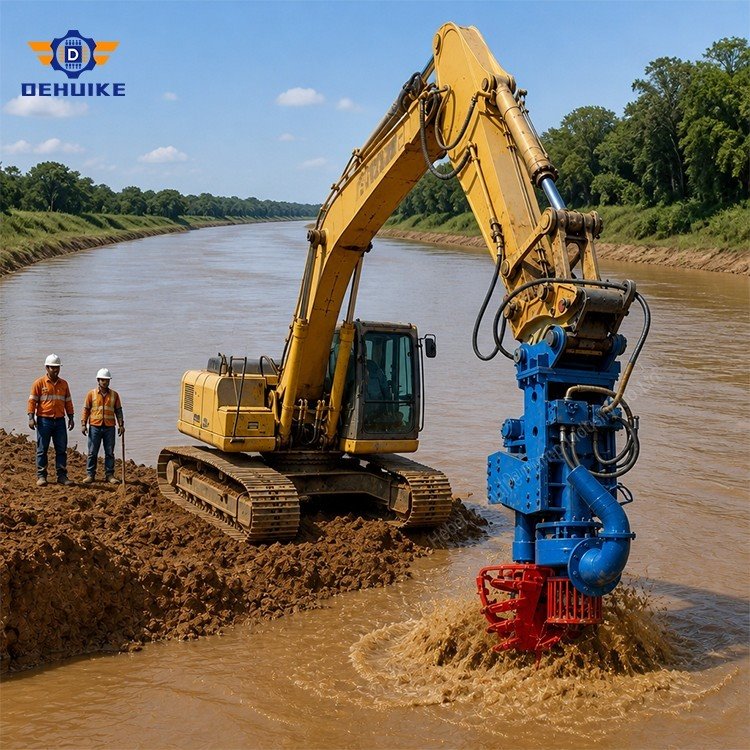
Hebei Dehuike Pump Industry Co., Ltd. is one of the most reliable manufacturers and suppliers of hydraulic slurry transfer pump in China. With abundant experience, we are committed to providing high quality customized pumps with competitive price. Welcome to wholesale bulk hydraulic slurry transfer pump for sale here from our factory. Also, pricelist is available.
Introduction | Move Slurry Through a Defined Process Route
A Hydraulic Slurry Transfer Pump is designed for projects that move slurry from one process point to another through a controlled hydraulic and discharge arrangement. Typical transfer work may begin at a collection sump, wash plant, settling area, process tank, pond, or residue basin and finish at a receiving tank, treatment step, stockpile area, or controlled discharge point.
The practical value of a Hydraulic Slurry Transfer Pump lies in matching the transfer route with the material condition. Slurry can change as it travels. Solids may settle during a pause, water content may vary, and the discharge route may introduce bends, elevation changes, or restrictions. These site conditions should be reviewed together with the selected pump duty.
This page presents five WJY source-model references for B2B slurry transfer discussions. Each listed model keeps its original outlet caliber value, flow rate, head, and rotating speed together. The product selection should then be completed according to the actual medium, route, and hydraulic power available at the site.
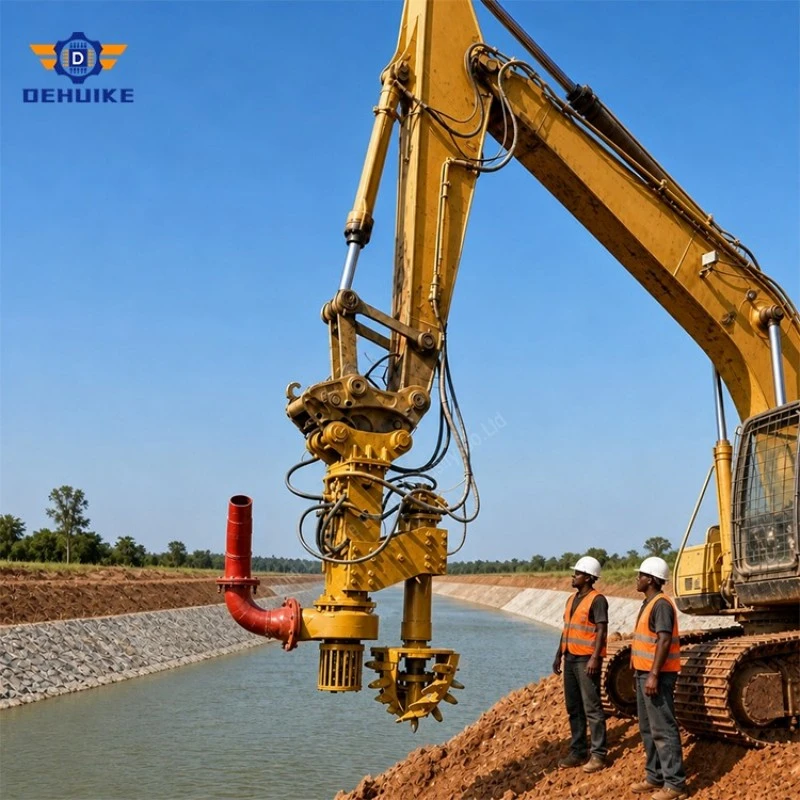
Hydraulic Slurry Transfer Pump Specifications / Technical Parameters / Technical Data
How to Use the Model Data
The five WJY entries provide a practical range from 150 m3/h to 1000 m3/h. WJY150-25 and WJY300-25 both provide 25 m head references for lower and mid-range transfer discussions. WJY400-20 gives a 400 m3/h reference for a 20 m head route. WJY700-20 and WJY1000-20 offer larger flow references for projects with longer routes or higher delivery demand.
The listed flow rate refers to pumped-mixture volume, not dry solids production. The listed head is a pump reference value, not a direct statement about tank depth, pipeline pressure, particle size, hydraulic oil pressure, or motor power. Final performance depends on material density, solids concentration, line geometry, elevation, water ratio, inlet condition, and hydraulic-drive configuration.
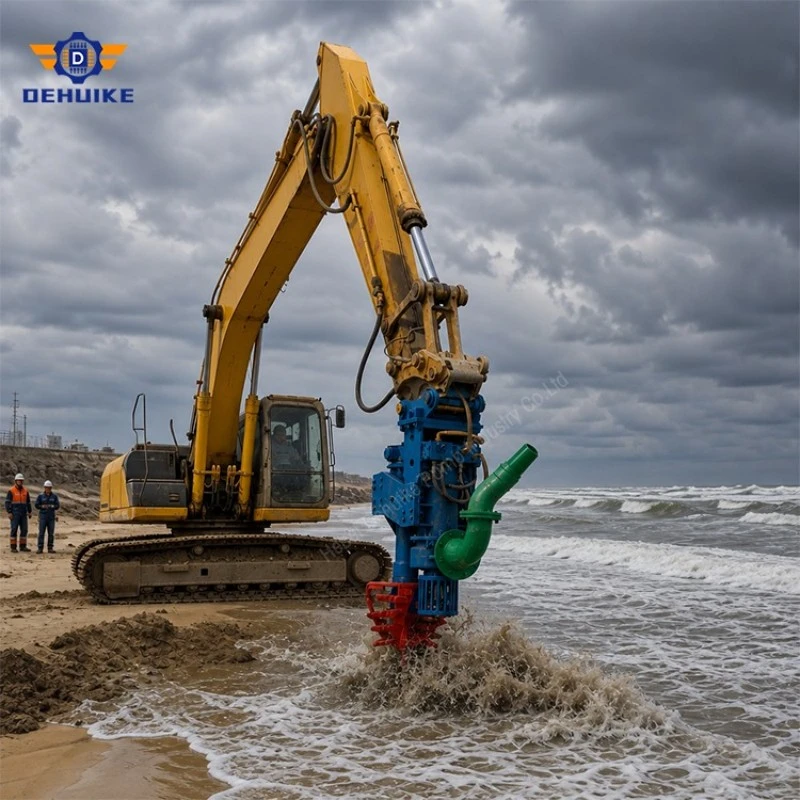
|
Transfer route reference |
WJY model |
Outlet caliber* |
Flow rate |
Total head |
Rotating speed |
|
Compact transfer route |
WJY150-25 |
100 |
150 m3/h |
25 m |
1450 r/min |
|
Process line transfer |
WJY300-25 |
150 |
300 m3/h |
25 m |
1450 r/min |
|
Basin discharge route |
WJY400-20 |
200 |
400 m3/h |
20 m |
1450 r/min |
|
Extended slurry line |
WJY700-20 |
250 |
700 m3/h |
20 m |
1450 r/min |
|
Large transfer route |
WJY1000-20 |
350 |
1000 m3/h |
20 m |
1450 r/min |
*Outlet caliber values are provided as technical reference entries. Confirm the connection drawing, interface standard, hose size, pipe class, and mating components before installation.
Product Details | Connect the Source Point to the Receiving Point
A Hydraulic Slurry Transfer Pump should be reviewed as part of the full material route. The source side may include a slurry sump, process vessel, pond, screen discharge, treatment basin, or collection pit. The receiving side may include a storage tank, dewatering unit, separation stage, settling area, or discharge location.
A successful transfer system needs more than a suitable pump reference. The inlet arrangement must allow the material to reach the pump. The discharge route must support the intended mixture flow. Hose or pipe sections, bends, isolation valves, elevation changes, and cleanout access should be identified before the final package is ordered.
The final supply scope can include the pump, hydraulic motor, inlet equipment, discharge connection, hose or pipe components, support arrangement, controls, and spare parts as required by the project. Confirm the scope in writing so that the equipment boundary is clear before manufacturing and delivery.
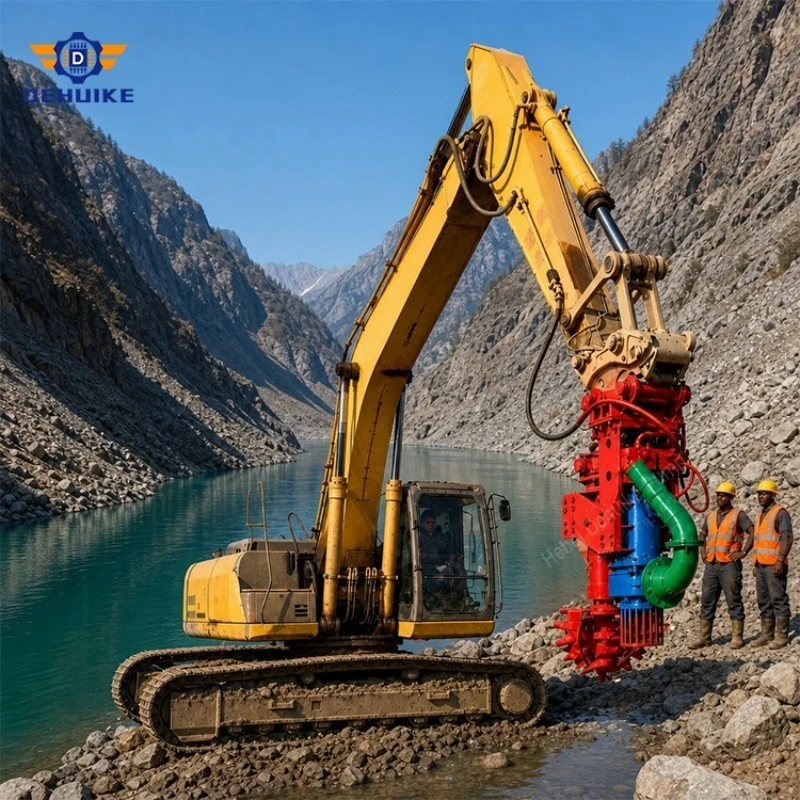
Features / Equipment Characteristics | Build a Transfer System Around the Actual Duty
The selected WJY models give engineering and procurement teams clear transfer reference points.
WJY150-25 supports discussions for smaller transfer circuits and compact process routes.
WJY300-25 provides a mid-range reference where a 25 m head value is required.
WJY400-20 offers a 400 m3/h source reference for basin discharge, wash-water solids, or process residue movement.
WJY700-20 provides a higher-flow reference for extended slurry transfer lines after route losses are reviewed.
WJY1000-20 provides the largest selected flow reference for major transfer duties with a 20 m head entry.
Each model should be selected using the complete source row rather than flow alone. Two routes with the same flow target can require different solutions if their elevation, line length, slurry consistency, or discharge conditions are different.
Our Advantages | Clear Data for Better Project Communication
The selected WJY references provide clear duty points without mixing data from different models. This gives buyers a reliable starting point for defining their route, expected transfer volume, and required equipment scope.
The page focuses on route-based selection instead of unsupported claims. It does not assume a universal sludge, sand, mineral, chemical, or debris-handling capability. This helps B2B buyers request the construction details and accessories that match their actual application.
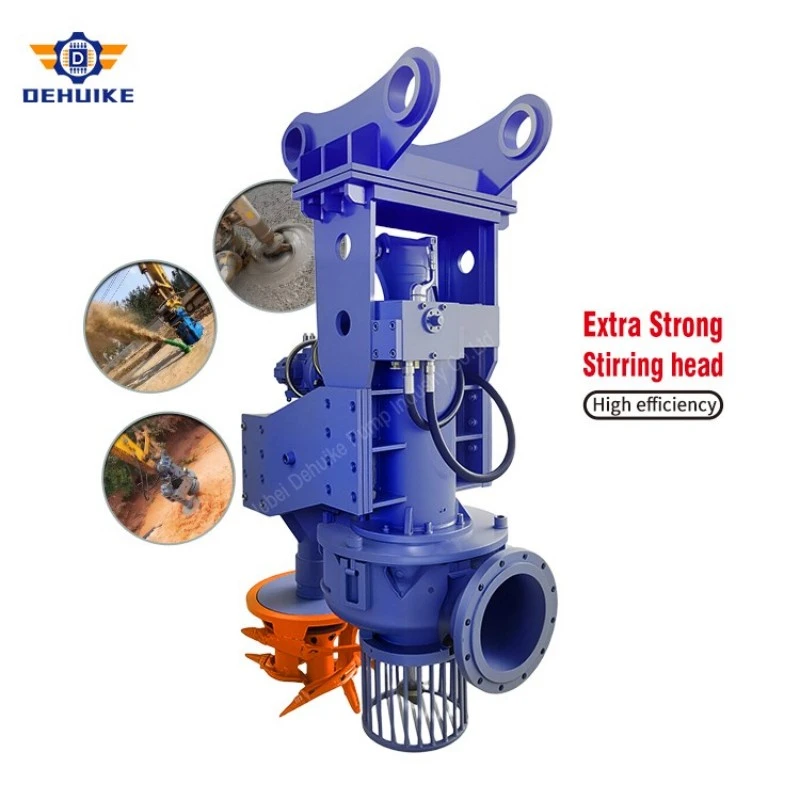
Production Process and Quality Assurance | Confirm the Transfer Package Before Release
Material and route review: identify the source medium, expected solids condition, transfer destination, target flow, route profile, operating cycle, and line-cleaning method.
Configuration confirmation: agree the WJY model, hydraulic drive connection, inlet method, outlet interface, support layout, and any requested accessories.
Inspection planning: confirm model identification, interface dimensions, assembly condition, documentation needs, packing requirements, and acceptance criteria before shipment.
Quality Assurance: testing scope, inspection records, certificate requirements, and warranty terms should be agreed in the purchase documentation. This creates a clear technical basis for handover and after-sales support.

Application | Typical Hydraulic Slurry Transfer Pump Duties
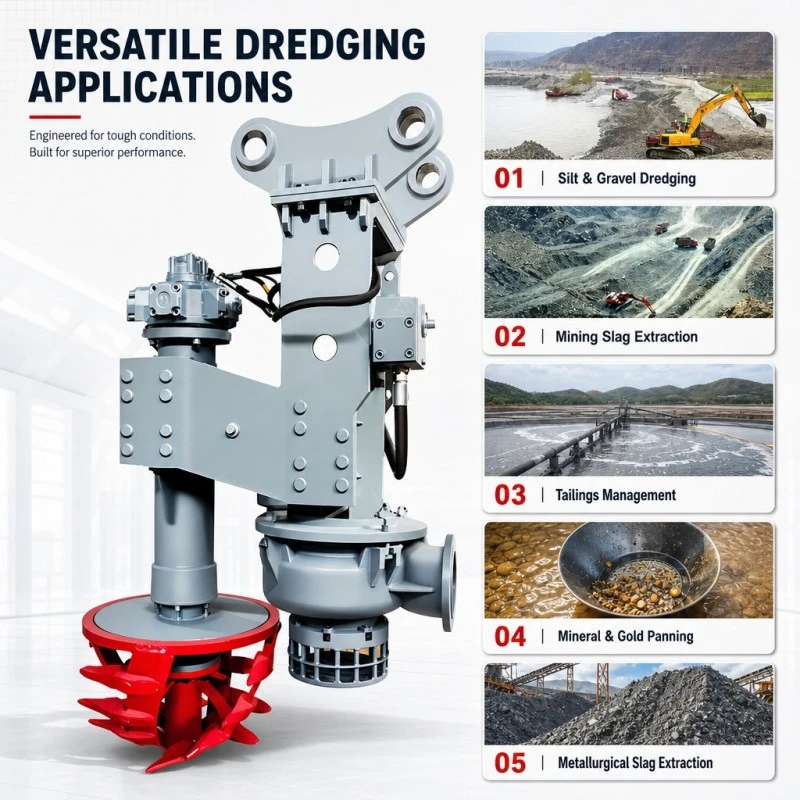
A Hydraulic Slurry Transfer Pump can be reviewed for a range of transfer tasks where the material condition and line route are known.
|
Application area |
Transfer objective |
|
Process sump |
Move collected slurry to a treatment or receiving stage |
|
Wash plant |
Transfer solids-bearing water through a defined route |
|
Settling basin |
Relocate residue to a storage, treatment, or discharge point |
|
Industrial process line |
Move slurry between vessels or production stages |
|
Pond management |
Transfer accumulated material under an approved work method |
Each application requires confirmation of the material, transfer line, and operating method before final selection.
Experience and Markets | Request Transfer Evidence That Matches the Route
For international procurement, buyers should request the document package needed for their own project: technical drawings, operating information, parts identification, inspection documents, packing details, warranty terms, and technical support contacts.
A route-specific review helps distributors, contractors, and plant operators compare proposals using practical transfer conditions rather than general product descriptions.
Our Service | Share the Route from Start to Finish
A complete request gives the supplier a better basis for selecting the correct WJY reference and defining the transfer package.
Source information: describe the collection point, medium condition, solids level, water ratio, and intake method.
Route information: provide pipe or hose length, elevation changes, bends, flexible sections, isolation points, and receiving destination.
Duty information: state required flow, target head, operating hours, expected stops, and line-clearance procedure.
Hydraulic information: provide available oil flow, pressure, power-unit details, or carrier information where applicable.
Supply information: confirm whether the request includes pump, drive, inlet equipment, discharge equipment, supports, spares, documentation, inspection, packing, and delivery services.
Installation, Maintenance and Precautions | Keep the Transfer Route Ready
During operation, monitor delivery stability, vibration, leakage, hydraulic temperature, line movement, unusual sound, and signs of material accumulation. A change in slurry consistency or water content can affect transfer behavior even when the selected model remains unchanged.
Maintenance planning should include accessible inspection points, spare-parts identification, cleaning responsibility, and energy-isolation procedures. Do not operate against a blocked route, reverse flow, unknown debris, incompatible liquid condition, or unapproved temperature condition without written supplier guidance.
FAQ
Q1. Which WJY models are included in this product page?
The selected references are WJY150-25, WJY300-25, WJY400-20, WJY700-20, and WJY1000-20.
Q2. What is the selected flow range?
The selected models range from 150 m3/h for WJY150-25 to 1000 m3/h for WJY1000-20.
Q3. Which selected models have a 25 m head reference?
WJY150-25 and WJY300-25 both have a 25 m head reference.
Q4. Is the flow rate a dry solids output figure?
No. Flow rate is a pumped-mixture volume reference. Dry solids output depends on actual density and solids concentration.
Q5. Can the outlet caliber be used as the final connection size?
Confirm the connection drawing and interface standard before selecting pipe, hose, flange, or adaptor components.
Q6. Can the pump be used for every slurry type?
Final suitability depends on the medium, solids level, particle condition, chemistry, route, and selected construction.
Q7. What information is needed for a transfer proposal?
Provide the source medium, route layout, required flow and head, hydraulic information, operating cycle, and supply scope.
Q8. Can the system be used for intermittent transfer?
The line-clearing and restart method should be agreed for the actual material and route before operation.

Hot Tags: hydraulic slurry transfer pump, China hydraulic slurry transfer pump manufacturers, suppliers, factory