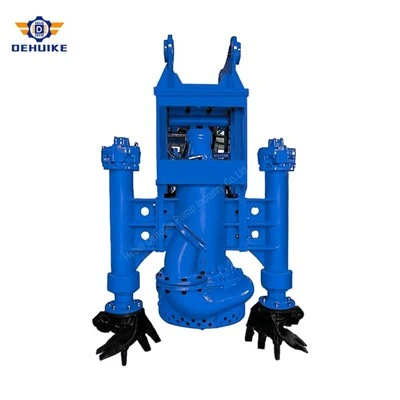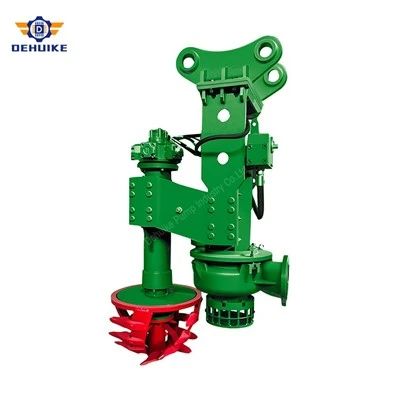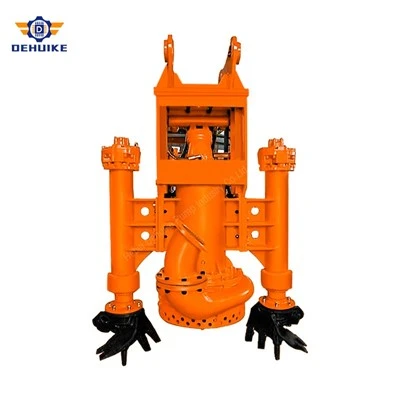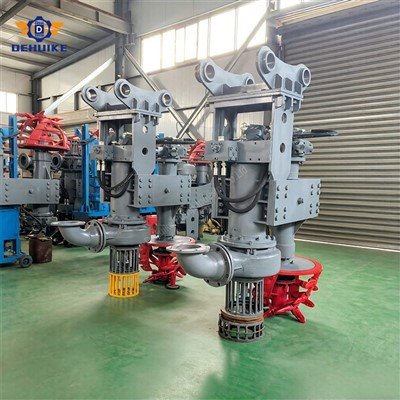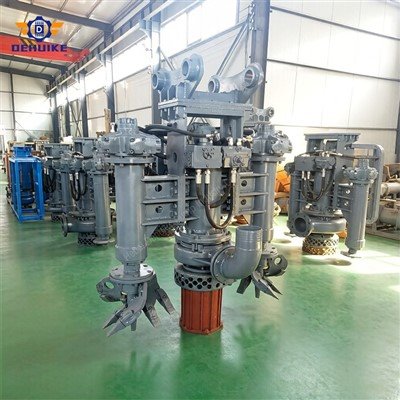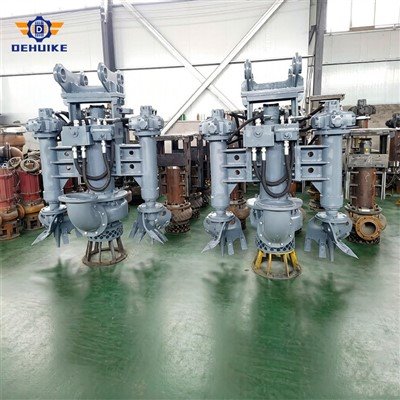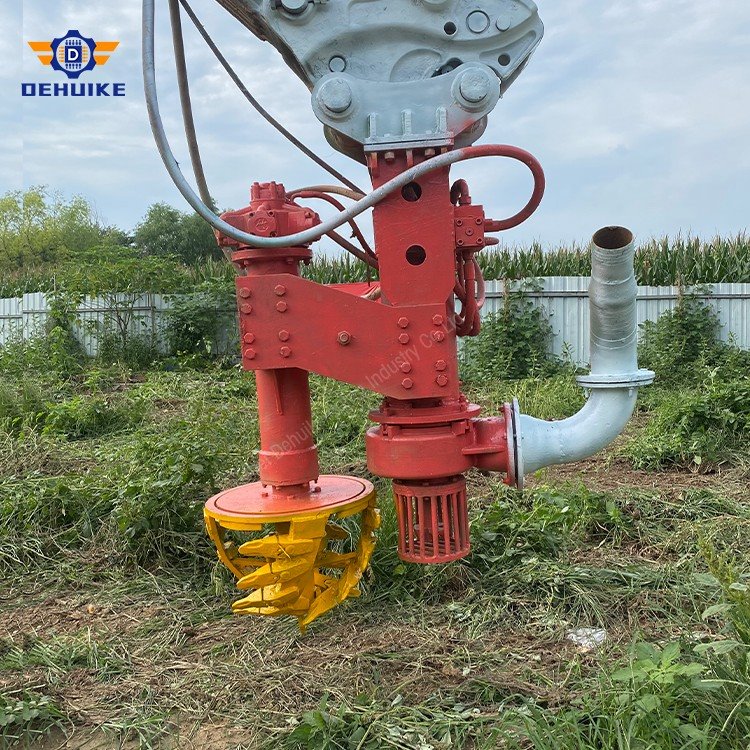
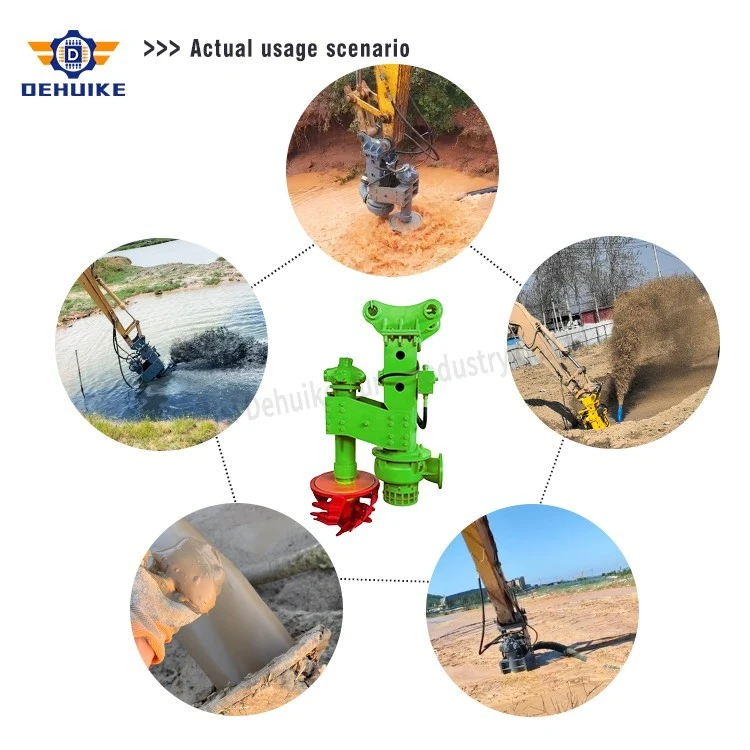
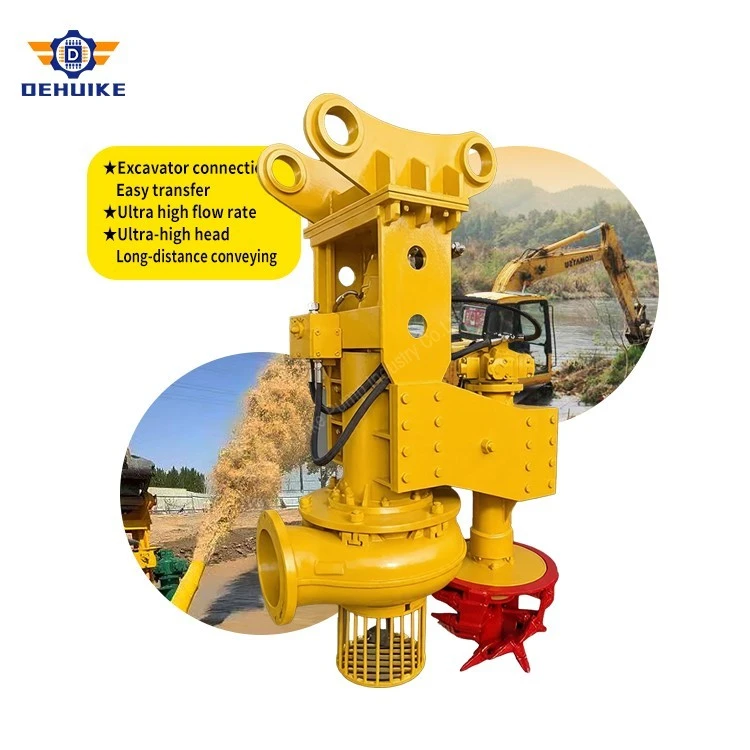
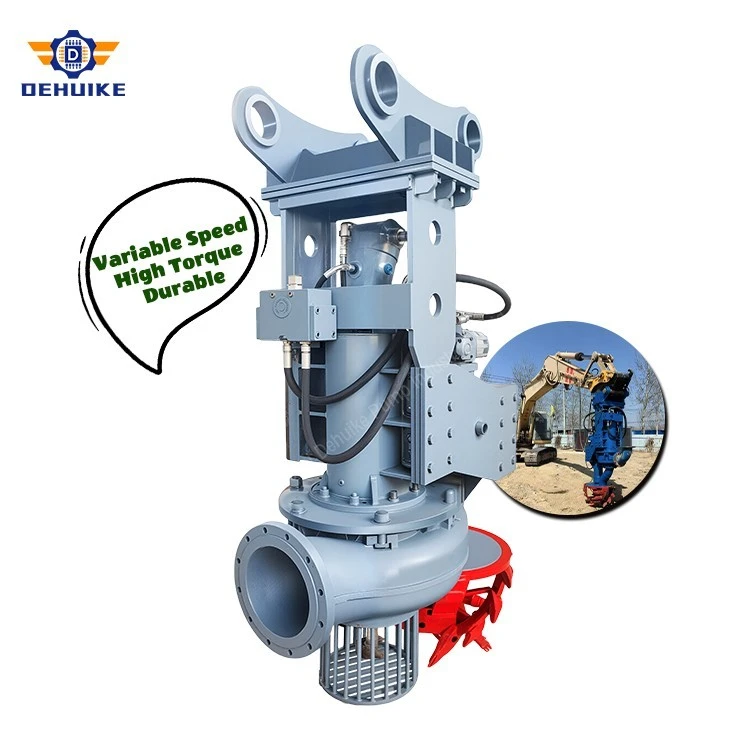

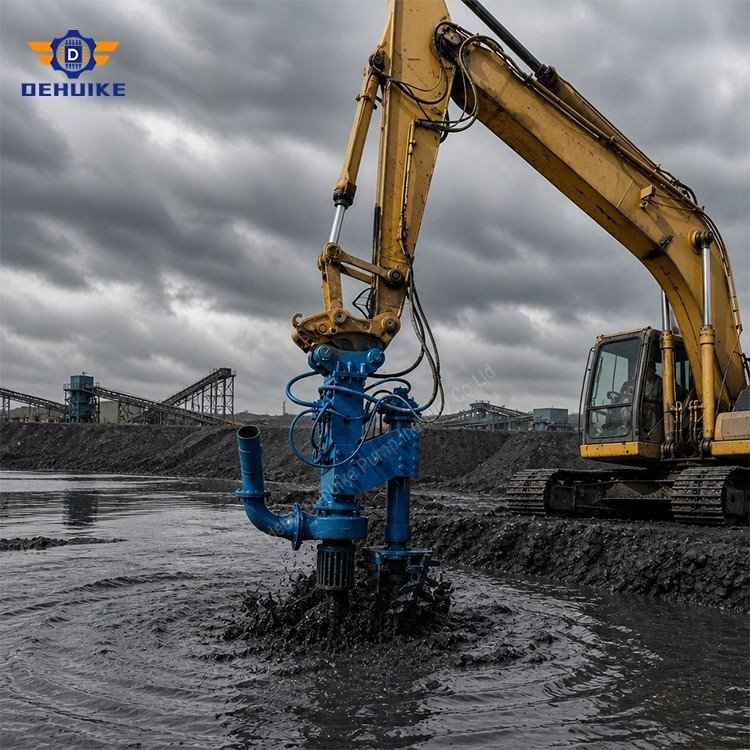
Hebei Dehuike Pump Industry Co., Ltd. is one of the most reliable manufacturers and suppliers of hydraulic gravel slurry pump in China. With abundant experience, we are committed to providing high quality customized pumps with competitive price. Welcome to wholesale bulk hydraulic gravel slurry pump for sale here from our factory. Also, pricelist is available.
Introduction | Start with the Gravel Condition and Transfer Route
A Hydraulic Gravel Slurry Pump is evaluated where water carries gravel, coarse sand, sediment or mixed mineral particles through a transfer route. The correct selection begins with the material at the intake point: rounded gravel, sharp crushed aggregate, mixed sand and stones, or compacted bed material can create different pumping and pipeline demands.
For a practical quotation, describe the gravel size range, particle shape, solids concentration, slurry density if known, pickup method, required delivery point, pipe route, working period and available hydraulic supply. A Hydraulic Gravel Slurry Pump listing is a starting point for that engineering review, not proof of a universal gravel-handling configuration.
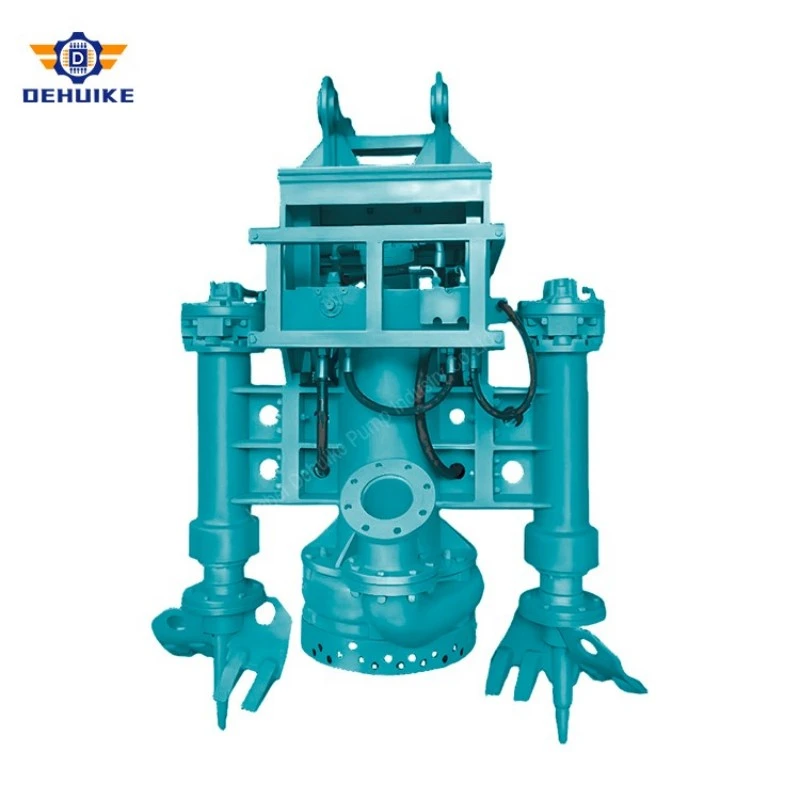
Hydraulic Gravel Slurry Pump Specifications / Technical Parameters / Technical Data
Selection Guidance
Use the five WJY models as preliminary duty references. Final suitability depends on the pumped material, solids condition, route profile, hydraulic supply, inlet arrangement, discharge system, and confirmed construction.
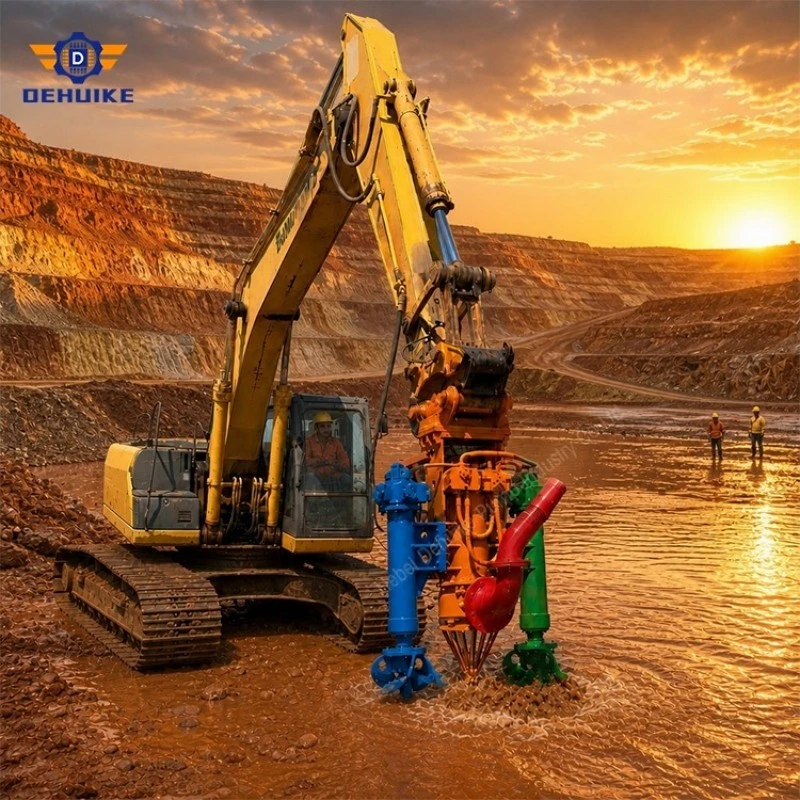
The following five WJY models provide practical reference points for project selection. Confirm the material condition, route, hydraulic interface, connection drawing, and final equipment scope before ordering.
|
Application reference |
WJY model |
Outlet caliber* |
Flow rate |
Total head |
Rotating speed |
|
Localized gravel transfer |
WJY50-20 |
80 |
50 m3/h |
20 m |
1450 r/min |
|
Plant transfer duty |
WJY300-20 |
150 |
300 m3/h |
20 m |
1450 r/min |
|
Aggregate movement duty |
WJY450-25 |
200 |
450 m3/h |
25 m |
1450 r/min |
|
Extended gravel route |
WJY600-30 |
250 |
600 m3/h |
30 m |
1450 r/min |
|
Large gravel circuit |
WJY1000-20 |
350 |
1000 m3/h |
20 m |
1450 r/min |
*Confirm the outlet caliber unit and connection drawing before selecting pipe, hose, flange, gasket, or adaptor components.
Product Details | Design Around Pickup, Pipeline and Receiving Point
A Hydraulic Gravel Slurry Pump is part of a material-transfer layout. Gravel must enter the pump through an agreed pickup arrangement, travel through a discharge line and arrive at a receiving area. The route may be short and level or may include bends, elevation changes and variable solids loading. Those conditions are outside the WJY table and need separate evaluation.
The published specifications does not identify a gravel intake, hopper, screen, cutter, agitator, suction hose or discharge pipeline. It also does not state whether a particular installation is fixed, portable or mounted on another machine. These details should appear in the confirmed quotation rather than being assumed from the product name.
Hydraulic Institute references on solids and slurry properties provide general context for considering particle behavior, material selection and viscosity effects. [1][2][3] They are not a performance certificate, materials declaration or gravel-duty approval for a WJY model.
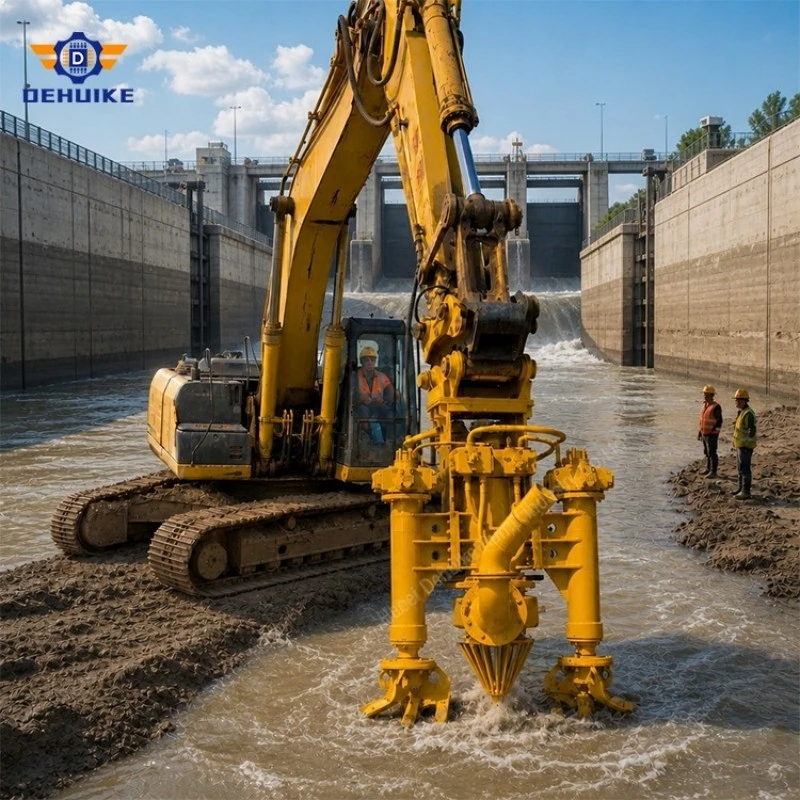
Features / Equipment Characteristics | Keep the Gravel Stream in the Selection Discussion
The selected WJY range gives B2B buyers a structured set of listed values for preliminary gravel-slurry review.
50 to 200 m3/h entries can support an initial discussion for smaller pits, aggregate washdown or controlled sediment transfer.
260 to 400 m3/h entries provide several combinations for site processing, stockpile drainage or gravel-bearing water movement.
450 to 600 m3/h entries can be screened for higher-duty routes after particle size and pipeline resistance are confirmed.
700 to 1000 m3/h entries create a larger-capacity shortlist but do not confirm the size or hardness of material that can be handled.
Rows with matching flow figures can still have different head values, so the complete WJY model must remain intact during selection.
Our Advantages | Full Parameter Visibility with Clear Limits
That structure supports clearer procurement discussions. Engineering teams can compare listed values, describe their material route and request only the optional construction or accessory information their project actually needs.
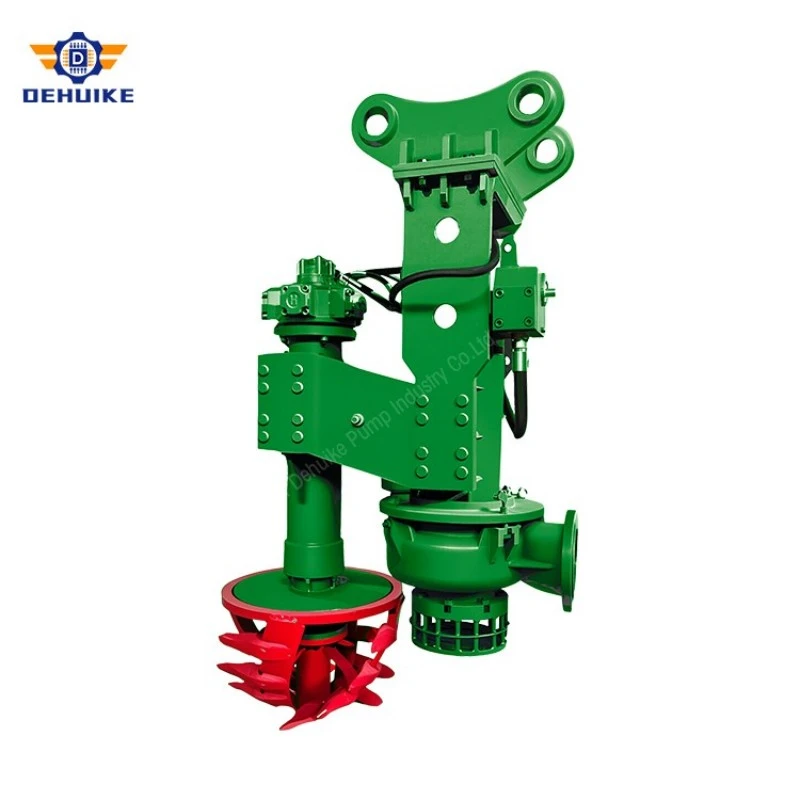
Our Advantages | Full Parameter Visibility with Clear Limits
Material profile: record gravel size range, shape, concentration, fluid condition, target duty, expected operation time and pipeline arrangement.
Configuration approval: confirm the selected WJY WJY model, wetted construction, hydraulic drive interface, intake arrangement, discharge connection, support method and optional accessories.
Build record: request material, component or fabrication documents only for items listed in the final order. General language about wear resistance does not replace a defined specification.
Inspection plan: identify model verification, connection dimensions, assembly review, packing requirements and documentation before shipment.
Quality Assurance: agree test scope, acceptance criteria, certificates and warranty boundaries in the contract. The WJY parameter card alone does not guarantee gravel-duty performance.
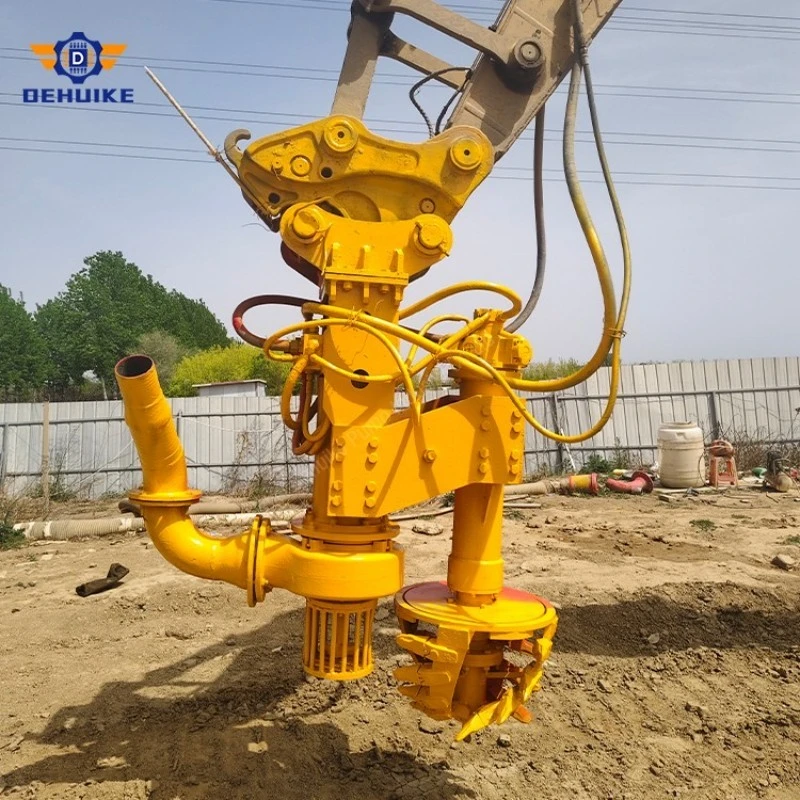
Application | Gravel and Coarse-Solids Duties to Review
A Hydraulic Gravel Slurry Pump may be evaluated for gravel-bearing water, aggregate fines, sand-and-stone mixtures, excavation residue and related solids-transfer duties where the actual medium and installation conditions are known.
|
Work point |
Information to confirm |
Product-page purpose |
|
Aggregate wash area |
Gravel size, water ratio and discharge distance |
Defines the initial duty range. |
|
Quarry sump |
Solids concentration, pickup method and route elevation |
Identifies pipeline and configuration questions. |
|
Stockpile drainage |
Particle mix, operating cycle and receiving location |
Clarifies site layout before selection. |
|
Excavation cleanup |
Material condition, hose route and hydraulic source |
Separates project inputs from technical data. |
Do not approve the application from the title alone. Gravel condition and line geometry must be confirmed for every project.
Experience and Markets | Compare References by Material Route
For gravel work, a reference has value only when its route resembles the new project. The relevant questions are where the gravel entered the stream, whether it was washed or dry-fed, how far it travelled, what happened during pauses, and which parts were inspected afterwards. A case involving fine sediment cannot demonstrate the same conditions as a mixed-gravel line.
The WJY published specifications does not identify any project, country, buyer, operating duration, service interval or measured result. This page therefore makes no market-coverage or application-history claim. Where a bid requires experience evidence, request a comparable project record that describes the material route and the actual contracted construction.
Before purchase across borders, buyers should ask for the document set needed for their own receiving process: approved outline drawings, parts coding, commercial packing details, inspection scope, warranty wording and a named contact path for technical questions.
Our Service | Build the Gravel Transfer Brief Around the Route
•At the source: state whether the feed comes from a bed, wash screen, trench, sump or stockpile; include an approximate gravel grading and whether stones are sharp or rounded.
•Along the route: mark the line length, rises, bends, branches, flexible sections, isolation points and the intended receiving location.
•At the duty point: show the requested mixture flow, target delivery elevation, operating window and planned pauses or batch cycles.
•At the hydraulic interface: provide the available power-unit or carrier information, including oil-circuit data if known.
•At handover: identify the equipment boundaries, desired spare approach, inspection documents and packing method.
With this route-based information, the supplier can distinguish a technical-table model card from the additional parts and checks needed for an operating gravel-transfer system.
Installation, Maintenance and Precautions | Manage a Coarse-Solids Transfer Circuit
Commissioning should include an agreed line-clearance method. If work stops with gravel-bearing slurry in the discharge path, determine who performs the clearance, which isolation points are used and what conditions must be met before restart. These methods must come from the approved project documentation.
During each operating period, compare actual delivery with the accepted duty point and look for unusual changes at bends, joints, flexible pieces and supports. Audible impact, changing hose shape, deposits after shutdown, leakage or unexpected vibration should trigger inspection rather than adjustment based only on nominal pump data.
Prepare maintenance around the material path: record accessible wear locations, keep the correct parts identification, set site-specific inspection triggers and lock out hydraulic energy before intervention. Operating with an obstructed route, unknown oversize material, reverse direction or unapproved fluid condition requires written supplier instruction.
FAQ | Gravel Transfer Decision Points
Q1. What is the purpose of the model cards?
They preserve the 20 visible WJY WJY models in a readable product-page format. Each card displays only the WJY model name, medium-flow entry, head entry, outlet entry and speed entry.
Q2. Does the page assign a gravel class to any model?
No. The published specifications does not contain a gravel grading, stone diameter, particle shape or passage-limit field, so no such category is assigned here.
Q3. How should a buyer interpret the m3/h entries?
They are mixture-flow figures from the table. Converting them into a gravel mass rate would require site density and solids-fraction information that was not supplied.
Q4. What does the pair WJY200-40 and WJY500-40 show?
Both records contain a 40 m head entry. One has a 200 m3/h flow entry and the other has 500 m3/h, making them separate source duty references rather than interchangeable gravel configurations.
Q5. Why are WJY1000-18 and WJY1000-20 both retained?
They share the largest listed flow number, 1000 m3/h, but retain distinct head values of 18 m and 20 m. Keeping both records prevents a source-row detail from being lost.
Q6. What does the outlet number mean for an installation?
It is copied unchanged from the published specifications outlet column. A supplier drawing is needed to determine the actual mating connection, gasket, hose or pipe component.
Q7. Which field observations should be provided before selection?
Supply the gravel grading, water condition, feed method, route drawing, operating cycle, desired delivery point and available hydraulic information.
Q8. Can the page be used as evidence of wear material or service interval?
No. The published specifications does not name the wet-end construction, abrasion classification or inspection interval. Those matters need a project-specific supplier response.

Request a Gravel Duty Review
Send the gravel grading, water ratio, transfer route, hydraulic information, and required duty point for project review.
Hot Tags: hydraulic gravel slurry pump, China hydraulic gravel slurry pump manufacturers, suppliers, factory