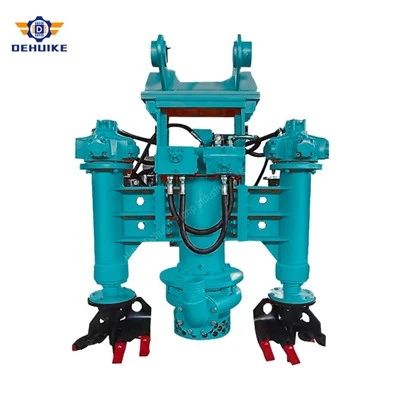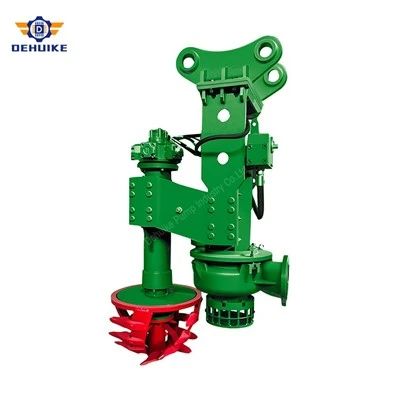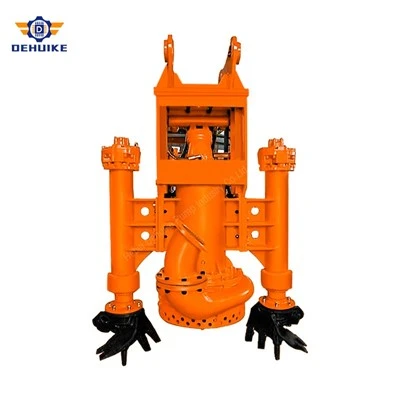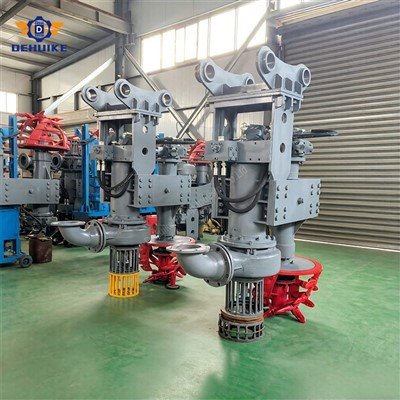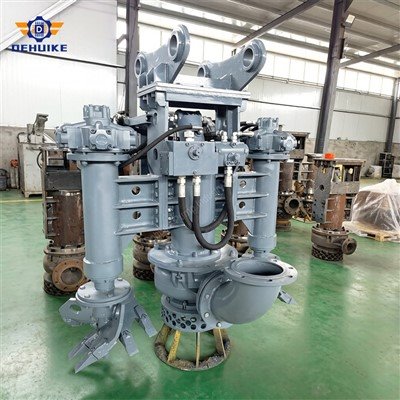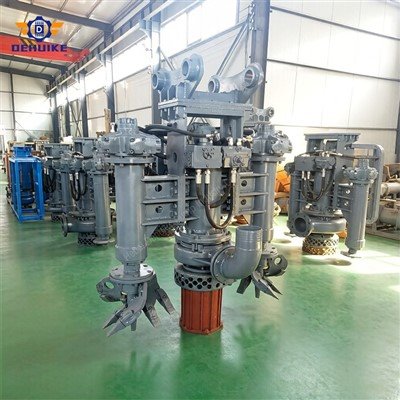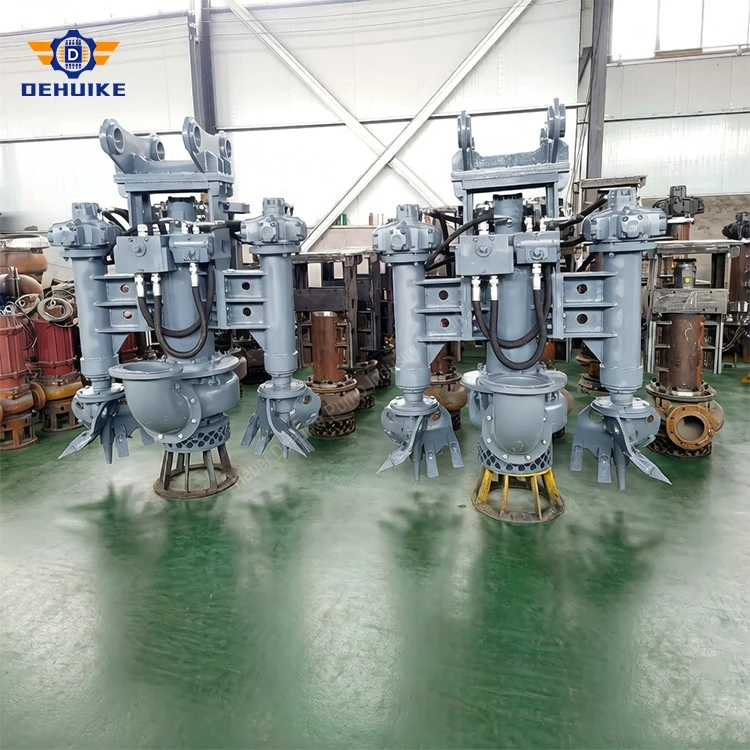
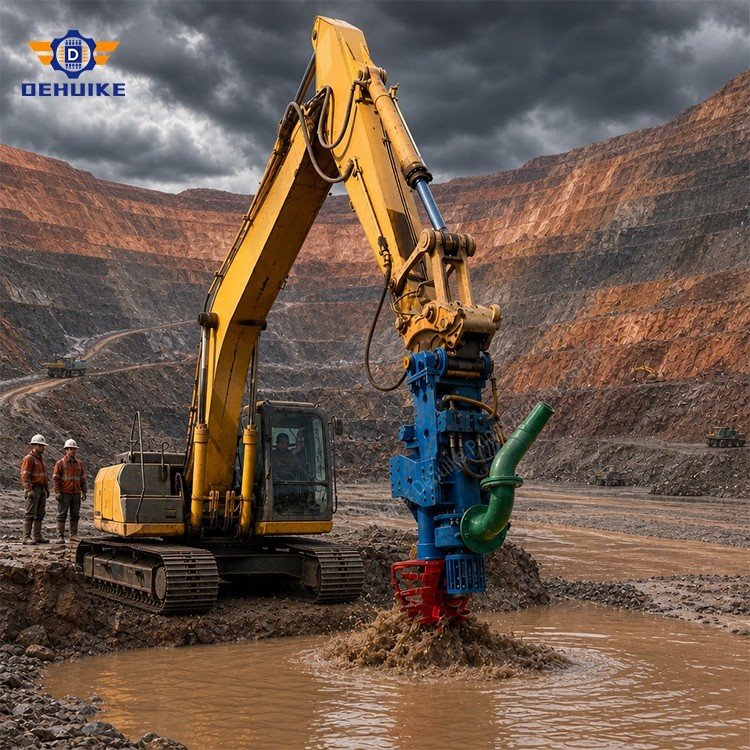
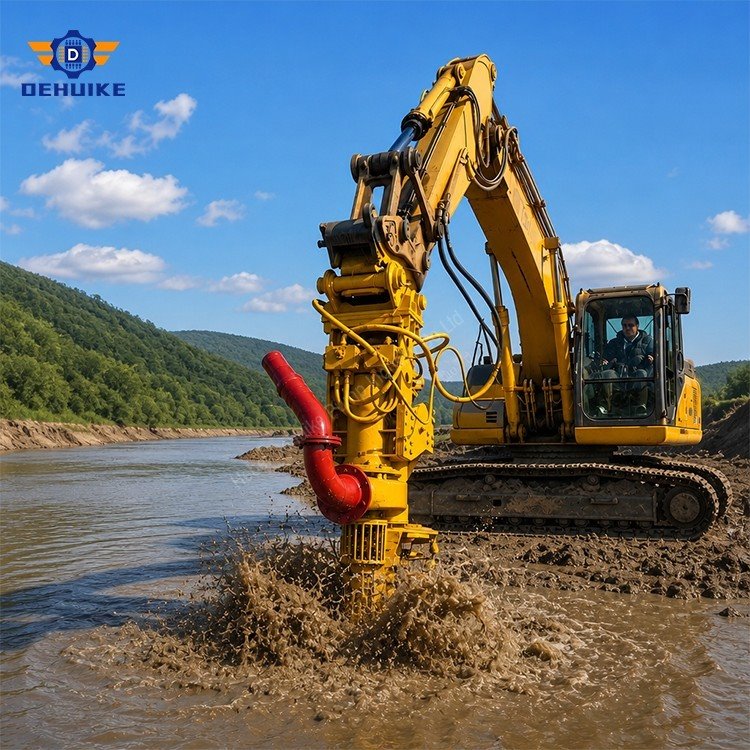
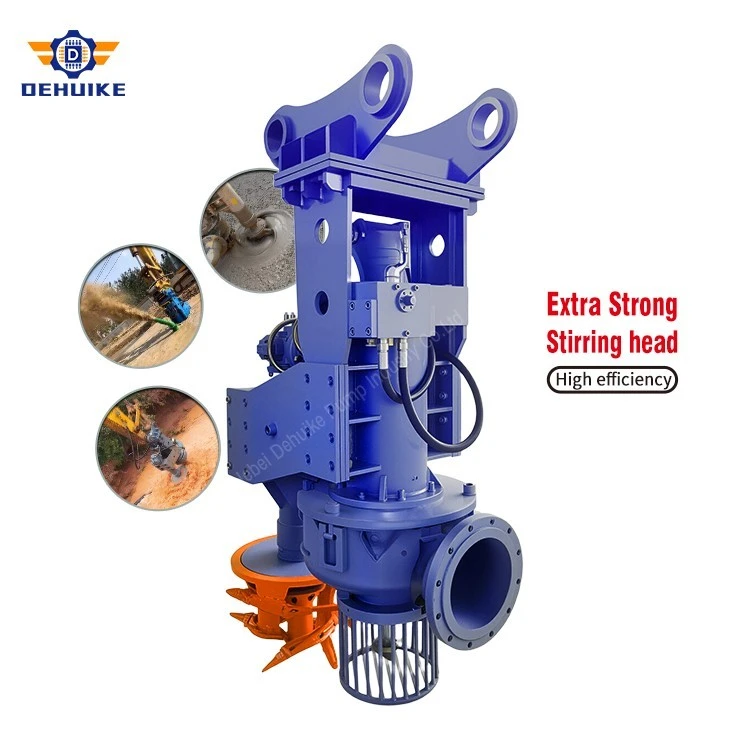
Hebei Dehuike Pump Industry Co., Ltd. is one of the most reliable manufacturers and suppliers of hydraulic sand slurry pump in China. With abundant experience, we are committed to providing high quality customized pumps with competitive price. Welcome to wholesale bulk hydraulic sand slurry pump for sale here from our factory. Also, pricelist is available.
Introduction: Operational Dynamics and Fluid Engineering in Submersible Hydraulic Sand Pumping
Pumping abrasive mixtures of quartz sand, mineral tailings, riverbed silt, and industrial sediments presents one of the most severe challenges in fluid engineering. Solid-liquid two-phase slurries deviate significantly from clean liquid behavior because the solid phase continuously settles under gravitational acceleration. In high-density sand streams, silica particles with a Mohs hardness of 7 subject pump wet-end components to continuous gouging wear and micro-cutting erosion. When operating in remote mining lagoons, tidal marine environments, or deep foundation excavation caissons, conventional electrical submersible pumping units frequently confront severe operating constraints. Long electrical trailing cables are vulnerable to mechanical severing by excavator buckets, severe voltage drops over extended supply distances, and catastrophic motor burnout whenever high-density sand beds settle around the intake and lock the impeller.
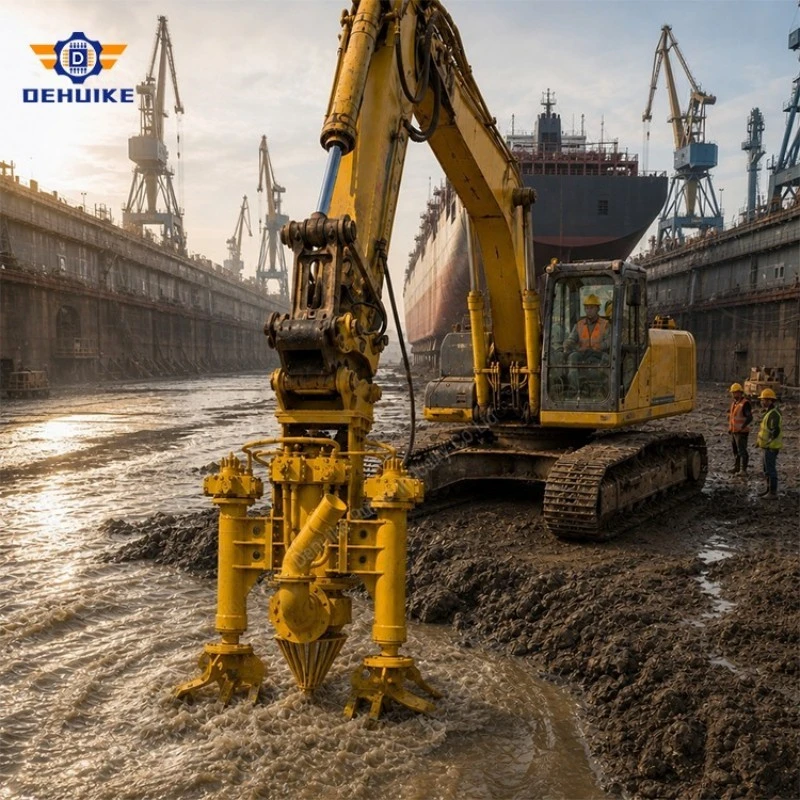
A modern Hydraulic Sand Slurry Pump resolves these operational limitations by harnessing pressurized fluid power from mobile carrier hydraulic circuits-such as crawler excavators, dredging barges, and cranes-or dedicated diesel-driven hydraulic power units (HPUs). Hydraulic transmission delivers an exceptional power-to-weight ratio, allowing the physical pump unit to remain compact while transmitting immense rotational torque directly to the slurry impeller. Because the rotational speed and driving torque are directly governed by hydraulic oil flow and relief circuit pressure, the pump operates with intrinsic stepless variable speed control and automatic overload protection. If an unyielding rock fragment or dense sand slump stalls the rotating assembly, the carrier circuit relief valve opens smoothly, protecting mechanical drive elements and hydraulic motors from thermal or mechanical destruction.
Understanding the hydraulic behavior of heterogeneous settling slurries is essential for successful system engineering. Unlike fine clay slips that exhibit non-Newtonian Bingham plastic properties, coarse sand particles in water do not form a stable colloidal matrix. The transport pipeline must maintain a flow velocity strictly above the critical deposition velocity to prevent bed formation and subsequent line blockage. Deploying a purpose-built Hydraulic Sand Slurry Pump enables operators to dynamically balance discharge head and volumetric throughput by adjusting hydraulic throttle valves, ensuring reliable solids suspension and steady slurry delivery across variable pipeline configurations and changing extraction depths.
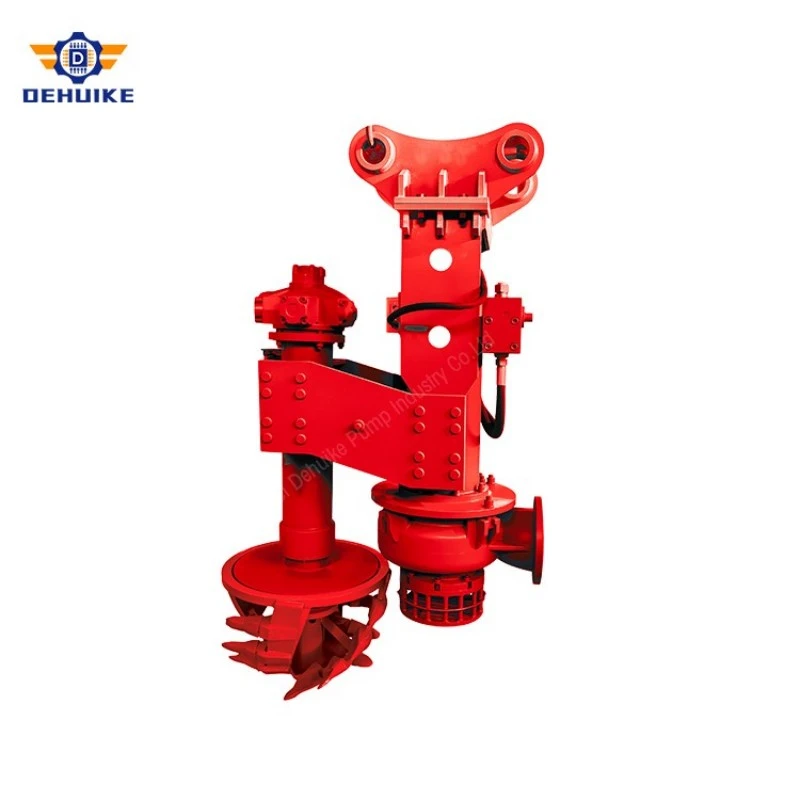
Technical Parameters and Standardized Engineering Specifications
The WJY series of hydraulic slurry pumps establishes an authentic, heavy-duty equipment platform specifically engineered for demanding sand extraction, channel desilting, and industrial solids reclamation. The performance matrix covers volumetric flow rates ranging from 50 m³/h up to 1000 m³/h, with total discharge heads reaching up to 40 meters at a standardized rotational speed of 1450 r/min. Below are verified engineering ratings across ten representative WJY models, reflecting light, medium, and high-volume extraction capacities:
|
Model Designation |
Discharge Caliber (mm) |
Nominal Flow (m³/h) |
Total Head (m) |
Rated Speed (r/min) |
Primary Operational Classification |
|
WJY50-20 |
80 |
50 |
20 |
1450 |
Compact sump cleanup & auxiliary bypass pumping |
|
WJY80-20 |
80 |
80 |
20 |
1450 |
Confined chamber desilting & municipal culvert clearance |
|
WJY120-18 |
100 |
120 |
18 |
1450 |
Foundation trench dewatering & small settling pond clearance |
|
WJY150-25 |
100 |
150 |
25 |
1450 |
Aggregate wash plant recovery & sand classifier underflow |
|
WJY200-40 |
100 |
200 |
40 |
1450 |
High-head slurry transfer & elevated tailings discharge |
|
WJY300-25 |
150 |
300 |
25 |
1450 |
Medium-scale river canal dredging & quarry lagoon maintenance |
|
WJY450-30 |
200 |
450 |
30 |
1450 |
Commercial sand extraction & heavy wash circuit circulation |
|
WJY500-40 |
200 |
500 |
40 |
1450 |
Long-distance discharge lines & high-elevation tailings dams |
|
WJY700-20 |
250 |
700 |
20 |
1450 |
Harbor basin deepening & high-throughput marine reclamation |
|
WJY1000-20 |
350 |
1000 |
20 |
1450 |
Large-scale capital dredging & open-pit mine dewatering circuits |
Operating envelopes for the WJY series are established on clean water calibration at standard atmospheric pressure and ambient temperature. When pumping sand-laden slurries, the actual duty point must account for slurry specific gravity (typically 1.15 to 1.40 kg/dm³), particle grain size distribution (d50), and friction head losses through discharge flexible hoses and steel piping. Stable operation requires positioning the duty point within 80% to 110% of the Rated Optimal Efficiency Point (BEP). Operating significantly to the left of the BEP induces discharge recirculation and localized eddy erosion, whereas operating excessively to the right can cause severe suction cavitation and accelerated throatbush wear.
Product Details: Mechanical Construction, Metallurgy, and Sealing Architecture
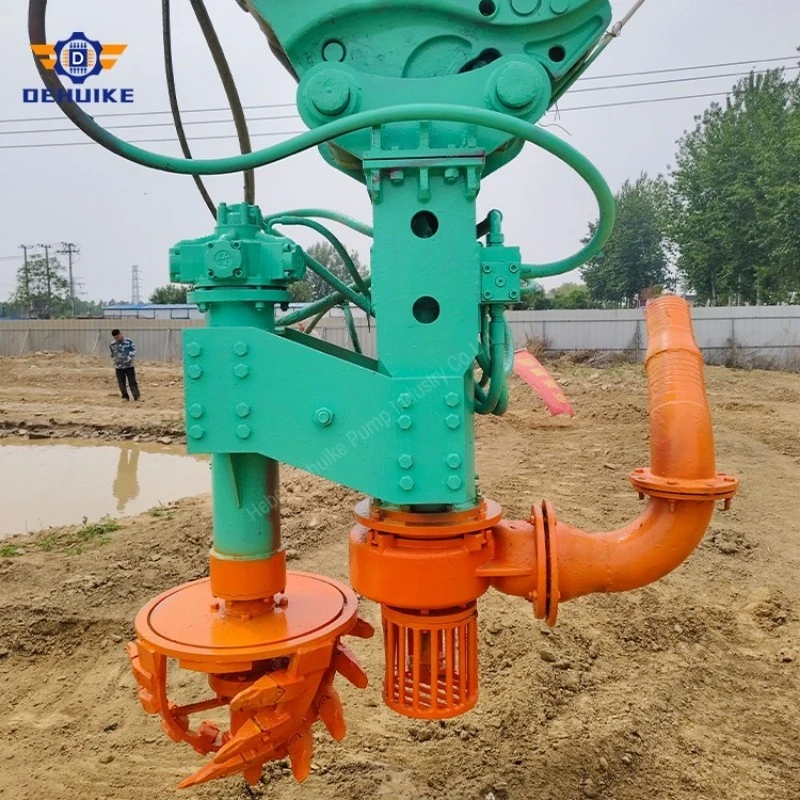
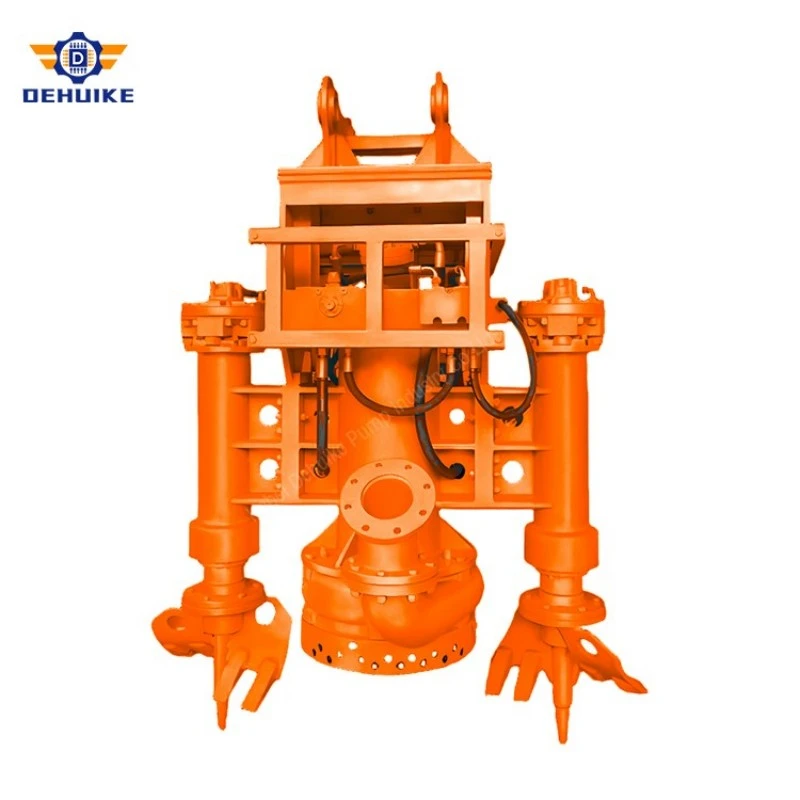
The operational life of a sand slurry pump is directly dictated by structural integrity, metallurgical resilience, and hermetic shaft sealing. A high-performance Hydraulic Sand Slurry Pump integrates heavy-duty mechanical engineering designed to endure continuous submerged duty under aggressive slurry abrasion:
• High-Chromium Alloy Wet-End Hydraulics: All components coming into contact with abrasive slurry-including the volute casing, high-efficiency impeller, and front/rear suction wear plates-are precision-cast from high-chromium white cast iron (Cr27 / ASTM A532 Class III Type A). Containing a nominal 27% chromium content, this specialized metallurgical formulation develops a dense network of eutectic M7C3 carbides with a microhardness reaching 1200–1400 HV, supported by a hardened martensitic matrix with an overall bulk hardness of 58 to 62 HRC. This microstructure provides robust resistance against sliding micro-cutting wear caused by sharp quartz sand particles.
• Wide-Channel Shrouded Impeller with Expulsion Vanes: The impeller incorporates broad inter-vane passages to facilitate the smooth passage of large sand grains and rounded gravel without localized velocity spikes. Deep clearing vanes (expulsion vanes) are cast onto both the front and rear shrouds. During rotation, these clearing vanes create a secondary vortex that reduces pressure at the shaft seal chamber, repels coarse solids away from the seal cavity, and dynamically balances axial hydraulic thrust loads on the bearing assembly.
• Replaceable Abrasion Liners and Adjustable Clearances: To maintain peak hydraulic efficiency over extended campaigns, the pump incorporates replaceable front and back wear liners. Axial running clearances between the impeller front shroud and the suction plate can be mechanically adjusted without dismantling the entire volute casing. This adjustment restores tight hydraulic clearances as wear progresses, curbing internal recirculation and preserving discharge head.
• Heavy-Duty Shaft and Bearing Sub-Assembly: The drive shaft is precision-machined from forged high-tensile alloy steel (42CrMo), heat-treated to ensure maximum torsional strength and shock resistance against intermittent solids jamming. The shaft is supported by paired, high-capacity tapered roller bearings mounted within an oil-bath bearing housing. The bearing assembly is engineered to absorb bidirectional axial thrust forces and severe radial bending moments induced by uneven slurry concentration around the impeller circumference.
• Tandem Mechanical Seals in Isolated Oil Chamber: The critical barrier between pressurized slurry and the hydraulic motor drive consists of a tandem dual mechanical seal arrangement housed within an independent oil lubrication chamber. Both upper and lower seal faces are manufactured from solid tungsten carbide or reaction-bonded silicon carbide. The sealed oil bath provides continuous face cooling and lubrication while pressure-compensating against external hydrostatic submergence pressures, preventing abrasive slurry ingress into the motor housing.
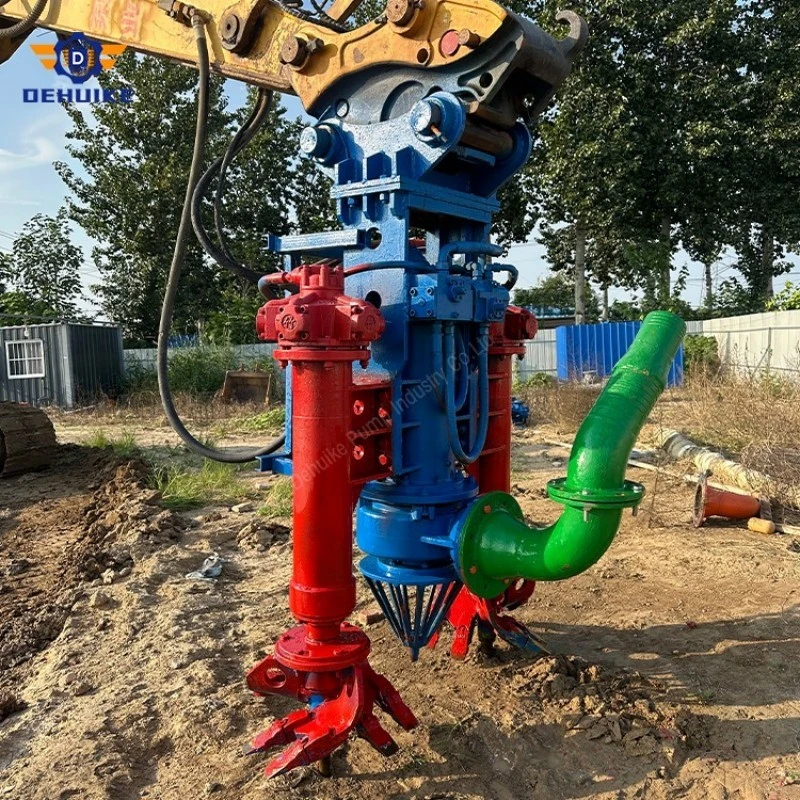
• Integrated Mechanical Agitator and Intake Strainer: The pump suction opening features a heavy-duty cast steel strainer that screens out oversized timber, trash, and large stones. For compacted sand beds and settled tailings, an optional high-chrome mechanical agitator is directly attached to the extended pump drive shaft below the intake screen. Rotating at full pump speed, the agitator mechanically slices and resuspends settled solids, feeding a concentrated, uniform slurry matrix directly into the suction eye.
Equipment Characteristics and Hydraulic Performance Advantages
The adoption of fluid power drives over conventional mechanical or electrical drives provides decisive operational advantages across challenging dredging and sand recovery environments:
• Instantaneous Reversible Rotation: If stringy vegetation, wire fragments, or wedged aggregate rocks enter the suction strainer and impede rotation, the hydraulic motor can be instantly reversed by switching the carrier's directional control valve. Reversing rotation expels jammed debris from the suction throat within seconds, eliminating costly downtime associated with pulling the pump from the water for manual clean-out.
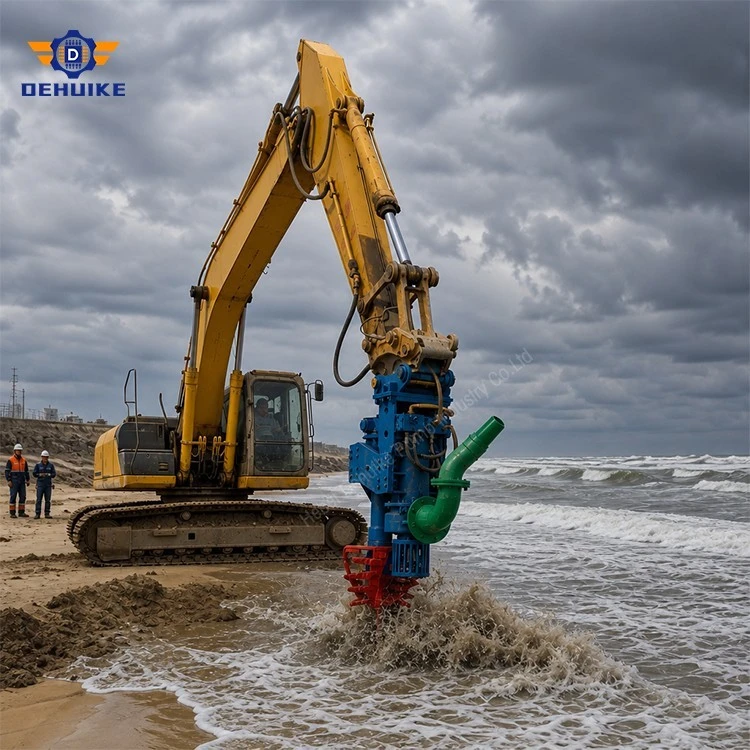
• Superior Power-to-Weight Envelope and Carrier Mounting: Hydraulic motors provide a remarkably high power density compared to electric motors of identical horsepower ratings. The resulting lightweight, compact footprint enables a Hydraulic Sand Slurry Pump to be directly mounted on the excavator stick or boom using universal pin-on brackets or quick-coupler adapters. This configuration transforms standard 15-ton to 45-ton earthmoving excavators into agile, self-propelled amphibious dredging units.
• Submergence Depth and Thermal Independence: Electric submersible pumps rely on the pumped liquid for motor casing cooling, making them susceptible to overheating when operating in shallow sumps or hot industrial effluents. In contrast, a hydraulic slurry pump transfers drive heat through returning hydraulic fluid to external carrier oil coolers. Consequently, the pump operates reliably whether partially exposed, completely buried in thick sand sediment, or submerged at deep dredging depths.
Production Process and Quality Assurance | Approve the Sand Duty Before Manufacturing
Material definition: record the sand source, estimated grading, water ratio, solids concentration, chemistry if relevant, required transfer rate, route length, elevation, and operating cycle.
Configuration approval: confirm the WJY model, approved wetted construction, seal arrangement, hydraulic drive interface, intake method, outlet connection, support method, and requested accessories.
Manufacturing documentation: request records for the exact materials and components included in the agreed scope. A generic statement about slurry pumping does not replace a contract specification.
Inspection planning: establish the model check, connection dimensions, assembly condition, packing method, release documents, and acceptance criteria before shipment.
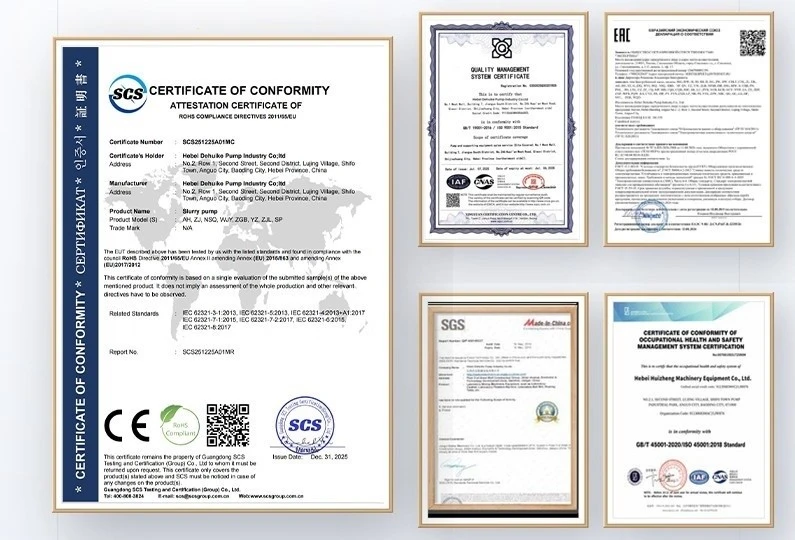
Quality Assurance: testing scope, certificates, warranty wording, and final inspection requirements must be defined in order documents. The technical table alone is not a sand-duty guarantee.
Application | Sand Transfer Conditions for Project Review
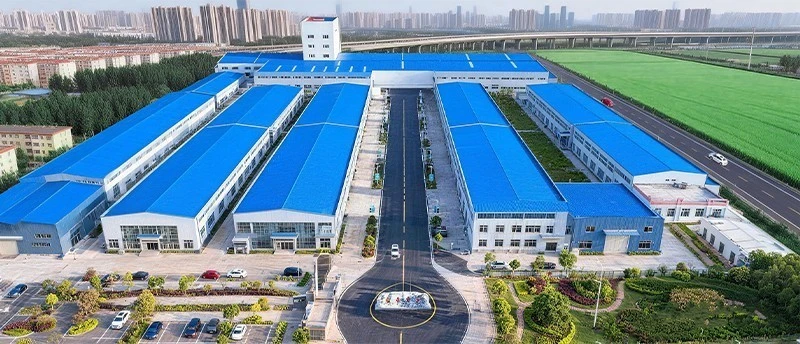
A Hydraulic Sand Slurry Pump may be considered for sand-bearing water, wash-plant fines, settling-pit deposits, excavation residue, and other slurry duties where the material and route can be verified.
|
Process location |
Information needed |
Purpose of the WJY data |
|
Sand wash circuit |
Water ratio, fines loading, and receiving point |
Establishes a preliminary capacity range. |
|
Settling pond |
Deposit condition, pickup method, and cleanup cycle |
Identifies intake and restart questions. |
|
Screen underflow line |
Grading, line restriction, and discharge elevation |
Frames pipe-loss and duty review. |
|
Excavation sump |
Sand source, route length, and hydraulic supply |
Separates site facts from source-card data. |
No application should be approved from a page title alone. A project-specific review is required when the sand characteristics or line layout are known.
Experience and Markets | Ask for Evidence Matching the Sand Route
The WJY published specifications does not contain project names, customer details, operating-hour records, market coverage, maintenance reports, or performance case studies. These items are not stated as product facts. Buyers may ask the supplier for comparable evidence relevant to the planned source material and route.
For export procurement, review the drawing package, operating manual, spare-part identification, packing plan, inspection records, warranty terms, and technical contact process before the purchase order is released.
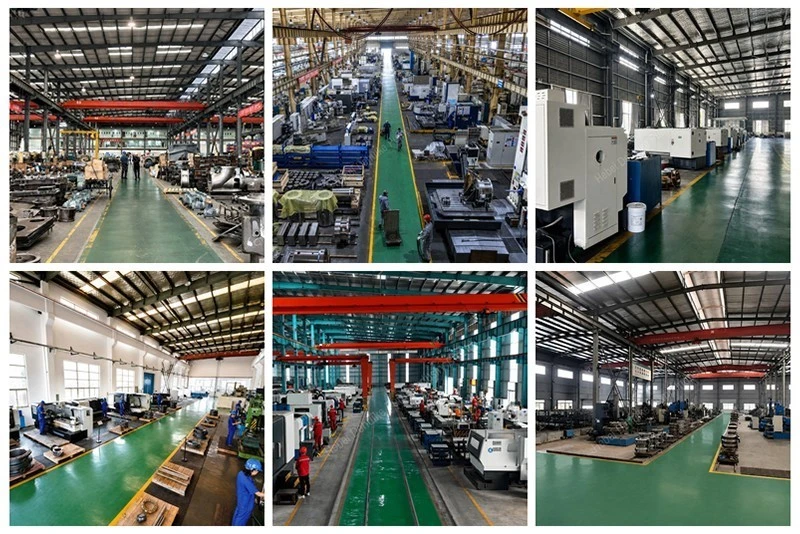
Our Service | Submit the Sand Circuit in Operating Order
For sand work, the most useful enquiry follows the sequence in which material moves. Start at the source and finish at the receiving area instead of sending only a list of nominal requirements.
Source stage: identify whether the material is screen underflow, pit deposit, washwater carryover, or excavation residue. Include any available grading observation and the water condition at the intake.
Travel stage: provide a simple route sketch showing low points, high points, bends, flexible links, branch lines, and locations where the line can be isolated or washed out.
Delivery stage: describe the receiving vessel, stockpile, pond, return line, or discharge area and whether its level changes during operation.
Drive stage: add the hydraulic-power information separately, including the available circuit information and the intended operating method.
Handover stage: list what is to be supplied, what drawings are required, which parts are expected as spares, and what packaging or inspection documents are needed.
This operating-order brief helps the supplier distinguish the WJY reference row from the additional choices required to build a sand-transfer arrangement.
Installation, Maintenance and Precautions | Watch the Low Points in a Sand Line
Start-up planning should state how the line will be filled and monitored. Shutdown planning should state how residual sand-bearing liquid will be managed if it remains in a section of pipe. These procedures must come from the final system design and site rules.
During a run, compare the inlet condition and discharge appearance with the accepted work condition. An unexpected change in colour, consistency, noise, support movement, or delivery pattern may be a sign that the sand route has changed. Inspect the route before changing any setting.
Maintenance records should identify the accessible inspection locations, relevant connection parts, cleaning points, and isolation method. Servicing must begin only after the hydraulic and process energy sources are controlled under the approved site procedure.
FAQ | Sand Circuit Review Questions
Q1. What is the purpose of the WJY table?
It gives the complete published set of model, outlet-entry, flow, head, and speed values from the supplied published specifications. It is a source-data reference rather than a completed sand-system design.
Q2. Why is the route important when the required capacity is known?
Line elevation, bends, low points, discharge condition, and changes in sand concentration can alter the system requirement. Those conditions are not represented in one flow number.
Q3. What does the table say about the size of sand that can pass?
Nothing. The published specifications does not provide a particle-size field, intake design, or passage-limit value.
Q4. How should WJY200-40 and WJY500-40 be read?
They both contain a 40 m head entry, yet their source flow values differ. Neither entry provides construction or grading information for the proposed duty.
Q5. Why retain both WJY1000 entries?
Their published flow values match at 1000 m3/h, but one card lists 18 m head and the other lists 20 m. Both need to remain visible for an accurate source comparison.
Q6. Does the outlet entry identify the final pipe component?
It does not. The published specifications gives an outlet number without a measurement unit or mating standard. A confirmed drawing is needed for interface selection.
Q7. What is the most useful information to send first?
Send a feed description, the line sketch, the requested delivery point, expected operating pattern, and hydraulic-source information.
Q8. Can this page support a claim about wear material or expected service duration?
No. The technical data contains no material grade, lining description, abrasion test, or lifetime record. Such a claim needs a supplier document for the actual offered construction.

Hot Tags: hydraulic sand slurry pump, China hydraulic sand slurry pump manufacturers, suppliers, factory