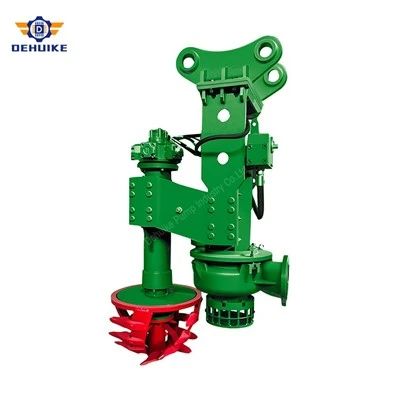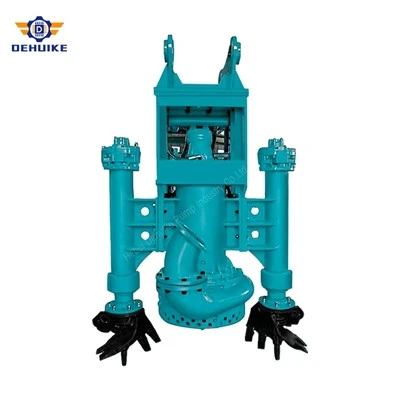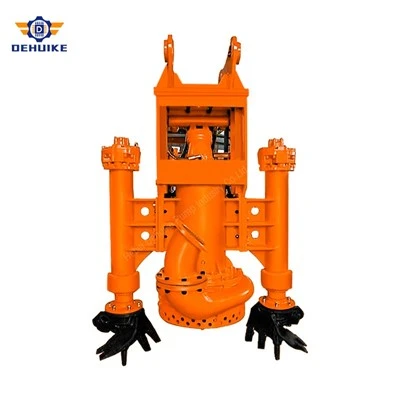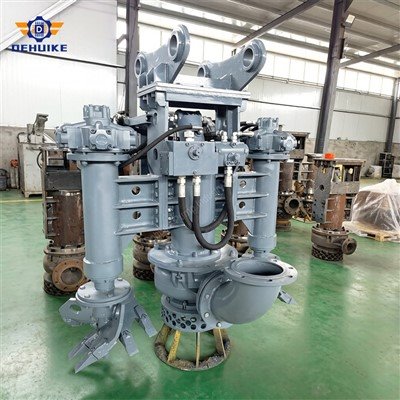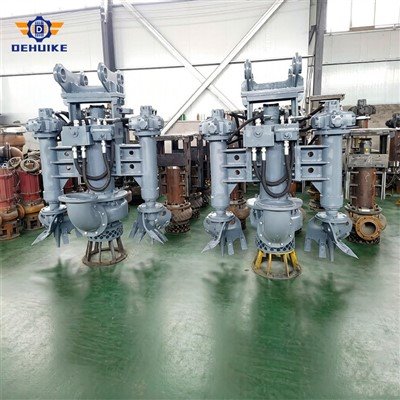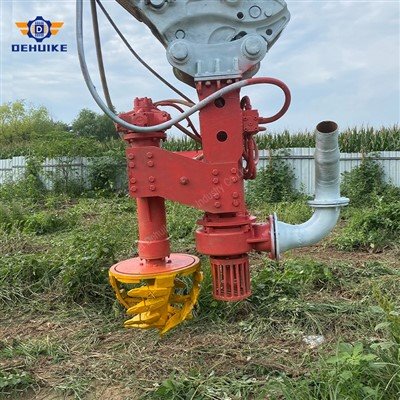

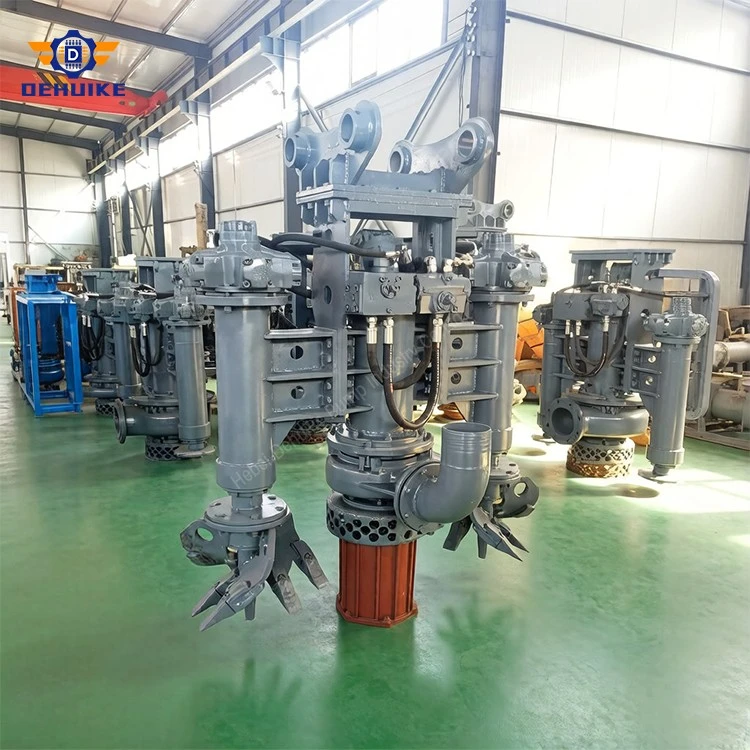
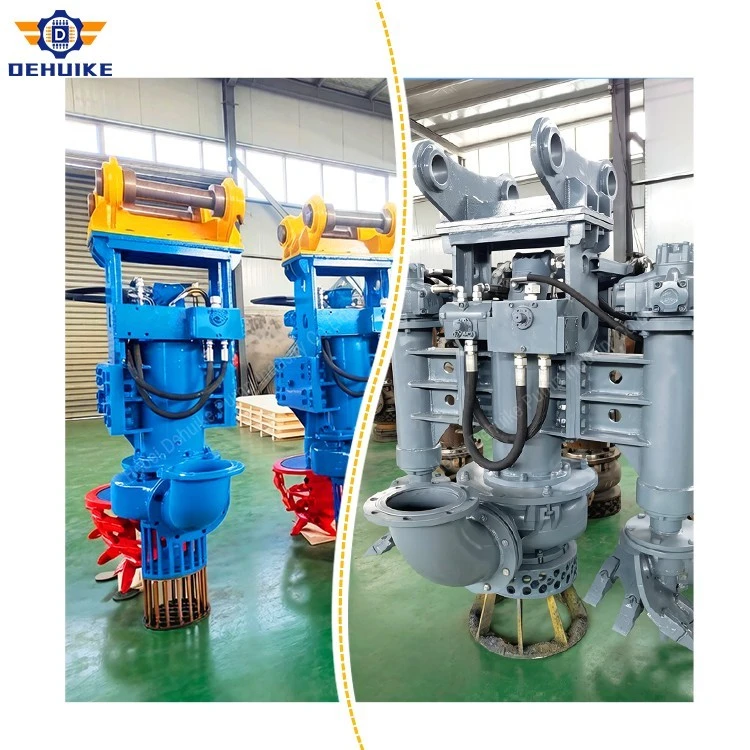
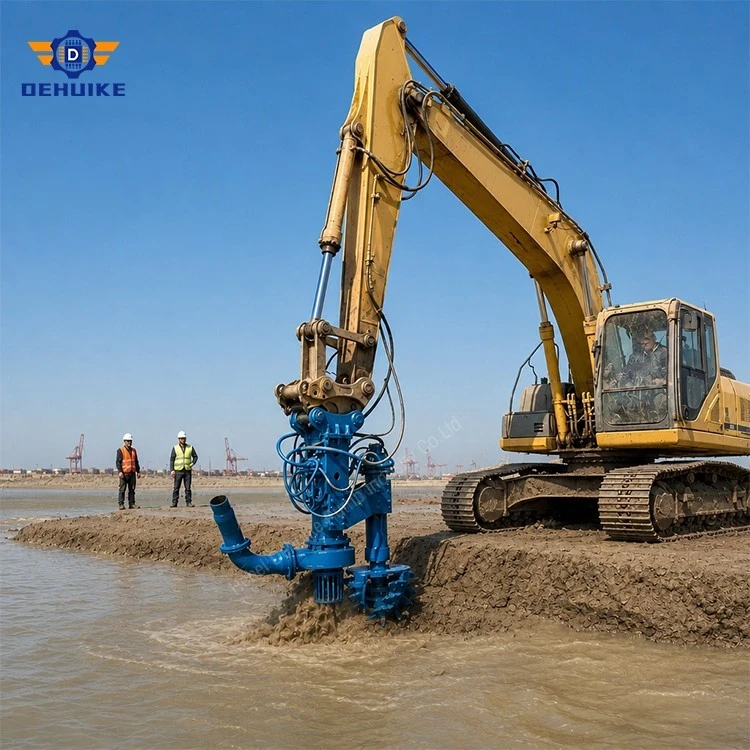
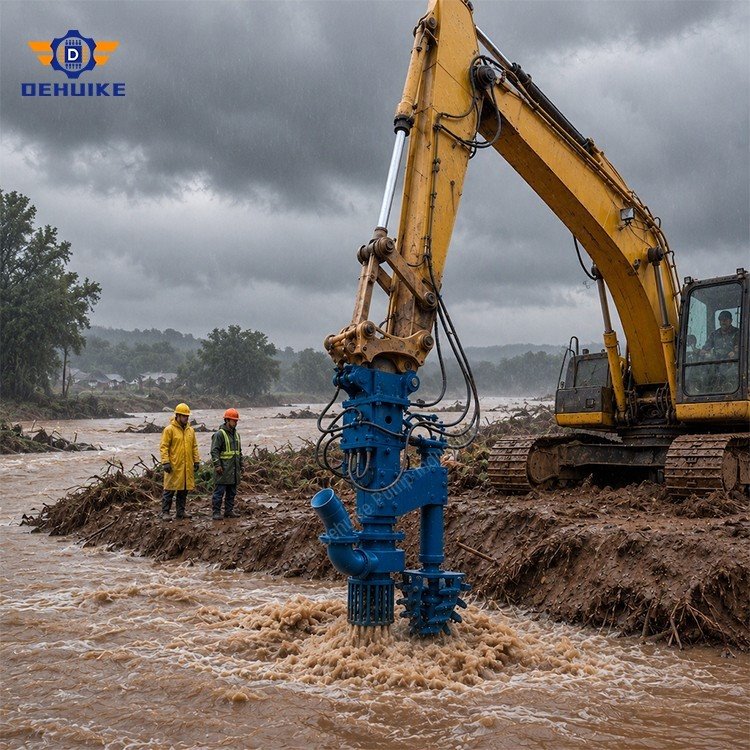
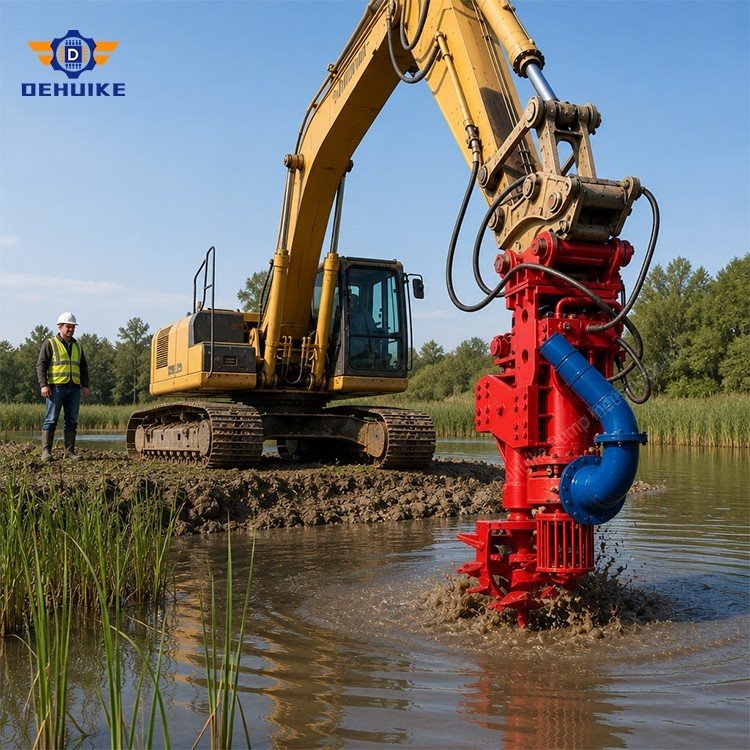
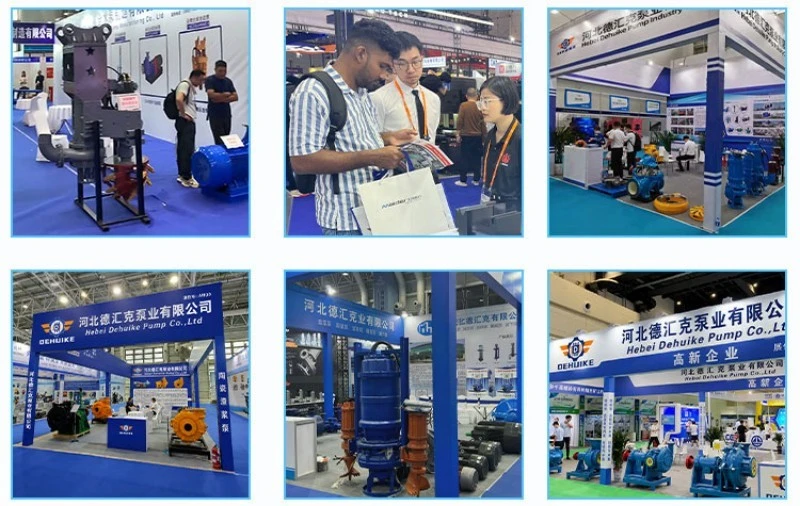
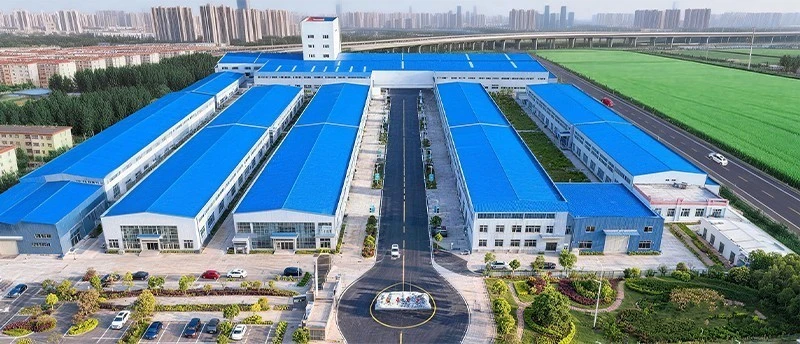
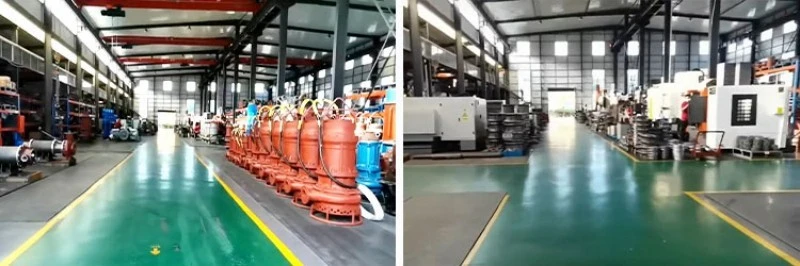
Hebei Dehuike Pump Industry Co., Ltd. is one of the most reliable manufacturers and suppliers of hydraulic sludge handling pump in China. With abundant experience, we are committed to providing high quality customized pumps with competitive price. Welcome to wholesale bulk hydraulic sludge handling pump for sale here from our factory. Also, pricelist is available.
Field Purpose and Operating Context
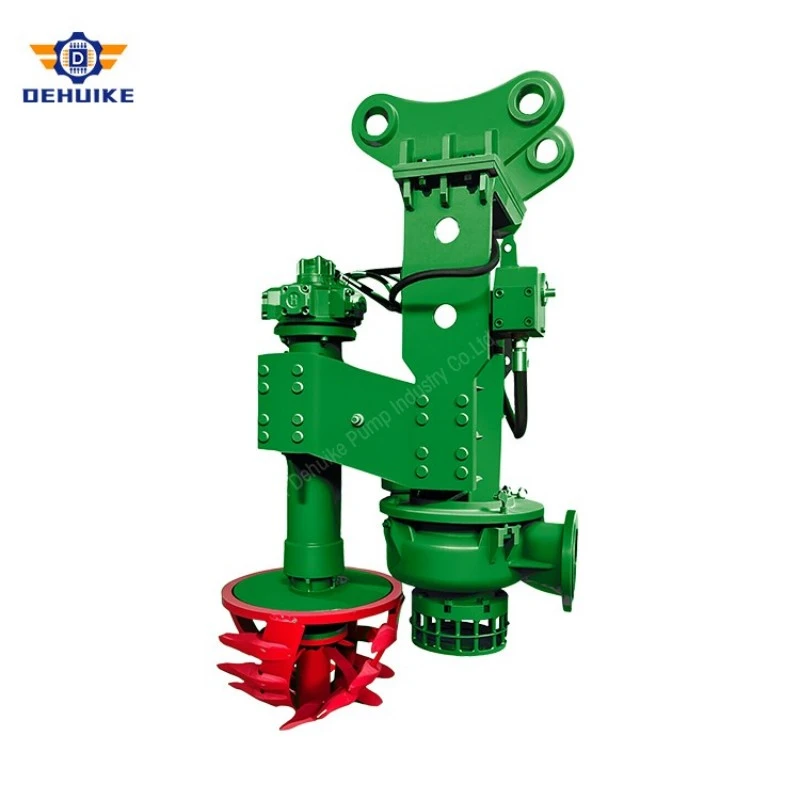
A Hydraulic Sludge Handling Pump is used when wet solids must be moved in places where an electric submersible motor is not the preferred drive choice. The pump is powered by a hydraulic circuit and works directly at the sludge source, allowing it to operate from an excavator, hydraulic power pack, barge system, dredging platform, maintenance vehicle, or other hydraulic carrier. This arrangement is useful for sludge pits, ponds, lagoons, wastewater basins, industrial residue areas, sediment pockets, and temporary cleanup zones where the working point changes from one location to another.
Sludge handling is different from clear-water drainage. The mixture may contain organic matter, mineral fines, silt, clay, grit, sand, process residue, soft settled material, or irregular debris. Some sludge flows easily after mixing. Some forms a dense bed at the bottom of a tank or pond. Some contains abrasive particles that wear the pump passage. Some includes chemical liquid that requires material review. A Hydraulic Sludge Handling Pump should therefore be selected from the actual medium and site route, not from the title alone.
The main benefit of hydraulic drive is placement flexibility. The drive motor can be matched to hydraulic oil flow and pressure from a carrier machine or power unit, while the pump end works at the submerged or semi-submerged material source. This can reduce electrical concerns in temporary wet areas and can support work where the pump must be moved frequently. The final configuration still depends on sludge consistency, particle condition, required output, head, hose route, hydraulic supply, and safe handling method.
Define Sludge Before Choosing the Pump
The word sludge covers too many conditions to be used as the only selection basis. A municipal sludge, a mine settlement residue, a quarry wash-water deposit, a pond sediment layer, and a factory cleaning slurry can all need different handling. Before selection, describe the material in practical terms:
- Is the sludge free-flowing, sticky, layered, or compacted?
- Does it contain grit, sand, fibers, stones, scale, plastic fragments, or plant matter?
- Does it settle quickly after agitation stops?
- Is the liquid phase neutral, alkaline, acidic, oily, saline, or chemically treated?
- What is the expected solids percentage or observed thickness?
- Will the pump work continuously, in short cleanup cycles, or only during emergency removal?
This information determines whether the sludge can enter the pump freely, whether agitation or water addition is needed, whether a screen may block, whether the hose may settle after shutdown, and which slurry-contact components require special attention. Unknown items should be recorded as pending rather than replaced by unsupported claims.
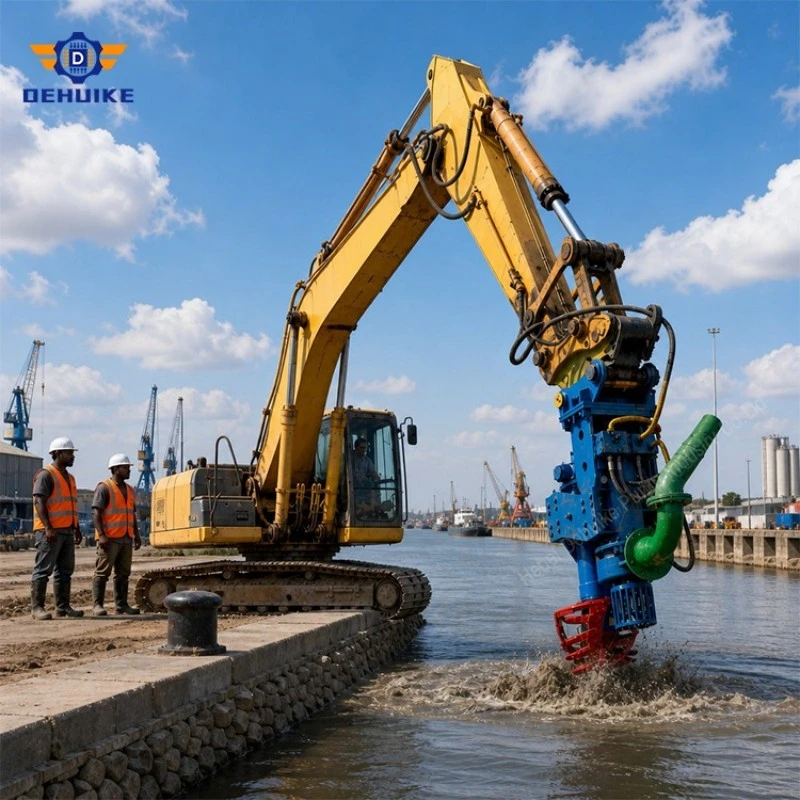
Hydraulic Drive Matching
A hydraulic sludge pump depends on the drive circuit as much as the pump body. The available oil flow, oil pressure, return-line condition, coupler size, hose length, filtration quality, and carrier machine capacity must be checked before operation. If the carrier cannot supply stable hydraulic power, the pump may not reach the intended output even when the wet end is suitable.
When the pump is used with an excavator, the attachment line should be reviewed for correct flow setting, pressure relief behavior, case drain requirements where applicable, and hose routing. When a separate hydraulic power pack is used, the power unit should be placed where the operator can monitor temperature, pressure, fuel or electrical supply, and oil cleanliness. Long hydraulic hoses can create loss and heat, so they should be routed carefully and protected from cutting, crushing, and bending.
The hydraulic connection should be treated as part of the equipment package. Quick couplers, hose ratings, fittings, pressure limits, and oil cleanliness all affect service life. Dirty oil can damage the hydraulic motor, while excessive back pressure can reduce efficiency or create overheating. A correct pump recommendation should therefore include both the slurry duty and the hydraulic supply condition.
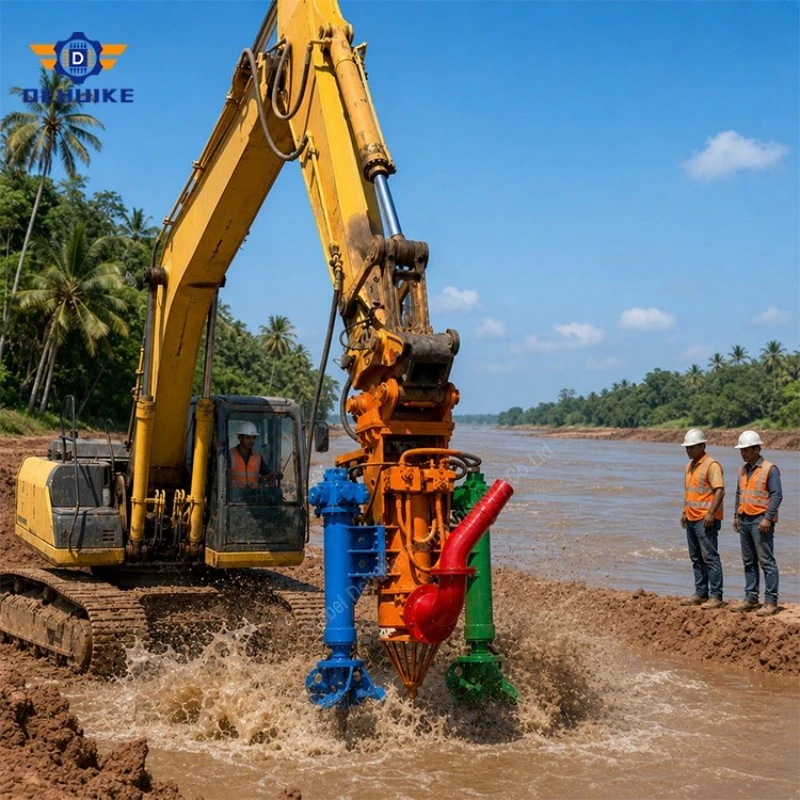
Sludge Intake and Material Preparation
A hydraulic pump can work close to the sludge, but it cannot make every deposit pumpable without preparation. Thick settled sludge may need loosening, mixing, dilution, or mechanical disturbance before it can enter the passage. If the pump is lowered into a compacted bed, the inlet may be blocked while the hydraulic motor continues to run. That condition can reduce output and accelerate wear.
Material preparation should match the project. A pond cleanup task may use an excavator arm to position the pump and disturb soft sediment. A wastewater basin may need controlled agitation to avoid drawing only water from above a denser layer. An industrial pit may require removal of oversized debris before pumping. A dredging support job may need the pump placed near, not directly inside, the heaviest compacted solids.
The intake area should stay visible or measurable during operation whenever possible. Operators should watch the liquid level, inlet position, hose movement, discharge appearance, and any sign that the pump is pulling against material that cannot flow. The most reliable production comes from maintaining a pumpable mixture, not from forcing the pump into the densest material available.

Discharge Hose and Transfer Route
Sludge can settle inside a hose if velocity falls too low or if the pump stops with dense material still in the line. A long flat hose, a low spot, or a sharp bend can become a restart problem. The operating plan should state whether the line will be flushed, drained, or left full after each shift. If the receiving point becomes full or restricted, the pump system should be stopped and inspected instead of continuing against an unknown blockage.
Hose support also matters. A hose that moves with the pump can pull on the outlet or change the pump position. A hose routed over a sharp edge can fail during movement. A floating hose may create different resistance as the water level changes. These route details should be included in the quotation discussion because they influence head, output, and field reliability.
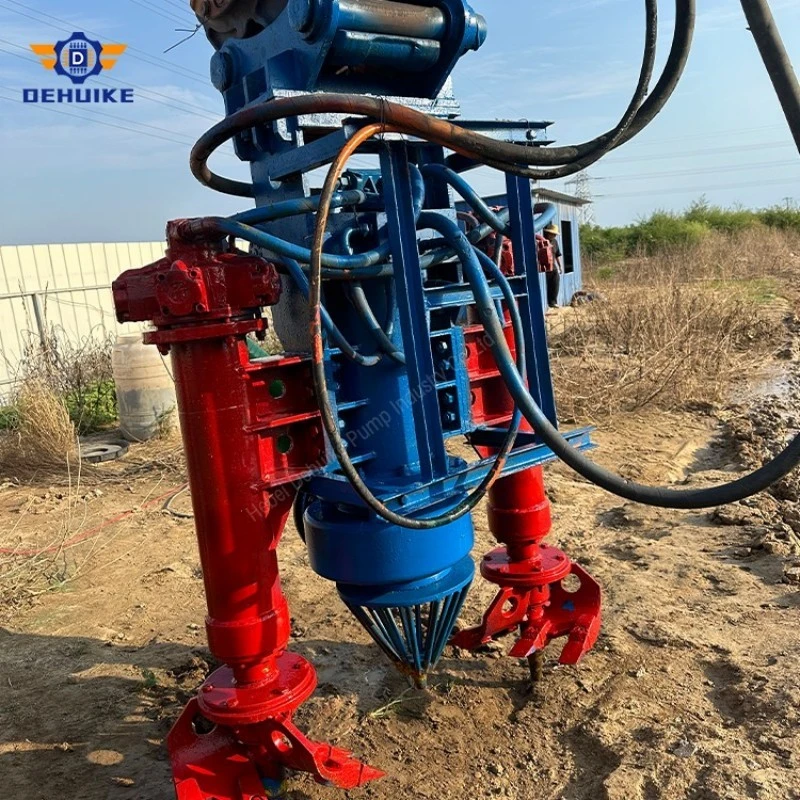
Wear and Material Review
Sludge may be soft, but sludge handling can still be abrasive. Grit, sand, mineral fines, scale, and construction residue can wear the inlet, impeller, casing passage, outlet, and other slurry-contact surfaces. Wear depends on particle hardness, shape, concentration, velocity, operating hours, and how often the pump is started after settlement.
Material review should not rely on one generic word. A pump for biological sludge may need a different material conversation from a pump for quarry settlement sludge or industrial grit slurry. If the liquid contains chemicals, salt, oil, or elevated temperature, compatibility should be checked separately from abrasion. If the solid phase includes sharp particles, the wet-end material and spare-part plan should reflect that duty.
A useful maintenance record begins when the pump is new to the site. Record the hydraulic supply setting, sludge condition, hose route, operating hours, discharge behavior, and visible wear during inspections. If output drops later, compare the current record with the first operating condition. The cause may be wear, a denser feed, a blocked hose, changed hydraulic flow, or poor intake preparation.
Installation and Handling on Mobile Equipment
When mounted on an excavator or similar carrier, the pump should be installed so the attachment bracket, hydraulic hoses, and discharge hose can move without twisting or rubbing. The operator should avoid using the pump as a digging tooth, pry bar, or compaction tool. The pump is intended to move pumpable material, not to break rock or force itself into hard deposits.
The lifting or mounting arrangement must carry the equipment weight safely. Hydraulic hoses should be secured to prevent snagging. The discharge hose should be routed so it does not pull the pump sideways or strike personnel. Before entering water or sludge, check couplers, hose protection, outlet connection, and the planned removal path.
For power-pack operation, place the pump with a crane, frame, winch, or other approved lifting method. Keep the hydraulic hoses and discharge hose organized before starting. The operator should be able to stop the pump quickly if the inlet is buried, the hose blocks, the hydraulic system overheats, or the receiving point cannot accept more material.
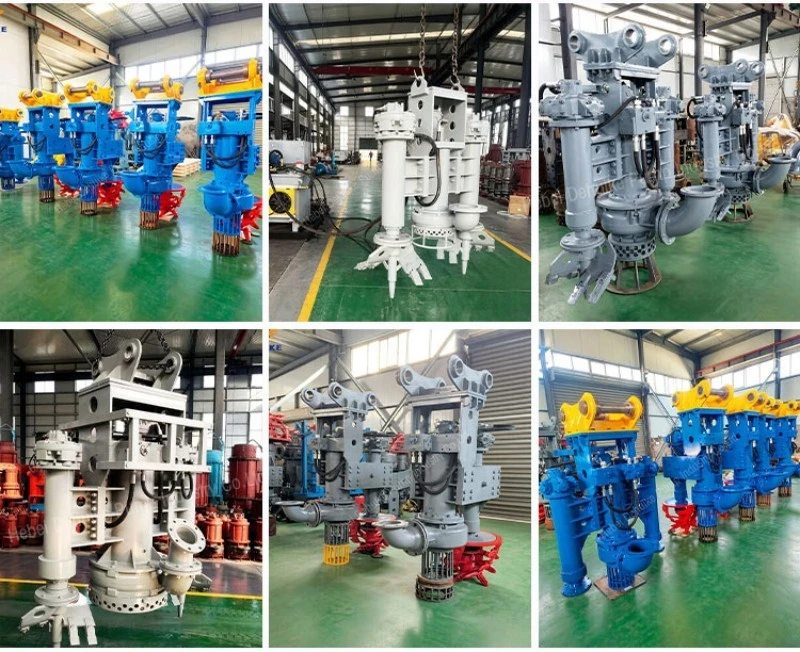
Application Areas
Wastewater and sludge basin cleaning
The pump can be used to remove settled sludge from treatment basins, lagoons, equalization ponds, and industrial wastewater pits when the material is prepared into a pumpable condition.
Pond and lagoon sediment removal
Soft sediment, silt, and organic deposits can be transferred from low areas to a settlement zone, dewatering bag, or transport point when the hose route and receiving capacity are defined.
Industrial residue handling
Factories may need to remove grit, scale, process powder, filter residue, or cleaning sludge from pits and tanks. The liquid chemistry and abrasive content should be reviewed before confirming materials.
Dredging support and shallow-water cleanup
Hydraulic drive can support mobile dredging work from an excavator, barge, or portable hydraulic unit where the pump must be repositioned during the job.
Mining and quarry settlement areas
Mine sumps, quarry ponds, and aggregate wash-water basins can contain abrasive fines and sand-rich sludge. Particle condition, hose route, and wear planning should be checked carefully.
Operating Records and Troubleshooting
If output becomes unstable, inspect in sequence. First check whether the inlet is buried or drawing mostly water. Then check whether the sludge has become thicker, whether oversized debris has reached the opening, whether the discharge hose is kinked or blocked, and whether the hydraulic supply has changed. Do not assume that every output change is caused by the pump end alone.
If the hydraulic system becomes hot, review oil flow, pressure, return restrictions, hose length, cooler condition, and operating load. Hydraulic overheating can come from the carrier circuit as well as from the pump duty. Stop safely before a minor performance change becomes hydraulic motor damage, hose failure, or a site safety problem.
Maintenance Planning
Inspection intervals should follow the real duty. A pump handling soft organic sludge may not wear at the same rate as a pump moving sandy quarry sludge. A unit used in short cleanup jobs may need inspection after each project, while a pump in continuous industrial service may need scheduled checks based on hours and material condition.
Spare parts should be selected for the delivered configuration. Useful items may include slurry-contact wear components, joint seals, hydraulic couplers, hose-protection items, and other site-specific parts that are difficult to obtain quickly. A focused spare list reduces downtime without creating unnecessary inventory.
FAQ
What is a Hydraulic Sludge Handling Pump used for?
It is used to move water mixed with sludge, sediment, grit, organic solids, industrial residue, or other pumpable wet solids from a pit, pond, basin, lagoon, or temporary cleanup area.
Why use hydraulic drive instead of an electric submersible pump?
Hydraulic drive can be useful where the pump is powered by an excavator, barge, vehicle, or power pack and must be moved frequently in wet or temporary work areas.
Can it pump thick sludge directly?
It can be evaluated when the sludge contains enough liquid to enter and pass through the selected pump passage. Compacted deposits may need loosening, mixing, or dilution.
What hydraulic information is required?
Provide available oil flow, pressure, return-line condition, coupler type, hose length, carrier machine model, and any case drain or filtration requirement noted for the hydraulic motor.
What sludge information is needed for selection?
Send the sludge source, solids content, particle size, debris condition, liquid chemistry, temperature, target capacity, head requirement, hose route, and receiving point.
How should the discharge hose be planned?
Confirm internal diameter, length, vertical lift, bends, outlet condition, support, floating sections where used, and whether the line will be flushed after operation.
What should be checked when output decreases?
Check inlet position, sludge thickness, debris, hose kinks, receiving restriction, hydraulic oil flow, hydraulic temperature, and wear condition before restarting.
Which spare parts should be prepared?
Prepare spares according to the confirmed pump configuration and site duty, including selected wet-end wear parts, seals, couplers, hose-related items, and key fasteners.

Quotation Data Checklist
For a practical Hydraulic Sludge Handling Pump proposal, provide the application, sludge description, particle and debris condition, target capacity, head requirement, discharge hose route, working depth, hydraulic oil flow and pressure, carrier or power-pack details, operating schedule, quantity, destination, and document requirements. Photos, a route sketch, and notes about previous pumping problems will help match the pump, hydraulic drive, hose route, wear arrangement, and maintenance plan to the real site condition.
Hot Tags: hydraulic sludge handling pump, China hydraulic sludge handling pump manufacturers, suppliers, factory