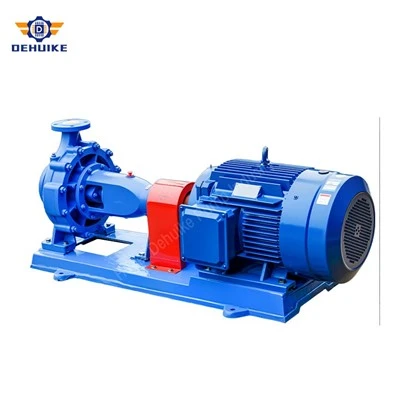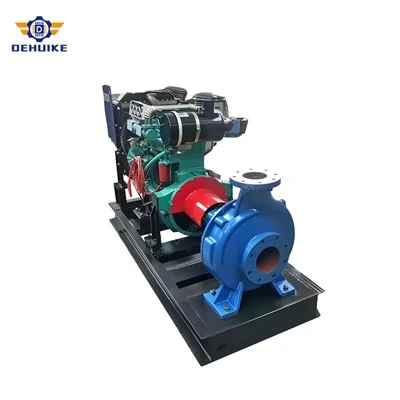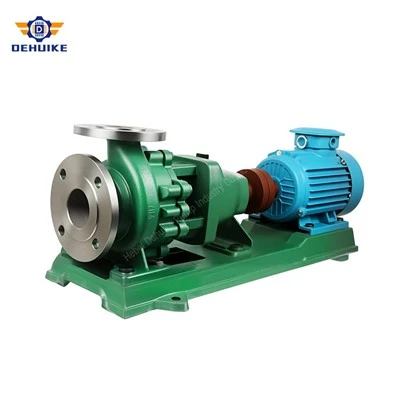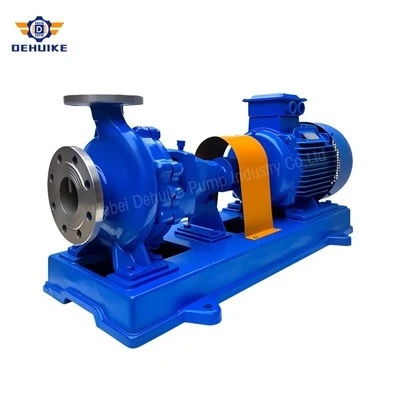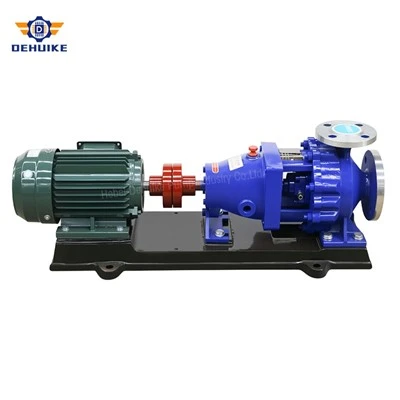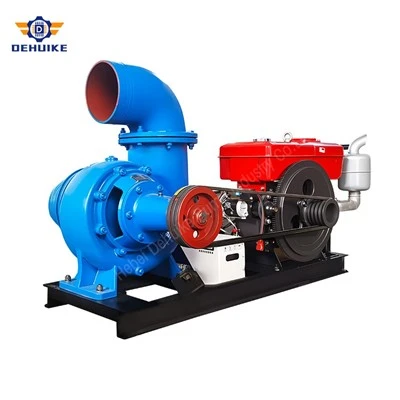

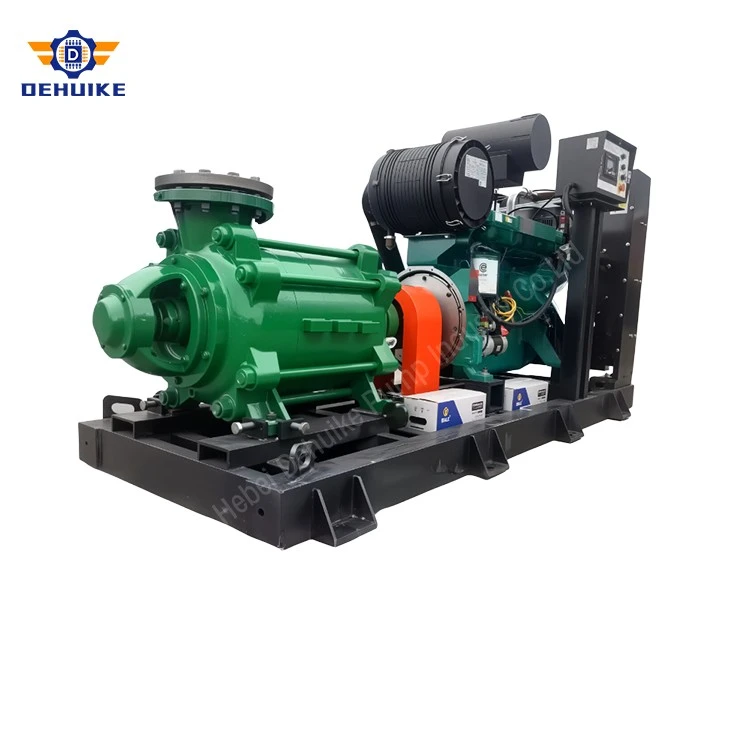
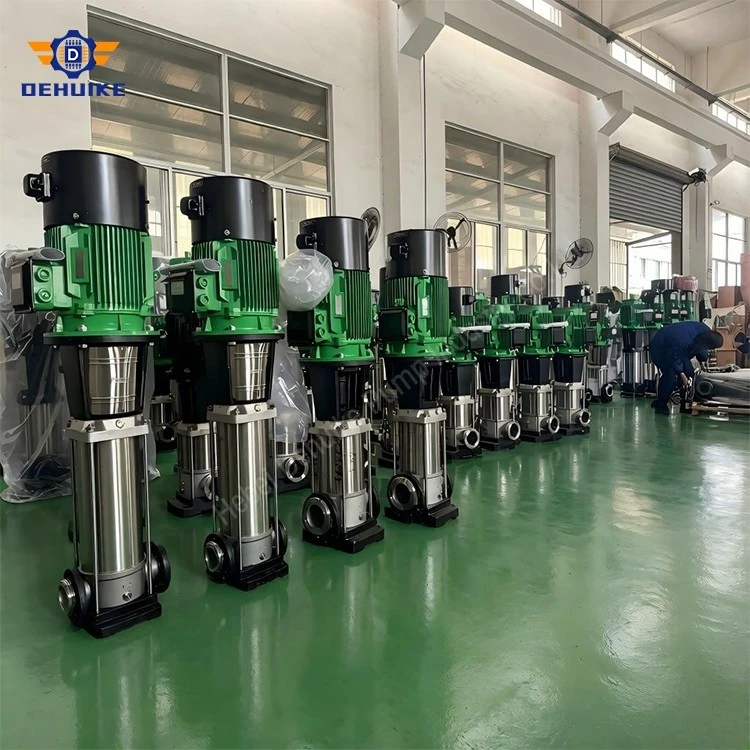
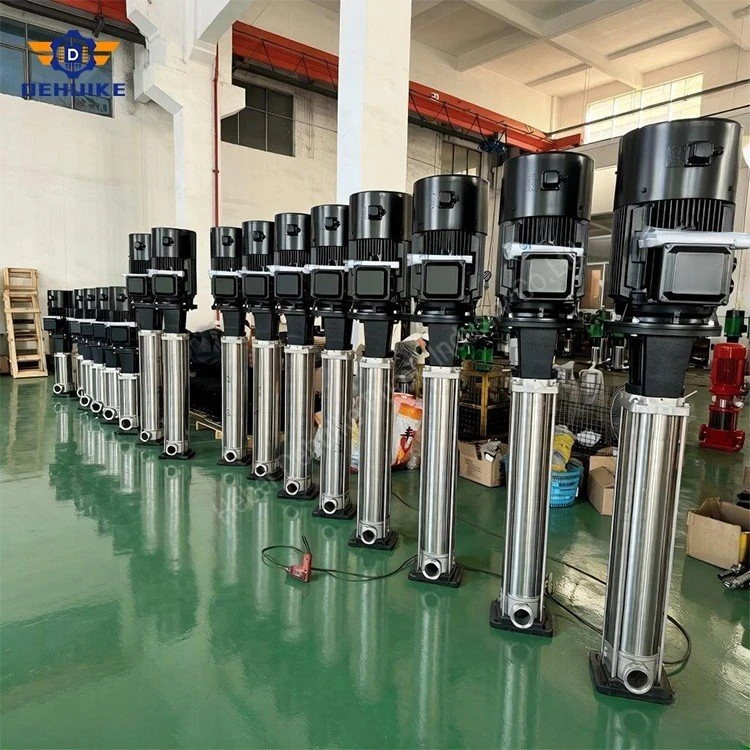
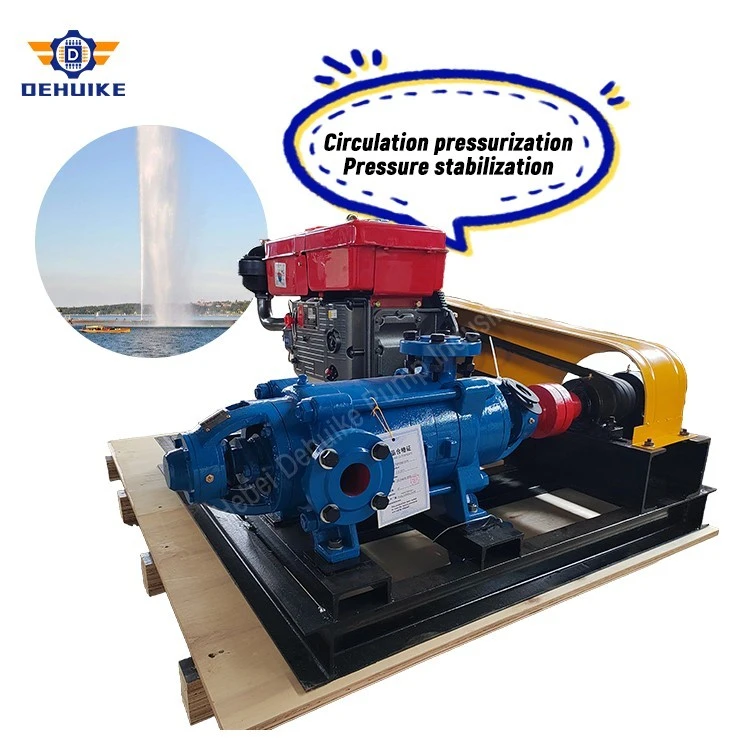
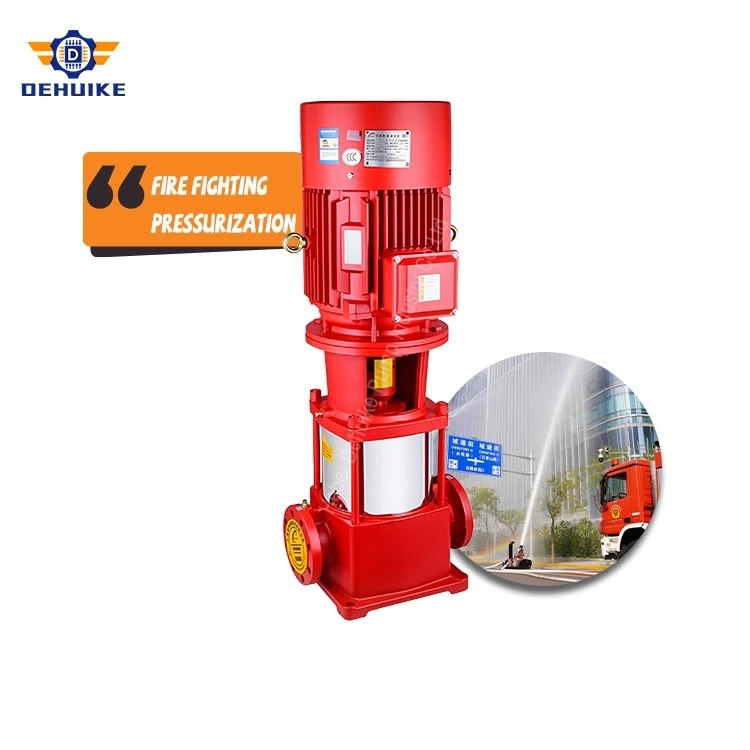
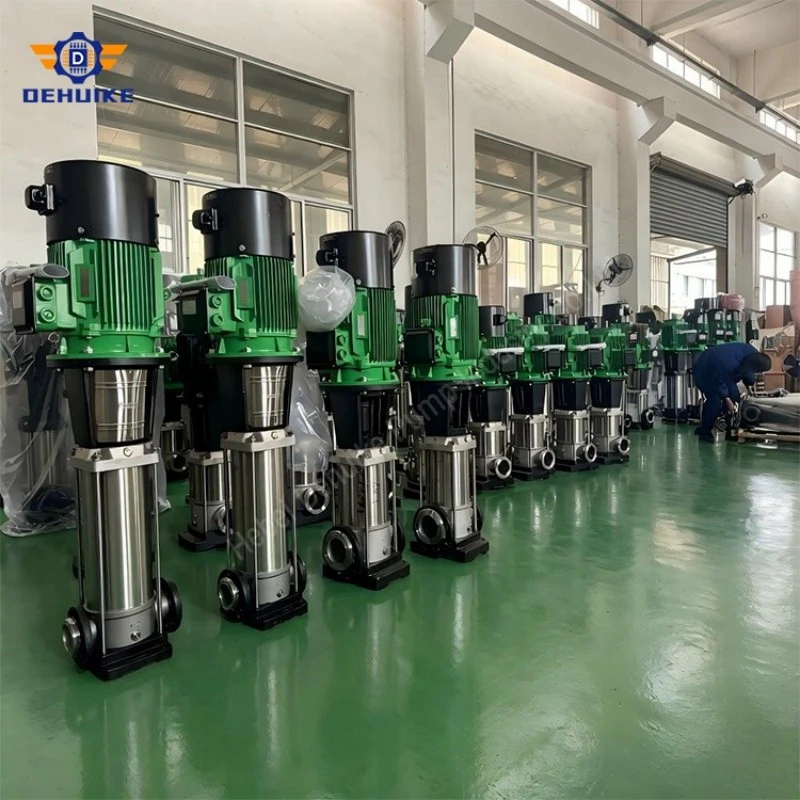
Hebei Dehuike Pump Industry Co., Ltd. is one of the most reliable manufacturers and suppliers of boiler feed multistage pump in China. With abundant experience, we are committed to providing high quality customized pumps with competitive price. Welcome to wholesale bulk boiler feed multistage pump for sale here from our factory. Also, pricelist is available.
Introduction
High-head horizontal multistage pump solutions for industrial boiler feedwater systems
Meta Title: Boiler Feed Multistage Pump | High-Head DG Industrial Feedwater Pump
Meta Description: Explore DG boiler feed multistage pump options for industrial feedwater duty. Review verified flow, head, efficiency, NPSHr and motor data for high-head pump
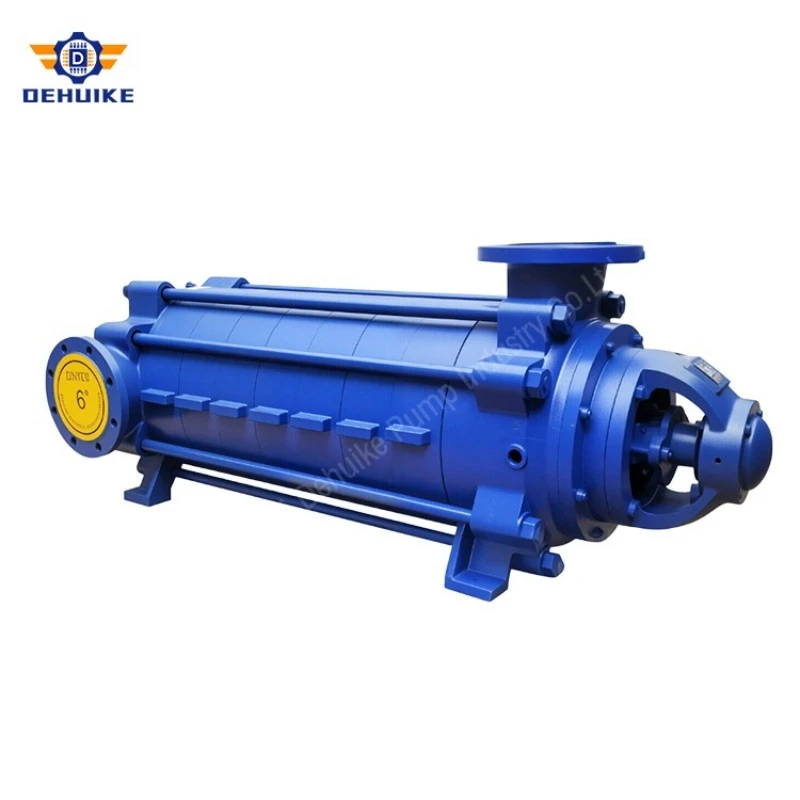
A boiler feed system depends on more than a pump that can simply move water. It must supply water against the pressure already present in the boiler circuit, maintain a dependable flow path through changing operating conditions, and support the continuity of a plant process. A Boiler Feed Multistage Pump is designed for this pressure-building duty by using a sequence of hydraulic stages instead of relying on one large impeller to create the entire head. For industrial buyers, that principle matters because boiler feedwater selection is tied to production stability, energy use, installation fit and future maintenance planning.
The DG series is positioned for medium- and low-pressure boiler feedwater service. Its product range provides a practical selection path from comparatively compact 25 m3/h duties to high-head, higher-flow industrial requirements. Rather than treating every project as the same, the range lets engineers compare staged configurations against the actual flow, head, suction condition and motor demand required by the system. This is important in facilities where boiler operating pressure, elevation, pipe losses, control-valve losses and operating reserve all influence the final pump duty point.
Dehuike Pump Industry integrates pump design and development, production and processing, sales and service. The company profile describes process control from raw materials through design, hydraulic model testing, casting, machining, inspection, assembly, testing, installation, commissioning, operation and after-sales service. With more than 40 years of industry experience and products supplied to customers in more than 90 countries, the company supports industrial pump applications with an emphasis on quality, integrity and practical service.
Technical Data
The following configurations are selected exclusively from the DG boiler feedwater pump performance table. Values below are listed operating-point data from the supplied reference table. They are not a substitute for a final system-duty review, because a boiler feed line must be assessed as a complete hydraulic system. The table is intentionally limited to DG configurations so that irrigation-series and municipal-water-series parameters are not mixed into boiler feedwater selection.
The connection entry is shown as inlet / outlet diameter. For example, DG45-80x8 is listed with an 80 / 65 mm connection arrangement, while DG150-100x7 is listed with a 200 / 150 mm arrangement. The selected table points also show why stage count is significant. As stages increase within a hydraulic family, the available head increases, while the appropriate motor size and associated installation planning also change. Buyers should therefore start with the actual required flow and total dynamic head rather than choosing only by a familiar model size.
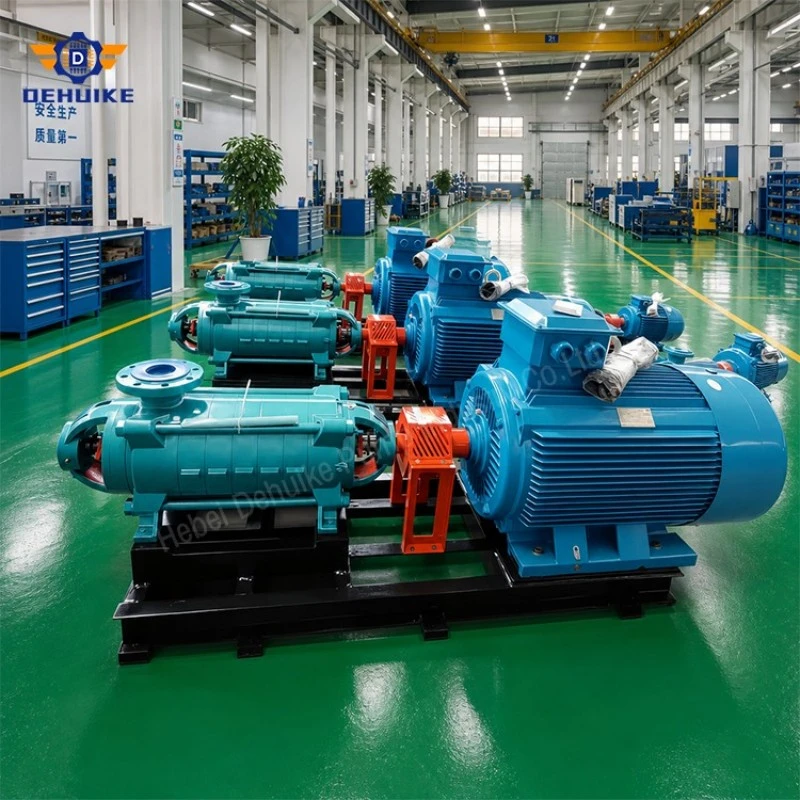
Product Details
The operating idea behind a Boiler Feed Multistage Pump is straightforward but highly relevant to system design. Water enters the pump and passes through successive hydraulic stages. Each stage contributes to the total energy added to the liquid, so the combined arrangement can support duties that demand more head than a single-stage arrangement is normally selected to provide. This staged approach gives the DG range its usefulness in boiler feedwater systems where the pump must overcome boiler-side pressure as well as the resistance of piping, fittings, valves and elevation.
The model designation provides a useful first reference for engineers, but it should not replace duty-point verification. A complete selection should compare the intended flow rate, required total head, available suction conditions, operating fluid information, power supply and installation layout with the applicable performance data. The NPSHr listed for each operating point is particularly important in a boiler feed application. It should be evaluated together with the system-side available suction conditions by qualified project personnel, rather than treated as an isolated number.
A staged pump arrangement is also valuable because it allows a purchaser to discuss the operating envelope in a disciplined way. If the system requires pressure reserve, the team can identify that requirement before the pump is quoted. If a duty varies during operation, the buyer can describe the expected flow range and the control method. If a plant has space or lifting limits, the relevant dimensions and weight can be considered early. This approach avoids the common but expensive mistake of selecting on head alone and discovering later that the motor, suction condition or installation footprint needs additional engineering attention.
The DG series offers documented configurations at 2950 r/min in the selected data. This common speed reference helps buyers compare candidate configurations consistently. However, final selection must reflect the project electrical arrangement and the total pump package requirements. For this reason, a good inquiry should include the desired voltage, frequency, site altitude if relevant, medium condition, operating hours and the process margin expected by the boiler designer.
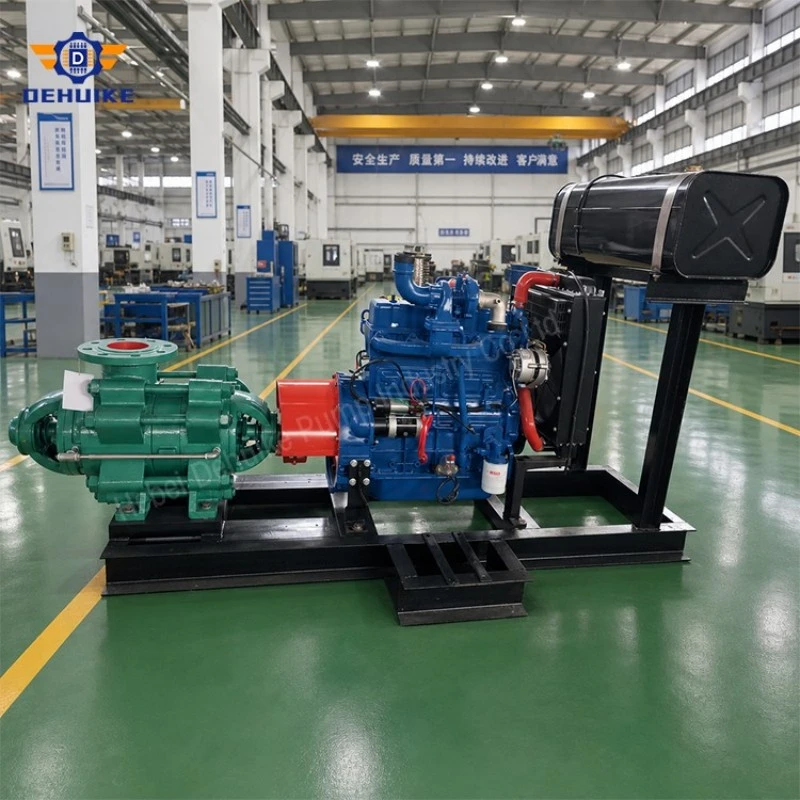
Application
The primary application for this product family is boiler feedwater transfer in industrial boiler systems. In this role, a Boiler Feed Multistage Pump supports the controlled delivery of water to a boiler feed circuit where the required discharge head is determined by the full system, not by pipe length alone. Typical decision factors include boiler operating pressure, deaerator or feedwater tank arrangement, suction piping, treatment equipment, isolation and control valves, elevation changes, recirculation requirements and the desired operating margin.
Industrial sites may use a DG-series selection where a process boiler requires a defined feedwater duty over long operating periods, or where the installation needs a staged pump arrangement to meet a higher head demand. The final use case must be reviewed against the medium and the engineering conditions of the project. The reference document provides hydraulic and motor data; it does not provide a universal medium-temperature limit, materials specification, sealing configuration, control philosophy, pressure class or certification list. Those items should be confirmed during technical clarification instead of being assumed from the series name.
For replacement projects, the evaluation should begin with the present operating data rather than only the nameplate of the installed pump. A maintenance team can provide measured flow, suction condition, discharge pressure, motor load, line arrangement and the observed reason for replacement. For new projects, the boiler contractor or engineering team should define design flow, total head, available NPSH conditions, fluid condition, operating schedule and electrical supply. This gives the supplier a usable basis for selecting a Boiler Feed Multistage Pump configuration from the DG range.
Application suitability is ultimately a system decision. A correctly documented inquiry reduces delays because it separates confirmed project data from points that still require consultation. It also gives procurement teams a stronger basis for comparing alternatives: not only purchase price, but also duty alignment, motor size, installation dimensions, available service information and the quality of the supplier response.
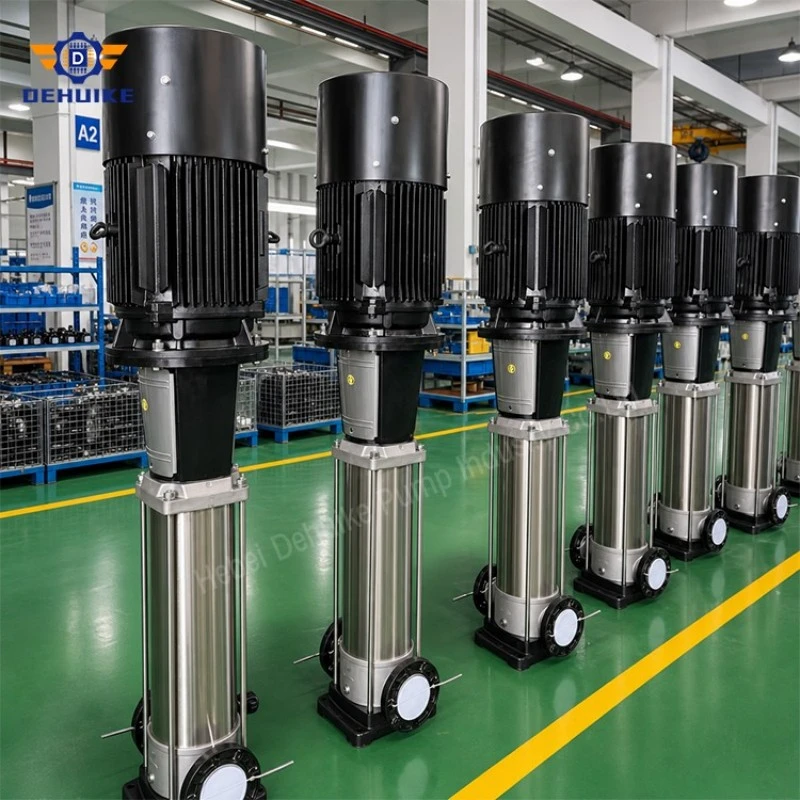
Quality Assurance and Production Process
The company profile states that its quality management system has received ISO international quality management system certification. It also describes continuous work by the R&D and design team and the use of production technology and intelligent manufacturing equipment. For purchasers, the practical value is a supplier conversation that can address both the selected pump duty and the manufacturing route behind the product. A buyer can ask for the technical documents relevant to the intended configuration and agree the inspection, testing and delivery requirements that apply to the order.
Quality assurance should be defined around the actual purchase order. Before production, the confirmed model, selected duty point, motor requirement, connection arrangement and project-specific technical clarifications should be reviewed. During production, communication should focus on the agreed specifications and required documentation. Before shipment, the buyer should confirm packaging, transport planning, destination requirements and the documents needed for receiving and installation. This is a more reliable approach than relying on broad, unverified claims about any industrial pump.
For boiler feedwater projects, disciplined communication is part of quality control. A clear data sheet and a complete site-duty description reduce the chance that one party is working from assumptions that the other party did not approve. That is especially valuable where high head, motor capacity, suction conditions or installation dimensions are key project constraints.
Our Advantages and Service
Selecting a pump supplier is not only a question of catalog coverage. Industrial buyers need a partner that can discuss the data that determines whether the equipment will fit the job. Dehuike Pump Industry combines design and development, production and processing, sales and service. Its company profile states that it produces more than 30 series of industrial pump products for sectors including electric power, metallurgy, mining, coal, petroleum, chemical processing and sewage treatment. This broad industrial exposure supports a practical approach to project communication while the DG series remains specifically focused on boiler feedwater selection.
The company has more than 40 years of industry experience and serves customers in more than 90 countries, according to the supplied company profile. These are useful indicators of operating experience, but each purchase should still be evaluated on its own technical and commercial requirements. A professional inquiry process protects both sides: the buyer receives a selection based on stated conditions, and the supplier receives the information needed to prepare an accurate response.
Our service approach begins with technical clarification. Provide the required flow, total head, fluid condition, suction arrangement, power supply, intended operating schedule and site constraints. The proposed DG Boiler Feed Multistage Pump configuration can then be reviewed against the relevant performance data. If further project information is needed, it should be identified early. This avoids presenting estimates as confirmed facts and gives the buyer a cleaner path from inquiry to purchase decision.
For distributors, contractors and end users, this approach also supports clearer downstream communication. A distributor can use verified model data in a customer quotation. A contractor can coordinate pump selection with the boiler and piping design. An end user can prepare for installation with a clearer understanding of motor capacity, connection sizing and the operating information that must be monitored. The goal is not to make exaggerated promises; it is to make a technically appropriate pump selection easier to manage.
FAQ
1. What is a Boiler Feed Multistage Pump?
A Boiler Feed Multistage Pump is a staged centrifugal pump used to supply feedwater against the pressure and resistance of a boiler feed system. Its multiple stages add energy progressively to the water so that the pump can be matched to higher-head duties. The correct model depends on the required flow, total head, suction conditions and project-specific operating requirements.
2. Which DG model should be selected for a boiler feed project?
Selection should begin with the actual duty point. The supplied DG data includes examples such as DG25-30x4 at 25 m3/h and 120 m head, DG46-50x6 at 46 m3/h and 300 m head, and DG150-100x7 at 150 m3/h and 689.5 m head. These are reference points, not automatic recommendations. Submit the project flow, required total head, suction conditions and electrical requirements for a technical review.
3. Why does NPSHr matter in boiler feedwater service?
NPSHr is a pump operating-point value that must be considered together with the suction conditions available in the installed system. The selected DG table lists NPSHr values such as 2.2 m for the shown DG25-30x4 point, 2.8 m for DG46-50x6 and 4.8 m for DG150-100x7. A qualified project team should compare the relevant value with the system-side conditions before confirming the selection.
4. Can the pump be selected by head only?
No. Head alone does not establish a correct pump selection. Flow, NPSHr, efficiency, shaft power, motor power, connection dimensions, electrical supply, fluid information and installation constraints must also be considered. A model that meets the head target at the wrong flow or unsuitable suction condition may not meet the needs of the complete system.
5. What information should be included in an inquiry?
Include the required flow, total head, medium condition, operating temperature if relevant, suction arrangement, available power supply, frequency, expected duty cycle, installation location, desired quantity and any project documentation requirements. If replacing an existing unit, include measured site data and the reason for replacement. This information enables a more accurate DG Boiler Feed Multistage Pump discussion.
6. Are material, seal, temperature and certification details fixed for every DG model?
The supplied performance table does not define a universal material specification, seal arrangement, temperature limit, pressure class or certification scope for every configuration. These requirements should be confirmed during technical clarification for the specific project. This protects the buyer from relying on assumptions that are not stated in the verified product data.

Hot Tags: boiler feed multistage pump, China boiler feed multistage pump manufacturers, suppliers, factory