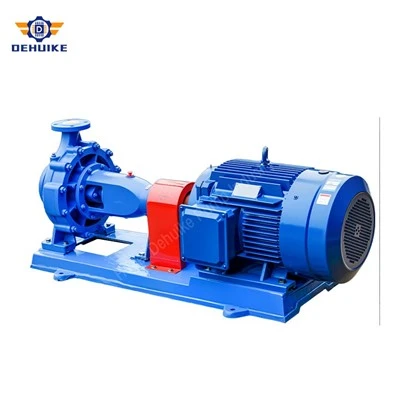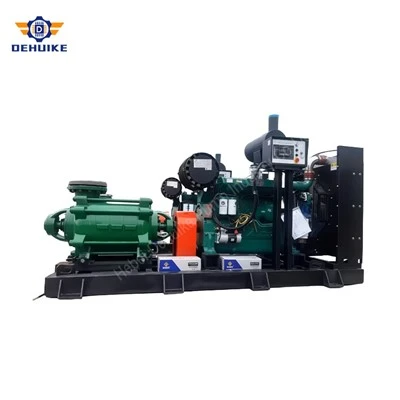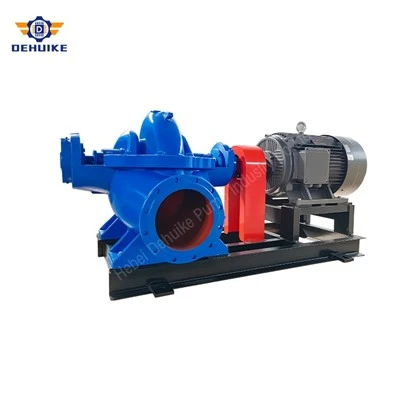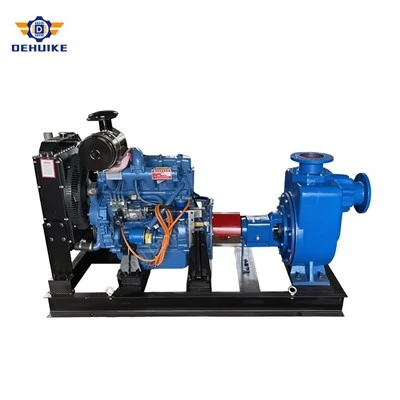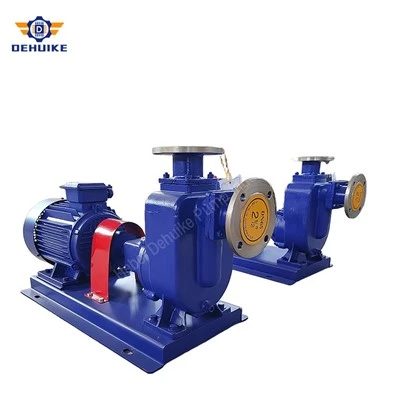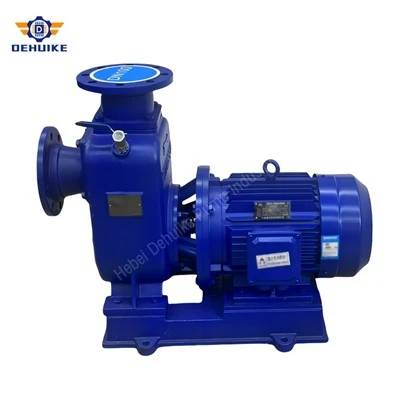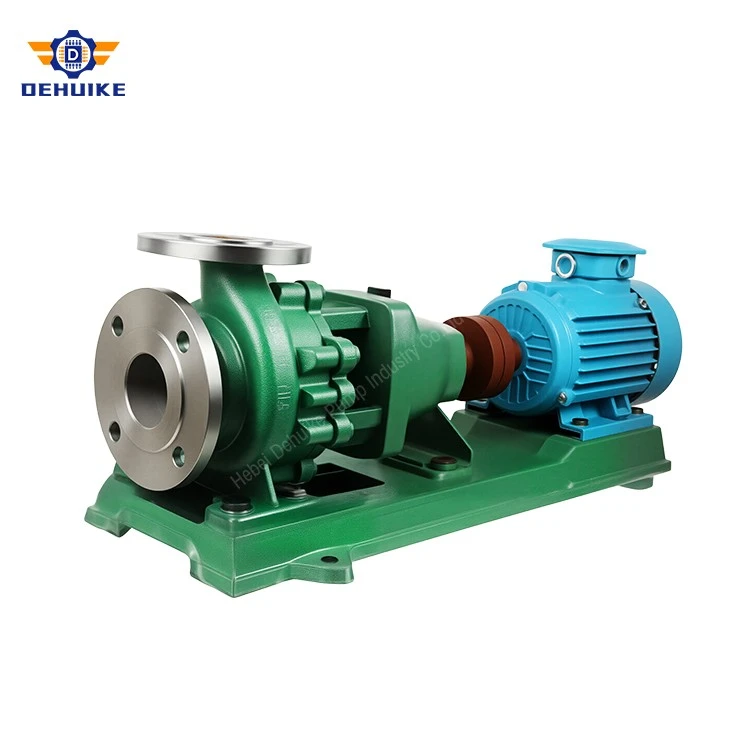
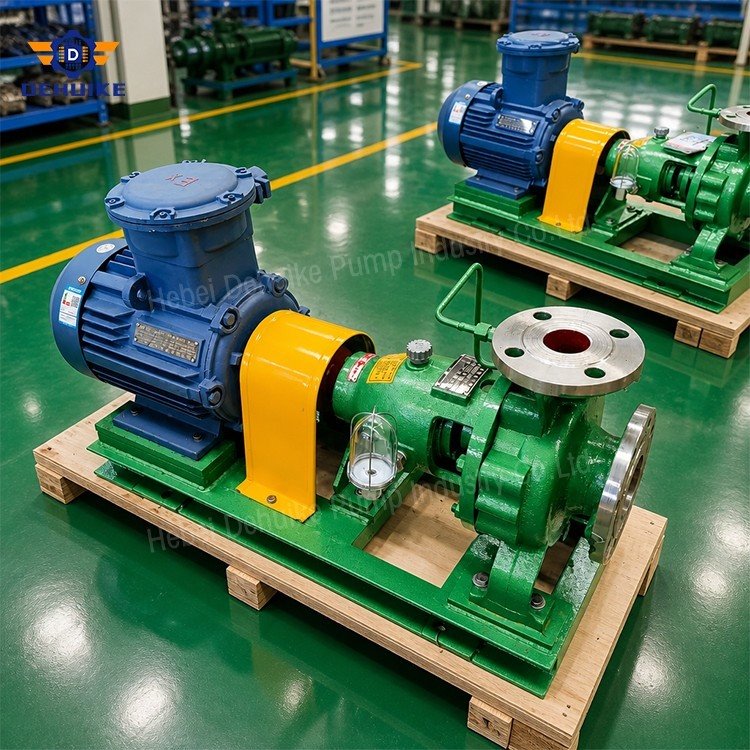
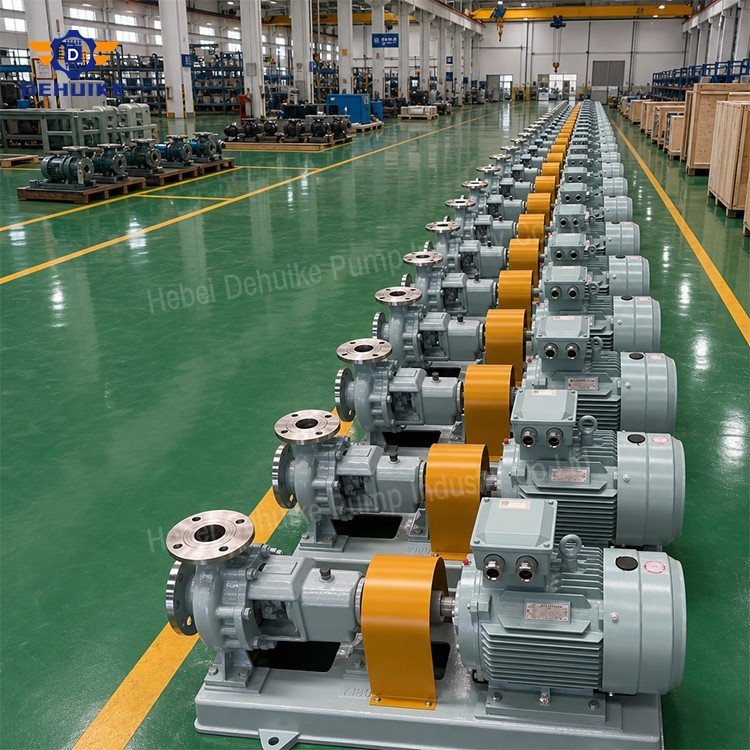
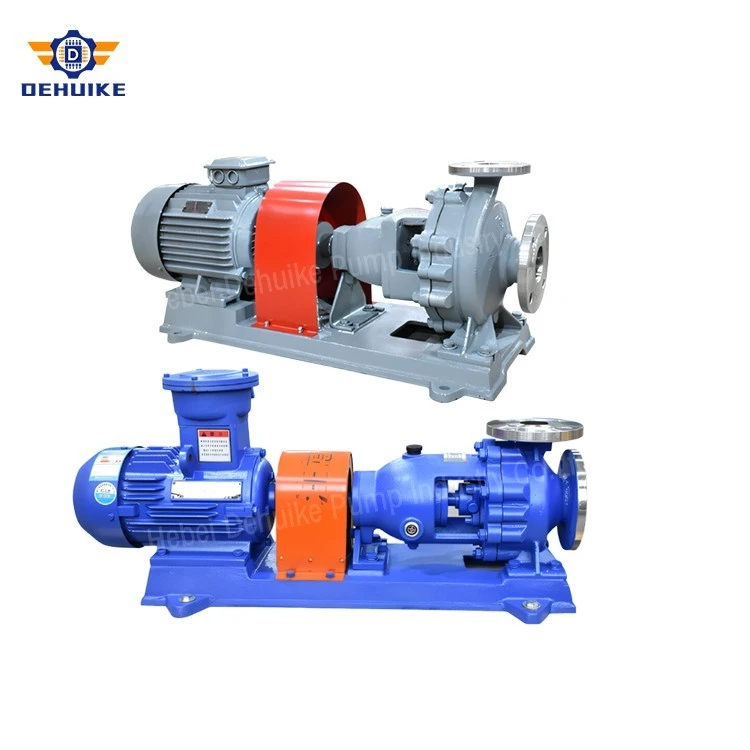
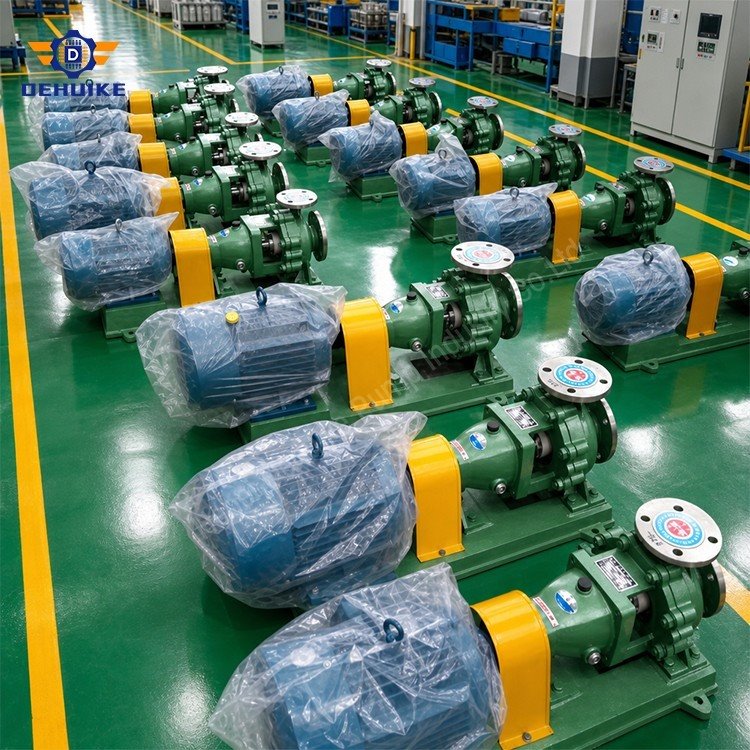
Hebei Dehuike Pump Industry Co., Ltd. is one of the most reliable manufacturers and suppliers of chemical process centrifugal pump in China. With abundant experience, we are committed to providing high quality customized pumps with competitive price. Welcome to wholesale bulk chemical process centrifugal pump for sale here from our factory. Also, pricelist is available.
Industrial Chemical Pump for Corrosive Liquid Transfer
A chemical pump is selected when ordinary water pumps can no longer provide safe, stable, and economical liquid handling. In chemical processing, wastewater treatment, surface finishing, fertilizer production, pharmaceutical utilities, and general plant circulation, the pumped liquid may be acidic, alkaline, solvent-based, abrasive, hot, volatile, or sensitive to contamination. The right industrial chemical pump must therefore do more than move liquid from one point to another. It must protect wetted parts from corrosion, keep the hydraulic passage efficient, reduce leakage risk, and fit the real operating conditions of the buyer's process.
This article explains the practical engineering logic behind chemical pump selection for overseas B2B buyers. Instead of treating every corrosive liquid as the same duty, it focuses on how material compatibility, seal arrangement, hydraulic performance, installation environment, maintenance access, and procurement verification work together. The goal is to help engineers, distributors, plant owners, and purchasing teams understand what to confirm before ordering a corrosion resistant pump for continuous service.
What Makes a Chemical Pump Different from a General Centrifugal Pump?
Many chemical pumps use a centrifugal hydraulic principle: the impeller rotates, transfers kinetic energy to the liquid, and the casing converts part of that velocity into pressure. The difference lies in how the pump is engineered for aggressive media. A standard clean-water pump may perform well in neutral water, but it can fail quickly when exposed to hydrochloric acid, sodium hydroxide, organic solvents, salt solutions, oxidizing agents, or process liquids with suspended solids.
A purpose-built chemical pump normally places greater emphasis on wetted material selection, sealing strategy, casing stiffness, shaft support, bearing protection, corrosion allowance, and serviceability. The pump must maintain hydraulic output while resisting chemical attack, swelling, pitting, stress corrosion, lining damage, dry-running risk, crystallization, or vapor release. For buyers, this means the specification should be built around the actual liquid and operating envelope rather than only around flow rate and head.
Core Engineering Structure
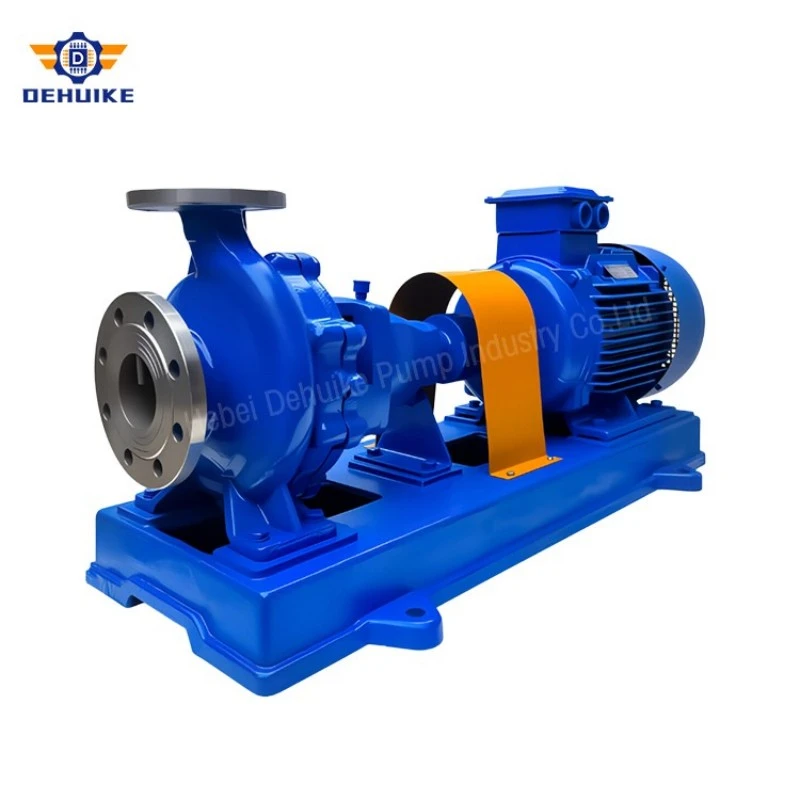
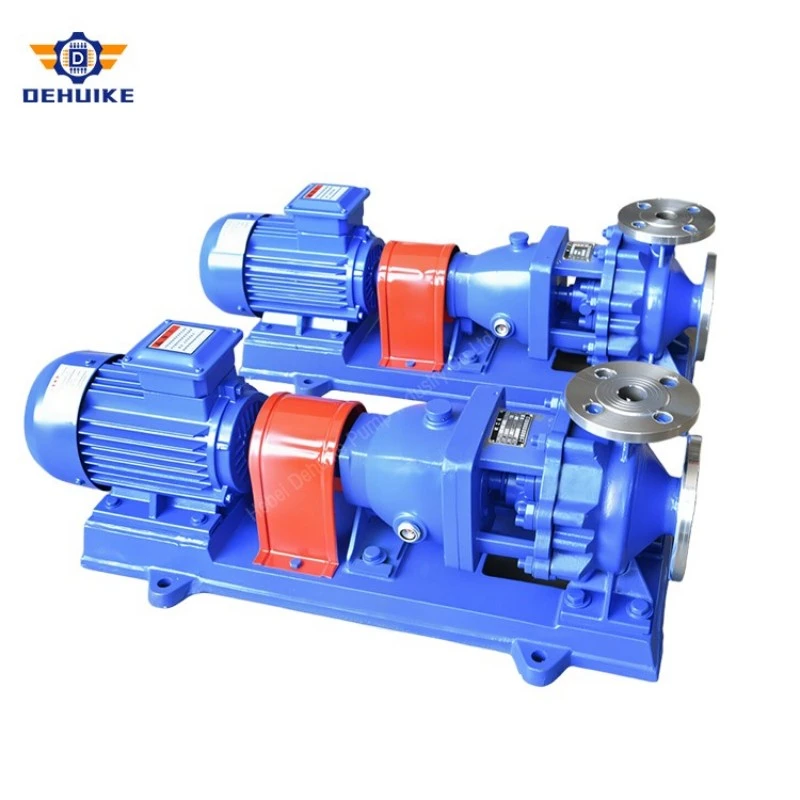
Although detailed construction varies by model and material, an industrial chemical pump is usually evaluated through the following functional parts:
Pump casing: forms the pressure boundary and directs liquid from the suction side to the discharge side. For corrosive service, the casing may be stainless steel, fluoroplastic-lined, engineered plastic, or another compatible alloy or lining system.
Impeller: provides the main energy transfer. Closed, semi-open, or open impeller forms may be considered depending on cleanliness, viscosity, solids content, and efficiency requirements.
Shaft and bearing assembly: supports rotating parts and helps maintain alignment under continuous operation. Stable support reduces vibration and seal wear.
Mechanical seal, packing, or sealless drive: controls leakage at the shaft area. The correct sealing method depends on toxicity, volatility, crystallization tendency, temperature, and maintenance preference.
Base, coupling, and motor arrangement: determine installation stability, maintenance access, and compatibility with site power supply and control systems.
For chemical service, the design priority is not only maximum efficiency. A balanced design should combine hydraulic efficiency with corrosion resistance, leak control, easy inspection, and predictable maintenance cost.
Material Selection: The First Procurement Decision
Material compatibility is the foundation of chemical pump reliability. A pump that is correctly sized but incorrectly matched to the liquid may experience rapid corrosion, swelling, coating failure, embrittlement, or seal leakage. Buyers should confirm the liquid name, concentration, temperature, solids content, vapor pressure, and any cleaning chemicals used in the system.
Common Material Directions
|
Material Direction |
Typical Strength |
Procurement Notes |
|
Stainless steel wetted parts |
Good mechanical strength and clean appearance for many mild chemical and industrial liquids |
Grade selection must match chloride level, acidity, temperature, and cleaning chemicals. |
|
Fluoroplastic lining or fluoropolymer wetted surfaces |
Strong resistance to many acids, alkalis, and solvents |
Confirm lining integrity, allowable temperature, vacuum limits, and particle impact risk. |
|
Engineered plastics |
Useful for certain low-to-medium pressure chemical transfer duties |
Check mechanical strength, temperature limit, UV exposure, and installation stress. |
|
Special alloys or custom materials |
Applied when common materials are not sufficient |
Require project-specific confirmation based on liquid analysis and service conditions. |
No single material is universal. For example, an acid resistant pump may not automatically be suitable for strong alkali, and a pump that handles dilute chemicals at room temperature may not be suitable for hot concentrated liquid. Reliable purchasing starts with transparent operating data.
Seal Options and Leakage Control
Leakage control is one of the most important differences between a chemical pump and a normal utility pump. Chemical leakage can create safety risks, environmental problems, product loss, corrosion around the baseplate, and unplanned downtime. The seal system should be selected after reviewing both the liquid and the plant's maintenance philosophy.
Single mechanical seal: suitable for many general chemical transfer duties when the liquid is compatible with the seal faces and elastomers.
Double mechanical seal or external flushing plan: considered when the fluid is hazardous, volatile, crystallizing, or sensitive to dry operation.
Magnetic drive or sealless design: useful when the priority is to eliminate dynamic shaft seal leakage. It is often considered for toxic, expensive, or highly volatile chemicals.
Packing or gland arrangement: may be used in certain duties, but it requires leakage management and routine adjustment.
Seal compatibility must include the liquid, temperature, pressure, possible dry running, flushing liquid, and elastomer material. A pump quotation should clearly state the proposed seal type and the assumptions behind it.
Practical Selection Workflow for B2B Buyers
A structured selection workflow reduces misunderstanding between buyer and supplier. The following steps are recommended before confirming a quotation:
Define the liquid clearly: chemical name, concentration, temperature, density, viscosity, solids content, and whether the composition changes over time.
Confirm the duty point: required flow rate, total head, suction condition, discharge pressure, and operating schedule.
Review compatibility: choose wetted material, lining, elastomer, and seal face materials based on the liquid and cleaning process.
Evaluate leakage risk: decide whether a single mechanical seal, double seal, flushing plan, or sealless magnetic drive design is appropriate.
Check installation constraints: foundation, pipe direction, maintenance space, motor voltage, control method, and environmental exposure.
Ask for a documented proposal: model, performance range, material configuration, seal arrangement, motor data, and any assumptions or exclusions.
Performance Advantages That Matter in Real Projects
For overseas buyers, the value of a chemical pump is measured by stable plant operation rather than by a single specification. A well-selected pump can support safer fluid transfer, lower maintenance frequency, more predictable spare parts planning, and better process uptime. Important advantages include:
Corrosion-focused construction for aggressive liquids when materials are correctly matched to the service conditions.
Efficient hydraulic passage that supports stable flow and helps reduce unnecessary energy consumption.
Multiple sealing options for different safety, environmental, and maintenance requirements.
Flexible application coverage for tank transfer, circulation, unloading, dosing support, scrubbing, neutralization, and process feed systems.
Clear procurement logic that allows buyers to compare suppliers based on configuration, not only on price.
Harsh Industrial Applications, Corrosive Media Handling, and Process Scenarios
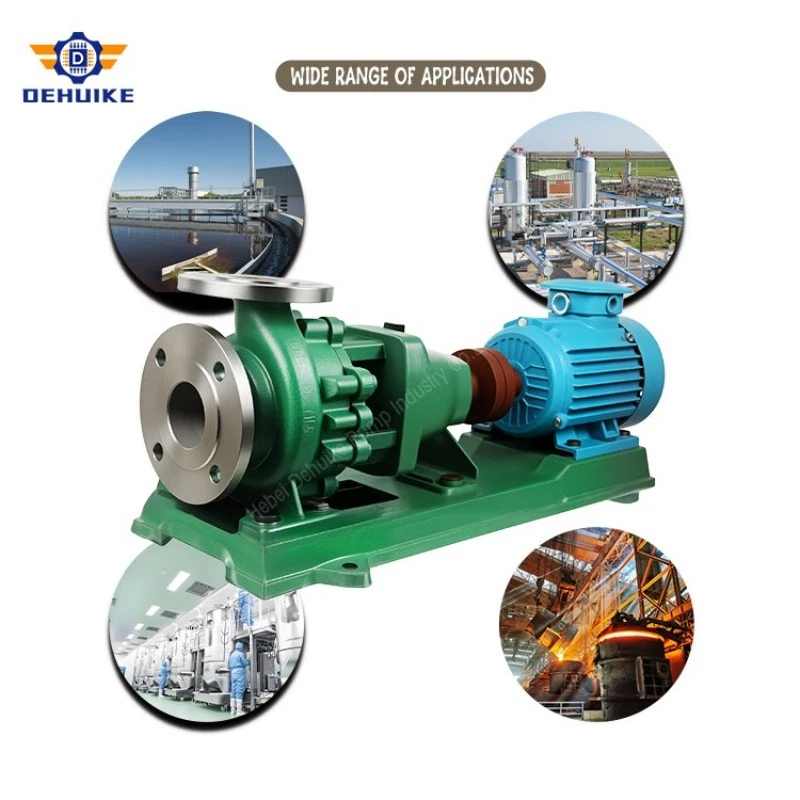
Engineered for versatility across demanding chemical and fluid-handling sectors, the Chemical Process Centrifugal Pump provides mission-critical operational stability across a broad spectrum of severe industrial operating environments:
- Petrochemical & Organic Chemical Synthesis: Circulating aromatic hydrocarbons, benzene derivatives, alcohols, glycol solutions, volatile organic solvents, and specialty chemical intermediates within reaction loops, fractionation systems, and product storage loading terminals.
- Chlor-Alkali & Fertilizer Manufacturing: Transferring corrosive brine solutions, dilute hydrochloric acid, liquid caustic soda (NaOH up to 50% concentration), ammonium nitrate mixtures, and phosphoric acid slurries across continuous manufacturing operations.
- Hydrometallurgy & Metal Surface Finishing: Handling acidic metal-leaching solutions, copper and nickel electrowinning electrolytes, spent pickling baths containing sulfuric and nitric acids, and electroplating chemical feed streams.
- Industrial Wastewater & Environmental Treatment: Pumping corrosive chemical effluent, neutralization chamber dosing, acid-water scrubber recycling, and chemical sludge dewatering feed.
- Pulp, Paper & Cellulose Processing: Conveying acidic bleaching liquors, chlorine dioxide solutions, black liquor soap skimmings, and chemical recovery boiler additives.
- Pharmaceutical & Fine Chemical Extraction: Sanitizable high-purity solvent extraction, crystallization fluid transfer, and bulk active pharmaceutical ingredient (API) fluid circulation where mechanical seal integrity and zero fluid contamination are critical.
Manufacturing Excellence, Global Logistics, and Procurement Engineering Support
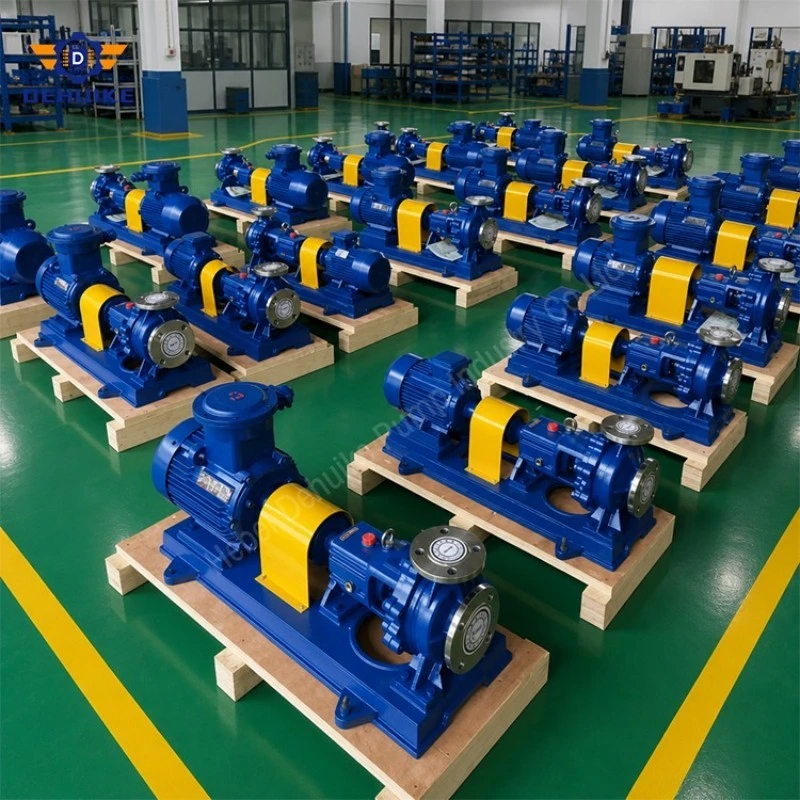
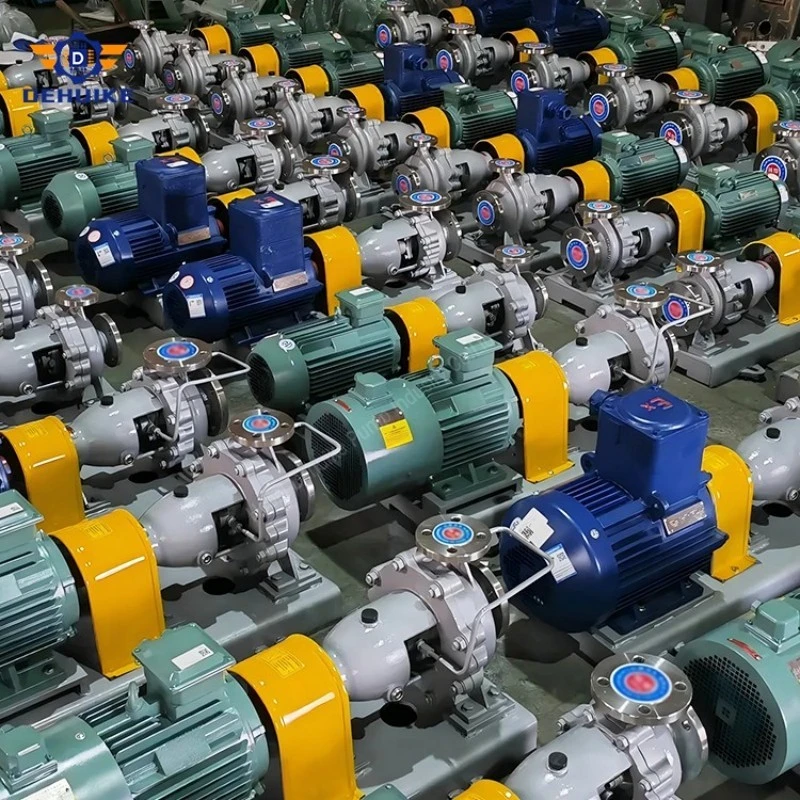
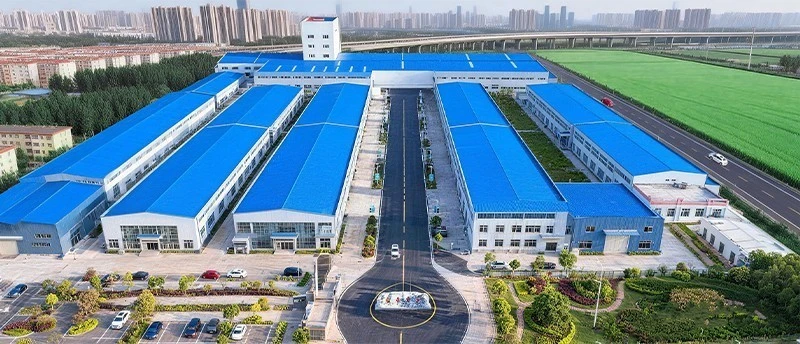
Hebei Dehuike Pump Industry Co., Ltd. represents an established manufacturing enterprise combining precision hydraulic design, specialized metallurgy, and advanced pump fabrication. Backed by more than 30 years of specialized pump engineering and manufacturing expertise, the company operates comprehensive casting, CNC machining, assembly, and automated testing infrastructure, serving industrial fluid handling operators in more than 90 countries worldwide.
Our technical engineering department provides full pre-sales application appraisal, analyzing customer fluid viscosity, vapor pressure curves, pipe head loss calculations, and chemical corrosion profiles to configure the optimal pump model, impeller trim, and mechanical seal flush plan. Quality assurance operates under certified ISO 9001 quality management standards, reinforced by EAC conformity certification and RoHS compliance. All commercial shipments are supported by comprehensive international logistics coordination, offering air freight (50 kg to 500 kg for expedited parts and compact units) and maritime ocean freight (500 kg and above for containerized project shipments) delivered on FOB and CIF destination port terms.
Engineering Selection Guide, NPSH Calculations, and Operational Lifecycle
Q1: How does the Back-Pull-Out architecture specifically reduce operational lifecycle maintenance costs?
A: The back-pull-out architecture eliminates the necessity to unbolt suction and discharge piping or disturb the casing mounting on the baseplate during routine inspections, seal renewals, or impeller servicing. In a typical chemical facility, uncoupling and re-torquing large flanged chemical pipelines requires extensive scaffolding, hot work permits, pipe stress re-alignment, and multiple craft labor hours. By allowing the complete bearing housing, seal chamber, and impeller assembly to withdraw rearward as a single unit, maintenance turnaround times are reduced from 8–12 hours to less than 2–3 hours. This dramatically curtails lost production downtime while preserving structural piping alignment integrity.
Q2: What are the primary engineering selection criteria between a 2900 r/min (2-Pole) model and a 1450 r/min (4-Pole J-Series) model?
A: The engineering selection is fundamentally governed by required discharge head, media fluid characteristics, and suction head availability. Operating at 2900 r/min generates higher single-stage pressure heads (up to 80 meters) and requires smaller pump frame footprints, making it the preferred economical choice for clean, low-viscosity chemicals requiring high transfer pressures. Conversely, selecting a 1450 r/min 4-pole model (J-Series) is highly recommended when handling liquids with elevated viscosity (>30 cSt), warm solvents near their boiling vapor pressure where available NPSH is limited, or fluids containing localized trace particulates. The reduced rotational speed decreases internal tip speed velocity by half, cutting dynamic mechanical seal friction and fluid-induced erosion rates by more than seventy percent, which substantially extends overall equipment life.
Q3: How do I select the appropriate mechanical seal configuration (Single vs. Double) for hazardous or volatile chemicals?
A: For non-toxic, non-volatile liquids that do not crystallize upon atmospheric contact (such as dilute caustic wash or clean organic acids), a single balanced cartridge mechanical seal utilizing silicon carbide faces with an API Plan 11 flush provides excellent, cost-effective containment. However, for toxic, carcinogenic, volatile organic compounds (VOCs), flammable solvents, or fluids that crystallize upon exposure to air, an API 682-compliant double mechanical seal is mandatory. In dual pressurized systems (API Plan 53A/53B), barrier fluid pressure is maintained at least 0.14 MPa (1.4 bar) above the internal pump seal chamber pressure, ensuring that any microscopic face leakage comprises inert barrier fluid into the process stream, completely eliminating hazardous environmental fugitive emissions.
Q4: What calculation protocol guarantees adequate Net Positive Suction Head (NPSH) margin to prevent cavitation damage?
A: Cavitation occurs when localized static fluid pressure within the impeller suction eye drops below the vapor pressure of the pumped liquid, causing microscopic vapor bubble formation and violent collapse. To ensure safe operation, available system suction head (NPSHa) must exceed the pump's required suction head (NPSHr) by an engineering margin of at least 0.5 to 1.0 meter:
NPSHa = (100,000 × (P_s - P_v) / (ρ × g)) + H_s - h_f
Where P_s represents suction vessel absolute surface pressure (bar), P_v is the liquid vapor pressure at pumping temperature (bar), ρ is fluid density (kg/m³), g is gravitational acceleration (9.81 m/s²), H_s is static fluid elevation relative to the pump centerline (meters), and h_f denotes total frictional pipe losses across the suction line (meters). Consulting the verified NPSHr curves in our technical parameter tables ensures that selected models maintain safe, cavitation-free continuous operation.
Q5: How do I select between 316L stainless steel and Duplex 2205 for aggressive industrial media?
A: While 316L (CF3M) provides outstanding corrosion resistance in a broad spectrum of organic acids, caustic solutions, and dilute sulfuric environments, its resistance to localized chloride pitting diminishes significantly at elevated temperatures (>50°C) and higher chloride concentrations. Duplex 2205 (S31803 / 1.4462) possesses an optimized austenitic-ferritic microstructure with higher chromium (22%) and molybdenum (3%) content, resulting in a Pitting Resistance Equivalent Number (PREN) above 35 (compared to approximately 25 for 316L). Furthermore, Duplex 2205 offers near-complete immunity to chloride-induced stress corrosion cracking and double the mechanical yield strength, making it the definitive technical selection for hot brine, seawater, chlorinated hydrocarbons, and high-pressure chemical recovery.
Q6: What are standard equipment warranty terms, preventive maintenance schedules, and global spare parts supply protocols?
A: Every Chemical Process Centrifugal Pump is backed by our comprehensive 2-year (24-month) whole-machine equipment warranty (excluding normal consumable wear parts such as mechanical seal faces, O-rings, and gaskets). Routine preventive maintenance protocols recommend checking bearing oil levels monthly, monitoring operating vibration signatures quarterly to maintain ISO 10816 standards, and inspecting mechanical seal barrier fluid reservoirs weekly. To minimize international operational downtime, standardized wear components-including balanced mechanical seal cartridges, precision-ground shaft sleeves, and replacement impeller assemblies-are maintained in continuous strategic buffer inventory for rapid global air freight dispatch.
Q7: What are the standard lead times, export packaging specifications, and international commercial trade terms?
A: Standard production lead times range from 15 to 25 working days for standard 304 and 316L alloy configurations, and 30 to 40 working days for specialized Duplex or Hastelloy customized units. All export equipment is treated with internal rust-inhibiting vapors, desiccants, and external flange protection covers before being secured within fumigation-free, heavy-duty wooden export crates engineered to withstand maritime dynamic moisture and shock. We support professional international commercial terms under Incoterms 2020, offering competitive FOB and CIF destination port deliveries worldwide.

Hot Tags: chemical process centrifugal pump, China chemical process centrifugal pump manufacturers, suppliers, factory