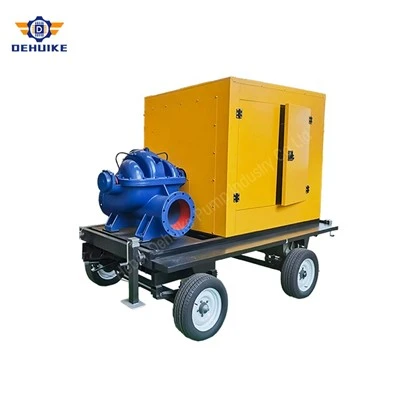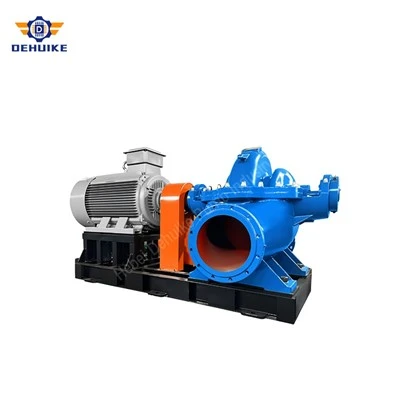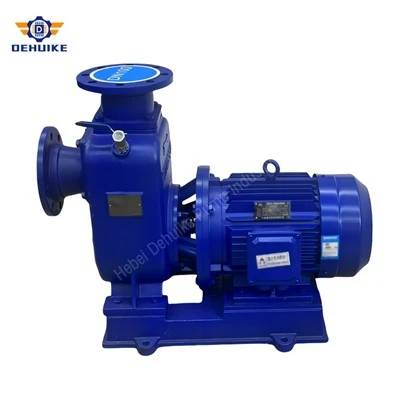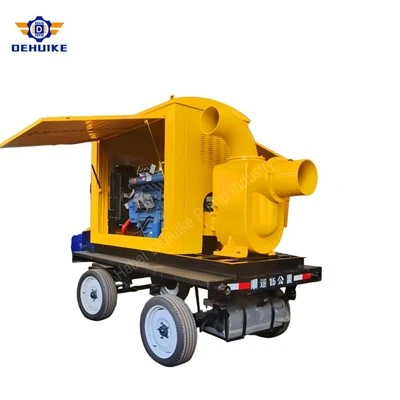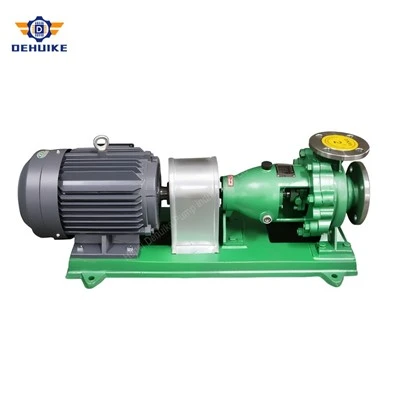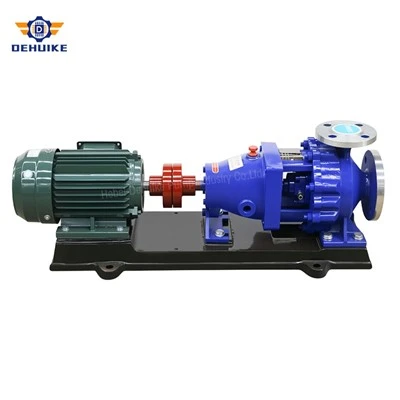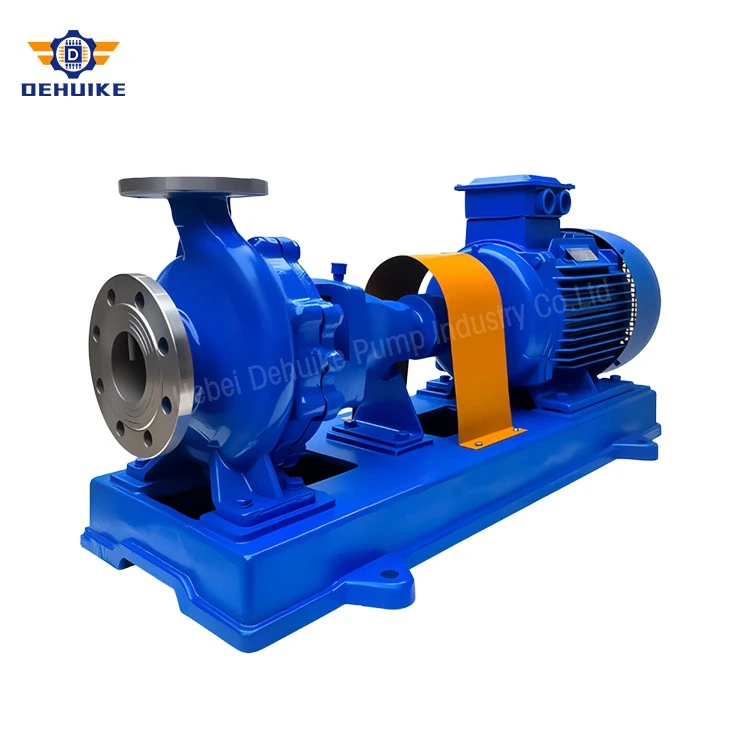
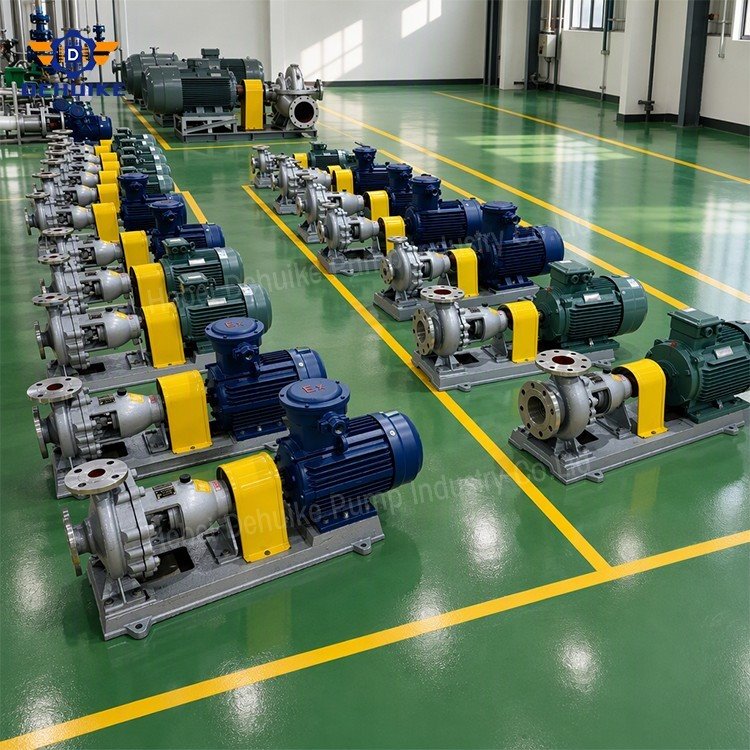
Hebei Dehuike Pump Industry Co., Ltd. is one of the most reliable manufacturers and suppliers of chemical transfer pump in China. With abundant experience, we are committed to providing high quality customized pumps with competitive price. Welcome to wholesale bulk chemical transfer pump for sale here from our factory. Also, pricelist is available.
Introduction: Engineering Fundamentals of Industrial Chemical Fluid Transfer
Conveying hazardous, reactive, and volatile industrial reagents across processing installations demands rigorous fluid containment, mechanical durability, and dedicated hydraulic engineering. In modern chemical manufacturing complexes, liquid logistics operations involve dynamic operating envelopes quite unlike closed-loop heating or cooling circuits. Process engineers must regularly evacuate road transport tankers, transfer volatile feedstocks between atmospheric bulk storage tanks, feed pressurized reactors, and pump corrosive wash liquors across extensive pipe racks. As vessel liquid levels fall, intake head decreases continuously, shifting pump operations toward low-pressure boundaries where fluid vaporization and cavitation inception become critical operational threats. Meeting these severe operational conditions requires an engineered process transfer pump purpose-engineered to maintain stable continuous throughput despite shifting system resistance curves.
The internal passage architecture of the modern chemical process pump delivers stable flow patterns across steep head variations. When process storage tanks drain down toward minimum residual levels, the static suction margin drops precipitously. Conventional fluid machinery operating under such starved intake conditions experiences turbulent separation, vapor bubble collapse, and rapid mechanical degradation of rotating components. To prevent these hydraulic hazards, this specialized transfer pump utilizes broadened intake throats, contoured three-dimensional vane curvature, and precision-engineered blade entrance angles. These hydrodynamic enhancements suppress inlet stall phenomena, diminish localized turbulence, and ensure reliable NPSH (Net Suction Head margin) across entire tanker offloading routines.
Mechanical durability against severe piping transients represents an equally essential design requirement in large-scale fluid transfer manifolds. When emergency safety valves trip closed across tanker bays or process distribution headers, the rapid momentum change produces intense hydraulic shock waves that surge toward the pump volute. To resist these high transient pressure spikes without joint leakage, nozzle deflection, or casting rupture, the Chemical Transfer Pump incorporates heavy external stiffening ribs and substantial wall casting thicknesses manufactured in complete accordance with worldwide ISO2858 / ISO5199 process pump standards. The rugged casing construction comfortably absorbs hydrodynamic surges surpassing 260% of baseline working pressure without compromising flange alignment.
Plant productivity hinges directly upon equipment availability and rapid turnaround during scheduled maintenance outages. Employing a modular rear-extractable design, the Chemical Transfer Pump permits field technicians to extract the drive core-including the bearing cradle, shaft, dynamic mechanical seal, and impeller-without disconnecting suction piping, discharge lines, or shifting the electric motor. When combined with flexible spacer coupling elements, standard seal replacements and internal inspections are completed in under ninety minutes, maximizing operational availability across busy loading terminals.
Features & Equipment Characteristics: Safety-Critical Architecture and Sealing Integrity
Safe containment of corrosive industrial media requires uncompromising mechanical integrity, minimal shaft deflection, and superior thermal dissipation around dynamic sealing zones. The Chemical Transfer Pump combines multiple advanced structural and hydraulic features engineered for severe chemical environments:
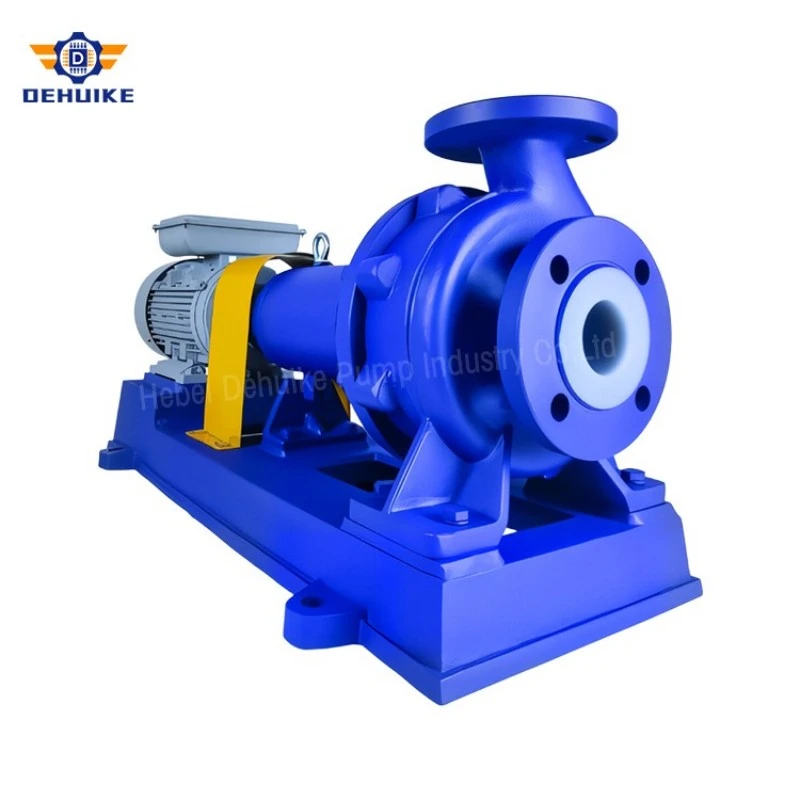
Reinforced Heavy-Gauge Volute Casing: Cast with generous corrosion allowances and integrated external structural gussets, the casing provides superior structural rigidity against heavy piping moments and thermal expansions, preventing internal misalignment under severe operational loading.
Dual High-Point Self-Degassing Passages: Integrated vents situated on the casing centerline allow trapped vapors, volatile solvent vapors, and air bubbles to evacuate continuously into discharge piping, eliminating air-binding risks during intermittent tank offloading or when pumping self-foaming industrial liquids.
Low-Turbulence Closed Impeller with Thrust Relief Geometry: Precision-cast multi-vane closed impellers feature generous suction eyes that minimize entry velocities. Hydrodynamically calibrated balancing holes positioned through the rear shroud relieve axial hydraulic loading, extending thrust bearing operating life and minimizing cyclic stress on seal faces.
High-Stiffness Alloy Drive Shaft with Minimized Overhang Ratio: Fabricated from high-tensile corrosion-resistant alloys with an enlarged diameter beneath the shaft sleeve, the rotating assembly maintains dynamic radial deflection strictly under 30 microns (0.025 mm) at dynamic interfaces, preventing face distortion and uneven carbon ring wear.
Universal Tapered Seal Chamber Conforming to API 682: The spacious, self-flushing seal chamber provides enhanced fluid circulation around friction faces, rapidly dissipating interfacial thermal energy across the primary sealing rings and preventing particle accumulation. It accommodates single, double, and pressurized cartridge mechanical seals suitable for hazardous or volatile chemical media.
Heavy-Duty Bearing Cradle with Non-Contacting Labyrinth Enclosures: Rigid bearing frames support paired heavy-duty angular contact thrust bearings and radial cylindrical roller bearings. Precision non-contacting labyrinth seals lock out external atmospheric acid vapors and washdown spray, preserving lubricating oil purity.
Rapid Back-Pull-Out Maintenance Accessibility: The rotating assembly separates cleanly from the casing volute without disturbing fluid pipe flanges or driver alignment, reducing maintenance labour by over sixty percent compared to traditional foot-mounted process pumps.
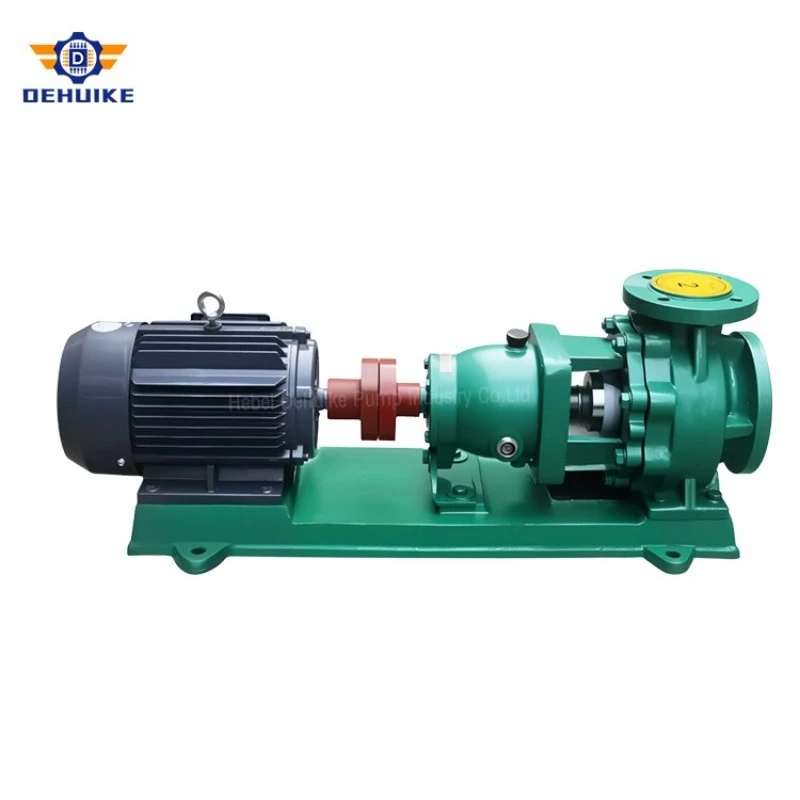
Specifications & Technical Parameters: Factory-Calibrated Performance Envelopes
Correct hydraulic selection ensures that the Chemical Transfer Pump operates in close proximity to its Rated Optimal Efficiency Point (BEP), eliminating internal flow recirculation, hydraulic cavitation, and excessive electrical consumption. The pump platform is manufactured across three specialized operational series tailored for high-volume liquid offloading, customized system tuning, and gentle continuous-duty circulation.
3.1 Direct-Coupled 2-Pole High-Head Configuration (Nominal 2900 rpm)
Engineered for energetic fluid transfer, long pipeline delivery headers, and rapid bulk chemical road tanker discharge, Series 1 units couple directly with 2-pole electric motors running at 2900 rpm, generating energetic fluid momentum that produces developed differential heads up to 52 meters and volumetric flow throughput spanning 25 to 210 cubic meters per hour. Hydraulic conversion efficiencies reach up to 81%, minimizing power consumption across large chemical processing terminals.
3.2 Precision Diameter Modification Series for Pipeline Hydraulic Tuning (Trims A & B)
Operating an oversized pump on a system with lower friction losses causes the unit to run far out on its performance curve, inducing motor overloading and electrical energy wasted across discharge control valves; Series 2 overcomes this penalty via factory-machined impeller outside diameters (indicated by letter designations A or B) calculated strictly according to centrifugal affinity principles. This precise diameter reduction conforms pump output directly to measured piping resistance curves, allowing operators to downsize electric motor ratings while preserving high hydraulic efficiencies.
3.3 Moderate-Velocity 4-Pole Configuration for Delicate & Viscous Chemical Delivery (1450 rpm)
Pumping shear-sensitive emulsions, liquids carrying delicate crystalline solids, or volatile process liquids operating near their boiling boundaries at 2900 rpm introduces high fluid shear and elevated mechanical seal face temperatures. Series 3 utilizes 4-pole electric motor drives driven at an operating frequency yielding 1450 rpm (identified by model suffix J). Lowering rotational speed cuts peripheral impeller velocity in half, dramatically reducing fluid friction, lowering seal face wear, and providing exceptional suction performance with NPSH thresholds bounded between 1.9 m and 2.4 m.
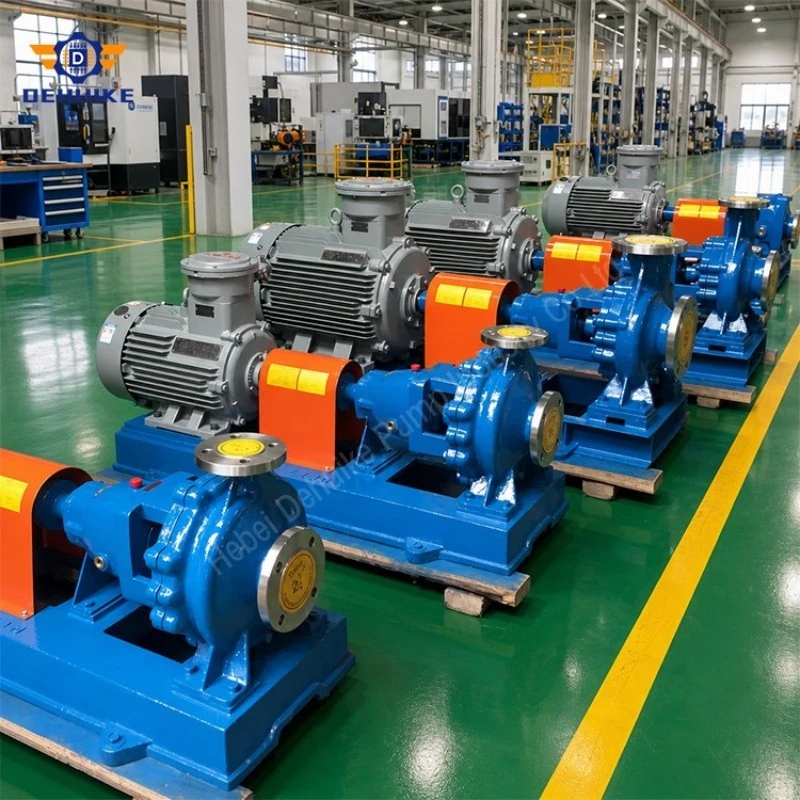
Application: Industrial Sectors and Chemical Media Handling Capabilities
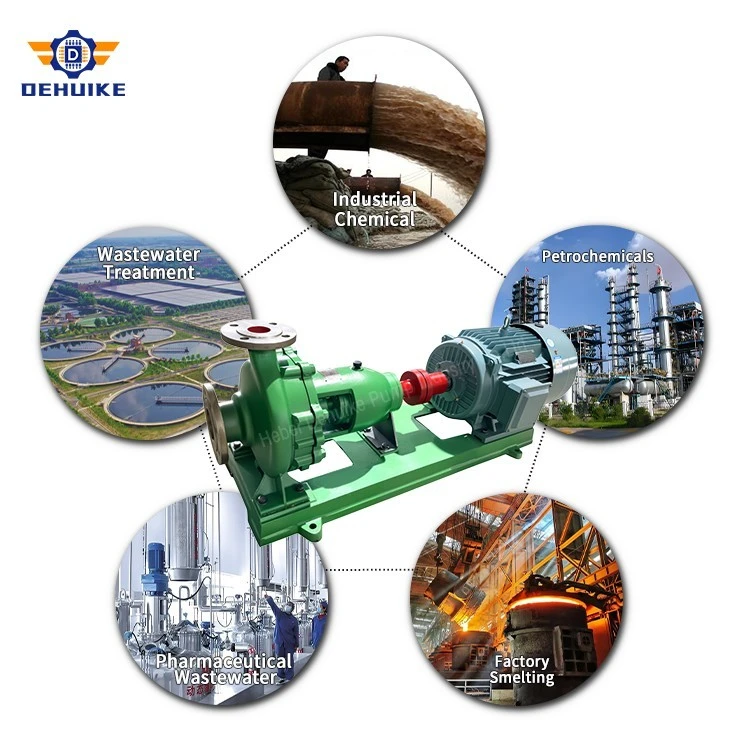
Engineered to withstand corrosive chemical attack, thermal shocks, and fluctuating intake levels, the Chemical Transfer Pump provides dependable performance across vital manufacturing and logistics sectors:
Bulk Reagent Tanker & Railcar Discharging: Unloading concentrated commercial acids, aqueous caustic alkalis, and industrial solvent cargoes from logistics road tankers, discharging chemical shipments directly into terminal bulk holding vessels without dry-run damage.
Inter-Vessel Chemical Logistics & Storage Farm Headers: Transferring chemical feedstocks, intermediate mixtures, and blended solutions across extensive terminal pipe racks and distribution manifolds.
Continuous Reactor Feed & Precision Dosing Circulation: Conveying liquid reactants and catalysts into pressurized chemical synthesis columns and polymerization autoclaves with consistent, pulse-free volumetric delivery.
Acid-Alkali Industrial Wastewater & Scrubbing Effluent: Transferring acidic wash waters, spent pickling baths, and corrosive scrubber effluents from sump collection pits into central neutralization treatment systems.
Hydrometallurgical Refining & Fertilizer Processing: Circulating wet-process phosphoric acid solutions, solvent extraction electrolytes, and acidic leaching liquors in chemical fertilizer facilities and mineral extraction plants.
Electroplating, Metal Finishing & Chemical Etching Lines: Pumping aggressive passivation acids, copper plating solutions, and alkaline degreasing baths across continuous metal surface treatment installations.
In commercial distribution terminals handling multiple liquid products, operational versatility across broad fluid density spectrums is paramount. A single pumping skid may transfer heavy 98% concentrated sulfuric acid (density 1.84 g/cm³) during initial morning schedules, contrasted with low-density solvents like acetone (0.79 kg/L) in subsequent operations. The non-overloading hydraulic power curve and conservative motor sizing margins ensure that transitions between high-gravity and low-gravity chemicals occur without driver tripping, empowering plant engineers to standardize transfer stations across multi-product chemical headers.
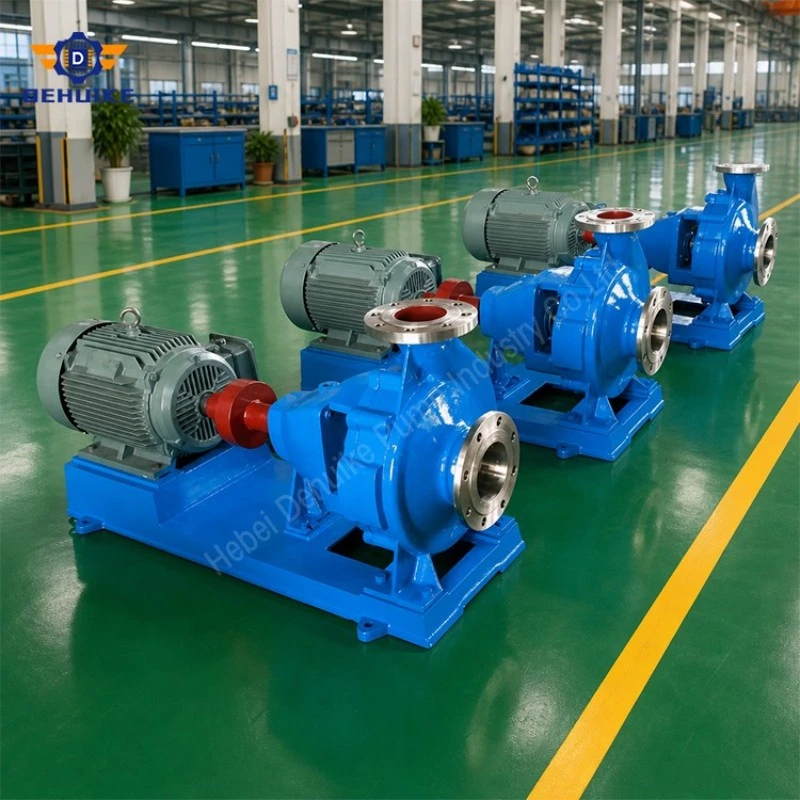
Production Process: Advanced Foundry Metallurgy and Precision Machining
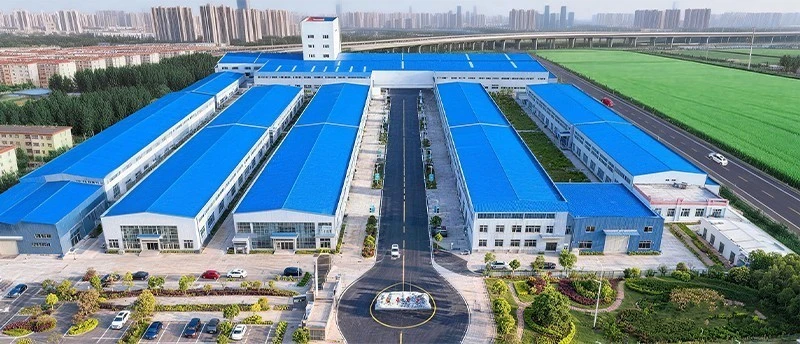
Manufacturing fluid handling equipment for severe industrial chemical service requires exceptional metallurgical integrity, advanced casting methods, and tight machining tolerances. Our fabrication sequence strictly aligns with rigorous technical protocols:
Precision Investment Shell Moulding: Casing bodies, stuffing covers, and impellers are produced using multi-layer silica sol ceramic shell casting. This high-integrity foundry protocol produces internal hydraulic surfaces with surface smoothness ranging from Ra 1.8 down to 0.8 microns, eliminating internal boundary turbulence and improving energy transfer efficiency.
Induction Melting with Continuous Spectral Validation: Virgin raw alloy ingots undergo clean melting inside medium-frequency induction furnaces. Each individual melt charge is verified via optical emission spectrometry before pouring to ensure exact chemistry: carbon percentages are controlled under 0.03% to prevent intergranular sensitization, while chromium, nickel, and molybdenum levels adhere strictly to international ASTM specifications.
Computer-Monitored High-Temperature Solution Annealing: Castings made from austenitic stainless alloys (such as CF8, CF8M, CF3M) and duplex stainless steels (such as 2205, 2507) undergo programmed solution heat treatment between 1050°C and 1120°C with thermal soaking up to 1130°C, followed immediately by rapid agitated quench baths. This critical metallurgical thermal cycle redissolves precipitated chromium carbides back into the alloy matrix, fully restoring localized pitting resistance.
Five-Axis Multi-Tasking CNC Machining Centers: Critical locating registers, seal chamber bores, and bearing fit diameters are machined on horizontal CNC machining centers in single-clamping operations. This strict concentricity control maintains concentricity tolerances maintained under 0.015 millimeters, eliminating angular deflection at the mechanical seal interface.
Full Chemical Pickling and Nitric Acid Passivation: All machined wetted parts undergo immersion within specialized nitric-hydrofluoric acid chemical baths to strip microscopic surface impurities and heat-scale oxides. Subsequent passivation promotes the formation of a continuous, durable chromium oxide passive barrier layer.
Quality Assurance: Dual Hydrostatic Pressure Testing and Hydrodynamic Verification
Each completed transfer pump set undergoes multi-stage factory verification prior to dispatch, guaranteeing pressure containment integrity and verified hydraulic capabilities:
100% Casing Hydrostatic Proof Testing: Every single cast casing assembly undergoes cold-water hydrostatic pressure testing at 1.5 times the maximum rated design pressure (reaching 24 bar / 2.4 MPa for standard 16 bar housings). Proof pressure is sustained over a 30-minute holding duration under digital transducer monitoring, confirming complete absence of casing porosity or structural micro-fissures.
Volumetric Non-Destructive Testing (PT & UT): High-stress casting zones, volute discharge necks, and impeller vane fillets undergo liquid dye penetrant testing (PT) and ultrasonic testing (UT) to verify complete structural freedom from internal shrinkage cavities, hot tears, or inclusions.
Hydraulic Performance Certification: Completed pumping units undergo multi-point testing on computerized closed-loop hydraulic test loops. Real-time digital instrumentation captures discharge head, volume flow, motor power draw, and NPSH margins across five operational points, mapped in full adherence to ISO 9906:2012 Grade 2B hydraulic standards.
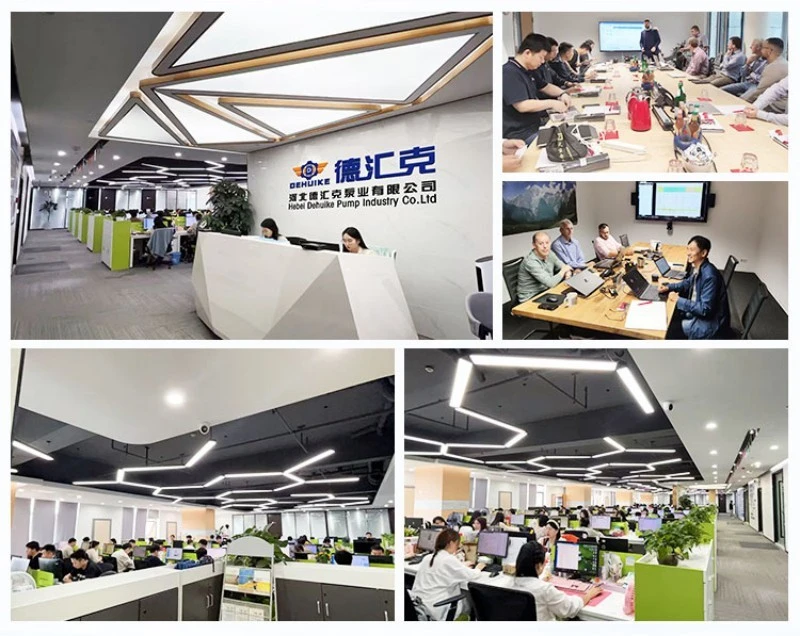
Experience and Markets: Hebei Dehuike Manufacturing Strength and Global Reach
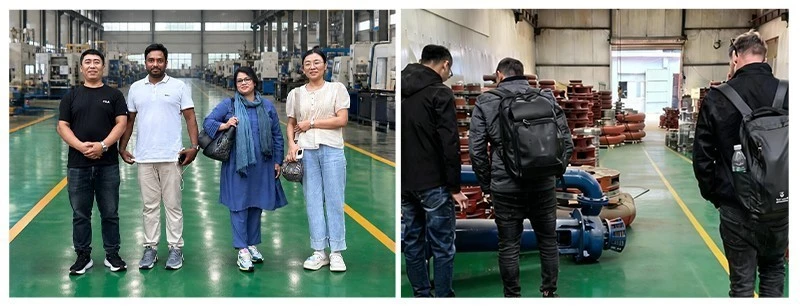
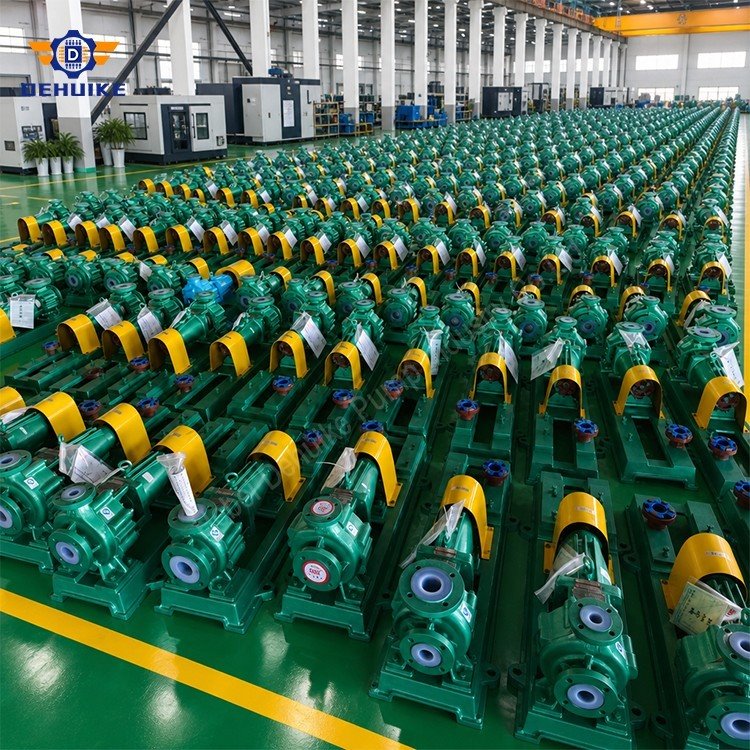
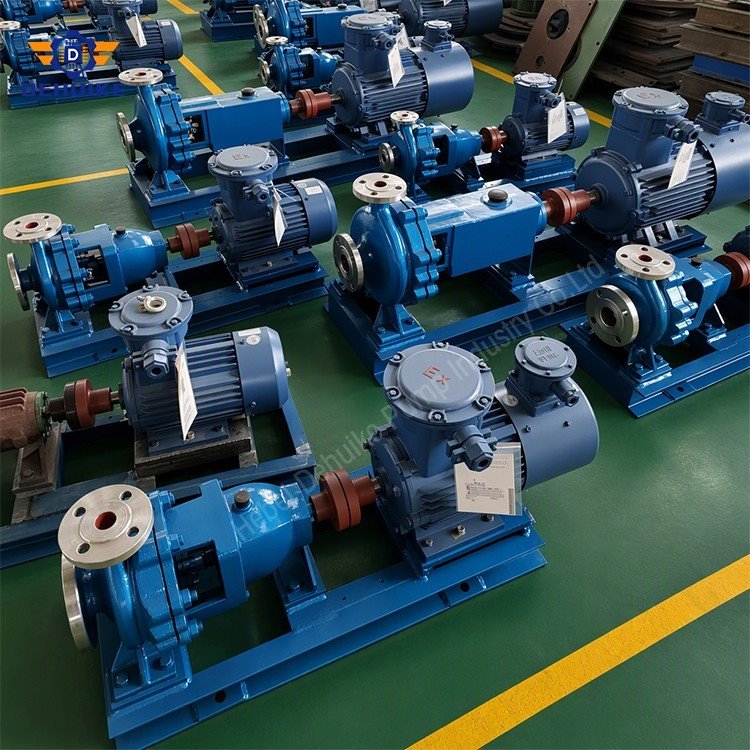
Hebei Dehuike Pump Industry Co., Ltd. possesses over three decades of engineering craftsmanship in fluid machinery production for global chemical processing industries. Operating from a modern industrial manufacturing complex spanning over 6,000 square meters, our facility integrates complete engineering design, alloy casting, precision multi-axis CNC machining, and closed-circuit testing bays under centralized quality supervision. Supported by a collaborative manufacturing ecosystem of over 900 specialized supply-chain partners, our factory provides exceptional production flexibility, consistent mechanical precision, and reliable delivery performance.
Our industrial pumping machinery is actively deployed across more than 50 countries worldwide, providing reliable fluid relocation for chemical terminals in Southeast Asia, solvent plants in North America, fertilizer plants in South America, and industrial water treatment installations in Europe and the Middle East. Factory operations adhere strictly to accredited under ISO 9001:2015 quality oversight, augmented by Eurasian EAC certification and European RoHS environmental conformity.
Commercial purchases are safeguarded by our 24-month manufacturer guarantee covering pump casing, shaft, and bearing cradle against structural and metallurgical failures during specified chemical operations (flexible elastomeric O-rings and dynamic carbon faces excluded). Critical operational spare parts-such as pre-aligned cartridge seals are maintained in our regional stock for fast-track international dispatch.
Hot Tags: chemical transfer pump, China chemical transfer pump manufacturers, suppliers, factory