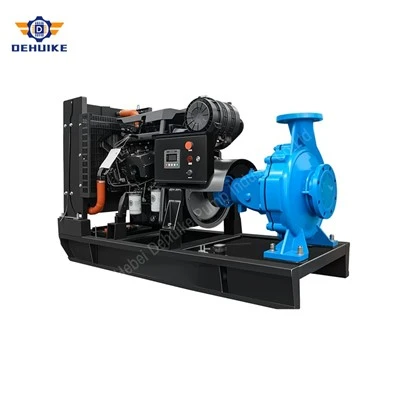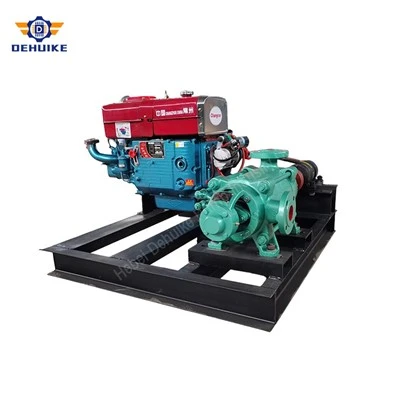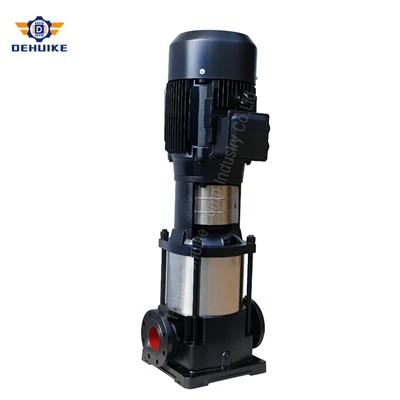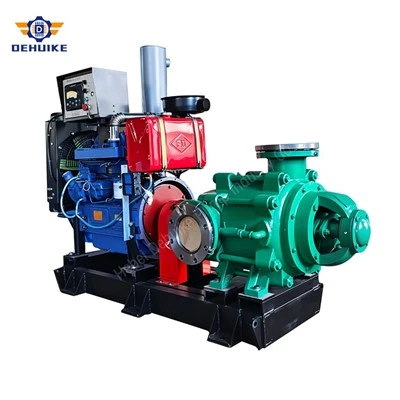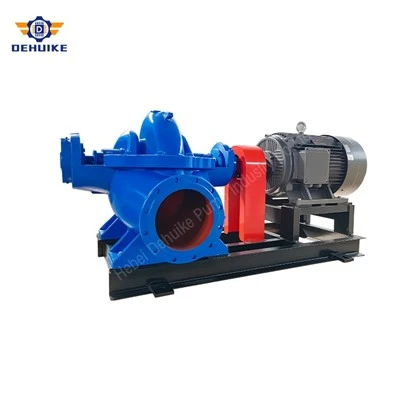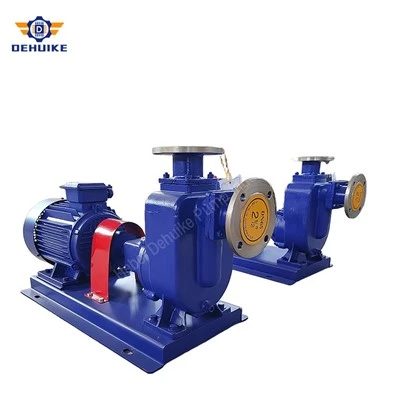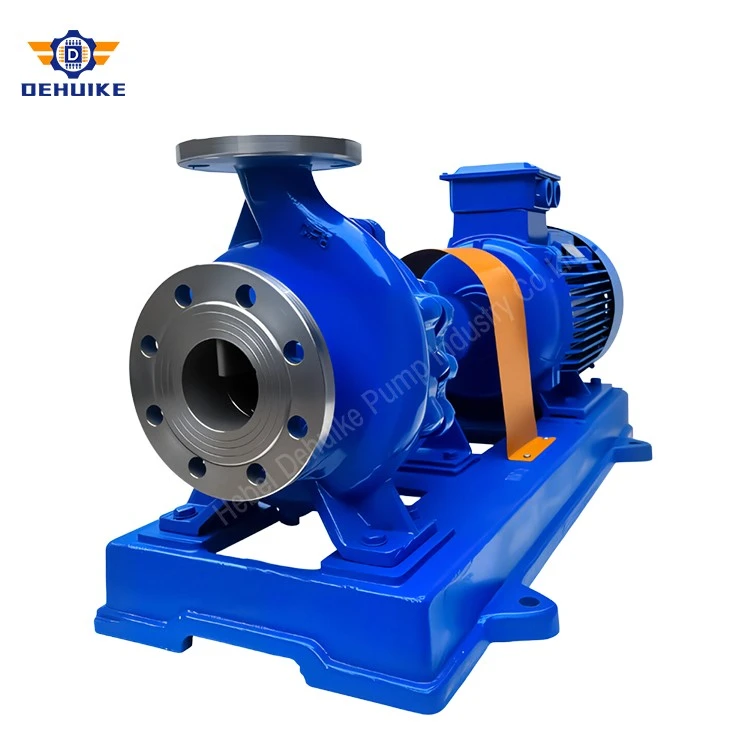
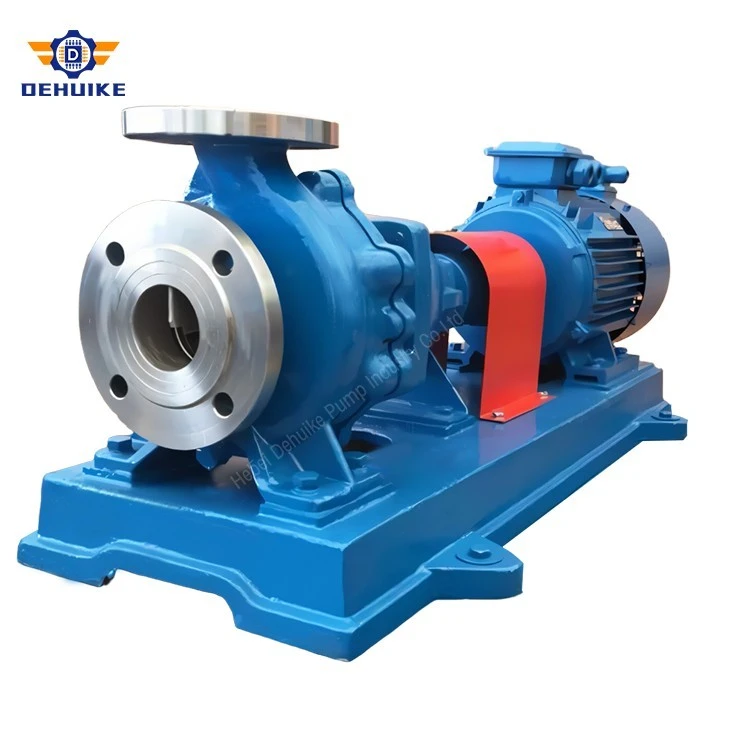
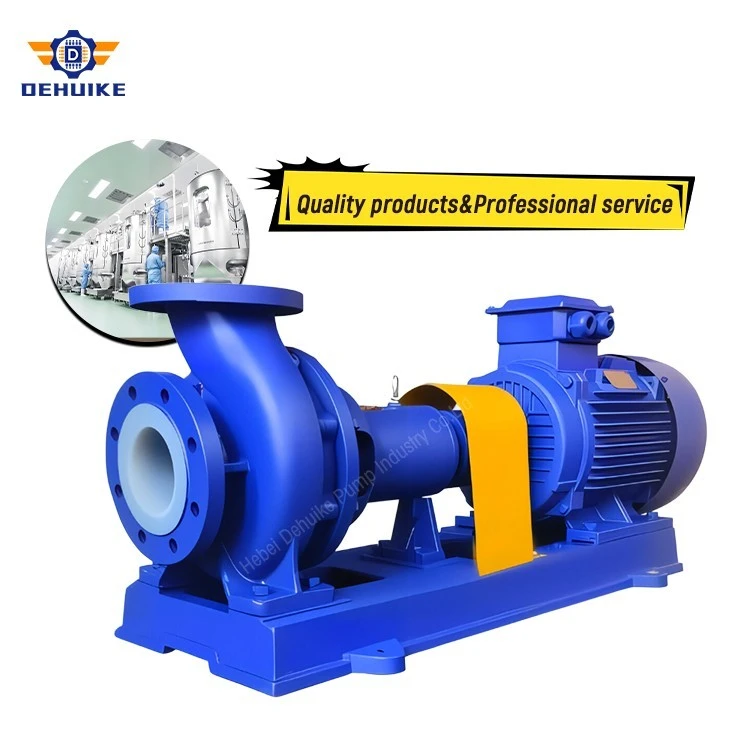
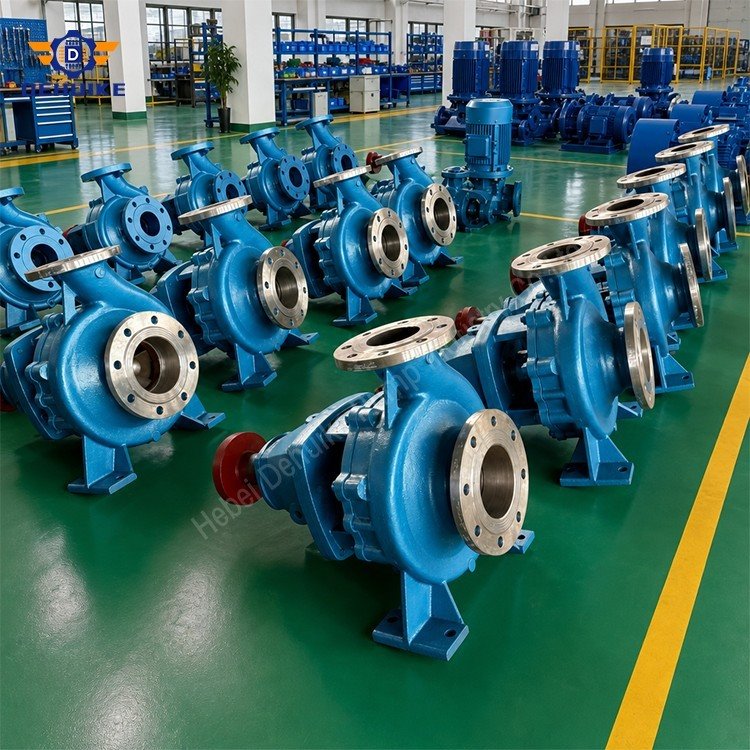
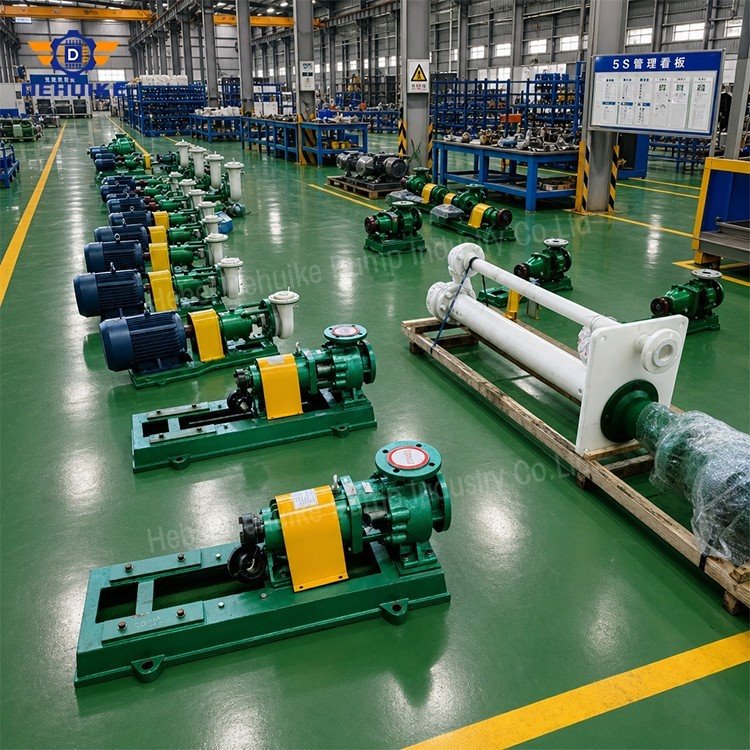
Hebei Dehuike Pump Industry Co., Ltd. is one of the most reliable manufacturers and suppliers of alkali resistant chemical pump in China. With abundant experience, we are committed to providing high quality customized pumps with competitive price. Welcome to wholesale bulk alkali resistant chemical pump for sale here from our factory. Also, pricelist is available.
Alkaline Passivity Engineering
Industrial liquid transport in chlor-alkali synthesis, alumina Bayer refining, kraft paper digestion, and textile mercerization presents severe chemical containment challenges that fundamentally differ from acid handling. In acid services, corrosive attack typically occurs through surface material dissolution. Conversely, strong caustic liquors including liquid soda lye, caustic potash, and sulfide-rich process streams induce a much more insidious degradation mechanism: caustic embrittlement and intergranular boundary cleavage. When standard cast irons or untreated stainless steels operate under thermal spikes coupled with operating mechanical loads, reactive hydroxide anions attack crystalline boundaries, provoking sudden brittle fractures without warning.
The heavy-duty Alkali Resistant Chemical Pump was specifically developed to resolve these severe thermodynamic and metallurgical challenges. Built to adhere to ISO 2858 mechanical dimensions and ISO 5199 technical criteria, this single-stage horizontal end-suction centrifugal machine combines specialized low-carbon, high-nickel metallurgy with post-casting thermal stress relieving. By eliminating residual crystalline stresses and maintaining a stable passive oxide film across all wetted surfaces, the pump provides absolute chemical containment, zero environmental fugitive leakage, and prolonged mean time between maintenance overhauls (MTBF) under high-temperature, high-pH chemical service.
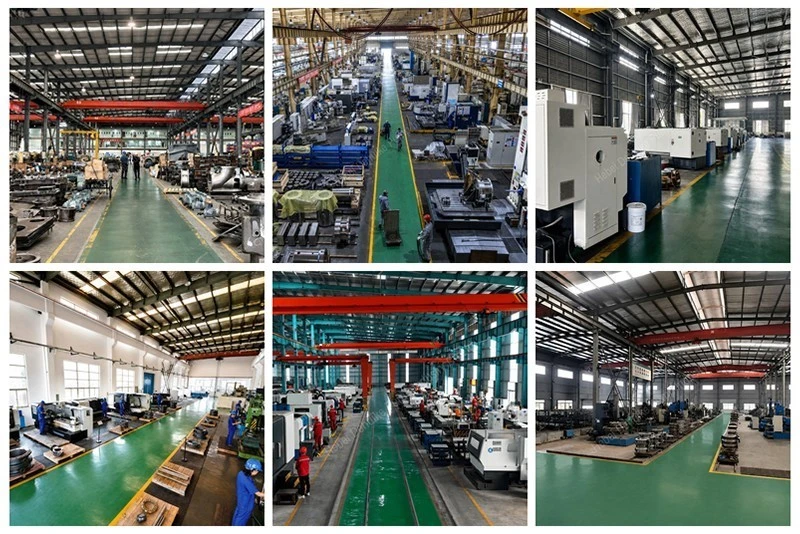
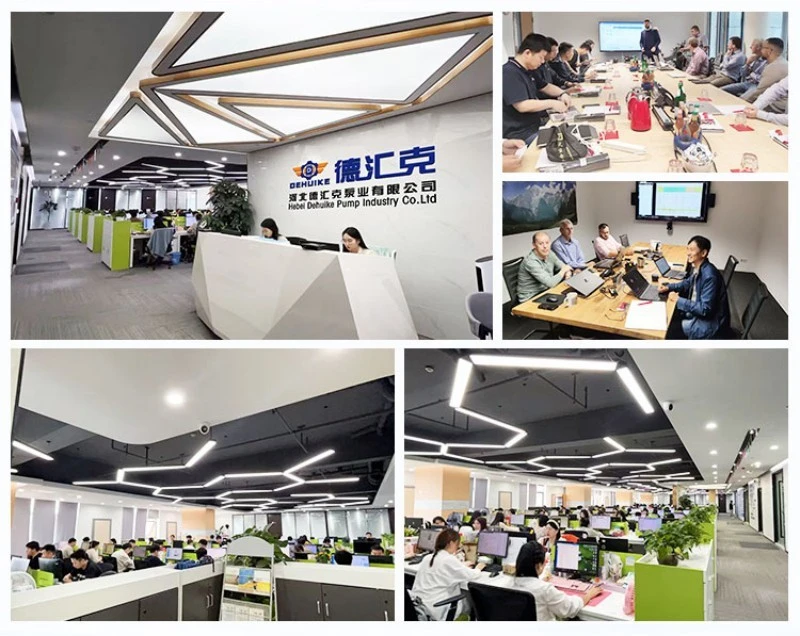
Manufactured by Hebei Dehuike Pump Industry Co., Ltd. (recognized internationally across severe fluid industries as DHK Pump), our chemical processing machinery draws upon more than three decades of advanced hydraulic and metallurgical casting pedigree. Operating from an integrated modern production facility spanning more than 8,000 m² and reinforced by an audited cooperative supply chain of 900+ certified industrial suppliers, Dehuike delivers high-integrity chemical pumping packages to chemical processing complexes and refining facilities in 50+ countries worldwide.
Structural Characteristics
Alkaline process operations encompass diverse hydraulic regimes, including high-pressure evaporator charging, multi-stage scrubber delivery, and high-volume tankcar unloading. To enable precise equipment selection without compromising operational efficiency, the Alkali Resistant Chemical Pump platform is categorized into three distinct operational series. Each series reflects verified performance metrics from factory testing facilities, organized systematically by rotational velocity and calibrated impeller trimming profiles.
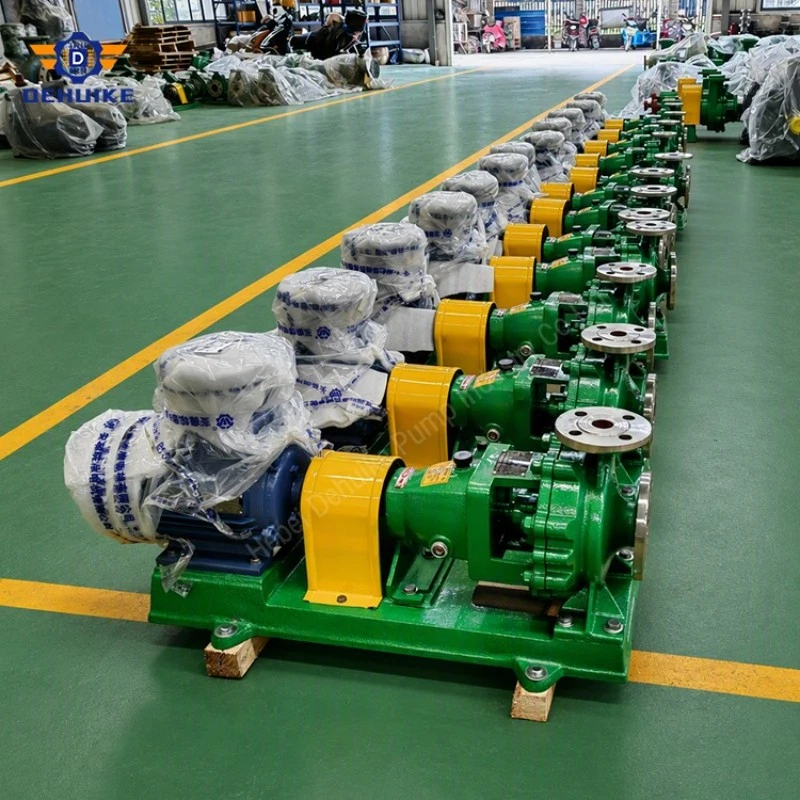
Anti-Embrittlement Metallurgy, Alkaline Seal Protection, and Thermal Tracing Insulation
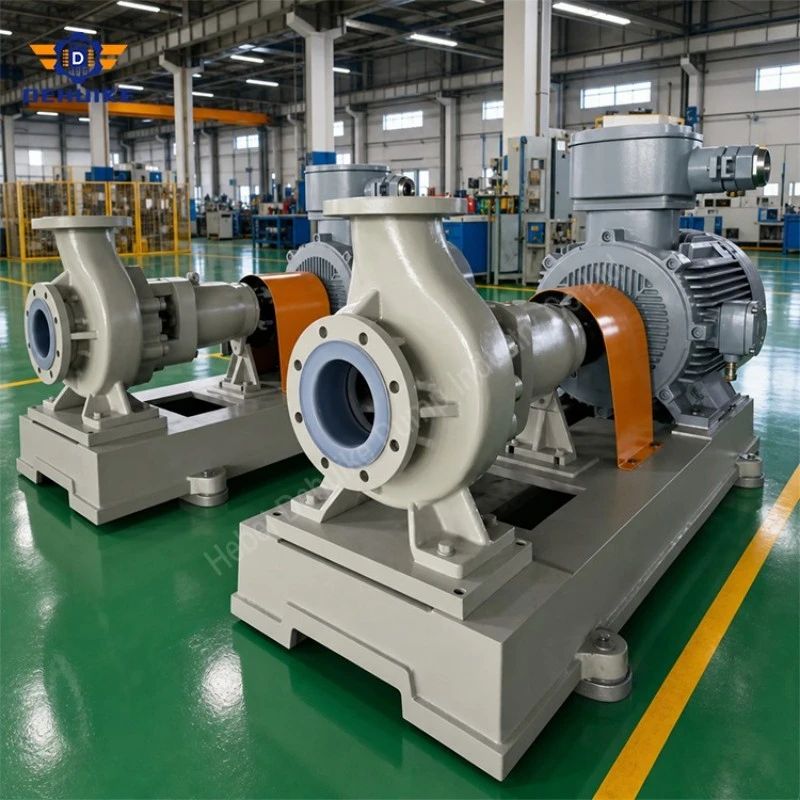
The specialized equipment characteristics of the Alkali Resistant Chemical Pump distinguish it from standard chemical fluid machinery. Engineered to endure continuous caustic contact, thermal expansion cycling, and mechanical stress, the pump incorporates several advanced structural features:
- Metallurgical Formulation Resisting Alkaline Cleavage: Wet-end castings utilize stabilized 304, low-carbon 316L, Duplex 2205, or specialized high-nickel alloys. Controlled nitrogen-to-molybdenum balances resist chloride attack in caustic electrolytic brines, while carbon levels remain strictly below 0.03% to prevent intergranular sensitization.
- Integrated Steam or Thermal Fluid Warming Chambers: To eliminate caustic freeze-ups in 50% technical sodium hydroxide circuits, pump casings and seal chambers incorporate integral heating jackets. Low-pressure steam or hot oil keeps internal fluid temperatures above crystallization thresholds during unexpected line halts.
- Slurry-Resistant Dynamic Sealing Envelopes: Enlarged stuffing box geometries promote fluid circulation around seal faces. Fitted with dual pressurized mechanical cartridges (API Plan 53A) or external water injection (API Plan 32), the arrangement washes away caustic salt needles before they precipitate across sealing faces.
- Thickened Sacrificial Casing Scantlings: Pressure housings feature heavy wall cross-sections engineered to sustain continuous working pressures up to 1.6 MPa (16 bar) under standard builds, with high-pressure custom casings rated to 2.4 MPa (24 bar).
- Low-Deflection Stepped Rotor Architecture: Enlarged shaft diameters underneath the sleeve limit total dynamic runout to under 0.04 mm at mechanical seal faces, eliminating high-frequency chatter and preventing micro-fracturing of brittle silicon carbide seal faces.
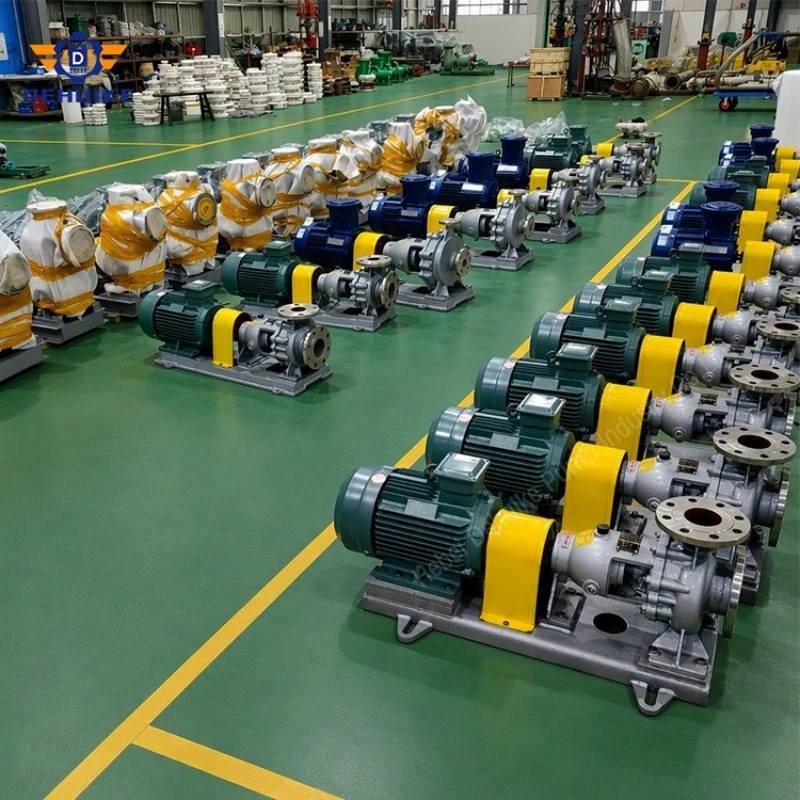
High-Nickel Casting Autonomy, Stress-Relief Heat Treatment, and 30+ Years Heritage
With more than thirty years of specialized hydraulic engineering, Hebei Dehuike Pump Industry Co., Ltd. provides comprehensive manufacturing capabilities dedicated to harsh chemical pumping environments. Our production campus integrates electric induction smelting furnaces, automated silica sol investment casting bays, multi-axis CNC machining centers, and digitized testing stations under unified quality surveillance:
- Autonomous Alloy Smelting & Composition Control: Our foundry operates specialized induction melting furnaces, formulating custom nickel-bearing and duplex alloys from certified virgin raw materials. In-house spectrographic analysis verifies chemical purity prior to pouring, eliminating porosity and micro-cracks common in commercial jobbing castings.
- Stress-Relief Annealing Thermal Cycle: To eliminate the internal residual tensile stresses that induce caustic embrittlement, all wetted alloy components undergo computer-monitored solution annealing and stress-relief heat treatment. This thermal cycle neutralizes locked-in mechanical stress and restores grain boundary passivity.
- Five-Axis CNC Machining Accuracy: Precision boring and facing of volute registers, seal covers, and bearing housings take place on advanced multi-axis machining centers. Concentricity and perpendicularity tolerances are maintained within 0.015 mm, eliminating shaft binding and vibration.
- Interchangeable Component Modular Architecture: Multiple casing sizes utilize standardized bearing housings, shafts, and shaft sleeves. This modular design lowers plant spare parts capital inventory commitments by more than thirty percent.
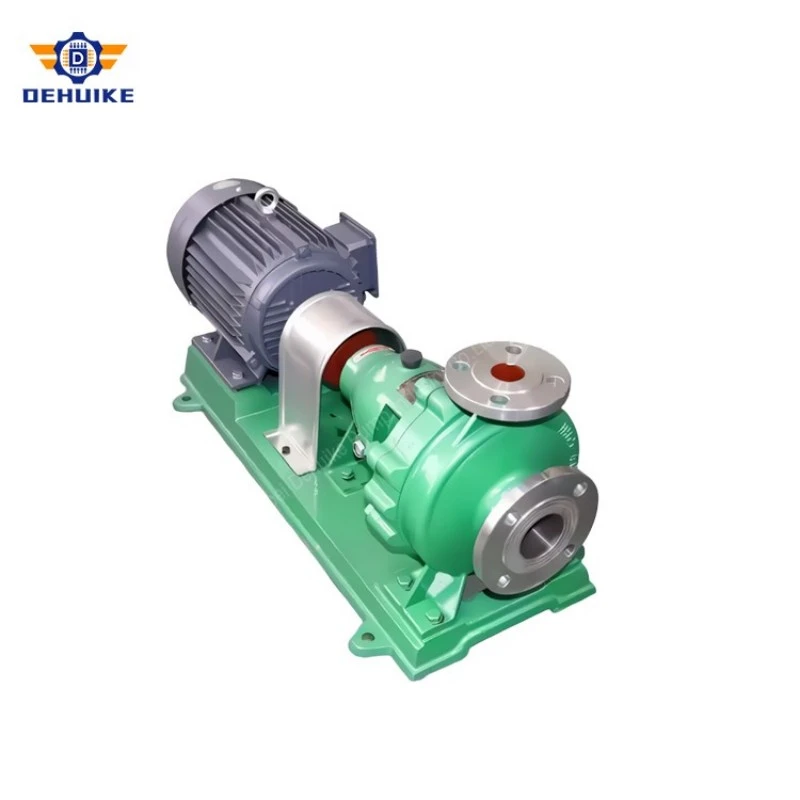
Alkaline Process Consultation, Custom Heating Jackets & Flange Standards
Dehuike Pump Industry delivers end-to-end technical engagement throughout every project lifecycle phase. Our specialized chemical fluid team assists process design institutes, plant engineering contractors, and procurement leads with rigorous engineering selection:
- Process Thermodynamic Appraisal: Application engineers review fluid concentration profiles, viscosity gradients, saturation curves, and specific gravity to calculate available suction head margins (NPSHa vs. NPSHr), configuring tailored impeller diameters and seal flushing plans.
- Global Flange Standard Compliance: Suction and delivery nozzles are precision-drilled to match international connection specifications-including ASME B16.5 ratings (150# and 300#), European EN 1092-1 standards (PN16 to PN40), Japanese Industrial Standards (JIS 10K/20K), and domestic GB/T drilling patterns-ensuring drop-in mechanical compatibility.
- Engineered Seal Flush Support Modules: We supply pre-assembled API 682 seal auxiliary systems, including nitrogen-pressurized barrier fluid vessels with continuous pressure transmitters (Plan 53A), heat exchangers (Plan 23), and water flush panels (Plan 32).
- Rapid International Component Logistics: High-turnover wear components-including balanced mechanical seal cartridges, precision-ground shaft sleeves, and dynamic impeller sets-are maintained in continuous strategic buffer inventory for priority global air freight dispatch.
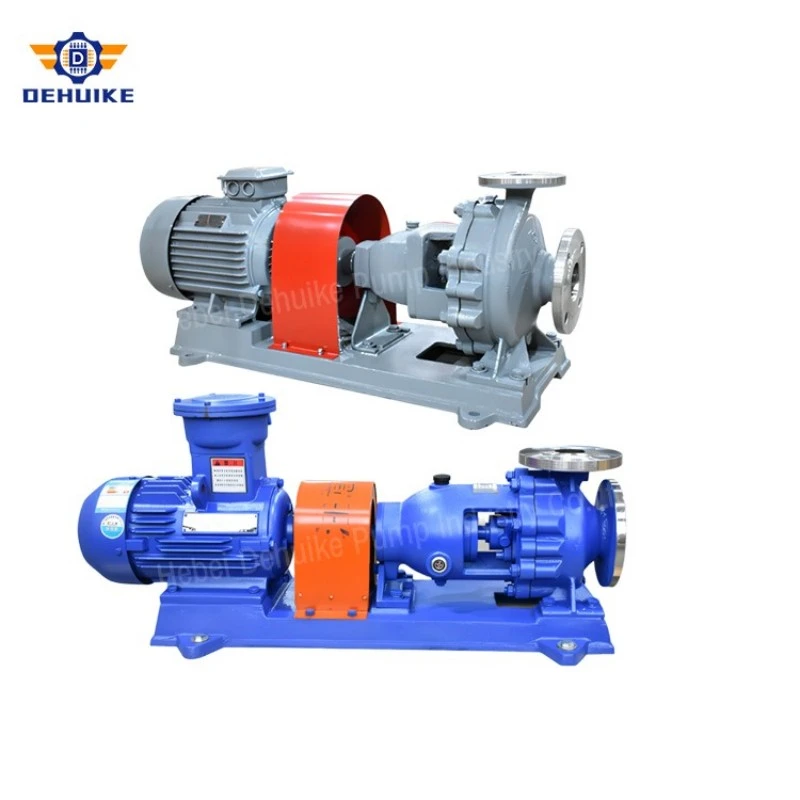
Alkaline Boiling Testing, Hydrostatic Pressure Integrity, and NDT Wall-Thickness Validation
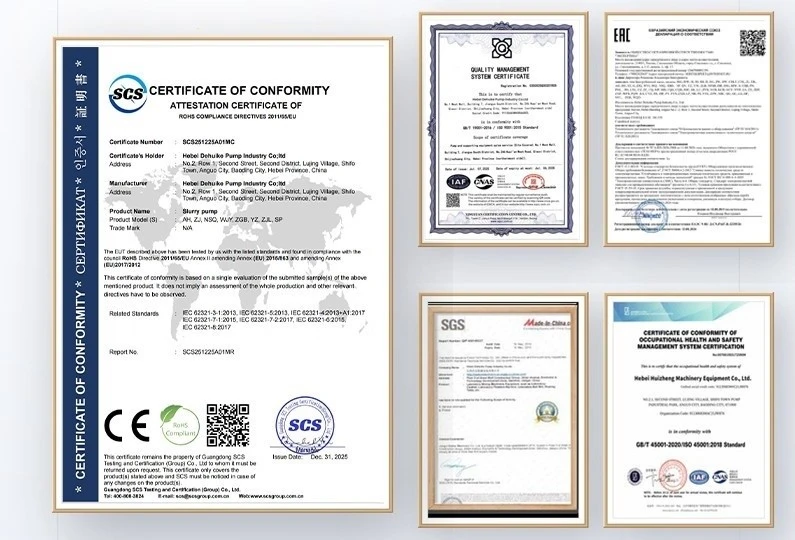
Quality assurance for the Alkali Resistant Chemical Pump operates under certified ISO 9001 quality management protocols, ensuring that every manufactured unit satisfies international engineering standards before dispatch:
- Melt Spectro-Chemical Verification: Direct-reading optical emission spectrometers examine elemental concentrations prior to tapping, certifying that carbon, chromium, nickel, and molybdenum levels conform strictly to ASTM and EN chemistry limits.
- Ultrasonic & Dye Penetrant Defect Inspection: Highly stressed casing volutes, suction necks, and impeller hubs undergo ultrasonic testing (UT) and liquid dye penetrant testing (PT) to verify zero internal porosity, shrink cavities, or micro-cracks.
- Pressure Boundary Hydro-Verification: Every completed casing assembly is subjected to cold-water hydrostatic testing at 150% of nominal design limits (reaching 2.4 MPa / 24 bar for standard 1.6 MPa designs). Test pressure is maintained across a 30-minute dwell duration, monitored by precision digital transducers to verify zero casing deformation or joint seepage.
- Alkaline Stress Cracking Validation: Metallurgy coupons from every melt undergo accelerated immersion testing in boiling alkaline solutions under ASTM G39 protocols, confirming zero susceptibility to intergranular stress corrosion.
- Rotor Dynamic Balancing: All impeller rotating assemblies are balanced on dual-plane computerized rigs to ISO 1940 Grade G2.5, keeping residual unbalance well below standardized limits.
Chlor-Alkali Electrolysis, Paper Pulp Digestion, Alumina Refining, and Industrial Cleaning Systems
Providing uncompromising mechanical endurance in high-pH chemical environments, the Alkali Resistant Chemical Pump performs mission-critical fluid circulation across several specialized industrial manufacturing sectors:
- Chlor-Alkali Electrolysis & Caustic Evaporation: Handling hot 32% to 50% caustic soda (NaOH) discharge from membrane cell electrolyzers, multi-effect evaporator recirculation, and molten caustic loading terminals.
- Pulp, Paper & Cellulose Processing: Conveying black liquor, white liquor, and green liquor across continuous kraft digestion, chemical recovery boilers, and causticizing slaker circuits.
- Alumina Refining & Bayer Process Digestion: Circulating hot sodium aluminate liquor and concentrated alkaline slurries through bauxite digester preheaters and precipitation tanks.
- Textile Processing & Mercerizing Lines: Delivering caustic soda solutions for cotton yarn mercerization, fabric scouring, and dye neutralization baths.
- Heavy Industrial Degreasing & Cleaning: Circulating hot alkaline wash solutions, sodium metasilicate cleaners, and spray-wash degreasing baths across automotive and steel processing lines.
- Flue Gas Desulfurization & Acid Gas Scrubbing: Pumping sodium hydroxide or sodium carbonate scrubbing solutions in thermal power plant and smelter acid-gas absorption loops.
Corporate Manufacturing Pedigree, Commercial Standards, and Direct Engineering Contacts
Our factory engineering staff conducts detailed pre-purchase hydraulic reviews, assessing liquid concentration charts, saturation pressures, piping resistance losses, and chemical compatibility to configure tailored pump models, impeller trims, and seal plans. Plant operations comply rigorously with certified ISO 9001 quality guidelines, supported by EAC certification and RoHS environmental directives. Global shipments are managed under FOB and CIF destination port trade terms, utilizing air cargo (50 kg to 500 kg) and maritime container freight (500 kg and higher).
Practical Engineering Decisions: Metallurgy, Thermal Tracing, and Sourcing FAQ
Q1: Which metallurgical formulations provide optimal resistance to caustic embrittlement in hot sodium hydroxide service above 80°C?
A: In concentrated caustic soda exceeding 30% concentration at temperatures above 80°C, conventional 304 and 316L stainless steels risk microscopic caustic embrittlement along stressed grain boundaries. For these severe thermal duties, duplex alloys like 2205 (S31803) or high-nickel formulations such as Alloy 20 and pure nickel provide superior durability. Nickel content exceeding 20% to 30% forms a stable nickel hydroxide surface barrier that halts intergranular penetration. Furthermore, our mandatory post-machining stress-relief heat treatment eliminates residual surface tensile stresses, removing the physical trigger of stress corrosion cracking.
Q2: Why are casing steam heating jackets indispensable for pumping technical-grade 50% caustic soda?
A: Commercial 50% membrane caustic soda has a high crystallization threshold of approximately 12°C. During winter shutdowns or flow pauses, unjacketed pump casings rapidly cool, causing dissolved caustic salts to solidify into dense crystalline blocks. Restarting a crystallized pump fractures mechanical seal faces and shears shaft drive keys. Integrating steam or hot oil heating jackets keeps the entire volute and stuffing box safely above 30°C–40°C, ensuring fluid mobility under all weather and plant standby conditions.
Q3: When should process engineers select a 1450 r/min four-pole drive instead of a standard 2900 r/min motor in alkaline slurry lines?
A: While two-pole drives reduce physical equipment footprint for high-head clean liquids, operating at 2900 r/min produces excessive fluid shear and accelerates abrasive scouring when caustic streams carry suspended solids (such as lime mud in paper mills or alumina trihydrate crystals in Bayer process digestion). Opting for a four-pole 1450 r/min motor (J-series) reduces impeller peripheral tip velocity by half. This lower velocity curbs erosive wear rates by more than seventy percent, extending mechanical seal and impeller operational lifespans significantly.
Q4: How do pressurized dual mechanical seals (API Plan 53A) prevent seal face damage from caustic crystallization?
A: Single mechanical seals allow a microscopic fluid film to pass to the atmospheric side of the seal faces. With caustic soda, atmospheric evaporation causes dissolved hydroxide salts to crystallize into sharp abrasive needles that quickly score silicon carbide faces. An API 682 Plan 53A double mechanical seal maintains a clean, pressurized barrier liquid between the inner and outer seals at a pressure higher than the pump seal chamber. As a result, only clean barrier fluid passes across the inner face, completely preventing caustic fluid from reaching the atmosphere and stopping crystallization entirely.
Q5: What suction piping practices prevent cavitation when conveying dense, viscous alkaline liquors?
A: Concentrated caustic solutions exhibit elevated dynamic viscosity and specific gravities reaching 1.53 kg/dm³, which dramatically increases suction pipe frictional head losses. Plant designers must verify that available system suction head (NPSHa) exceeds pump required suction head (NPSHr) by a safety margin of at least 0.6 to 1.0 meter. Suction piping should be sized one diameter larger than the pump suction nozzle, incorporate a straight run of at least five pipe diameters upstream of the pump, and avoid sharp restrictive bends near the inlet.
Q6: What warranty commitments and component availability protect international chemical plant investments?
A: Equipment investments are protected by our standard 24-month (two-year) complete-unit manufacturer warranty, covering casting soundness, structural rigidity, and shaft endurance (standard consumables such as dynamic seal rings and elastomeric gaskets excluded). To guarantee continuous uptime for global chemical facilities, standardized replacement assemblies-including dynamic cartridge seals, ground shaft sleeves, and balanced impellers-are maintained in continuous warehouse reserves for priority international air freight dispatch.
Q7: What export crating standards and international trade modalities (Incoterms 2020) govern worldwide deliveries?
A: Standard manufacturing lead times range from 15 to 25 working days for standard alloy units, while specialized duplex or jacketed high-temperature executions require 30 to 40 working days. Every finished pump is treated with internal volatile corrosion inhibitors, desiccant pouches, and protective flange covers prior to crating in reinforced ISPM-15 compliant sea-freight wooden boxes. Transport logistics are managed internationally under Incoterms 2020, offering FOB and CIF destination port delivery via dedicated sea freight (for shipments of 500 kg and above) or expedited air freight (for critical spares between 50 kg and 500 kg).

Hot Tags: alkali resistant chemical pump, China alkali resistant chemical pump manufacturers, suppliers, factory