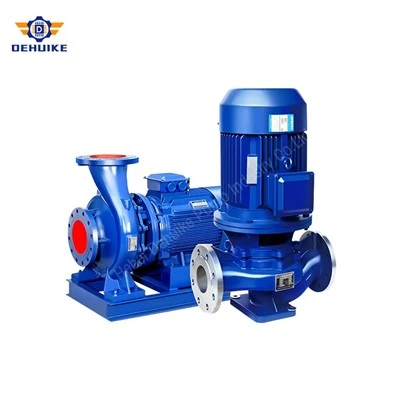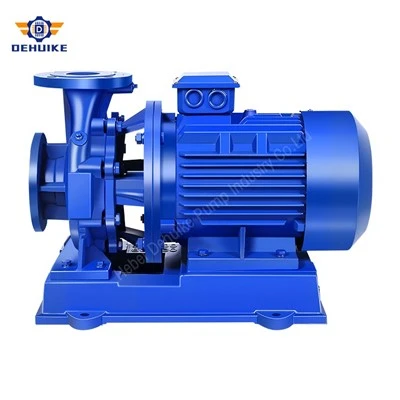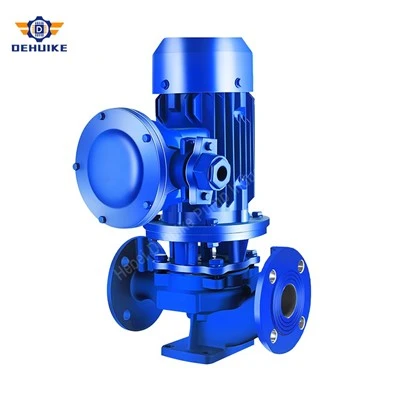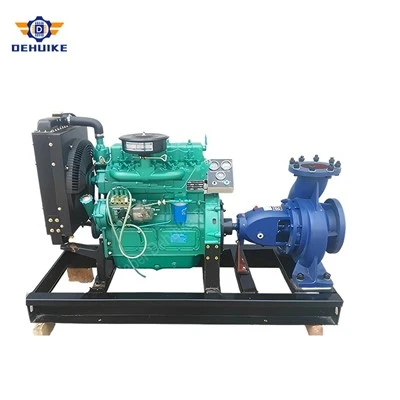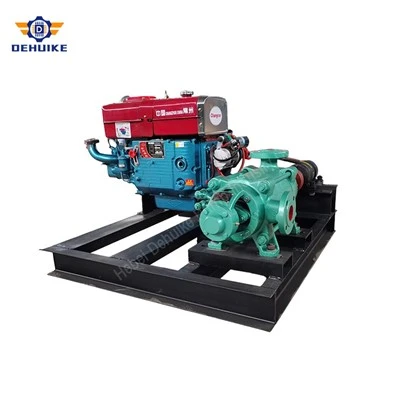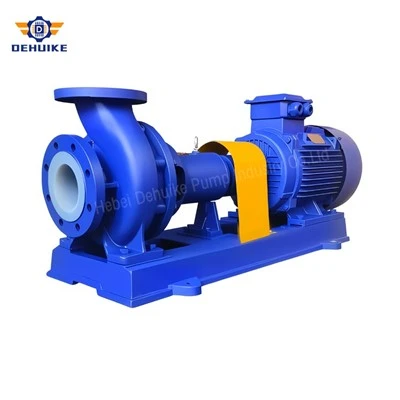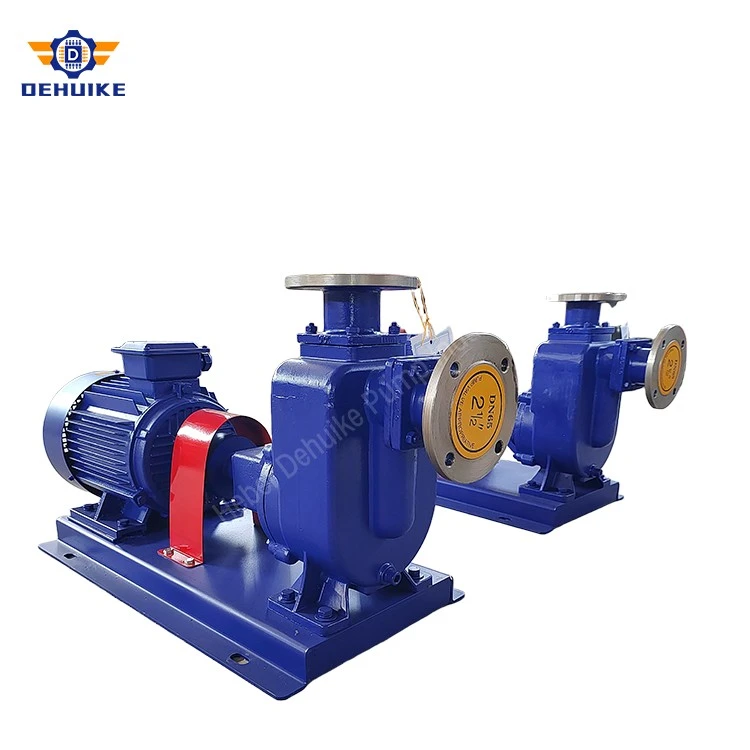
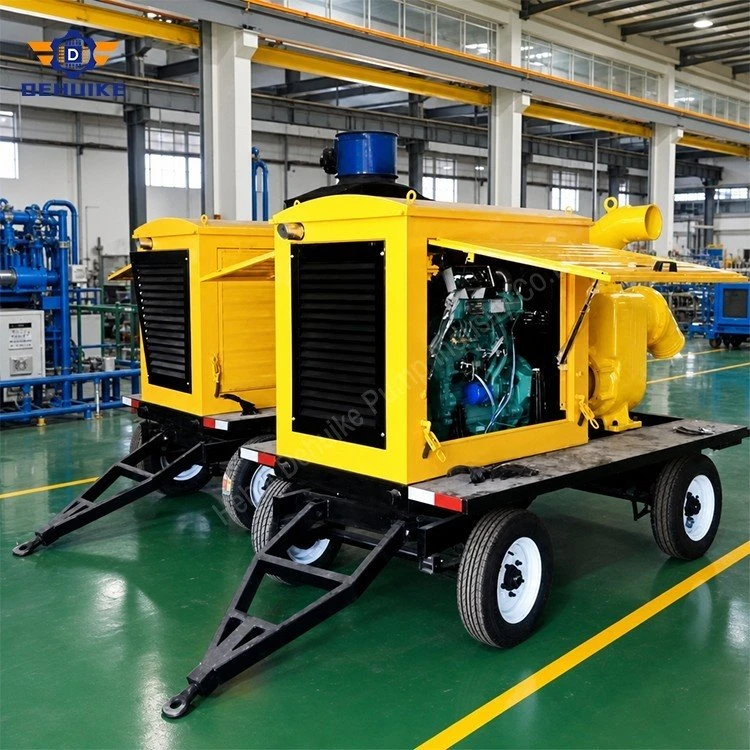
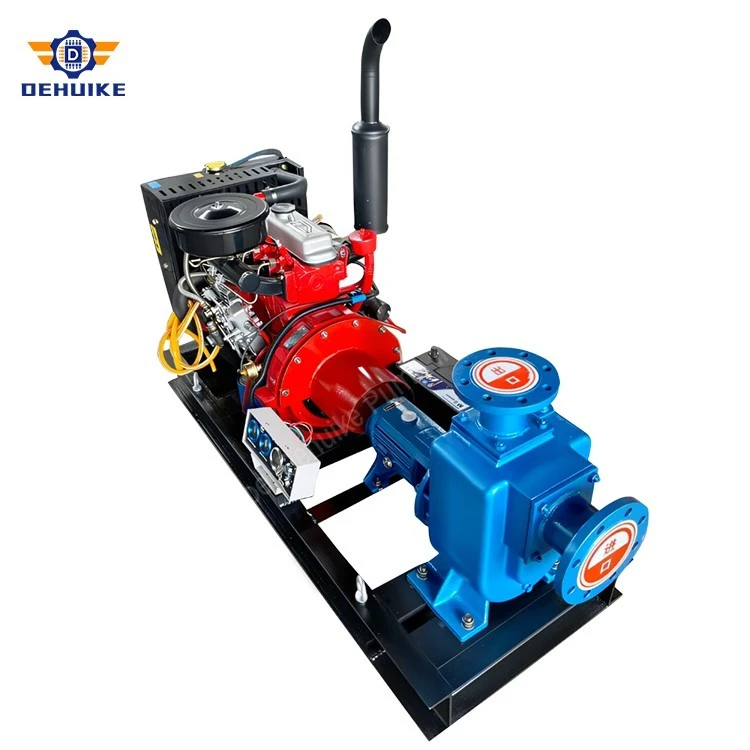
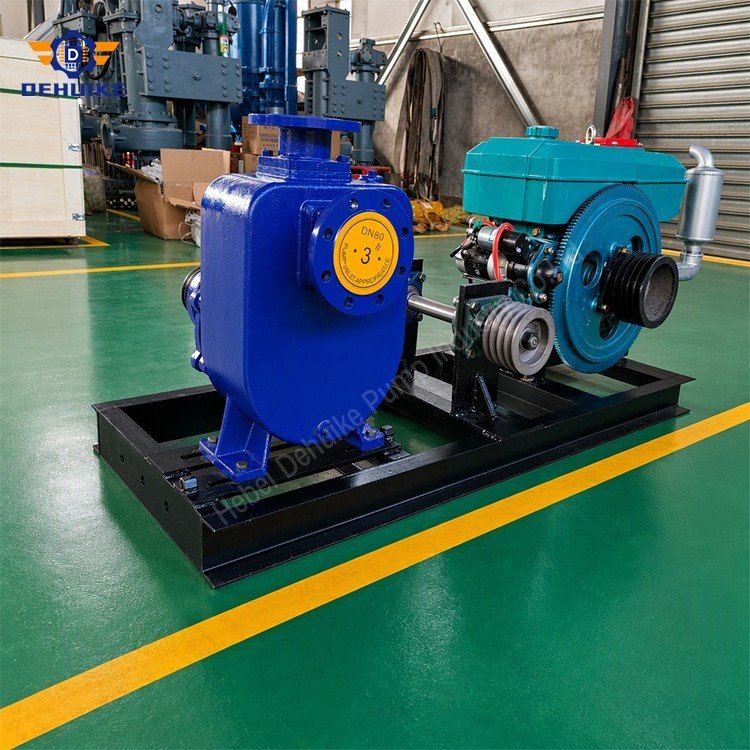
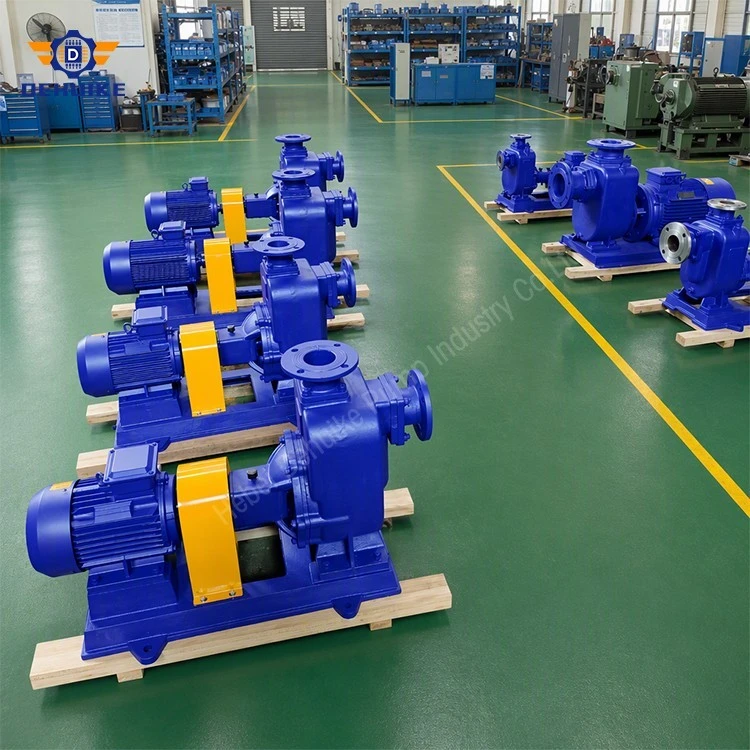
Hebei Dehuike Pump Industry Co., Ltd. is one of the most reliable manufacturers and suppliers of self-priming chemical pump in China. With abundant experience, we are committed to providing high quality customized pumps with competitive price. Welcome to wholesale bulk self-priming chemical pump for sale here from our factory. Also, pricelist is available.
Product Overview & Surface-Mounted Fluid Extraction Philosophy
The Corrosive Fluid Transfer Dilemma: Continuous operations across bulk chemical synthesis, hydrometallurgical leaching, active pharmaceutical ingredient (API) processing, and specialized effluent remediation networks routinely encounter hazardous liquid handling constraints. Highly aggressive media-including commercial hydrochloric acid, concentrated nitric acid, spent hot pickling liquors, aromatic hydrocarbon solvents, and alkaline precipitation sludges-frequently collect in below-floor containment trenches, sub-grade neutralization pits, or top-unloaded rail tank wagons. Safely moving these hazardous liquids without environmental release or structural degradation is one of the most demanding tasks in chemical plant engineering.
Operational Pitfalls of Submerged Pumping Systems: Historically, facilities relied on vertical lineshaft cantilever pumps or submerged submersible units lowered into wet collection wells. However, prolonged submersion in severe chemical baths inevitably degrades elastomeric power cables, compromises motor electrical winding insulation, and induces mechanical lockup in liquid-lubricated bottom sleeve bushings. Overhauling failed submerged machinery requires high-risk confined-space permit entries, respiratory safety apparatus, and complex crane rigging, directly exposing field personnel to toxic fumes and acid splash hazards. Conversely, placing standard flooded-suction pumps at ground level requires penetrating the lower sidewall of storage vessels, creating permanent vulnerability points prone to hazardous flange leaks.
The Dry-Well Surface Installation Concept: Installing a dry-mounted Self-Priming Chemical Pump represents an advanced engineering approach that circumvents these operational vulnerabilities. Located entirely on a dry, accessible concrete plinth outside hazardous containment diking, this surface-mounted centrifugal unit utilizes an autonomous interior gas-liquid separation cycle to draw fluid upward without auxiliary priming ejectors or foot valves. Capable of generating static vacuum lifts reaching effective suction elevations of 6.5 m, the equipment enables plant operators to check cartridge seals, log bearing vibrational profiles, and execute preventive overhauls in an unobstructed, well-ventilated yard without disturbing submerged containment sumps.
Dehuike Manufacturing Heritage & Alloy Specialization: Backed by an engineering heritage exceeding 30 years in specialized metallurgical casting and industrial fluid equipment design, Hebei Dehuike Pump Industry Co., Ltd. builds rugged ZX and ZW series stainless steel self-priming centrifugal chemical transfer units. Cast in premium low-carbon austenitic alloys (CF8M / AISI 316, CF3M / AISI 316L) and high-strength duplex alloys (UNS S32205 / CD3MN), our fluid machinery portfolio accommodates continuous thermal ratings reaching 110°C, volumetric rates reaching 600 m³/h (ZX series) and 800 m³/h (ZW series), and total dynamic heads across 80 meters for chemical producers across 50+ countries.
Features & Hydrodynamic Priming Mechanism
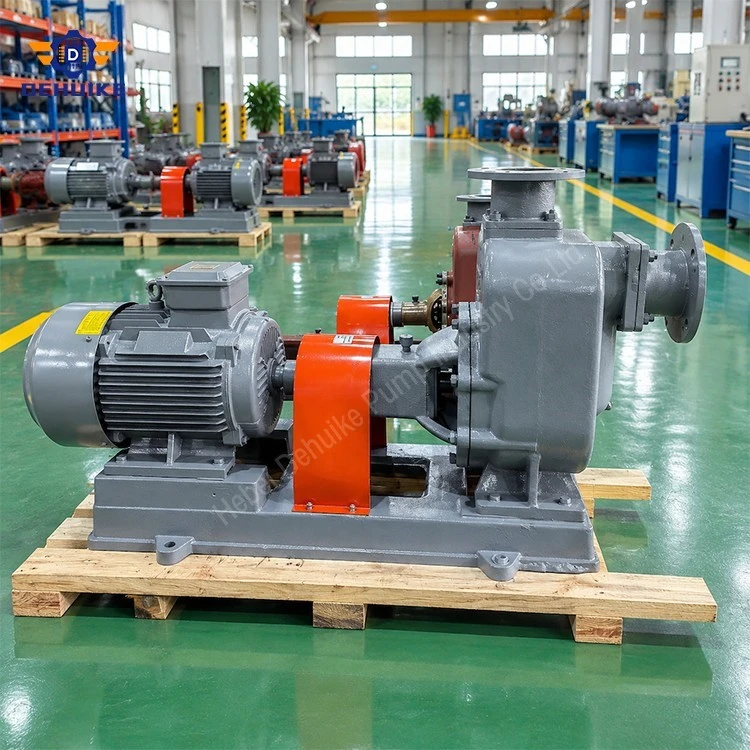
Autonomous Internal Re-circulation Hydraulics: The exceptional reliability of our Self-Priming Chemical Pump centers on an innovative dual-volute hydrodynamic chamber. The outer casing incorporates a dedicated lower fluid reservoir and an expanded upper deaeration chamber. Before placing the pump into service for the first time, operators fill the volute chamber through an accessible upper priming plug. As the motor brings the balanced impeller to synchronous velocity, fluid held within the volute is discharged tangentially at high velocity into the upper deaeration reservoir.
Two-Phase Emulsion Phase Separation Dynamics: This rapid hydraulic displacement develops a localized negative pressure zone at the impeller suction eye, drawing atmospheric air and chemical vapors through the dry intake pipeline. In the internal shear zone, incoming gases blend intimately with the accelerated liquid charge, producing an energetic two-phase fluid emulsion. Upon entering the wide degassing reservoir, flow velocity slows markedly. Buoyant gas bubbles separate spontaneously from the stream and exhaust upward into the discharge header, while the denser, deaerated liquid returns through an engineered reflux conduit toward the runner intake. This continuous deaeration loop purges all intake piping until liquid arrives, seamlessly converting into steady-state centrifugal fluid delivery.
Integral Chemically Resistant Suction Flapper Valve: An integral structural component is the heavy-duty flapper check valve situated within the horizontal suction inlet port. Molded from chemically inert fluoropolymers (FKM, PTFE, or FFKM), the hinged flap swings freely into the open position under normal forward flow. When the pump motor shuts down, backpressure immediately drives the flap shut against its precision-machined seat. This positive seal locks the priming liquid volume inside the volute housing, preventing backflow into the supply pit and ensuring immediate, unattended self-priming on all subsequent operating cycles.
Back Pull-Out Modular Mechanical Architecture: To expedite turnaround times during planned maintenance, Dehuike chemical pumps incorporate a rigid back pull-out modular architecture. Field crews can detach and slide the complete rotating assembly-including the bearing bracket, alloy shaft, cartridge mechanical seal, and impeller-horizontally away from the casing without unbolting the process pipework or breaking suction and discharge companion flanges. This mechanical configuration slashes routine service downtime by up to 65%.
Pressurized Barrier Fluid Sealing Loop: Because initial suction line evacuation requires between 1.0 and 3.5 minutes of dry running before liquid enters the volute, standard mechanical seals risk thermal shock and catastrophic face cracking. Dehuike addresses this challenge by incorporating a cartridge dual-face balanced mechanical seal featuring reaction-bonded sliding rings of alpha-sintered silicon carbide or dense cobalt-matrix tungsten carbide (WC). The seal envelope links to an external API Plan 53A pressurized barrier fluid circulation loop, maintaining continuous interfacial lubrication and heat extraction throughout the dry-priming transient.
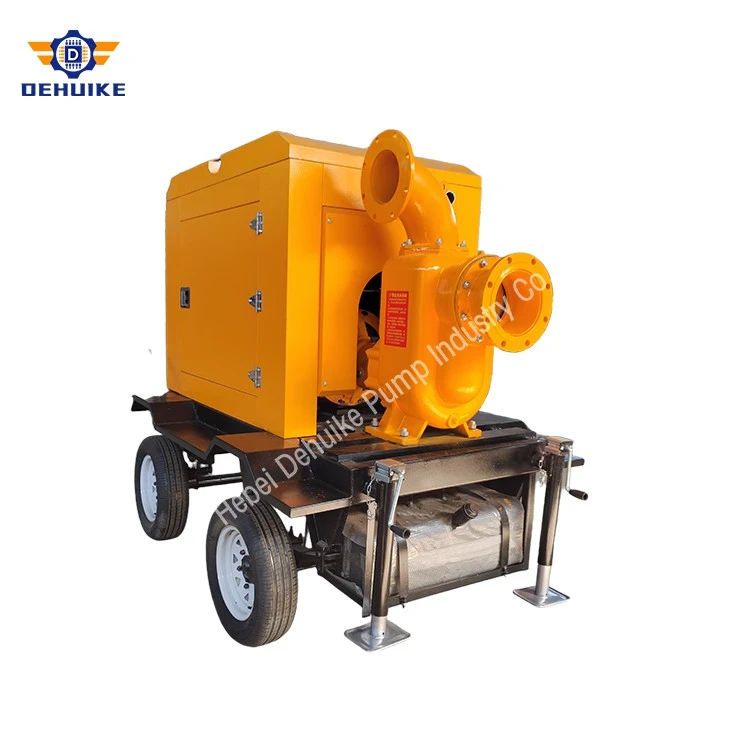
Technical Parameters & Engineering Sizing Rules
Standard Process Hydraulics Platforms: For plant design engineering teams, Dehuike supplies two distinct pump hydraulic platforms: ZX models engineered with fully shrouded high-efficiency impellers tailored for low-viscosity reagent transfer, while ZW models incorporate semi-open vortex passages designed to convey chemical sludges, neutralizing effluents, and solid crystals without choking.
Table 1: ZX Series High-Head Stainless Steel Chemical Transfer Matrix
|
Model Designation |
Process Connection |
Flow Capacity |
Discharge Head |
Drive Motor Sizing |
Rotational Speed |
Static Suction Lift |
Priming Duration |
|
150ZX160-80 |
Suction DN150 / Exhaust DN150 |
160 m³/h (44.4 L/s) |
80 m TDH |
55.0 kW (shaft 53.6 kW) |
2900 RPM |
5.0 m vertical lift |
1.8 min evac @ 5m |
|
100ZX70-75 |
Suction DN100 / Exhaust DN100 |
70 m³/h (19.4 L/s) |
75 m TDH |
30.0 kW (shaft 25.2 kW) |
2900 RPM |
6.0 m vertical lift |
1.8 min evac @ 5m |
|
80ZX60-70 |
Suction DN80 / Exhaust DN80 |
60 m³/h (16.7 L/s) |
70 m TDH |
22.0 kW (shaft 18.6 kW) |
2900 RPM |
6.0 m vertical lift |
1.2 min evac @ 5m |
|
200ZX280-63 |
Suction DN200 / Exhaust DN200 |
280 m³/h (77.8 L/s) |
63 m TDH |
75.0 kW (shaft 68.2 kW) |
1450 RPM |
5.0 m vertical lift |
2.5 min evac @ 5m |
|
250ZX450-55 |
Suction DN250 / Exhaust DN250 |
450 m³/h (125.0 L/s) |
55 m TDH |
110.0 kW (shaft 98.5 kW) |
1450 RPM |
5.0 m vertical lift |
2.8 min evac @ 5m |
|
200ZX400-32 |
Inlet DN200 / Outlet DN200 |
400 m³/h (111.1 L/s) |
32 m TDH |
55.0 kW (shaft 52.1 kW) |
1450 RPM |
5.0 m vertical lift |
2.5 min evac @ 5m |
|
300ZX600-32 |
Inlet DN300 / Outlet DN300 |
600 m³/h (166.7 L/s) |
32 m TDH |
90.0 kW (shaft 79.2 kW) |
1450 RPM |
5.0 m vertical lift |
2.8 min evac @ 5m |
|
80ZX50-25 |
Inlet DN80 / Outlet DN80 |
50 m³/h (13.9 L/s) |
25 m TDH |
5.5 kW (shaft 5.1 kW) |
2900 RPM |
6.0 m vertical lift |
2.0 min evac @ 5m |
|
80ZX43-17 |
Inlet DN80 / Outlet DN80 |
43 m³/h (11.9 L/s) |
17 m TDH |
4.0 kW (shaft 3.3 kW) |
2900 RPM |
6.0 m vertical lift |
2.5 min evac @ 5m |
|
65ZX30-15 |
Inlet DN65 / Outlet DN65 |
30 m³/h (8.3 L/s) |
15 m TDH |
3.0 kW (shaft 1.9 kW) |
2900 RPM |
6.5 m vertical lift |
1.9 min evac @ 5m |
Table 2: ZW Series Non-Clog Corrosive Slurry & Acid Effluent Matrix
|
Slurry Unit |
Flange Nozzles |
Throughput Flow |
Pumping Head |
Electric Driver |
Shaft RPM |
Hydraulic Eff. |
NPSHr / Lift Limit |
Solids Diameter |
|
ZW150-180-38 |
Nozzle DN150 Ports |
180 m³/h nominal |
38 m TDH |
55.0 kW electric |
1450 RPM |
60% hydraulic |
5.0m NPSHr / 6.0m lift |
50 mm max solid |
|
ZW100-100-30 |
Nozzle DN100 Ports |
100 m³/h nominal |
30 m TDH |
22.0 kW electric |
1450 RPM |
53% hydraulic |
4.0m NPSHr / 5.5m lift |
40 mm max solid |
|
ZW50-15-30 |
Nozzle DN50 Ports |
15 m³/h nominal |
30 m TDH |
4.0 kW electric |
2900 RPM |
48% hydraulic |
2.5m NPSHr / 5.5m lift |
20 mm max solid |
|
ZW65-65-25 |
Nozzle DN65 Ports |
65 m³/h nominal |
25 m TDH |
11.0 kW electric |
2900 RPM |
52% hydraulic |
3.0m NPSHr / 5.5m lift |
25 mm max solid |
|
ZW250-420-20 |
Port DN250 Flanges |
420 m³/h nominal |
20 m TDH |
55.0 kW electric |
1450 RPM |
62% hydraulic |
5.5m NPSHr / 4.5m lift |
60 mm max solid |
|
ZW125-120-20 |
Port DN125 Flanges |
120 m³/h nominal |
20 m TDH |
15.0 kW electric |
1450 RPM |
58% hydraulic |
4.5m NPSHr / 5.5m lift |
45 mm max solid |
|
ZW50-10-20 |
Port DN50 Flanges |
10 m³/h nominal |
20 m TDH |
2.2 kW electric |
2900 RPM |
45% hydraulic |
2.5m NPSHr / 5.5m lift |
20 mm max solid |
|
ZW200-300-18 |
Port DN200 Flanges |
300 m³/h nominal |
18 m TDH |
37.0 kW electric |
1450 RPM |
62% hydraulic |
5.0m NPSHr / 5.5m lift |
55 mm max solid |
|
ZW80-40-16 |
Flanged DN80 Ports |
40 m³/h nominal |
16 m TDH |
4.0 kW electric |
1450 RPM |
50% hydraulic |
3.0m NPSHr / 5.5m lift |
30 mm max solid |
|
ZW40-20-15 |
Flanged DN40 Ports |
20 m³/h nominal |
15 m TDH |
2.2 kW electric |
2900 RPM |
45% hydraulic |
2.5m NPSHr / 5.5m lift |
15 mm max solid |
|
ZW300-800-14 |
Flanged DN300 Ports |
800 m³/h nominal |
14 m TDH |
55.0 kW electric |
1450 RPM |
60% hydraulic |
5.5m NPSHr / 4.5m lift |
60 mm max solid |
Chemical Fluid Density Compensation Guidelines: Centrifugal pump brake horsepower scales linearly with fluid density. When pumping heavy industrial chemicals-such as 98% commercial sulfuric acid with a specific gravity of 1.84 or 50% sodium hydroxide liquor at specific gravity 1.53-electric motor drives must be appropriately upsized. Our engineering department applies the standard density compensation formulation: Sized Motor Power = Clean Water Baseline Shaft Load × Specific Gravity × 1.15. Incorporating this 15% safety factor prevents motor overload tripping during cold process startup or transient fluid viscosity increases.
Rated Optimal Efficiency Point (BEP) Operational Boundary: To maintain optimal reliability and hydraulic quietness, plant operators should size pump selections so continuous duty points remain securely anchored within 80% to 110% of the designated Peak Efficiency Point (BEP). Operating well outside this envelope induces aggressive internal fluid recirculation and high-frequency hydraulic pressure pulsations. These instabilities not only promote localized cavitation that erodes protective passive surface films, but also induce shaft radial whip exceeding 0.035 mm, accelerating wear across dynamic mechanical seal faces.
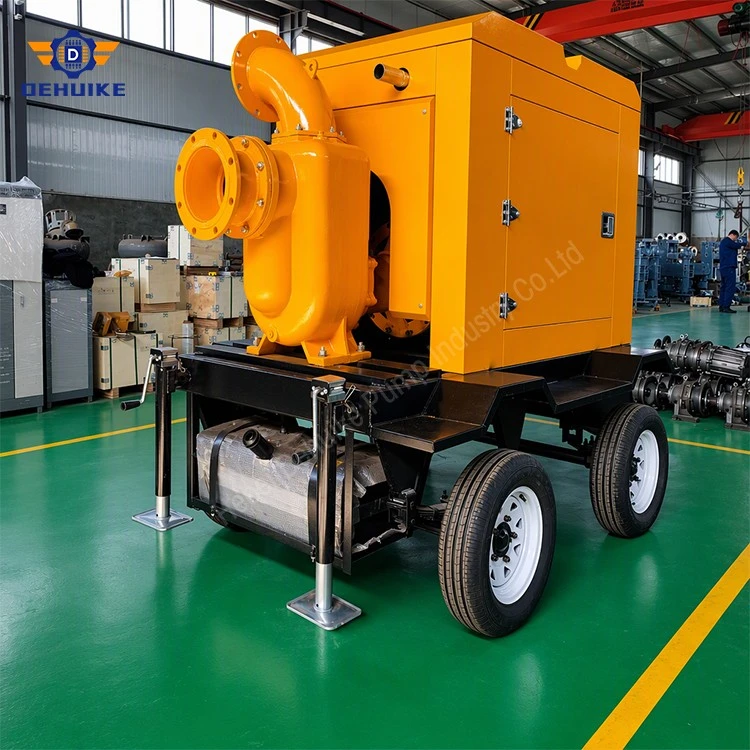
Production Process & Metallurgical Integrity
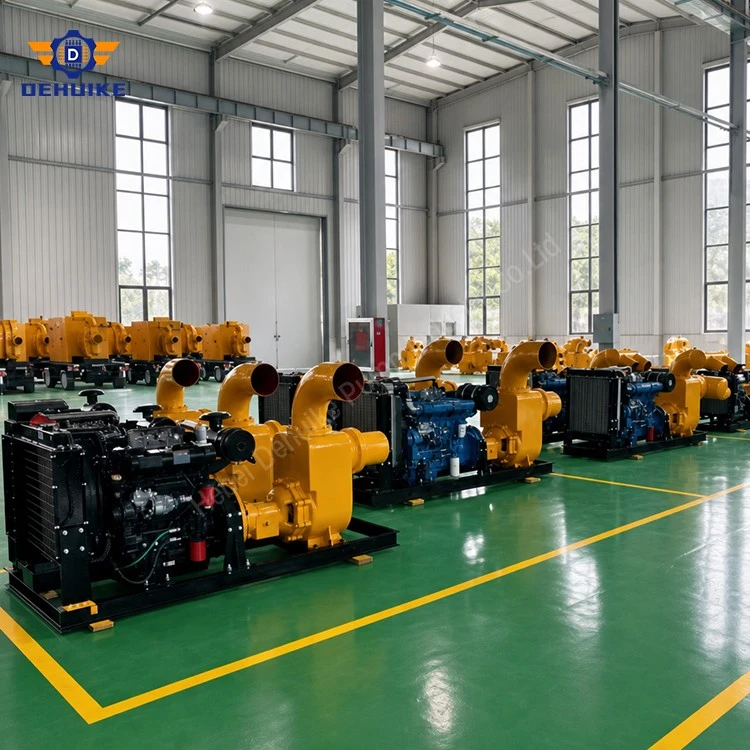
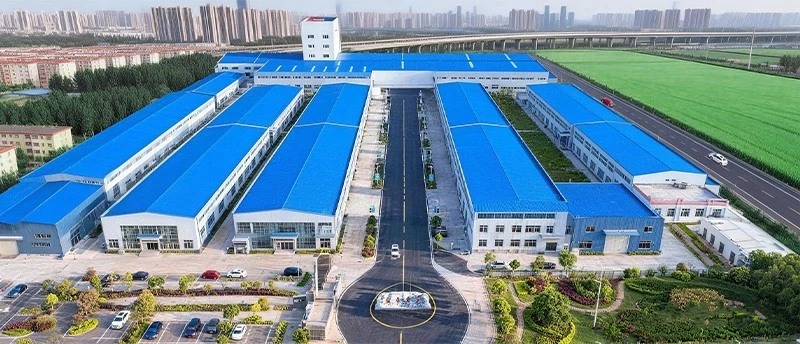
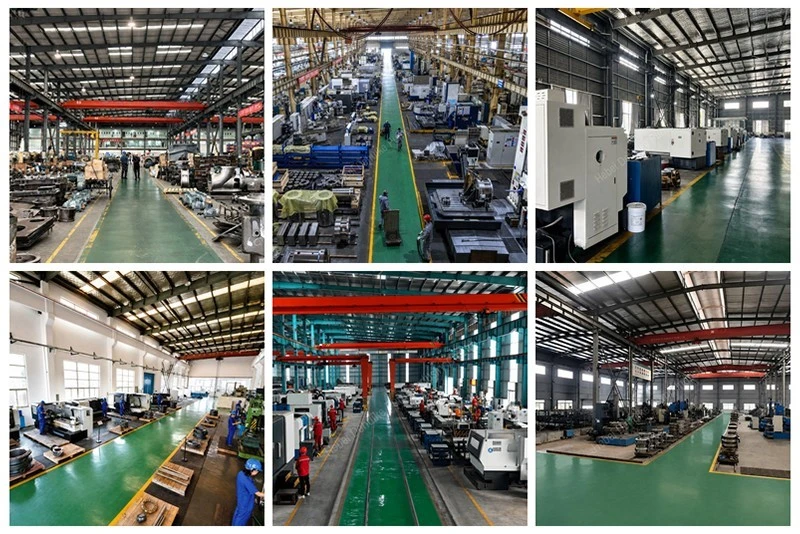
Manufacturing Quality Controls: Building a chemically impervious Self-Priming Chemical Pump requires strict metallurgical control, high-precision machining, and comprehensive surface electrochemical stabilization. Operating out of modernized production facilities with more than 8,000 square meters of shop floor space, Dehuike enforces quality gates at each critical stage of manufacture.
Colloidal Silica Precision Casting & OES Analysis: Casing housings, suction check valve bodies, and impellers are formed utilizing colloidal silica investment molding routines and high-rigidity automated resin-bonded sand casting. Raw ingots melt within electric induction melt vessels under tightly regulated thermal cycles. Prior to pouring, vacuum emission spectrometer tools verify elemental concentrations. Carbon fractions are strictly restricted below 0.03% in 316L grades so grain-boundary chromium depletion is entirely prevented, while molybdenum concentrations are maintained between 2.0% and 3.0% to protect against localized chloride pitting.
High-Temperature Solution Annealing & Microstructure Control: All stainless alloy castings receive high-temperature thermal processing, stabilizing at 1050–1100°C in programmed electric furnaces prior to immediate agitated water submersion. This thermal regime redissolves micro-carbide precipitates back into solid solution, homogenizing the grain matrix and yielding a fully austenitic microstructure. When pouring duplex 2205 (CD3MN) castings, heat treatment parameters are precisely balanced to yield an exact 50% ferrite and 50% austenite phase ratio, imparting high mechanical tensile strength and superior resistance against chloride-induced stress fracturing.
Multi-Axis CNC Machining & Geometric Tolerances: High-precision machining of pump casing fits, bearing housing alignments, and seal stuffing boxes takes place on modern multi-axis CNC machine tooling. Machining tolerances stay tightly held under 0.012 millimeters, ensuring complete perpendicularity between the shaft centerline and mechanical seal stationary faces. This tight geometric tolerance suppresses dynamic radial runout, preventing seal face flutter and prolonged seal face separation.
Chemical Acid Pickling & Surface Passivation Baths: After machining, every stainless component undergoes full chemical immersion acid cleaning and protective passivation baths utilizing a balanced dual-acid mixture of HNO₃ and HF. This treatment removes embedded tramp iron particulates, microscopic tool smear, and high-temperature oxides from welding or heat treatment. Upon deionized water rinsing, the alloy spontaneously reacts with atmospheric oxygen to generate an impermeable, self-healing chromium oxide passive barrier (Cr₂O₃) that ensures prolonged corrosion resistance in aggressive service.
Quality Assurance & Non-Destructive Testing Protocols
Integrated Quality Verification Architecture: To guarantee that each Self-Priming Chemical Pump meets exacting petrochemical, industrial safety, and environmental containment standards, Hebei Dehuike Pump Industry Co., Ltd. enforces rigorous non-destructive evaluation and performance verification routines before customer sign-off.
Hydrostatic Pressure Proof Testing Protocol: Every cast pump volute, suction casing, and degassing chamber undergoes comprehensive hydrostatic pressure testing at 150% of the maximum design working pressure (with a minimum baseline threshold of 2.4 MPa) for a duration of 30 minutes. Digital pressure transducers monitor the vessel to verify complete structural containment without structural yielding, wall weeping, or micro-porosity sweating.
Computerized Dynamic Balancing to ISO 1940 G2.5: Prior to final rotor assembly, all impellers undergo dynamic balancing on computerized dual-plane dynamic balancing equipment with balancing execution certified under ISO 1940 balance grade G2.5 limits. Balance corrections are performed by smooth peripheral milling along shroud edges rather than heavy counter-drilling, eliminating rotational harmonic vibration and preventing premature bearing fatigue.
Pneumatic Vacuum Retention & Gasket Tightness Verification: The assembled suction flapper valve, internal volute passages, and degassing channels undergo pneumatic vacuum seal testing. An automated vacuum unit pulls a deep negative vacuum of -0.08 MPa within the dry pump casing. Digital logging instruments track pressure decay over a 10-minute hold interval, certifying that casing gaskets, mechanical seal O-rings, and flapper valve faces provide airtight isolation for immediate vacuum generation in field service.
API 682 Seal Chamber Pressure Screening & Liquid Penetrant Inspection: In accordance with API 682 guidelines for industrial centrifugal pump seals, assembled mechanical seal cartridges receive pressurized dry nitrogen gas containment tests before installation. In parallel, liquid penetrant testing (PT) is carried out across critical casing fillet radii and nozzle junctions to confirm zero micro-cracking, hot tears, or subsurface casting voids.
Experience and Markets & Global Deployment Footprint
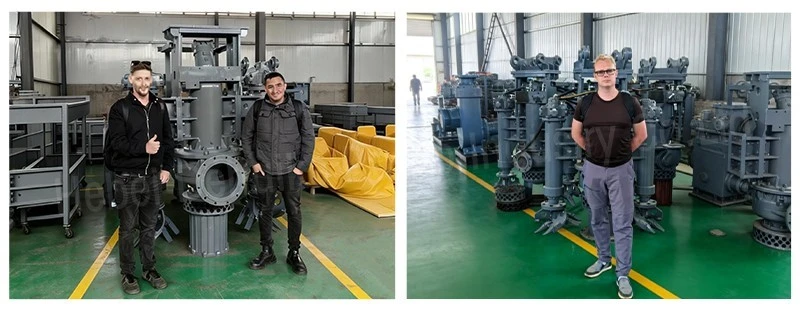
Worldwide Fluid Machinery Deployment: With proven installations in 50+ countries, our corrosion-resistant self-priming equipment operates across severe industrial environments where toxic chemicals and volatile reagents require dependable, leak-free surface handling.
North American Petrochemical & Solvent Distribution Terminals: Throughout bulk chemical distribution hubs along the North American Gulf Coast, chemical terminal operators deploy ZX series stainless steel self-priming units for top-unloading operations on rail tanker cars and ISO road tank containers. Pumping pure benzene, ethyl acetate, and methylene chloride directly from top tanker manholes across vertical elevations of 5.5 meters, these above-ground units eliminate bottom-outlet valve leak hazards and volatile organic compound (VOC) vapor releases.
Southeast Asian Chlor-Alkali & Fertilizer Synthesis Plants: At major chlor-alkali production facilities and agricultural fertilizer synthesis complexes in Malaysia and Indonesia, our pumps handle corrosive hydrochloric acid gas scrubbing liquors and wet-process phosphoric acid solutions. Operating in continuous 24/7 service under ambient temperatures reaching 42°C and high humidity, these 316L and duplex 2205 units withstand severe acid mist and ambient chemical attack without casing degradation.
Middle Eastern Petroleum Refining & Caustic Wash Facilities: Within major petroleum refineries and sulfur recovery complexes across Saudi Arabia and the UAE, ZW series non-clogging chemical self-priming pumps extract spent caustic wash solutions and sulfur sump drainage liquors. The semi-open impeller easily accommodates suspended sulfide salts and crystalline precipitants up to 40 mm grain diameter without binding, while pressurized API Plan 53A barrier fluid seals prevent flammable volatile releases.
European Steel Pickling & Electroplating Effluent Operations: In advanced automotive component manufacturing and hot-dip steel galvanizing plants in Germany and Poland, our chemical pumps evacuate aggressive nitric-hydrofluoric acid pickling baths and electroplating rinse effluents. Cast in stabilized duplex stainless steel, these units withstand high chloride concentrations and fluctuating pH conditions, delivering dependable suction lift from below-grade neutralization trenches to wastewater filter presses.
Our Service & Life-Cycle Fluid Engineering
Comprehensive Engineering Partnerships: Selecting a Self-Priming Chemical Pump from Hebei Dehuike Pump Industry Co., Ltd. provides direct access to our senior fluid engineering team, ensuring dedicated technical guidance across every phase of system specification, installation, and operation.
Fluid Compatibility Audits & Hydraulic Selection: Before generating commercial quotations, our senior application specialists conduct thorough chemical compatibility audits. By reviewing customer fluid profiles-including chemical formula, acid concentration percentage, process temperature, specific gravity, suspended solids, and vapor pressure-we determine the ideal metallurgy, elastomer grade (FKM vs. FFKM), and optimal mechanical seal arrangement.
International Standard Interfacing & Explosion-Proof Drive Skids: To ensure seamless integration with international plant piping standards, Dehuike manufactures pump flanges according to ANSI/ASME B16.5 Class 150/300, European DIN EN 1092-1, and Japanese JIS B2220 bolt configurations. We configure complete pump skids with explosion-proof electric motors certified under ATEX, IECEx, or Class I Division 1/2 requirements, accommodating multi-voltage supplies (380V, 400V, 440V, 480V, and 660V at 50 Hz or 60 Hz). Custom turnkey skid packages are available complete with stainless steel drip containment trays, dynamic leakage probes, and automated variable frequency drives (VFD).
Rapid-Response Spare Parts Logistics: To protect clients against unplanned process outages, Dehuike maintains a dedicated warehouse inventory of critical chemical wear parts, including balanced silicon carbide mechanical seal cartridges, precision-machined 316L shaft sleeves, and fluoropolymer gasket kits. Supported by our network of over 900 certified industrial supply chain partners, emergency spare shipments can be prepared and dispatched rapidly.
Global Logistics & Commercial Export Terms: Dehuike offers commercial quotes under standard FOB and CIF destination seaport conventions. Rapid spare packages between 50 and 500 kg move via priority air cargo transport. Substantial skid assemblies and multi-unit complete packages exceeding 500 kg move through containerized ocean maritime freight (FCL/LCL), secured inside export-grade treated fumigated timber packaging.
24-Month Warranty Protection & Remote Commissioning: Every industrial chemical pump is protected by our comprehensive 24-month equipment warranty (excluding standard wear parts), with remote engineering video guidance covering laser alignment checks, barrier reservoir pressurization, and initial field commissioning sequences.
Frequently Asked Questions (FAQ)
Q1:How does fluid vapor pressure affect the effective vertical suction lift of a Self-Priming Chemical Pump handling volatile solvents?
When transferring volatile organic chemicals (such as acetone, toluene, or methylene chloride) or hot chemical liquors, fluid saturation vapor pressure increases substantially. The maximum practical vertical suction lift of any centrifugal pump is determined by local barometric pressure minus the fluid's saturation vapor pressure and dynamic pipe friction losses. If suction line vacuum approaches the liquid's boiling threshold, the solvent flashes into vapor, producing severe vapor lock and halting fluid flow into the impeller eye. When designing suction systems for volatile fluids, engineers should increase suction pipe diameter to lower fluid velocity, limit total vertical lift below 3.0 meters, and ensure suction pipe runs are as short and direct as possible.
Q2: Why is a pressurized API Plan 53A barrier fluid loop superior to an unpressurized buffer system when pumping hazardous chemical reagents?
A pressurized dual-seal arrangement adhering to API Plan 53A guidelines employs an isolated external pot containing clean synthetic barrier fluid kept under regulated nitrogen pressure at 1.5–2.0 bar above stuffing box pressure. Because the barrier zone operates at higher potential than the pumped hazardous medium, any microscopic migration past the inner sliding interface flows harmlessly into the product line rather than releasing dangerous chemicals into plant atmosphere. In comparison, unpressurized buffer configurations (Plan 52) permit minute process seepage into the buffer pot, making them unsuitable for toxic or carcinogenic chemical duties.
Q3: What specific piping design standards must be enforced on the suction line to prevent air pockets and ensure rapid priming?
Suction piping configuration directly dictates self-priming reliability. First, the suction pipeline must maintain a continuous upward slope of at least 1:100 toward the pump suction nozzle to prevent high-point vapor pockets that impede air evacuation. Second, any pipe diameter transitions directly upstream of the pump inlet must utilize eccentric reducers with the flat side positioned on top to eliminate trapped air pockets. Third, flexible expansion joints must be vacuum-rated with rigid internal reinforcing rings to prevent wall collapse under deep negative pressure. Finally, standard foot valves must never be installed at the suction pipe bottom; they create excessive hydraulic restriction and undermine the autonomous priming cycle of the pump.
Q4: How does Hebei Dehuike ensure metallurgical integrity and prevent intergranular corrosion in duplex 2205 stainless steel castings?
At Dehuike Pump Industry, duplex 2205 (ASTM A743 grade CD3MN) castings undergo vacuum spectrometer melt verification to hold chromium between 21.0% and 23.5%, nickel between 4.5% and 6.5%, and molybdenum between 2.5% and 3.5%, with nitrogen additions between 0.10% and 0.30%. Following precise solution annealing at 1080°C and instantaneous agitated water quenching, metallurgical specimens undergo metallographic phase fraction analysis according to ASTM E562 guidelines. This confirms an optimal 50/50 ferrite-austenite microstructural ratio, ensuring outstanding yield strength alongside robust immunity against chloride stress cracking.
Q5: What preventive maintenance routines should operators implement when shutting down a self-priming chemical pump handling crystallizing reagents?
When handling fluids with a tendency to crystallize upon cooling or liquids with temperature-dependent viscosity (such as caustic lyes, alum solutions, or concentrated salts), shutting down the pump without adequate precautions can lead to solid encrustation inside the volute or seized mechanical seal faces. Prior to extended shutdown, operators should introduce a compatible solvent or warm condensate wash through the priming port to purge residual chemical liquor from the casing. If freezing conditions threaten the facility, the volute casing should be drained via the lower casing drain plug or wrapped with an external electric heating jacket to prevent frozen liquid expansion damage.

Hot Tags: self-priming chemical pump, China self-priming chemical pump manufacturers, suppliers, factory