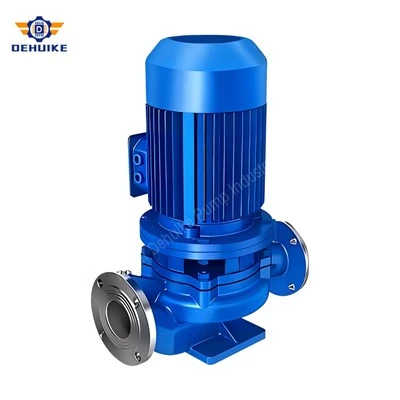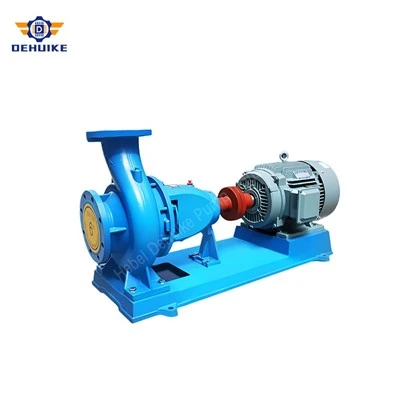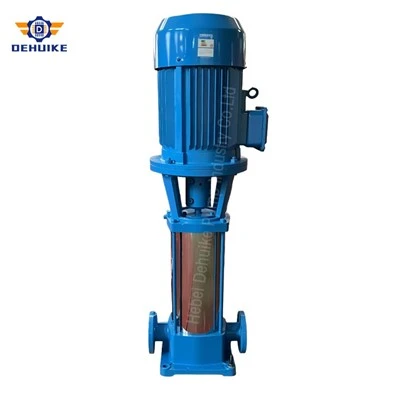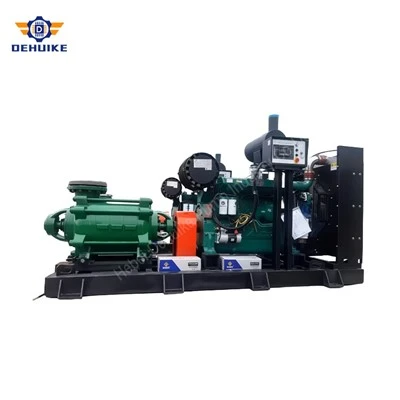

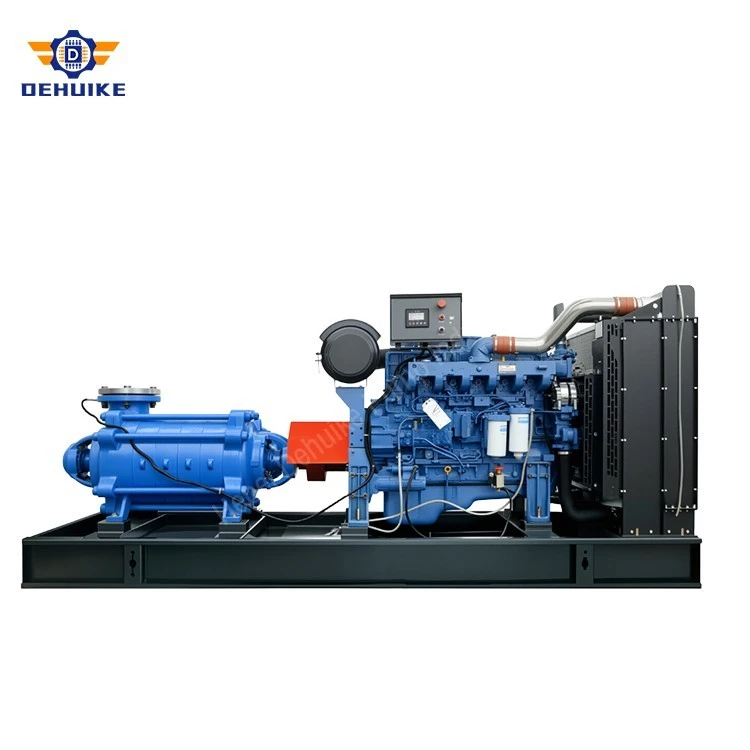
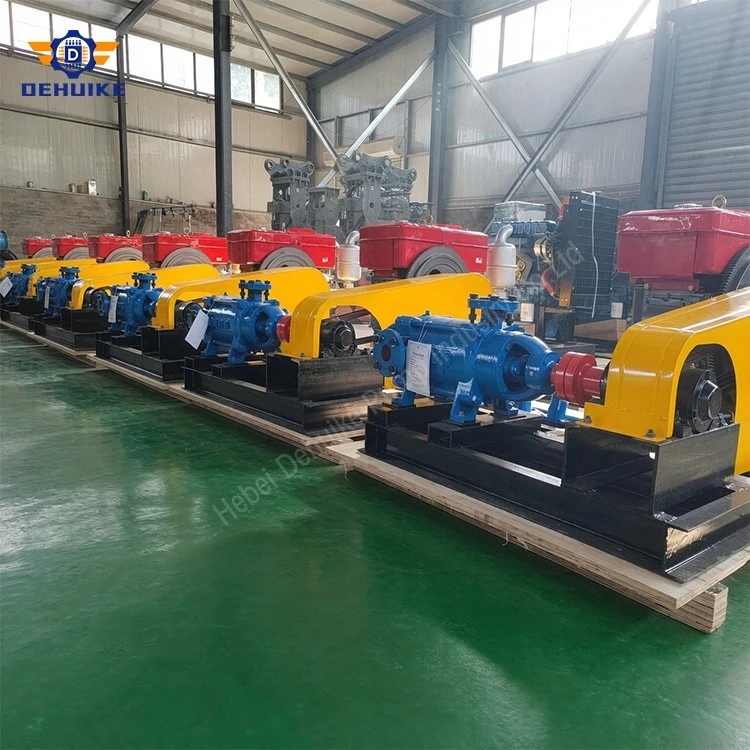
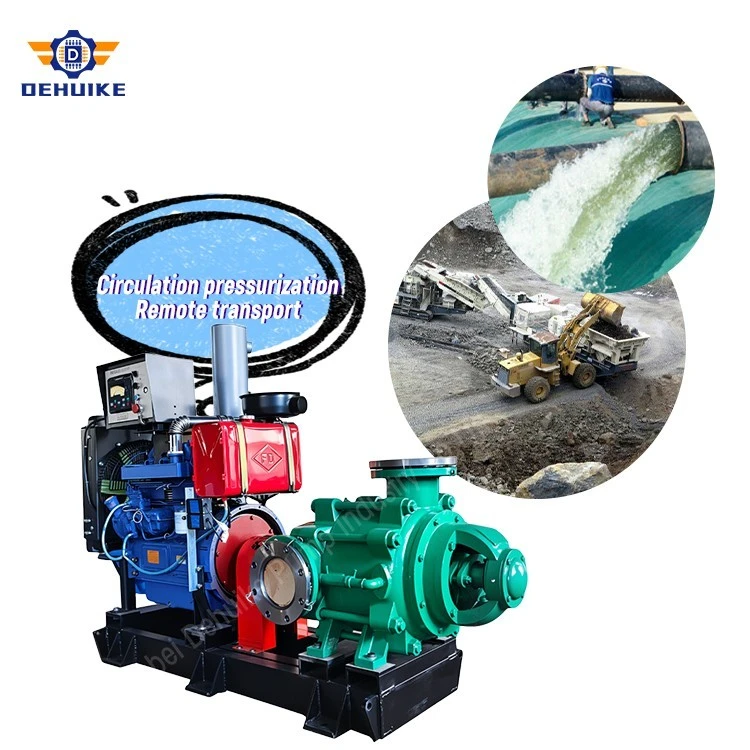
Hebei Dehuike Pump Industry Co., Ltd. is one of the most reliable manufacturers and suppliers of split case multistage centrifugal pump in China. With abundant experience, we are committed to providing high quality customized pumps with competitive price. Welcome to wholesale bulk split case multistage centrifugal pump for sale here from our factory. Also, pricelist is available.
Split Case Multistage Centrifugal Pump for Demanding Water Transfer
A Split Case Multistage Centrifugal Pump is selected when a water-transfer system requires meaningful flow, significant head and a horizontal industrial pump arrangement. In clean-water transfer and irrigation service, the pump must deliver the required water volume while overcoming elevation, line friction, fittings, valves and outlet requirements. The D series horizontal multistage centrifugal pump range provides documented operating points for these duties and gives engineers a practical way to compare flow, head, power and connection requirements before purchase.
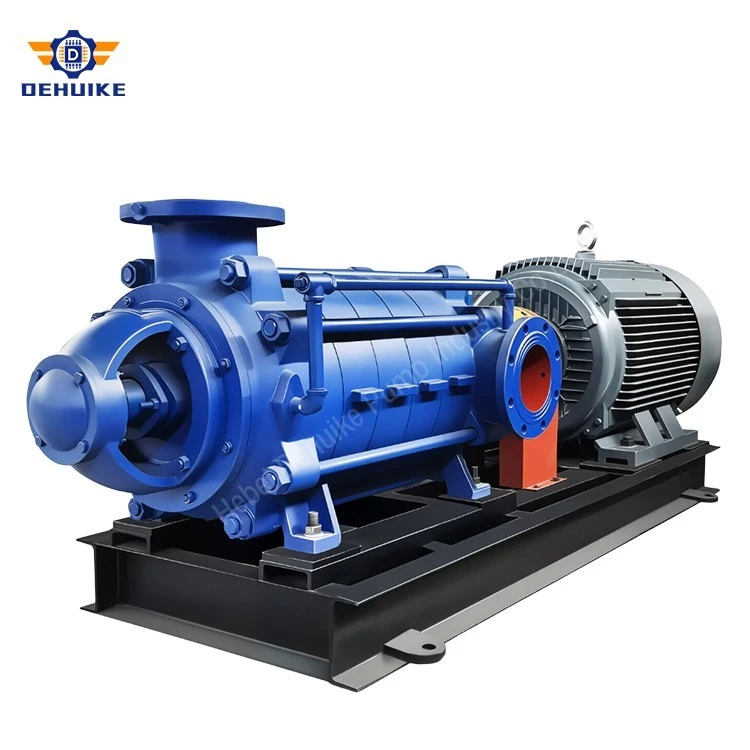
The term split case is often used by buyers to describe a horizontal pump package intended for easier system integration and large-duty water service. For D series selection, the confirmed technical basis is the horizontal multistage centrifugal configuration and the listed performance table. The product positioning therefore emphasizes verified hydraulic and motor data rather than unsupported structural claims, supporting clean-water transfer, irrigation and industrial high-lift water service with practical selection information.
A multistage centrifugal pump develops pressure by moving water through successive hydraulic stages. Each stage contributes energy to the water, and the combined stages produce the listed head. This makes the D series suitable for systems where ordinary transfer equipment cannot meet the calculated pressure requirement. The selected configuration should always be matched to the duty point, not chosen by a general product title alone.
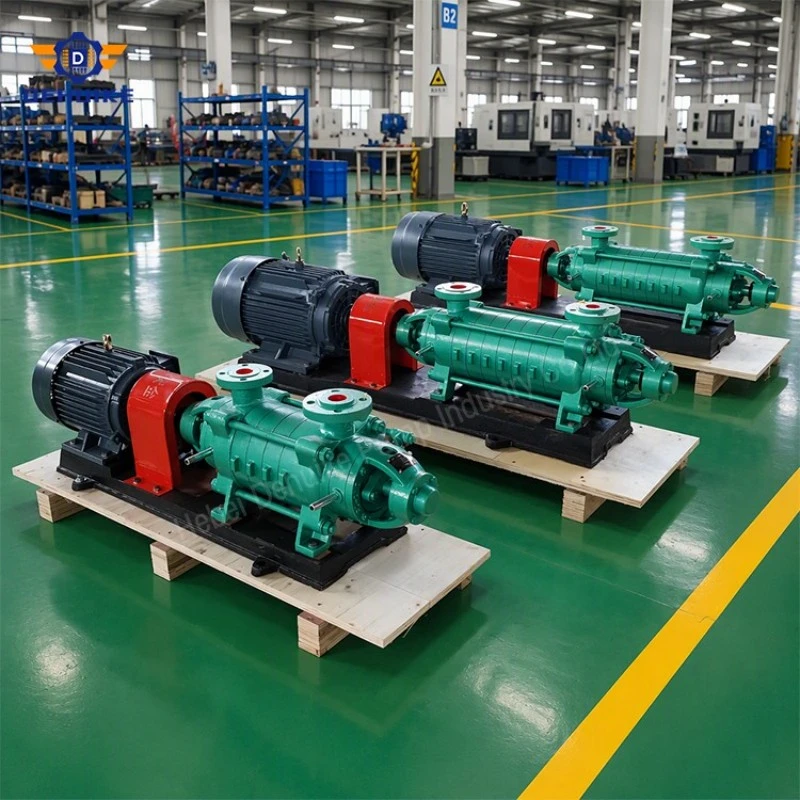
Plan the Duty Around Flow, Head and Pipe System Losses
High-flow water transfer is shaped by the system curve. The pump must overcome static lift, pipe length, friction, local losses, control valves, check valves, fittings and the pressure required at the delivery point. A large pipe diameter can reduce friction loss, while long distance, elevation change or multiple fittings can increase the required head. A Split Case Multistage Centrifugal Pump selection should therefore begin with a calculated duty that states both flow and total head.
Flow defines how much water must reach the destination. Head defines the energy needed to move that water through the network. These two values are linked. A model suitable for one flow at a given head may not be suitable for a different operating point. The D series table provides complete operating rows that include flow, head, speed, NPSHr, efficiency, shaft power, motor rating and connection dimensions. These fields should be reviewed together rather than separated into isolated claims.
Suction-side conditions also influence the final selection. NPSHr values are listed for each operating point and must be compared with the conditions available at the site. Intake level, suction pipe length, inlet fittings, strainers and water source behavior should be considered. A high-capacity pump that looks suitable on the discharge side still needs a compatible inlet arrangement to support reliable operation.
Use D Series Multistage Hydraulics for Industrial Water Movement
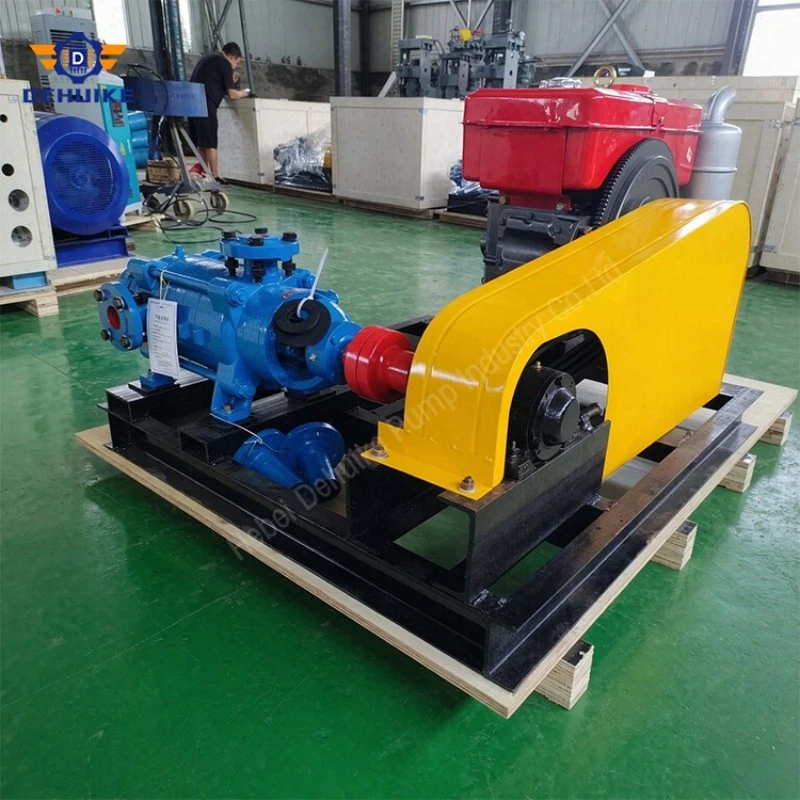
The D series is used for clean-water transfer and irrigation-oriented applications. It includes configurations at both 2950 r/min and 1480 r/min in the supplied performance data. Lower-speed large-flow models such as the D280 and D450 examples are relevant where the project needs substantial flow and high head. Smaller high-speed models serve different duty windows where compactness and head development may be central to the installation.
Multistage hydraulics allow the pump to develop head through multiple impeller stages. Stage configuration influences head and can also affect motor rating, weight, dimension and installation requirements. In a large water-transfer project, the pump package must be coordinated with civil works, pipe supports, electrical supply, lifting route and service access. Selecting a D series pump means aligning the hydraulic duty with the physical requirements of the installation.
The D series examples in this article are selected for clean-water duties, not for boiler feedwater and not for city water-supply DA1 duty. This distinction matters because different tables in the performance document serve different application categories. Keeping the parameter source isolated helps prevent incorrect model comparisons and supports a more reliable purchasing decision.
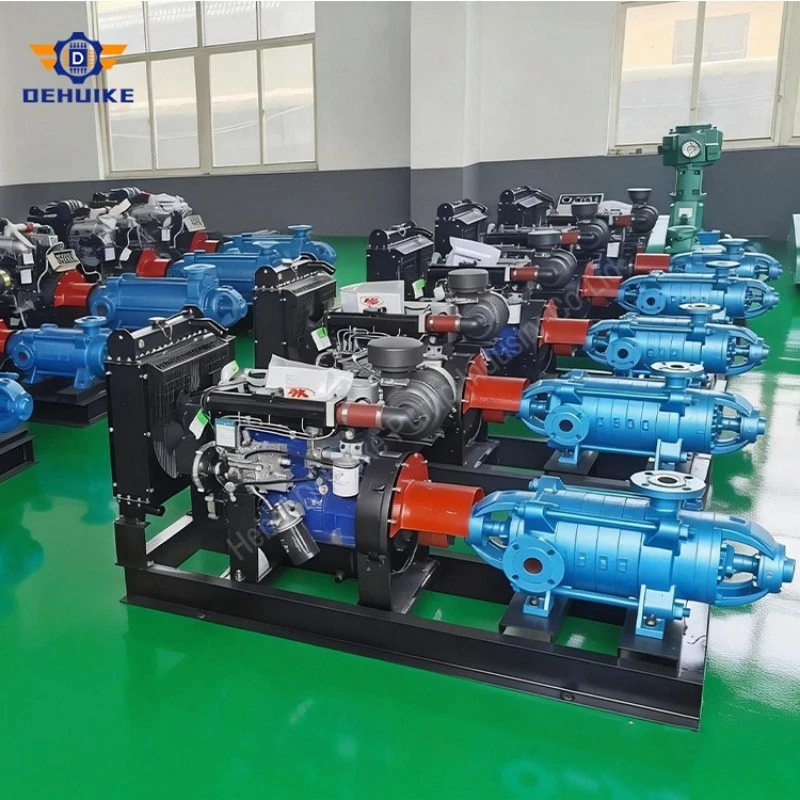
D Series Technical Parameters for Large Water Duty
The following table uses only D type horizontal multistage centrifugal pump data. Each row is a listed operating point and should be used for preliminary product comparison. Final model selection should be confirmed against the actual water condition, site layout and duty requirement.
|
Model |
Flow (m3/h) |
Head (m) |
Speed (r/min) |
NPSHr (m) |
Efficiency (%) |
Shaft Power (kW) |
Motor (kW) |
Inlet / Outlet (mm) |
|
D46-30x9 |
46 |
270 |
2950 |
3.0 |
70 |
48.33 |
55 |
65 / 65 |
|
D85-45x8 |
85 |
360 |
2950 |
4.0 |
65 |
128.8 |
160 |
150 / 100 |
|
D155-30x9 |
155 |
270 |
1480 |
3.9 |
75 |
152.01 |
185 |
150 / 150 |
|
D155-67x8 |
155 |
536 |
2950 |
4.5 |
74 |
305.6 |
355 |
150 / 150 |
|
D280-65x8 |
280 |
520 |
1480 |
3.7 |
73 |
543.2 |
630 |
200 / 200 |
|
D450-60x6 |
450 |
360 |
1480 |
4.9 |
79 |
558.48 |
630 |
250 / 250 |
The selected D series data covers a wide hydraulic range. D46-30x9 is listed at 46 m3/h and 270 m head, while D85-45x8 is listed at 85 m3/h and 360 m head. D155-30x9 is listed at 155 m3/h and 270 m head, showing how a larger flow can be paired with a moderate high-lift requirement. These examples can serve smaller industrial transfer and irrigation projects where the duty is demanding but not in the largest flow class.
For larger clean-water movement, D155-67x8 is listed at 155 m3/h and 536 m head. D280-65x8 is listed at 280 m3/h and 520 m head, with a 630 kW motor. D450-60x6 is listed at 450 m3/h and 360 m head, also with a 630 kW motor. These models show why a Split Case Multistage Centrifugal Pump proposal should include motor planning and pipe coordination at the same time as hydraulic selection.
Connect Technical Data to Installation Decisions
The parameter table should guide the entire project discussion. Flow and head define the primary duty. Speed indicates the listed rotational condition. NPSHr helps evaluate the inlet side. Efficiency is a comparison point at the stated condition. Shaft power and motor power guide the electrical package. Inlet and outlet sizes define the starting point for pipework and valve planning.
For example, D280-65x8 is listed at 280 m3/h, 520 m head, 1480 r/min, 3.7 m NPSHr, 73% efficiency, 543.2 kW shaft power and a 630 kW motor. D450-60x6 is listed at 450 m3/h, 360 m head, 1480 r/min, 4.9 m NPSHr, 79% efficiency, 558.48 kW shaft power and a 630 kW motor. These two rows have the same motor rating in the selected data but very different flow and head conditions. The comparison demonstrates why a complete parameter row is more useful than a single rating.
Connection dimensions are also central to installation planning. The selected examples include 65 / 65 mm, 150 / 100 mm, 150 / 150 mm, 200 / 200 mm and 250 / 250 mm arrangements. A high-volume water-transfer pump can influence pipe supports, valve selection, foundation layout, maintenance clearance and lifting equipment. These interfaces should be reviewed before procurement is finalized.
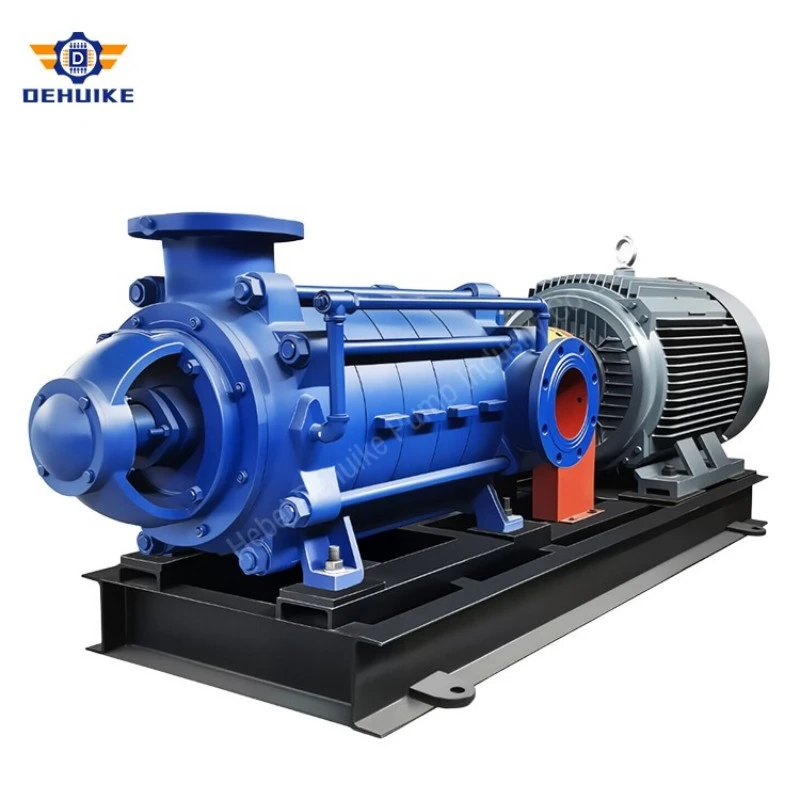
Industrial and Irrigation Applications
Industrial clean-water systems can use a D series multistage pump for transfer between water sources, storage tanks, production areas or utility headers. Large plants often require water to travel over distance, climb elevation or maintain pressure at a specific process point. Where water conditions and system requirements match the D series data, a Split Case Multistage Centrifugal Pump can provide the high-flow and high-head performance needed for the duty.
Irrigation systems can also require high head when water must be moved across long fields, lifted from a source to a higher distribution area or delivered through several branches. The pump should be selected using the design flow, total head, source-water level, suction route, pipeline length, outlet distribution and seasonal operation plan. A model chosen without these details may not match the actual hydraulic demand once the system is installed.
For replacement projects, collect current operating information before selecting a new pump. Existing flow, pressure, motor load, pipe size, water level, line modifications and the reason for replacement help determine whether the previous duty is still valid. Industrial and irrigation networks often change over time, and the replacement pump should serve the current system rather than an outdated design assumption.
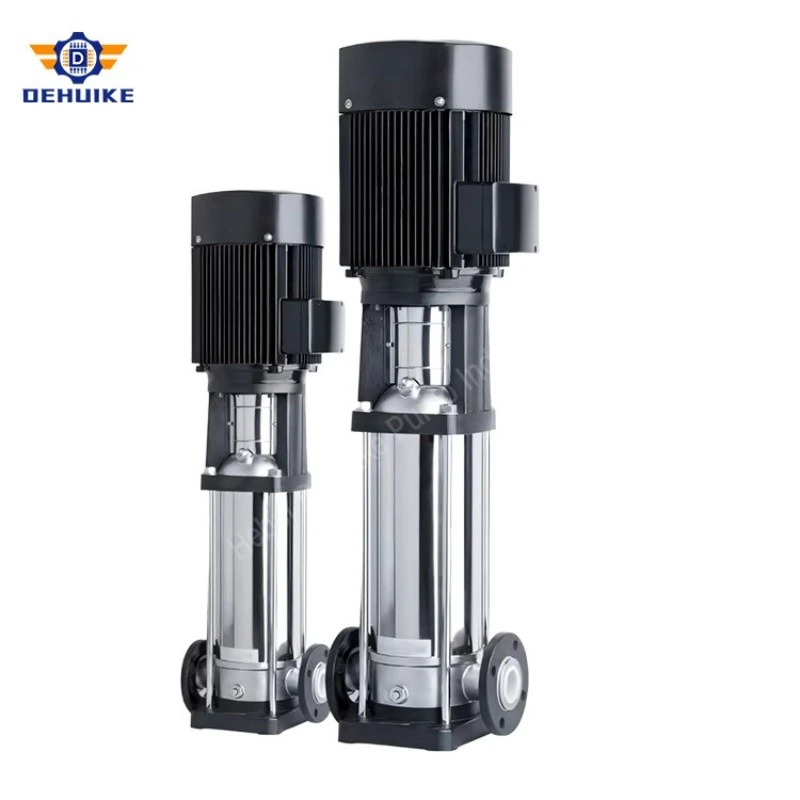
Selection Inputs for a Reliable Proposal
•Design flow and any normal operating range.
•Total head, including elevation, pipeline friction, fittings, valves and outlet requirement.
•Water source, suction arrangement, inlet pipe route and source-level variation.
•Clean-water condition and any relevant site environment details.
•Voltage, frequency, motor requirement and starting arrangement.
•Pipe sizes, foundation space, maintenance clearance and lifting access.
•Operating schedule, seasonal demand, standby requirement and planned expansion.
•Inspection, documentation, packing, transport and delivery requirements.
These inputs keep the purchase focused on measurable conditions. They also help avoid oversizing or undersizing the pump. A larger motor or connection size does not automatically mean a better fit; the selected model must serve the system curve efficiently and integrate with the equipment package on site.
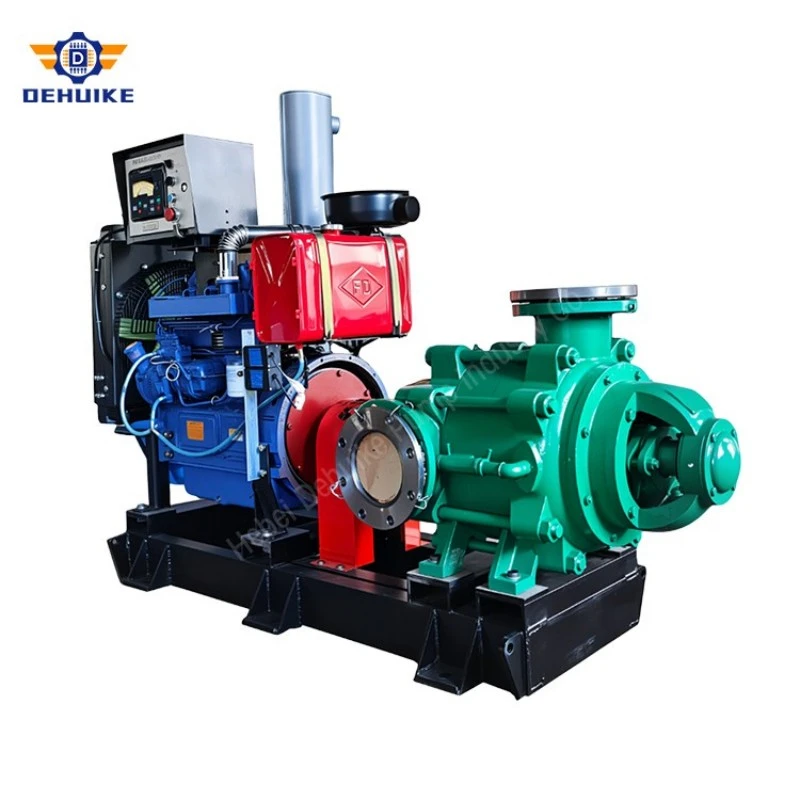
Match the Pump to Project Scenarios
Large clean-water transfer projects often have different operating priorities. A reservoir filling system may need steady high-volume delivery over a planned operating period. An agricultural irrigation project may prioritize seasonal reliability across long pipe routes and changing source levels. An industrial utility line may require a pump that can maintain flow to a remote process area while allowing practical inspection and service access. These scenarios should be described clearly because they influence how the selected D series model will be used on site.
For reservoir and tank filling, the project team should define the starting water level, delivery elevation, pipeline route and target filling time. For irrigation distribution, field layout, branch operation, seasonal schedule and source-water behavior can all affect the pump duty. For industrial clean-water transfer, the end-use pressure requirement, number of operating users and line resistance may be more important than distance alone. A Split Case Multistage Centrifugal Pump is most effective when these practical conditions are translated into a specific flow and head requirement.
Procurement teams can also compare models by the supporting infrastructure they require. A D155 configuration and a D450 configuration may both belong to the same D type multistage family, but they represent different pipeline sizes, motor capacities and installation scales. The purchase decision should therefore include foundation preparation, power supply, pipe support, valve arrangement and access for future maintenance. These project details help determine whether the selected model can be installed and operated efficiently within the available site conditions.
Clear purchasing information reduces revisions after quotation. State whether the pump will run continuously or intermittently, whether standby equipment is needed, whether the water source level changes, and whether future capacity expansion is planned. This information allows the proposed pump to be reviewed as an integrated system component. It also helps avoid a mismatch between a pump that appears technically powerful and a site layout that cannot properly support it.
Operation and Maintenance Considerations
A large multistage pump should be operated as part of the water system. Pressure readings, source-water level, motor load, valve status and changes in demand should be recorded and reviewed. If delivery conditions change, the evaluation should include the intake, suction line, pipe network, valves, strainers and downstream demand before the pump is judged in isolation.
Installation planning should protect alignment and access. Pipework should be supported so that it does not impose unwanted load on the pump. The equipment area should allow safe inspection and service. For high-capacity models, lifting access and maintenance clearance can be as important as the hydraulic selection, because future service work depends on the physical arrangement created during installation.
Retaining the selected model, duty point, motor information and connection layout supports future maintenance. If a field is expanded, a plant line is added or a storage elevation changes, the original selection record gives engineers a baseline for reviewing the new requirement. This practical record-keeping helps extend the value of the initial Split Case Multistage Centrifugal Pump selection.
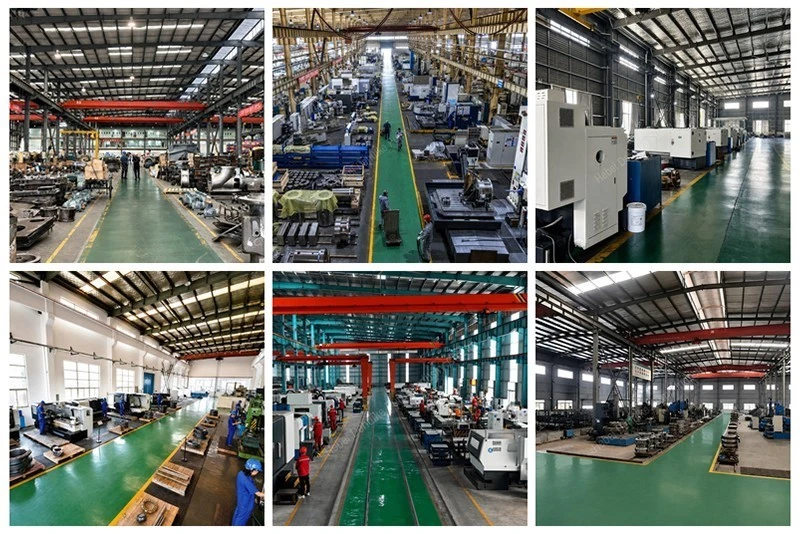
Manufacturing, Quality and Service Support
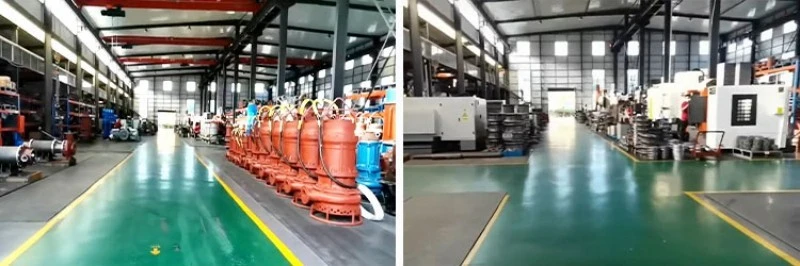
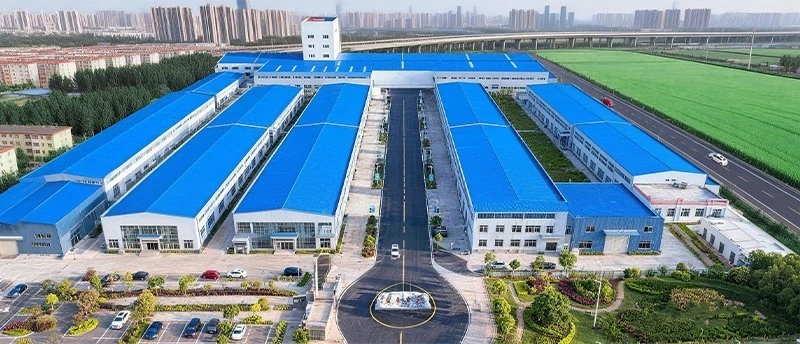
Dehuike Pump Industry integrates design and development, production and processing, sales and service. The company profile describes process control from raw materials through design, hydraulic model testing, casting, machining, inspection, assembly and testing, followed by installation, commissioning, operation and after-sales service. This process supports industrial pump orders that require technical coordination from selection through delivery.
The company profile states that its quality management system has received ISO international quality management system certification. It also states that Dehuike Pump Industry has more than 40 years of industry experience, develops and produces more than 30 series of industrial pumps, and serves customers in more than 90 countries. Its products are used across sectors including electric power, metallurgy, mining, coal, petroleum, chemical processing and sewage treatment.
For a D series order, confirm the model, duty point, motor rating, connection arrangement, documentation requirements, packing method and delivery conditions before production. Clear technical scope helps the buyer coordinate the pump with civil work, pipework and electrical planning. It also supports later service communication when the equipment enters operation.
Before shipment, the buyer can align the packing method, destination handling needs and document list with the project schedule. Large water-transfer equipment may require careful receiving preparation, especially when the pump will be installed in a remote field station, industrial plant or municipal facility. Confirming the delivery plan, site access and basic installation sequence helps the purchasing team move from order placement to practical commissioning with fewer avoidable interruptions.
Frequently Asked Questions
Q: What is a Split Case Multistage Centrifugal Pump?
A: It is a horizontal multistage centrifugal pump used for clean-water transfer, irrigation and industrial water movement. The technical selection should be based on D type horizontal multistage centrifugal pump performance parameters and the calculated duty of the water system.
Q: Which D series models are suitable for large water transfer?
A: The selected examples include D155-67x8 at 155 m3/h and 536 m head, D280-65x8 at 280 m3/h and 520 m head, and D450-60x6 at 450 m3/h and 360 m head. Final selection depends on the required flow, total head, suction conditions and installation plan.
Q: Can this pump be used for boiler feedwater?
A: This page uses D series clean-water and irrigation data. Boiler feedwater projects should be reviewed with the applicable DG series data and the boiler feedwater system conditions.
Q: Why does NPSHr matter for large water-transfer pumps?
A: NPSHr must be compared with the inlet conditions available at the site. The selected D series examples show NPSHr values from 3.0 m to 4.9 m. Source level, suction piping, inlet fittings and water conditions should be reviewed before confirming the model.
Q: What should be included in an inquiry?
A: Send the required flow, total head, water source, suction arrangement, clean-water condition, electrical supply, pipe connections, installation space, operating schedule and delivery requirements. This supports a more accurate D series Split Case Multistage Centrifugal Pump proposal.

Hot Tags: split case multistage centrifugal pump, China split case multistage centrifugal pump manufacturers, suppliers, factory