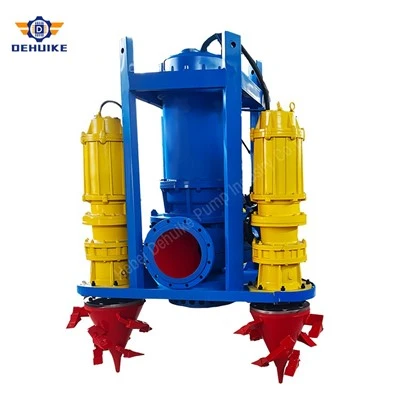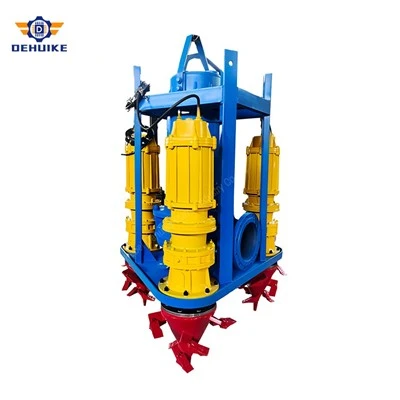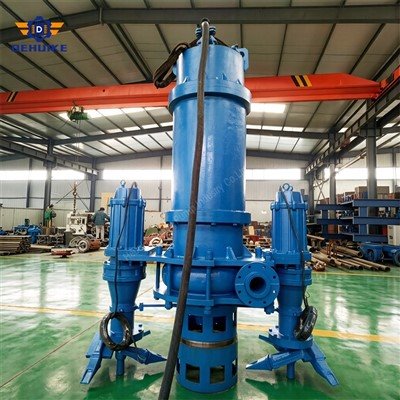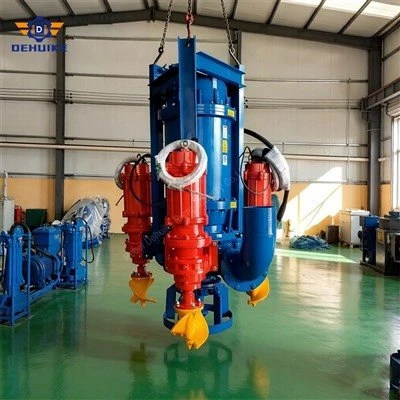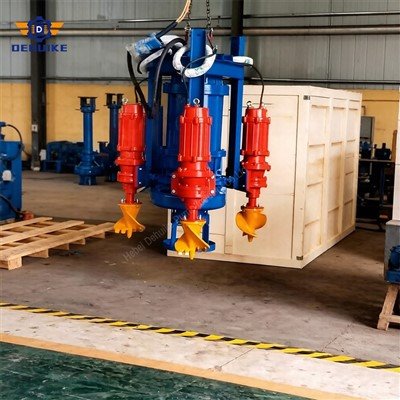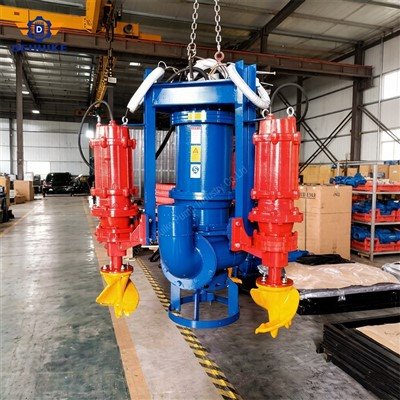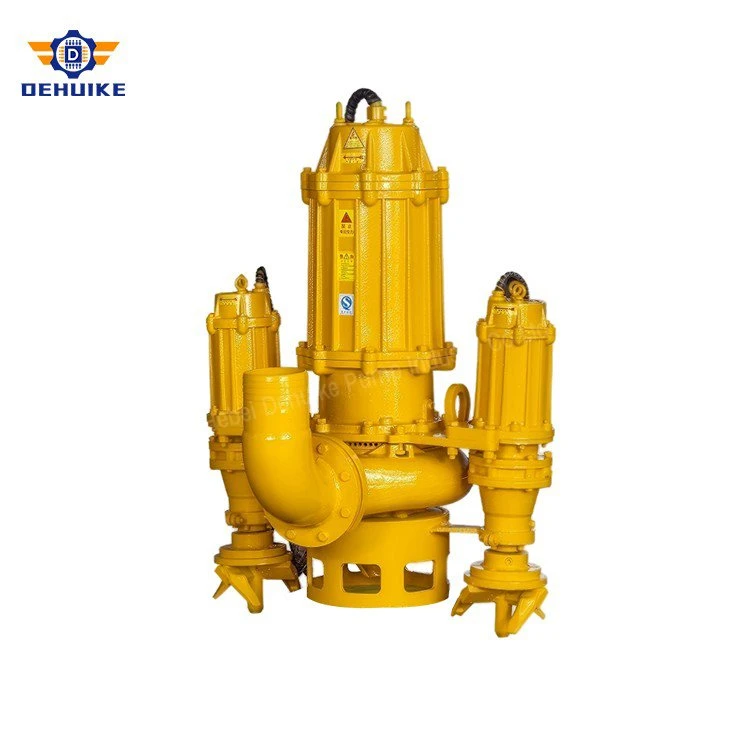
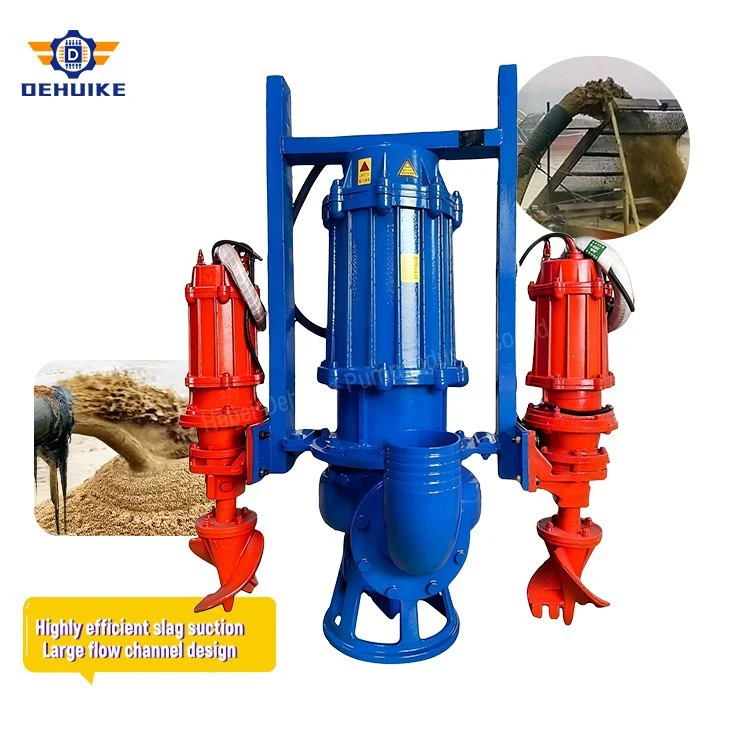
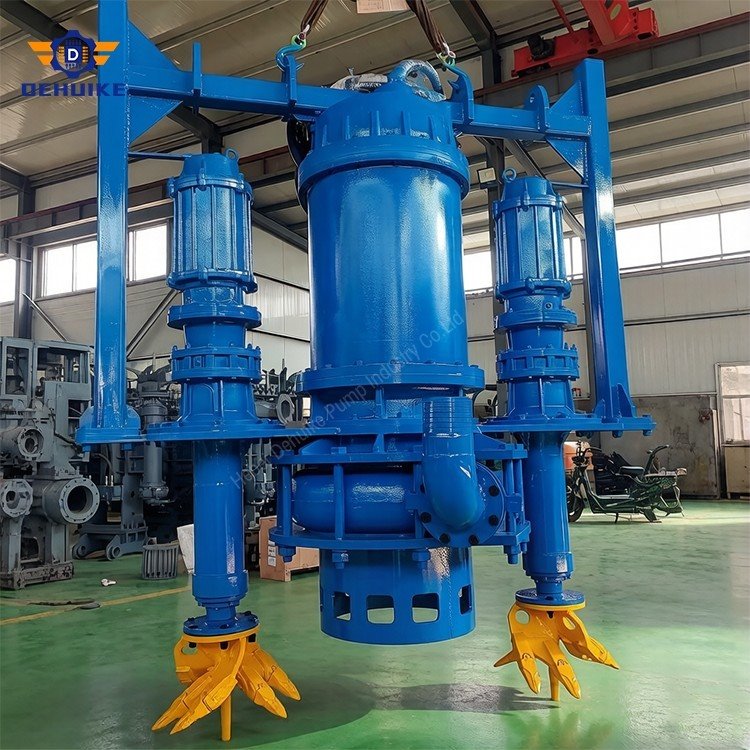
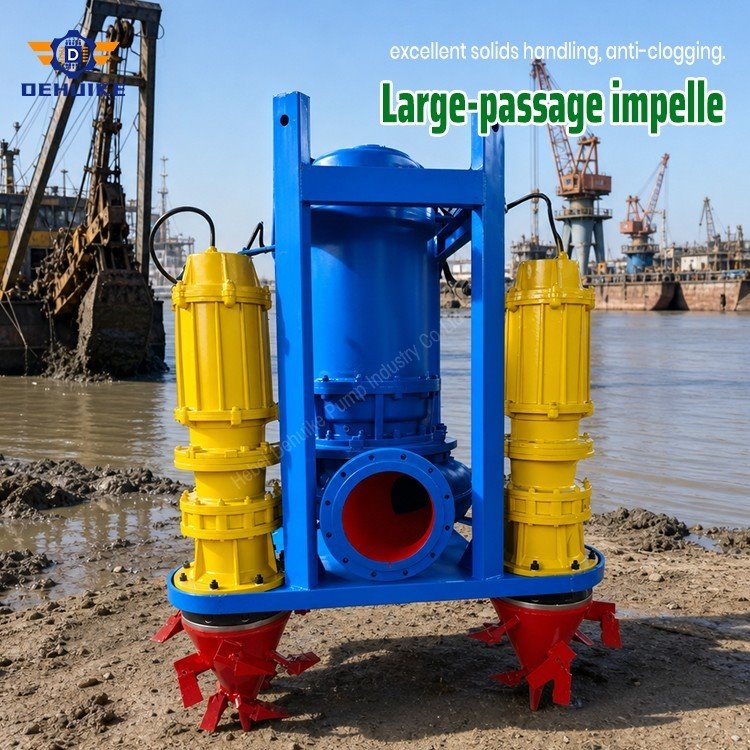
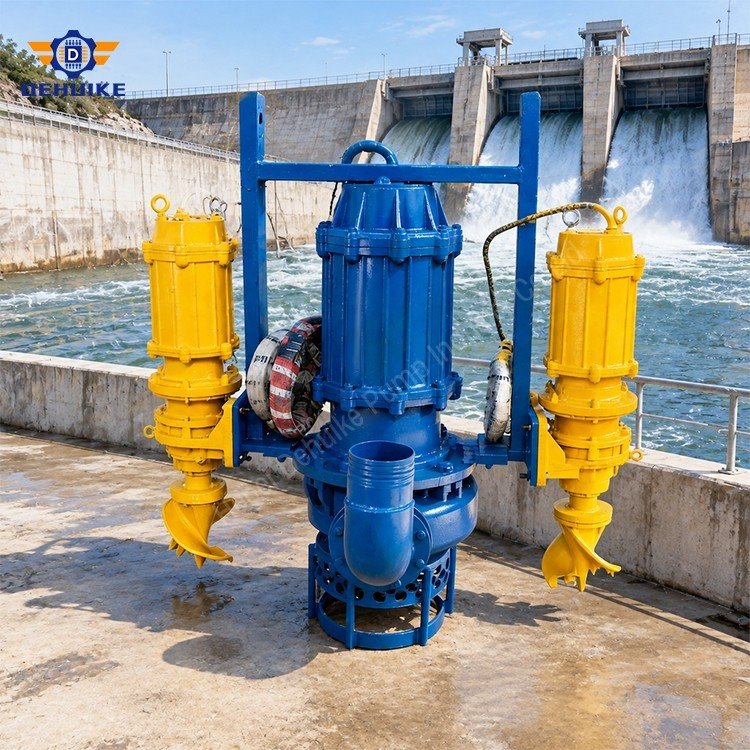
Hebei Dehuike Pump Industry Co., Ltd. is one of the most reliable manufacturers and suppliers of submersible mud pump in China. With abundant experience, we are committed to providing high quality customized pumps with competitive price. Welcome to wholesale bulk submersible mud pump for sale here from our factory. Also, pricelist is available.
Product Definition and Buyer Fit
A Submersible Mud Pump is designed for moving water mixed with mud, silt, clay, fine sediment and other suspended solids from a low or wet working area. It is considered when a clear-water pump cannot handle the material condition and a dry installation would require a long suction line, additional priming work or a more complicated layout. By placing the hydraulic inlet close to the mud source, the equipment can support pit drainage, pond cleaning, construction dewatering, sediment transfer and selected industrial slurry duties.
The term "mud" covers many different materials. Soft pond sediment, clay-rich excavation water, drilling spoil, stormwater with soil, mineral fines and process slurry do not behave in exactly the same way. The final configuration should therefore be based on the actual material, required capacity, total head, water depth, solids concentration, particle size, motor supply and discharge route. A product name can begin the discussion, but it cannot replace a duty-point review.
This page is structured for contractors, engineering buyers, site managers, equipment distributors and maintenance teams. It gives a direct answer first, then explains how to review the pump against the site. Verified data, optional arrangements and pending information should be kept separate. This prevents a broad product-family description from being mistaken for the exact performance of one selected unit.
Mud Handling Process
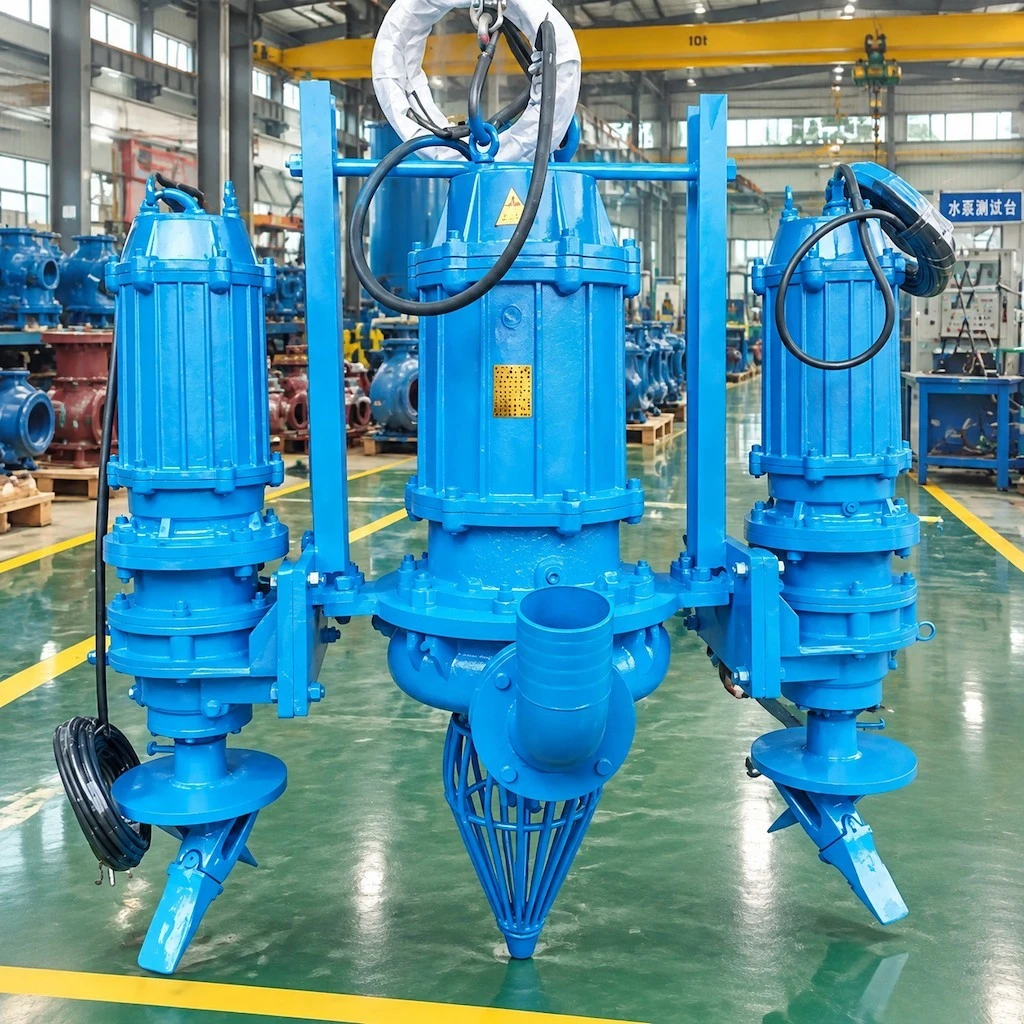
A mud-handling job normally contains several linked steps: water collection, soil or sediment loosening, mixture intake, pumping, pipeline transfer, settling, dewatering or discharge. The Submersible Mud Pump belongs to the transfer step, but its position affects the steps before and after it. If the material is not sufficiently mixed, the intake may be buried. If the receiving system cannot accept the incoming volume, the discharge condition may change. A workable design considers the complete chain rather than treating the pump as an isolated object.
arrangement. Cable protection, shaft sealing, bearing support and motor chamber condition should be considered together. The unit should be lifted by its designed lifting point, never by the power cable. Where the pump is repeatedly moved, the cable entry and lifting components deserve an additional inspection after each relocation.
A guide frame, support plate, flexible hose, protective screen or lifting bracket may be added when required by the site. These arrangements depend on the pit shape, water depth, access route and movement pattern. An accessory should not be treated as standard unless it is included in the confirmed configuration. Clear separation between the base pump and optional site equipment improves quotation accuracy.
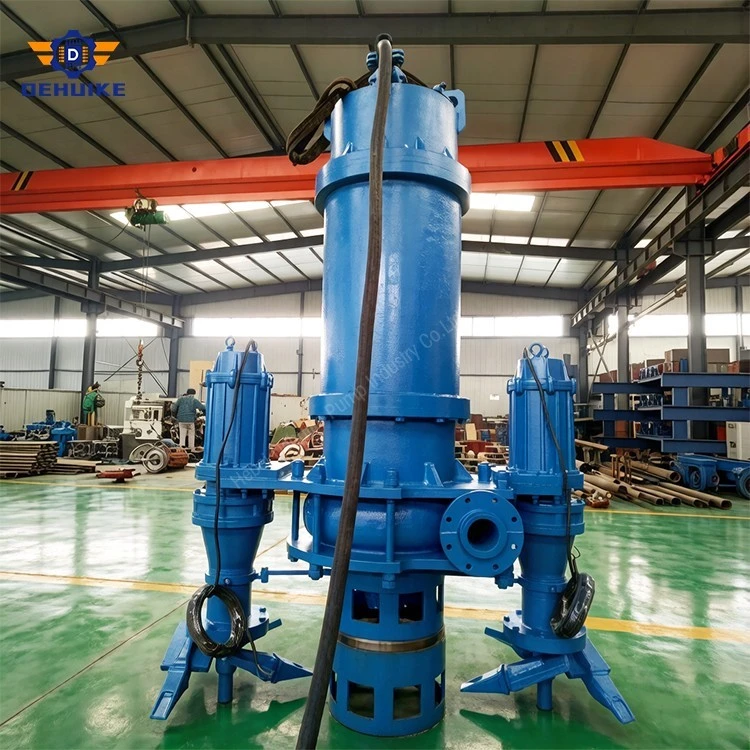
Performance Parameters and Selection
Capacity and total head must be read as a pair. A required flow through a short low-level line is not the same duty as the same flow through a long elevated pipeline. Mud concentration can increase density and settling, while a small hose or many bends can increase system resistance. The buyer should provide a route sketch or enough measurements for the working point to be calculated.
Final values for flow, head, power, voltage, discharge diameter, cable length and protection should come from the approved drawing, performance curve, nameplate or current technical sheet for the selected configuration. A broad product-family range is not a substitute for a single-unit duty point. This is especially important when the buyer plans to compare pump performance, energy demand or pipeline capacity.
If the mud contains sharp particles, oversized solids or foreign material, the maximum expected size should be stated. If the mixture may stand for several hours before restart, the buyer should describe the likely settling and compaction condition. If the pump will run continuously, the expected hours and maintenance window should be provided. Selection is more reliable when the difficult condition, not only the average condition, is discussed.
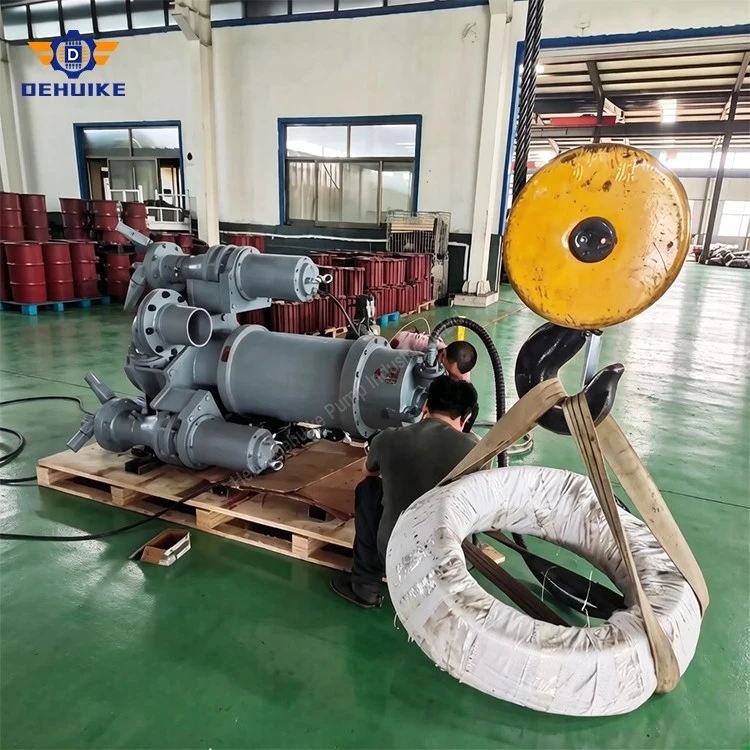
Installation and Site Adaptation
Before lowering the pump, prepare the lifting point, discharge route, cable support, control position and inspection access. Confirm the normal and minimum water levels. Check whether the inlet will be close to soft mud, compacted soil, a wall or an obstruction. The unit should be lowered steadily and should not be dropped onto the bottom. The discharge hose should be supported so its weight does not pull sideways on the outlet.
A fixed arrangement can use a prepared guide, base or frame when the work area remains stable. The support should keep the pump at a repeatable depth without blocking the inlet. It should also leave enough room for removal and cleaning. A support placed too close to the intake can create a local restriction and encourage material accumulation, so the hydraulic opening and support geometry should be reviewed together.
A movable arrangement may be used in temporary drainage, pond cleaning or changing excavation areas. Each relocation should follow a controlled sequence: stop, isolate power, secure the discharge line, lift from the approved point, protect the cable, move the unit, verify the new liquid level and restart under supervision. The pump can be compact while the relocation procedure still requires discipline.
Cable routing is part of installation quality. The cable should have enough length for the planned position but should not form loops that catch on machinery. It should avoid sharp edges, hot surfaces, vehicle paths and the mud intake. The bending condition at the cable entry should remain within the agreed arrangement. These points should be checked again if the unit is moved to another pit or platform.
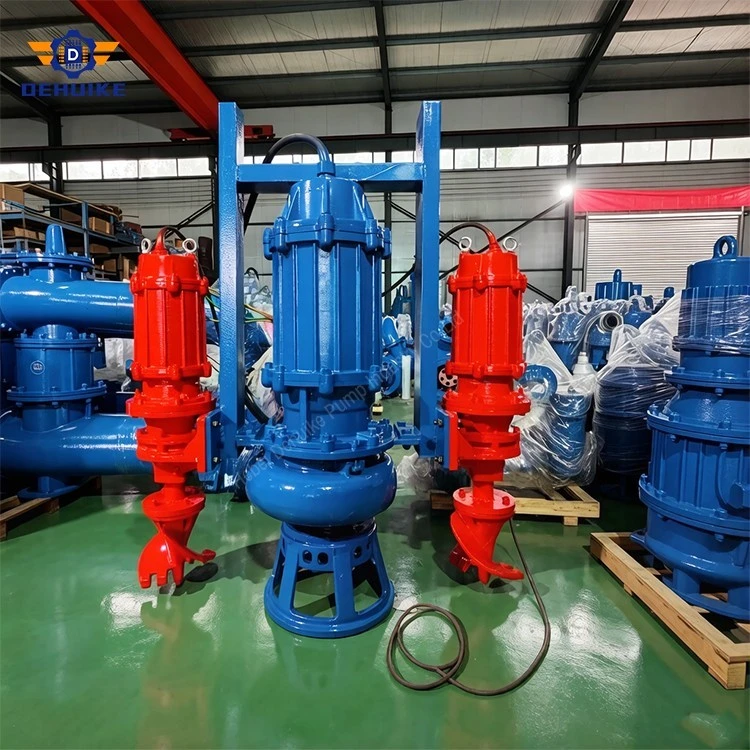
Control, Start-Up and Operating Boundaries
Before first start, check the minimum immersion, inlet clearance, valve position, hose support, cable condition and control direction. Start under supervision and observe current, discharge movement, sound, vibration and liquid level. Record the initial condition with the equipment identification and date. A first-run record gives the maintenance team a useful reference if output or current changes later.
The pump should not run dry, should not operate with an exposed inlet and should not continue against a blocked discharge. If the protection device trips, identify the reason before resetting. If current, noise, vibration or discharge changes sharply, stop safely and isolate power before inspection. Repeated short starts can worsen a problem when the inlet is buried, the line is blocked or the mixture is too dense.
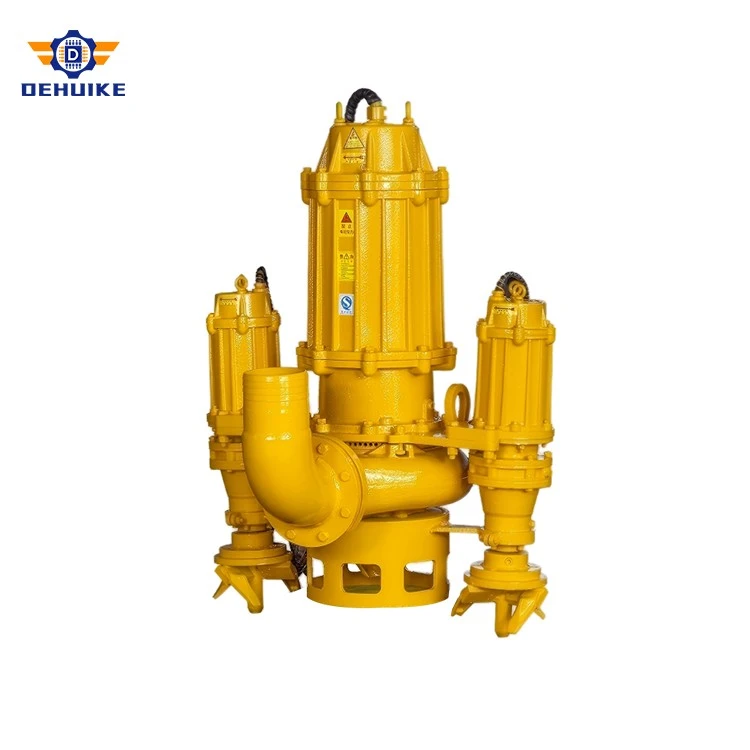
Wear and Material Management
The selection discussion should include hardness, particle shape, concentration, impact, temperature, chemical exposure, operating hours and acceptable maintenance intervals. If a harder alloy, replaceable liner or other wear-related option is proposed, it should be identified as a configuration choice until the buyer confirms the material condition. The final selection should be recorded with the drawing or technical sheet.
Wear inspection should cover the inlet, impeller, casing passage, shaft seal, discharge connection and any replaceable wear component included in the approved arrangement. Record the initial condition, operating hours, visible change and action taken. This history helps determine whether the issue is normal wear, a change in material, poor intake conditions or a pipeline problem.
Application Scenarios
Construction excavation dewatering may involve rainwater, soil, clay and loose material entering a pit. The liquid level can change quickly, and the pump may need to move between excavation sections. The key points are minimum immersion, safe lifting, cable protection, temporary pipe support and a clear stop procedure when the level falls. Quick installation is useful only when it remains controlled.
Pond and reservoir cleaning usually involves soft silt, organic sediment and water. The pump should be positioned near the deposit without being buried in it. A guide, support or controlled lifting method can help maintain the working depth. The receiving area may be a settlement zone or dewatering stage, so the discharge capacity and solids load should be discussed with the downstream process.
Industrial settling tanks and process pits may contain mineral fines, clay particles or treated water. The pump can be evaluated when the material, chemical contact, temperature, operating hours and cleaning schedule are known. The same category used for short cleaning work should not automatically be treated as suitable for continuous process duty. The selection should follow the process owner's conditions.
Stormwater and floodwater drainage can carry soil, sand and floating debris into the intake area. The pump location should allow inspection and should avoid large objects that may block the inlet. The water level range, emergency power arrangement, discharge destination and safe lifting access should be confirmed before the equipment is deployed.
FAQ
Q: What is a Submersible Mud Pump used for?
A: It is used to transfer water mixed with mud, silt, clay, fine sediment or other confirmed suspended solids from a wet or low-level area. Suitability depends on the material condition and duty point.
Q: Can it pump thick mud without additional preparation?
A: The material must contain enough liquid for the selected hydraulic passage. Dense or compacted mud may require agitation, dilution or another preparation method before pumping.
Q: How should I select flow and head?
A: Provide the required volume per hour, vertical rise, pipe length, diameter, bends, valves and receiving condition. These items define the actual system duty.
Q: Can it work in a construction pit?
A: It can be evaluated for pit drainage when the water level, soil condition, solids size, lifting method, cable route and discharge path are confirmed.
Q: What should be checked after output decreases?
A: After safe isolation, inspect the inlet, sediment build-up, hose, valves, receiving system, solids concentration, wear condition and electrical readings.
Q: Which material is suitable for abrasive mud?
A: Material selection should follow particle hardness, shape, concentration, impact, temperature, chemical exposure and maintenance expectations.
Q: What information should be included in an inquiry?
A: Send the application, medium, capacity, total head, water depth, particle condition, motor supply, discharge details, quantity, destination and required documents.

Final Inquiry Call to Action
For a project quotation of the Submersible Mud Pump, please send the application, mud description, required capacity, total head, pipe route, water depth, particle information, motor supply, quantity, destination and required documents. Add site photographs or a marked sketch when possible. Once the working point is clear, the technical review can address the hydraulic passage, material selection, installation method, cable and control arrangement, discharge connection and maintenance expectations.
Submersible Mud Pump is a project equipment category, so the responsible next step is to describe the real medium and site rather than copy a general catalogue range. Known information can be sent first, while missing values are marked as pending. A clear description of the mud, water level, pipe route and operating schedule gives the buyer a better basis for selecting a configuration that can be reviewed, quoted and installed with fewer assumptions.
Hot Tags: submersible mud pump, China submersible mud pump manufacturers, suppliers, factory