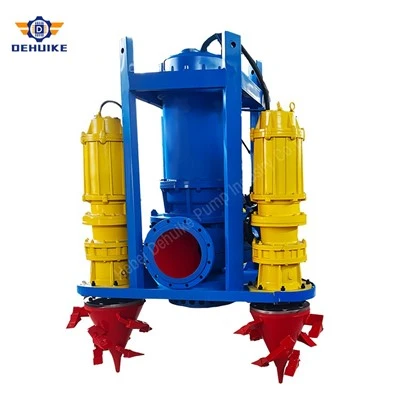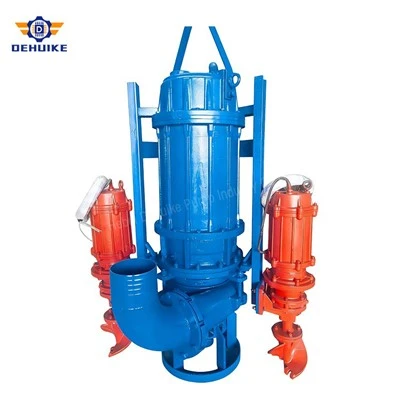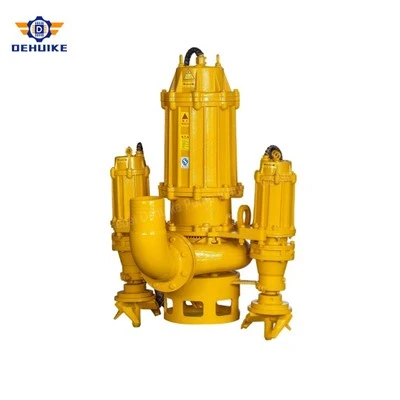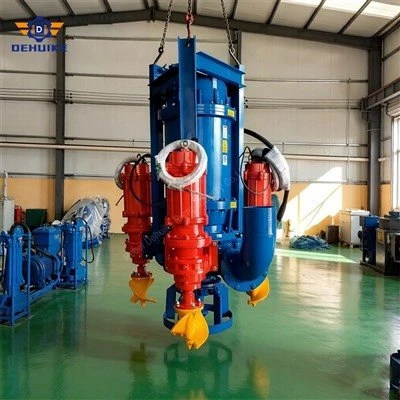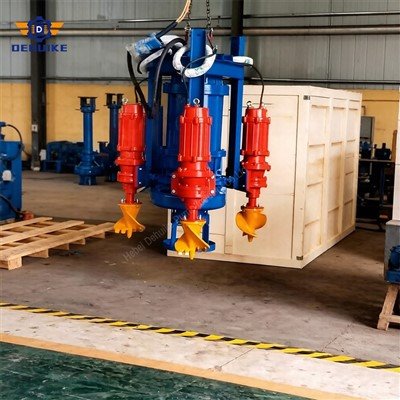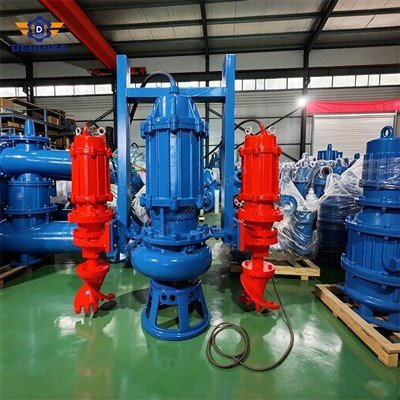

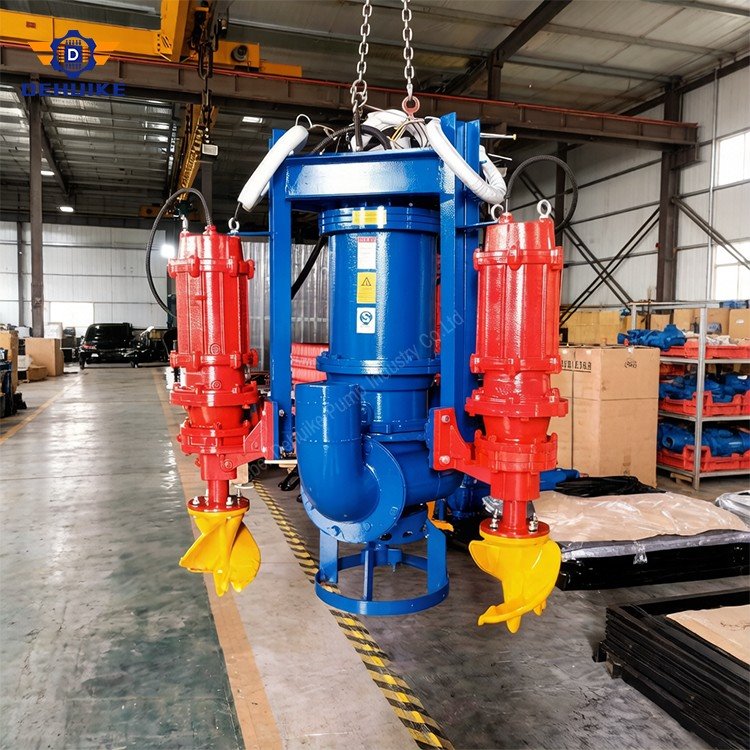
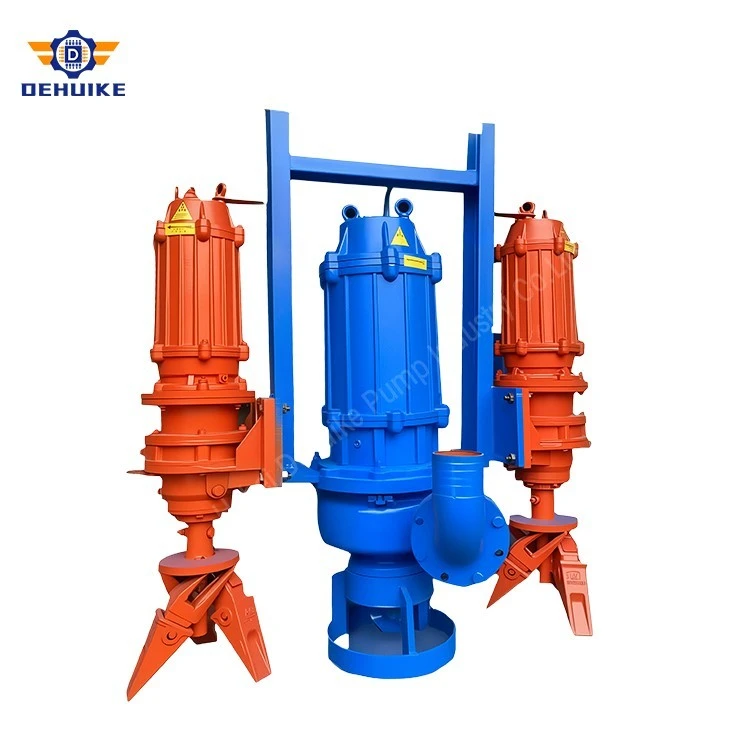
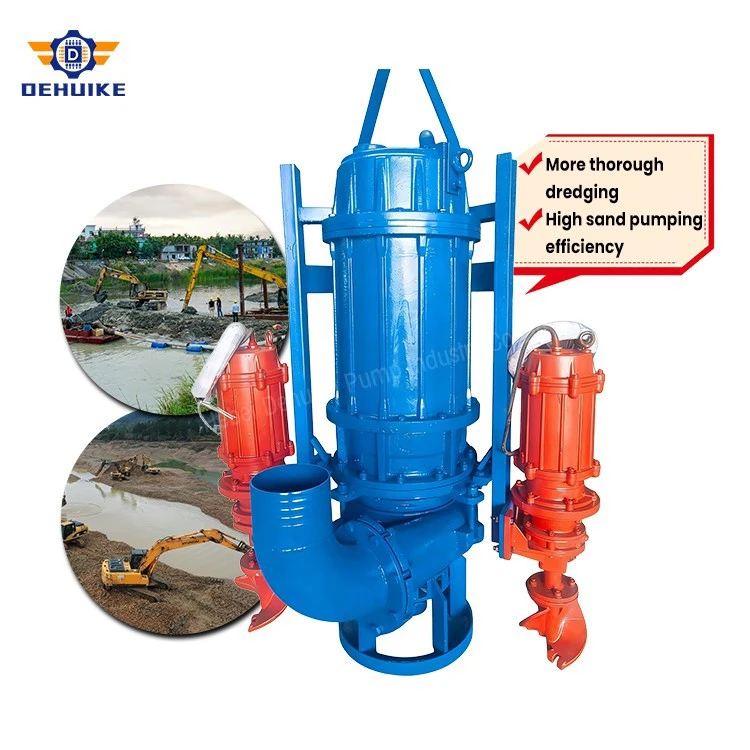
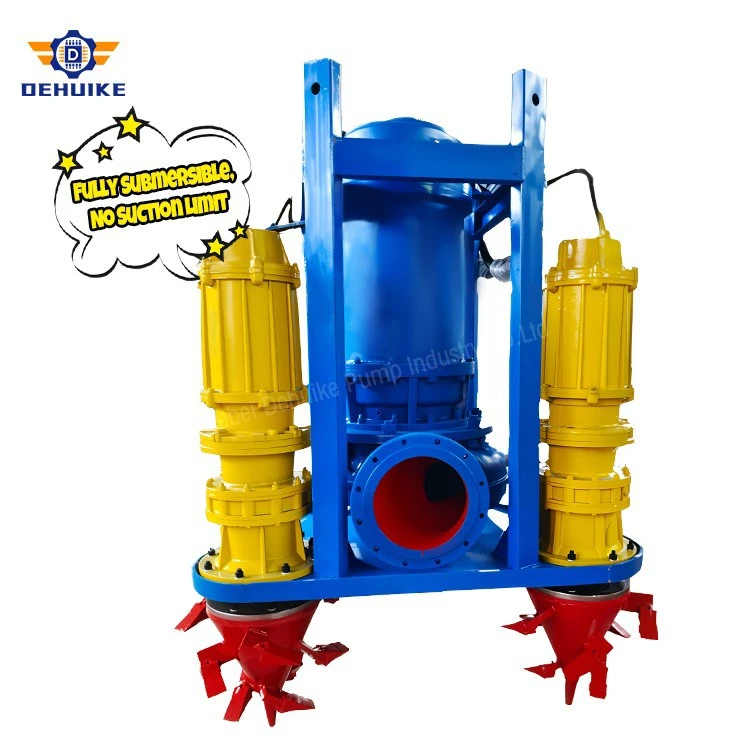
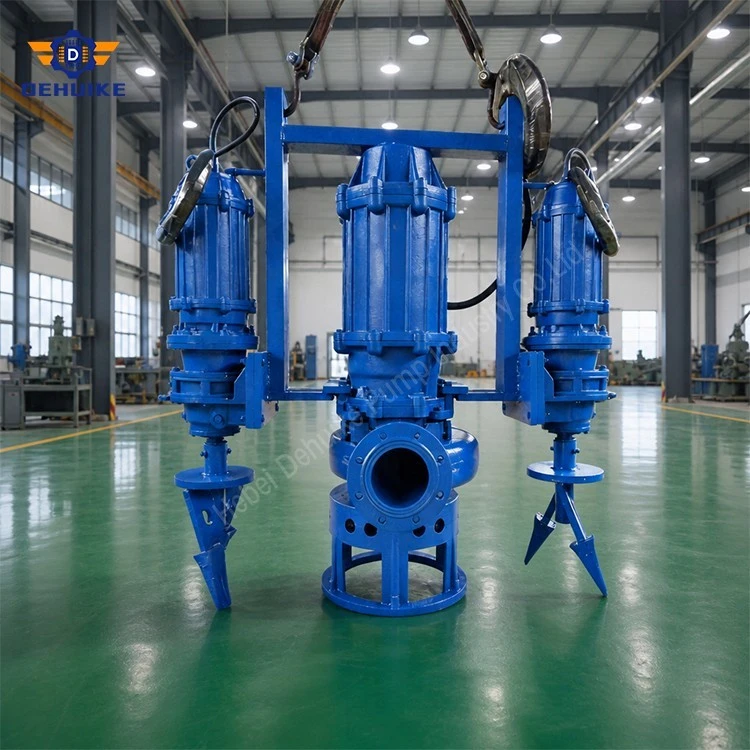
Hebei Dehuike Pump Industry Co., Ltd. is one of the most reliable manufacturers and suppliers of high chrome submersible slurry pump in China. With abundant experience, we are committed to providing high quality customized pumps with competitive price. Welcome to wholesale bulk high chrome submersible slurry pump for sale here from our factory. Also, pricelist is available.
High Chrome Submersible Slurry Pump
Why High-Chrome Construction Matters in Submerged Slurry Service
A High Chrome Submersible Slurry Pump is used when a submerged pump must handle water mixed with abrasive solids such as ore fines, sand, tailings, grit, mineral residue, or settled industrial sediment. The pump works inside the liquid at the collection point, while the high-chrome discussion focuses on the components exposed to repeated particle contact. This combination is valuable for mines, dredging sites, aggregate plants, settling ponds, and process sumps where ordinary drainage equipment is not a realistic starting point.
High chrome should be understood as an engineering selection topic, not a loose sales phrase. In slurry service, the metal surfaces that face the mixture are exposed to sliding abrasion, particle impact, local turbulence, and changing concentration. A harder wet-end material can be useful only when it is matched to the actual solid phase, liquid chemistry, hydraulic duty, and maintenance plan. The final material scope must be confirmed for the selected unit because not every external part, motor part, accessory, or connection item is made from the same alloy.
For buyers, the practical value of a High Chrome Submersible Slurry Pump is the ability to place the hydraulic inlet close to the abrasive source while reviewing the wet-end material in a disciplined way. The pump may be lowered into a sump, pit, pond, basin, or temporary dredging area. It can receive slurry directly from the surrounding liquid instead of depending on a long dry suction line. The project still needs a defined duty point, proper installation, cable protection, discharge support, and a clear understanding of how the slurry behaves during operation.
Define the Abrasion Problem Before Choosing the Pump
Abrasive slurry is not defined by one number. Particle hardness matters, but particle shape, particle size range, concentration, settling tendency, impact level, and liquid condition are also important. Fine rounded sand may create a slow, even wear pattern. Sharp crushed mineral particles may create more aggressive cutting and impact. Tailings may look dilute at the surface while a dense layer sits at the bottom of the sump. Process water may contain reagents, salts, acidic or alkaline conditions, or elevated temperature.
Before a High Chrome Submersible Slurry Pump is selected, the buyer should describe the medium in field language that can be checked:
- What material enters the sump or basin?
- Is the solid phase fine, coarse, angular, rounded, sticky, or mixed?
- Does the slurry remain suspended, or does it settle quickly after stopping?
- Are occasional oversized stones, fragments, scale, or debris present?
- Is the liquid clean water, process water, sea water, reagent-bearing water, or another carrier?
- How many hours per day will the pump operate, and how often will it restart?
These details influence the wet-end material, inlet arrangement, impeller passage, discharge route, control method, and inspection interval. A responsible quotation should separate confirmed facts from items that still require checking.
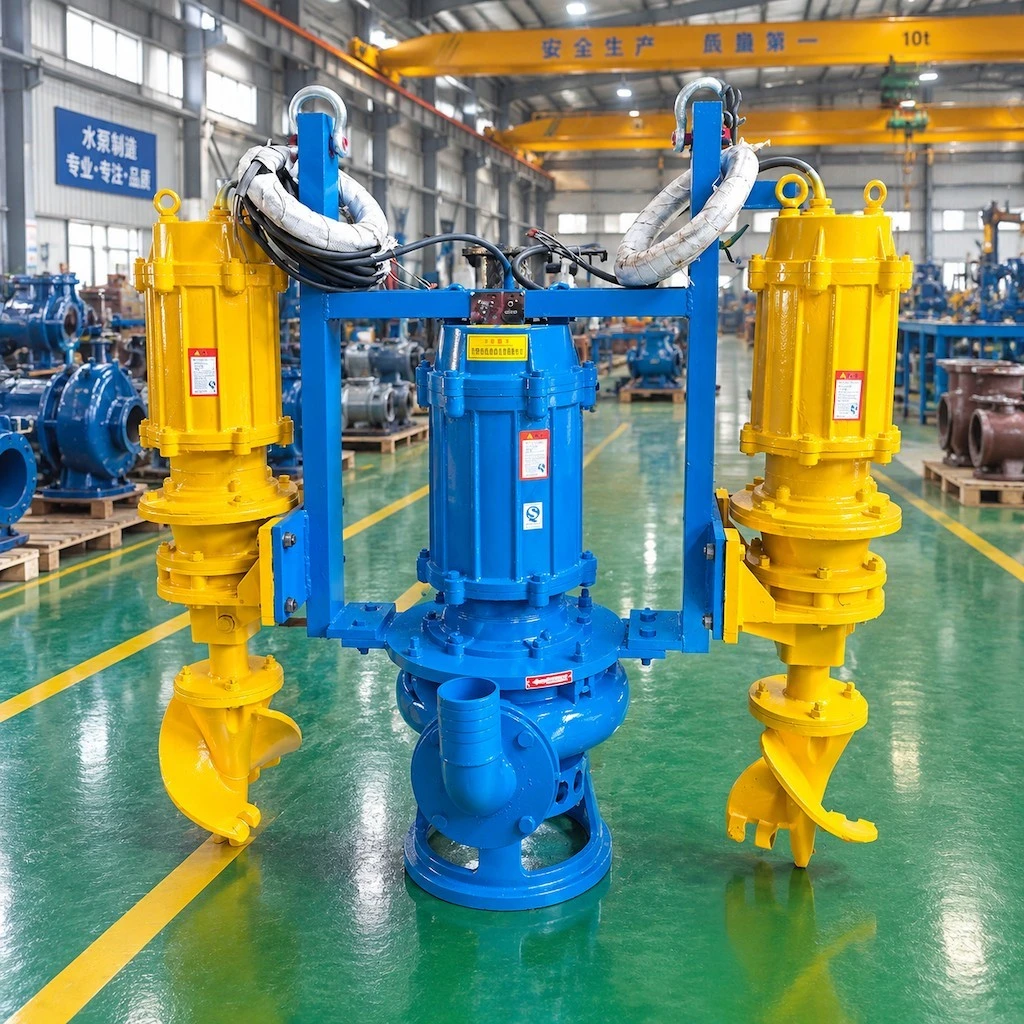
Wet-End Scope and Component Identification
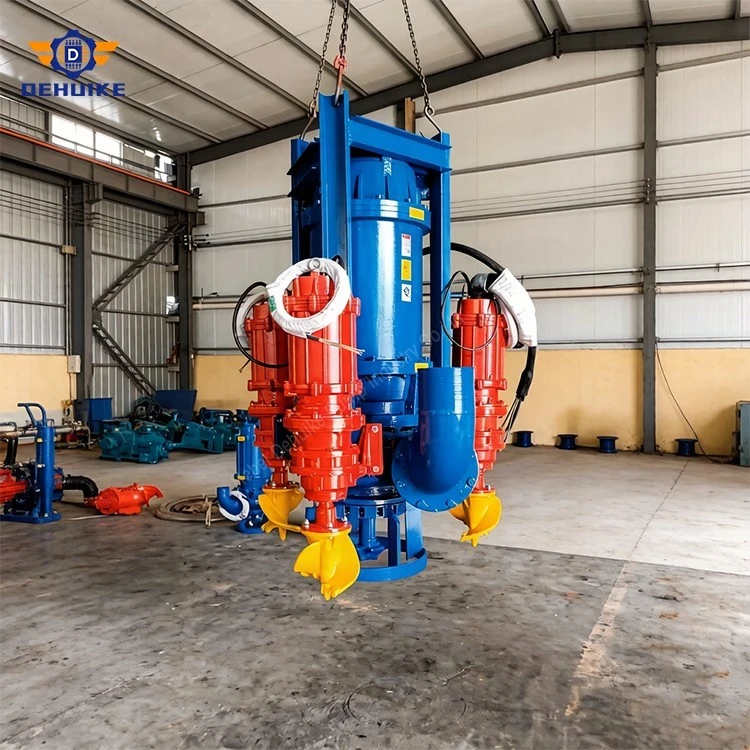
The phrase high chrome is most meaningful when the buyer knows which parts are included in the slurry-contact scope. Depending on the confirmed design, the relevant areas may include the inlet section, impeller, casing passage, liner-related surfaces, throat area, wear plate, discharge passage, or other wetted components. The actual list should be stated in the technical confirmation, drawing, or quotation record.
A component record is useful because abrasive service always creates maintenance questions later. When the pump is inspected, the maintenance team should be able to identify the installed model, approved wet-end material, important slurry-contact parts, spare references, and any optional site accessories. Similar-looking components should not be treated as interchangeable without checking the part description and fit requirement.
High-chrome material selection should also recognize its limits. Abrasion resistance is not the same as universal chemical compatibility. A pump handling mineral sand in neutral water has a different material discussion from a pump handling abrasive slurry with acidic process liquid. If chemical exposure is uncertain, it should be recorded as pending and reviewed before final supply. This prevents a material decision from being based only on the word abrasive.
Hydraulic Duty and System Route
The pump cannot be separated from the route that carries the slurry away from it. The duty point is shaped by the planned slurry throughput, system head duty, line opening size, total conveying distance, height difference, valves, bends, reducers, flexible hose, and receiving-side condition. A high-chrome hydraulic end will not compensate for a discharge line that is undersized, blocked, unsupported, or poorly routed.
For early sizing, send the planned capacity and the route from pump outlet to discharge point. Include the internal pipe or hose diameter, total length, elevation difference, number of elbows, valve locations, hose sections, and the condition at the receiving end. Where the route climbs and then drops again, the restart behavior should be considered because solids may settle in low-velocity sections after a stop.
Mixture density can alter both motor loading and line movement. A clean-water observation may look acceptable but still fail to show how the solids-bearing mixture will move. State the regular operating case and the harshest case the site expects to see. The harsher short-term case often decides whether the supplied arrangement will remain dependable on site.
Installation and Handling in Wet Work Areas
Installation quality starts before the motor is energized. Lower the unit through the designated lifting structure, placed on a stable landing area, and kept clear of compacted solids that cannot enter the inlet freely. Do not retrieve, suspend, or reposition it with the power cable or hose. Route the cable away from sharp steel edges, vehicle movement, abrasion, hot surfaces, and the intake zone.
The outlet-side line needs support at the beginning of the route. A long unsupported rigid pipe can transfer side load to the outlet. A flexible hose can kink, collapse, or swing if it is not restrained. These site details can affect output, vibration, and component stress. A compact submersible arrangement still requires a planned lifting route, outlet support, safe removal method, and adequate clearance around the inlet.
If the equipment is shifted between work areas, movement should follow a fixed handling routine: stop the unit, isolate electrical power, secure the discharge line, lift through the approved point, protect the cable, place the pump at the new location, confirm liquid coverage, and restart under observation. Fast deployment is useful only when it remains safe and repeatable.
Electrical and Control Planning
Electrical preparation must be completed before submerged operation. Confirm voltage, frequency, phase, starting method, grounding, control cabinet location, cable length, and protection requirements before installation. Cable length should suit the depth and any planned movement, but it should not be left in loose loops where it can be damaged or drawn toward the intake.
Depending on the selected control package, protection may cover overload response, phase-loss protection, abnormal current monitoring, insulation-related protection, temperature-related functions, or liquid-level control, depending on the confirmed design. These features should be stated accurately in the quotation. They should not be implied as standard if the selected supply does not include them.
At start-up, operators should note amperage trend, vibration, noise, discharge stream, hose movement, cable position, and liquid level. That start-up record is commercially useful. When later performance shifts, the team can compare the new condition against the initial record instead of relying on memory.
Maintenance Strategy for High-Chrome Slurry Duty
High-chrome wet-end selection does not remove the need for inspection. Its value is to support a more controlled abrasive-duty service plan by matching the slurry-contact surfaces to the known service conditions. Service timing should follow measured condition, operating hours, slurry changes, and the cost of downtime.
A site inspection list can cover the inlet area, impeller condition, casing passage, outlet connection, seal-related areas, cable entry, lifting parts, and support structure. The exact checklist should follow the delivered configuration. The site record should include running hours, material condition, visible wear, discharge behavior, current trend, vibration, and any change in the pipeline or source material.
Spare planning should be made from the installed arrangement, not from a full family catalogue. Useful standby items may include selected slurry-contact components, seal-related items, joint seals, cable-entry parts, and site-only accessories that are difficult to obtain quickly. The goal is to shorten recovery time for the real duty, rather than hold an unfocused inventory.
Application Areas
Mineral processing and tailings transfer
High-chrome submersible slurry pumps can be reviewed for tailings ponds, plant sumps, ore-washing areas, and mineral-residue basins where abrasive fines collect below the normal working level.
Sand and aggregate handling
The pump can support sand recovery, wash-plant residue transfer, quarry drainage, and grit-bearing process water when the particle condition, discharge route, and operating hours are clearly defined.
Dredging and sediment removal
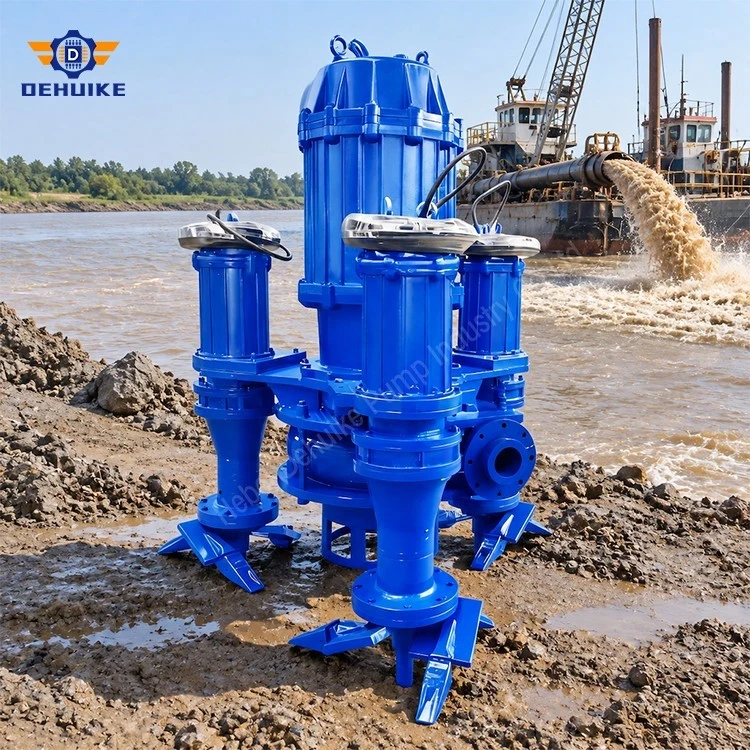
For ponds, rivers, industrial lagoons, and temporary excavation areas, the pump may be used after sediment has been loosened or mixed with enough liquid to enter the selected passage.
Industrial abrasive residue transfer
Factories, maintenance pits, and treatment basins may contain abrasive sediment mixed with process water. Chemical exposure, temperature, and cleaning schedule should be reviewed together with abrasion.
Construction and excavation drainage
Construction pits can receive water carrying soil, sand, stone fragments, and silt. The submersible arrangement can be useful where the collection point is low and the pump must be placed directly in the water.
Quality and Project Documentation
Before dispatch, the unit may be reviewed for identification, visible assembly condition, motor information, cable arrangement, lifting structure, discharge connection, accessories, and packing list. If inspection records, test reports, or special documents are required, they should be agreed before production. Unverified certificate claims or unsupported service promises should not be added to the product copy.
Good documentation remains useful after the shipment arrives. The buyer can inspect the received equipment, verify accessories, plan installation, and prepare spare-part communication. If a later service question appears, the team can refer to the delivered configuration instead of depending on an approximate product name.
FAQ
Q: What does high chrome mean in this pump category?
A: It refers to a high-chrome wet-end material direction for selected slurry-contact components in the confirmed configuration. The exact component scope must be stated in the technical confirmation.
Q: Is the whole pump made from high chrome?
A: Not necessarily. High chrome normally concerns wetted parts exposed to abrasive slurry. Motor parts, cable parts, lifting components, external hardware, and accessories may use different materials according to their function.
Q: Can this pump handle tailings?
A: It can be evaluated for tailings when the particle condition, solids percentage, liquid chemistry, planned slurry throughput, delivery head, pipeline route, and operating pattern are defined.
Q: Is high chrome suitable for chemical slurry?
A: Chemical compatibility must be reviewed separately. Abrasion and corrosion are different issues, and process water chemistry should be confirmed before final material selection.
Q: What information is needed for model selection?
A: Send the application, slurry source, solids form, particle range, estimated solids percentage, capacity target, head duty, line arrangement, immersion level, available site power, work cycle, and destination.
Q: What should be checked during first operation?
A: Check liquid coverage, intake clearance, outlet support, cable condition, valve position, receiving capacity, current trend, noise, vibration, and discharge behavior.
Q: Why can a high-chrome pump still wear?
A: Wear depends on particle hardness, impact, concentration, velocity, liquid condition, operating hours, and system routing. High chrome helps manage a reviewed abrasive duty; it does not remove maintenance.
Q: How should spare parts be planned?
A: Choose standby parts according to the delivered configuration, observed wear zones, downtime risk, and procurement lead time. A focused site list is more useful than a generic catalogue list.

Hot Tags: high chrome submersible slurry pump, China high chrome submersible slurry pump manufacturers, suppliers, factory