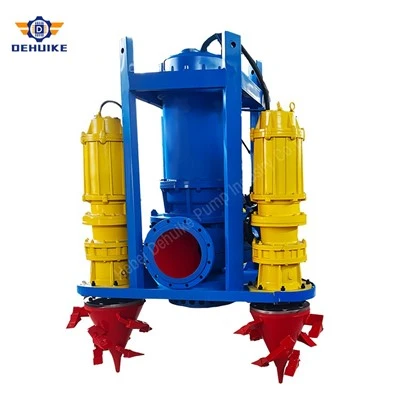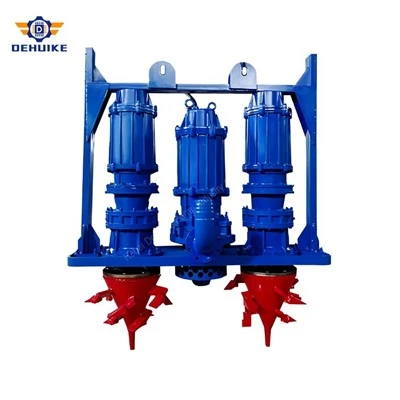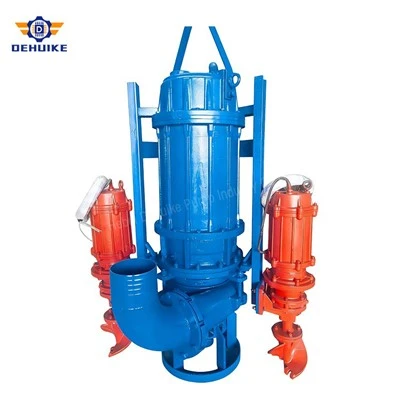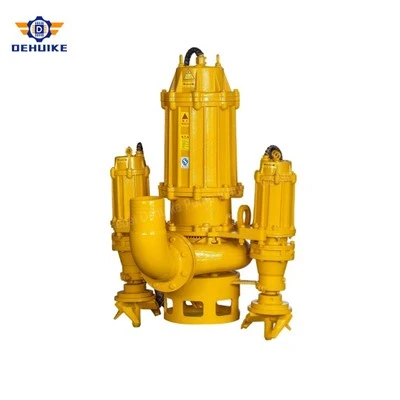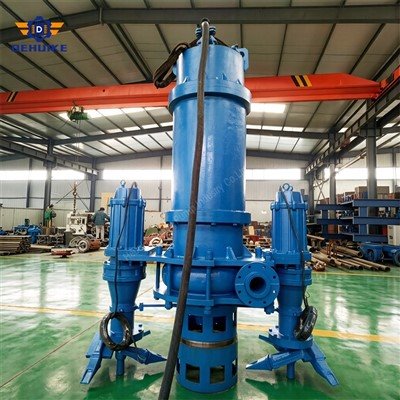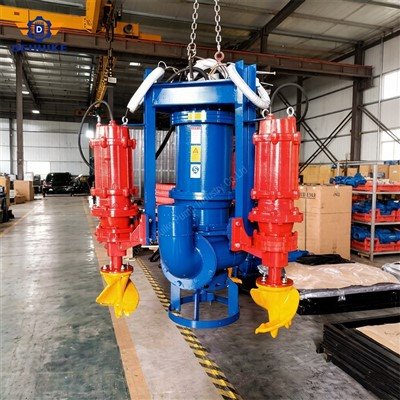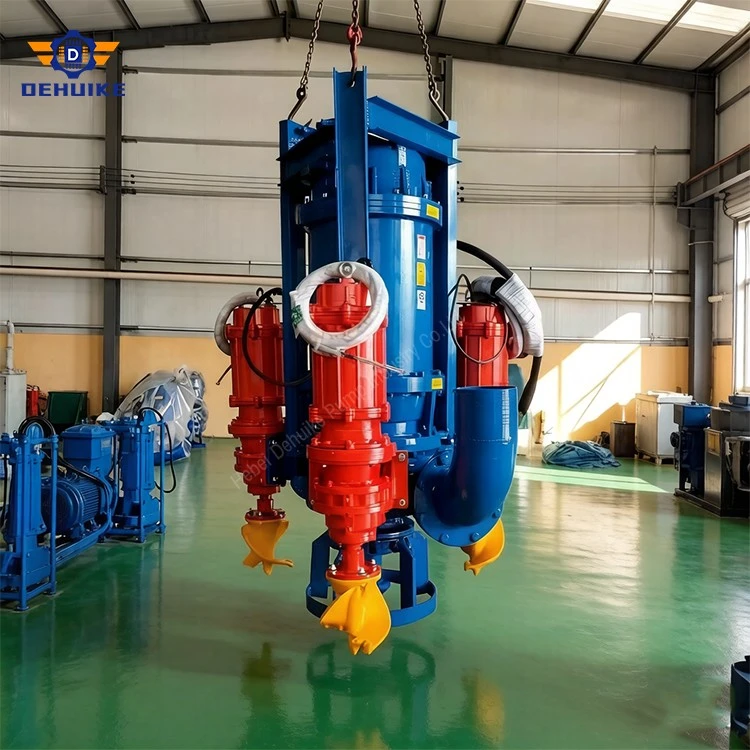
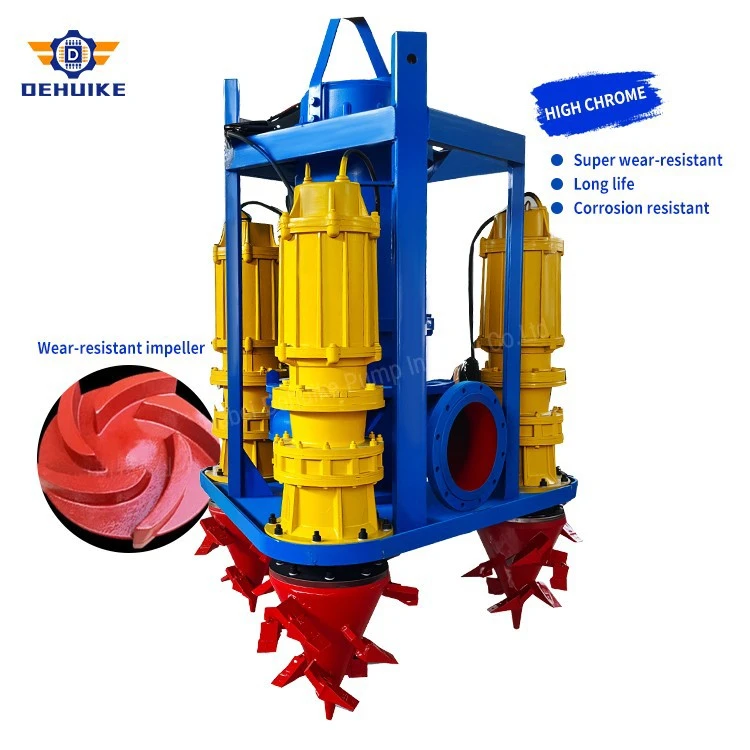
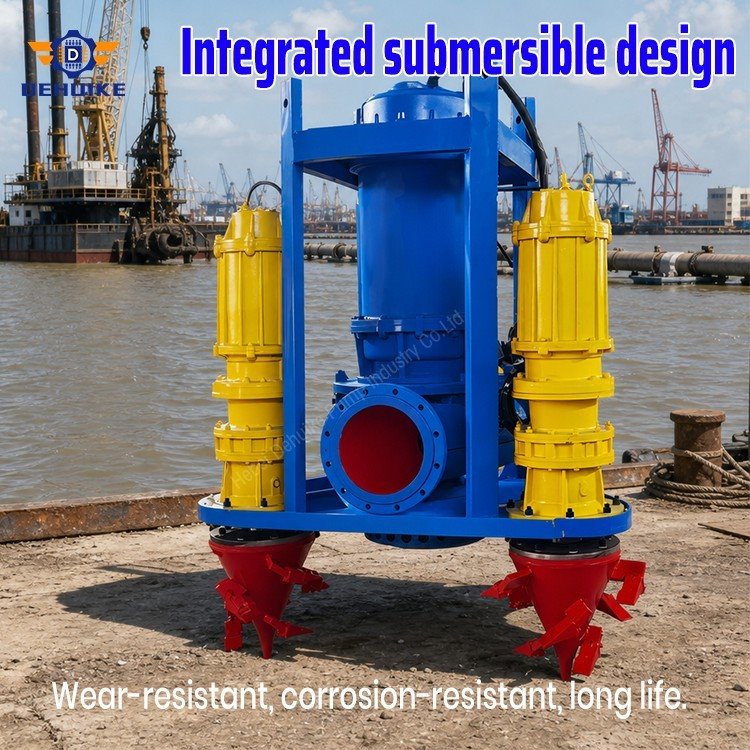
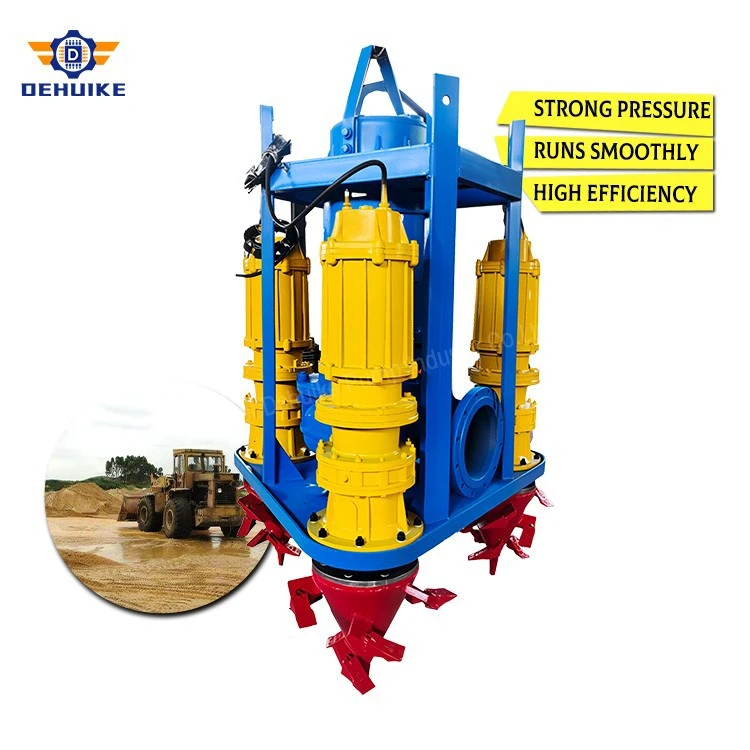
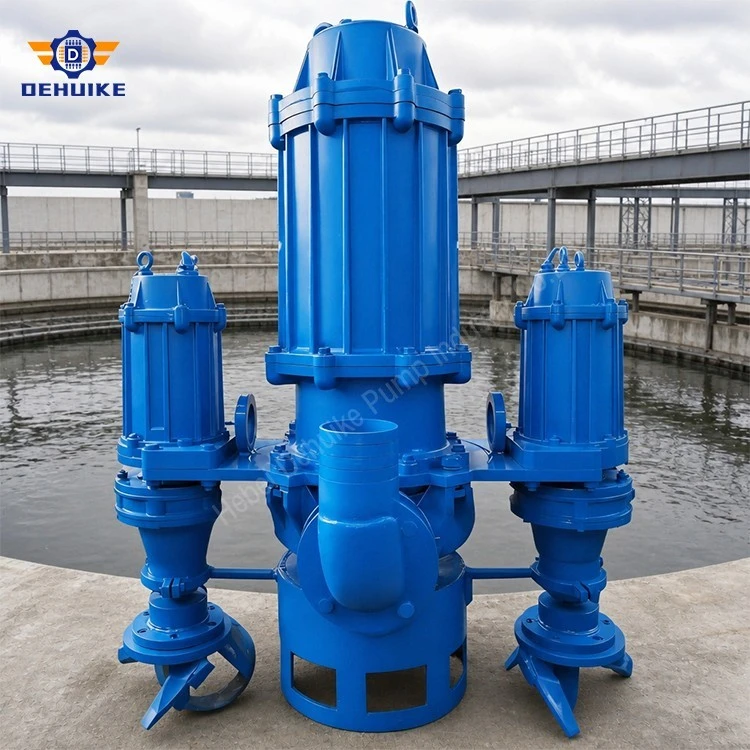
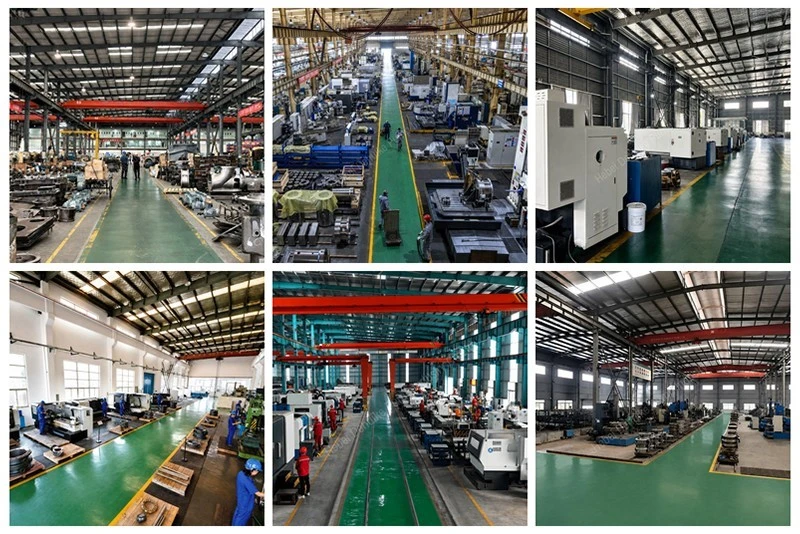
Hebei Dehuike Pump Industry Co., Ltd. is one of the most reliable manufacturers and suppliers of wear resistant submersible slurry pump in China. With abundant experience, we are committed to providing high quality customized pumps with competitive price. Welcome to wholesale bulk wear resistant submersible slurry pump for sale here from our factory. Also, pricelist is available.
Define Wear Resistance by the Actual Slurry
A Wear Resistant Submersible Slurry Pump is intended for wet applications in which suspended or settled solids repeatedly contact the pump passage. It is a practical option for abrasive slurry transfer, sand recovery, mineral fines handling, settling-pond cleanup, process residue removal and solids-bearing drainage. The word wear resistant should be understood correctly: it describes a configuration approach that considers wetted-part material, hydraulic passage, particle condition, operating pattern and inspection access. It is not a promise that the unit will remain unchanged in every abrasive environment.
The first selection question is not simply "How hard is the material?" A useful review asks what enters the pump, how it moves, how often it strikes the wetted surfaces, whether it settles during stops and what the receiving system does to the velocity after discharge. Fine rounded particles, sharp crushed aggregate, dense mineral slurry and process water with chemical additives may all need different discussions. The pump should be matched to a documented medium rather than a broad assumption.
For engineering buyers, the direct answer is clear. A Wear Resistant Submersible Slurry Pump can be considered when there is enough liquid to carry the solids through the confirmed passage and when the actual duty point has been reviewed. The required flow, total head, particle range, concentration, immersion level, pipe route, power supply and expected operating hours are part of that review. Final figures must come from the selected configuration, not from unverified family limits.
Read the Wear Mechanism Before Choosing Components
Wear is not one single event. Sliding abrasion occurs when fine particles travel along a surface. Impact wear occurs when larger or angular particles strike a change in direction. Erosion can appear where slurry velocity changes through the inlet, impeller eye, vane channel, casing turn or discharge connection. A component may look intact at one point while a nearby passage has changed shape enough to affect flow. The maintenance question is therefore not only whether a part is damaged, but where the slurry path has begun to change.
The source of solids should be described with the same care as the pump itself. Material from crushed stone, river sand, mineral processing, excavation spoil and industrial residue can differ in particle geometry and concentration. A mixture may contain a stable fine fraction plus occasional hard fragments. It may arrive as a continuous suspension, or it may settle and be disturbed in batches. These operating details help identify the most likely wear locations and support a more relevant component discussion.
Water chemistry and temperature may change the picture. A slurry with an abrasive solid phase can also have acidic, alkaline or additive-containing liquid. The selection review should distinguish abrasion from corrosion and should state when chemical information is unavailable. It is not responsible to present a single material as the answer to every combination of impact, abrasion, temperature and chemical exposure.
Map the Replaceable Wear Zones
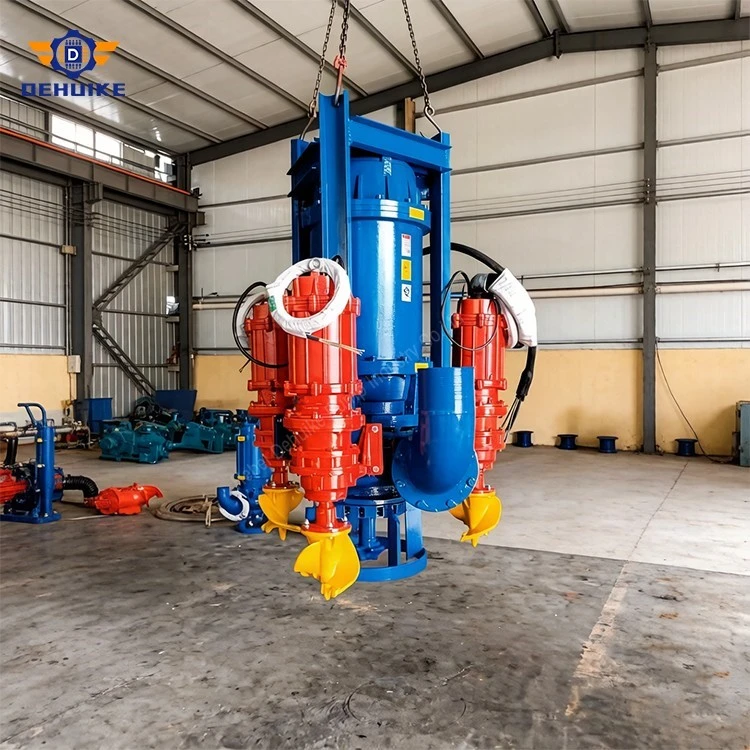
A wear-focused configuration should make it practical to inspect and manage the surfaces exposed to slurry. Depending on the confirmed design, attention may be directed to the inlet area, impeller, casing passage, throat section, liner, clearance ring, discharge connection and sealing interface. These elements do not necessarily wear at the same speed, and not every configuration includes every replaceable item. The quotation and technical file should identify the actual arrangement instead of listing every possible part.
Replaceable zones provide an operational advantage only when the site can inspect them safely and procure the correct parts. Before a project begins, consider lifting access, shutdown method, working space, cleaning route and how a removed component will be identified. A site that cannot safely remove the pump or reach the relevant assembly may not benefit from a theoretical wear-part plan. Maintenance access is part of product suitability.
A good component record includes the unit identification, part description, installation condition, operating hours, observed surface change and reason for replacement. It should also note any change in feed, dilution or pipe route that occurred before the inspection. This record avoids replacing a part without understanding whether the wear came from normal duty, a changed material source or a system problem that will affect the new part in the same way.
Choose Material by Evidence, Not by a Slogan
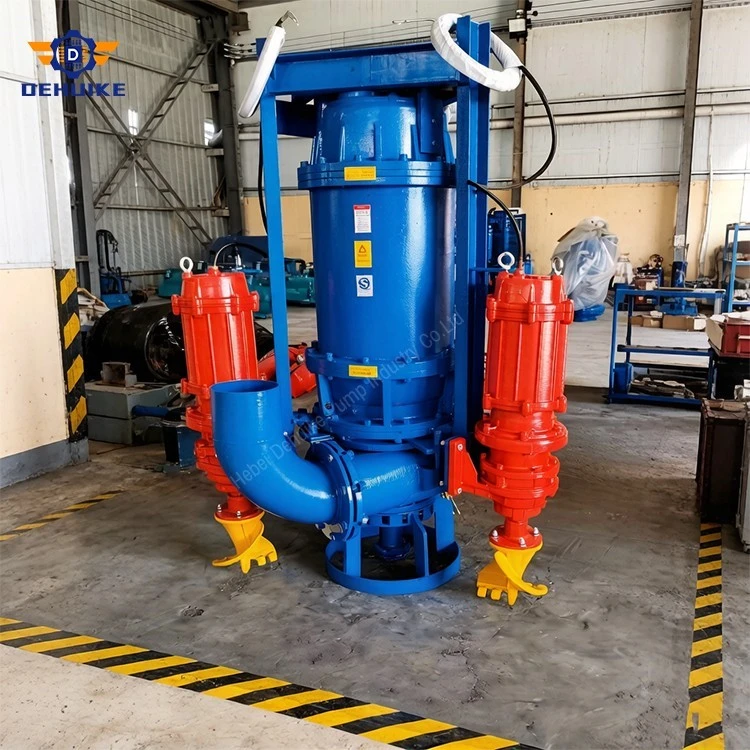
Material choice should be based on evidence from the medium and duty. Useful input includes particle hardness, shape, concentration, impact level, temperature, chemical contact, speed of settling and expected running hours. A high-hardness material may be relevant for one abrasive condition, while another duty may need a different balance between impact tolerance, corrosion behavior and service access. The purpose of the review is to document the best available match, not to use a single marketing phrase for every application.
The selection should also recognize uncertainty. If the buyer does not know whether the process water contains a reagent, or cannot estimate the solids concentration, that item should be marked pending. A sample, laboratory result, process note or previous wear record can improve the discussion. However, none of these inputs should be invented after the fact. A technically useful page says what information is needed and what decision it will influence.
Material confirmation belongs with the selected configuration. The final drawing or technical sheet should connect the actual wetted-part option to the agreed pump duty. When a later replacement is required, the maintenance team should verify that the replacement part matches the installed arrangement. Similar-looking components can have different material, clearance or fit requirements. The part description is more reliable than visual memory.
Protect Clearance and Hydraulic Efficiency
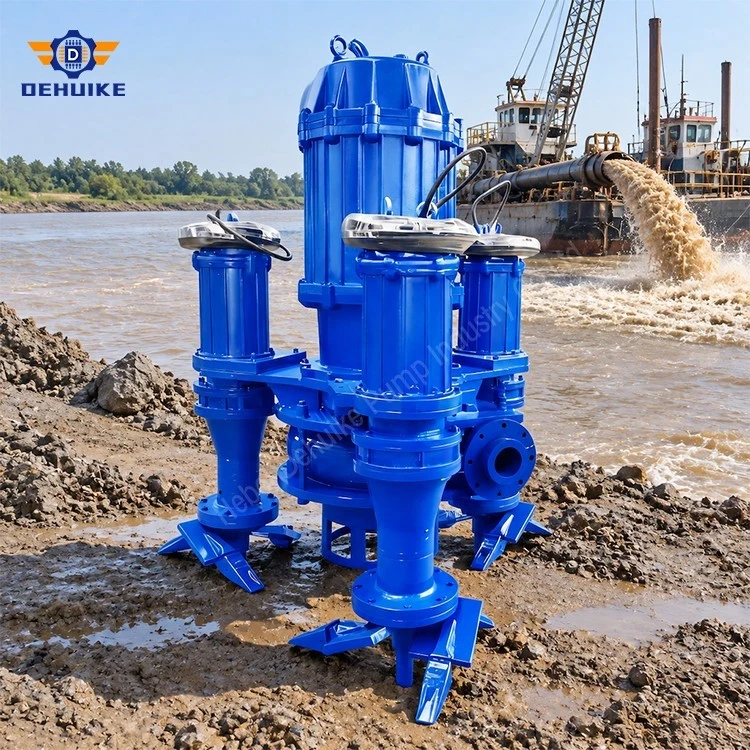
The first sign of reduced efficiency is not always a dramatic failure. It may appear as a gradual fall in discharge, a longer time to clear a pit, a current trend that changes with the same material, or greater sensitivity to a pipe bend that was previously acceptable. These signs should be compared with recorded duty conditions. A change in feed concentration or pipeline route can produce similar symptoms, so the inspection should cover the entire system before attributing every change to the pump.
The practical goal is to plan intervention before output becomes unacceptable. Use the process requirement, inspection record and safe shutdown opportunity to decide when a clearance-related review is needed. Do not run a unit until it fails simply because a visible wear mark has not yet become a break. A controlled inspection schedule is often less disruptive than an unplanned stop during a production or dewatering task.
Calculate Downtime Exposure Before It Happens
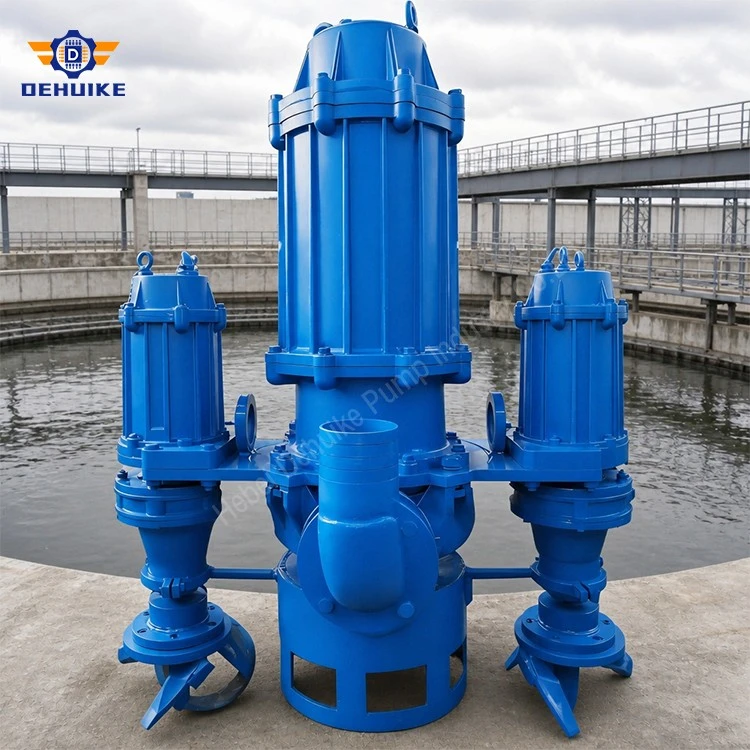
A planned service window should be connected to the operating record. If wear inspections show a predictable change over a certain number of hours under a known slurry, the maintenance team can schedule a review around a process outage. If the feed changes, the old interval may no longer be appropriate. This is why the record should note the material source, concentration and operating pattern, not just calendar dates.
Critical spare planning should focus on the parts that control recovery time. Depending on the confirmed arrangement, this may include selected wet-end components, sealing elements, connection gaskets, cable-related items or site-specific supports. The list should be based on the installed configuration and observed wear, not copied from a complete family catalogue. The best spare strategy is specific enough to be useful and narrow enough to be maintained.

Measure Condition at Planned Checkpoints
Condition measurement should begin when the unit is new to the site. Record the installed configuration, date, duty description and visible condition of accessible wear zones. During each planned checkpoint, record operating hours, slurry description, liquid level, discharge behavior, current trend, vibration observation and visible changes. Photographs taken from the same inspection angle can be useful when the site procedure allows them. A consistent record makes gradual change easier to see.
Inspection does not mean disassembling the whole pump at every interval. It means using the safe access available to inspect the conditions that influence the decision. A change in sound, vibration, current, discharge or support position can signal the need for a deeper review. If the unit must be lifted, isolate electrical power, secure the discharge connection and use the approved lifting point. Never pull the pump by the cable or hose to gain access.
The inspection result should lead to a clear action: continue under observation, clean the inlet, correct a pipeline issue, schedule a wear-part replacement, inspect electrical protection or request a wider process review. Avoid ambiguous notes such as "check later" without identifying the condition that triggered the note. A small action list with ownership and timing is more useful than a long maintenance narrative with no decision point.
Match the Pump to the Whole Slurry System
For a technical inquiry, provide the material source, particle description, concentration, required capacity, total head, line sketch, normal and minimum liquid level, expected run hours, power supply and maintenance access. This information allows the review to connect pump selection with system behavior. If a value is unknown, mark it pending. A photograph of the inlet area and discharge route often explains more than an unmeasured distance described as "far."
The final configuration should identify what is confirmed, what is optional and what remains pending. It should not mix a family range with a model-specific duty point. It should not claim that wear-resistant materials eliminate maintenance or that a submerged layout removes all installation risk. Clear boundaries build more trust than exaggerated promises, especially for buyers who must operate the equipment in abrasive, high-consequence environments.
FAQ
Q: What does wear resistant mean for a submersible slurry pump?
A: It means the pump is considered with a wear-management approach that matches wetted components, passage design, slurry condition and inspection planning to the selected duty. It does not mean zero wear in every abrasive application.
Q: Which slurry information is needed before material selection?
A: Provide particle hardness, shape, size range, concentration, settling behavior, temperature, chemical exposure and expected operating hours.
Q: Why should clearance be inspected?
A: Wear can change the relationship between rotating and stationary wetted surfaces, affecting output, internal recirculation and current behavior.
Q: What should be reviewed before replacing a worn part?
A: Review the slurry source, feed concentration, inlet condition, pipe route, support position and inspection record so the cause of wear is understood.
Q: How can downtime be reduced?
A: Plan safe access, isolation, lifting, critical spares and service windows around the documented duty and wear observations.
Q: What information is required for a quotation?
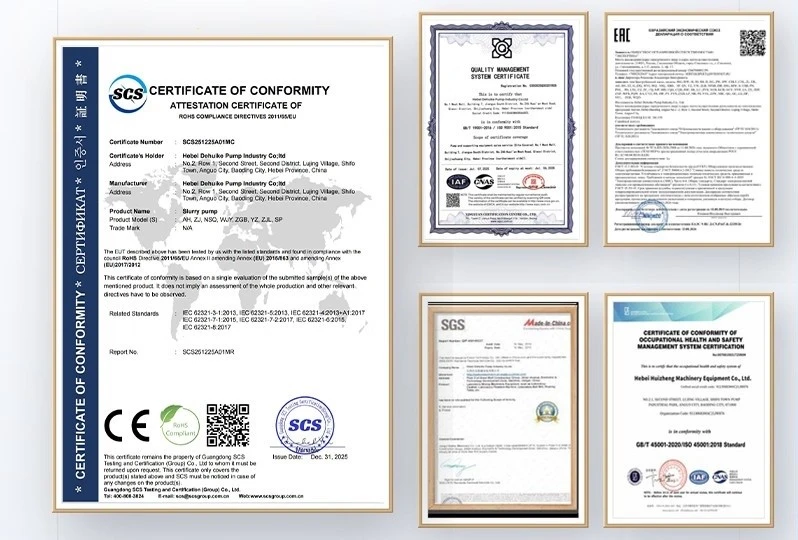
A: Send application, slurry description, capacity, total head, line route, liquid levels, particle condition, power supply, operating hours, quantity, destination and required documents.

Hot Tags: wear resistant submersible slurry pump, China wear resistant submersible slurry pump manufacturers, suppliers, factory