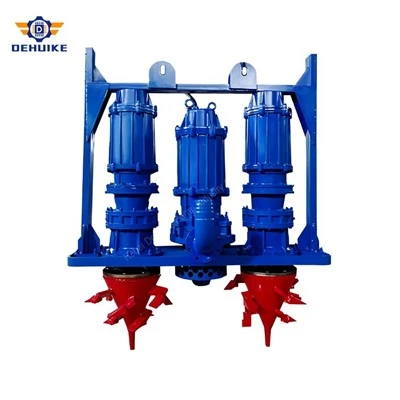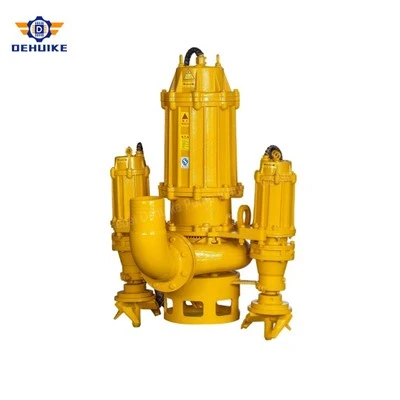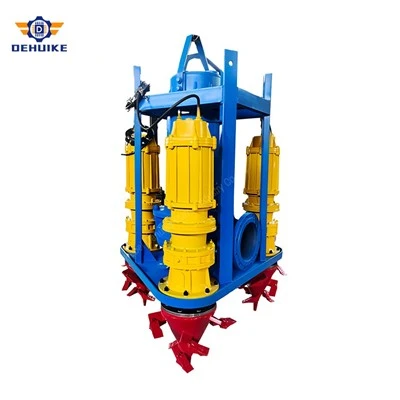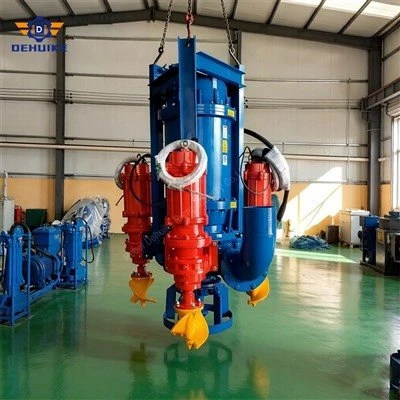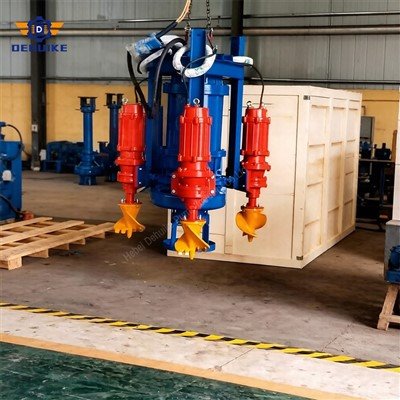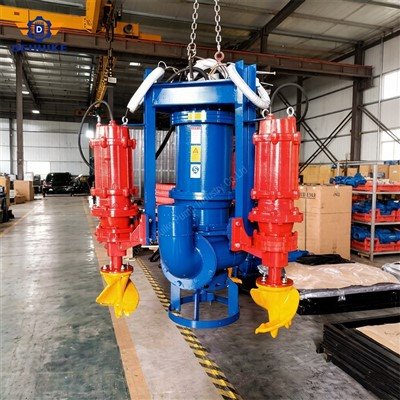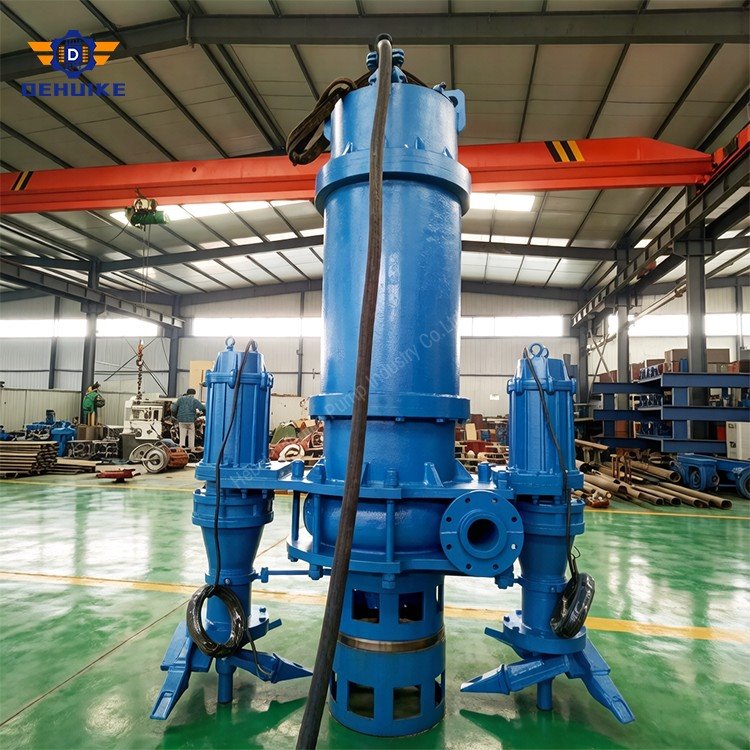
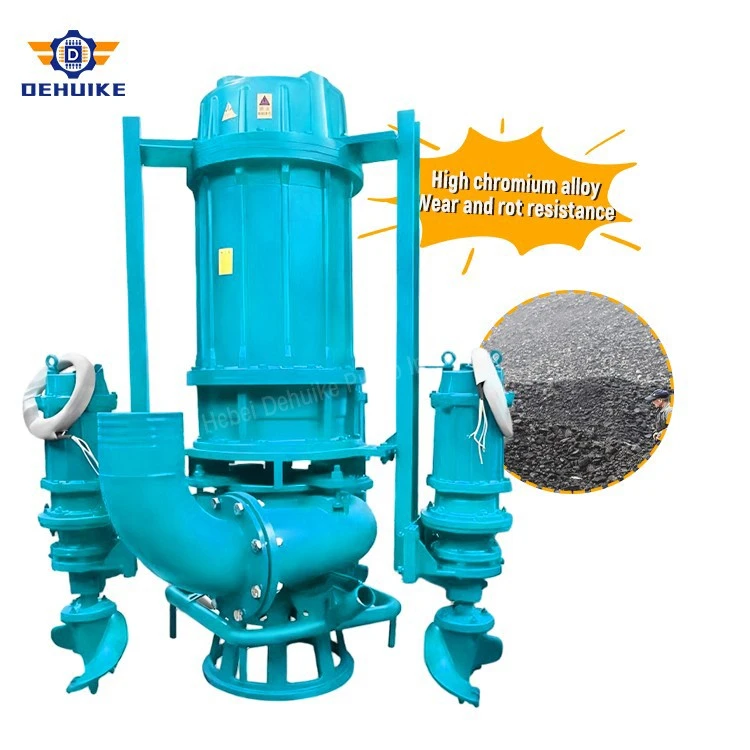
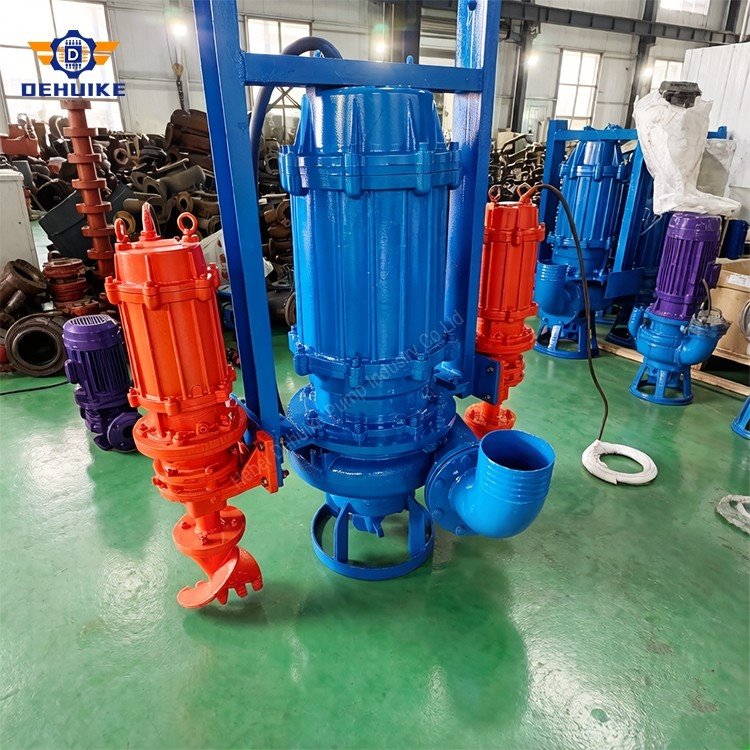
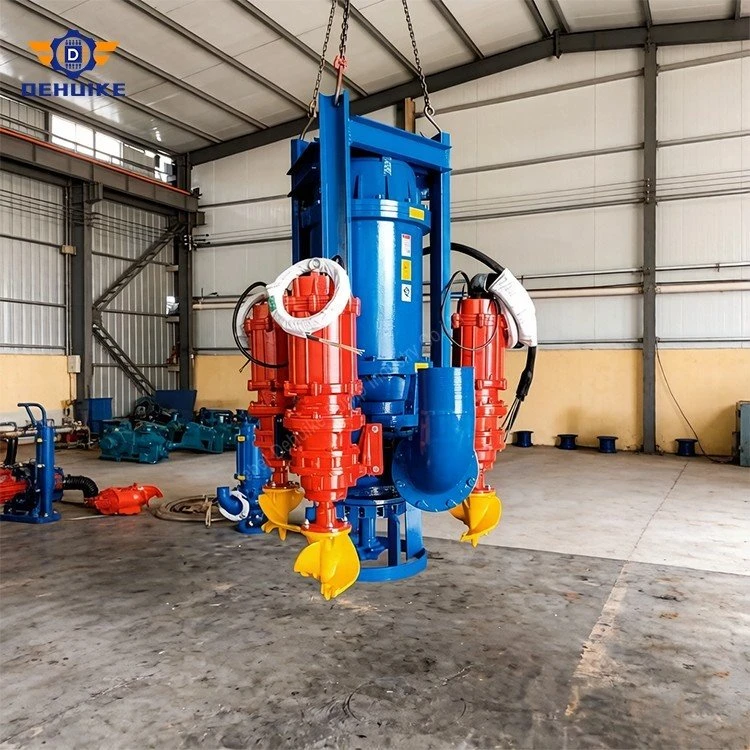
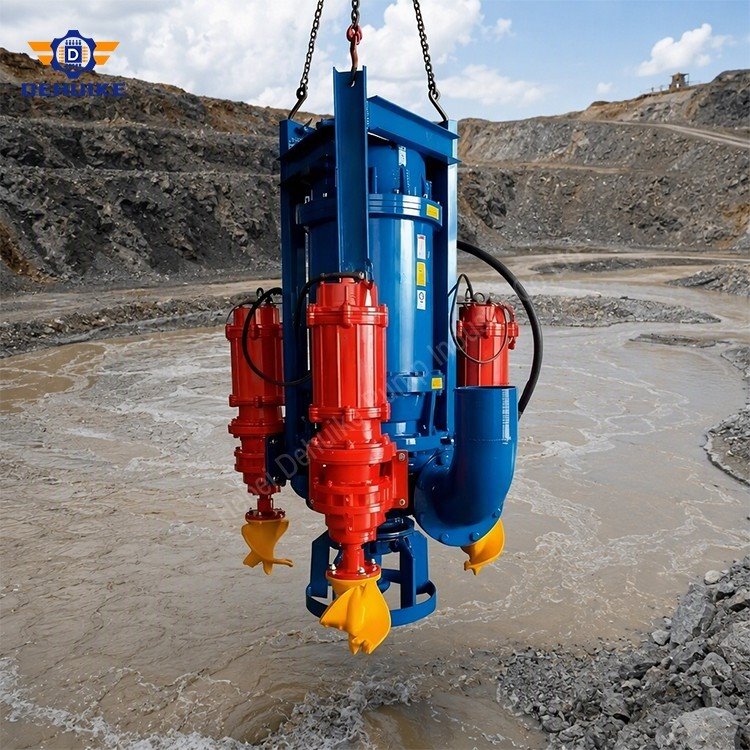
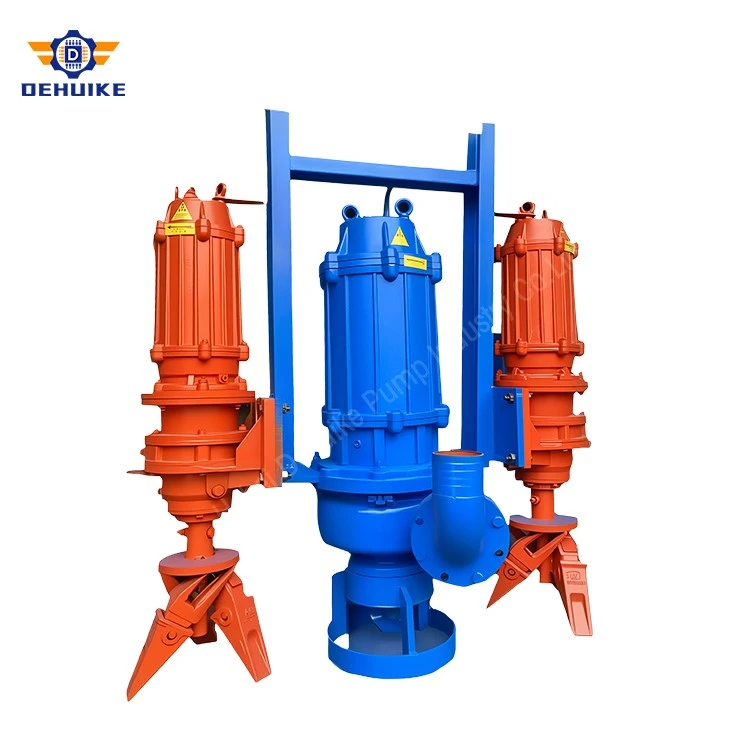
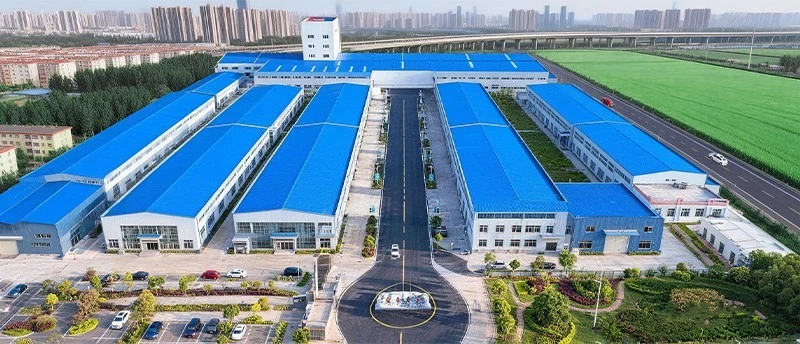
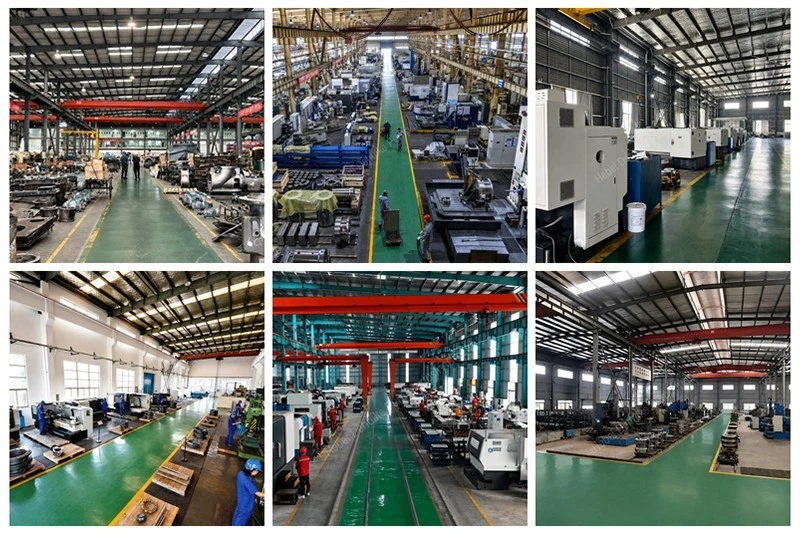
Hebei Dehuike Pump Industry Co., Ltd. is one of the most reliable manufacturers and suppliers of heavy duty submersible slurry pump in China. With abundant experience, we are committed to providing high quality customized pumps with competitive price. Welcome to wholesale bulk heavy duty submersible slurry pump for sale here from our factory. Also, pricelist is available.
Heavy Duty Submersible Slurry Pump
Move abrasive slurry from the collection point to the next stage of your process. A Heavy Duty Submersible Slurry Pump works below the liquid surface, close to the solids that need to be transferred. It is a candidate for duties where sand, mineral particles or settled sludge make ordinary drainage equipment an unsuitable starting point.
For a plant owner or project contractor, the purchase is part of a working system. The pump has to pass the expected solids, deliver against the installed pipeline and remain accessible when wear parts need attention. A lower equipment price has limited value if the installation cannot be serviced within the available shutdown window.
What Large Project Buyers Should Compare
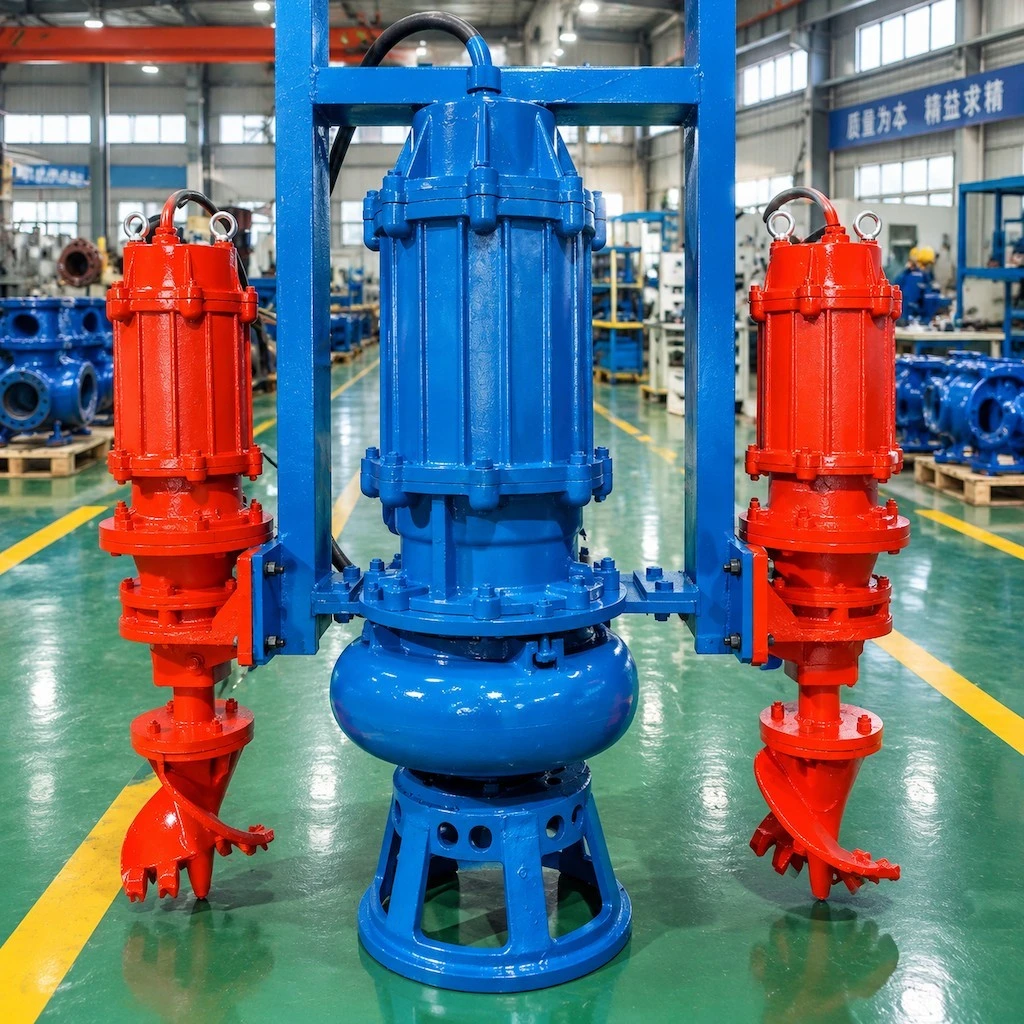
Compare all offers against one technical schedule. State the duty point, slurry conditions and operating hours, then compare equipment and supply scope.
Hydraulic scope: identify the proposed operating duty, solids passage and wet-end arrangement. Check whether the offered materials apply to the impeller, casing, liner or another component. If alternatives are included, ask what operating condition each option addresses. An option should solve a stated requirement, rather than simply make the equipment list longer.
Electrical scope: match the motor to the available voltage, frequency and phase. Define the starter or control arrangement and identify the protection functions included in the price. Overload, phase loss, abnormal current, insulation monitoring and liquid-level protection are items to clarify according to the agreed design; their presence should not be inferred from the pump category.
Installation scope: establish who supplies the support, guide or frame arrangement, outlet connection, hose restraint and lifting provisions. Cable length must suit the intended immersion and movement. Cable routing should avoid tight bends at the entry and exposed loops near vehicles or equipment. These interfaces are easier to resolve before delivery than during site assembly.
Commercial scope: state quantity, destination and required documents in the enquiry. Separate the base equipment from optional controls, installation accessories and spares so price differences can be traced. A comparison is more reliable when the buyer can tell whether a higher figure reflects a different configuration or a wider package.
For multiple locations, decide where standardization is practical. Shared parts can simplify purchasing, but identical-looking sumps may receive different feeds or discharge along different routes. Group positions by their actual duty before choosing a common configuration. Keep exceptions visible so a standard order does not conceal a location that needs separate attention.
Consider the Cost of Taking the Pump Out
Wear is expected in abrasive slurry service. The maintenance question is where it develops, how it is measured and how much work is required when a part reaches its service limit. An impeller, inlet region and casing passage do not necessarily change at the same rate. A service plan built around the observed wear path is more informative than a general claim of durability.
Consider a planned wet-end inspection from the maintenance team's point of view. The pump must be stopped and isolated, the connected line secured, lifting access cleared and the unit recovered. Parts then need to be inspected or replaced before the installation can return to work. Equipment price alone does not describe the resources or elapsed time involved in that sequence.
Safe removal starts with the installation design. The unit needs a stable landing position and sufficient clearance around the inlet. It should not tilt into sediment or rest against a wall. Where a screen or debris barrier is proposed, consider opening size and cleaning access. A barrier that quickly collects material can restrict the feed and add another maintenance task.
Use the approved lifting structure to handle the pump. The electrical cable is not a lifting point, and the discharge hose should not be used to pull the unit free from compacted solids. Plan the recovery path so the pump can pass nearby pipework and equipment without being dragged against them. Repeated relocations deserve the same attention as the first installation.
Spare parts planning should follow the consequence of a missing item. A routinely replaced wear component, sealing element or connection gasket may justify stock if its absence would extend a shutdown. Other parts may be ordered when inspection indicates a need. Agree the list from the selected configuration and likely recovery constraints instead of stocking every available component.
What a service stop involves
The cost of a wear part is only one part of a service stop. The line must be secured, the electrical supply isolated and the pump lifted out. Inspection and replacement follow, then the unit goes back into position. A confined landing area or awkward recovery route can make a straightforward part replacement a much larger job.
Plan that route with maintenance staff while the installation is still being arranged. Check that the approved lifting structure is accessible and that the unit can pass the surrounding pipework. The power cable must never be used to lift or suspend it. The discharge hose is not a means of pulling it free from compacted material either.
A stable base and open inlet area help the pump remain in its intended position. If a debris barrier is proposed, its aperture, distance from the inlet and cleaning access need attention. A barrier can collect material of its own. The site should be able to inspect and clear it without treating every restriction as a fault inside the pump.
Once the unit is in service, follow the wear through the wet end. Entry conditions affect the inlet region; moving solids contact the impeller and continue through the casing passage. The first visible change may occur in one part well before another. Record where it appears and compare that area at the next planned inspection.
Hours alone can be misleading. A period handling diluted fines is different from the same period handling a concentrated feed of sharp particles. Link inspection results to the material and duty at the time. If a service interval shortens after a process change, that connection gives the maintenance team a sensible place to begin its review.
Choose spares around recovery needs. A component with regular wear exposure may justify site stock, as may a small sealing element or gasket whose absence would hold up reassembly. Other parts may be ordered after inspection. Use the confirmed configuration and available service history to decide which items belong on the critical list.
From commissioning to the next order
During the first controlled run, observe the discharge, current, sound and vibration. Check the liquid level, cable condition and outlet connection as well. Note the material and line arrangement used for that run. These observations provide a starting point for the operators who will later decide whether something has changed.
If discharge falls, inspect the transfer path in order after safe isolation. Material may have accumulated at the inlet, the unit may have shifted or the hose may have kinked. Continue through the valves and pipeline to the receiving point. The place where a symptom is noticed is not necessarily the place where it began.
Higher current, unusual vibration or abnormal sound also calls for investigation before repeated restarting. Look at the feed condition, mechanical position, line restrictions and electrical supply under the approved site procedure. Keep a note of any change just before the event, including dilution water, material source or line movement.

FAQ
Q: What distinguishes this category from a drainage pump?
The intended duty includes abrasive, dense or settling solids that require specific attention to passage, wear and operating conditions. The distinction has to be supported by the selected configuration and duty point, not the heavy-duty name alone.
Q: Will a submerged pump remove compacted deposits directly?
Compacted material may not reach the inlet as a pumpable mixture. Depending on the deposit, preparation such as dilution or agitation may be needed. Establish that requirement before treating the pump as a complete deposit-removal solution.
Q: Does a large motor solve a difficult slurry transfer?
Motor rating is one part of the selection. Solids passage, wet-end suitability, inlet condition and pipeline resistance also affect the installation. Compare the proposed equipment against the complete duty rather than power alone.
Q: How can a buyer evaluate a wear-resistant material claim?
Ask which wetted parts use the material and how it relates to the reported solids and liquid. Abrasion, impact, particle geometry, temperature and chemical exposure all contribute to that assessment.
Q: What information makes a quotation more useful?
A clear slurry description, required flow and head, discharge route, electrical supply and operating pattern give the technical basis. Quantity, destination, accessory scope and document requirements give the purchasing basis.

Hot Tags: heavy duty submersible slurry pump, China heavy duty submersible slurry pump manufacturers, suppliers, factory