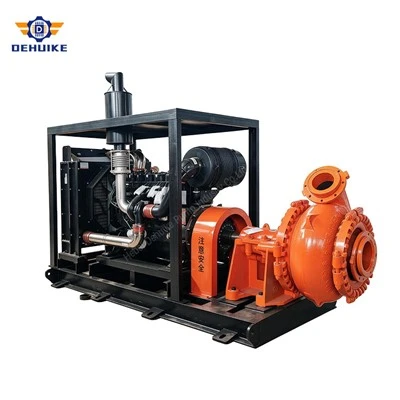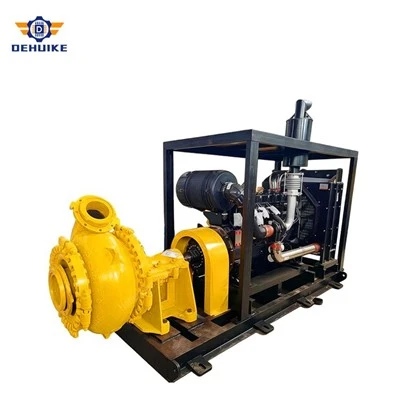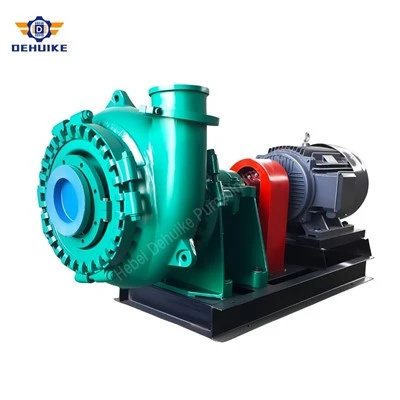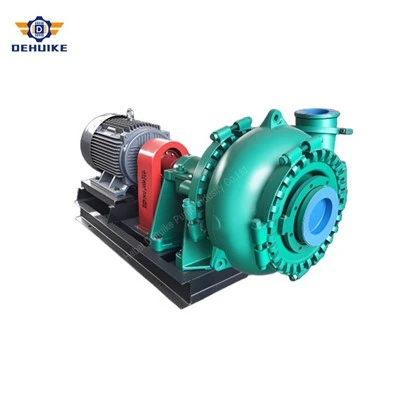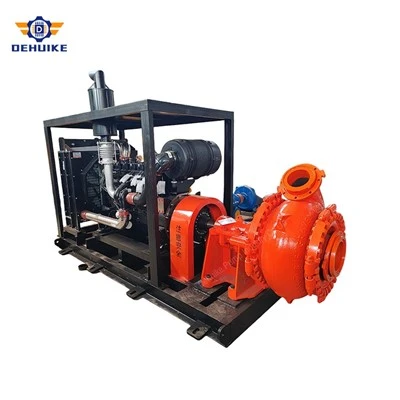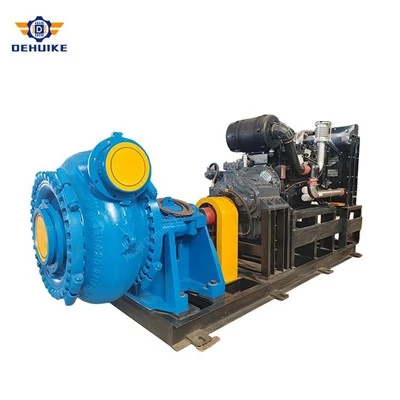

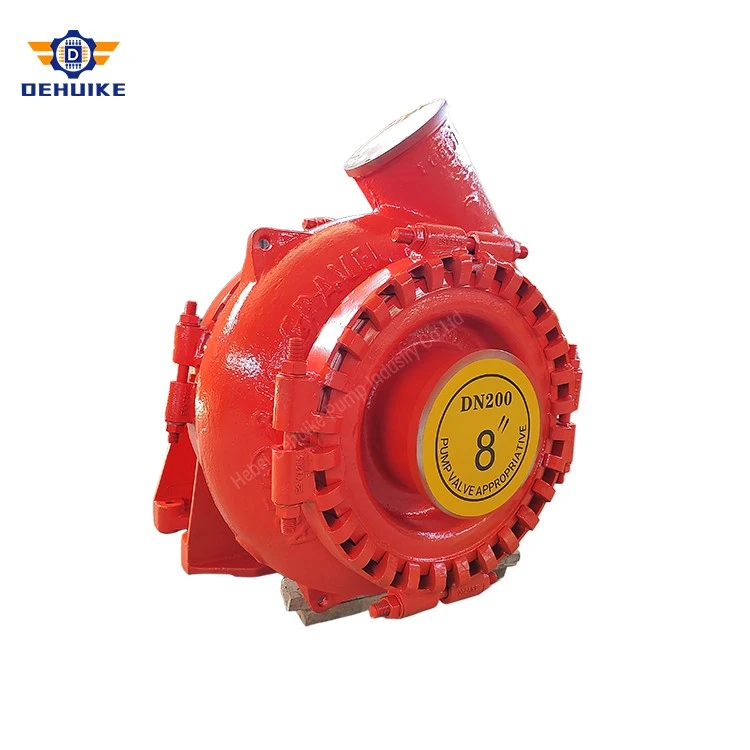
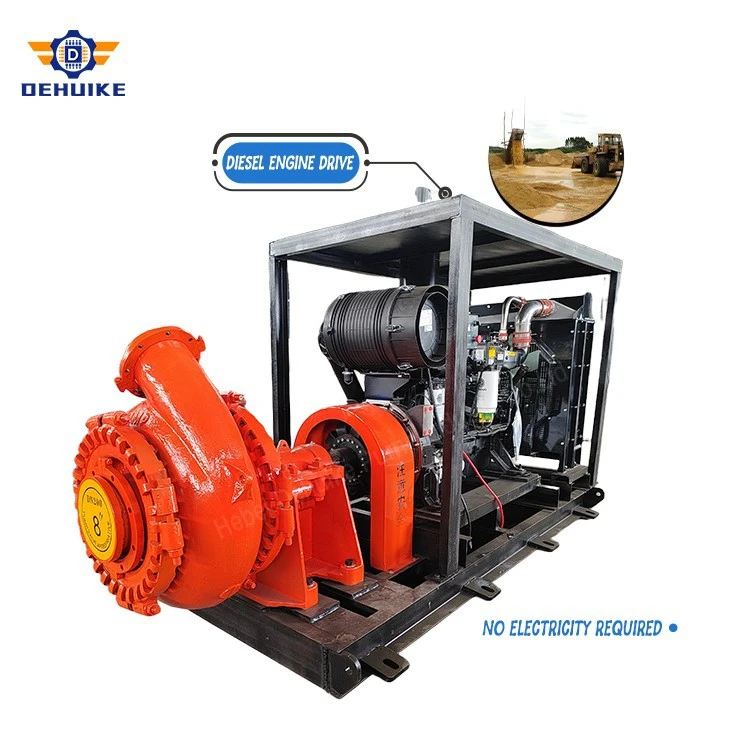
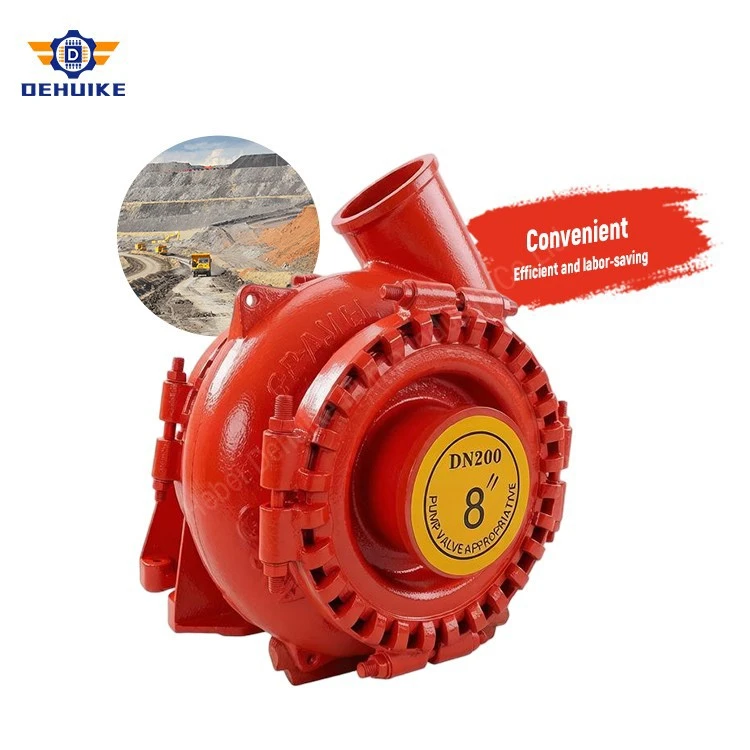
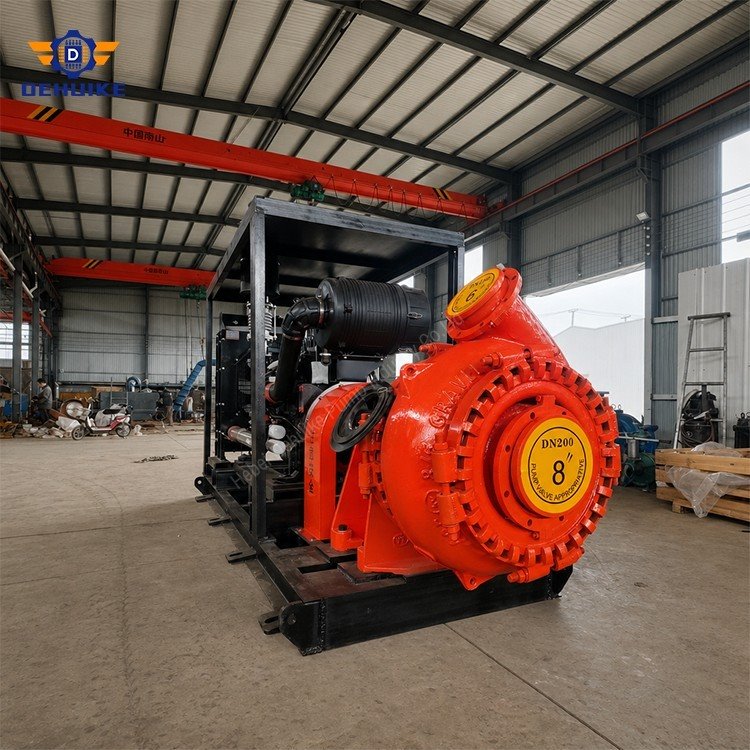
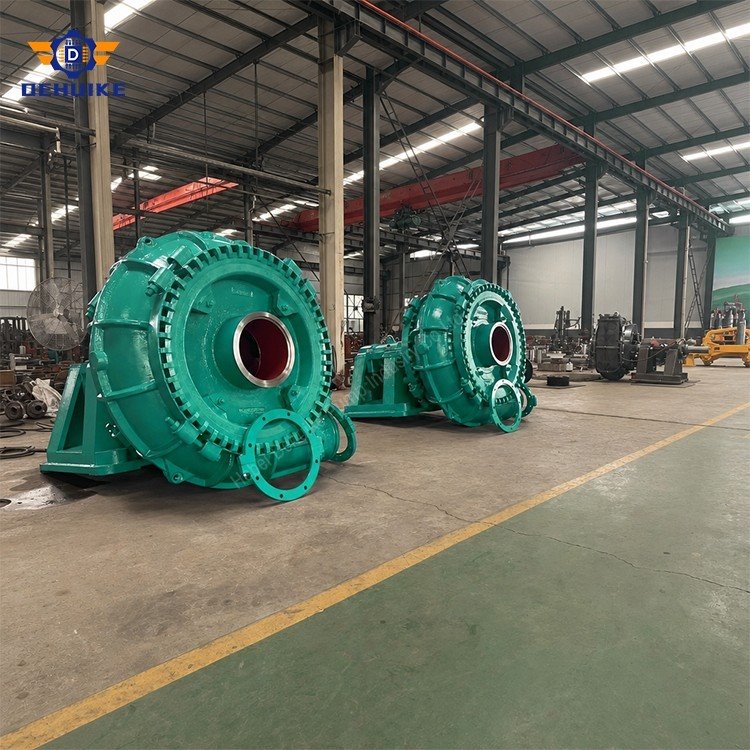
Hebei Dehuike Pump Industry Co., Ltd. is one of the most reliable manufacturers and suppliers of high pressure gravel pump in China. With abundant experience, we are committed to providing high quality customized pumps with competitive price. Welcome to wholesale bulk high pressure gravel pump for sale here from our factory. Also, pricelist is available.
Introduction: Move Coarse Slurry Against Real System Resistance
A High Pressure Gravel Pump is selected when a gravel or sand slurry must travel through a pipeline that creates substantial resistance from distance, elevation, bends, valves, and solids loading. In this type of duty, a pump is not judged by flow alone. The working point must provide enough total head at the required solids throughput while retaining a passage suitable for the material being conveyed.
The direct answer for project teams is simple: use a High Pressure Gravel Pump where coarse abrasive solids and a demanding discharge system occur together. Confirm the final model from flow, total head, solids properties, inlet condition, pipeline losses, and available drive power rather than from port size or motor rating alone.
Technical Data: Five Reference Operating Points
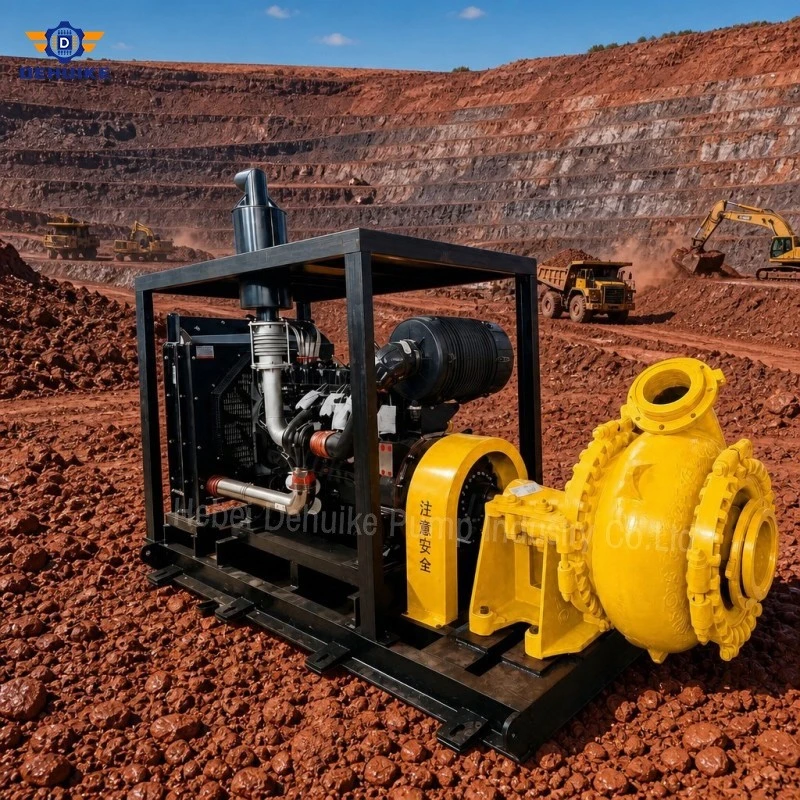
|
Model |
Speed (r/min) |
Flow (m3/h) |
Total Head (m) |
Eff. (%) |
Motor |
Max. Particle (mm) |
Outlet / Inlet (mm) |
|
8/6E-G |
1,470 |
260 |
51.2 |
52.6 |
110 kW, 4-pole |
127 |
150 / 200 |
|
10/8F-G |
950 |
375 |
43.9 |
35.8 |
185 kW, 6-pole |
178 |
200 / 250 |
|
12/10G-G |
850 |
788 |
57.2 |
48.9 |
315 kW, 6-pole |
220 |
200 / 250 |
|
14/12G-G |
730 |
1,720 |
66.2 |
61.8 |
1,000 kW, 6-pole |
241 |
300 / 350 |
|
16/14-G |
500 |
1,560 |
42.9 |
50.2 |
710 kW, 6-pole |
255 |
350 / 400 |
The same data technical data lists pump weights of 1,120 kg, 2,250 kg, 4,450 kg, 5,400 kg, and 6,950 kg respectively for these five models. Weight supports transport and foundation planning but does not replace a general-arrangement drawing. Final absorbed power, selected speed, motor margin, and performance tolerance require confirmation for the actual slurry duty.
Product Detail: How the Pump Builds Pressure
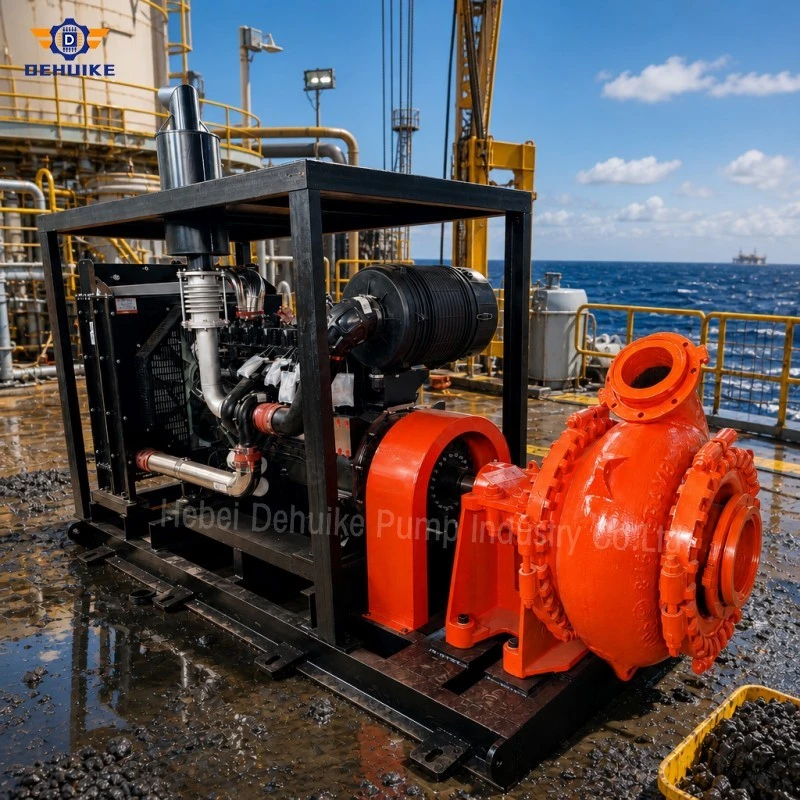
The High Pressure Gravel Pump is a centrifugal slurry pump. Rotation of the impeller adds velocity to the liquid-solid mixture; the casing then converts part of that energy into pressure available to overcome the discharge system. The result depends on the relationship between pump curve and system curve. When pipe length, lift height, fittings, or solids concentration increase, the system curve rises and the operating point moves.
For coarse slurry, the hydraulic path must balance pressure development with particle passage. The selected G Series examples state maximum particle sizes from 127 mm to 255 mm. That figure is an engineering reference, not permission to ignore particle shape, oversize content, feed consistency, or suction conditions. Sharp, elongated, or intermittently oversized solids can affect a system differently from rounded material of the same nominal dimension.
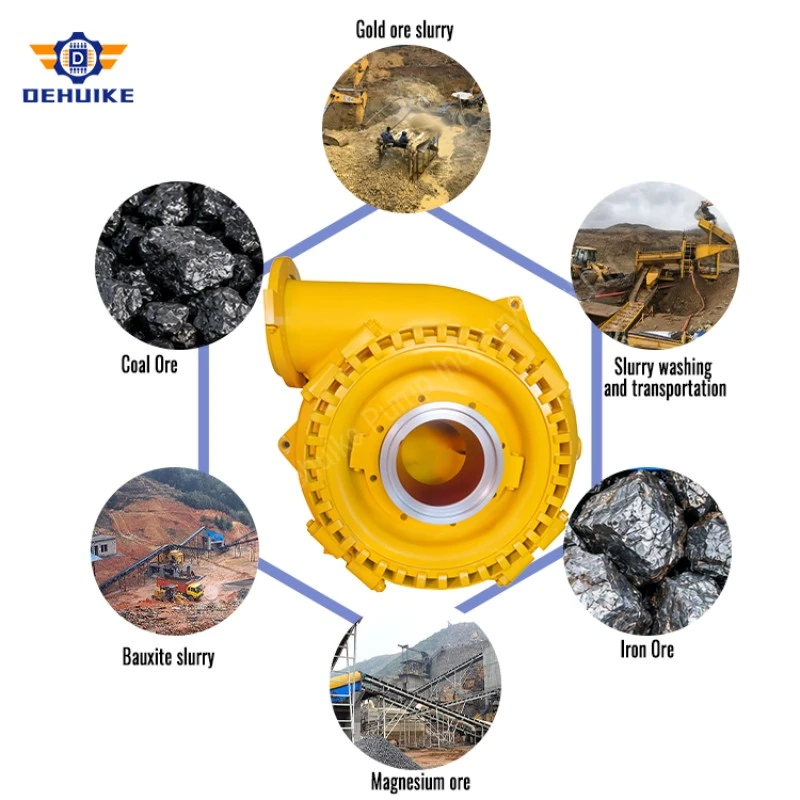
Features and Equipment Characteristics
-Broad solids passage references: the selected models state 127 mm, 178 mm, 220 mm, 241 mm, and 255 mm maximum particle sizes.
-Scalable flow points: technical examples extend from 260 m3/h to 1,720 m3/h.
-Connection range for system design: selected outlet and inlet sizes run from 150 / 200 mm to 350 / 400 mm.
-Speed-dependent matching: listed speed values vary from 500 r/min to 1,470 r/min across the five examples.
-Drive options tied to duty point: the selected motors range from 110 kW to 1,000 kW.
These characteristics should be read together. A higher head point may require a different speed and motor than a higher-flow point on the same model. A Heavy Duty Gravel Pump proposal is credible only when the submitted curve, operating point, motor duty, and slurry assumptions agree with one another.
Our Advantages: Selection Led by Duty Data
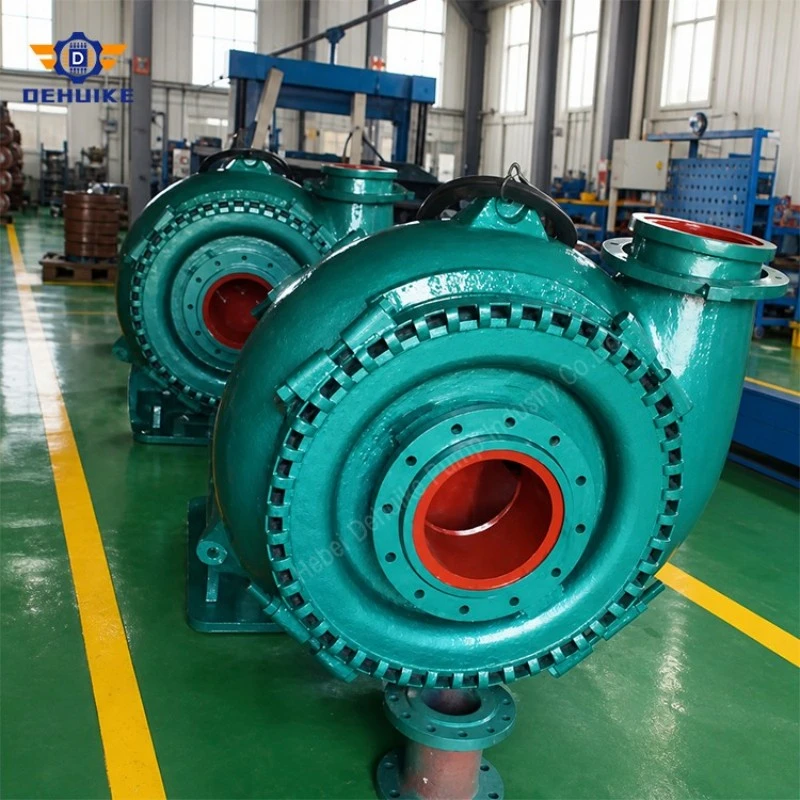
A High Pressure Gravel Pump package may require more than the wet-end pump assembly. Depending on the project, the final scope can include base or skid arrangement, drive selection, coupling and guard, seal arrangement, instrumentation, wear-parts package, and technical documents. The exact scope must be confirmed against the project specification and local site requirements.
Production Process
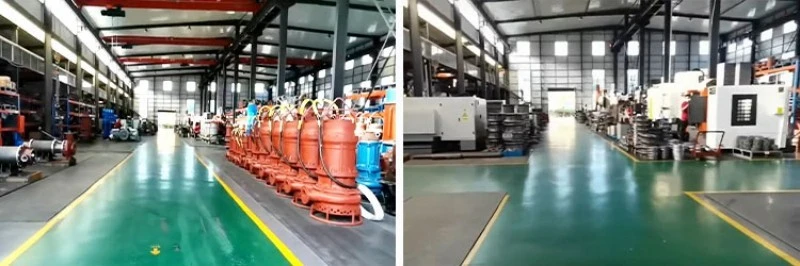
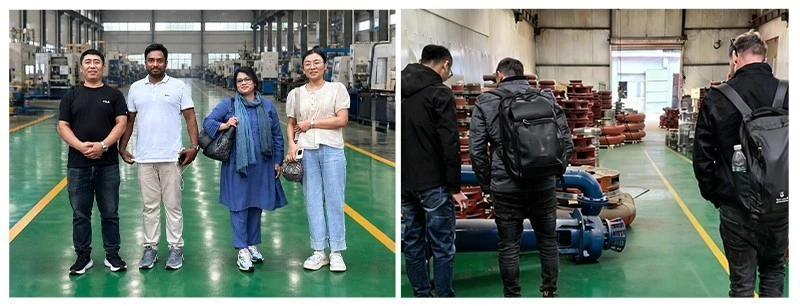
Manufacture of a coarse-solids pump should follow a controlled route from material preparation through machining, assembly, and inspection. Critical interfaces include the fit of rotating and stationary parts, casing joint surfaces, shaft-line alignment, bearing assembly, and the components that influence sealing and leakage control. The production record should identify the inspection steps agreed for the order rather than making unsupported statements about universal test coverage.
Before dispatch, the project team should agree which documents are required: general arrangement drawing, sectional drawing, parts list, material confirmation where applicable, test plan, inspection release requirements, and packing details. This keeps the manufacturing deliverable aligned with the buyer's installation and maintenance needs.
Quality Assurance: Check What Affects Field Operation
Our Service, Experience and Markets
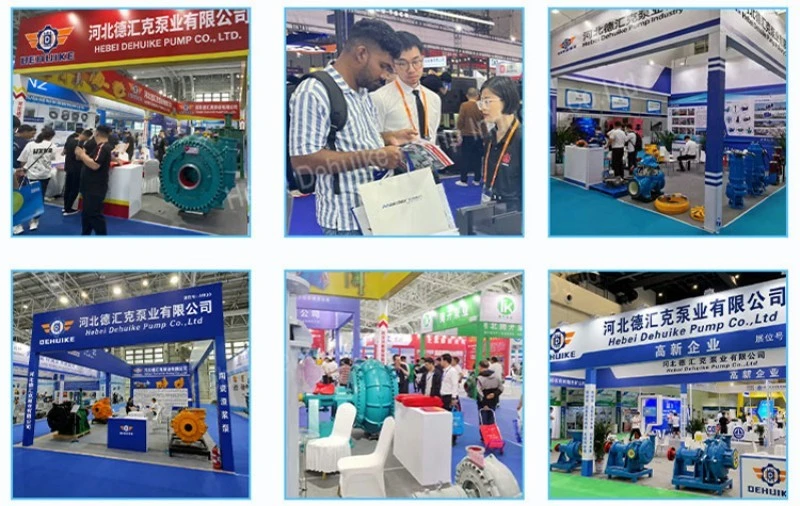
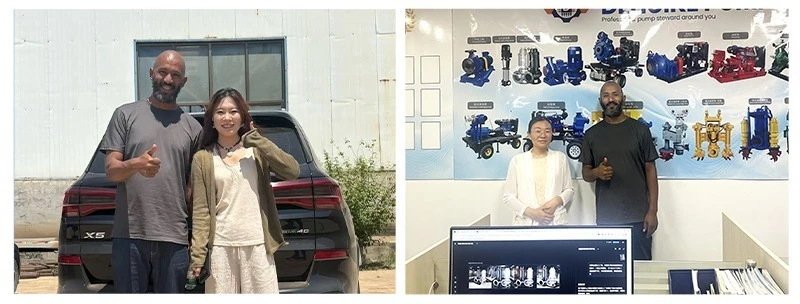
High Pressure Gravel Pump systems can be reviewed for mining, dredging, quarrying, sand washing, aggregate processing, and industrial solids transfer. Projects in different markets may need different electrical standards, transport planning, spare-parts strategy, documentation, and local compliance review. The operating environment matters as much as the nominal pump model.
Application: Match the Pump to the Work
-Dredging discharge pipelines that need to carry recovered sand or gravel over distance and elevation.
-Quarry and aggregate circuits where coarse slurry moves between washing, classification, recovery, or storage stages.
-Mineral-processing systems handling abrasive slurry where pressure loss increases along a long process line.
-Harbor, river, and reservoir maintenance involving sediment recovery and controlled solids discharge.
-Construction dewatering and excavation support when the conveyed material contains substantial sand or gravel.
-Industrial transfer systems where the duty calculation confirms that a pressure-focused gravel pump is appropriate.
Model Selection Cases: Use the Table as a Starting Point
Case 1 - Compact pressure transfer: 8/6E-G is listed at 260 m3/h and 51.2 m head at 1,470 r/min, with a 110 kW, 4-pole motor. This point may be reviewed when a moderate-flow coarse-slurry line needs a high head relative to its capacity.
Case 2 - Mid-range aggregate duty: 10/8F-G is listed at 375 m3/h and 43.9 m head at 950 r/min. Its selected point uses a 185 kW, 6-pole motor. The technical table lists a maximum particle size of 178 mm.
Case 3 - Higher-pressure process transfer: 12/10G-G is listed at 788 m3/h and 57.2 m head at 850 r/min, with 48.9% listed efficiency and a 315 kW, 6-pole motor. This gives a reference for a larger process line with a rising resistance requirement.
Case 4 - Large dredging discharge: 14/12G-G is listed at 1,720 m3/h and 66.2 m head at 730 r/min. Its selected reference point uses a 1,000 kW, 6-pole motor and states a maximum particle size of 241 mm.
Case 5 - Large-bore coarse-solids transfer: 16/14-G is listed at 1,560 m3/h and 42.9 m head at 500 r/min, with a 710 kW, 6-pole motor. The stated 350 mm outlet and 400 mm inlet are relevant for large pipeline layouts.
FAQ
1. What makes a gravel pump a high-pressure pump?
It is selected for a duty that requires substantial total head while moving abrasive slurry containing gravel, sand, or coarse solids. The designation must be confirmed by the actual performance curve and system resistance.
2. Which models are referenced on this page?
The technical table uses five G Series models: 8/6E-G, 10/8F-G, 12/10G-G, 14/12G-G, and 16/14-G.
3. What is the highest selected head in the table?
The selected reference point for 14/12G-G shows 66.2 m total head at 730 r/min and 1,720 m3/h. This is a reference point from the table, not a general rating for all operating conditions.
4. Can a High Pressure Gravel Pump handle oversize stones?
Use the stated maximum particle size only as a starting reference. Actual suitability depends on particle shape, size distribution, feed variation, concentration, and inlet conditions.
5. Why does the required motor vary by operating point?
Pump absorbed power changes with model, speed, flow, head, and slurry conditions. The final motor must be selected from the approved curve and the project duty calculation.
6. Is Heavy Duty Gravel Pump the same as High Pressure Gravel Pump?
Heavy Duty Gravel Pump describes the coarse-solids, abrasive-service category. High Pressure Gravel Pump focuses on a duty that needs elevated total head. A project may require both
characteristics.
7. What information is needed to request a quotation?
Provide flow, total head, slurry density, solids concentration, particle data, pipe layout, suction arrangement, liquid chemistry, temperature, power supply, installation arrangement, and requested document scope.
8. Can these pumps be used in dredging projects?
They can be evaluated for dredging when the required duty falls within the approved operating range and the slurry, pipeline, suction, drive, and installation conditions are reviewed together.

Hot Tags: high pressure gravel pump, China high pressure gravel pump manufacturers, suppliers, factory