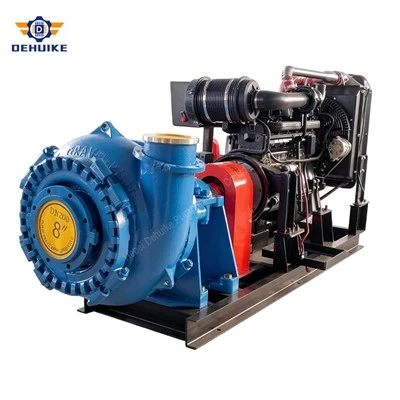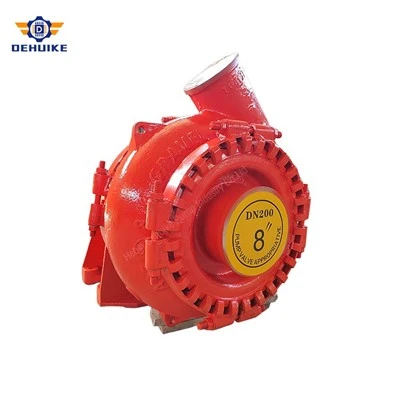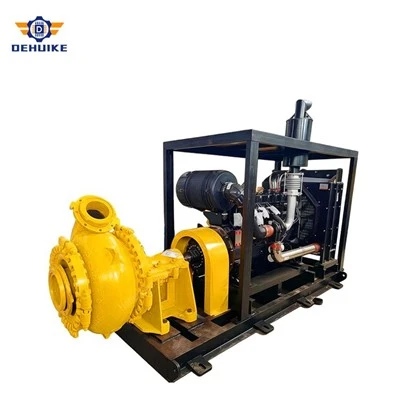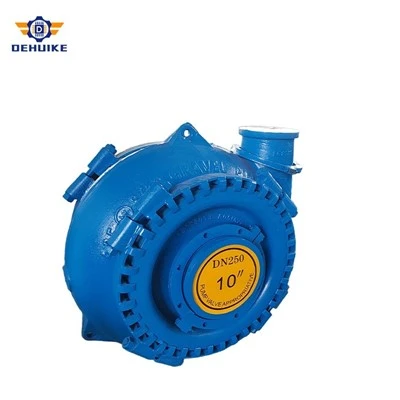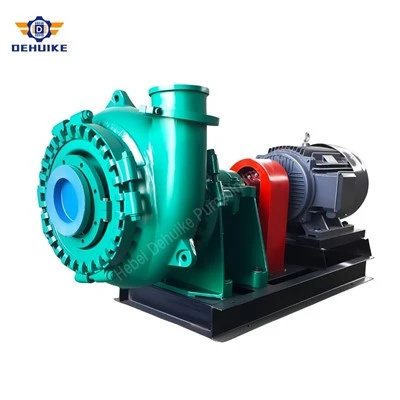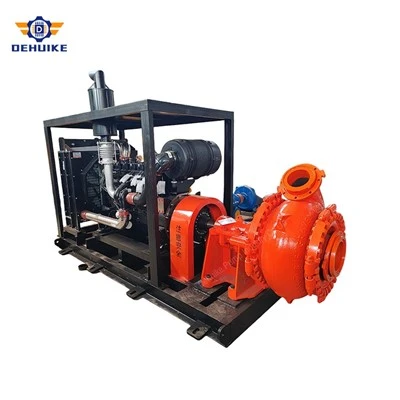

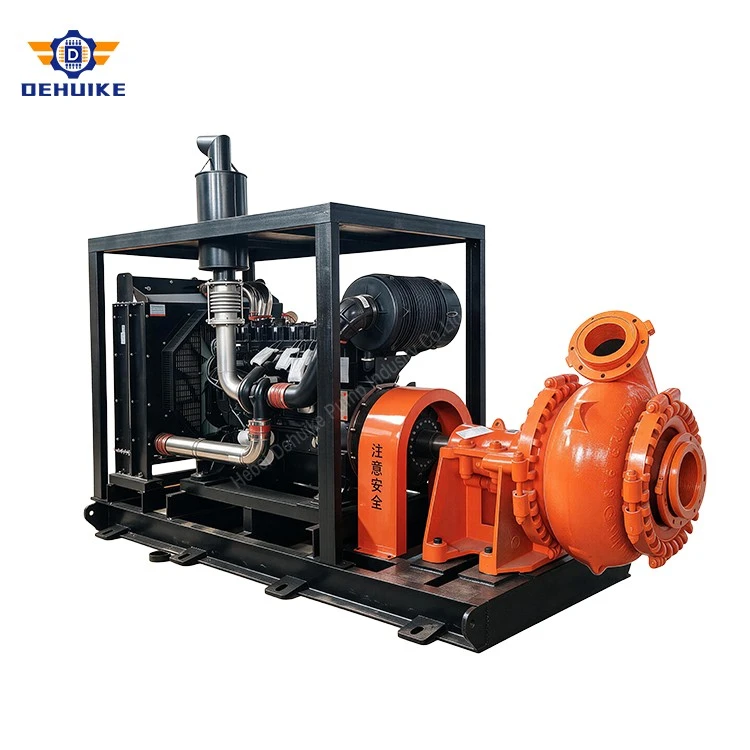
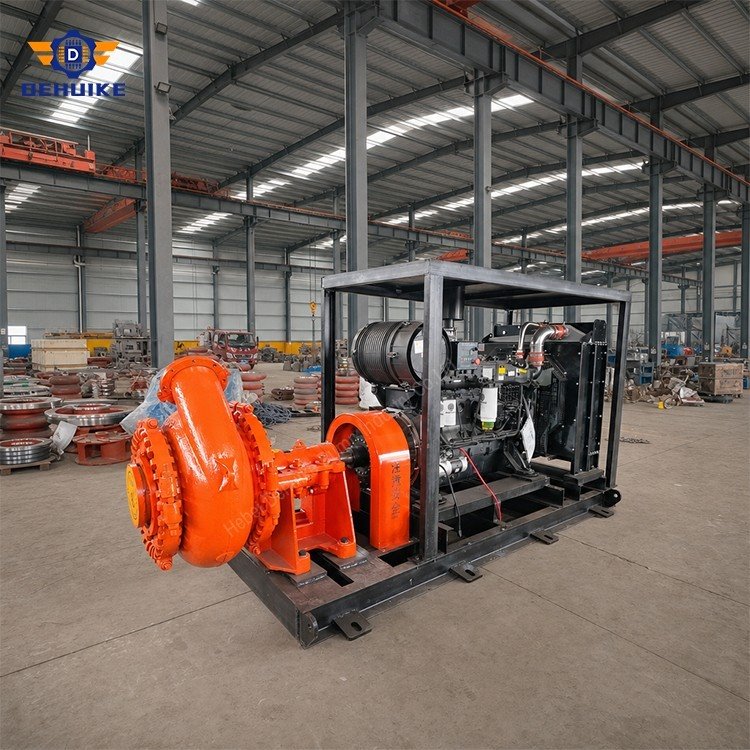
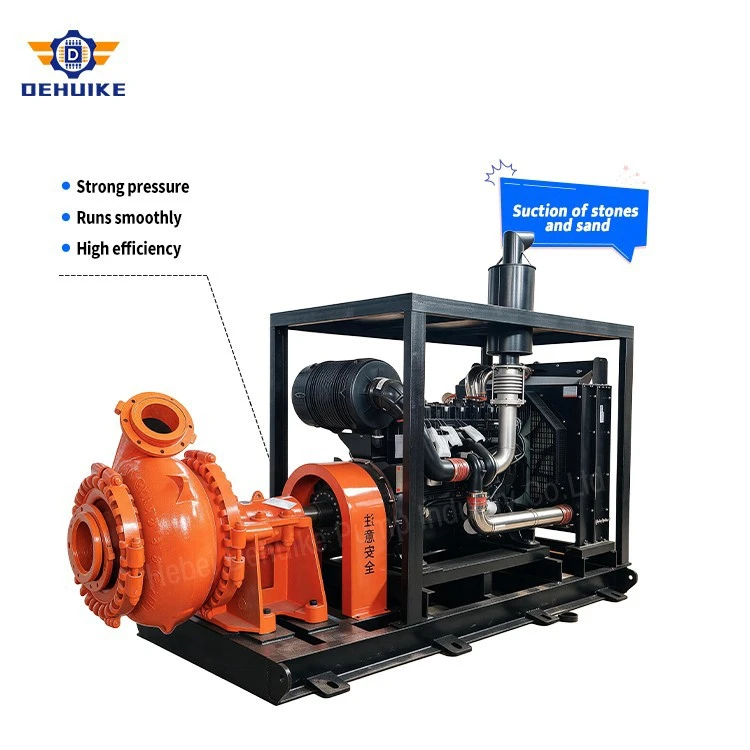
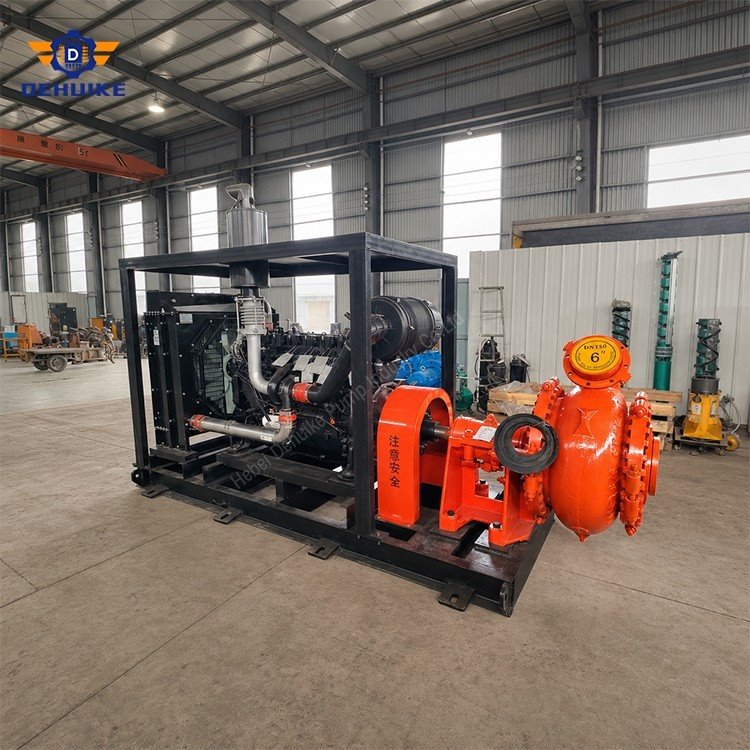
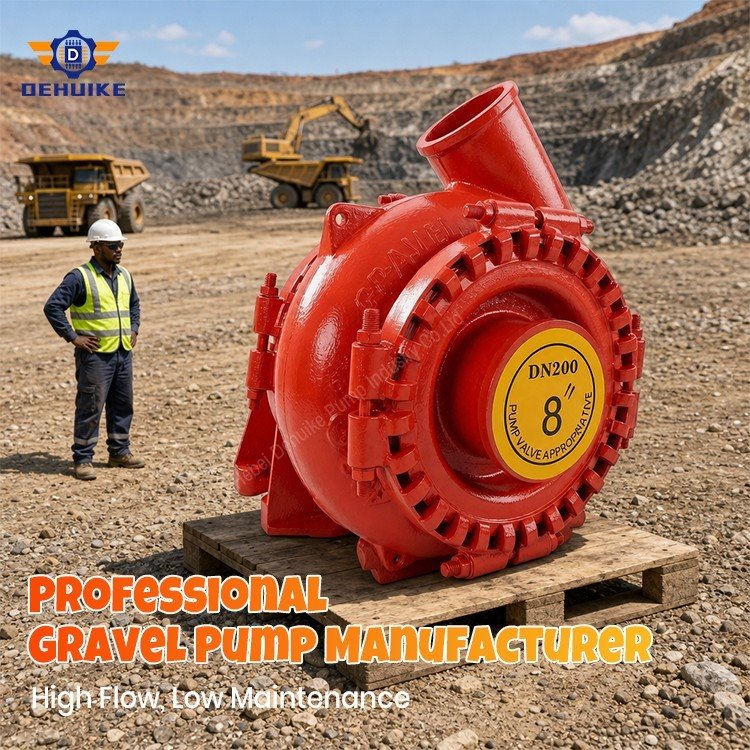
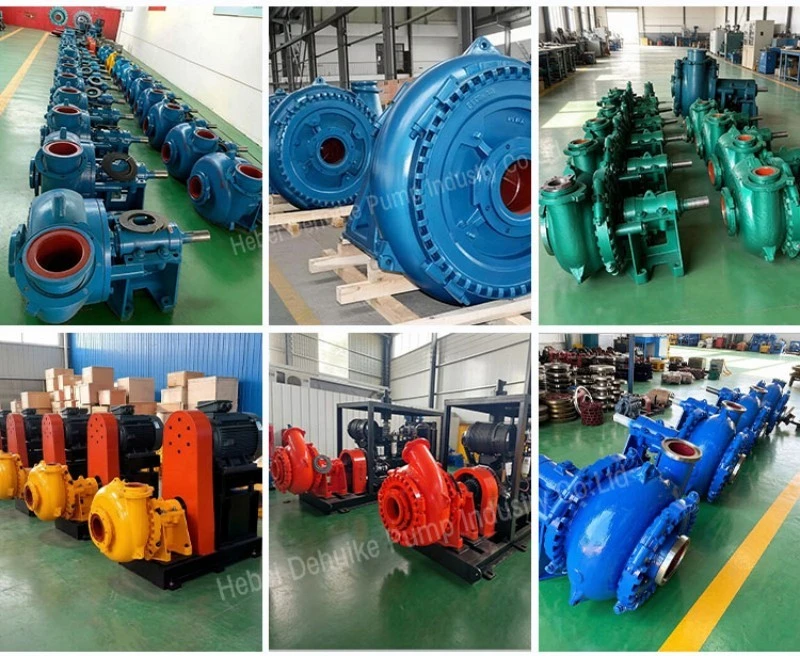
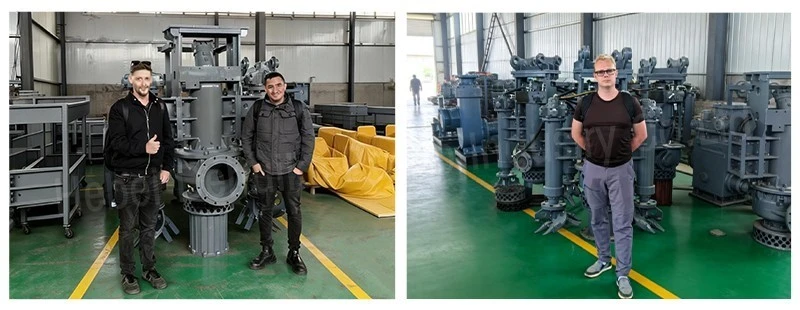
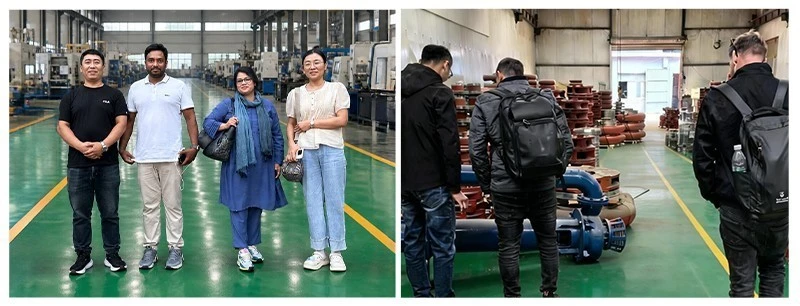
Hebei Dehuike Pump Industry Co., Ltd. is one of the most reliable manufacturers and suppliers of heavy duty gravel pump in China. With abundant experience, we are committed to providing high quality customized pumps with competitive price. Welcome to wholesale bulk heavy duty gravel pump for sale here from our factory. Also, pricelist is available.
Product Positioning
Meta Description: Heavy Duty Gravel Pump engineered for demanding slurry transport where large solids, abrasion and continuous duty require a robust wet end, practical maintenance access and configuration-led selection.
A Heavy Duty Gravel Pump is built for applications where coarse solids and abrasive slurry make conventional water pumps a poor fit. Its job is straightforward: move the material stream reliably while giving operators a pump arrangement that can be selected around particle size, slurry concentration, pipeline resistance and planned service intervals.
For dredging contractors, sand and aggregate processors, mineral handling teams and industrial slurry systems, the right Heavy Duty Gravel Pump is not chosen by flow alone. Passage size, wear allowance, seal arrangement, drive method and site accessibility all affect operating life and total service cost.
Operating Principle and Hydraulic Design
The Heavy Duty Gravel Pump works on centrifugal pumping principles. Rotation of the impeller transfers energy to the slurry, creating a pressure difference that drives the mixture through the casing and discharge line. For coarse material, hydraulic passages need to be considered as carefully as head and flow: an undersized passage can increase blockage risk and accelerate localized wear.
Core Selling Points
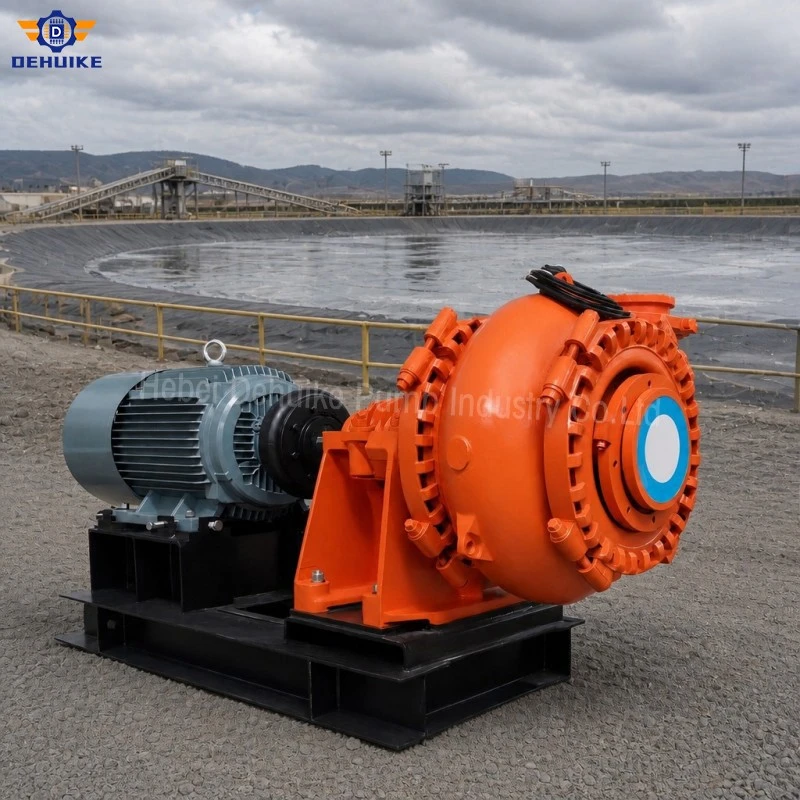
Wide-passage hydraulic concept for slurry containing sand, gravel or other coarse solids, subject to the selected model and allowable particle size.
Wear-oriented wet-end configuration helps address abrasion in high-solids transport; material selection should match particle hardness, concentration and chemical conditions.
Heavy-duty casing and bearing-frame arrangement designed for industrial installation and planned service access.
Configuration flexibility for drive, seal and inlet/discharge orientation to suit floating dredges, land-based plants or mobile pumping packages.
Selection based on duty point, not headline capacity: flow rate, total head, solids profile and line losses should be reviewed together.
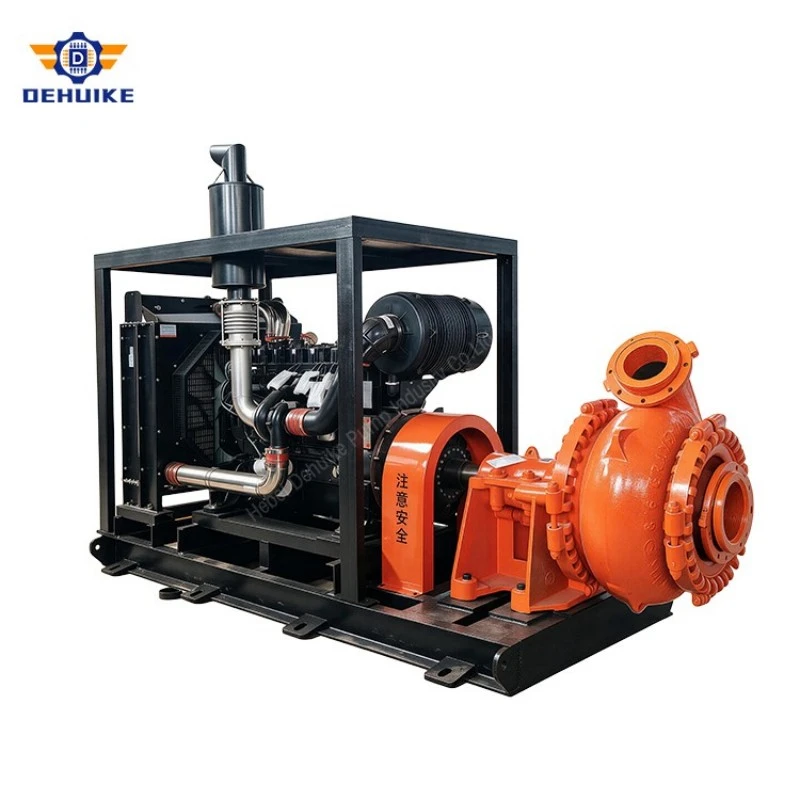
Wet-End Materials and Structural Options
The wet end is the working heart of a Heavy Duty Gravel Pump. Depending on the duty, the impeller, casing, liners and throat components may be specified in high-chrome white iron, wear-resistant alloy, cast iron, ductile iron or another approved material system. Material names alone do not guarantee service life; they must be evaluated against abrasion, corrosion, impact and temperature together.
Seal selection is equally application-specific. Packing, expeller-assisted, mechanical or gland-water arrangements each have different operating requirements. The selected seal must be compatible with suction conditions, pressure, solids content, available flush water and maintenance practice.
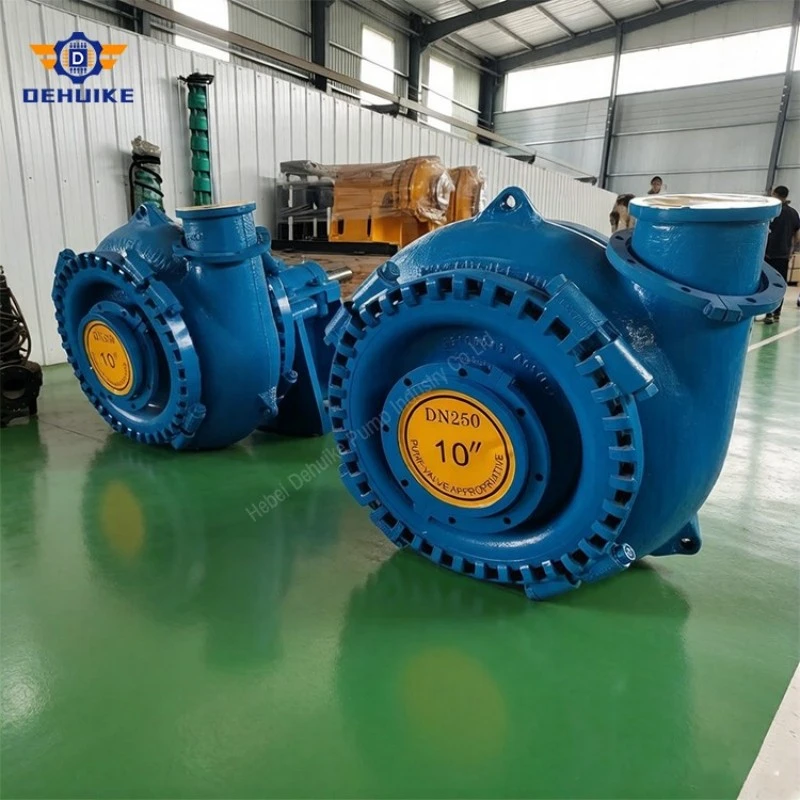
Application
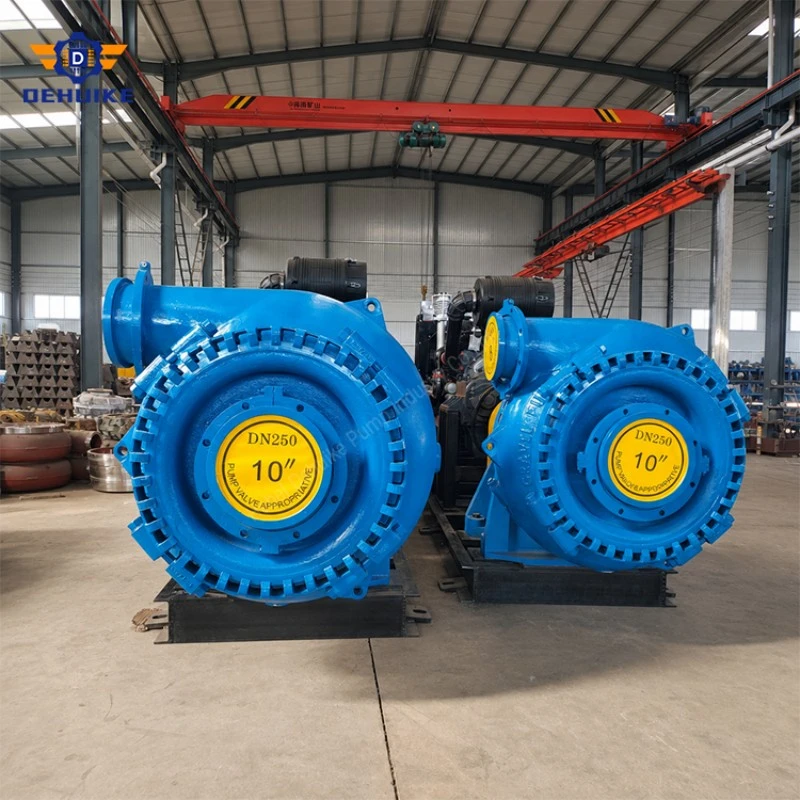
Important: Values below are procurement fields, not default performance claims. Confirm the final model, performance curve, material grade and motor data before publication or quotation.
|
Type |
Speed |
Flow |
Head |
Eff |
Mating motor |
Weight |
Maximum |
Caliber (mm) |
|
|
Outlet |
Inlet |
||||||||
|
6/4D-G |
600 |
36 |
9 |
40 |
4KW-8 |
460 |
82 |
100 |
150 |
|
108 |
8.2 |
52 |
7.5KW-8 |
||||||
|
180 |
7 |
58 |
11KW-8 |
||||||
|
700 |
50 |
12.5 |
40 |
7.5KW-8 |
|||||
|
122 |
12 |
52 |
11KW-8 |
||||||
|
188 |
10 |
58 |
15KW-8 |
||||||
|
800 |
58 |
16.2 |
40 |
11KW-8 |
|||||
|
130 |
15.5 |
52 |
15KW-8 |
||||||
|
190 |
13.5 |
58 |
22KW-6 |
||||||
|
850 |
63 |
17.8 |
40 |
22KW-6 |
|||||
|
135 |
15.8 |
52 |
22KW-6 |
||||||
|
199 |
14.5 |
58 |
30KW-6 |
||||||
|
900 |
72 |
20.5 |
40 |
22KW-6 |
|||||
|
144 |
20 |
52 |
30KW-6 |
||||||
|
205 |
18 |
58 |
37KW-6 |
||||||
|
980 |
79.2 |
24.2 |
40 |
45KW-6 |
|||||
|
151.2 |
23.5 |
52 |
45KW-6 |
||||||
|
216 |
22 |
58 |
45KW-6 |
||||||
|
1100 |
93.6 |
31 |
40 |
45KW-4 |
|||||
|
162 |
30 |
52 |
45KW-4 |
||||||
|
230 |
28 |
58 |
55KW-4 |
||||||
|
1200 |
100.8 |
36.8 |
40 |
55KW-4 |
|||||
|
165.6 |
36 |
52 |
55KW-4 |
||||||
|
237.6 |
34 |
58 |
55KW-4 |
||||||
|
1300 |
108 |
44 |
40 |
55KW-4 |
|||||
|
180 |
43 |
52 |
55KW-4 |
||||||
|
244.8 |
40 |
58 |
55KW-4 |
||||||
|
1400 |
72 |
51 |
40 |
55KW-4 |
|||||
|
129 |
50 |
52 |
75KW-4 |
||||||
|
285 |
46 |
58 |
75KW-4 |
||||||
|
1480 |
115 |
53 |
40 |
55KW-4 |
|||||
|
158 |
50.5 |
52 |
75KW-4 |
||||||
|
275 |
47 |
58 |
75KW-4 |
||||||
Suitable Applications
A Heavy Duty Gravel Pump can be configured for sand and gravel recovery, dredging discharge, mineral slurry transfer, tailings handling, aggregate washing, construction dewatering with solids, river or port maintenance, and industrial process lines containing abrasive particulate. Suitability depends on the actual solids and hydraulic duty; a site sample or slurry analysis is recommended where wear risk is high.
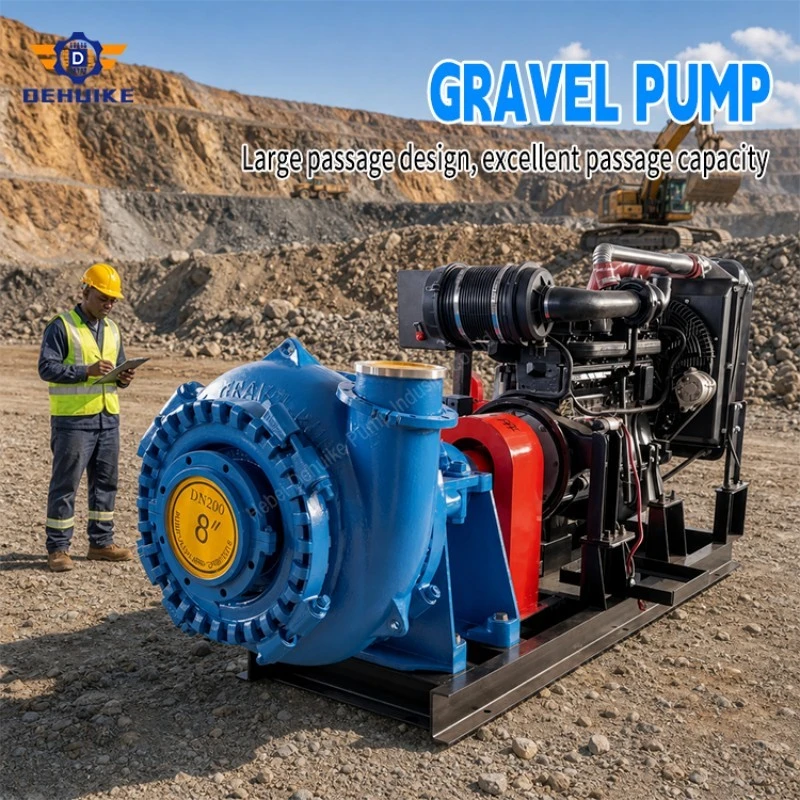
Selection, Installation and Commissioning
During installation, keep suction piping as direct as practical, support pipework independently, align the drive carefully and provide safe clearance for inspection of the seal, bearing assembly and wear components. Before start-up, verify rotation direction, lubrication requirements, seal support conditions and all fasteners according to the approved operating manual.
Maintenance and Lifecycle Focus
Wear in abrasive service is expected, so maintenance should be planned rather than reactive. Inspect impeller clearance, casing condition, seal performance, bearing temperature or vibration trend, coupling alignment and fastener security at intervals matched to the actual duty. Record inspection findings to identify whether changes in solids, speed or operating point are shortening component life.
Specify critical spares according to operating continuity and lead-time requirements. A sensible spare-parts plan may include selected wet-end components, seals, gaskets and bearing-related items, but the final list should be based on the confirmed model and site maintenance strategy.
Procurement Support and Call to Action
Share your duty data and slurry details to receive a Heavy Duty Gravel Pump configuration review. The review should identify a suitable hydraulic range, material direction, seal concept, drive requirement and the information still needed before a final technical offer is issued.
For an accurate proposal, request the performance curve, general arrangement drawing, material list, seal description, motor or engine data and recommended spare-parts list for the exact model under consideration.
Frequently Asked Questions
1. What is a Heavy Duty Gravel Pump used for?
A Heavy Duty Gravel Pump is used to transfer abrasive slurry containing sand, gravel or other coarse solids when a conventional clear-water pump does not provide sufficient passage or wear resistance.
2. Can it pump large stones?
The permissible particle size is model-specific. Confirm the selected pump passage, particle shape, solids concentration and duty point before deciding whether a particular stone size is acceptable.
3. How do I select flow rate and total head?
Use the required process flow and calculate total head from static lift, friction loss, fittings and discharge conditions. The final duty point should be checked against the applicable pump curve.
4. Which wet-end material should I choose?
Material selection depends on abrasion, corrosion, impact, temperature and expected service interval. High-chrome alloys are common in abrasive duties, but the final choice requires actual slurry information.
5. What seal arrangement is suitable?
Packing, expeller-assisted and mechanical seal arrangements have different limits and support requirements. Select the seal after reviewing suction condition, pressure, flush-water availability and solids content.
6. Can this pump run dry?
Do not assume dry-running capability. Dry running can damage seals and other components. Follow the approved operating instructions for priming, start-up and minimum operating conditions.
7. How often should wear parts be inspected?
Inspection frequency should follow the real abrasiveness, operating hours and criticality of the process. Establish an initial inspection interval, record wear results and adjust the plan using site evidence.
8. What information is needed for a quotation?
Provide flow rate, total head, solids concentration, particle size and hardness, liquid chemistry, temperature, pipeline details, drive preference, power supply and installation arrangement. A slurry sample or analysis is valuable for difficult duties.

Hot Tags: heavy duty gravel pump, China heavy duty gravel pump manufacturers, suppliers, factory