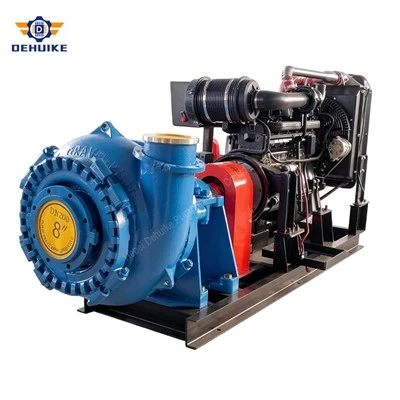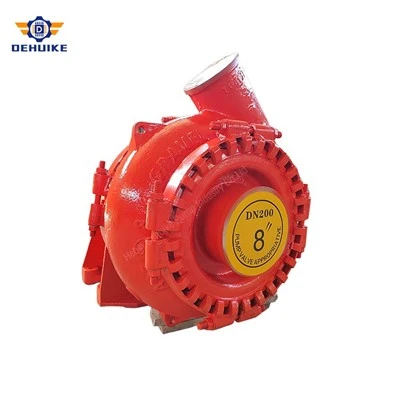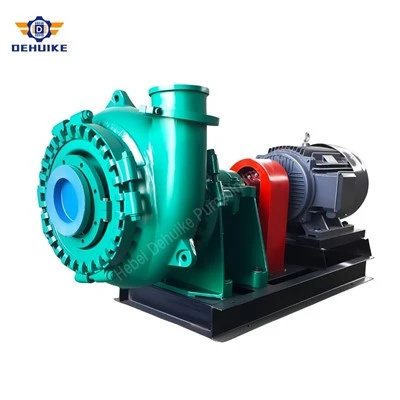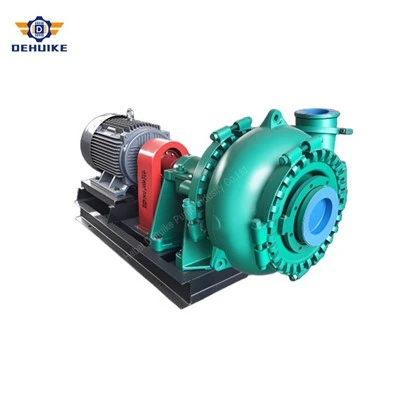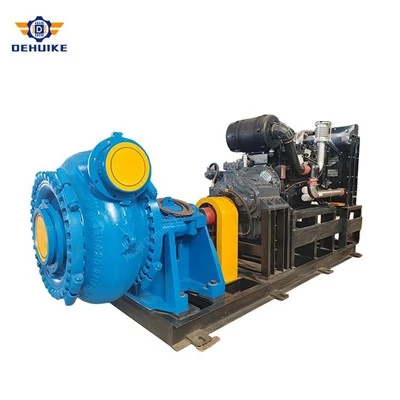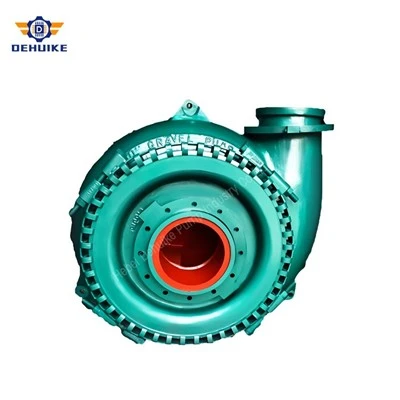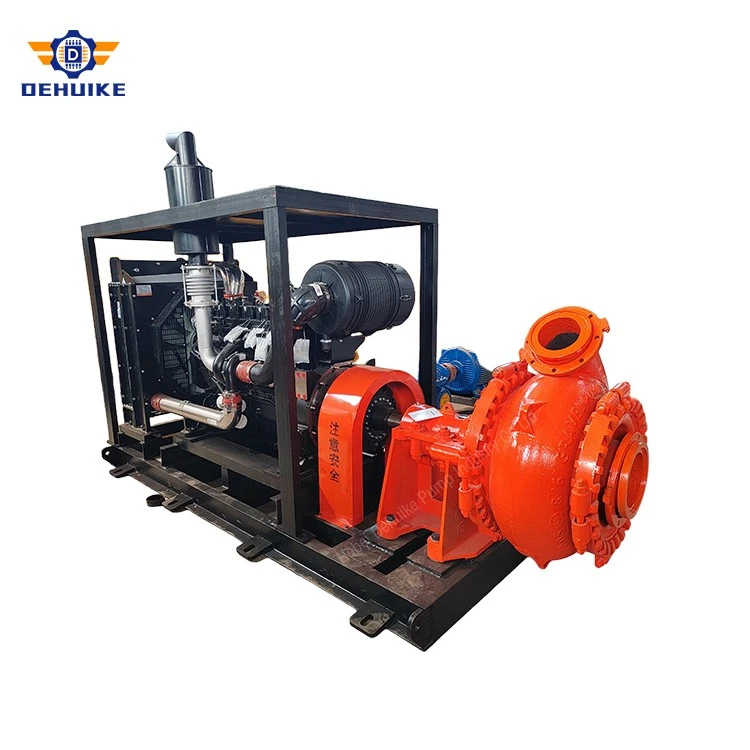
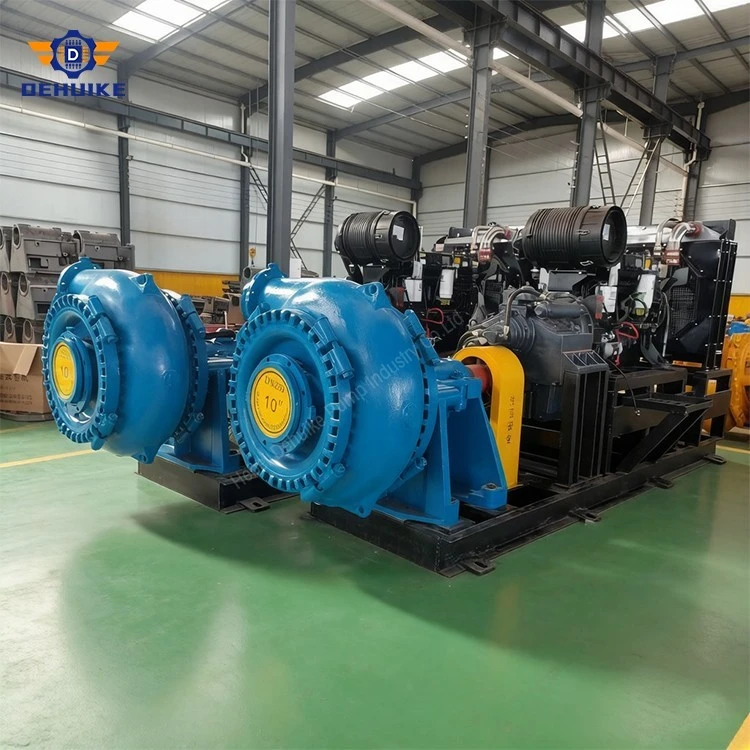
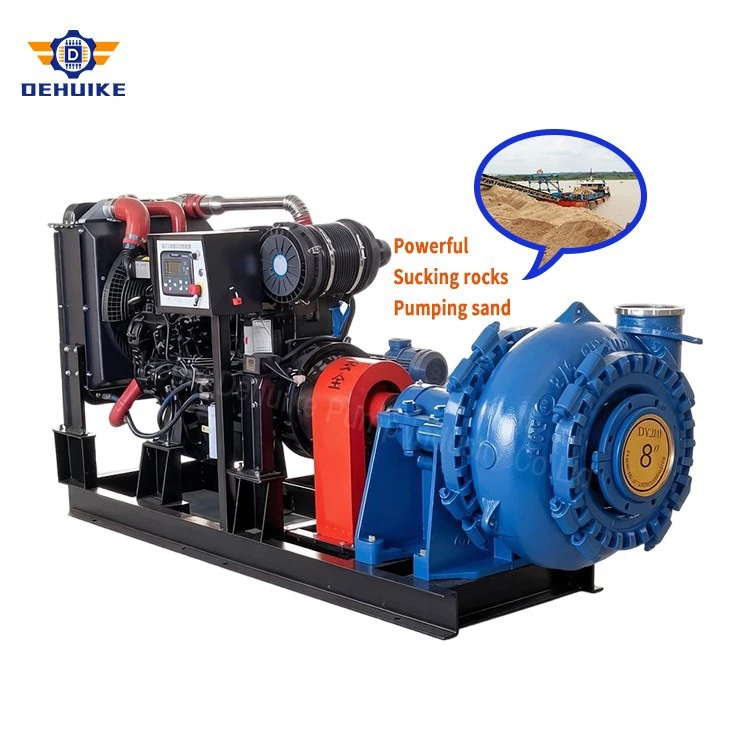
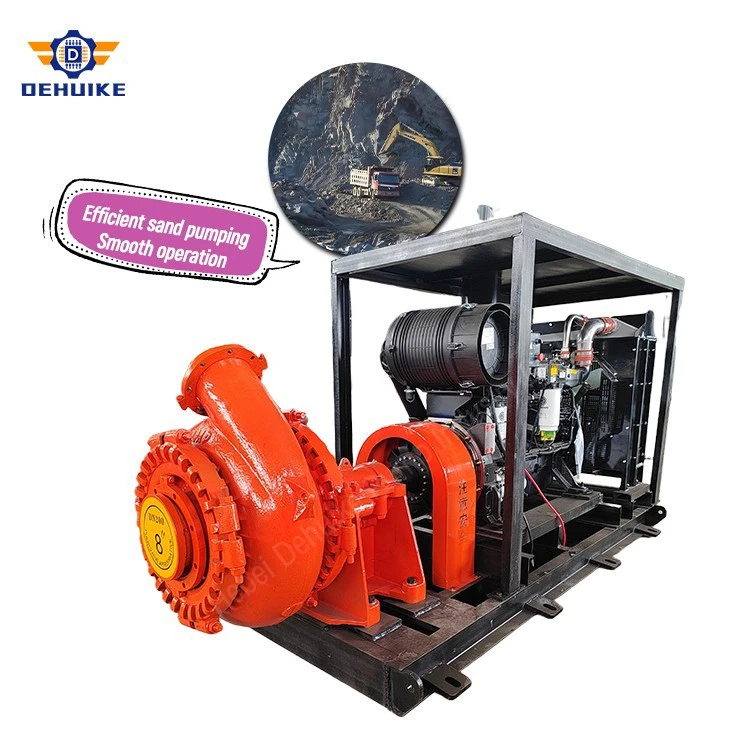
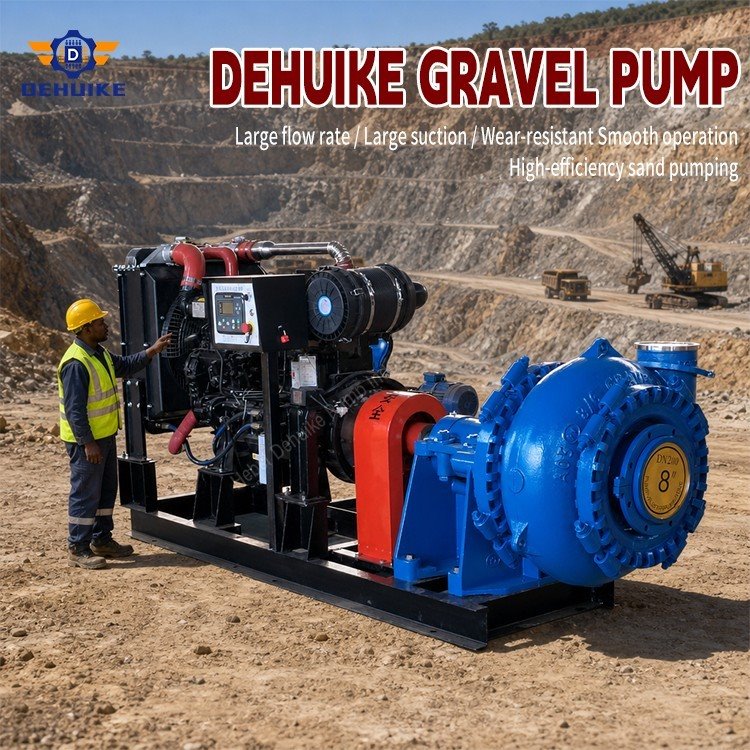
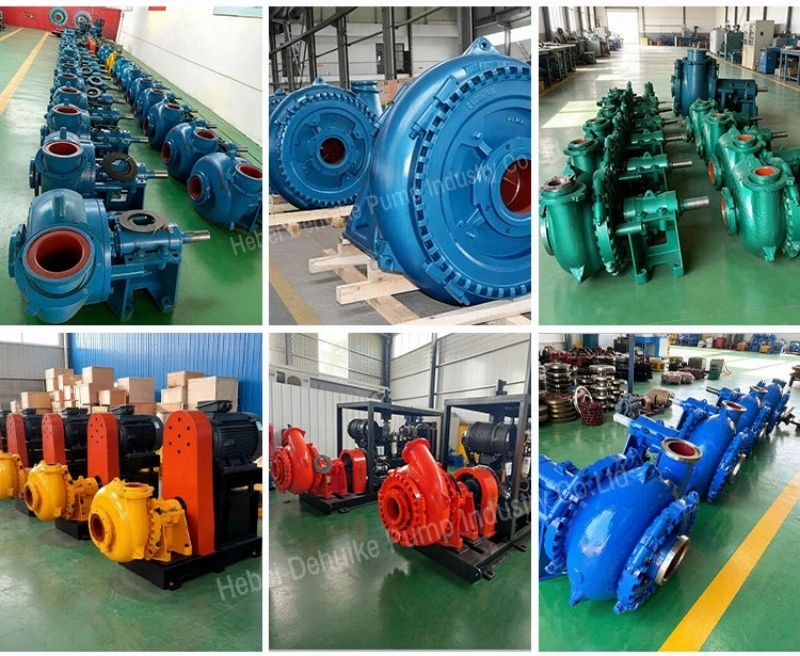
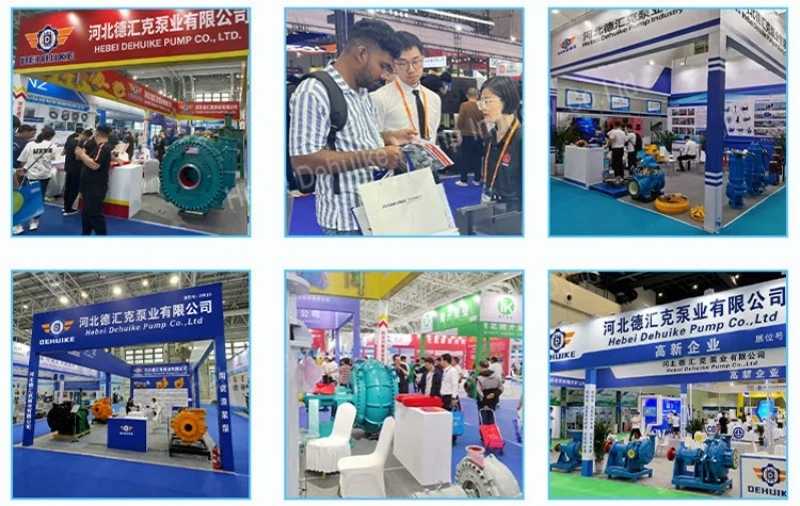
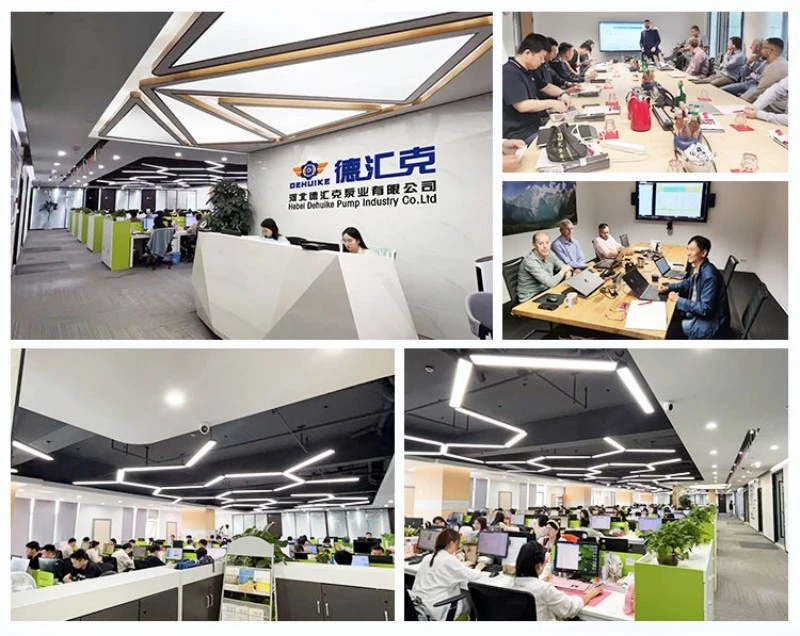
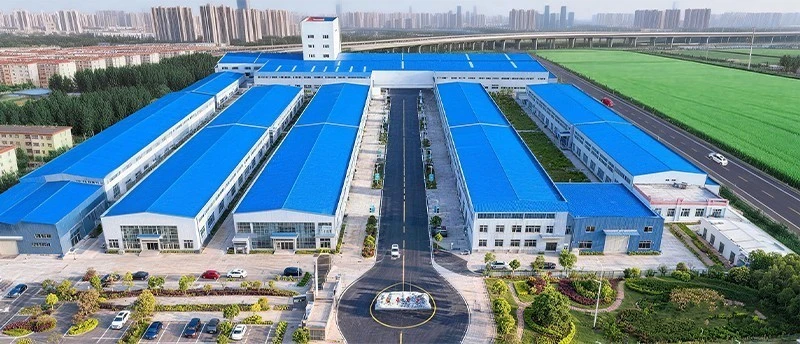
Hebei Dehuike Pump Industry Co., Ltd. is one of the most reliable manufacturers and suppliers of mining gravel pump in China. With abundant experience, we are committed to providing high quality customized pumps with competitive price. Welcome to wholesale bulk mining gravel pump for sale here from our factory. Also, pricelist is available.
Introduction | Define The Ore Stream Before Selecting Equipment
A Mining Gravel Pump transfers waterborne gravel and coarse mineral solids where ordinary process-water equipment would be vulnerable to blockage or rapid wear. Typical selection questions begin at the mine face or process sump: what enters the circuit, how hard and angular it is, how concentration changes, and what elevation and pipeline resistance the mixture must overcome.
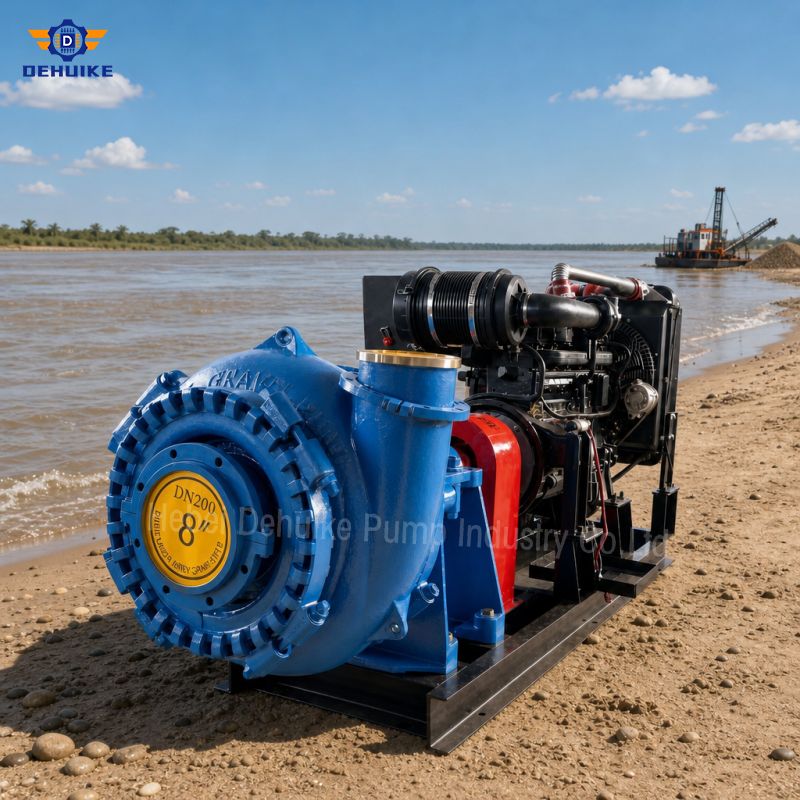
The five G Series sizes on this page are screening references for different mining duties, from local sump-to-screen transfer to larger pit or plant pipelines. A Mining Gravel Pump is not selected from discharge diameter alone. The required operating point must remain credible after slurry density, solids slip, suction condition and expected wear are considered.
Where run-of-mine material includes intermittent stones, the Heavy Duty Gravel Pump category may be appropriate, but it is not a crusher or a substitute for feed control. Tramp metal, drill steel, timber and irregular blasted fragments need dedicated exclusion or handling measures outside the nominal particle-size entry.
Specifications / Technical Parameters | Preserve Each Technical Data-row Relationship
The particle column is copied and is not a normal run-of-mine top size. It gives no information about fragment shape, percentage retained at the upper size, or simultaneous entry of several rocks. Obtain the manufacturer's definition and compare the entire path, including any reducer, valve and branch.
Capacity is mixture volume, not ore tonnes per hour. Total head is neither mine depth nor casing pressure class. Listed efficiency belongs to an individual selected duty point and is not overall electrical efficiency. The motor entry cannot be finalised until slurry specific gravity, correction factors, drive losses and operating margin have been addressed for the Mining Gravel Pump duty.
|
Pump designation |
Particle reference (mm)* |
Inlet bore (mm) |
Discharge bore (mm) |
Pump weight (kg) |
|
6/4D-G |
82 |
150 |
100 |
460 |
|
8/6E-G |
127 |
200 |
150 |
1120 |
|
10/8F-G |
178 |
250 |
200 |
2250 |
|
14/12G-G |
241 |
350 |
300 |
5400 |
|
16/14-G |
255 |
400 |
350 |
6950 |
|
Pump designation |
Capacity (m3/h) |
Total head (m) |
Rotational speed (r/min) |
Listed efficiency (%) |
Motor listing (kW) |
|
6/4D-G |
180 |
43 |
1300 |
52 |
55 |
|
8/6E-G |
378 |
34.6 |
1300 |
60.8 |
90 |
|
10/8F-G |
704 |
23.5 |
750 |
62.2 |
110 |
|
14/12G-G |
2337 |
49.5 |
650 |
64.2 |
710 |
|
16/14-G |
2430 |
24.8 |
400 |
67.6 |
560 |
Product Detail | Understand Where Mining Duty Changes The Hydraulics
The machine uses centrifugal action: mixture enters near the impeller eye, gains energy from the rotating element and is guided by the casing to the outlet. The shaft and bearing system carry the rotating assembly; the selected seal controls process leakage at the shaft penetration. The arrangement supplied for a specific order must be confirmed by sectional and general-arrangement drawings.
Mineral solids change hydraulic behaviour. A denser slurry increases absorbed power relative to water, while solid-liquid slip and internal losses can reduce head and efficiency. Viscous fines can add another correction. Consequently, a Mining Gravel Pump curve stated for clear water must not be copied directly into an ore-transport guarantee.
Wear depends on mineral hardness, angularity, impact energy, local velocity and chemistry. Coarse crushed ore can gouge a surface differently from rounded alluvial gravel. The listed technical data does not name an impeller pattern, alloy, heat treatment, seal or allowable pressure. These are procurement fields requiring documentary confirmation, not details that can be safely reconstructed from the model code.
Features / Equipment Characteristics | Design For Mine-feed Variability
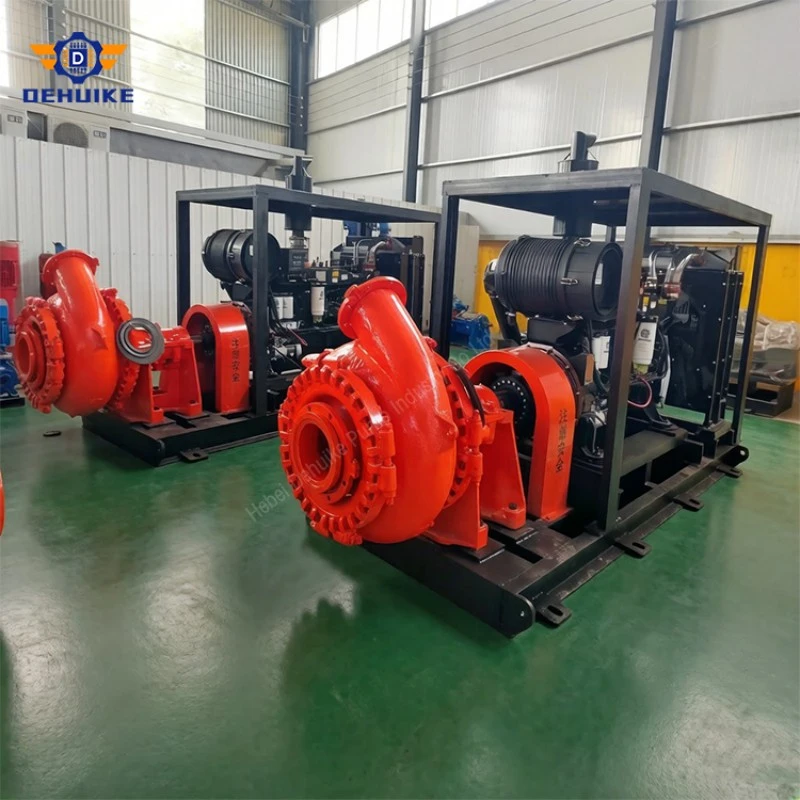
Mine sumps rarely receive a perfectly uniform feed. Rainfall, washdown, excavation sequence, screen condition and operator actions can change dilution and top size. The duty envelope should include normal production, a dense surge and a low-level sump condition rather than relying on one average laboratory sample.
-Define mineral hardness and fragment geometry. Equal screen size does not mean equal wear when one ore is sharper, denser or harder.
-Record concentration on a stated basis. Percent by mass and percent by volume are not interchangeable inputs for power or production calculations.
-Control non-process objects. Magnets, grizzlies, screens or operating procedures may be needed because a Heavy Duty Gravel Pump is not designed to consume lost tools.
-Include mine-water chemistry. Process reagents, acidic drainage or saline groundwater can change the material-selection problem beyond abrasion alone.
The Mining Gravel Pump should have an agreed continuous operating region and documented limits for speed, power, inlet condition and solids. The spreadsheet provides no allowable dry-running time, maximum concentration or permissible tramp-material specification, so those limits are not invented here.
Our Advantages | Judge Availability Through Measurable Operating Records
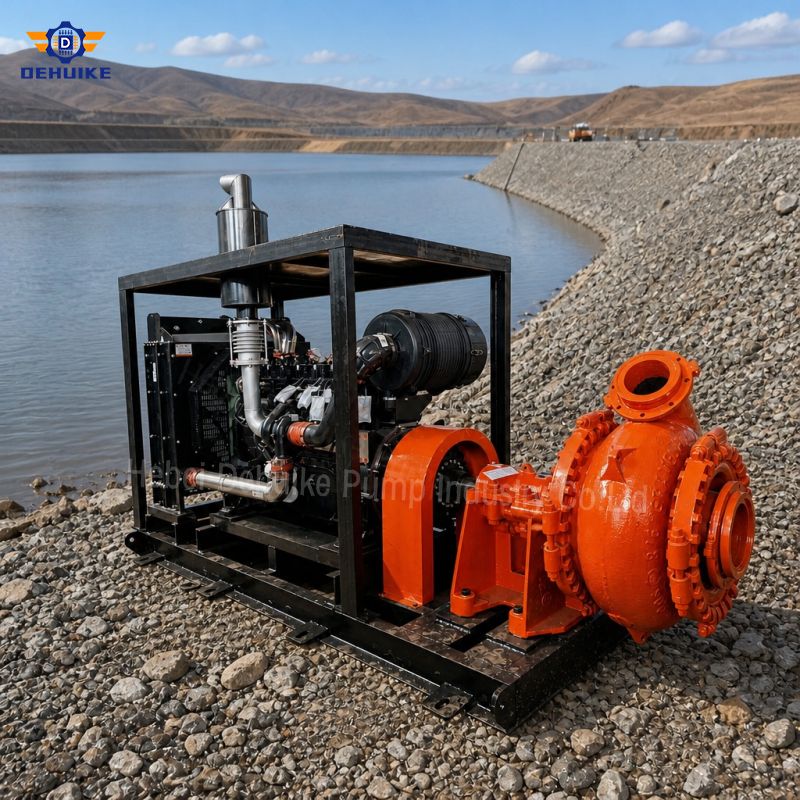
Evaluate a Mining Gravel Pump by useful solids delivered between planned interventions. Combine energy, parts usage, labour, crane access and production impact in the comparison. A higher catalogue efficiency may not produce the best lifecycle result if the selected duty or material is wrong for the ore.
Existing wear parts provide valuable evidence. Mark their orientation, map thickness loss and relate each inspection to operating hours, tonnes handled and feed changes. This permits a better discussion than an unsupported claim that a replacement Heavy Duty Gravel Pump will last a particular percentage longer.
Production Process And Quality Assurance | Tie Inspection To Mine Criticality
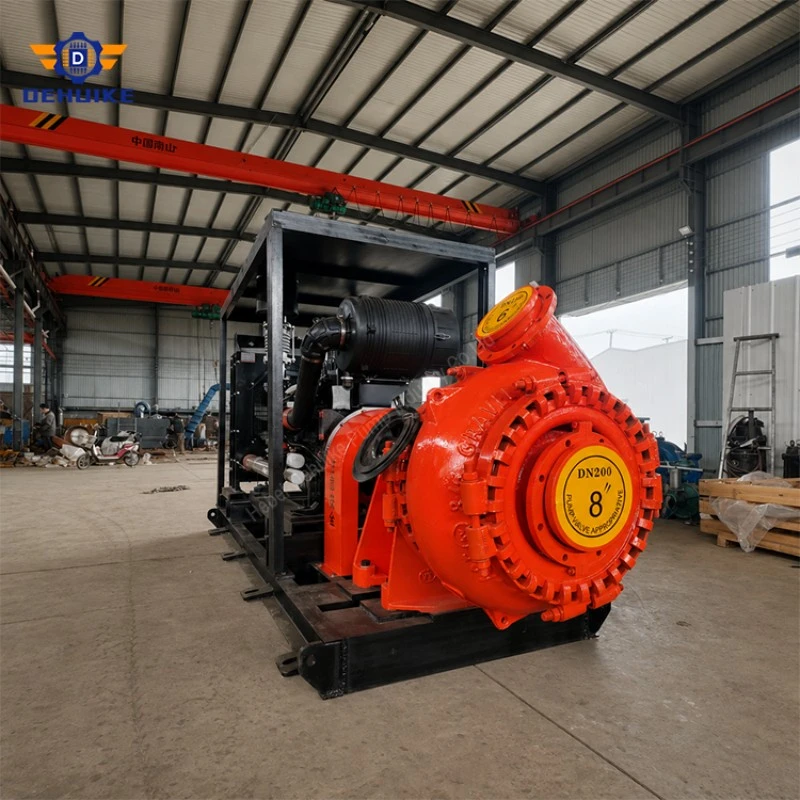
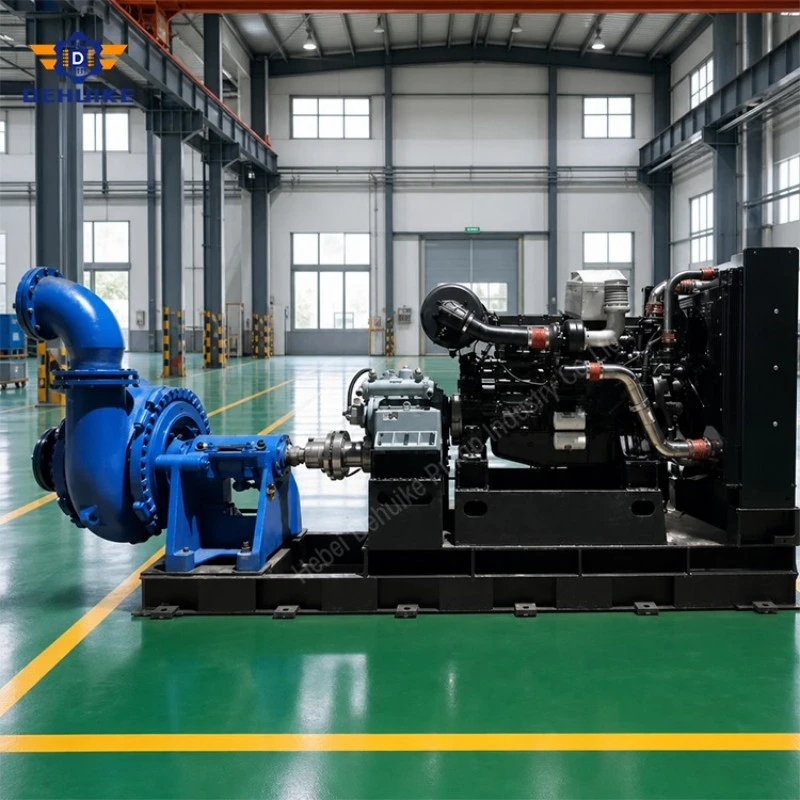
Release manufacture against a controlled drawing, bill of materials and inspection plan. Where cast wear parts are specified, define alloy designation, heat-treatment requirement and the requested evidence of conformity. Machining and assembly records should keep the actual impeller, casing, shaft, bearing and seal components traceable to the Mining Gravel Pump supplied.
Before shipping, verify identification of the drive and loose accessories, preserve exposed surfaces and protect all connections. The listed bare-pump weight supports early logistics planning only. Use the certified package drawing for lifting points, centre of gravity, foundation loads and maintenance-handling studies.
Quality assurance: match evidence to the acceptance question
Material certificates identify material; dimensional reports verify selected geometry; hydraulic tests address agreed performance. One document does not replace another. If water testing is specified, record configuration, speed, measurements and tolerance. The test does not reproduce the complete wear or power behaviour of coarse ore slurry.
No ISO certificate, pressure rating, motor enclosure, hazardous-area approval, mine-site acceptance or guaranteed wear life appears in the spreadsheet. Where any item is mandatory, place it in the purchase specification and verify it before release rather than adding it later as marketing language.
Applications | Separate Mine-pit, Quarry And Process-plant Duties
A Mining Gravel Pump may be evaluated for selected quarry sumps, placer or aggregate recovery, coarse process transfer and suitable mining excavation slurries. It is not automatically a mill-discharge, tailings or dewatering solution merely because those duties occur on a mine. The following cases are selection examples, not documented customer installations.
Local mine-sump transfer
The 6/4D-G record shows 180 m3/h at 43 m, and the 8/6E-G record shows 378 m3/h at 34.6 m. These can frame preliminary review of smaller coarse-solids duties. Check whether the sump provides stable submergence and whether blasting debris can enter the pickup.
Quarry or screening-circuit duty
The selected 10/8F-G point is 704 m3/h at 23.5 m with 62.2% listed efficiency. Review screen condition, oversize recirculation and the route to the next plant stage. The 110 kW motor listing is a technical-data reference rather than a final slurry power selection.
Large-volume pit or plant pipeline
The 14/12G-G point pairs 2337 m3/h with 49.5 m; the 16/14-G point pairs 2430 m3/h with 24.8 m. Their capacities are close but heads differ. A Heavy Duty Gravel Pump proposal at this scale must therefore reflect elevation, friction, density and maintenance access, not nominal size alone.
Our Service, Experience And Markets | Submit A Mine-duty Information Pack
Attach particle grading, solids density, mineralogy or hardness data where available, concentration range, pH, temperature and known reagents. Include photographs of representative feed and previous wear. The Mining Gravel Pump selection should also identify foreign-object risks created by blasting, maintenance or mobile equipment.
Ask the supplier to itemise technical review, drawings, tests, installation input, commissioning presence and initial spares. Confirm the commercial scope and availability of each service for the destination project.
Installation, Operation And Maintenance | Plan Around Mine Access And Shutdown Windows
Position the pump where the foundation, suction approach and lifting access can be maintained as the mine develops. Pipe loads should be carried by supports, not the nozzles. Allow room to withdraw rotating or wet-end components using the site's actual crane, monorail or mobile lifting plan.
Commission the Mining Gravel Pump with documented checks for alignment, rotation, lubrication, seal system and inlet supply. Establish baseline speed, motor load, vibration, flow and pressure before relying on the equipment for production. Record slurry density and feed condition alongside those readings so later trends have context.
Changes in current, vibration, delivery or leakage should trigger diagnosis rather than an automatic speed increase. Inspect for obstruction, worn hydraulic surfaces, altered concentration and suction problems. When clearing a Heavy Duty Gravel Pump, isolate electrical and mechanical energy, drain or restrain connected lines and follow the mine's lockout procedure.
Use planned shutdowns to measure repeatable locations on casing and impeller surfaces. Compare wear rate with tonnes and mineral campaigns, not calendar time alone. Maintain traceable part identification so dimensional or material differences are not mistaken for normal process variation.
Faq | Procure A Mining Gravel Pump On Verified Duty Data
1. Is this pump intended to crush run-of-mine rock?
No crushing function is documented. The equipment transfers a fluid mixture containing solids within an accepted envelope. Primary sizing, scalping or oversize rejection belongs upstream where the mine process requires it.
2. Which slurry data is essential for selection?
Provide capacity, total head, solids concentration with its basis, solids and slurry density, grading including d50 and top size, particle shape, mineral hardness, chemistry, temperature and suction arrangement. State normal and upset conditions.
3. Can the clear-water duty point be guaranteed for mineral slurry?
Not without review. Solids can reduce head and efficiency while higher mixture density raises absorbed power. Obtain the manufacturer's correction method, selected curve and motor calculation for the proposed ore slurry.
4. Does maximum particle size cover drill steel or tramp metal?
No. A particle entry is not permission to pass long, sharp or metallic foreign objects. Define screening, magnetic separation or operating controls to reduce the risk from maintenance and blasting debris.
5. How should wear material be selected?
Match material properties to abrasion, impact and corrosion. Consider mineral hardness, angularity, velocity, concentration and water chemistry. Request the exact alloy and processing specification; the listed technical data does not provide one.
6. Is the highest efficiency row automatically the best choice?
No. The required duty, operating range, inlet condition and wear environment must fit first. A high listed efficiency at a different flow and head does not validate that point for the actual mine circuit.
7. Can this replace a mill-circuit pump?
Only after a specific engineering comparison. Mill discharge can involve different density, particle distribution, impact, pressure and containment requirements. A gravel-pump designation alone does not establish suitability.
8. What should be included in the spare-parts plan?
Use the approved component list, expected wear locations, inspection history, replacement lead times and shutdown strategy. Confirm part identification and interchangeability for the supplied configuration instead of ordering from model name alone.

Request A Mining-duty Selection Review
Send your ore grading, slurry density, concentration range, mine elevation profile and pipeline arrangement for a Mining Gravel Pump review. If a Heavy Duty Gravel Pump is proposed, request the exact duty curve, slurry corrections, material schedule, motor basis and inspection scope before approval.
Hot Tags: mining gravel pump, China mining gravel pump manufacturers, suppliers, factory