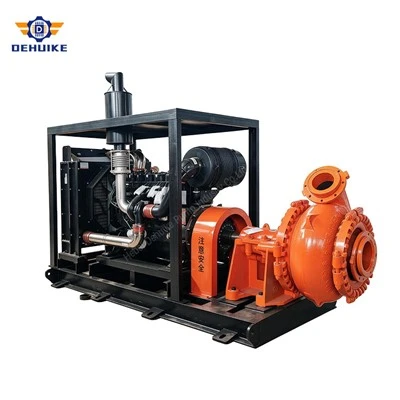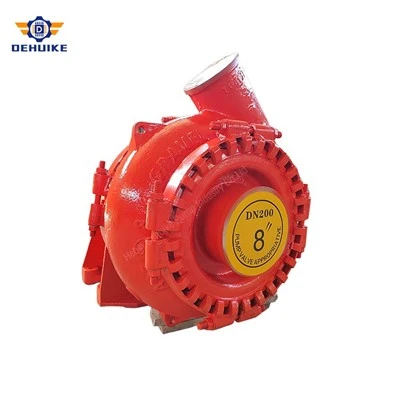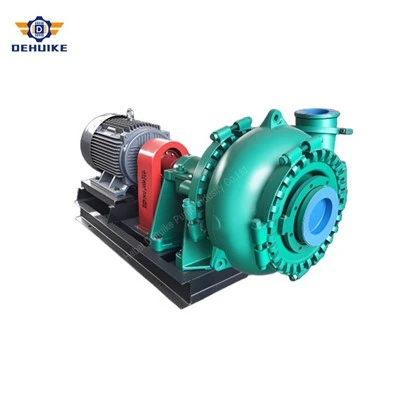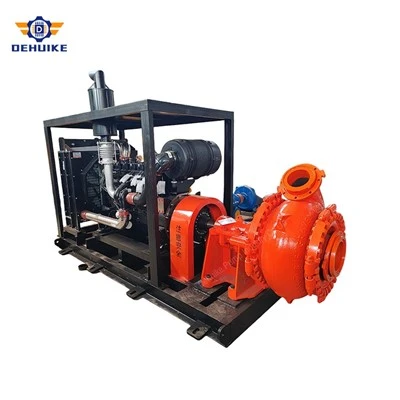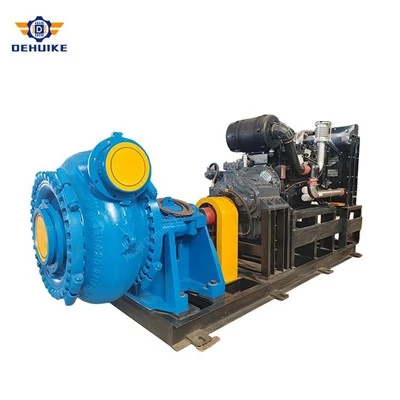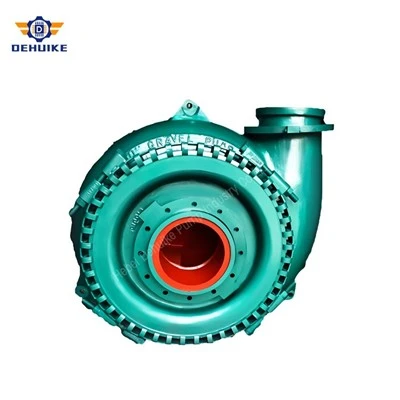

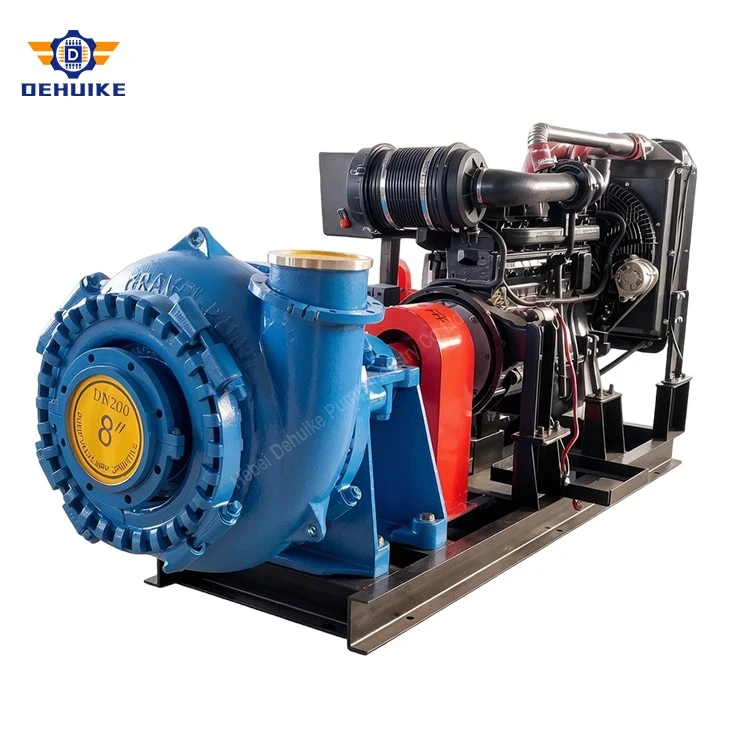
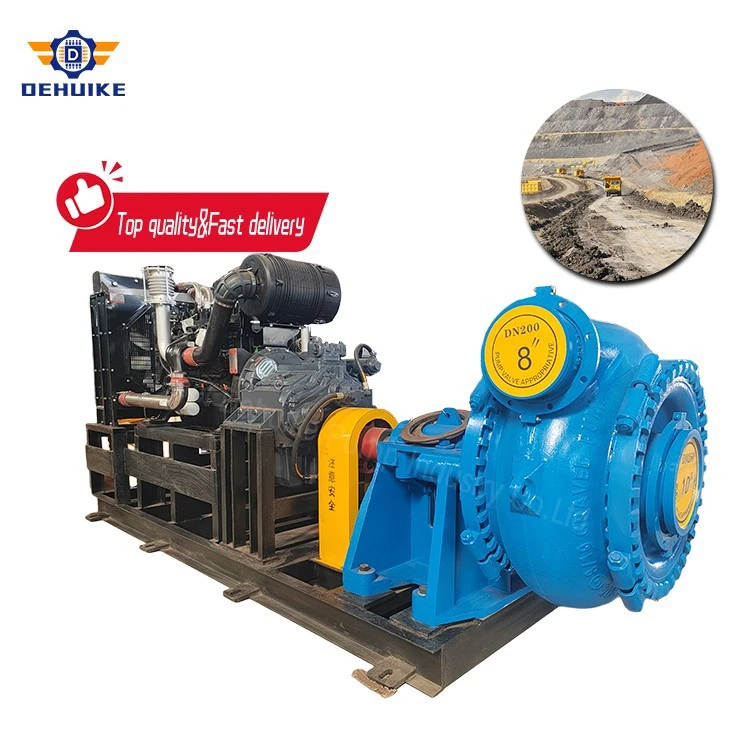
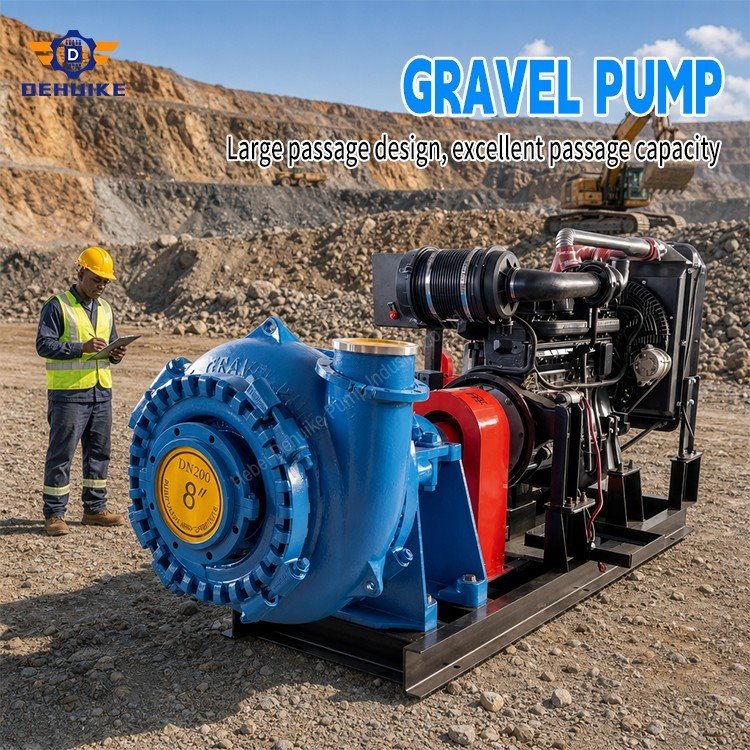
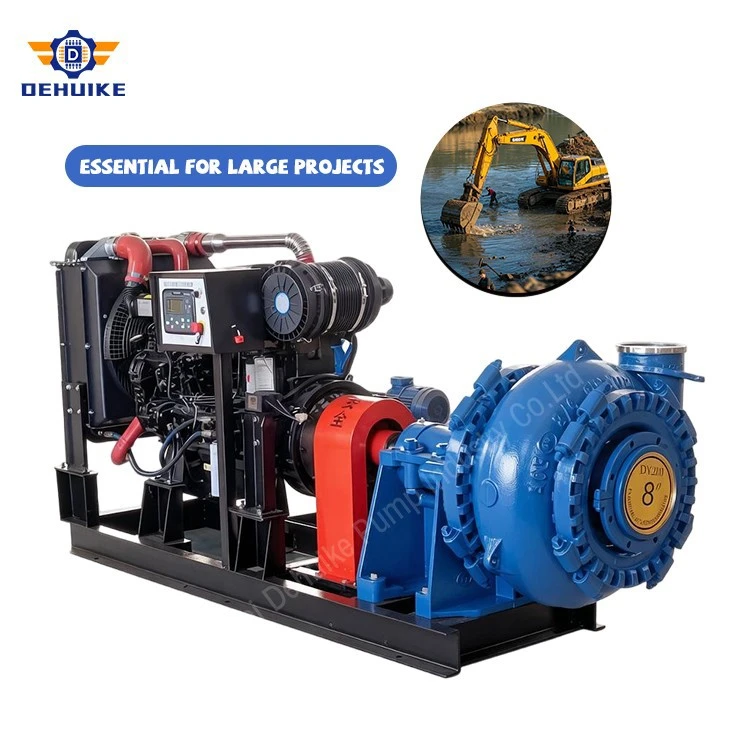
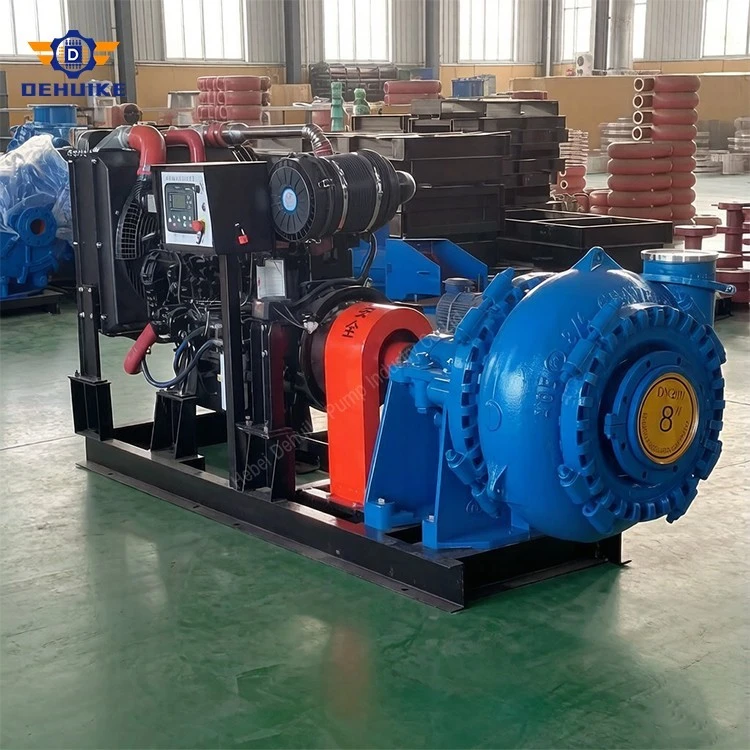
Hebei Dehuike Pump Industry Co., Ltd. is one of the most reliable manufacturers and suppliers of high head gravel pump in China. With abundant experience, we are committed to providing high quality customized pumps with competitive price. Welcome to wholesale bulk high head gravel pump for sale here from our factory. Also, pricelist is available.
Project Role: Lifting Abrasive Gravel Slurry Beyond Ordinary Sand Pump Duty
A High Head Gravel Pump is selected when a sand-and-gravel mixture must be moved against a demanding delivery height, long discharge route, or elevated receiving point. It is not simply a gravel pump with a larger motor. The pump must keep coarse particles moving while producing enough head to overcome vertical lift, pipe friction, bends, hose sections, valves, and downstream resistance. This makes the product relevant to dredging lines, gravel extraction sites, mine drainage points, aggregate plants, river maintenance work, and long-route slurry transfer projects.
Gravel slurry is difficult because it combines two problems at the same time: hydraulic resistance and abrasive solids. A clean-water pump can be evaluated by water flow and head alone, but a gravel pump must also consider particle passage, wear rate, impact load, settling behavior, and restart conditions after a stop. A high-head requirement adds more risk because the pipeline often becomes longer, steeper, or more restricted. If the system is not described accurately, the selected pump may operate far from its intended duty point.
For overseas engineering buyers, the key question is straightforward: can the pump deliver a confirmed sand, gravel, or dredged slurry through the real route without excessive wear, unstable load, or frequent blockage? The answer depends on the complete application data, not on the title alone. The required flow, system head, solids condition, discharge layout, drive method, operating schedule, and maintenance access should be reviewed together before the final configuration is confirmed.
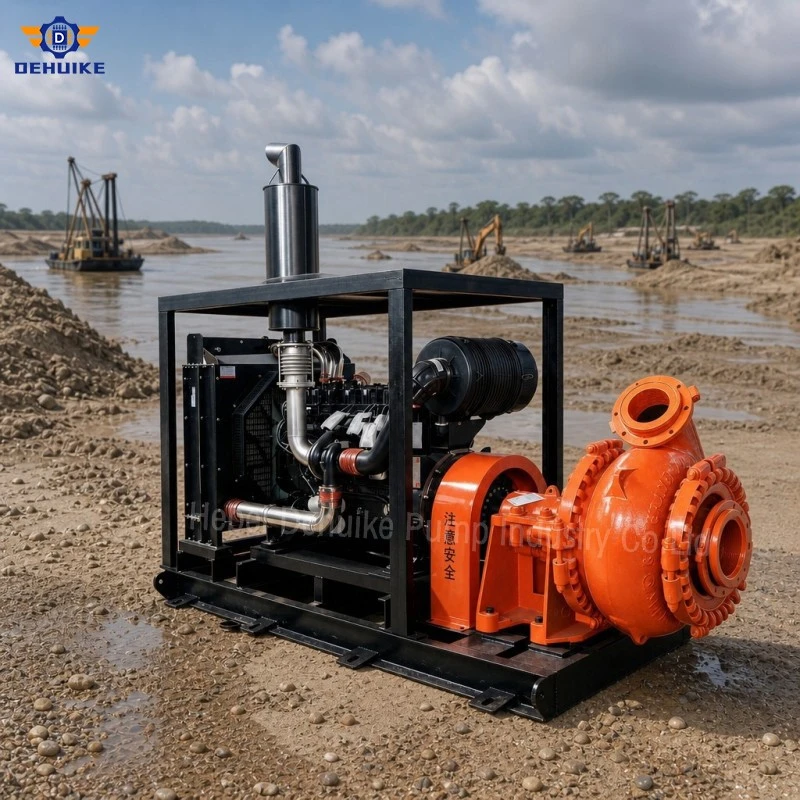
Define "High Head" by the Whole Pipeline
High head is created by the system. Vertical rise is only one part of it. A pipeline with long horizontal distance, small internal diameter, sharp bends, uneven hose sections, discharge valves, reducers, floating pipe movement, and receiving-side pressure can demand more pump head than the elevation alone suggests. For gravel slurry, the line must also maintain enough transport condition to keep solids moving.
Before selecting a High Head Gravel Pump, prepare a route description from the suction source to the final discharge point. Include the intake condition, static lift, discharge length, pipe or hose bore, number of bends, valve positions, reducer locations, slope changes, and the destination. If the route crosses uneven terrain, rises over a bank, feeds a cyclone, fills a settlement pond, or discharges to a high stockpile area, these details should be stated.
The route should also be checked for shutdown behavior. Gravel and coarse sand may settle inside a low-velocity section after the pump stops. A line that restarts easily with water may restart poorly after dense solids settle in it. For this reason, the operating plan should include flushing, draining, staged restart, or line inspection where needed. Head selection should not be separated from pipeline management.
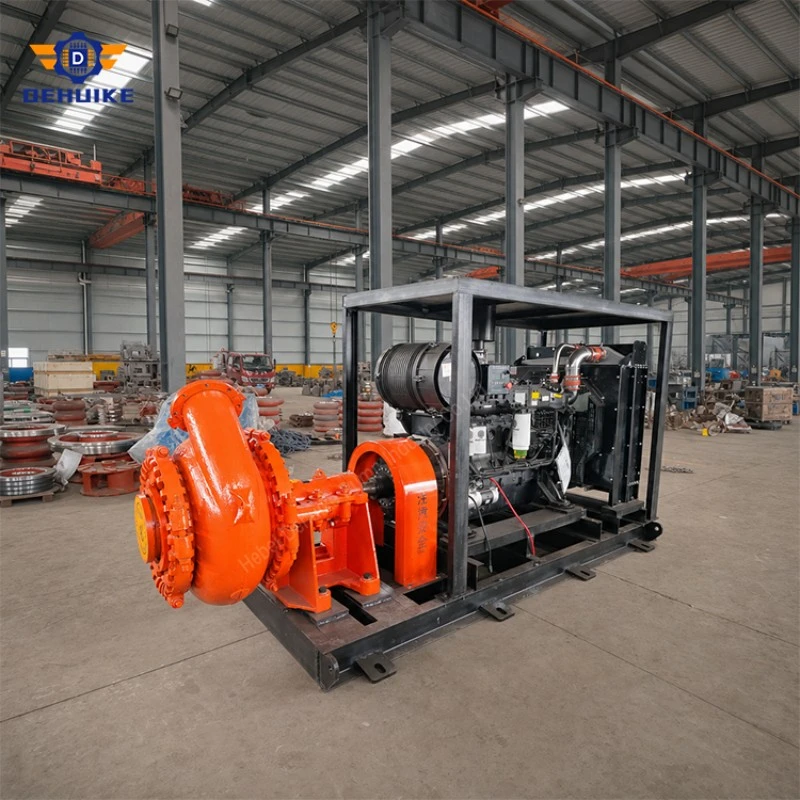
Slurry Description and Particle Passage
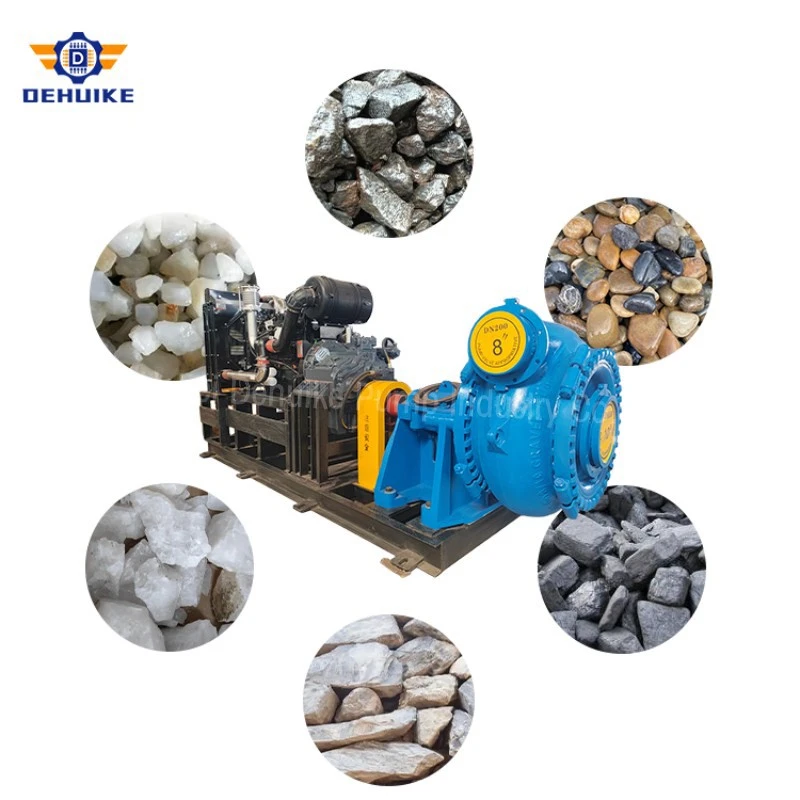
A high-head gravel duty begins with the material. Buyers should identify whether the mixture contains river gravel, crushed aggregate, sea sand, coarse sand, dredged sediment, mineral grit, tailings, or mixed excavation solids. Particle size is important, but it is not the only condition. Shape, hardness, concentration, density, and the presence of occasional oversized pieces can change pump behavior.
Rounded river gravel may pass differently from sharp crushed stone. Sea sand may introduce saltwater corrosion concerns. Quarry residue may carry angular fines and coarse fragments together. Dredged material may vary from silt to coarse gravel within the same project area. If the material source changes during the job, the pump may face a different duty even though the pipeline has not changed.
A clear material description should include:
- Normal and maximum particle size;
- Particle shape and hardness where known;
- Estimated solids concentration or slurry density;
- Whether the mixture settles quickly;
- Presence of clay, organics, shells, stones, or debris;
- Liquid chemistry, especially saltwater or process water;
- Expected operating hours and restart frequency.
This information helps determine the passage, wet-end material, wear plan, and required safety margin for the system.
Hydraulic Design Priorities
A High Head Gravel Pump must balance head generation with solids passage. A narrow passage may improve hydraulic efficiency but increase blockage risk. A very open passage may pass particles well but require careful duty review to achieve the required head. The selection should therefore be based on the actual working point and material, not a generic family range.
The impeller and casing arrangement should allow the mixture to enter, accelerate, and leave the pump without repeated dead zones where particles settle. The suction side should avoid air entry, unstable vortexing, and coarse material build-up. The discharge side should connect to a line that is properly supported and sized for the mixture. A high-head duty often places more stress on the outlet, fasteners, pipe supports, and drive system, so these mechanical interfaces should be reviewed before installation.
Motor power, speed, and drive arrangement should follow the selected duty. A larger motor alone does not correct a poor pipeline, an unsuitable impeller selection, or an intake that receives unstable feed. If the pump is expected to work over a range of routes, the buyer should describe the minimum and maximum operating cases so the selected configuration can be reviewed against both.
Wear Control Under High-Head Conditions
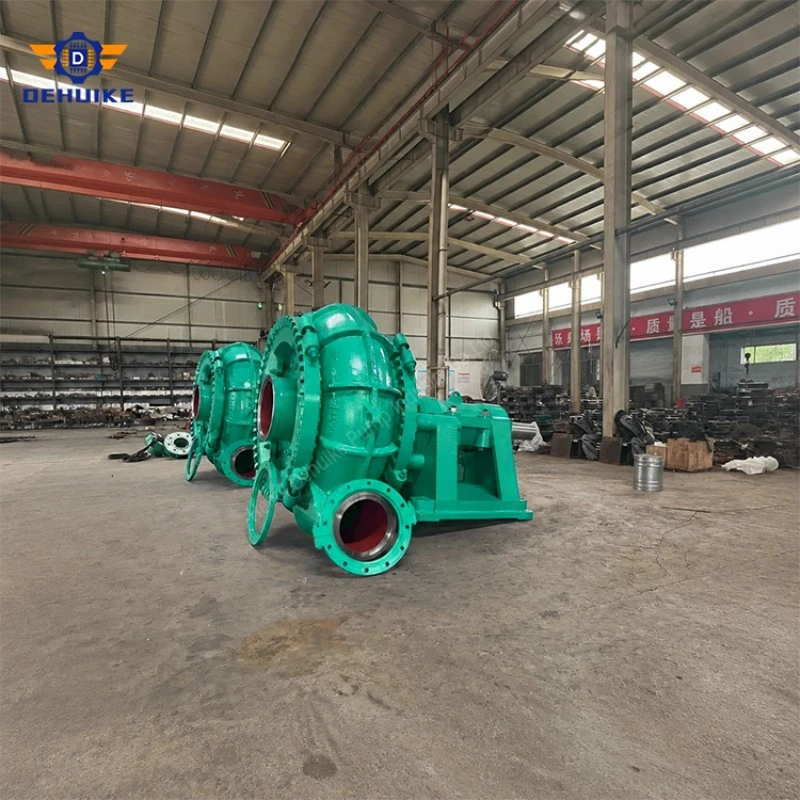
Higher delivery pressure and longer line resistance can increase the consequences of poor wear planning. Abrasive particles may affect the impeller, casing, throat area, liner surfaces, discharge section, and sealing-related components. Wear rate depends on particle hardness, speed, concentration, impact angle, and operating duration. A pump that handles fine sand well may not have the same service interval when coarse gravel enters the passage.
Wet-end material should be discussed according to the real material. High-chrome alloy, rubber lining, or other wear arrangements may be considered depending on abrasion, impact, corrosion, and particle size. No material should be treated as universal. A river project, quarry plant, mine sump, and sea-sand transfer job can require different material thinking.
Maintenance planning should begin before shipment. Identify the parts most likely to wear, the safe method for inspection, and the spare components that reduce downtime. A useful record should include operating hours, material source, line route, observed wear, current or load trend, and any change in discharge performance. Wear records are more reliable than general claims about heavy-duty construction.
Installation and Pipeline Support
For floating dredging systems, hose movement, pontoon position, and water-level variation should be considered. For land-based aggregate or mine transfer, pipe supports, slopes, elbows, and access points should be planned before the first run. A long pipe laid on uneven ground may create low spots where gravel settles. A steep section without a suitable restart plan can become a blockage point after shutdown.
Before commissioning, check coupling alignment, rotation direction, fastener condition, suction clearance, discharge support, valve position, and the receiving area. Start with controlled observation. Record discharge behavior, vibration, sound, bearing temperature, motor load, and whether the pipeline fills smoothly. These first-run observations become the baseline for future troubleshooting.
Operating Practice for Demanding Gravel Transfer
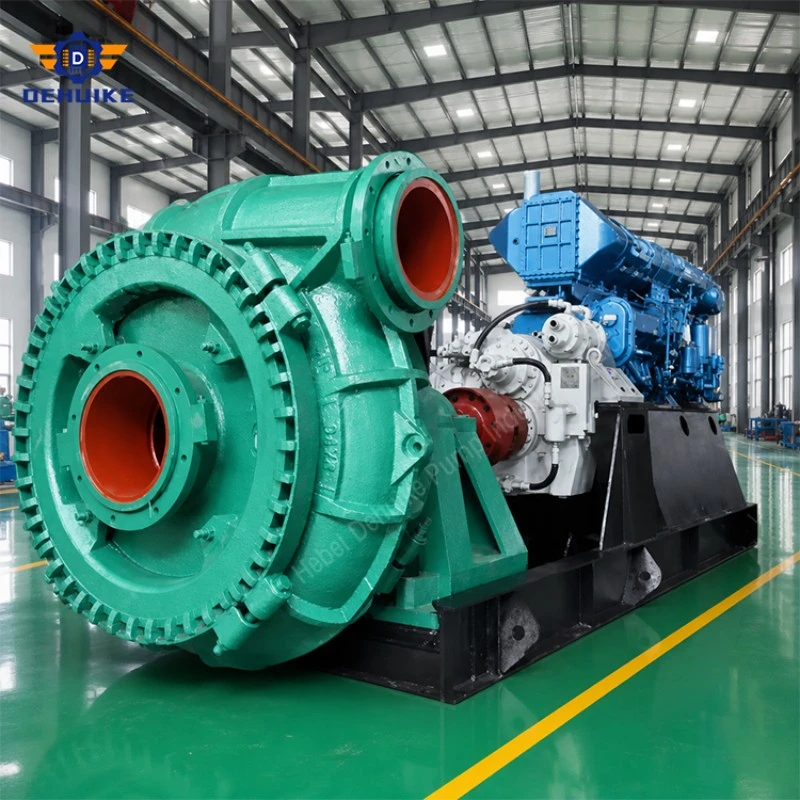
During operation, watch for signs of unstable feed: sudden vibration, erratic discharge, reduced output, higher load, abnormal sound, or material surging at the outlet. These symptoms may indicate intake air, dense solids, a settling line, worn wet-end parts, a partly closed valve, or a receiving restriction. The correct response is a systematic inspection, not repeated restarting without diagnosis.
If the pump must stop with solids in the pipeline, follow the site procedure for flushing or safe restart. If the line blocks, isolate the system before opening any connection. Gravel slurry under pressure can be hazardous, and long lines may hold trapped material even after the pump stops. Clear operating rules protect both equipment and personnel.
Application Areas
River and inland dredging
A High Head Gravel Pump can support dredging where the discharge point is above the water level, across a bank, or at a distant settlement area.
Sand and gravel extraction
Extraction sites may need to move coarse sand, natural gravel, and mixed sediment through a long pipe to classification or stockpiling equipment.
Mining and tailings handling
Mine sites may use high-head gravel pumping for abrasive slurry transfer where elevation, distance, and solids load must be reviewed together.
Aggregate washing plants
Wash plants can require pump service between pits, screens, cyclones, classifiers, settling areas, and dewatering equipment.
Coastal or sea-sand transfer
Sea-sand service should include a separate review of saltwater exposure, corrosion risk, material compatibility, and pipeline route.
Selection Checklist for Buyers
For the system route, include pipe length, internal diameter, static lift, bends, reducers, valves, hose sections, and receiving condition. For the slurry, include particle range, solids concentration, liquid chemistry, and whether the mixture settles quickly. For the equipment, include power supply, motor preference, installation base, available lifting method, and required documents.
A selection made from complete project data is easier to quote, install, operate, and maintain. It also reduces the risk of selecting a pump that has enough nameplate power but insufficient system suitability.
FAQ
Q: What is a High Head Gravel Pump used for?
A: It is used to move sand, gravel, dredged material, or abrasive slurry through a route that requires higher delivery head than ordinary short-distance transfer.
Q: How is high head different from high pressure?
A: High head refers to the energy required to lift and transport the slurry through the full route. Pressure is one result of system resistance, but pump selection should be based on the complete duty point.
Q: Can it handle coarse gravel?
A: It can be evaluated for coarse gravel when the particle size, shape, concentration, pump passage, and pipeline route are confirmed. Oversized material may need screening or another preparation method.
Q: What information is required for sizing?
A: Provide target flow, system head, pipe length, pipe diameter, elevation, bends, valves, slurry density, particle size, power supply, and receiving condition.
Q: Why does the discharge line matter so much?
A: The line creates friction loss, settling risk, restart difficulty, and mechanical load. A suitable pump cannot compensate for a poorly routed or undersized line.
Q: Which material should be selected for abrasive gravel?
A: Material choice should follow particle hardness, impact level, corrosion condition, temperature, and expected service interval. The final wet-end material should be confirmed for the project.
Q: What should be checked when output drops?
A: Check the intake condition, air entry, material concentration, pipe blockage, valve position, receiving point, wet-end wear, and drive load before changing settings.
Q: What should be included in a quotation request?
A: Send the application, slurry description, particle size, required capacity, system head, pipeline sketch, power supply, working hours, quantity, destination, and required documents.

Quotation Data Checklist
For a High Head Gravel Pump proposal, provide the slurry source, target capacity, calculated system head, pipeline layout, vertical lift, pipe or hose bore, bends and valves, particle range, solids concentration, liquid chemistry, installation method, drive requirement, operating schedule, quantity, destination, and document needs. Clear route data and material details allow the pump, wet-end arrangement, drive selection, pipe connection, and spare-part plan to be reviewed as one complete gravel transfer system.
Hot Tags: high head gravel pump, China high head gravel pump manufacturers, suppliers, factory