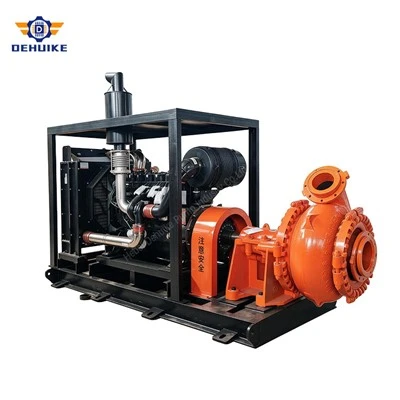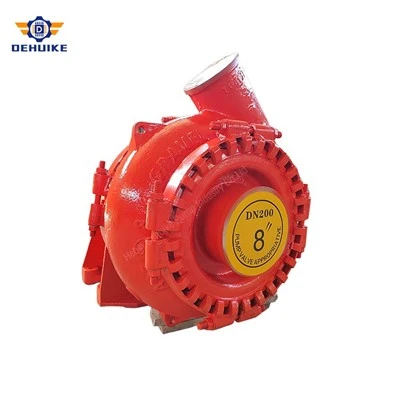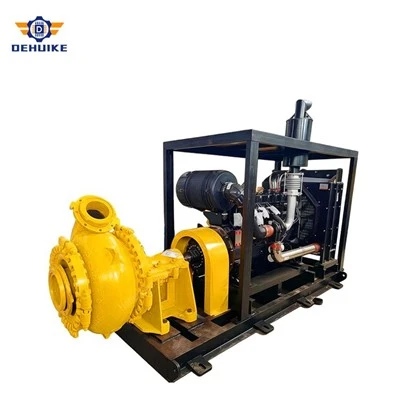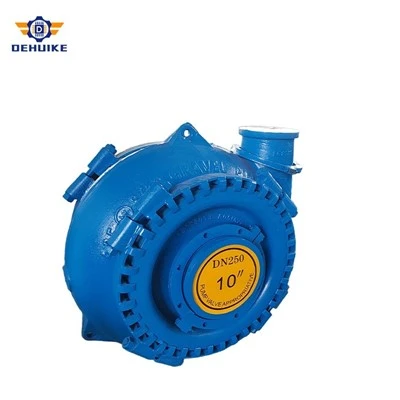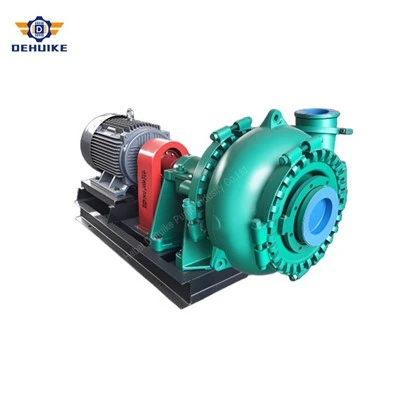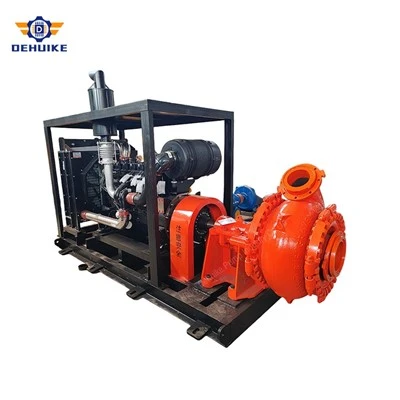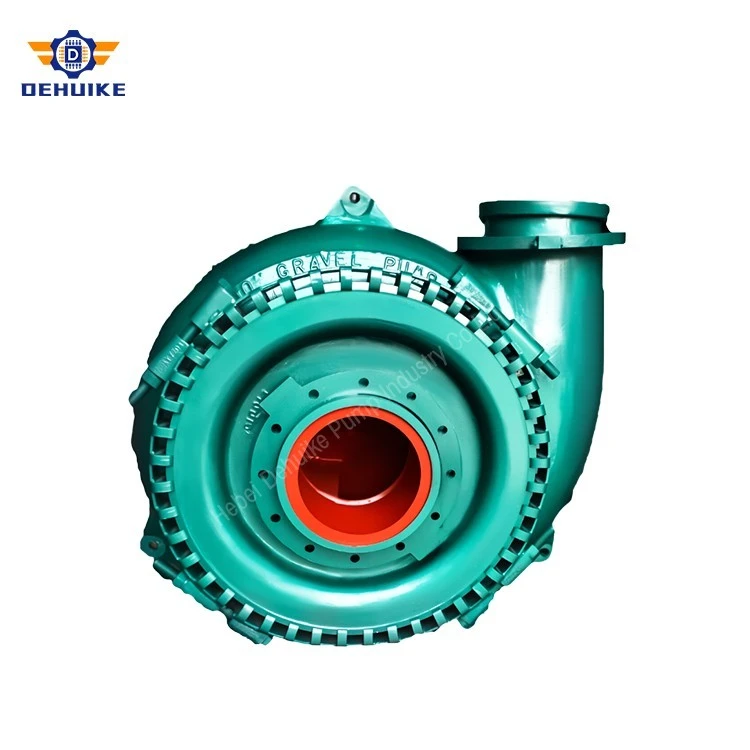
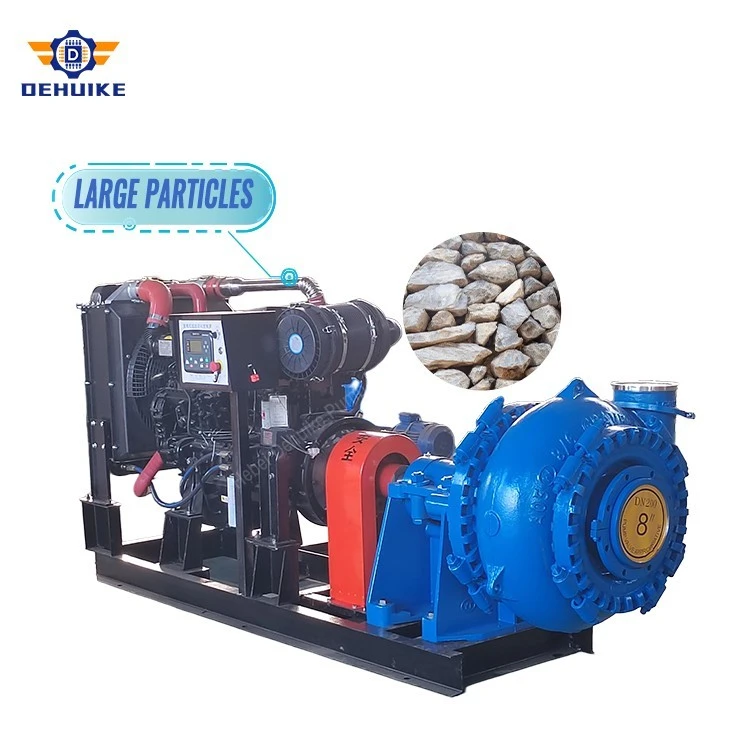
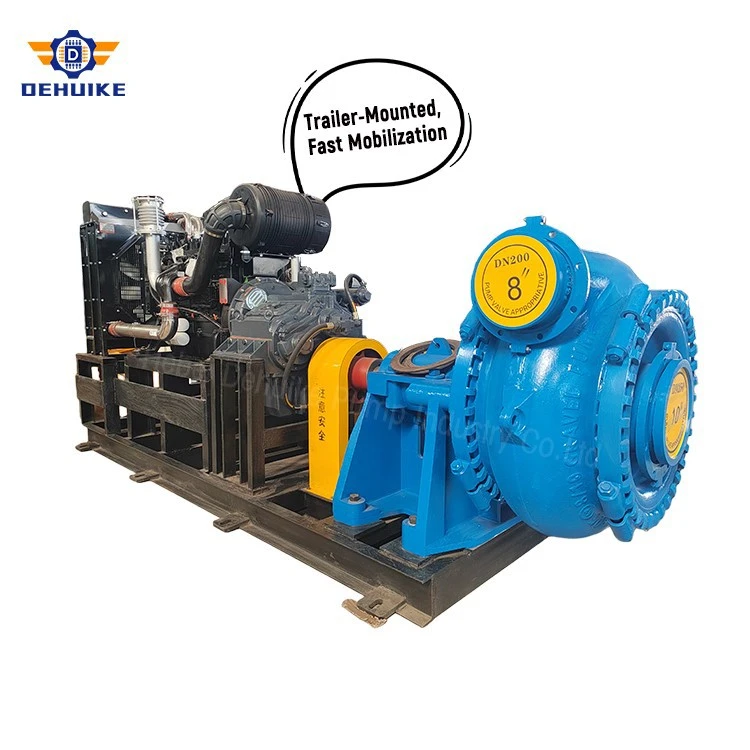
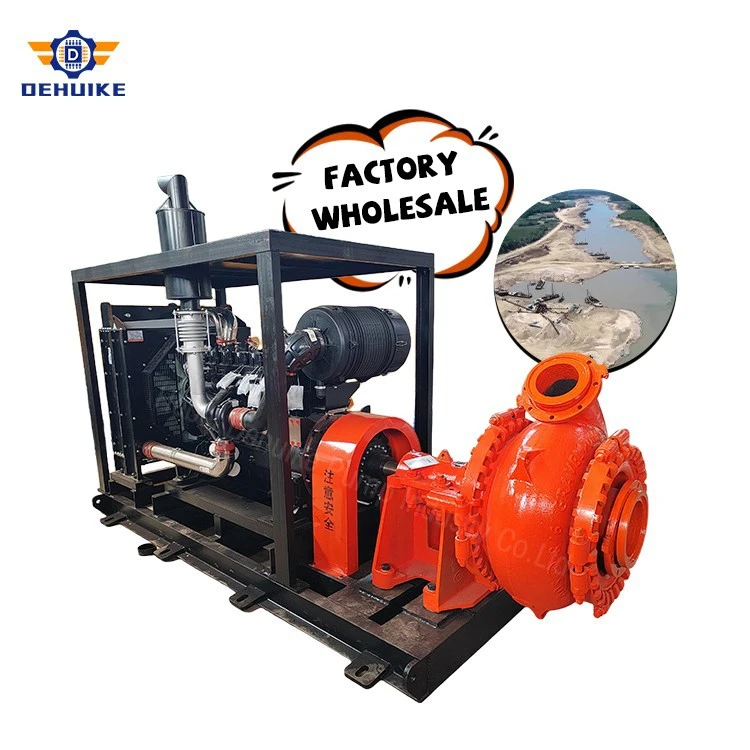
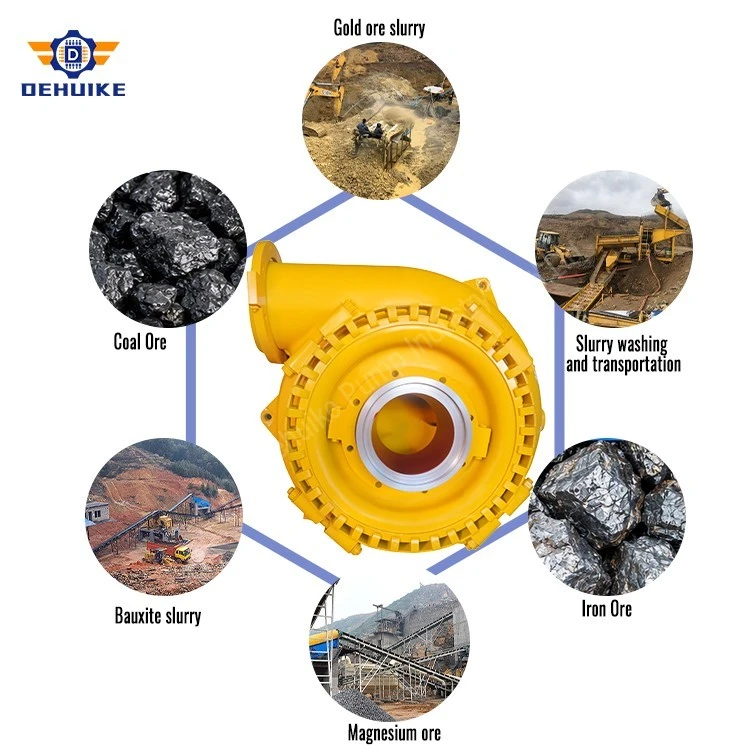
Hebei Dehuike Pump Industry Co., Ltd. is one of the most reliable manufacturers and suppliers of high chrome gravel pump in China. With abundant experience, we are committed to providing high quality customized pumps with competitive price. Welcome to wholesale bulk high chrome gravel pump for sale here from our factory. Also, pricelist is available.
Introduction | Confirm What "high Chrome" Covers
A High Chrome Gravel Pump is a gravel-handling pump supplied with specified high-chromium white-iron components in the slurry-contacting wet end. The description is incomplete until the quotation identifies which components use that material, the exact grade, and the evidence supplied with the order. It must not be inferred from paint, product name or appearance.
High-chromium white iron is selected in abrasive service because its microstructure can provide hard carbide-bearing regions within a metallic matrix. Actual behaviour depends on chemical composition, heat treatment, section size and casting quality as well as the slurry. A High Chrome Gravel Pump therefore needs both hydraulic selection and metallurgical confirmation.
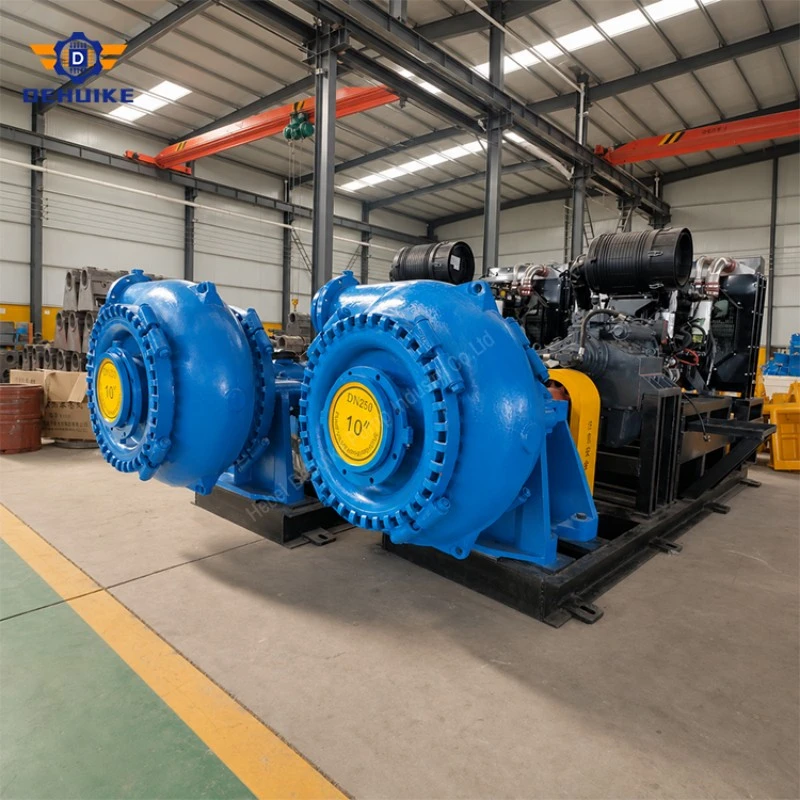
The G Series data below provides the pump-size and performance foundation. It does not state high-chrome chemistry. A Heavy Duty Gravel Pump may be offered with metal wet-end parts, but the buyer should treat the material description as pending until a component-by-component schedule is approved.
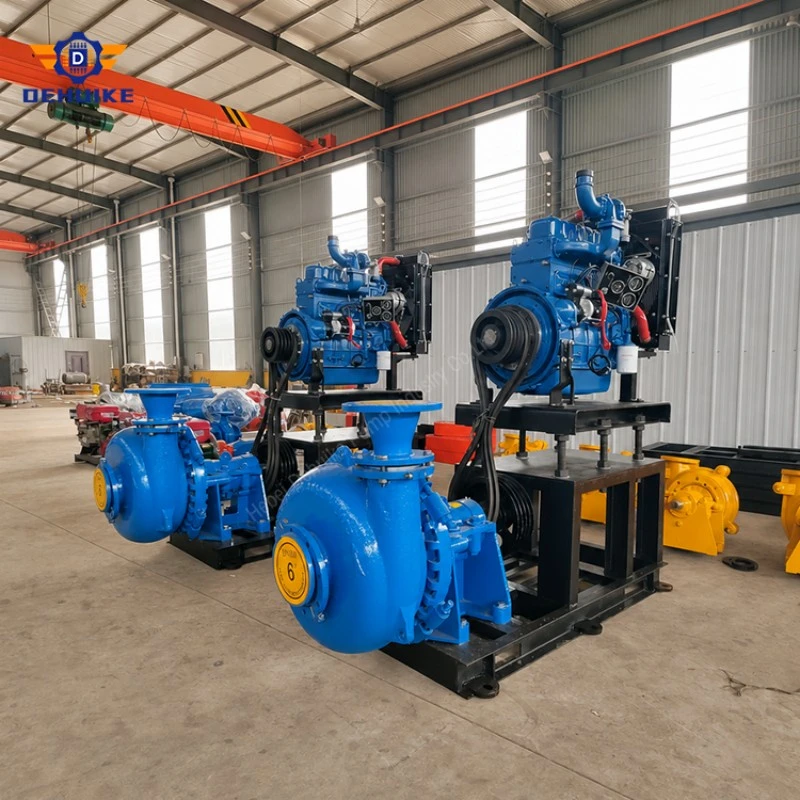
Specifications / Technical Parameters | Keep Performance And Metallurgy Separate
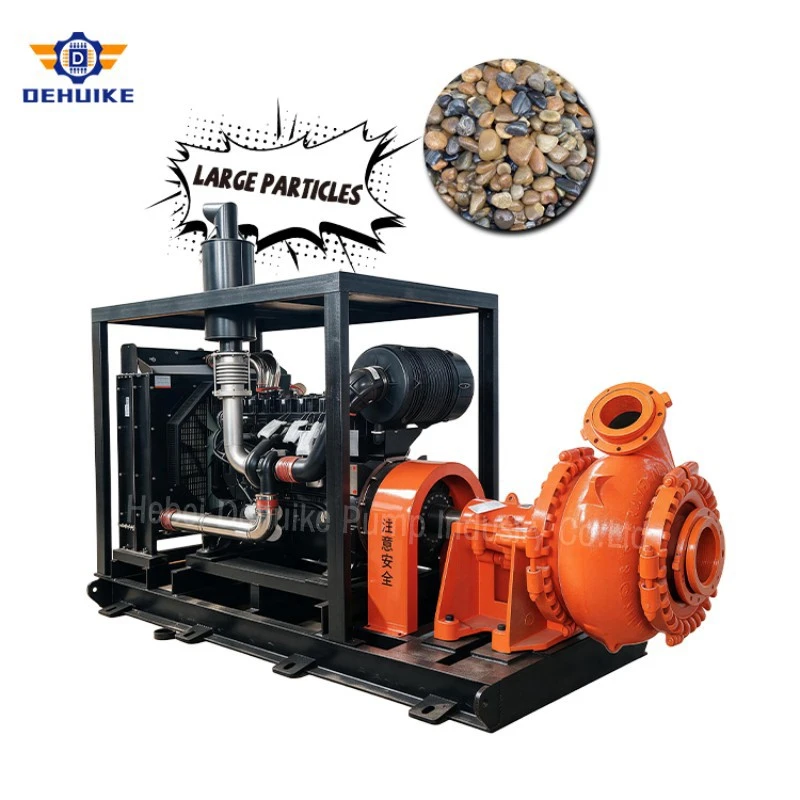
The recorded particle field is not a recommended continuous top size and is not evidence that a particular high-chrome casting will tolerate repeated impact at that dimension. Establish shape, frequency and energy of coarse objects separately. The flagged 12/10G-G dimensional inconsistency and all selected duty points carrying correction notes remain outside this selection.
Hydraulic capacity is mixture volume rather than dry-solids output. Total head is not allowable internal pressure, and listed point efficiency excludes the complete electrical train. Slurry density and performance corrections remain necessary. A High Chrome Gravel Pump cannot be ranked metallurgically from these numerical fields.
Add a material schedule beside the performance submission. Useful columns include component name, proposed standard and grade, heat-treatment condition, target hardness or inspection range, certificate type, repair restrictions and replacement part number. If the specification invokes ASTM A532/A532M or another standard, state the exact class, type and contract edition instead of writing only "ASTM high chrome."
|
G Series type |
Particle reference (mm)* |
Suction opening (mm) |
Discharge opening (mm) |
Pump mass (kg) |
|
6/4D-G |
82 |
150 |
100 |
460 |
|
8/6E-G |
127 |
200 |
150 |
1120 |
|
10/8F-G |
178 |
250 |
200 |
2250 |
|
14/12G-G |
241 |
350 |
300 |
5400 |
|
16/14-G |
255 |
400 |
350 |
6950 |
|
G Series type |
Volume flow (m3/h) |
Total head (m) |
Shaft speed (r/min) |
Point efficiency (%) |
Motor reference (kW) |
|
6/4D-G |
237.6 |
34 |
1200 |
58 |
55 |
|
8/6E-G |
585 |
34.2 |
1400 |
58.5 |
132 |
|
10/8F-G |
825 |
27.7 |
850 |
62.2 |
160 |
|
14/12G-G |
3311 |
53.9 |
730 |
66.8 |
1250 |
|
16/14-G |
2130 |
18.2 |
350 |
67.6 |
450 |
Product Detail | Understand How Alloy Condition Affects Service
During pumping, gravel and slurry pass through the rotating impeller and surrounding casing before leaving the discharge. Metal loss can occur by cutting, ploughing, repeated impact or corrosion-assisted erosion. High-chromium white iron is not simply steel with extra chromium; it is a cast-iron family whose carbide population and supporting matrix influence abrasion and fracture behaviour.
Heat treatment can alter the matrix surrounding the carbides and therefore changes the useful balance of hardness and toughness. Casting section thickness and cooling history can also influence local structure. For a High Chrome Gravel Pump, chemistry alone is not enough to demonstrate that an impeller or casing has the specified condition.
High hardness does not eliminate impact sensitivity. Large sharp rocks, trapped metal and severe hydraulic shock can create conditions unlike steady abrasion by graded mineral solids. The manufacturer should review whether a high-chrome component is suitable for the expected impact severity, rather than allowing the buyer to assume that more chromium always means better service.
Features / Equipment Characteristics | Specify Parts, Grade And Acceptance Evidence
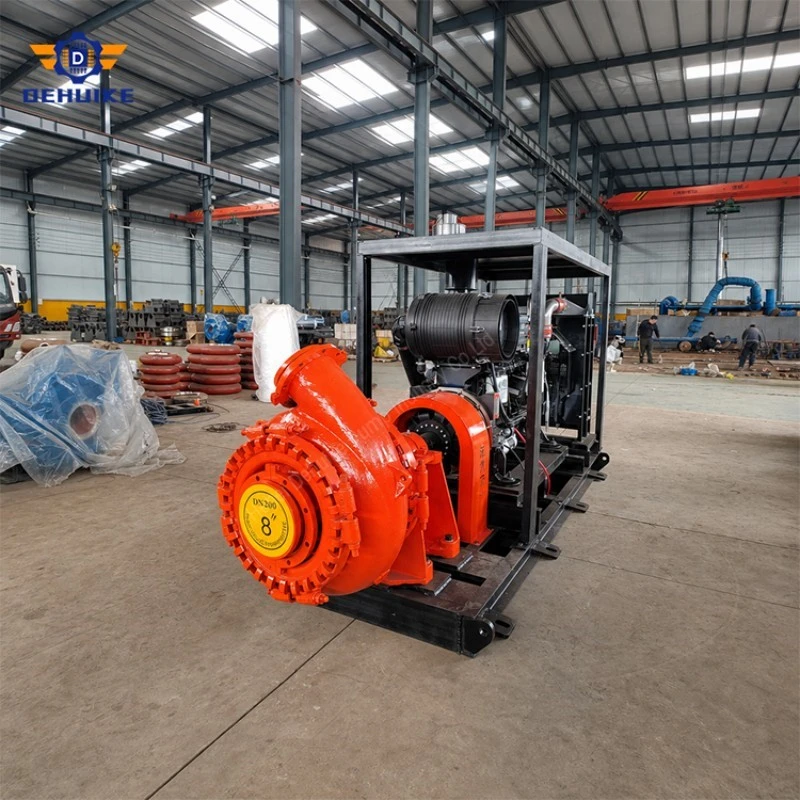
A material-focused offer should make the boundary of the high-chrome supply visible. The term may apply to an impeller, casing, wear plate or another wet-end casting, depending on design. Structural, shaft, bearing and sealing parts can require different materials. One adjective beside the complete pump does not replace this breakdown.
-Identify every high-chrome component by drawing or controlled part number, including whether it is replaceable independently of adjacent parts.
-Name the alloy grade and applicable specification. A generic chromium percentage does not fully define carbon, molybdenum, nickel, matrix condition or acceptance rules.
-State the heat-treated delivery condition and required verification. Hardness location, sampling frequency and acceptance range should be agreed before casting.
-Describe the slurry impact level as well as abrasion. A Heavy Duty Gravel Pump can encounter rocks or foreign objects that challenge a hard, comparatively brittle casting.
The High Chrome Gravel Pump remains a hydraulic machine, so metallurgical controls must coexist with curve selection, drive power, balance and dimensional fit. Substituting an alloy without confirming geometry and rotating mass can create a different problem even when the material certificate looks acceptable.
Our Advantages | Make The High-chrome Claim Commercially Testable
For a High Chrome Gravel Pump comparison, place price beside material scope, certificate coverage, casting inspection, replacement lead time and hydraulic duty. A lower-cost bid may exclude documentation or apply the named material to fewer components. A more expensive bid is not automatically better unless those differences are explicit and relevant.
Field evaluation should compare equivalent feed and operating conditions. Record hours, solids handled, speed, component orientation and remaining thickness. Do not claim that a high-chrome Heavy Duty Gravel Pump lasts a fixed multiple of another material unless a controlled, comparable dataset and acceptance basis support the statement.
Production Process And Quality Assurance | Verify A Cast Alloy From Melt To Part
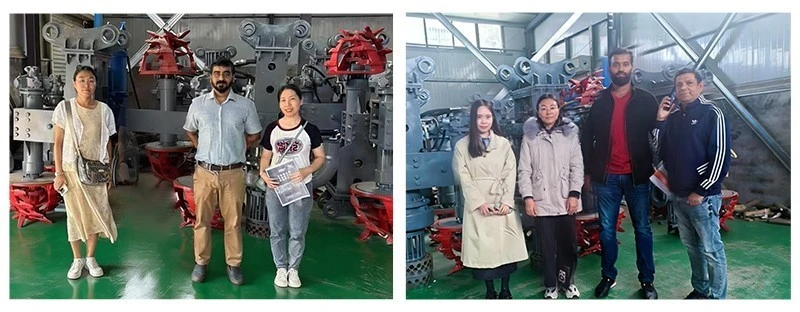
Production process: define hold points before casting
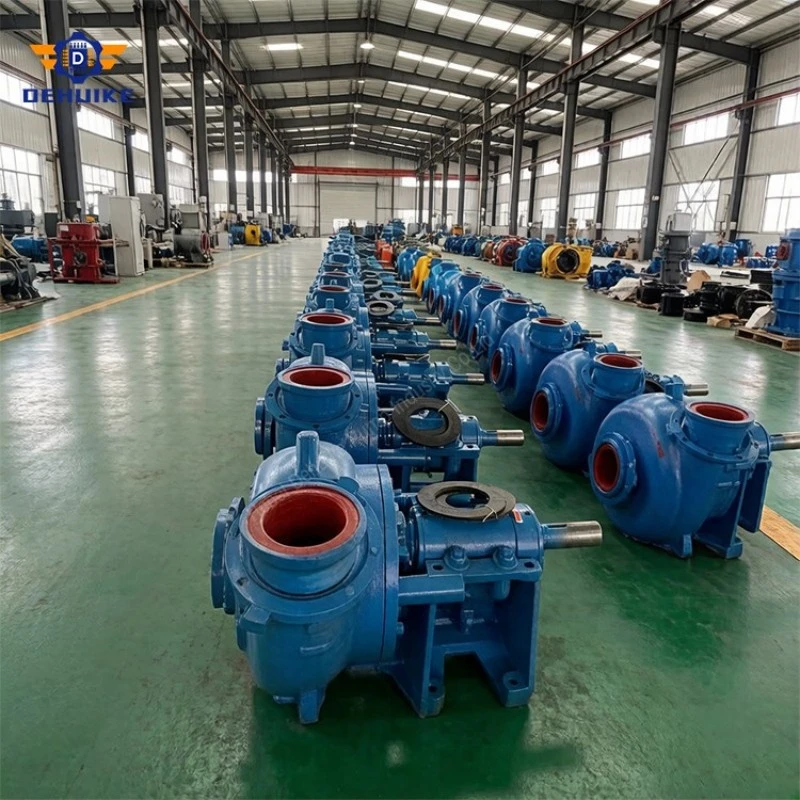
The purchase specification can require review of material designation, drawing revision and heat-treatment condition before production. For cast components, agree how heat or batch identity follows the part through pouring, thermal processing and machining. Critical interfaces should remain within the released dimensional tolerances after heat treatment.
Where balancing or runout affects a rotating component, state the required check and reporting basis. Protect finished bores, faces and edges during storage and transport. A High Chrome Gravel Pump replacement part should arrive with durable identification that links it to the approved drawing and material records.
Quality assurance: choose evidence that answers the material question
A chemical analysis indicates elements present; hardness testing samples a mechanical response at stated locations; metallography can assess microstructural features where contractually required; dimensional inspection checks fit. None of these records alone proves field life. Define sample location, frequency, test method and acceptance limits instead of requesting an undefined quality certificate.
Applications | Decide When High-chrome Metal Is A Credible Candidate
Faster-running smaller gravel circuit
The selected 6/4D-G point is 237.6 m3/h at 34 m and 1200 r/min; the 8/6E-G point is 585 m3/h at 34.2 m and 1400 r/min. Particle velocity and grading deserve attention when reviewing the proposed wet-end alloy for these reference duties.
Intermediate aggregate or mineral transfer
For 10/8F-G, the chosen record gives 825 m3/h at 27.7 m and 850 r/min. Use a material review that includes angularity, mineral hardness and carrier chemistry. The table's 160 kW motor reference is not a wear-performance guarantee or final dense-slurry power calculation.
Large-capacity coarse-solids line
The selected 14/12G-G row lists 3311 m3/h at 53.9 m, while 16/14-G lists 2130 m3/h at 18.2 m. Their required duties differ substantially. For either Heavy Duty Gravel Pump, confirm handling provisions for large high-chrome castings and the consequences of impact before approving material.
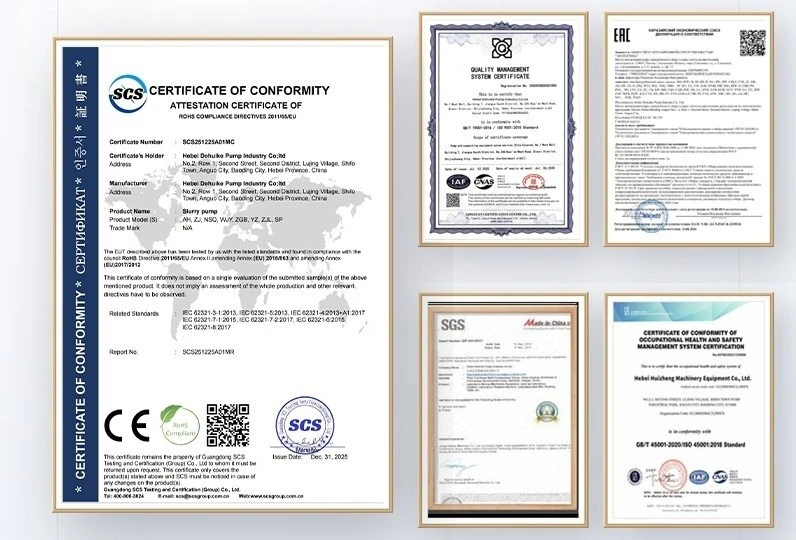
Our Service, Experience And Markets | Request A Material Selection Dossier
For an existing High Chrome Gravel Pump, attach wear maps, close photographs and any previous material certificates. Mark premature cracking, local gouging, uniform thinning or corrosion features separately. These observations help distinguish a composition issue from impact, off-duty operation, casting quality or process change.
Ask for the proposed parts list, alloy designation, heat-treatment condition, inspection documents and replacement lead time. Confirm where metallurgical support and claim investigation are available. The performance data establishes no foundry capability, installed fleet, export country or response commitment, so this page makes none of those claims.
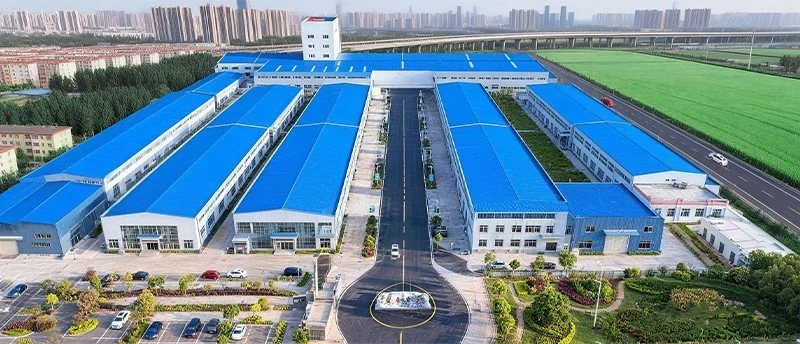
Installation And Maintenance | Preserve Traceability Through Every Replacement
Commission the High Chrome Gravel Pump at the approved hydraulic point and establish baseline speed, power, vibration, flow and pressure. Record the feed condition at the same time. If performance changes, investigate obstruction, clearance, wear and slurry variation before increasing rotational speed.
During inspection, retain the part identity and map the location of loss or cracking. Thickness measurements should use defined points and comparable instruments. If a component is removed early because of fracture rather than gradual abrasion, preserve the evidence for metallurgical review instead of treating it as ordinary consumed wear.
Before servicing the Heavy Duty Gravel Pump, complete isolation, pressure release and pipe restraint in accordance with the site procedure. Fit only parts accepted for the actual configuration, restore specified clearances and guards, and document the new component identification for the next condition review.
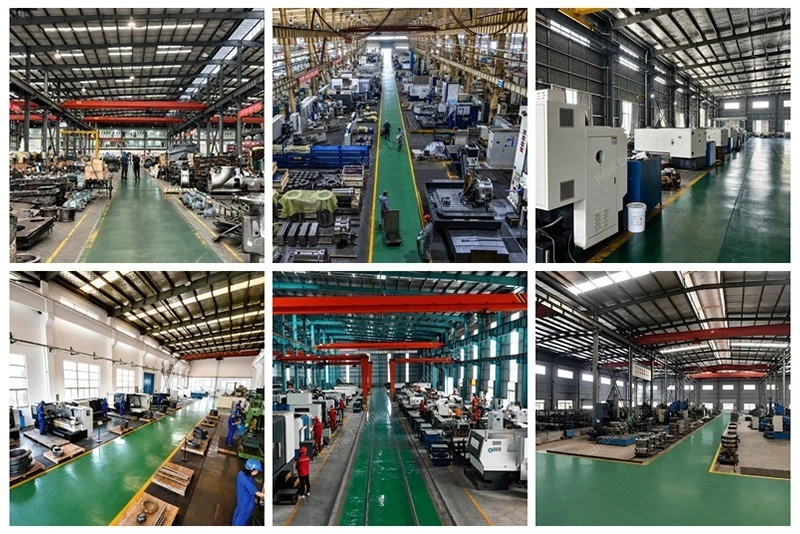
Faq | Purchase A High Chrome Gravel Pump With Documented Material Scope
1. Does "high chrome" describe the entire pump?
Usually it should refer only to specifically identified components. The shaft, bearings, seals, fasteners and structural items may use other materials. Require a component schedule rather than applying one material label to the complete assembly.
2. Is chromium percentage alone enough to define the alloy?
No. The complete chemistry, grade or standard classification, heat-treated condition and acceptance requirements matter. Carbon and other alloying elements influence carbide formation and matrix behaviour, so a chromium number by itself is incomplete.
3. Is higher hardness always preferable?
No. Abrasion resistance must be balanced against impact and fracture risk for the actual feed. A very hard casting can be unsuitable where severe impact or uncontrolled foreign objects dominate. Obtain a supplier assessment tied to the application.
4. Can ASTM A532/A532M be written without a class or type?
That is not a complete purchasing definition. If the standard is required, identify the applicable class, type, edition and any supplementary chemistry, hardness, heat-treatment or inspection requirements in the contract.
5. Does a hardness certificate prove wear life?
No. It records a measured property under stated test conditions. Wear life also depends on microstructure, casting integrity, component design, slurry, speed and impact. Field life needs comparable operating evidence and stated assumptions.
6. Is high-chrome white iron suitable for corrosive liquid?
Compatibility depends on chemistry, temperature and simultaneous erosion. Do not assume broad corrosion resistance from the word chromium. Declare pH, chlorides and reagents, then request written suitability for the proposed grade.
7. Can a cracked high-chrome impeller be repaired by ordinary welding?
Do not assume so. Repairability depends on alloy, condition, design and an approved procedure. Unauthorised heating or welding can introduce further cracking or alter properties. Follow the component manufacturer's written disposition.
8. Which documents should accompany replacement parts?
Use the purchase specification to define part identification, drawing revision, material certificate, hardness or other agreed inspection records and release documentation. Ensure the replacement remains traceable after it enters site stores.

Request A High-chrome Configuration Review
For a High Chrome Gravel Pump proposal, provide the hydraulic duty, particle data, impact conditions and liquid chemistry. If the supplier recommends a Heavy Duty Gravel Pump with high-chrome components, require the exact parts, grade, heat-treatment state, test evidence, selected curve and spare-part identification before order release.
Hot Tags: high chrome gravel pump, China high chrome gravel pump manufacturers, suppliers, factory