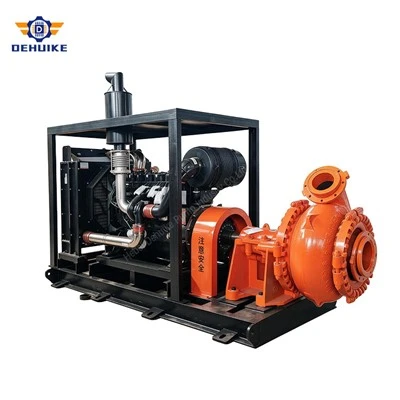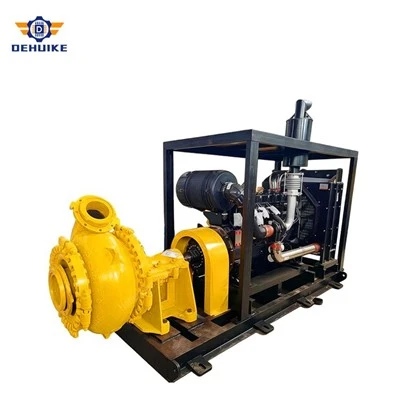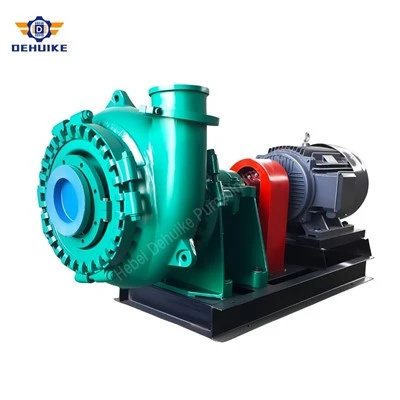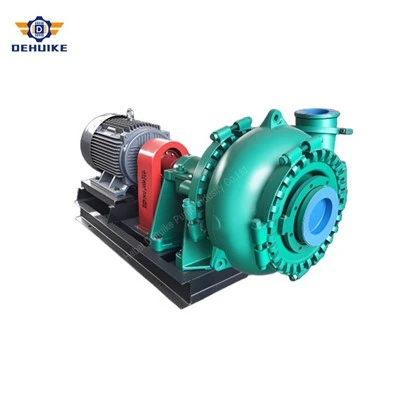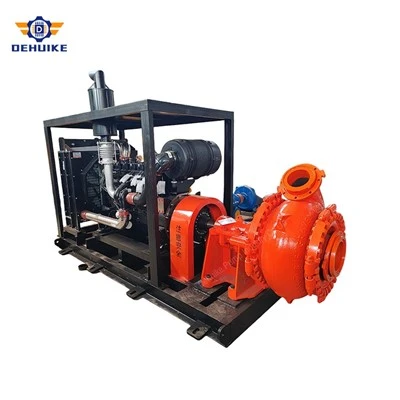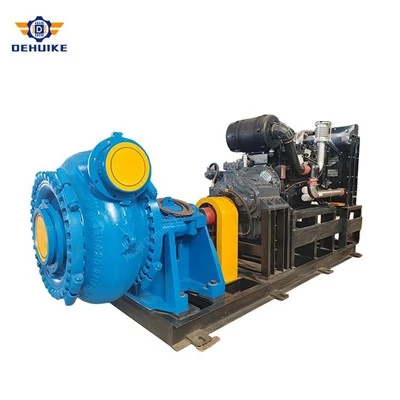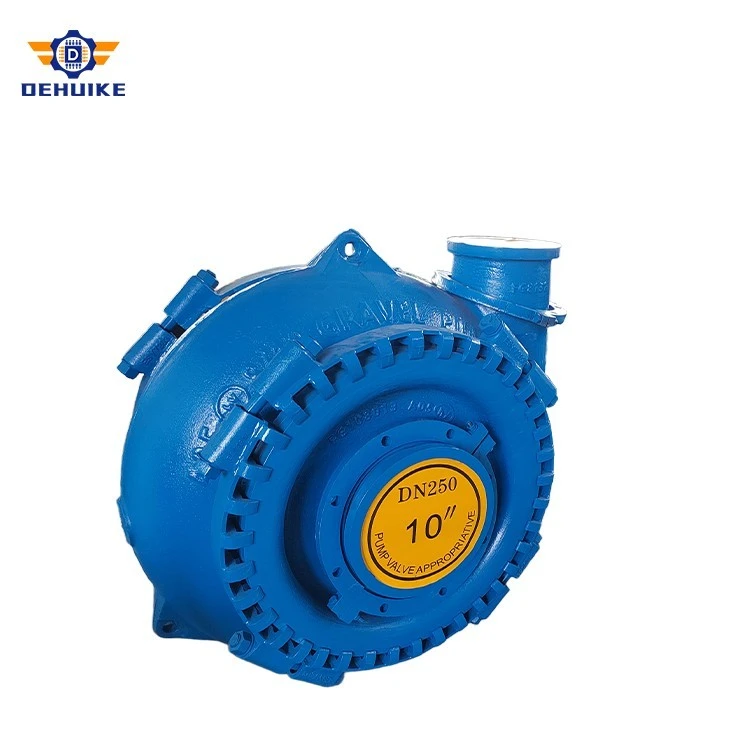
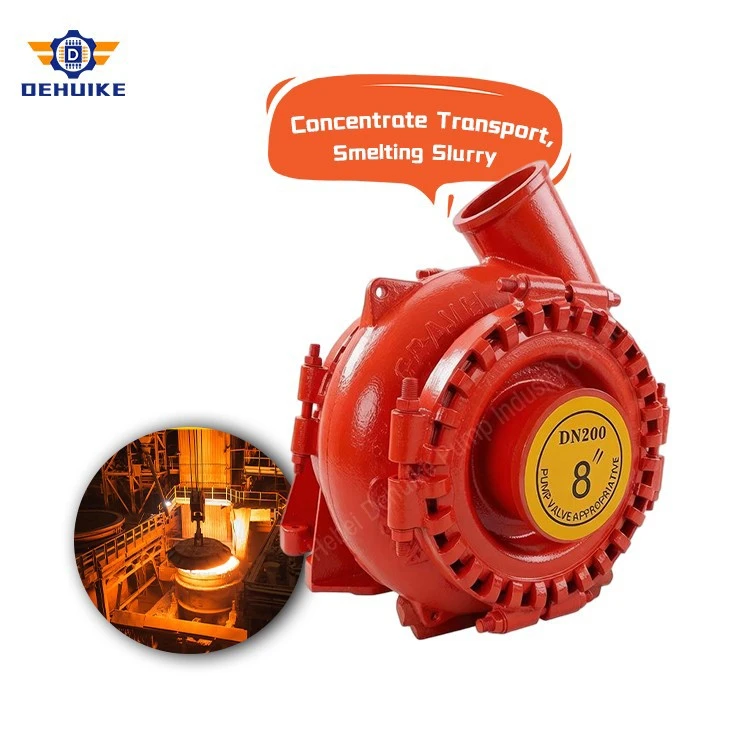
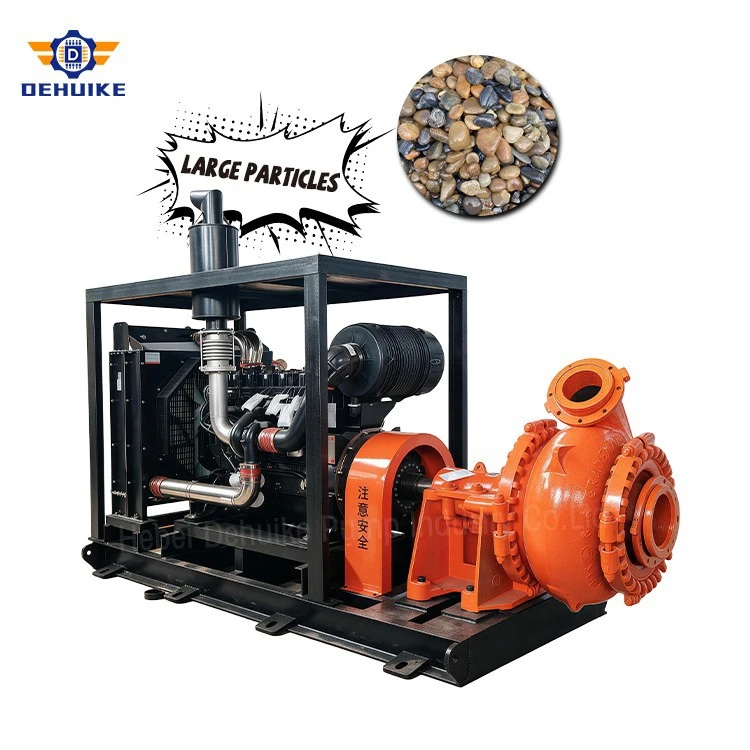
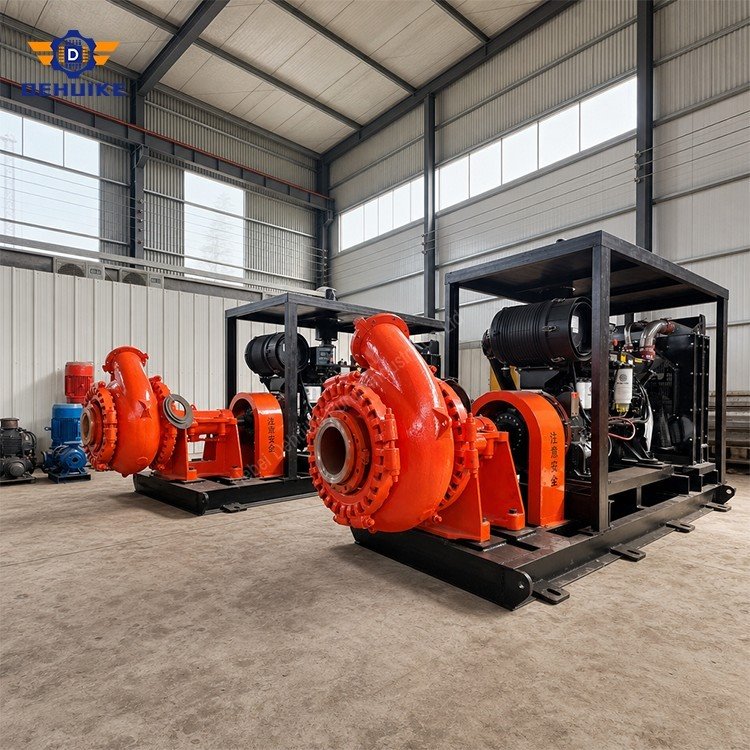
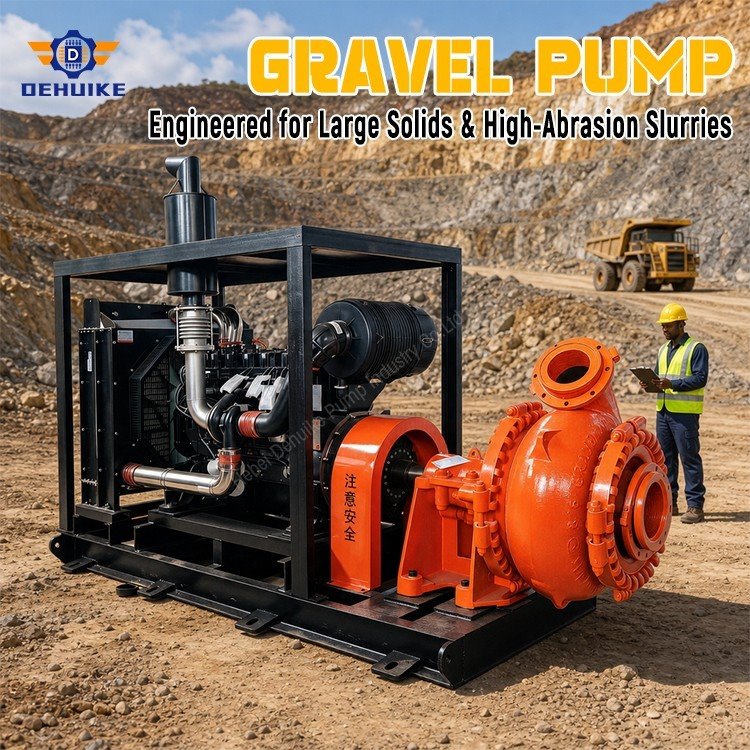
Hebei Dehuike Pump Industry Co., Ltd. is one of the most reliable manufacturers and suppliers of coarse sand pump in China. With abundant experience, we are committed to providing high quality customized pumps with competitive price. Welcome to wholesale bulk coarse sand pump for sale here from our factory. Also, pricelist is available.
Introduction | Transfer sand, not just water
A Coarse Sand Pump transfers abrasive sand suspended in water between extraction, washing and recovery stages. The practical challenge is maintaining delivery when the mixture changes: a watery feed can become sand-rich within the same shift, and a line that runs freely during operation may contain settled solids after a stoppage. Reliable selection must account for both the running duty and the restart.
The G Series records on this page provide a starting shortlist for that work. They cover smaller transfer duties through to larger-volume circuits, with a separate hydraulic entry for each size. For a Coarse Sand Pump, the right choice is the machine that fits the process flow and sand characteristics together, not whichever model has the largest inlet.
Where the feed also carries gravel, a Heavy Duty Gravel Pump may be considered within the same equipment category. Its passage allowance does not resolve every sand-handling problem. Abrasive contact, changing concentration and loss of transport velocity can affect operation even when every grain is much smaller than the internal passage.
Specifications / Technical Data | Keep Each Duty Point Intact
The particle column reproduces the technical data's maximum-particle entry. It does not define the grain-size distribution of coarse sand, nor does it establish a normal production feed limit. Grain grading must be specified separately. None of the selected hydraulic records carries a correction flag.
For a Coarse Sand Pump enquiry, identify whether the required delivery is slurry volume or dry-sand mass. The table uses volume per hour. Converting that value into production tonnage needs a concentration basis and solids density. The efficiency column is not an overall motor-and-pump efficiency, and the listed kilowatts are a motor reference rather than observed electrical consumption.
|
Model |
Particle entry (mm)* |
Suction size (mm) |
Discharge size (mm) |
Pump mass (kg) |
|
6/4D-G |
82 |
150 |
100 |
460 |
|
8/6E-G |
127 |
200 |
150 |
1120 |
|
10/8F-G |
178 |
250 |
200 |
2250 |
|
14/12G-G |
241 |
350 |
300 |
5400 |
|
16/14-G |
255 |
400 |
350 |
6950 |
|
Model |
Flow (m3/h) |
Head (m) |
Pump speed (r/min) |
Efficiency (%) |
Motor entry (kW) |
|
6/4D-G |
130 |
15.5 |
800 |
52 |
15 |
|
8/6E-G |
320 |
24.2 |
1100 |
60.8 |
55 |
|
10/8F-G |
575 |
34.6 |
850 |
49.3 |
160 |
|
14/12G-G |
1992 |
42.5 |
600 |
64.2 |
560 |
|
16/14-G |
1800 |
26.5 |
400 |
64.5 |
560 |
Product Detail | Understand The Working Principle And Wear Surfaces
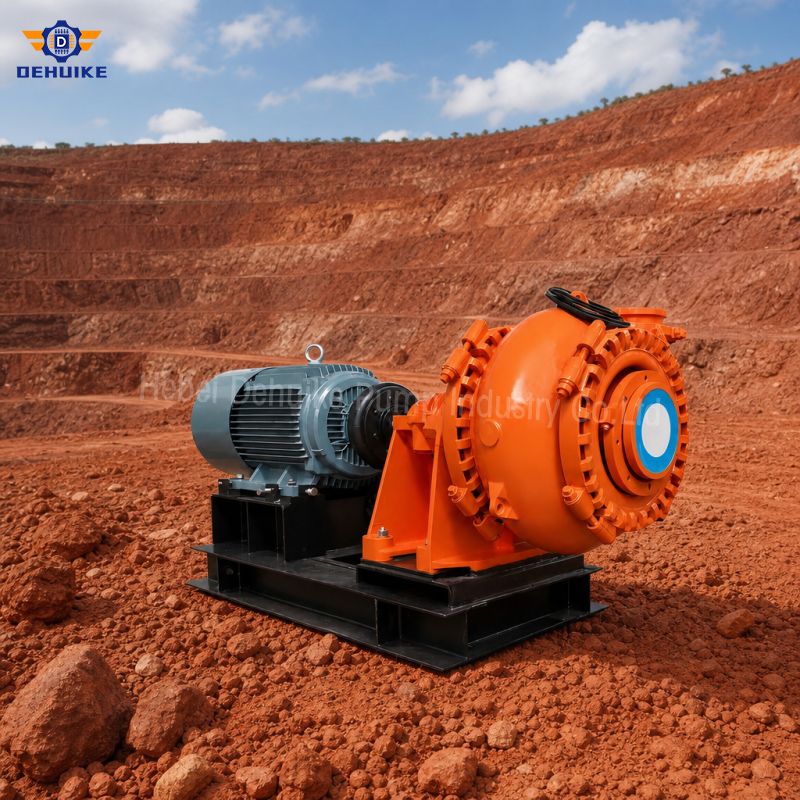
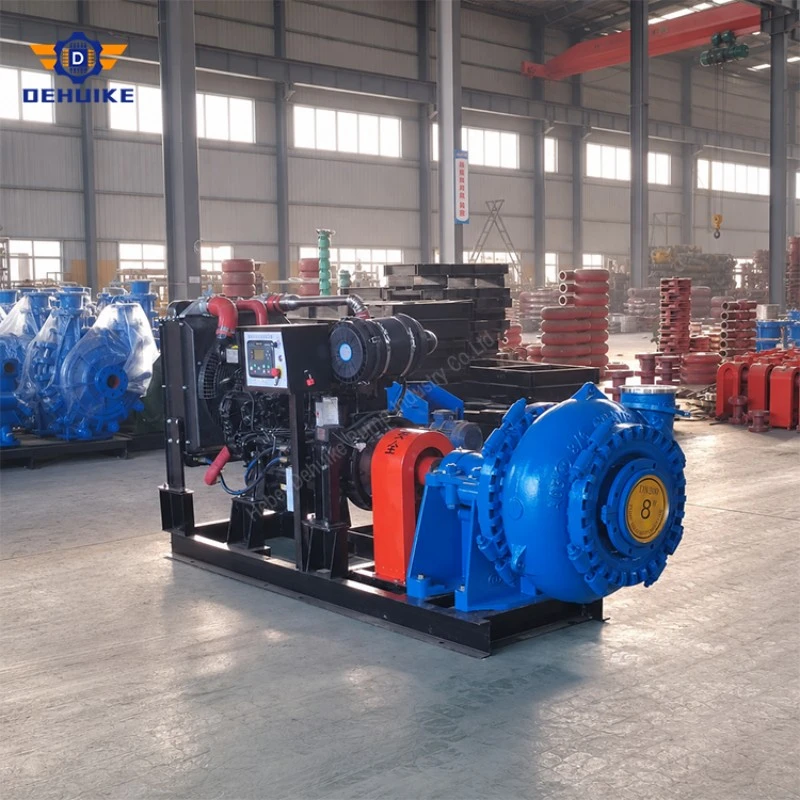
Centrifugal action supplies the energy for sand-water movement. The impeller rotates inside the casing, accelerating the mixture toward the discharge. The casing collects the flow, while the drive, shaft and bearings keep the rotating components working in their intended position. Sealing at the shaft entry separates the wet pumping region from the external environment according to the selected seal arrangement.
Sand subjects the wetted surfaces to repeated sliding and impact. The intensity depends on more than grain diameter: angularity, mineral hardness, concentration and local velocity all matter. A Coarse Sand Pump handling sharp crushed material may face a different wear pattern from one handling rounded natural sand, even when their nominal flow requirements match.
Metal wear parts are commonly used in gravel-pumping designs. Request the actual wetted-parts specification. High hardness alone is not a complete material selection, especially when impact or aggressive water chemistry is present. The balance between abrasion resistance, toughness and chemical compatibility deserves a written review rather than a generic wear-resistant label.
Features / Equipment Characteristics | Work within a Transport Window
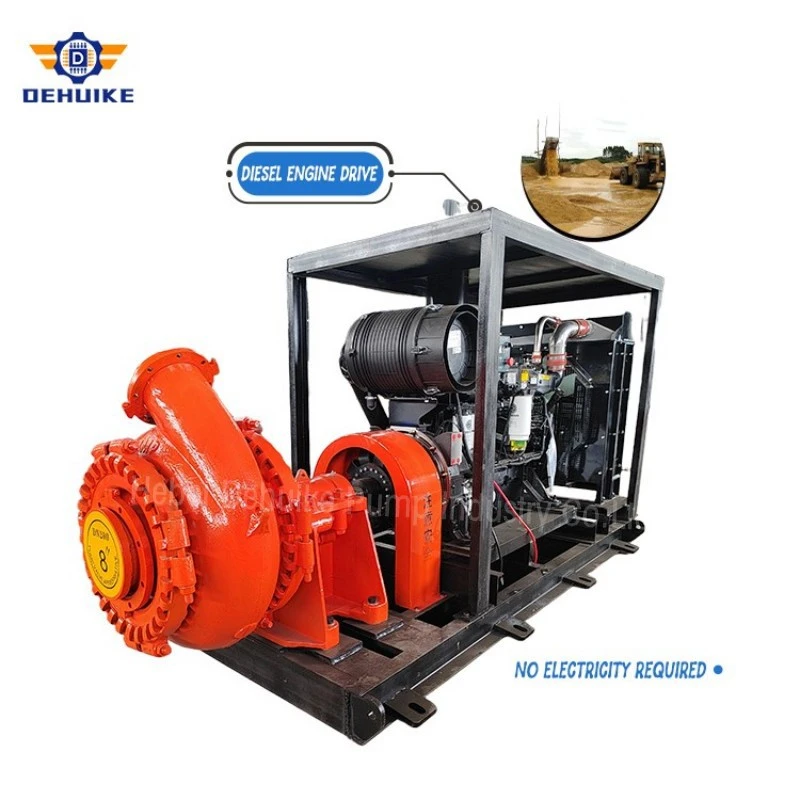
Passing grains through the pump and delivering them to the destination are separate questions. In a settling sand slurry, inadequate transport velocity can allow a deposit to develop in the line. Simply raising speed is not a universal cure: higher slurry velocity generally increases erosive loading. The operating aim is an appropriate transport window, established for the material and pipe system.
-Size the circuit around normal production and reduced-feed operation. A line selected only for peak throughput may behave differently when production drops.
-Use mixture concentration as an operating variable. The same liquid flow can carry very different quantities of sand, so water delivery alone is a poor production indicator.
-Review inlet supply as well as discharge demand. Falling sump levels, air entry or a restricted suction path warrant investigation before changing pump speed.
-Retain a plan for interruptions. The settled condition after a shutdown belongs in a Coarse Sand Pump specification just as much as the steady running point.
A Heavy Duty Gravel Pump designation does not provide a universal minimum line velocity, solids percentage or dry-running allowance. Those limits need to come from the chosen hydraulic design, the actual feed and the operating instructions. No such numerical limits have been inferred here.
Our Advantages | Compare Useful Output Over The Wear Cycle
For a Coarse Sand Pump, a meaningful comparison includes energy used, useful sand delivered, replacement-part consumption and time lost to cleaning or repairs. Compare those items under the same feed conditions. A lower purchase price or a higher catalogue efficiency cannot, by itself, establish the lowest operating cost.
When replacing a Heavy Duty Gravel Pump, use the old unit's wear history to improve the new specification. Ask where material was lost, how the flow changed and whether the feed became more abrasive. This is more useful than copying the old motor rating and assuming the duty has remained unchanged. No savings percentage or service-life extension is claimed without comparable operating records.
Production Process And Quality Assurance | Agree The Evidence Before Release
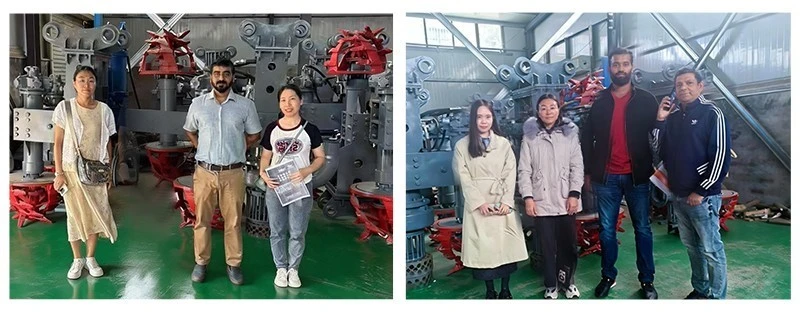
Production process: procurement checkpoints
Start with an approved component specification. For cast wetted parts, request identification of the selected metal and any heat-treatment requirements. Casting preparation and thermal processing can influence the finished material, so a generic alloy family is not a substitute for the agreed grade and acceptance criteria. These are checkpoints for the purchase specification, not an assertion of an undocumented factory process.
Follow the build through machining and assembly records relevant to the order. Confirm that the installed rotating parts, seal components and drive arrangement match the released configuration. Before shipment, agree how the connections, machined areas and loose accessories will be protected and identified. Keep the parts list tied to the supplied machine for later replacement orders.
Quality assurance: separate inspection from performance claims
Specify required inspections and their acceptance basis before the Coarse Sand Pump is released. Where a hydraulic test is requested, its record should identify the test liquid, speed, configuration and measured result. A clean-water test does not demonstrate the complete behaviour of every sand mixture. Material certificates, dimensional records and hydraulic results answer different questions and should not be treated as interchangeable evidence.
Applications | Examine The Process Before Assigning A Model
A Coarse Sand Pump can be considered for sand washing, recovery and suitable dredged-sand transfer duties. The following examples illustrate how the table could be used during preliminary selection. They are not customer case histories, proven production outcomes or recommendations to order without a hydraulic assessment.
Wash-plant transfer with a smaller volume requirement
Compare the 6/4D-G record at 130 m3/h with the 8/6E-G record at 320 m3/h when screening smaller transfer duties. Their associated heads are 15.5 m and 24.2 m respectively. The choice depends on where the sand-water mixture must go, not just how much space is available around the sump.
Recovery feed with changing sand concentration
The 10/8F-G entry pairs 575 m3/h with 34.6 m head. It is a reference for discussion when a recovery circuit needs that scale of duty. Evaluate the most demanding expected mixture as well as the usual feed; an occasional dense surge should not be overlooked because the shift average looks acceptable.
Higher-volume transfer between processing areas
The 14/12G-G and 16/14-G records pair 1992 m3/h with 42.5 m, and 1800 m3/h with 26.5 m. These are different hydraulic duties rather than a ranking of pump quality. A Heavy Duty Gravel Pump used here also needs a circuit that remains workable during reduced production, planned stoppages and restart.
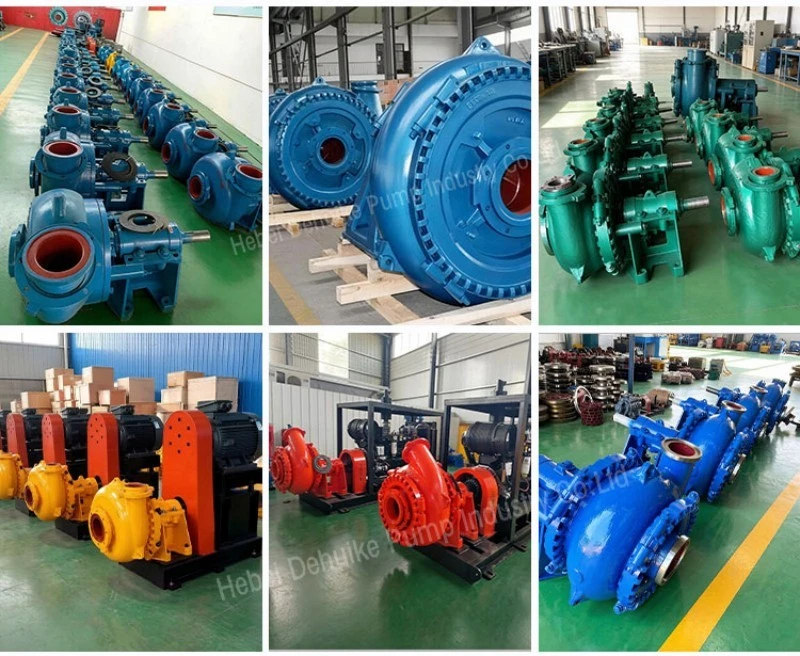
Our Service, Experience And Markets | Make The Enquiry Process-specific
Request a Coarse Sand Pump proposal that explains the selection basis and identifies what is included. Selection review, commissioning assistance, documentation and replacement-part support should each have a defined scope and confirmed availability. Where the supplier cites experience, ask for a comparable material and process duty rather than accepting an unrelated installation photograph.
For an overseas site, state the electrical supply, ambient conditions, installation constraints and required document language. A coastal sand technical data may call for a chemistry review, while a site with limited water may place particular importance on the agreed seal-water arrangement. These are site-specific considerations, not evidence of an existing service network or sales history. No market-coverage claim is made from the technical specification.
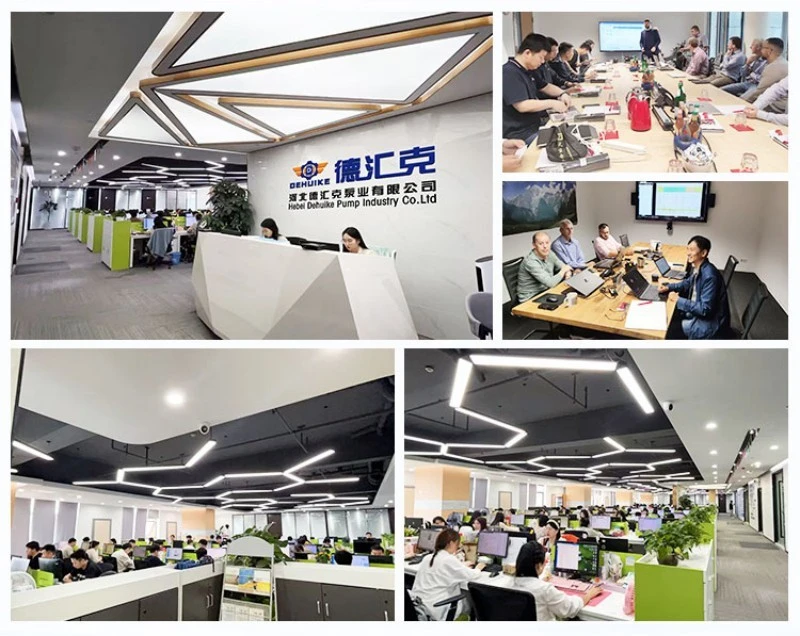
Installation And Maintenance | Plan For Low Flow And Shutdown
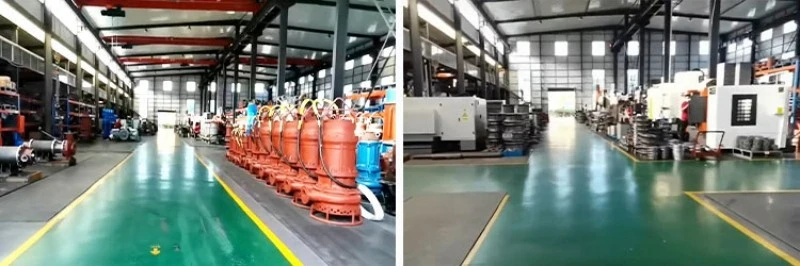
Install the Coarse Sand Pump as part of an engineered circuit. Check the suction supply, foundation, pipe supports and access to service points. Where the process can starve the intake, address that condition rather than relying on a larger motor. The manual for the selected assembly governs alignment, lubrication, seal requirements and commissioning checks.
Treat a speed change as a change to the whole circuit. Reducing speed can alter both pump delivery and the ability of the line to transport settling sand. Increasing it may raise power demand and abrasive wear. Confirm the permissible operating range, drive capacity and transport conditions before changing a control setting.
Establish a safe shutdown sequence that addresses sand remaining in the wet end and piping. Where an approved flushing procedure is provided, follow its stated sequence and liquid requirements. Do not repeatedly attempt to start a machine against a suspected deposit. A Heavy Duty Gravel Pump must be de-energised and the connected system made safe before any obstruction is investigated.
Record inspection findings against operating hours and the material handled. Grain angularity, concentration changes and water chemistry can explain differences between wear cycles. Use that evidence to refine inspection intervals; a fixed replacement schedule cannot be responsibly assigned from the catalogue figures alone.
FAQ | Get A Coarse Sand Pump Specification Right
1. Can this equipment convey dry sand without added liquid?
The duty described here is hydraulic transport of a sand-water mixture. It is not a pneumatic conveyor or a dry bulk feeder. A dry-sand requirement needs a different handling assessment; do not assume the liquid pump can draw and convey loose dry material.
2. What does coarse sand mean in an enquiry?
Use a grading report or a clearly identified size classification, rather than the adjective alone. Also report the fines fraction and any gravel present. The listed maximum-particle entries are not a definition of coarse sand and do not describe the normal feed distribution.
3. Why can the pipeline stop delivering even when the pump passage is clear?
Sand may deposit elsewhere in the circuit when transport conditions are inadequate. Restricted piping, interrupted feed and inlet problems also need examination. Confirm the location and cause safely before concluding that a larger pump is necessary.
4. Will reducing speed always reduce total operating cost?
Not necessarily. Reduced speed may lower delivery and leave a settling slurry outside its acceptable transport conditions. Assess production output and line behaviour together with power demand. Energy reduction has little value if it produces repeated cleaning stoppages.
5. Should the hardest available wear material always be chosen?
No. Hardness is one consideration alongside toughness, impact loading and liquid chemistry. Identify the dominant damage mechanism first. A suitable material for one sand technical data may perform differently when the feed or water composition changes.
6. Do the displayed efficiency values guarantee sand-slurry performance?
They do not. The technical data lists efficiency against individual hydraulic points without stating a sand test mixture. Obtain the manufacturer's interpretation, applicable corrections and performance basis for the proposed service before making an energy or output commitment.
7. Does sand pumping necessarily require a gravel-size machine?
No. A gravel-pump family is one candidate when the feed and hydraulic demand justify it. A sand-specific or other slurry-pump design may also deserve evaluation. Compare the complete duty and expected wear conditions rather than selecting only from the product label.
8. Can the same package be used with fresh water and saline water?
Not without checking the construction and sealing materials. Water chemistry can change corrosion exposure as well as maintenance needs. Declare the actual liquid composition in the enquiry and obtain written material compatibility confirmation for the supplied assembly.

Discuss Your Sand-transfer Duty
Send the feed grading, concentration range and process layout for a Coarse Sand Pump selection review. Include the required running duty and what happens during a stoppage. If a Heavy Duty Gravel Pump is being considered, ask why its hydraulics and materials suit this particular sand circuit, and request an itemised proposal with the assumptions stated.
Hot Tags: coarse sand pump, China coarse sand pump manufacturers, suppliers, factory