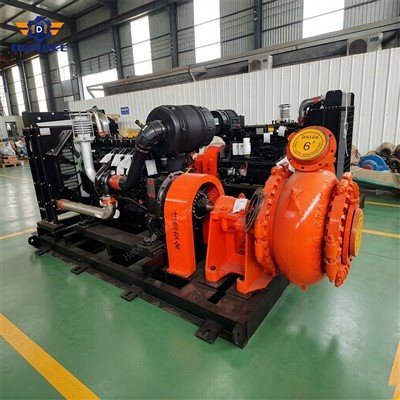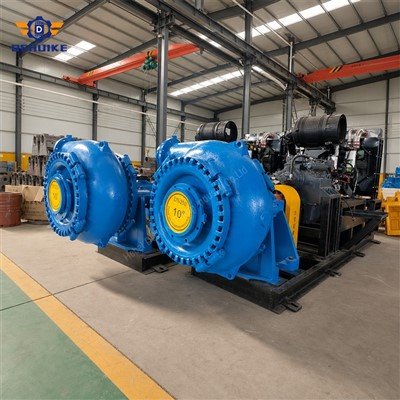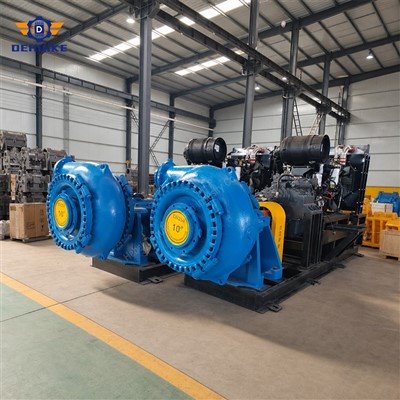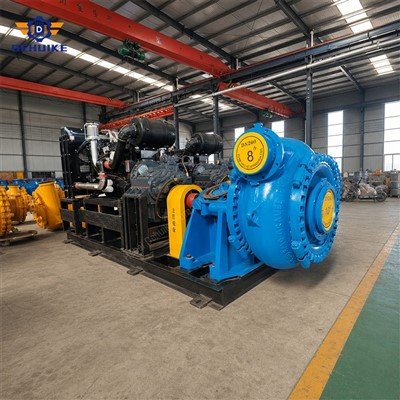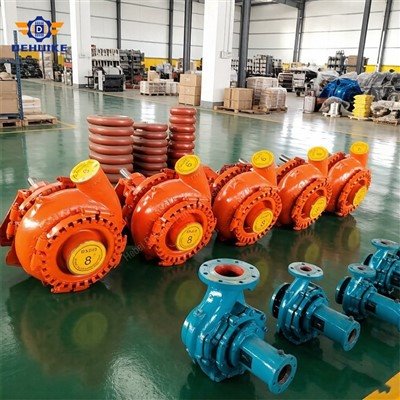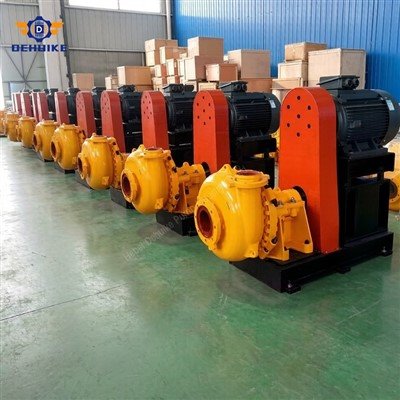

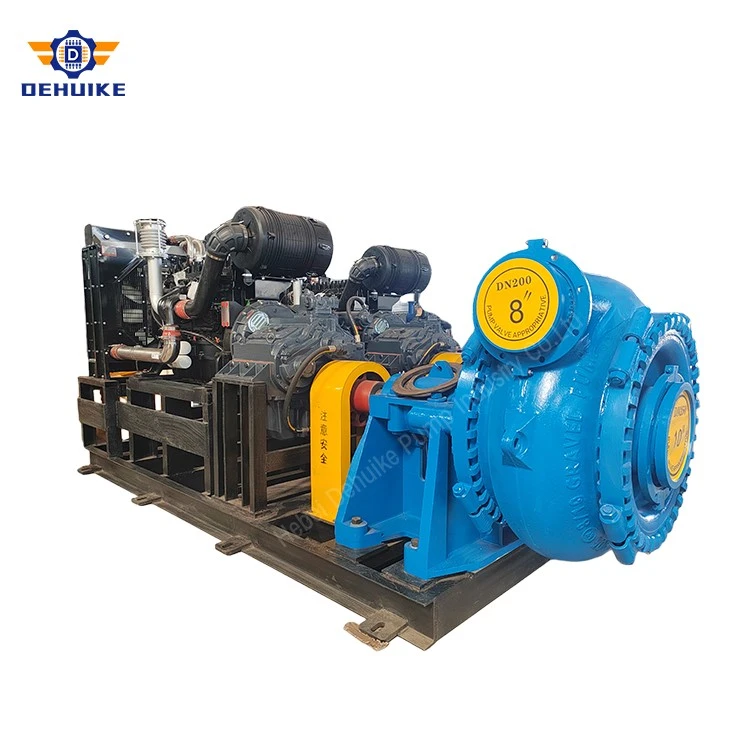

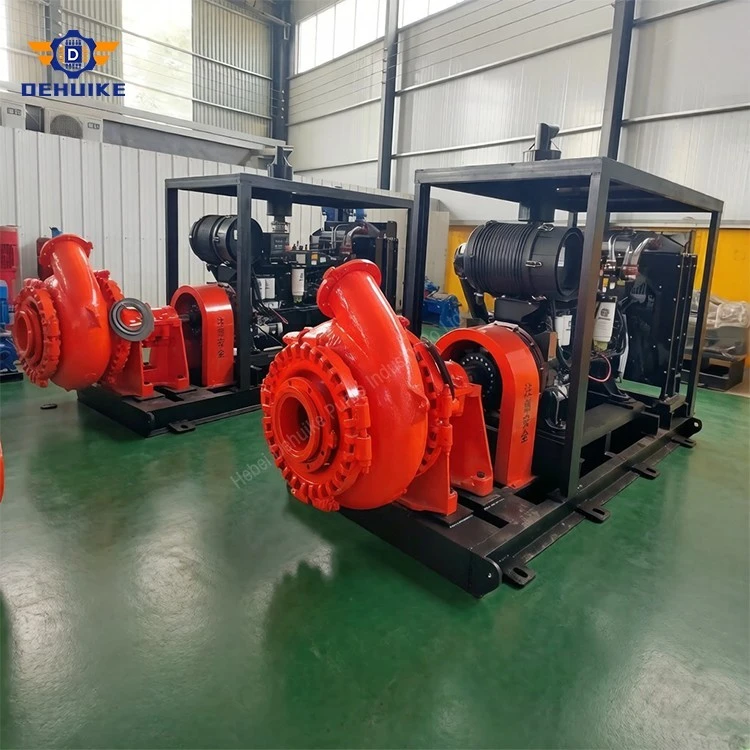
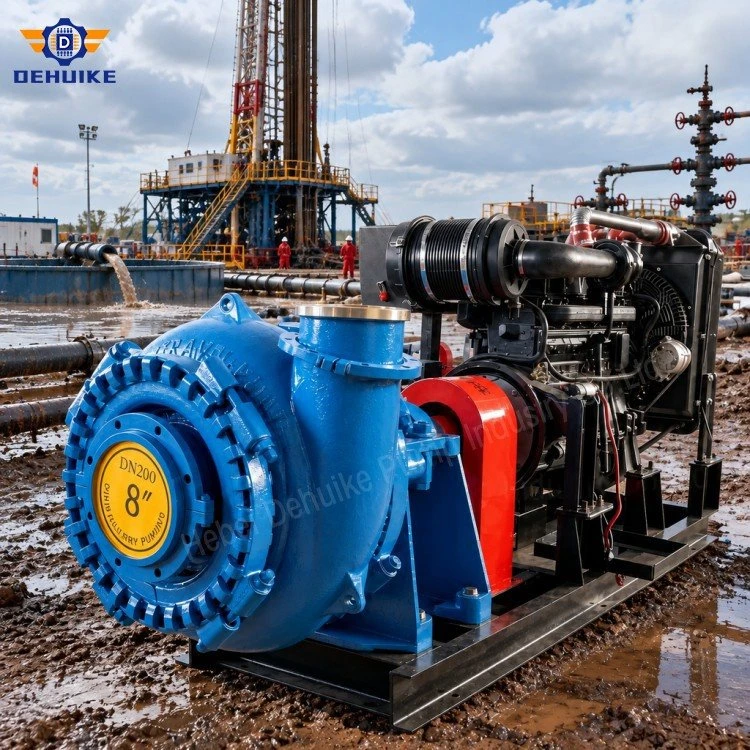
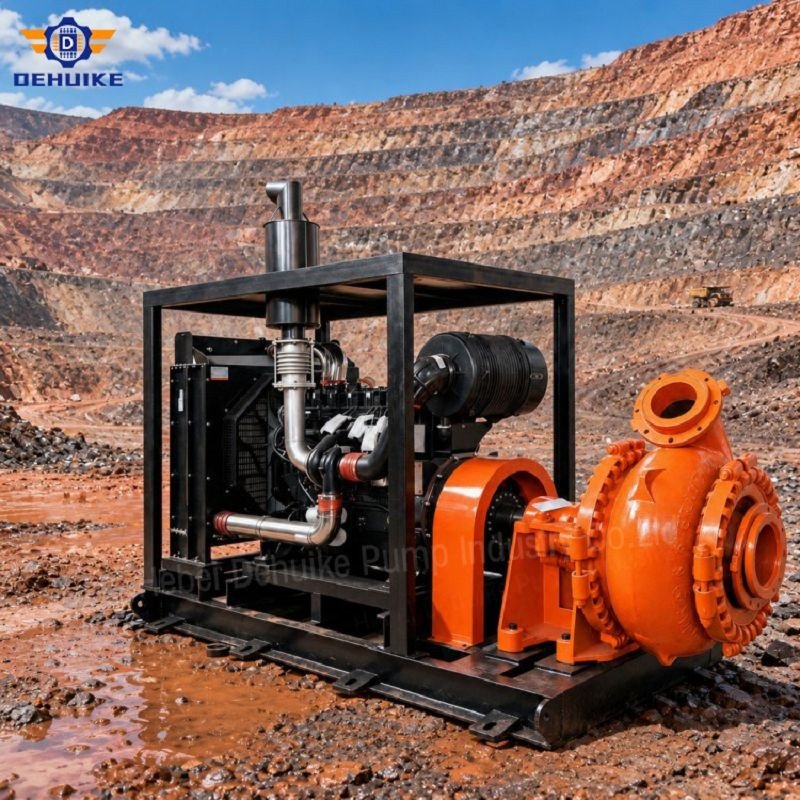
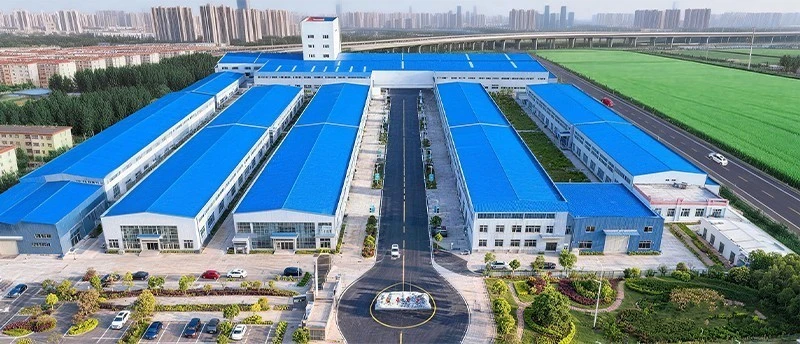
Hebei Dehuike Pump Industry Co., Ltd. is one of the most reliable manufacturers and suppliers of horizontal gravel pump in China. With abundant experience, we are committed to providing high quality customized pumps with competitive price. Welcome to wholesale bulk horizontal gravel pump for sale here from our factory. Also, pricelist is available.
Introduction | Choose A Layout That Maintenance Teams Can Actually Service
A Horizontal Gravel Pump is a centrifugal slurry pump arranged with the shaft and drive line running horizontally. This layout is commonly selected when abrasive gravel slurry must be transferred through a plant or pipeline while operators still need direct access to the bearing assembly, coupling, motor and wet end. The decision is therefore partly hydraulic and partly mechanical-layout related.
The G Series data used on this page gives five traceable reference points for preliminary review. A Horizontal Gravel Pump should not be selected only because the site has floor space. Suction approach, foundation stiffness, pipe support, drive arrangement and safe lifting route all influence whether the final package will be practical.
For coarse abrasive duty, the Heavy Duty Gravel Pump category may be relevant, but the horizontal arrangement alone does not confirm material, seal, bearing or drive suitability. Those items must be specified for the actual slurry and site layout before the page is converted into a quotation.
Specifications / Technical Data | Convert Available Product Data Rows Into Layout Questions
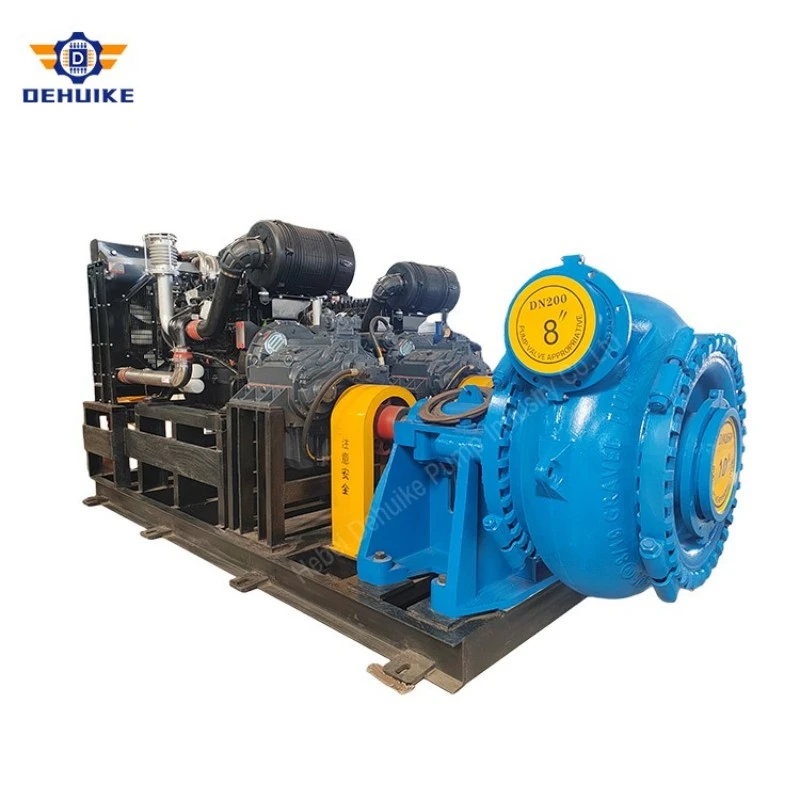
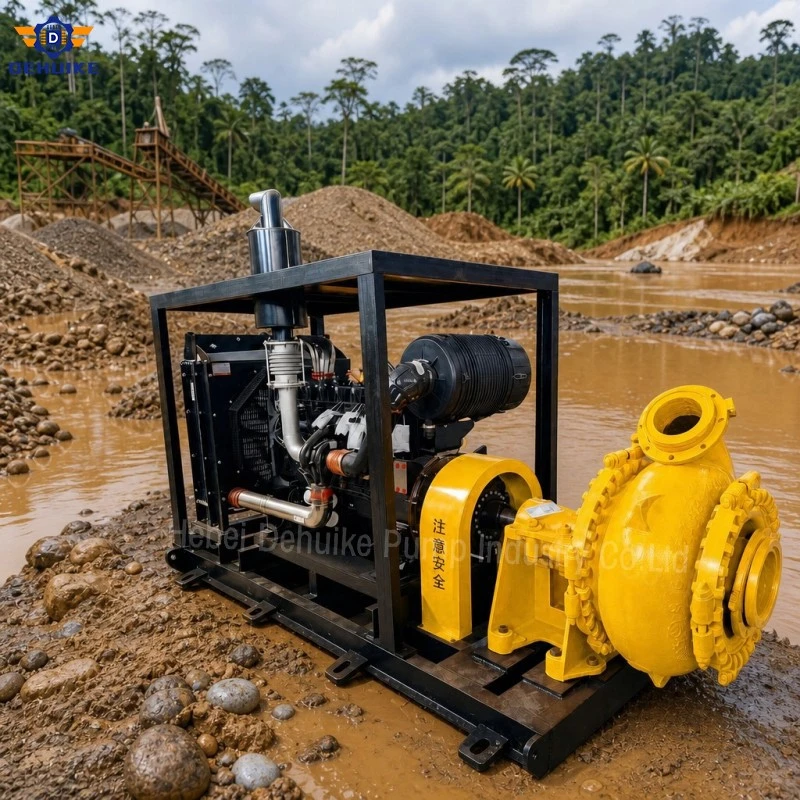
Use this specification block as an installation checklist rather than a loose catalogue extract. The first table identifies pump-end sizes that affect flange planning, lifting study and space reservation. The second table keeps one operating record per model so the selected driver and pipe route can be reviewed from the same duty point. Arrangement-specific items such as baseplate size, coupling length and nozzle load still need a project drawing.
The particle values are copied from the available product data as model references. They do not define a guaranteed continuous feed, nor do they prove the passage through every reducer, valve or pipeline section. Confirm the accepted solids envelope before finalizing a Horizontal Gravel Pump layout.
Pump weight in the first table is useful for foundation and handling review, but it is not a certified package mass. A motor, coupling, guard, base, grout allowance, pipework and lifting accessory can change the installed weight and centre of gravity. Use an approved general-arrangement drawing for final civil and maintenance planning.
Before approving a Horizontal Gravel Pump package, add a separate layout register for centreline height, flange orientation, coupling removal distance, guard clearance, anchor pattern, grout thickness and lifting envelope. This register is not derived from the available product data, but it is necessary to translate the hydraulic selection into a maintainable installation.
|
Model |
Particle reference (mm)* |
Inlet (mm) |
Outlet (mm) |
Bare pump weight (kg) |
|
6/4D-G |
82 |
150 |
100 |
460 |
|
8/6E-G |
127 |
200 |
150 |
1120 |
|
10/8F-G |
178 |
250 |
200 |
2250 |
|
14/12G-G |
241 |
350 |
300 |
5400 |
|
16/14-G |
255 |
400 |
350 |
6950 |
|
Model |
Flow (m3/h) |
Total head (m) |
Speed (r/min) |
Efficiency (%) |
Motor entry (kW) |
|
6/4D-G |
216 |
22 |
980 |
58 |
45 |
|
8/6E-G |
465 |
19.5 |
1100 |
58.5 |
75 |
|
10/8F-G |
880 |
34.4 |
900 |
62.2 |
220 |
|
14/12G-G |
2722 |
37.7 |
600 |
66.8 |
560 |
|
16/14-G |
2690 |
31.9 |
450 |
67.6 |
800 |
Product Detail | Understand The Horizontal Assembly Path
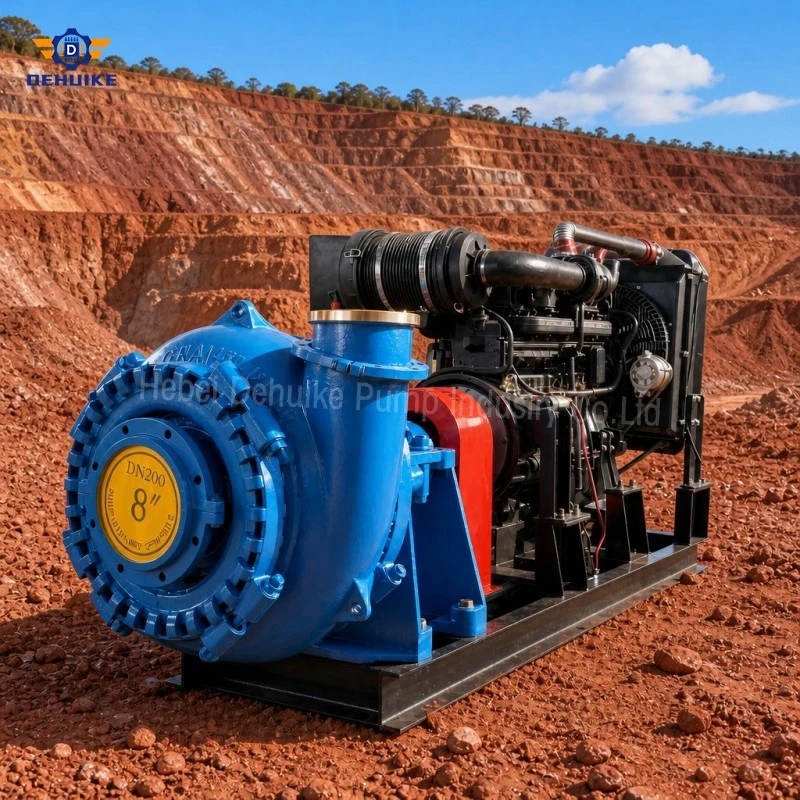
In a horizontal centrifugal gravel pump, slurry enters the casing through the suction connection, reaches the impeller eye and is accelerated by the rotating impeller. The casing collects the mixture and directs it toward the discharge. The rotating element is supported by a shaft and bearing arrangement connected to the driver through a coupling or other transmission selected for the package.
The horizontal layout gives service teams a clear mechanical axis to inspect. Alignment between driver and pump matters because misalignment can increase vibration, bearing stress and seal trouble. The piping should be supported so thermal growth, settlement or installation strain does not distort the casing or force the shaft line away from its intended position.
The available product data does not identify seal type, bearing frame, impeller material, base arrangement or rotation direction. A Horizontal Gravel Pump order should request those details in writing. Do not infer that all horizontal pumps share the same seal-water demand, coupling guard, bearing lubrication or permitted speed adjustment.
Features / Equipment Characteristics | Focus On Installation Discipline
The primary equipment characteristic of this page is the horizontal installation concept. It allows the pump, driver and coupling to be arranged on a base or foundation where inspection access can be planned. That convenience must be protected by correct pipe routing and support; otherwise the layout advantage is lost during operation.
-Plan a straight, low-turbulence suction approach wherever the project permits. Poor inlet conditions can disturb the pump even when the duty point looks acceptable on paper.
-Reserve access around the bearing, coupling guard, wet-end fasteners and lifting path before pipework is fixed.
-Confirm the driver arrangement, starting method and guarding. A Heavy Duty Gravel Pump still requires ordinary machine-safety controls around rotating parts.
-Keep foundation, grout and anchor requirements tied to the approved package drawing rather than a catalogue mass alone.
A Horizontal Gravel Pump does not eliminate the need for slurry correction, material selection or seal review. The layout answers how the machine is installed and serviced; it does not by itself establish the best material, allowed concentration or expected wear cycle.
Our Advantages | Reduce Maintenance Uncertainty Through Accessible Design
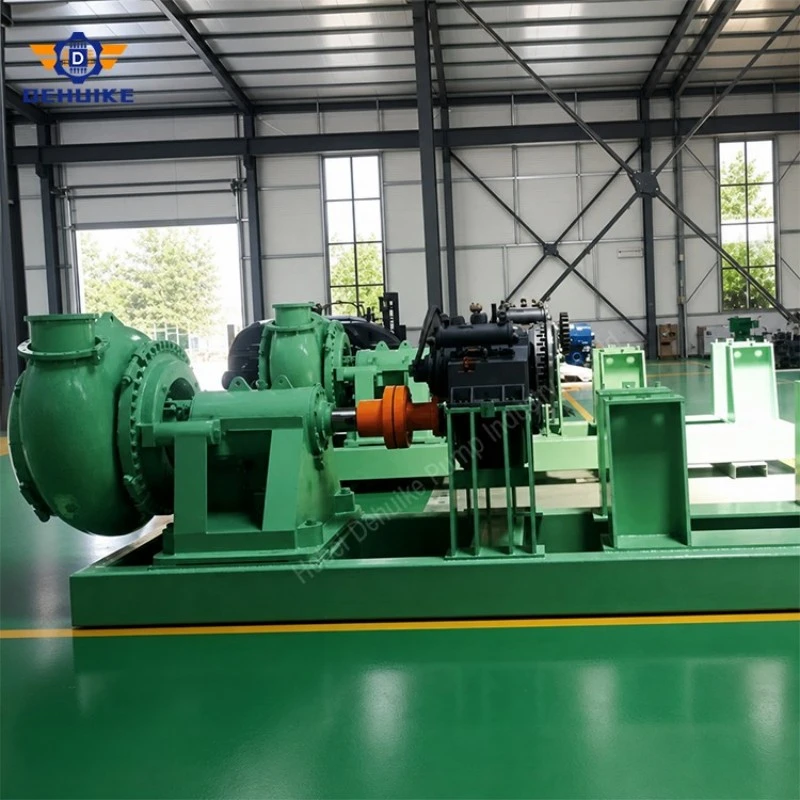
For a Horizontal Gravel Pump, layout decisions influence maintenance cost as much as wet-end material does. If the motor cannot be moved, the coupling guard is difficult to remove or a valve blocks the casing joint, routine inspection becomes a shutdown problem. A useful proposal should therefore include access dimensions and the expected sequence for replacing wear parts.
When replacing an existing Heavy Duty Gravel Pump, compare the old base, suction orientation, driver height and pipe supports with the proposed package. A hydraulically suitable pump can still create field problems if its centreline, flange position or service envelope conflicts with the site.
Production Process And Quality Assurance | Verify The Package, Not Just The Bare Pump
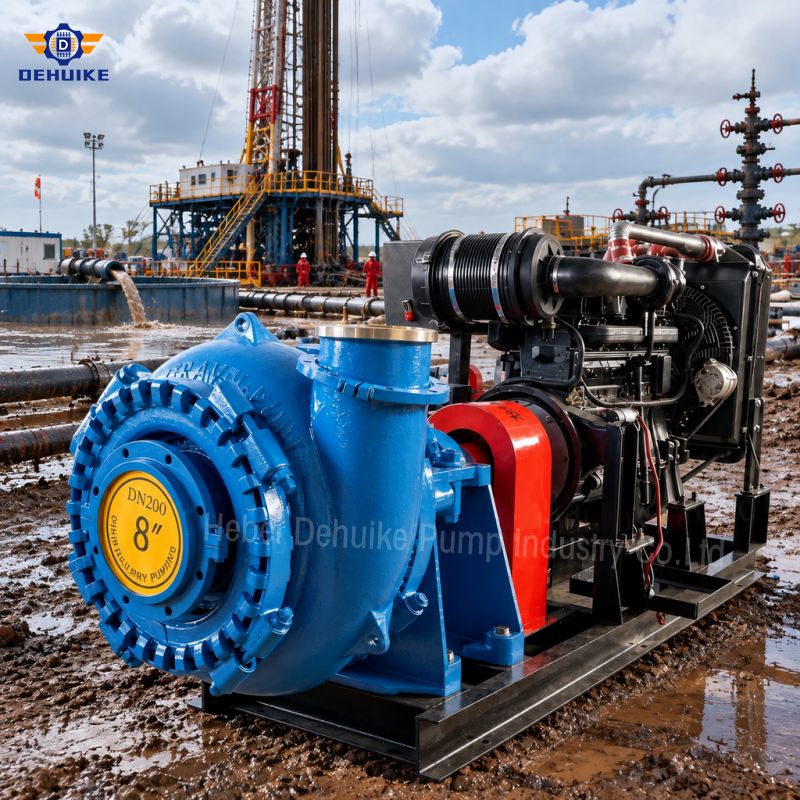
Before manufacture or assembly, approve the bare-pump model, wetted-part material schedule, base or skid requirement, motor frame, coupling selection and guarding scope. Machining and assembly records should preserve the fit of rotating parts and interfaces affecting alignment.
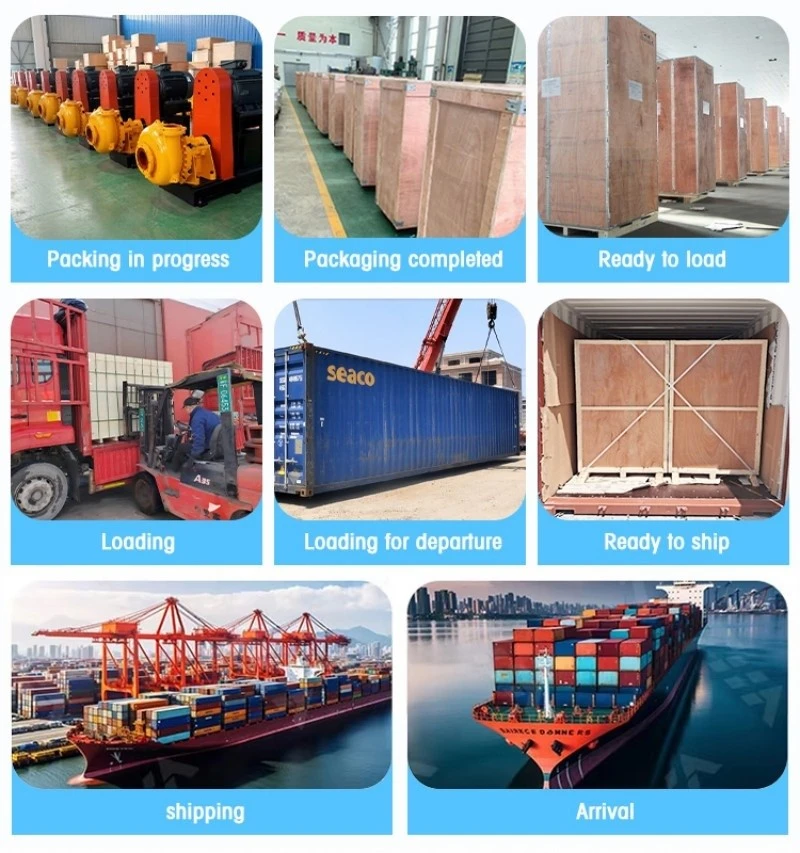
For a packaged Horizontal Gravel Pump, verify that the nameplate, base drawing, coupling information and loose accessories match the released configuration. Shipping protection should cover machined surfaces and open connections. The final packing plan should reflect the package geometry, not only the pump casing size.
Quality assurance: test the items that matter to field installation
Inspection can include dimensional checks, material records, rotation verification, assembly condition and any hydraulic test agreed in the contract. If a run test is requested, record arrangement, speed, liquid, measured values and tolerance. A test on the bare pump does not validate the alignment condition after final installation.
The parameter available product data does not provide baseplate flatness, allowable nozzle loads, vibration limits, bearing life, seal flush requirement or electrical protection. Add those items to the purchase specification wherever the site requires them. Do not turn absent engineering data into marketing claims.
Applications | Match Horizontal Installation To The Process Area
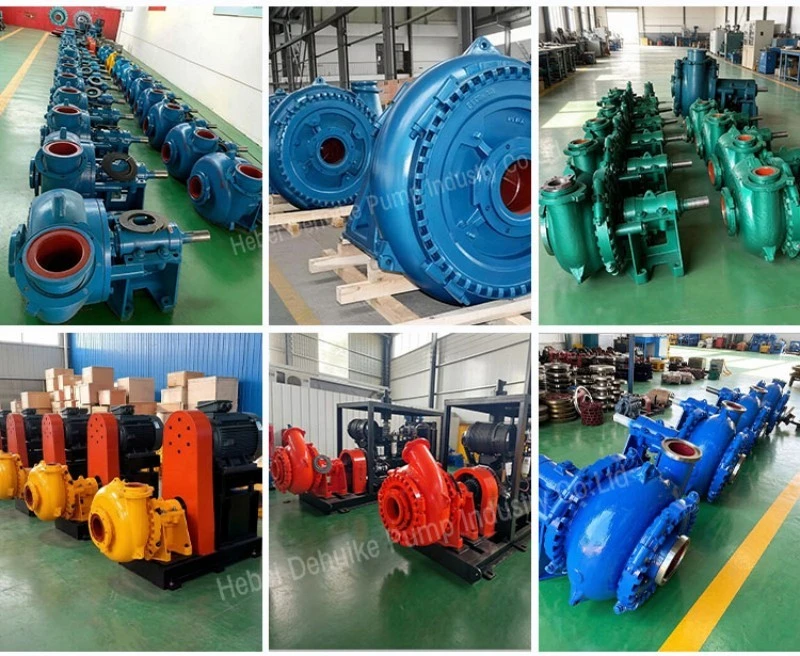
A Horizontal Gravel Pump can be reviewed for aggregate plants, dredging booster stations, quarry transfer lines, mineral recovery circuits and coarse-solids process duty. The examples below show how to use the selected data in a layout discussion; they are not customer references or guarantees of operating performance.
Compact plant-floor slurry transfer
The 6/4D-G point lists 216 m3/h at 22 m, while the 8/6E-G point lists 465 m3/h at 19.5 m. These rows can support discussion of smaller horizontal packages where operators need floor-level access to the driver and pump end. Confirm that suction supply remains stable at the chosen location.
Intermediate abrasive process line
The selected 10/8F-G entry shows 880 m3/h at 34.4 m with a 220 kW motor entry. For a Horizontal Gravel Pump in this duty range, the base layout, coupling access and discharge-valve position should be reviewed together with the hydraulic curve.
Large transfer or booster duty
The 14/12G-G and 16/14-G records list 2722 m3/h at 37.7 m and 2690 m3/h at 31.9 m. Their large connection sizes make pipe support and maintenance handling important. A Heavy Duty Gravel Pump of this scale should not be installed where service teams cannot safely open the wet end.
Our Service, Experience And Markets | Provide Layout Data With The Duty Sheet
Send the hydraulic duty together with a plan view and elevation sketch. Include sump or tank dimensions, available straight suction length, pipe diameters, valves, bends, reducer locations and the intended driver position. State whether the pump is new, a replacement or a retrofit into an existing base.
For a Horizontal Gravel Pump enquiry, include access limits: overhead lifting, floor space, doorway size, platform height and any surrounding equipment that restricts disassembly. If the package must match an existing motor or coupling, provide nameplate and dimensional data rather than assuming compatibility.
Ask the supplier to itemise selection assistance, arrangement drawing, base scope, testing, spare-parts recommendation and commissioning support. Confirm which services are available for the destination country. The available product data contains no verified service network or installation history, so those claims are not added.
Installation, Operation And Maintenance | Protect Alignment After Commissioning
Install the pump on a foundation or base suitable for the supplied package. Check level, anchor condition and grout where applicable. Support suction and discharge piping independently so the flanges are not used to pull the pump into position. Misalignment introduced during piping can shorten bearing, seal and coupling life.
Commission the Horizontal Gravel Pump with documented checks for rotation, lubrication, coupling alignment, guard installation and seal support. Record baseline vibration, pressure, motor load and flow where instrumentation is available. These readings help identify later changes caused by wear, blockage or pipe movement.
During operation, inspect the base, fasteners, coupling guard, bearing temperature, leakage and unusual noise as part of routine rounds. If output drops, investigate suction restriction, air entry, worn components and changed slurry condition before increasing speed. A Heavy Duty Gravel Pump should remain within its approved operating envelope.
Before maintenance, isolate the driver, secure the pipeline, relieve pressure and follow site lockout procedures. Use the approved lifting method for heavy wet-end components. After reassembly, verify clearances, fastener condition, guard placement and alignment before restarting.
Faq | Specify A Horizontal Gravel Pump Correctly
1. What defines a horizontal gravel pump?
It is a gravel slurry pump arranged with a horizontal shaft and typically installed with a separate driver on a base or foundation. The arrangement affects alignment, access, pipe routing and maintenance handling.
2. Is horizontal better than vertical for every gravel duty?
No. The best arrangement depends on sump design, suction condition, floor space, maintenance access and hydraulic duty. A horizontal unit can be convenient where a stable suction supply and service clearance are available.
3. What installation information is needed before quotation?
Provide flow, head, slurry data, suction arrangement, pipe route, foundation limits, driver preference, available lifting equipment and surrounding equipment clearances. Retrofit projects should also include existing flange positions and motor data.
4. Does the table include baseplate or motor dimensions?
No. The available product data lists pump performance and basic pump fields only. Request a general-arrangement drawing for package dimensions, centreline height, coupling information, guard envelope and lifting details.
5. Can a Horizontal Gravel Pump handle high-density slurry?
Only after slurry density, solids size, concentration and viscosity are reviewed against the curve and power calculation. The horizontal layout does not remove the need for slurry correction and motor verification.
6. How are pipe loads controlled?
The pipeline should be independently supported and aligned before bolting to the pump. Flanges should not be forced into position. Confirm allowable nozzle loads if the site expects thermal growth, settlement or heavy valves near the pump.
7. What maintenance access should be reserved?
Reserve space for coupling inspection, guard removal, seal work, bearing access and wet-end component handling. Confirm the actual removal direction and lifting weights from the supplied drawing and manual.
8. Can this page be used as a final specification?
Use it as a product-page and enquiry basis only. Final selection needs the approved curve, drawing, material schedule, seal plan, motor calculation and site installation requirements for the specific Horizontal Gravel Pump package.

Request A Horizontal Layout Review
For a Horizontal Gravel Pump proposal, send the duty point, slurry information and installation sketch. If a Heavy Duty Gravel Pump is selected, request the matching curve, package drawing, material schedule, seal requirements, base scope and maintenance envelope before purchase approval.
Hot Tags: horizontal gravel pump, China horizontal gravel pump manufacturers, suppliers, factory