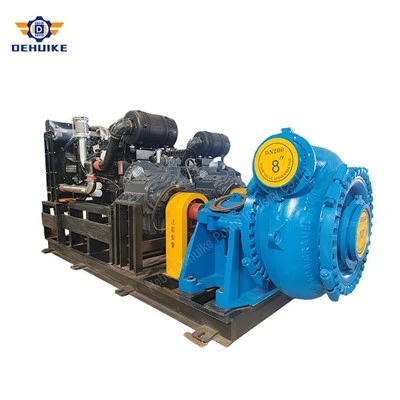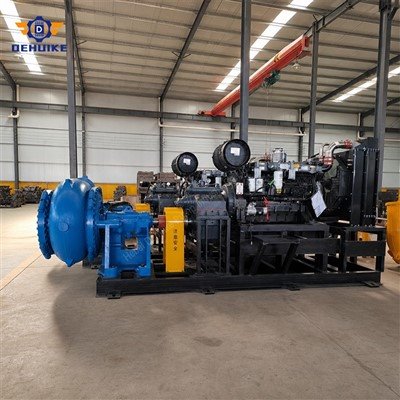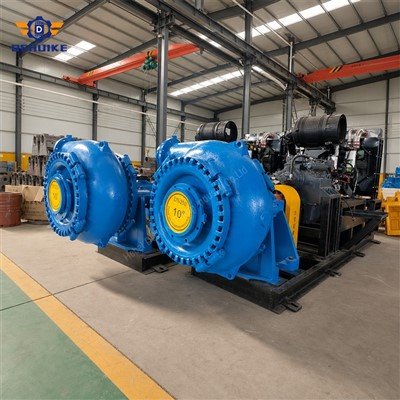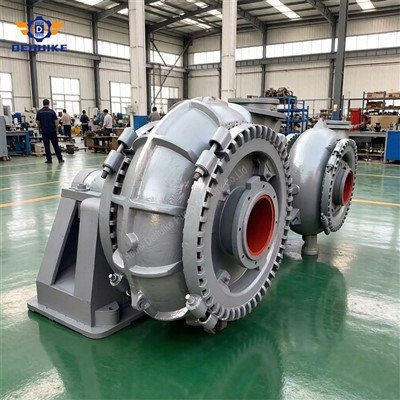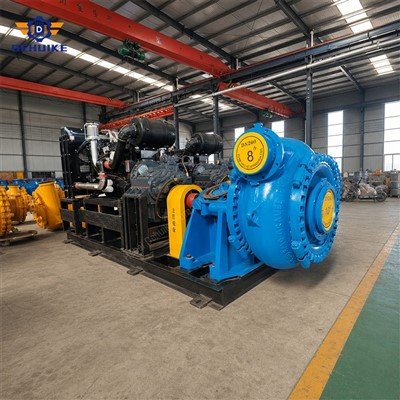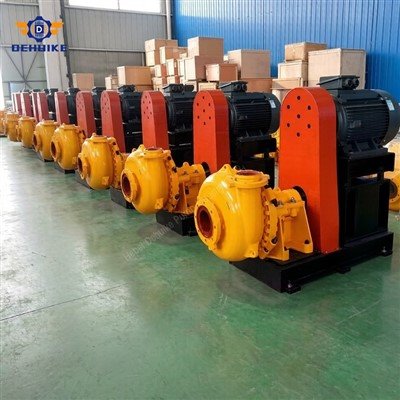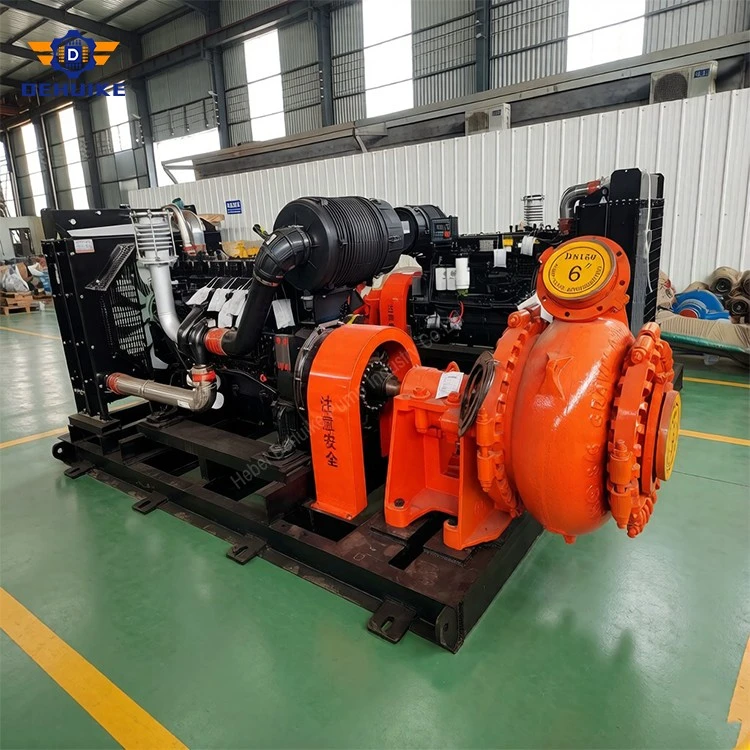
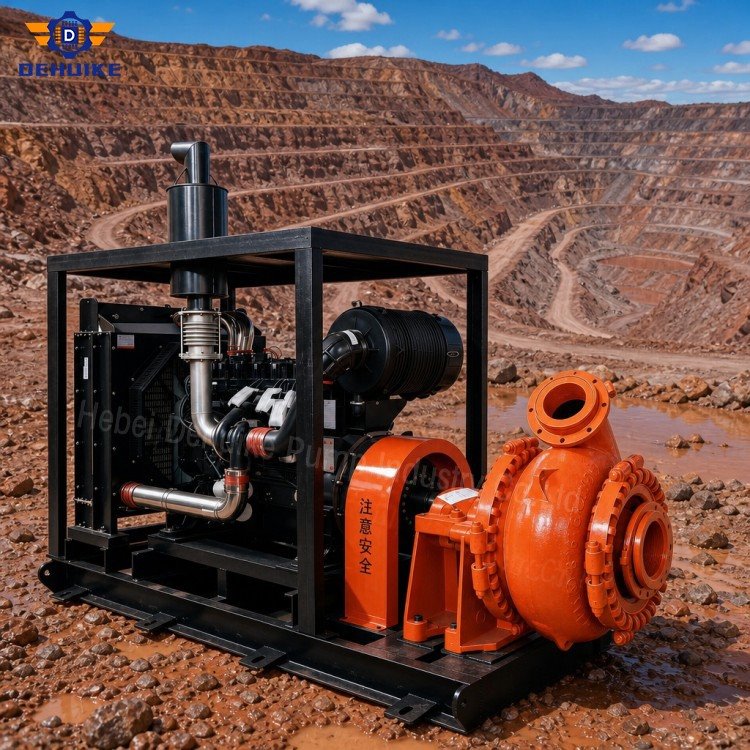
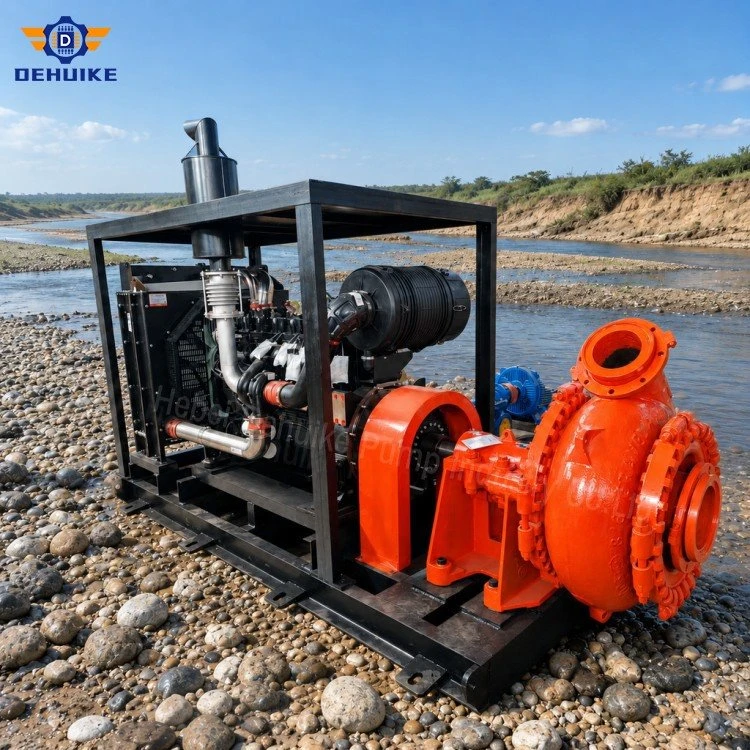
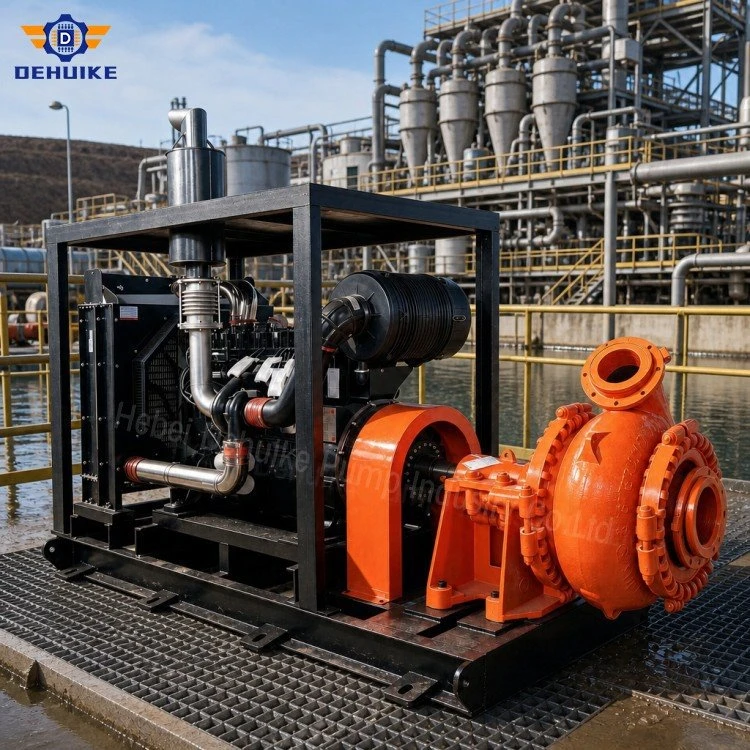
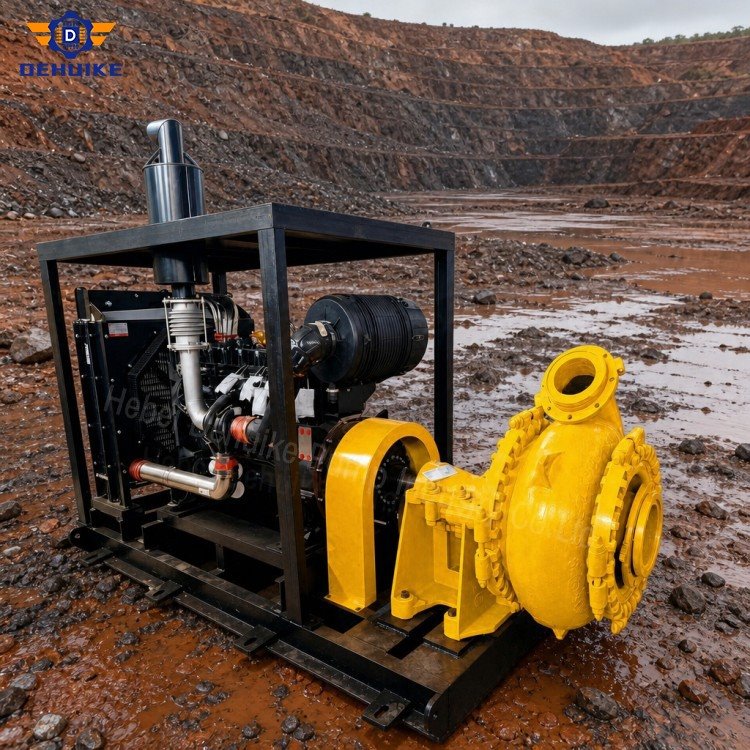
Hebei Dehuike Pump Industry Co., Ltd. is one of the most reliable manufacturers and suppliers of sand extraction pump in China. With abundant experience, we are committed to providing high quality customized pumps with competitive price. Welcome to wholesale bulk sand extraction pump for sale here from our factory. Also, pricelist is available.
Introduction | Define Extraction As A Complete Material Path
A Sand Extraction Pump transfers a water-sand mixture from an excavation, dredging or recovery point to screening, classification, dewatering or an approved placement area. The pump is one stage in that path. Material must first enter the intake, remain transportable through the line and arrive in a condition the downstream plant can accept.
The five G Series operating records on this page support preliminary equipment screening across different extraction scales. A Sand Extraction Pump cannot be chosen from mixture flow alone. Source depth, sand grading, dilution, pipeline route, recovery losses and operating schedule determine whether the system produces useful sand or mostly moves water.
Where the deposit includes gravel, shell fragments or intermittent stones, a Heavy Duty Gravel Pump may be considered as the solids-handling machine. That category does not define the extraction head, screen aperture or finished-product output. Each part of the recovery train needs its own capacity and acceptance criteria.
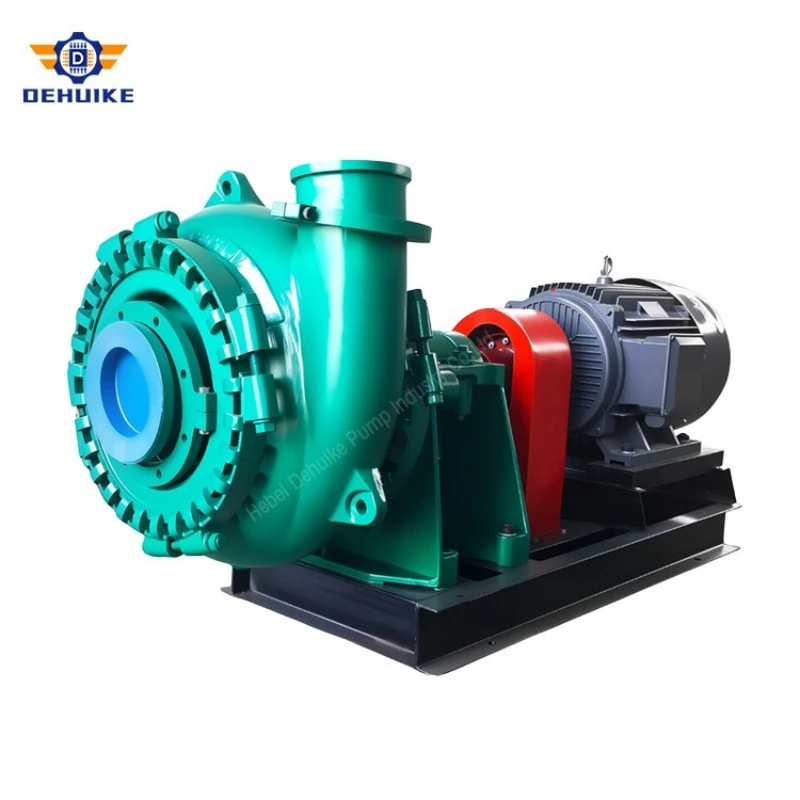
Specifications / Technical Data | Separate Mixture Delivery From Recovered Sand Output
The following entries are taken from selected G Series product data. Physical information is shown beside one complete hydraulic record for each model. The figures are pump references, not extraction-plant guarantees. No solids concentration, dry-tonnage conversion, recovery percentage or screen yield accompanies the source rows.
|
G Series model |
Particle field (mm)* |
Suction size (mm) |
Discharge size (mm) |
Pump mass (kg) |
|
6/4D-G |
82 |
150 |
100 |
460 |
|
8/6E-G |
127 |
200 |
150 |
1120 |
|
10/8F-G |
178 |
250 |
200 |
2250 |
|
14/12G-G |
241 |
350 |
300 |
5400 |
|
16/14-G |
255 |
400 |
350 |
6950 |
|
G Series model |
Mixture capacity (m3/h) |
Total head (m) |
Speed (r/min) |
Point efficiency (%) |
Motor record (kW) |
|
6/4D-G |
180 |
7 |
600 |
58 |
11 |
|
8/6E-G |
320 |
8.9 |
730 |
58.5 |
30 |
|
10/8F-G |
535 |
30.2 |
800 |
49.3 |
132 |
|
14/12G-G |
1160 |
14.3 |
350 |
67.9 |
132 |
|
16/14-G |
1130 |
9.8 |
250 |
64.5 |
185 |
The particle field is a catalogue reference and not a recommended normal deposit grading. It does not state the share of coarse objects, their shape or how several fragments behave together. Confirm the intake, pump and downstream restrictions as one solids path before selecting a Sand Extraction Pump.
Mixture capacity includes carrier water and suspended material. Dry sand production requires at least an agreed concentration basis, solids density, plant recovery, uptime and moisture condition. For example, two systems displaying the same cubic metres per hour can deliver different saleable tonnage when dilution and screen recovery differ.
The listed motor is associated with the source duty point, not a final extraction-package power demand. Corrected absorbed power, drive loss, starting method and service margin remain necessary. Auxiliary equipment such as cutter or jetting devices, screens, dewatering units and conveyors requires separate power evaluation.
Use the table to shortlist models, then request the complete performance curve and the supplier's slurry-selection basis. Keep a calculation sheet that links the required mixture duty to expected solids throughput without presenting one as the other. Any production commitment should show concentration, density, recovery and operating-hour assumptions explicitly.
Create a separate extraction balance with four measured boundaries: mixture leaving the pump, oversize rejected by the first screen, recoverable sand leaving classification, and water or fines leaving dewatering. Reconcile those streams over the same time period. This makes it possible to distinguish hydraulic delivery from process recovery and to locate where apparent production is being lost.
Concentration data must name its basis. A volume fraction can be applied to mixture volume only with the relevant solids density when dry mass is required; a mass fraction needs the measured slurry mass flow or a consistent density relationship. Do not combine a laboratory percentage by mass with a field reading interpreted as percent by volume. State whether the final tonnage is oven-dry, drained wet or commercial product moisture.
Availability also changes the production total. Keep scheduled hours, running hours, extraction hours and saleable-product hours as separate records. Stops caused by relocation, screen cleaning, pipeline clearing or dewatering limits should not be hidden inside an assumed utilisation factor. A realistic Sand Extraction Pump proposal shows how each loss is treated instead of multiplying catalogue flow by a full shift.
Product Detail | Follow Sand From Deposit Entry To Product Discharge
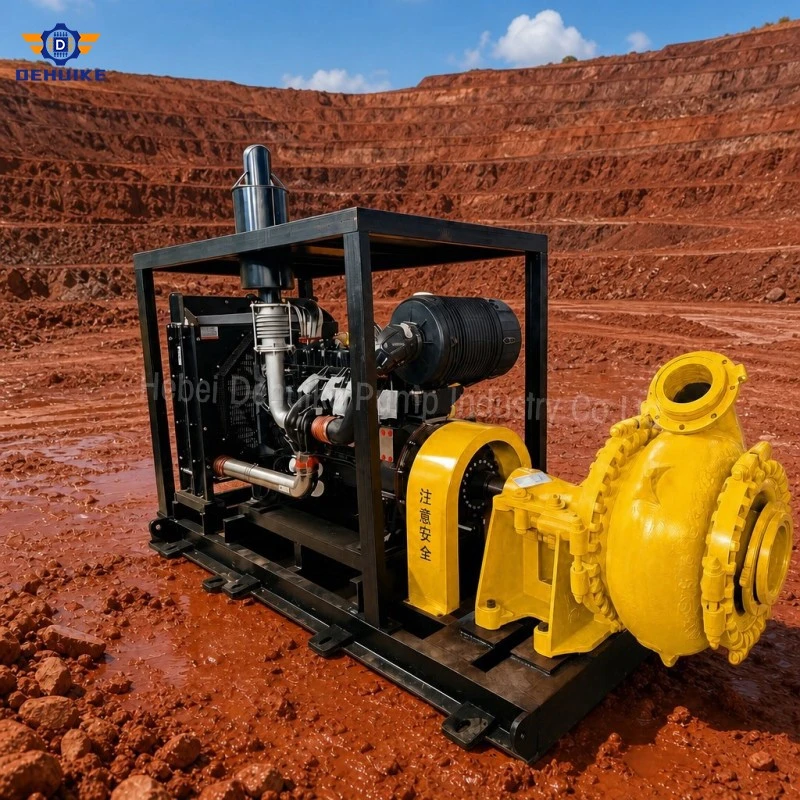
Extraction begins by making sediment available to the intake. Depending on the project, this may involve natural inflow, excavation, agitation, water jets or another approved method. The resulting mixture reaches the suction connection, passes through the rotating impeller and casing, and enters the delivery line. The pump supplies transport energy; it does not independently control deposit break-up or final product grading.
At the receiving end, screens or classifiers separate unwanted oversize and fines according to the process objective. Dewatering equipment reduces free water before stockpiling or further treatment. If the Sand Extraction Pump sends more water than those stages can handle, apparent pumping capacity may not translate into greater usable output.
The available product data does not identify impeller geometry, seal arrangement, wetted material, suction capability or compatible excavation head. These configuration details need supplier documents. The page therefore avoids claiming self-priming, submerged operation, a built-in cutter or an integrated dredger package.
Features / Equipment Characteristics | Control Feed Quality Before Chasing Capacity
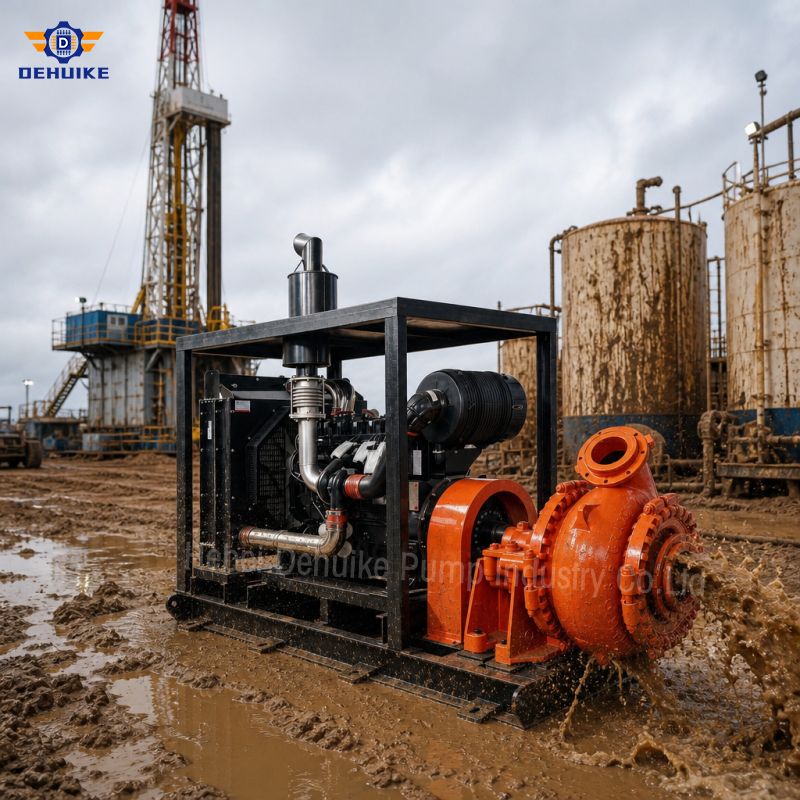
A stable extraction process supplies the pump with a controllable mixture rather than alternating between clear water and dense plugs. Feed consistency affects power, pipeline transport, wear and downstream separation. Monitoring mixture density or another agreed solids indicator can reveal whether changes in displayed flow represent more sand or only more dilution.
-Sample the deposit at relevant locations and depths. A surface observation may miss clay lenses, shell layers, gravel pockets or debris.
-Define how material enters the suction zone. Excessive excavation can overload the intake, while inadequate loosening can produce a water-rich feed.
-Match receiving equipment to peak mixture delivery and expected solids loading so the recovery plant does not become the bottleneck.
-Provide a safe method for rejecting foreign objects. A Heavy Duty Gravel Pump is not a crusher for wire, timber or lost tools.
A Sand Extraction Pump should be evaluated through the material balance of the complete recovery route. Pump flow, density trend, screened product, reject stream and downtime together give a more useful picture than discharge volume alone.
Our Advantages | Make Useful Solids Output The Decision Metric
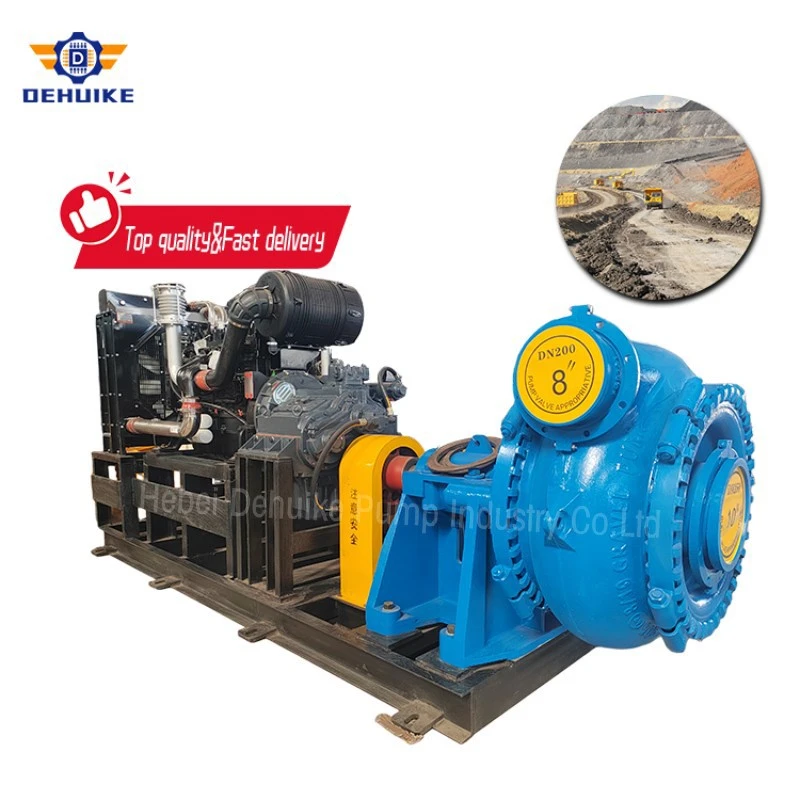
For a Sand Extraction Pump comparison, calculate energy and wear cost per tonne of recovered material under the same product specification. Include reject percentage, moisture, cleaning time and planned maintenance. A bid with higher mixture capacity may be less productive if it delivers a more dilute feed or creates repeated downstream stoppages.
A replacement Heavy Duty Gravel Pump should be assessed against historical density, production and blockage records where available. This allows the technical proposal to address the real loss point, whether it is intake starvation, pipeline deposition, wet-end wear or insufficient screening capacity.
Production Process And Quality Assurance | Define The Supplied Boundary Of The Extraction Package
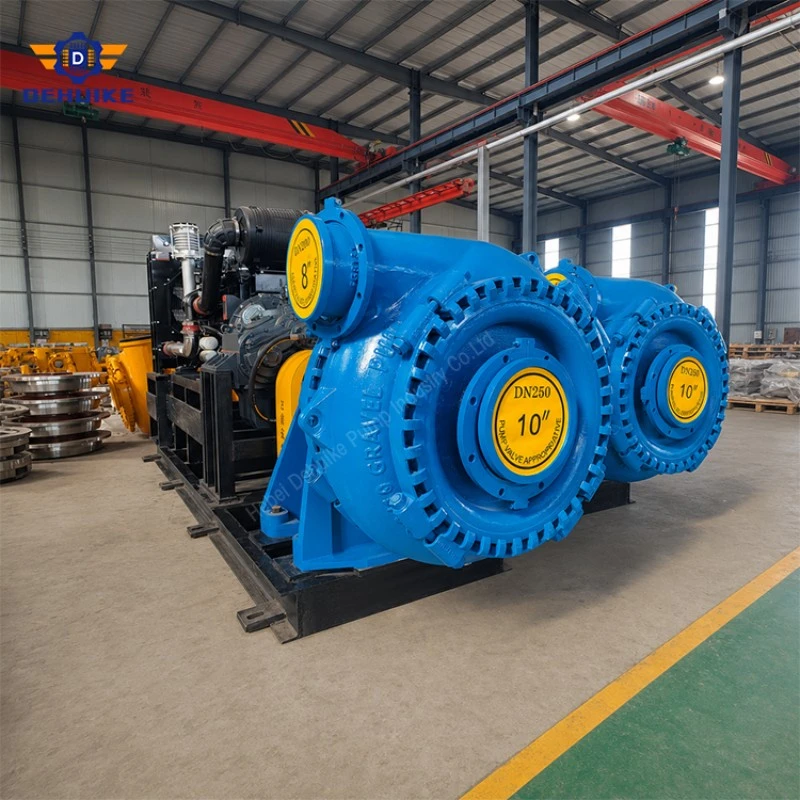
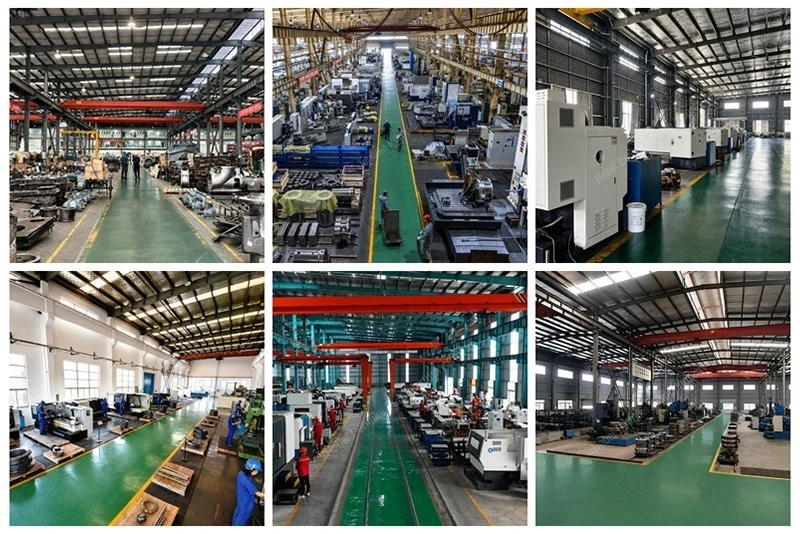
Before production, approve the selected pump model, wetted-part specification, seal arrangement, drive requirement and connection drawing. If a base, coupling, guard or motor is included, identify the package boundary and interfaces with extraction and recovery equipment. These are purchase controls rather than claims about undocumented factory routines.
Component identification should remain traceable through machining, assembly and packing. Protect openings and finished interfaces during transport. Loose accessories, seal-support items and recommended initial spares should be listed so commissioning teams can distinguish included supply from site work.
Quality assurance: verify pump evidence separately from production estimates
Material certificates, dimensional reports and hydraulic tests answer different acceptance questions. A clean-water hydraulic test can verify an agreed reference condition but cannot prove dry-sand tonnage from an uncharacterized deposit. Keep pump acceptance criteria separate from the owner's production model.
The product data provides no test standard, pressure class, certification, recovery efficiency or complete equipment scope. Add required documents and tolerances to the contract. Do not describe the Sand Extraction Pump as an approved complete extraction plant unless the supplied package and project approvals substantiate that statement.
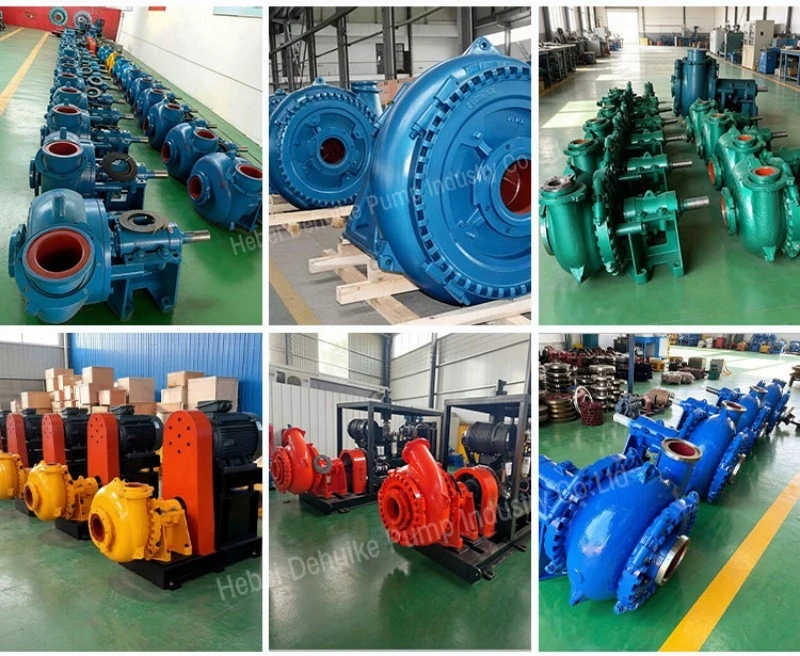
Applications | Adapt The Extraction Train To The Material Source
A Sand Extraction Pump may be evaluated for permitted wet-pit recovery, aggregate washing feed, hydraulic excavation or movement of dredged sand to a processing stage. The cases below illustrate preliminary engineering questions. They are not customer references, permits or guaranteed production figures.
Small wet-pit recovery line
The 6/4D-G reference gives 180 m3/h at 7 m, while 8/6E-G gives 320 m3/h at 8.9 m. These lower-head points can frame discussion where extraction and receiving equipment are relatively close. Confirm that the intake method can supply the required mixture without unstable density swings.
Sand delivery to elevated screening equipment
The selected 10/8F-G row lists 535 m3/h at 30.2 m. Such a coordinate may be relevant where elevation and pipe losses are greater. Review the complete route, corrected power and the screen's hydraulic loading before adopting the 132 kW motor record.
Larger extraction and recovery circuit
The 14/12G-G and 16/14-G examples list 1160 m3/h at 14.3 m and 1130 m3/h at 9.8 m. Similar mixture capacities do not imply equal system suitability. A Heavy Duty Gravel Pump at this scale needs coordinated intake supply, line transport and downstream water management.
Deposit with changing clay or fines content
A newly exposed layer can change mixture rheology, screen behaviour and dewatering performance without changing the pump model. Define sampling and process-adjustment responsibilities. If fines cause the recovery stage to slow, increasing pump flow can worsen the imbalance instead of improving saleable output.
Our Service, Experience And Markets | Submit A Mass-balance Enquiry, Not Only A Pump Duty
Describe the equipment before and after the Sand Extraction Pump. Include the intake or excavation method, screening aperture, dewatering capacity, reject handling and water return. This exposes capacity mismatches early and prevents the pump from being treated as the only determinant of extraction performance.
Ask the supplier to itemise hydraulic selection, drawings, material scope, testing, commissioning input and recommended spares. Confirm commercial availability for the destination. The available product data does not prove extraction projects, market coverage or a service network, so this page makes no such claims.

Installation, Operation And Maintenance | Prepare The Line For Starts, Stops And Changing feed
During commissioning, begin with controlled feed and record pump speed, motor load, pressure, mixture flow and density where instrumentation is provided. Check the receiving plant at the same time. A Sand Extraction Pump is not successfully commissioned if the downstream screen or dewatering stage cannot accept its output.
Establish procedures for planned and unplanned stops. Sand can settle in low points and hoses when velocity disappears. Use the approved clearing or flushing sequence; do not repeatedly restart against a suspected deposit. Confirm that displaced material has a safe destination.
Before opening a Heavy Duty Gravel Pump, isolate the driver, prevent automatic starting, relieve pressure and secure the connected line. Trend wear, blockage location and density variation across operating campaigns so maintenance changes are based on evidence rather than a fixed universal interval.
Faq | Specify A Sand Extraction Pump With A Realistic Production Basis
1. Is a sand extraction pump a complete dredging system?
No. The pump transfers slurry. Excavation or agitation equipment, suction arrangement, pipeline, screening, dewatering, controls and placement facilities are separate unless specifically included in the supply scope.
2. Can mixture capacity be quoted as dry sand output?
No. Dry output requires solids concentration, density, recovery efficiency, operating time and moisture basis. State every assumption and measurement method before presenting a production figure.
3. What deposit information is required?
Provide grading across relevant depths and locations, fines or clay content, solids density, shells or gravel, mineral characteristics and foreign-object risk. One surface sample may not describe the extraction campaign.
4. Why does extraction density fluctuate?
Changes in material layer, intake position, excavation intensity, water inflow and operator control can alter the sand-to-water ratio. Monitoring helps distinguish a change in useful solids feed from a change in liquid delivery.
5. Can a larger pump always increase production?
No. Intake supply, pipeline transport, screening, dewatering and placement can limit the process. A larger pump may only increase dilution or overload the receiving equipment if those constraints remain.
6. How should the motor be selected?
Use the approved hydraulic point, slurry corrections, drive losses, starting requirement and service margin. The available product data motor entry belongs to one reference point and is not a complete extraction-package power calculation.
7. What should happen after an unexpected shutdown?
Follow the system-specific isolation and clearing procedure. Check likely deposition areas before restart, and avoid repeated starts against a blocked line. The clearing method must protect personnel and control discharged material.
8. What should be included in a technical quotation?
Request the selected curve, slurry basis, materials, seal and drive scope, drawings, testing, spares and exclusions. If production is discussed, require a separate mass balance with concentration, recovery and uptime assumptions.

Request An Extraction-duty Review
For a Sand Extraction Pump proposal, send deposit data, the mixture duty and the complete extraction-to-recovery flow sheet. If a Heavy Duty Gravel Pump is proposed, require its curve, corrected power, accepted feed definition and itemised supply boundary before approval.
Hot Tags: sand extraction pump, China sand extraction pump manufacturers, suppliers, factory