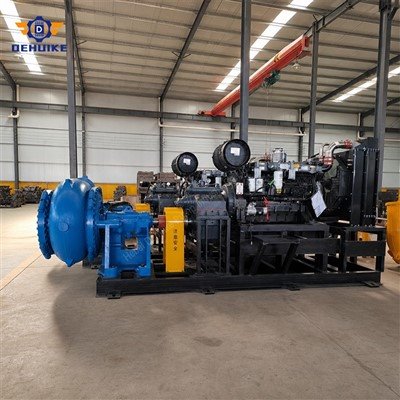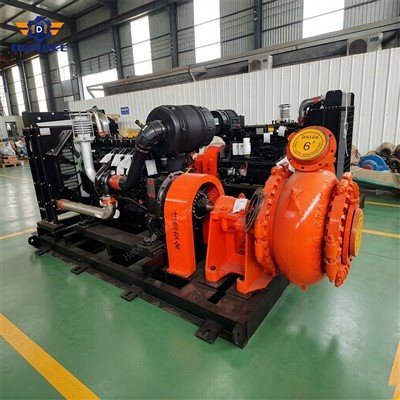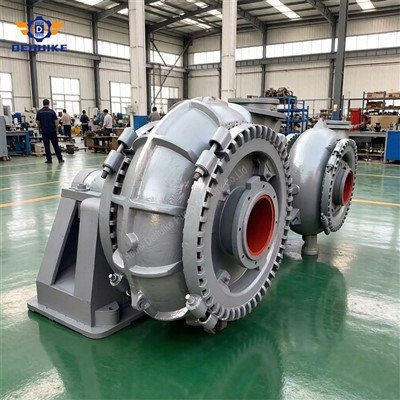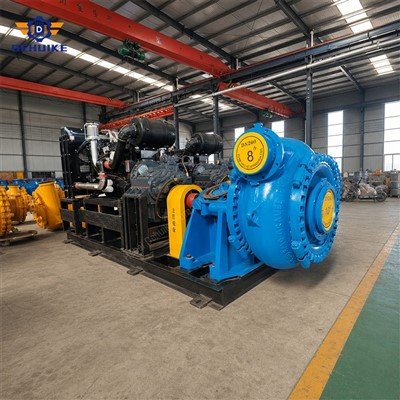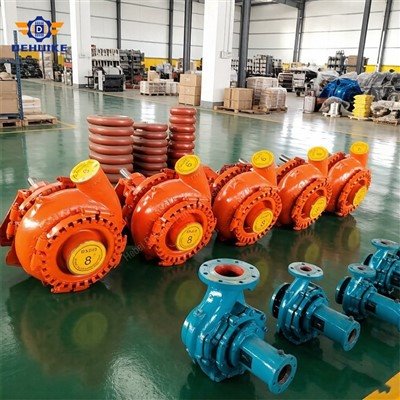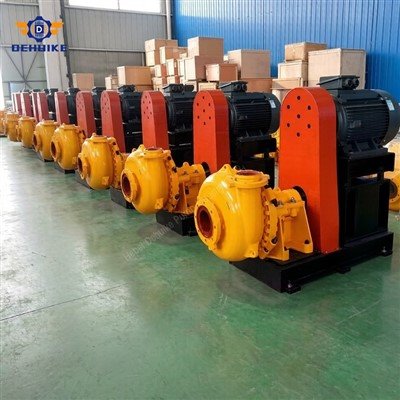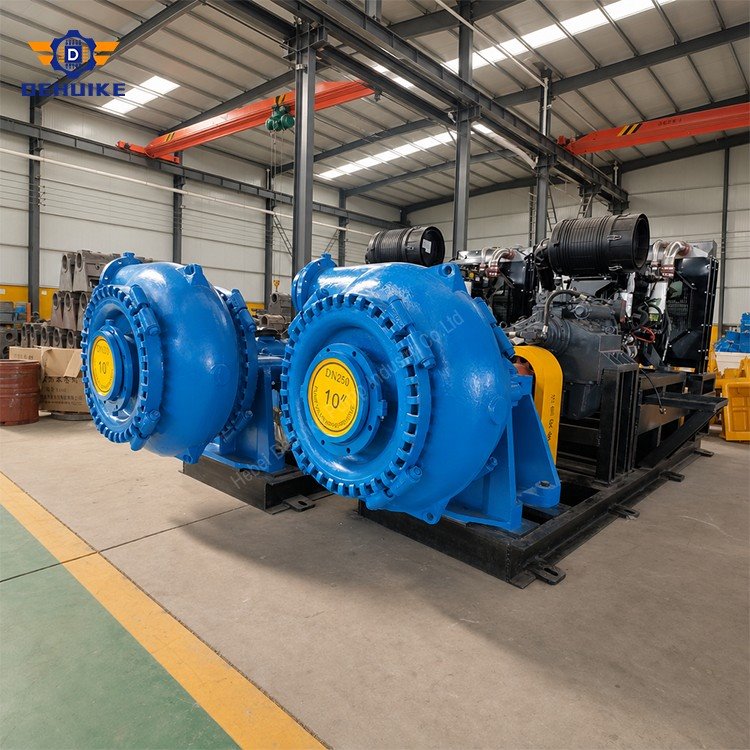
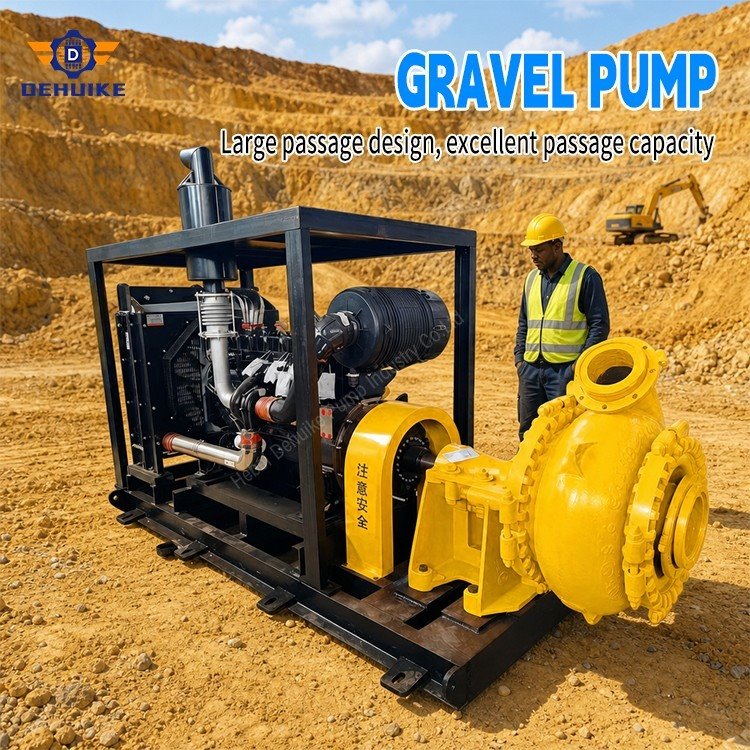
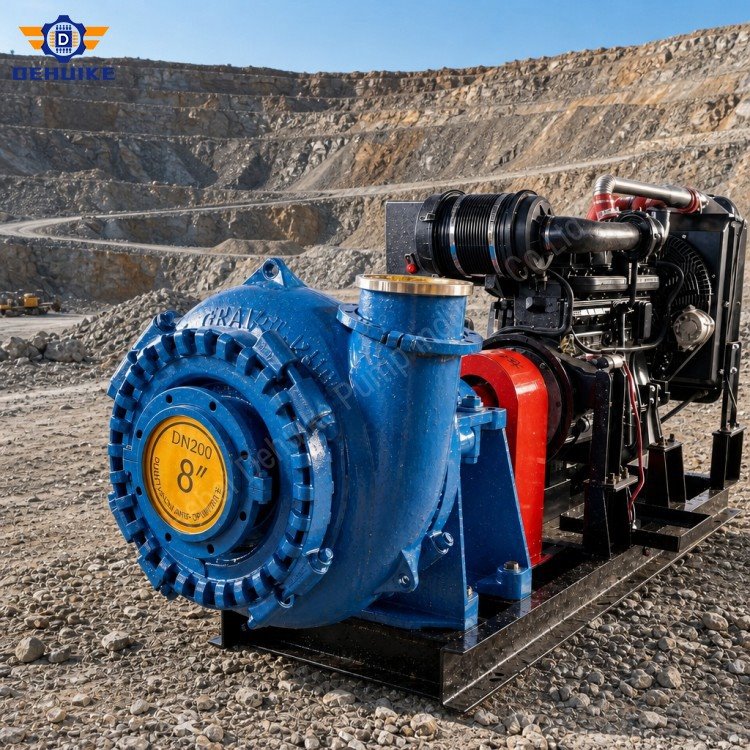
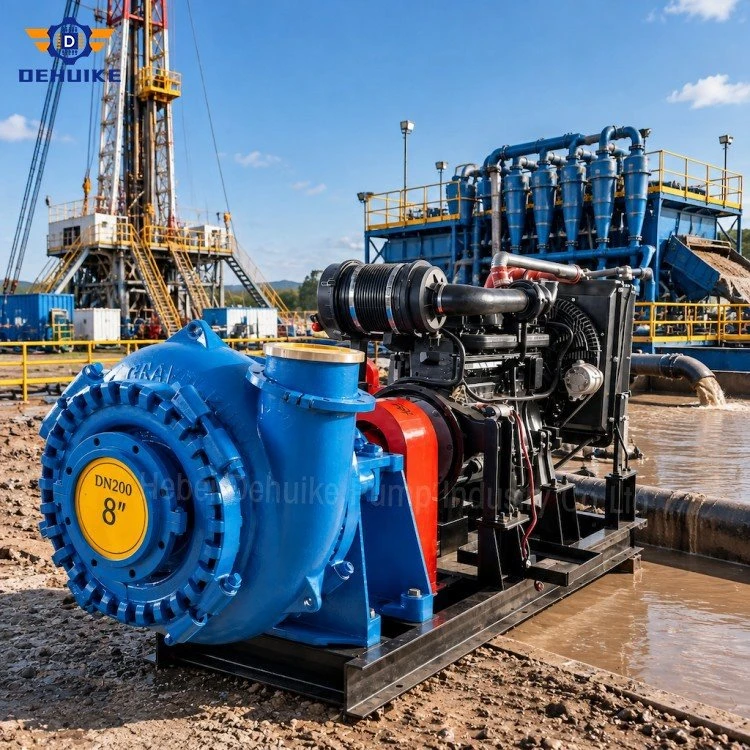
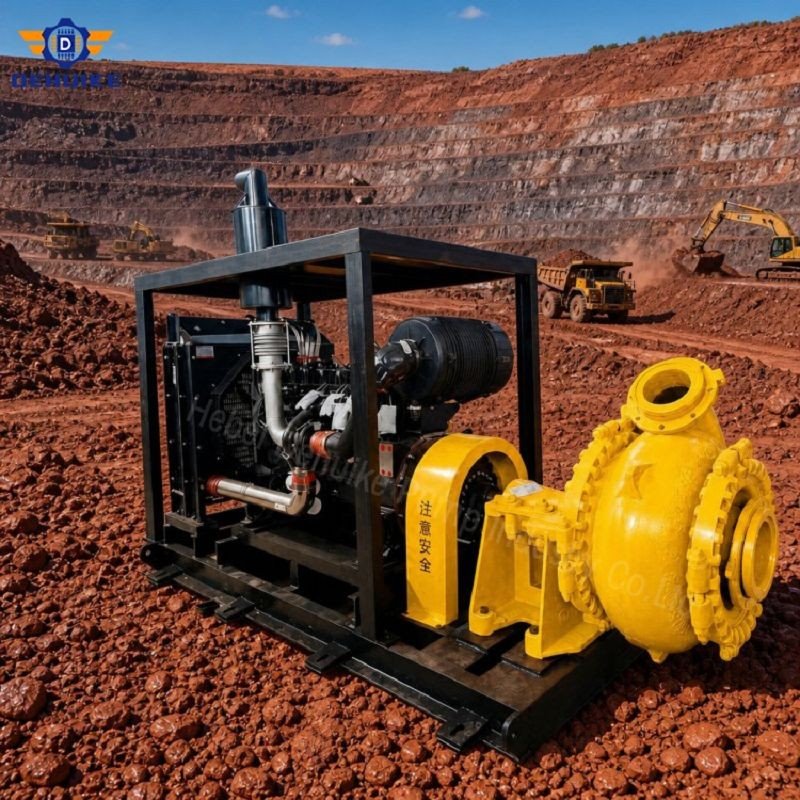
Hebei Dehuike Pump Industry Co., Ltd. is one of the most reliable manufacturers and suppliers of sand washing plant pump in China. With abundant experience, we are committed to providing high quality customized pumps with competitive price. Welcome to wholesale bulk sand washing plant pump for sale here from our factory. Also, pricelist is available.
Introduction | Keep Every Washing Stage Hydraulically Balanced
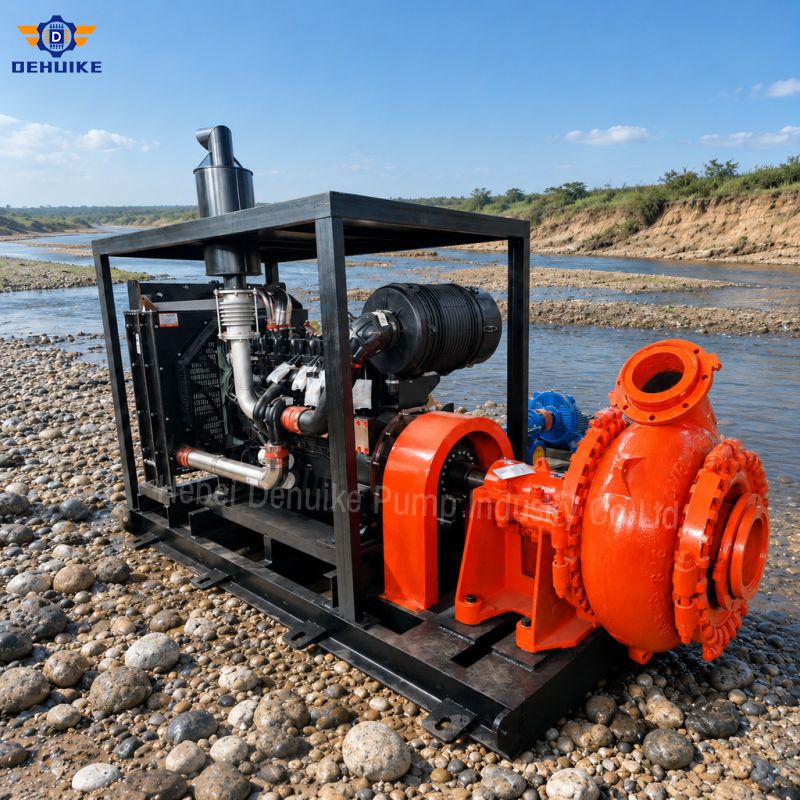
A Sand Washing Plant Pump moves abrasive sand-water slurry between collection sumps, classification equipment, fines-recovery units and dewatering stages. Its purpose is not simply to circulate dirty water. It must deliver the mixture at a flow and pressure that the next process can accept while the feed density changes during normal plant operation.
The G Series examples below give five pump sizes for preliminary duty screening. A Sand Washing Plant Pump should be selected from the wash-plant flow sheet as well as the pipeline calculation. The sump, cyclone or separator, dewatering screen, return-water circuit and reject stream all place different limits on useful operation.
When the raw feed contains coarse gravel or occasional stones, a Heavy Duty Gravel Pump may be considered for the transfer point. Large passage alone does not guarantee good washing performance. Classification quality depends on stable feed conditions, and final moisture depends on the downstream dewatering device rather than the pump name.
Specifications / Technical Data | Link Each Pump Point To A Process Function
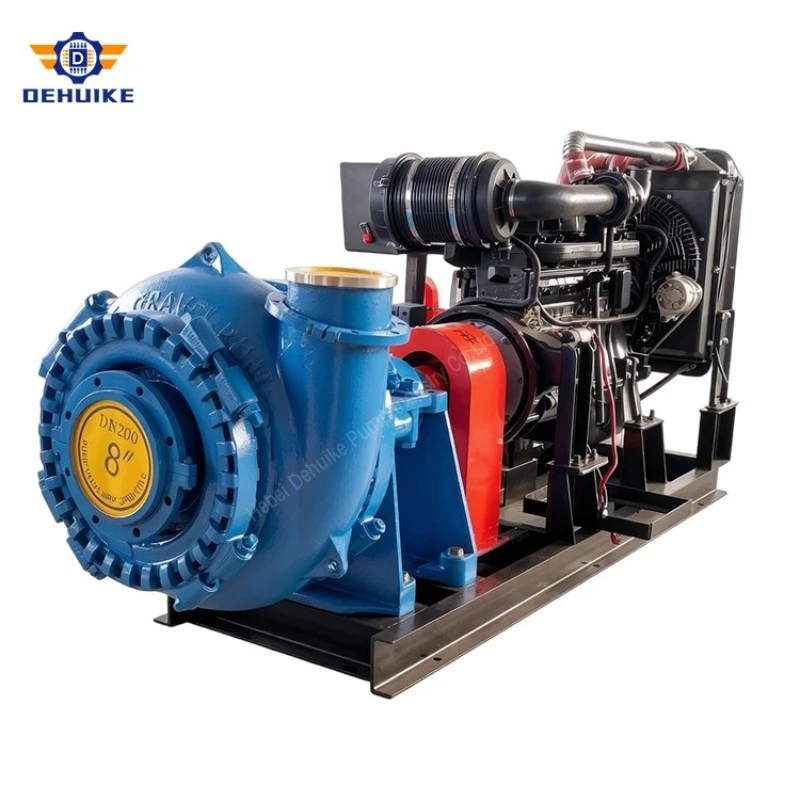
The following physical data and hydraulic coordinates are reproduced from selected G Series product data. Each operating row remains intact. The values can support initial plant-layout and process discussions, but the available product data does not identify a cyclone, sump volume, wash-water rate, screen capacity or slurry correction basis.
|
G Series model |
Particle reference (mm)* |
Suction size (mm) |
Discharge size (mm) |
Pump-only weight (kg) |
|
6/4D-G |
82 |
150 |
100 |
460 |
|
8/6E-G |
127 |
200 |
150 |
1120 |
|
10/8F-G |
178 |
250 |
200 |
2250 |
|
14/12G-G |
241 |
350 |
300 |
5400 |
|
16/14-G |
255 |
400 |
350 |
6950 |
|
G Series model |
Mixture flow (m3/h) |
Total head (m) |
Speed (r/min) |
Point efficiency (%) |
Motor entry (kW) |
|
6/4D-G |
58 |
16.2 |
800 |
40 |
11 |
|
8/6E-G |
265 |
13.5 |
850 |
60.8 |
45 |
|
10/8F-G |
468 |
22.8 |
700 |
49.3 |
110 |
|
14/12G-G |
1000 |
10.4 |
300 |
67.9 |
90 |
|
16/14-G |
1580 |
20.8 |
350 |
64.5 |
450 |
The particle entry is a technical-data reference, not a recommended wash-plant feed grading. Screen aperture, oversize percentage, particle shape and the narrowest downstream opening must be checked separately. The Sand Washing Plant Pump should not be used as the plant's primary oversize-control device.
Mixture flow cannot be reported as washed-sand tonnage. The same pump volume can carry different solids mass when make-up water, recirculated water and raw-feed rate vary. A plant production statement therefore needs measured density, solids specific gravity, product recovery, operating time and moisture basis.
For hydrocyclone or separator feed, the equipment supplier normally defines a required inlet pressure and volume range. Translate that requirement into total pump head only after elevation and pipe losses are added. The head shown in the table is not the cyclone pressure at every installation, and it is not an allowable casing-pressure value.
The motor entry belongs to the corresponding catalogue coordinate. Final drive selection must account for slurry density, corrected absorbed power, transmission loss, start frequency and service margin. Repeated level-control cycling may impose a different duty on the motor and starter than continuous operation.
Add process columns to the technical schedule before approval: sump operating level, expected density band, downstream device, required feed pressure, return-flow path, bypass condition and maximum acceptable surge. These fields connect a Sand Washing Plant Pump coordinate to an actual washing function without altering the available product data data.
Where the receiving device is a hydrocyclone, keep three calculations separate: pressure required at the cyclone inlet, elevation difference between sump and inlet, and friction through the feed line. The pump total-head requirement is developed from the complete route and slurry basis; reading the cyclone pressure as if it were the entire pump head omits losses and static elevation.
Prepare a circulation ledger for every stream returning to the pump sump. List screen filtrate, cyclone overflow, washer overflow, dilution water and intentional bypass separately. Simultaneous return streams can make the pump duty larger than the raw-feed stream, while an intermittent return can create a temporary surge. The maximum credible combination belongs in the selection review.
For control documentation, record the instrument tag, measurement location and unit beside every target. Sump level, mixture density, discharge pressure and classifier-feed pressure are not interchangeable signals. Assign which variable controls speed, which alarms the operator and which trips the package. This prevents a generic pressure target from being copied into a different washing arrangement.
Product Detail | Follow Slurry Through Classification And Dewatering
Sand and wash water collect in a sump after scrubbing, screening or another wet-processing step. The pump draws the mixed slurry and adds the energy required to reach the next stage. In a cyclone-fed circuit, the pressurized mixture enters the classifier, where coarser material and finer material follow different discharge paths according to the selected process conditions.
Cyclone underflow may still contain too much water for stockpiling. A dewatering screen or another dewatering stage removes additional free water and creates a more manageable product. The Sand Washing Plant Pump establishes feed conditions for classification; it does not determine screen motion, media aperture or the final product moisture by itself.
Overflow water and fines can return to a recovery circuit, thickening stage, pond or water-treatment process. Recirculated streams increase the importance of a clear flow balance. A pump selected only for fresh-feed volume can be undersized when screen filtrate, cyclone overflow or screw-washer overflow is also routed through the sump.
The available product data does not specify impeller construction, wet-end alloy, sealing method or compatible cyclone pressure. Request those details for the selected package. No claim of built-in classification, guaranteed fines capture or fixed product dryness is made by the pump data.
Features / Equipment Characteristics | Stabilize The Sump-to-classifier Feed
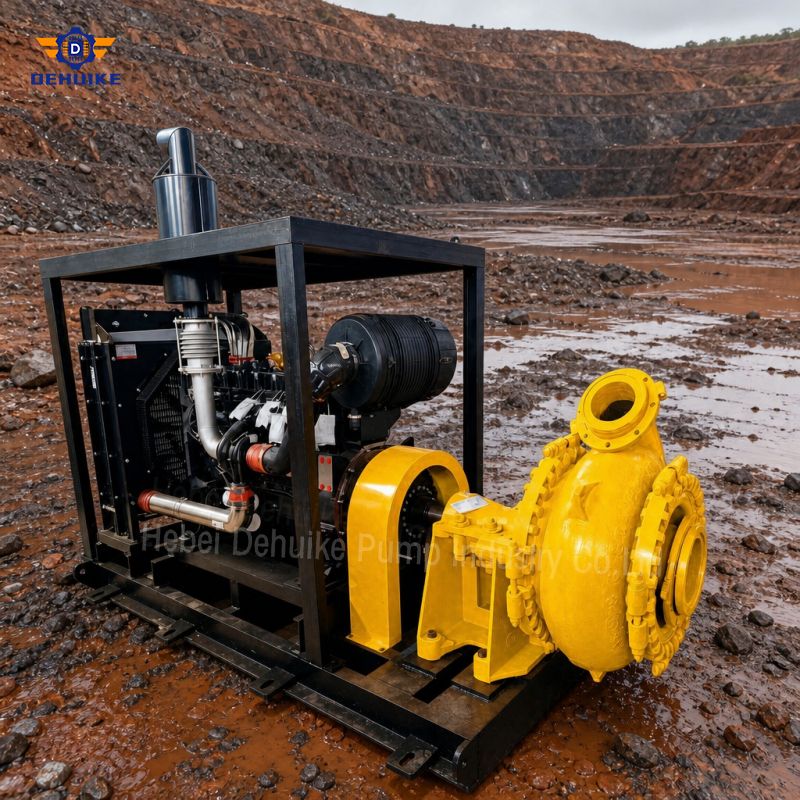
A washing circuit performs best when the receiving process sees a controlled slurry rather than alternating water-rich and sand-rich surges. Sump geometry, level control, agitation and raw-feed distribution all influence the Sand Washing Plant Pump inlet. Stable operation begins upstream of the suction flange.
-Set a working level band that protects inlet supply while leaving enough sump volume to absorb short feed surges.
-Measure or infer density on a declared basis so control changes can distinguish extra sand from extra water.
-Coordinate pump delivery with cyclone or classifier limits; pressure instability can change separation behaviour even when average flow appears acceptable.
-Prevent oversize and foreign objects from entering the circuit. A Heavy Duty Gravel Pump is not a substitute for an effective scalping screen or debris-control plan.
Variable speed can help match process demand, but it must be applied with curve, power, suction and solids-transport checks. Throttling or speed reduction that stabilizes one device may allow solids to settle elsewhere. Control philosophy should be agreed for the entire loop rather than for the pump alone.

Our Advantages | Measure Plant Recovery Instead Of Pump Flow Alone
The relevant performance measure is recoverable in-spec sand per operating hour, not only cubic metres of slurry. Track feed solids, cyclone split, screen recovery, moisture, reject loss and downtime. A Sand Washing Plant Pump that maintains the required classifier feed can create more value than a larger pump operating outside the downstream equipment's preferred range.
Where an existing Heavy Duty Gravel Pump is being replaced, compare pressure stability, density variation and downstream product results before changing size. Low recovery may be caused by worn cyclone components, incorrect screen media or changing feed rather than by insufficient pump capacity.
Production Process And Quality Assurance | Define Pump And Plant Responsibilities Separately
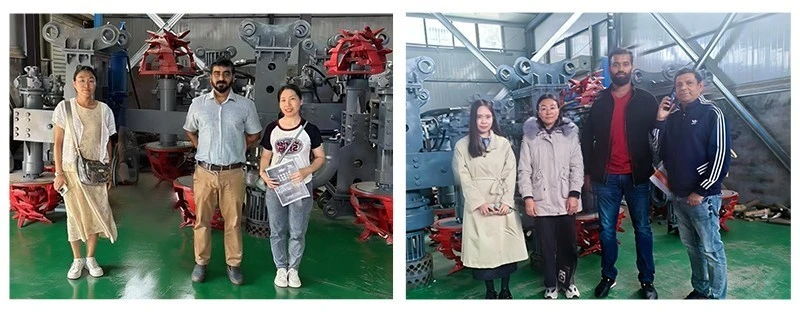
Production process: release a package that fits the wash-plant interface
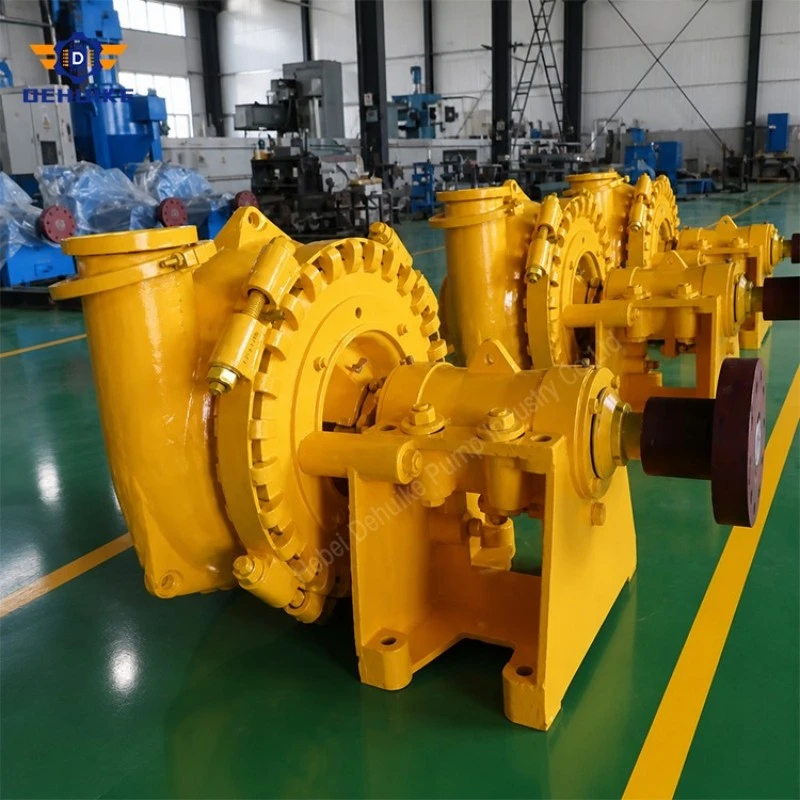
Approve the model, wetted-parts specification, seal arrangement, driver, connection orientation and any supplied base or guard before manufacture. The drawing should identify the interface with the sump and downstream line. Machining and assembly controls should preserve the approved rotating and pressure-containing configuration.
Before dispatch, match identification, loose accessories and recommended spares to the released Sand Washing Plant Pump package. Protect nozzles and machined surfaces during transport. If instrumentation, valves or flexible connectors are included, show them clearly in the supply list rather than treating them as implied plant items.
Quality assurance: do not confuse pump testing with wash-plant performance
Material records, dimensional inspection and hydraulic testing verify different aspects of the supplied pump. A defined water test may confirm a reference flow and head, but it cannot prove cyclone cut size, fine-sand recovery or dewatering-screen moisture under an unknown feed.
The available product data gives no test standard, casing pressure, motor protection, vibration acceptance, cyclone performance or plant recovery guarantee. Add any required criteria to the purchase specification. Integrated commissioning targets should identify which party is responsible for pump duty, process classification and product quality.
Applications | Match The Pump To Its Position In The Washing Circuit
A Sand Washing Plant Pump can be evaluated for sump transfer, cyclone feed, fines recovery and selected recirculation duties in aggregate or mineral-sand washing. The examples below show process-screening questions, not customer cases or final equipment recommendations.
Small recovery or secondary-wash loop
The 6/4D-G entry gives 58 m3/h at 16.2 m, while the 8/6E-G entry gives 265 m3/h at 13.5 m. These points can frame smaller loops where screen filtrate or washer overflow is collected and returned for recovery. Confirm the solids size and the downstream pressure requirement.
Intermediate cyclone-feed circuit
The selected 10/8F-G record lists 468 m3/h at 22.8 m. Use the cyclone supplier's required inlet condition, the operating sump level and actual pipe losses to decide whether this coordinate is relevant. The 110 kW motor record is not a stand-alone plant recommendation.
Primary high-volume washing stage
The 14/12G-G and 16/14-G examples provide 1000 m3/h at 10.4 m and 1580 m3/h at 20.8 m. They represent different process scales and resistance levels. A Heavy Duty Gravel Pump at these capacities requires coordinated sump volume, classifier capacity, dewatering area and return-water routing.
Plant with a fluctuating raw-feed grading
A shift from clean sand to a fines-rich feed can alter viscosity, cyclone split and screen drainage. Keep density and product-quality checks active when the source changes. Increasing pump output may worsen classification if the classifier is already outside its preferred pressure or solids range.
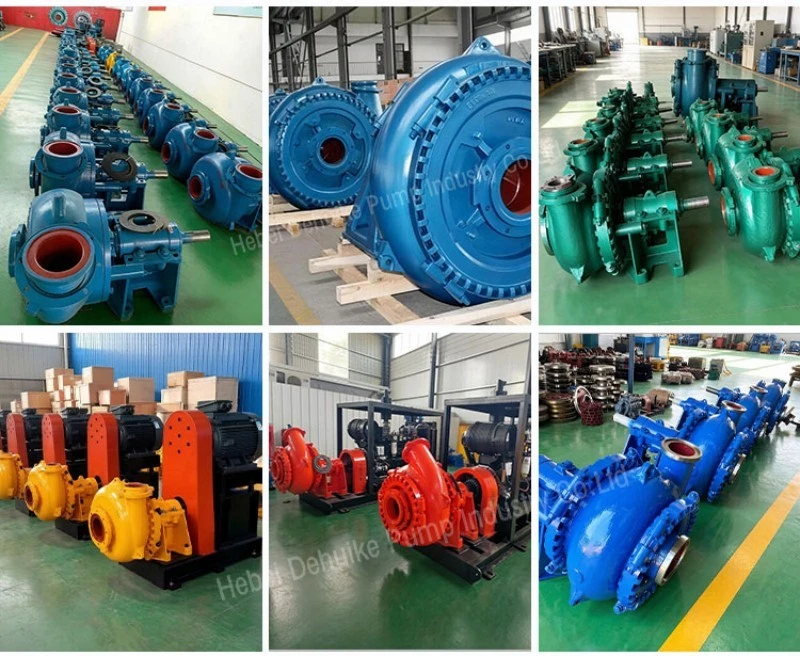
Our Service, Experience And Markets | Submit The Wash-plant Flow Sheet With The Enquiry
For a Sand Washing Plant Pump enquiry, include sump levels, pipe profile, operating pressure required by the downstream device, control method and expected start-stop frequency. State whether the duty is primary feed, fines recovery, recirculation or bypass service. Similar connection sizes do not make these duties interchangeable.
Request a marked curve, slurry-power basis, material schedule, drawing, testing scope and initial spares. Confirm whether process commissioning support is included or limited to the pump package. The available product data contains no plant references, market coverage or guaranteed wash results, so those claims are not added.
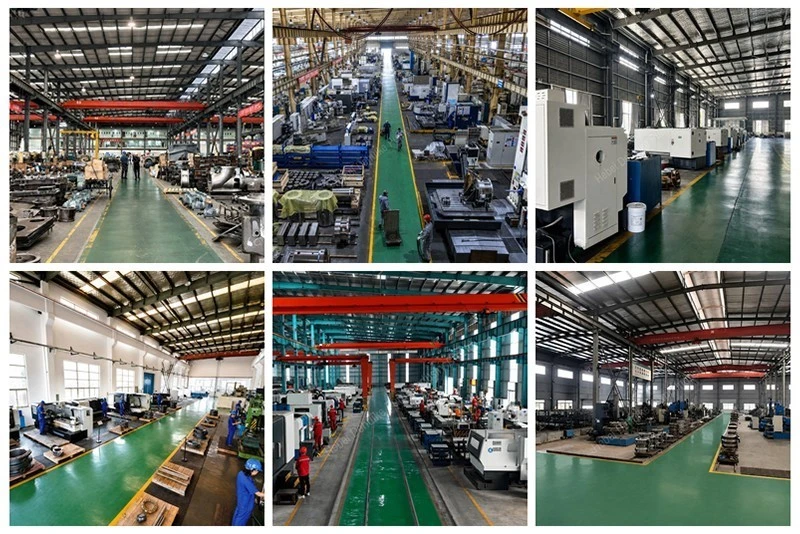
Installation, Operation And Maintenance | Keep The Washing Loop Visible And Cleanable
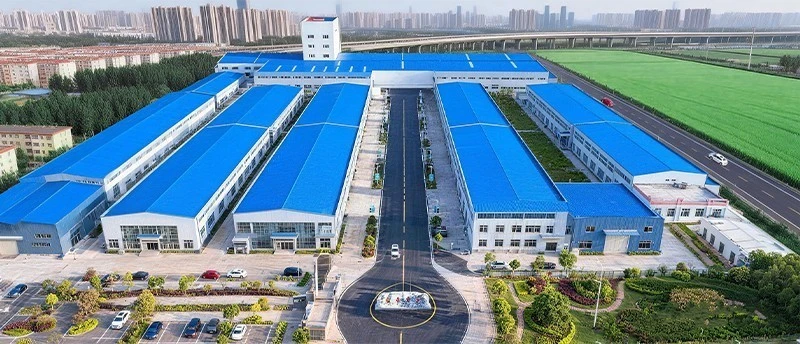
Install the pump with a suction arrangement that avoids unintended air entry and provides access to the sump. Support discharge piping independently and place instruments where operators can observe the classifier-feed condition. Arrange isolation and drainage so maintenance does not release uncontrolled slurry into the plant area.
During commissioning, establish baseline sump level, density, speed, motor load, flow and classifier-feed pressure. Observe underflow, overflow and dewatering-screen behaviour at the same time. The Sand Washing Plant Pump has reached a useful duty only when the connected process is also stable.
Trend pressure and density rather than reacting to one reading. A worn pump, blocked cyclone inlet, enlarged spigot, changed feed grading or low sump level can create different combinations of symptoms. Diagnose the loop before adjusting speed or replacing equipment.
After a stop, sand can settle in the sump outlet and low sections of pipe. Follow the approved cleaning sequence and verify a safe destination for flushed material. Before opening a Heavy Duty Gravel Pump, isolate energy, prevent automatic start, drain or restrain the line and apply site lockout procedures.
Faq | Specify A Sand Washing Plant Pump For Process Stability
1. Is a sand washing plant pump the same as a complete washing plant?
No. It transfers slurry between process stages. Sumps, washers, screens, cyclones, dewatering equipment, water treatment, conveyors and controls are separate unless listed in the supply scope.
2. Can pump flow be used as washed-sand production?
No. Pump flow includes water and all suspended solids. Finished production depends on density, grading, classification recovery, reject loss, moisture and operating time. Use a plant mass balance for product tonnage.
3. Why does cyclone feed need stable pressure?
Cyclone separation responds to feed volume, pressure, solids and geometry. Large pressure fluctuations can change classification and underflow behaviour. Use the cyclone supplier's operating requirement when selecting the pump and controls.
4. Can the pump determine final sand moisture?
No. It can influence the feed reaching the dewatering process, but final moisture depends primarily on material characteristics and the selected dewatering equipment, screen media and operating condition.
5. What sump information is needed?
Provide dimensions, working level range, inlet streams, solids-settling behaviour, agitation arrangement, overflow route and control philosophy. The sump must buffer process variation while maintaining suitable pump inlet conditions.
6. Is variable speed useful in a washing plant?
It can be useful when properly engineered. Review pump curves, cyclone feed requirements, motor limits, suction conditions and solids transport at each intended speed. Speed control cannot correct every process imbalance.
7. What indicates that the pump may be worn?
Possible evidence includes changed pressure, capacity, motor load, vibration or the need for higher speed at the same process target. Check instruments, feed density, valves, piping and classifier condition before assigning the cause.
8. What should a technical quotation include?
Request the selected curve, slurry assumptions, driver calculation, wetted materials, seal arrangement, package drawing, test scope, spares and exclusions. Also identify the downstream process requirement used for selection.

Request A Wash-plant Duty Review
For a Sand Washing Plant Pump proposal, send the process flow sheet, slurry data, sump levels and classifier or screen requirements. If a Heavy Duty Gravel Pump is recommended, require the marked curve, corrected power, accepted feed definition and package boundary before order approval.
Hot Tags: sand washing plant pump, China sand washing plant pump manufacturers, suppliers, factory