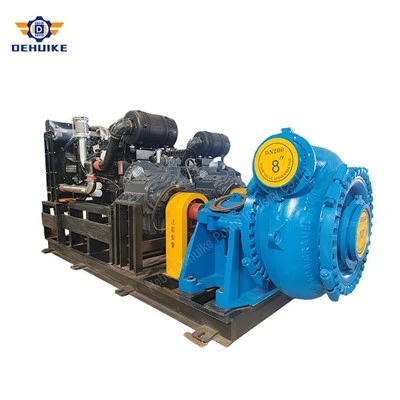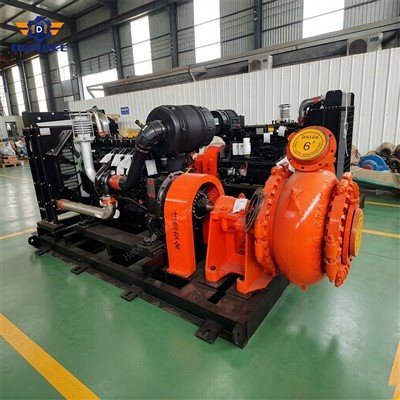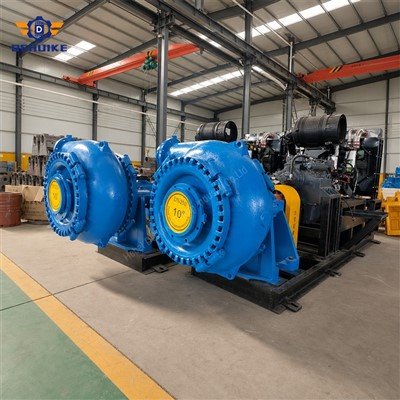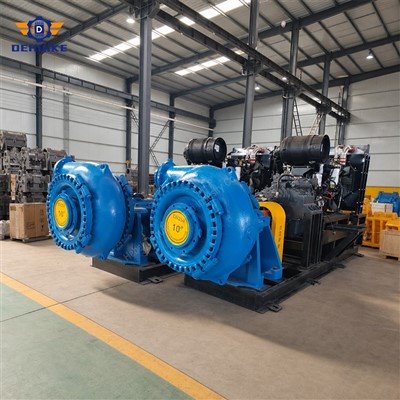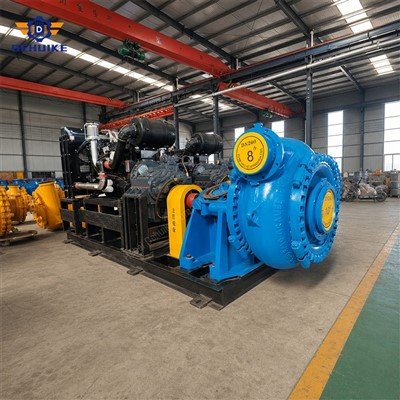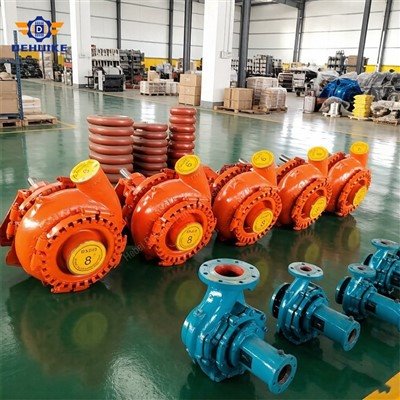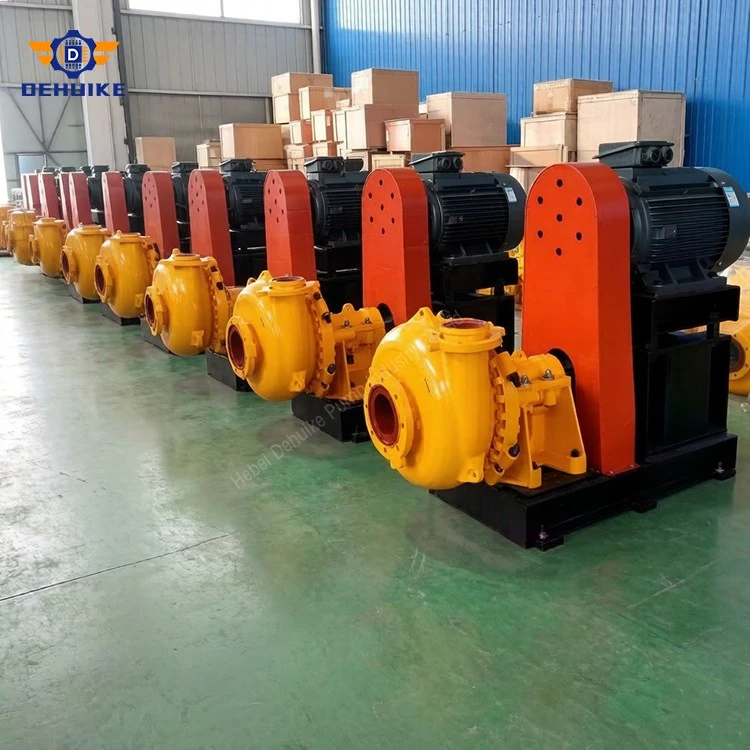
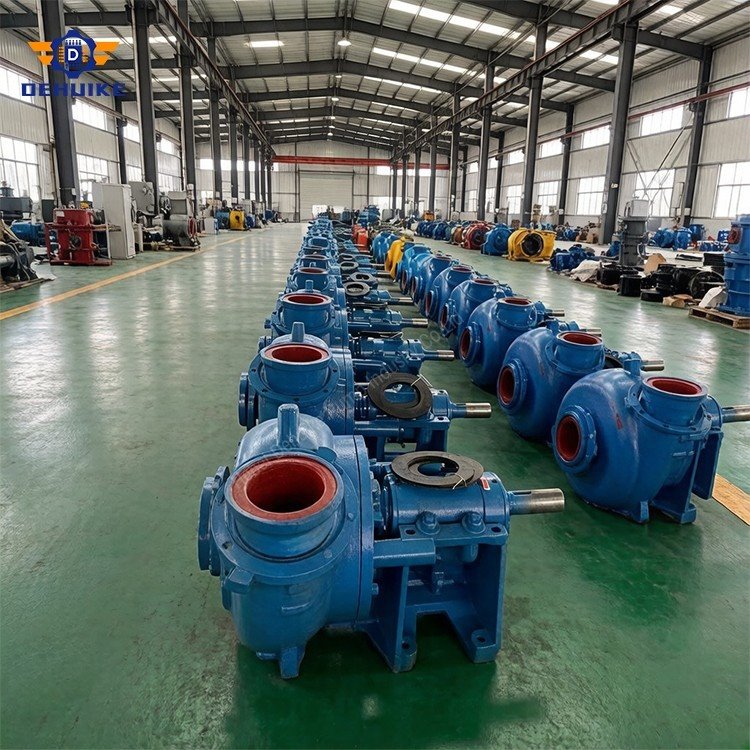
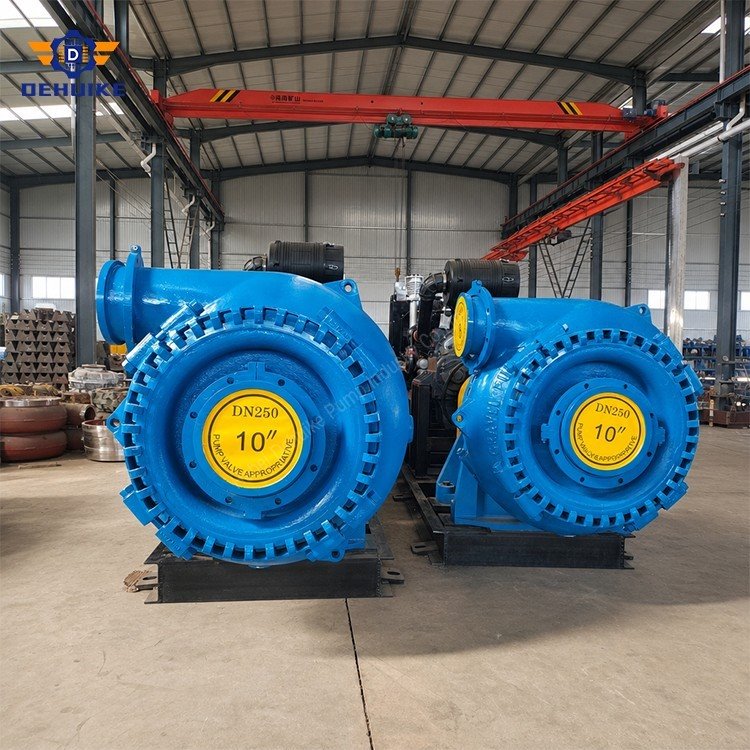
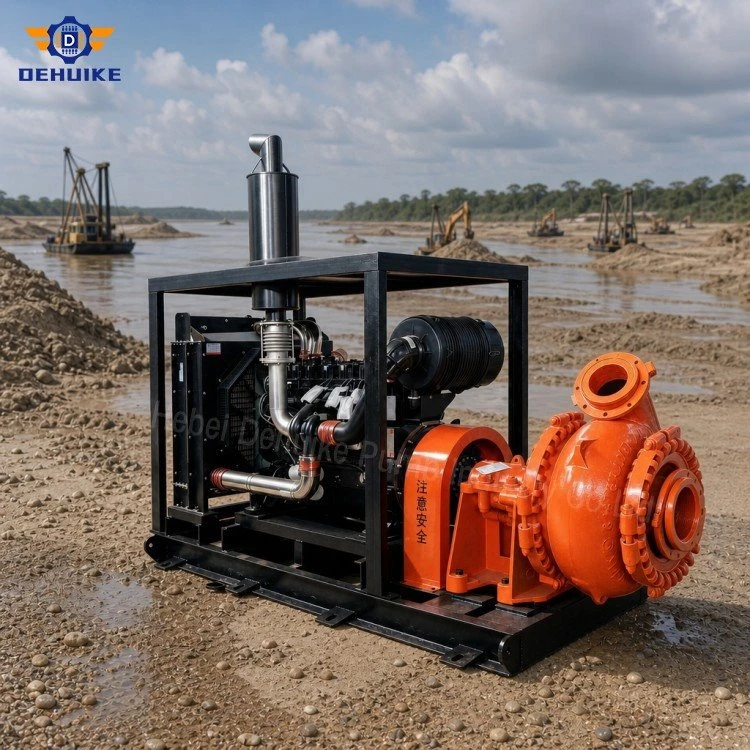
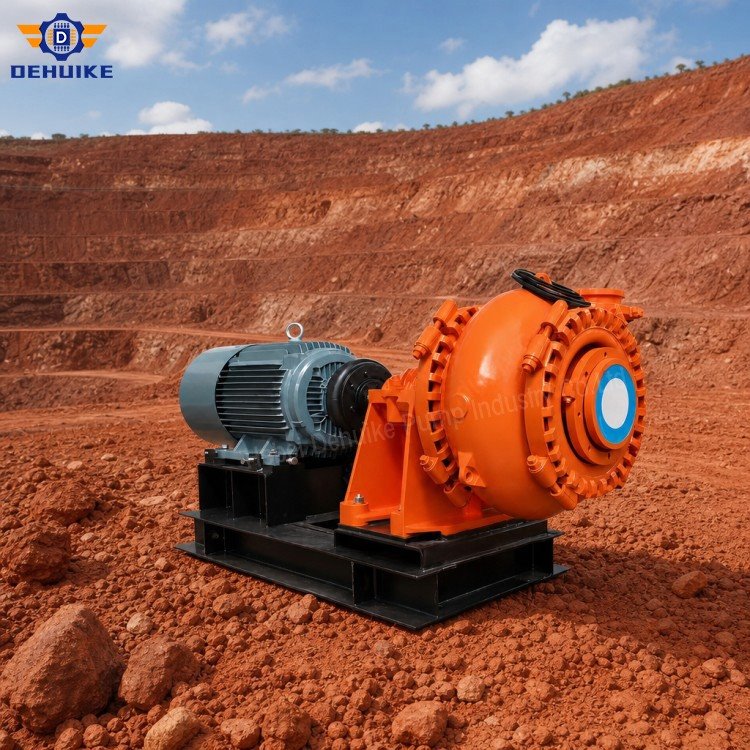
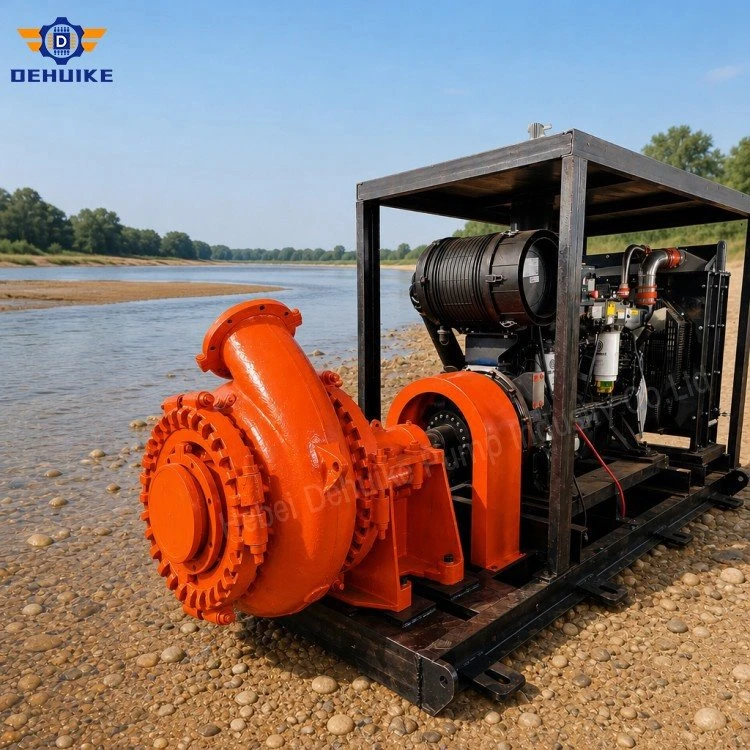
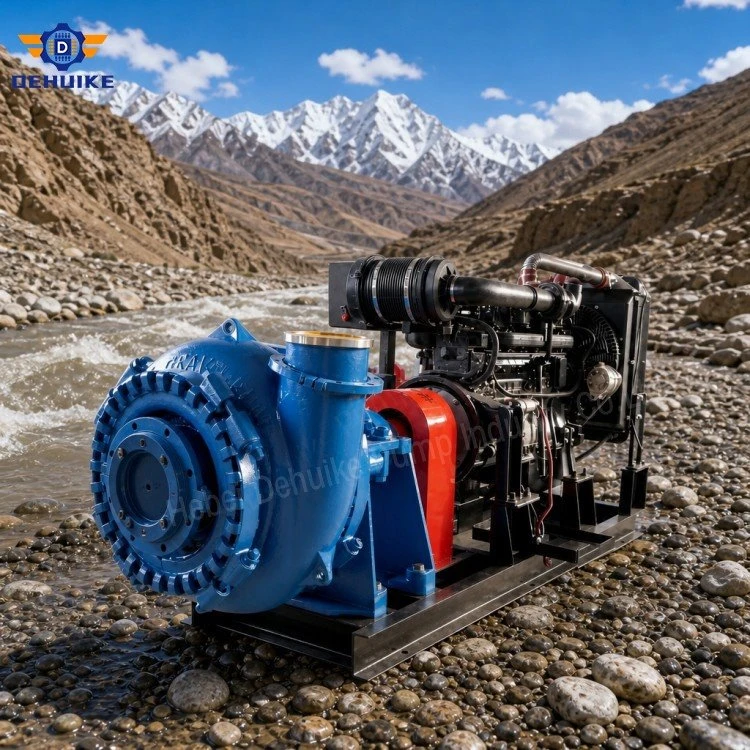
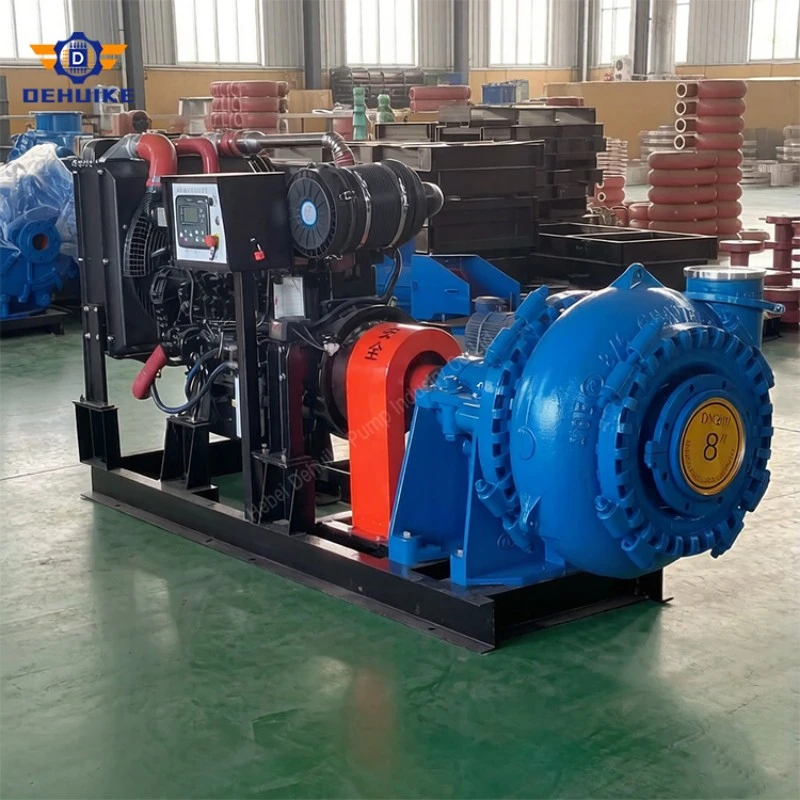
Hebei Dehuike Pump Industry Co., Ltd. is one of the most reliable manufacturers and suppliers of wear resistant gravel dredge pump in China. With abundant experience, we are committed to providing high quality customized pumps with competitive price. Welcome to wholesale bulk wear resistant gravel dredge pump for sale here from our factory. Also, pricelist is available.
Introduction | Keep excavation and pipeline delivery working together
A dredging spread earns its output at the discharge end. Gravel released at the excavation face still has to enter the suction line, travel through the pump and reach the placement or recovery area. A wear resistant gravel dredge pump must be evaluated against that entire task. A large passage or a high catalogue capacity is useful only when the proposed equipment can meet the required duty with the deposit being excavated.
For a contractor, the purchasing question is how the selected pump will support the planned work. This includes the accepted feed, mixture throughput, pipeline arrangement, drive requirement and time needed for servicing. Abrasive particles consume working surfaces, so the proposal also needs a practical route for inspecting and replacing affected parts. Wear resistance is a selection requirement, not a promise that replacement will never be necessary.
The G Series references below offer five sizes for preliminary comparison. Their published operating records and connection dimensions help narrow the enquiry. Final approval should bring together the corrected hydraulic performance, a defined wet-end specification and the contractor's operating plan. No material grade or field-life guarantee can be inferred from a model designation alone.
Specifications / Technical Data | Compare complete equipment records
The first table supports connection and handling checks. The second shows one recorded operating condition per size. Keep each capacity, head, speed, efficiency and motor association on its own row when comparing alternatives. These are separate references rather than five points on a shared performance curve.
|
G Series size |
Particle field mm* |
Inlet mm |
Outlet mm |
Bare mass kg |
|
6/4D-G |
82 |
150 |
100 |
460 |
|
8/6E-G |
127 |
200 |
150 |
1120 |
|
10/8F-G |
178 |
250 |
200 |
2250 |
|
14/12G-G |
241 |
350 |
300 |
5400 |
|
16/14-G |
255 |
400 |
350 |
6950 |
|
G Series size |
Mixture m³/h |
Head m |
Speed r/min |
Efficiency % |
Motor record kW |
|
6/4D-G |
285 |
46 |
1400 |
58 |
75 |
|
8/6E-G |
605 |
35.3 |
1470 |
58.5 |
132 |
|
10/8F-G |
950 |
37.3 |
980 |
62.2 |
220 |
|
14/12G-G |
3194 |
44.1 |
650 |
66.8 |
800 |
|
16/14-G |
2988 |
38.2 |
500 |
67.6 |
800 |
The particle column needs a manufacturer's definition before it is used in design. Its values do not describe continuous acceptance of every object of that diameter. Fragment shape, particle frequency and the proportion of coarse material remain important. Record routine grading and exceptional oversize separately, and agree how unwanted debris will be intercepted or managed.
The mixture-capacity entries should not be presented as dry aggregate production. Recoverable solids output depends on concentration and the basis used to express it. State whether concentration is measured by mass or volume and identify the density information used in any conversion. A comparison between offers is meaningful only when both use the same production basis.
Prepare a duty sheet that describes the proposed route. Include line dimensions, lengths, elevation changes, fittings and the discharge condition, together with the expected excavation conditions. Submit the mixture properties with that route information so the supplier can assess the hydraulic requirement. An isolated flow target leaves too many assumptions unresolved.
Ask for the performance curve applicable to the offered configuration and identify any slurry correction used. The reference motor entry does not settle final driver sizing. Density, operating cases, drive losses and the agreed design allowances belong in the power review. Where alternative speeds are proposed, compare the resulting delivery and transport conditions as well as the apparent power change.
Construction information needs a separate schedule. Identify the material proposed for each wetted component, the relevant drawings and the parts treated as replaceable. Specify the evidence required to support material identity and any claimed properties. Hardness, chemical composition and suitability for impact are different questions and should not be collapsed into one description such as heavy duty.
Also request the limitations needed by the operating team. These may include the approved speed range, permissible pressure conditions, inspection criteria and restrictions associated with the selected construction. The supplied catalogue records do not establish these limits. They should be confirmed for the equipment offered rather than borrowed from another pump of similar size.
For replacement projects, compare the old and proposed interfaces before issuing an order. Inlet and outlet dimensions are only part of that review. Nozzle orientation, foundation positions, drive connection and service space should be checked on an approved drawing. The mass column refers to the bare pump and cannot define the handling load of a complete drive package.
Product Detail | Follow the material from intake to discharge
The excavation method determines what reaches the suction stream. A cutter, drag head or jetting arrangement can release material with changing concentration and fragment size. The proposed pump therefore needs a feed description that reflects the workface, including coarse layers and occasional debris, rather than a single sample chosen for convenience.
Within the pump, particles and carrier water interact with the rotating passages and casing. Some particles rub or slide along surfaces; others strike them. Different regions can consequently lose material at different rates. Passage size addresses clearance for solids, while the material and geometry review addresses how the working surfaces respond to service.
The carrier liquid is part of that assessment. Provide temperature and relevant chemistry, especially where salts or unusual pH may affect the proposed construction. The product data does not identify an alloy, coating or seal system. Obtain a written construction proposal that relates the offered components to the actual liquid and solids combination.
Features / Equipment Characteristics | Specify useful working provisions
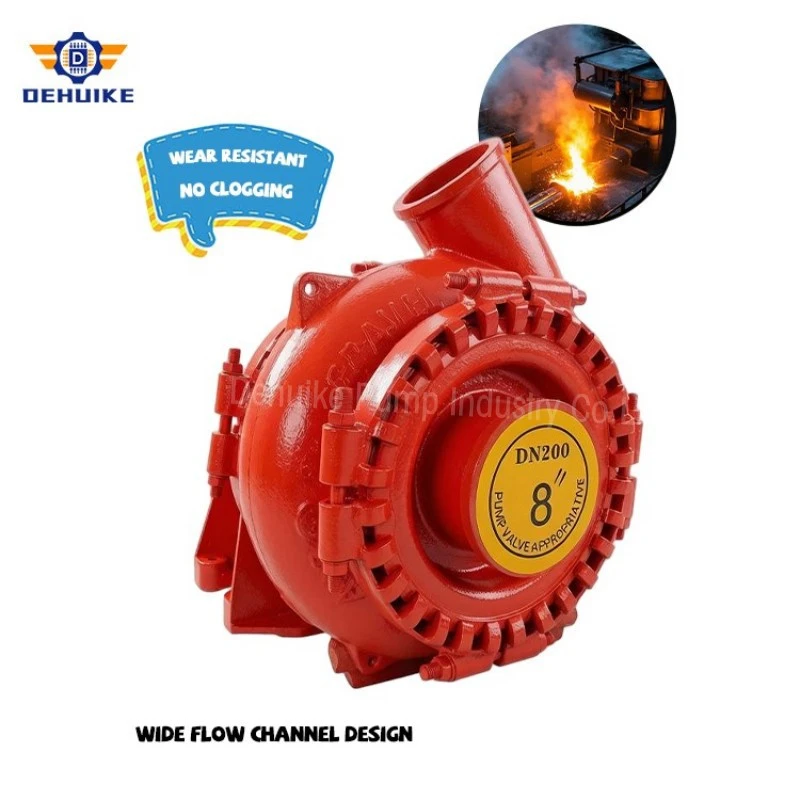
A useful specification explains how the pump will be operated and serviced. Buyers should look beyond general claims about abrasion resistance and ask how the offered construction fits the job, how its condition will be assessed and which components can be replaced within available shutdown periods.
Five reference sizes provide different hydraulic and connection options. Compare them against the required route and production conditions rather than ranking suitability by physical size.
Separate dimensional and duty tables support early review by both the installation team and the process engineer. Final drawings remain necessary for fabrication and connection approval.
Component-specific construction requirements allow the quotation to distinguish wetted parts, rotating items and associated equipment instead of applying one unverified material claim to the whole assembly.
A controlled spare-parts list helps the contractor order replacements that match the supplied pump. Model family alone may not identify every configuration detail.
An agreed inspection approach supports service planning. Measurement positions, access requirements and rejection criteria should be appropriate to the supplied design.
Do not assign a universal replacement interval or an arbitrary minimum wall thickness from this overview. Establish component limits with the manufacturer, taking account of location and function. An operating plan should provide a clear response when a limit is approached or an unexpected defect is found.
Our Advantages | Evaluate the package against the work program
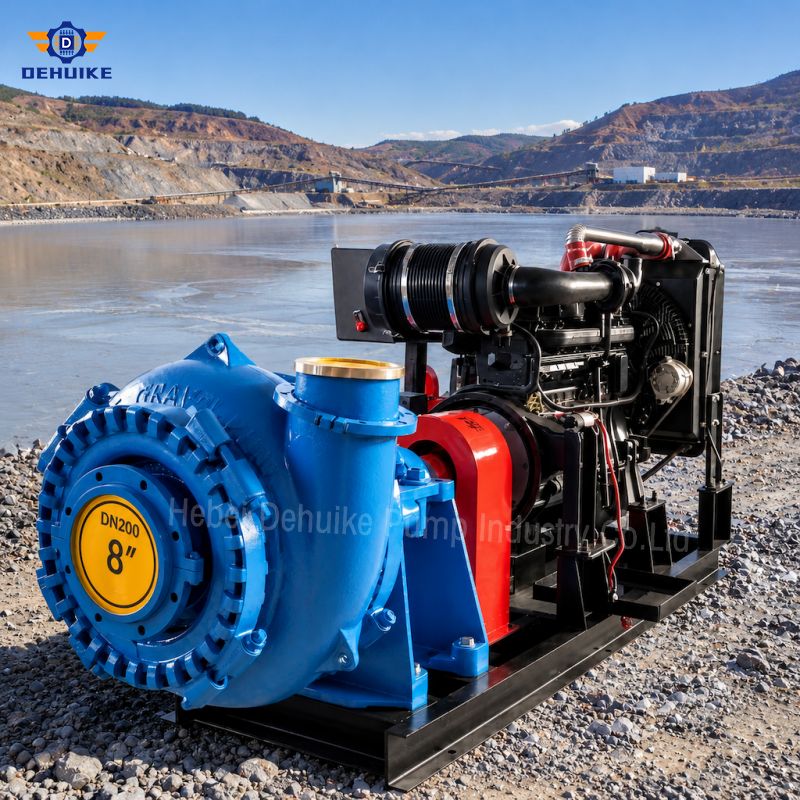
The advantage that matters to a dredging contractor is a proposal that can be checked against the work program. It should explain the expected operating condition, identify the construction supplied and show what is needed to maintain delivery. Clear technical scope helps the owner compare offers without mistaking a higher motor rating for higher solids production.
Consider the time required to service the wet end. Access, component handling, replacement parts and available lifting equipment all affect the duration of a stop. An inexpensive component offers limited benefit if it cannot be delivered or installed when needed. Ask for part identification and handling details early enough to include them in mobilization planning.
Compare ownership costs on a common basis. Include energy, consumable components, maintenance labour, lifting arrangements and production interruption. Where possible, use evidence from comparable material and duty. A heavy duty gravel pump cannot be declared cheaper to operate solely because its purchase description includes wear resistant.
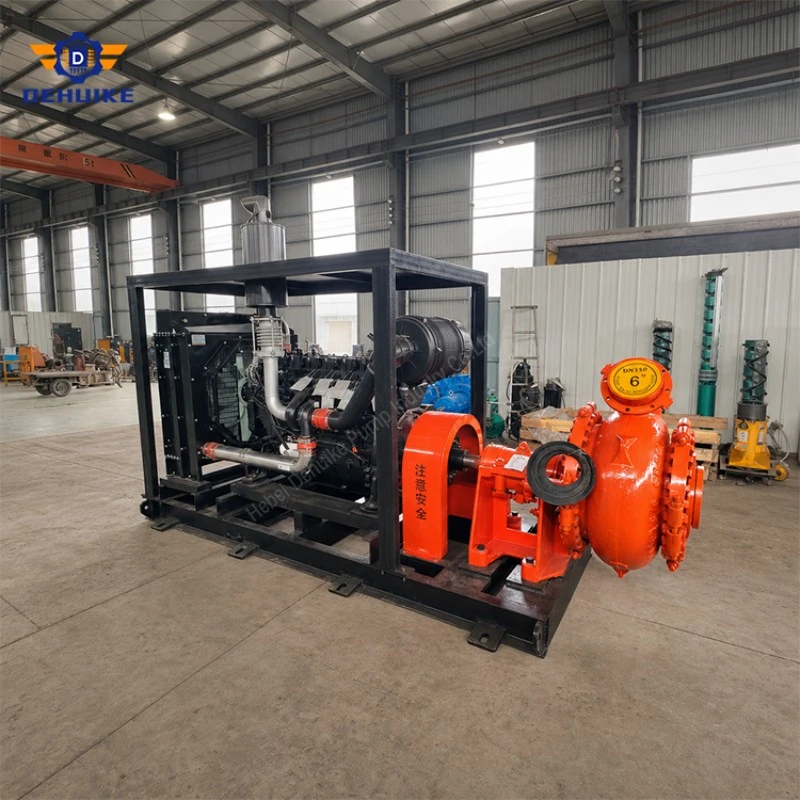
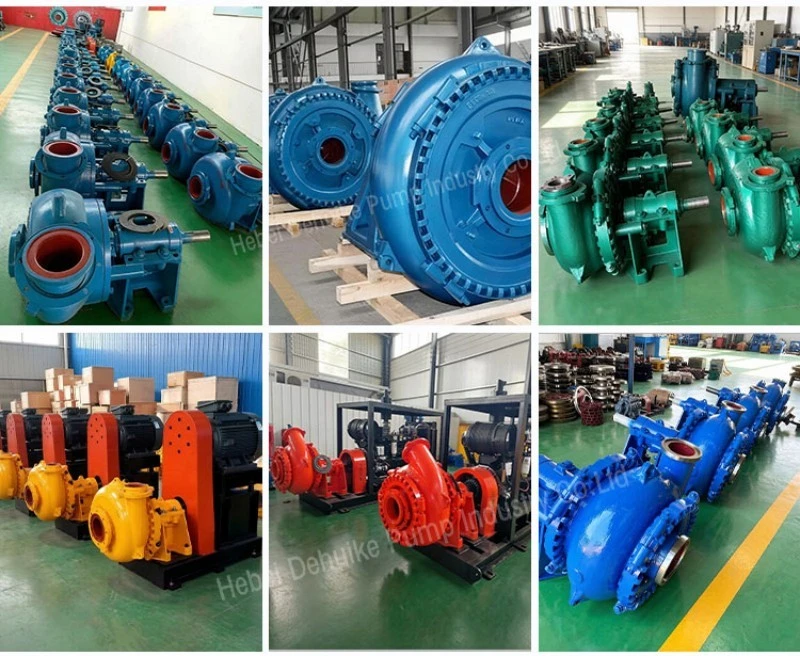
Production Process and Quality Assurance | Match delivered parts to the approved offer
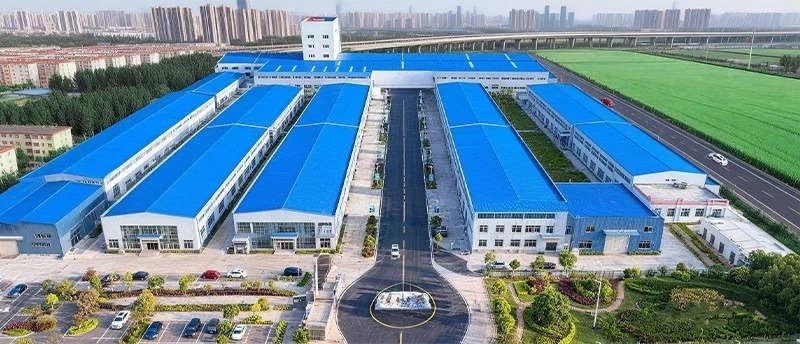
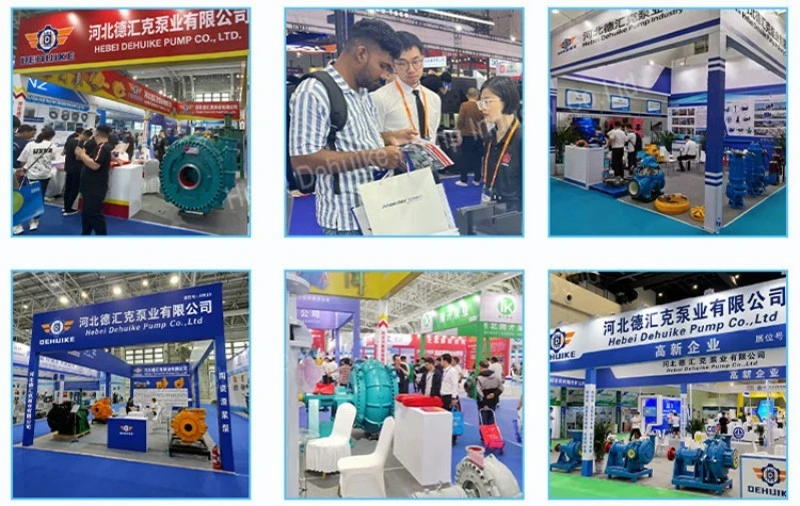
Our Service, Experience and Markets | Build a quotation around site information
Send a concise site brief with the hydraulic requirement and a description of the material. Include grading, particle shape, concentration basis, mixture density and carrier-water conditions where known. Add the excavation method and anticipated changes during the work. Mark uncertain inputs so that the supplier can explain their effect on the proposed selection.
For a replacement enquiry, include the existing nameplate, drawings and connection measurements. Photographs should show orientation and scale where relevant. If worn parts are being used for comparison, record their service history and any repairs. A photograph without context may show damage clearly while revealing little about the conditions that produced it.
Request a proposal containing the selected curves, construction schedule, final power basis and installation information. Add spares, tests and documentation to the commercial scope. Confirm separately whether commissioning attendance or other site support is available at the destination and what it includes.
The supplied information does not establish a local stock position, named customer history or guaranteed response time. Buyers needing those provisions should request evidence and contractual terms. Service availability should be an explicit part of the offer, particularly where the operating location makes replacement logistics difficult.
Installation, Operation and Maintenance | Plan access before mobilization
Check the installation against approved drawings. Pipe support, drive alignment and access for opening the pump should be addressed before the assembly is fixed in place. Confirm the approved handling method and lifting provisions for both the complete assembly and the components expected to be removed during service.
Establish a commissioning record that the operating team can repeat. Relevant readings include flow, pressures, speed and power, together with mixture information and route configuration. Record the condition of accessible components using the agreed inspection method. This provides a useful reference when output or component condition later changes.
During production, record changes that can explain a different operating condition. These include a new excavation layer, altered pipe route or a change in the feed arrangement. Compare performance at reasonably equivalent conditions before deciding that a reduction in delivery is caused by wear. An investigation should consider the pump and connected system together.
At scheduled stops, assess remaining condition against the manufacturer's criteria and compare the location of damage with previous observations. Use consistent positions, instruments and photographic orientation where measurements are required. An unexpected concentration of damage deserves investigation; simply replacing the affected part may leave the cause unresolved.
Before maintenance, follow the approved isolation, depressurization and draining procedures and prevent unintended starting. Secure associated dredging equipment as required by the site procedure. Following reassembly, verify component identity, specified clearances, connections and guarding before the controlled restart. Keep the replacement and inspection records with the equipment history.
Faq | Specify Wear Resistance With Measurable Dredging Evidence
1. What should wear resistant mean in a quotation?
It should refer to the offered construction for a defined duty and material, supported by component identification and appropriate evidence. The phrase does not establish a fixed operating life or eliminate the need to inspect and replace worn parts.
2. Is mixture flow the same as gravel production?
No. Mixture flow includes the carrier liquid. A solids-production estimate also needs concentration and density information on a stated basis. Use consistent units and assumptions when comparing the proposed pump with the required excavation output.
3. Can the Excel parameters predict component life?
No. The available product data supplies hydraulic and dimensional data, not abrasion rate. Life assessment needs confirmed materials, representative slurry data, operating history, wear limits and comparable field evidence.
4. What should an initial wear map contain?
Use named zones, fixed orientation, measurement datums, instrument details, readings and scaled photographs. Link the map to the individual component and the approved drawing.
5. Does lower pump speed always extend life?
Not automatically. Lower speed changes hydraulic duty and may reduce transport stability or move operation to an unsuitable region. Review the complete system and solids-production requirement first.
6. How should inspection frequency be established?
Begin conservatively using manufacturer criteria and risk assessment. Adjust the interval only after repeated measurements show a stable trend under documented operating and deposit conditions.
7. What can cause a sudden change in wear pattern?
Possible causes include a new sediment layer, altered particle shape, higher concentration, debris, suction-feed asymmetry, changed clearance, obstruction, corrosion or operation away from the intended duty.
8. What should a wear-focused quotation include?
Request corrected curves, component materials, traceability, baseline inspection, measurement zones, retirement criteria, spare references, lifting information, tests, exclusions and the assumptions behind any life estimate.

Request A Campaign-based Wear Review
For a Wear Resistant Gravel Dredge Pump proposal, send the deposit profile, hydraulic duty, excavation method, slurry chemistry and any previous wear maps. If a Heavy Duty Gravel Pump is proposed, require the selected curve, corrected power, component material schedule, baseline plan, inspection triggers and spare strategy before approval.
Hot Tags: wear resistant gravel dredge pump, China wear resistant gravel dredge pump manufacturers, suppliers, factory