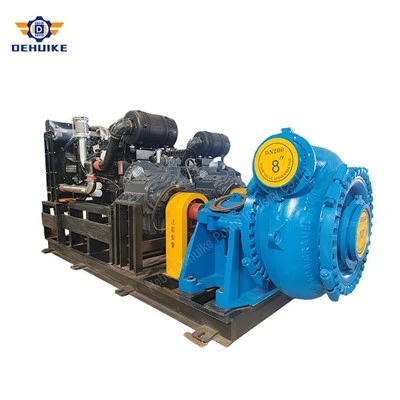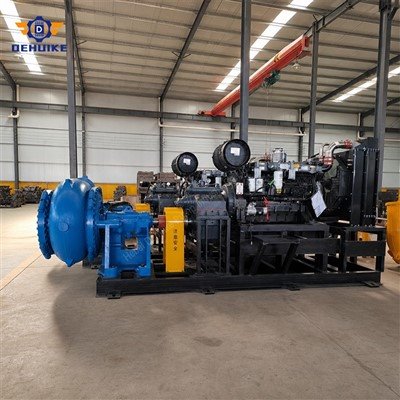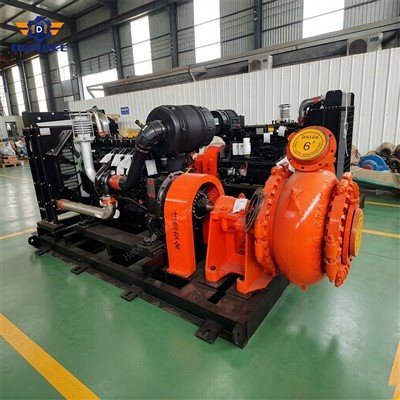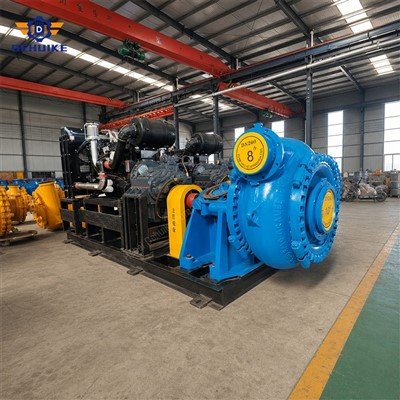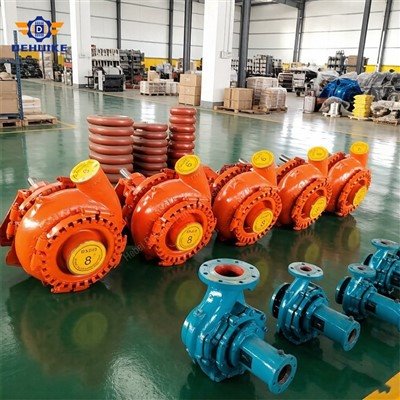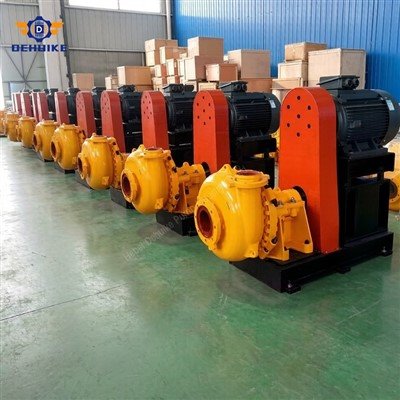

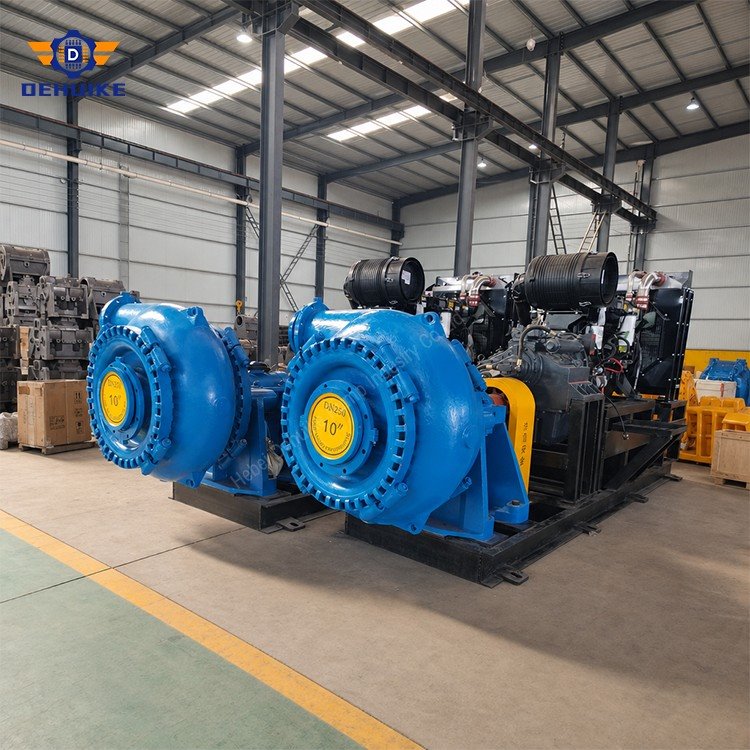
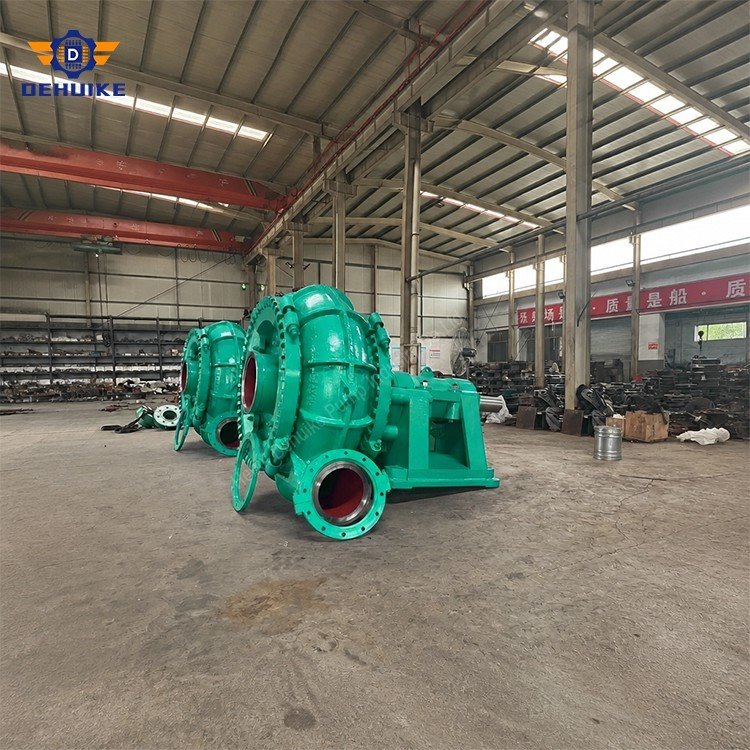
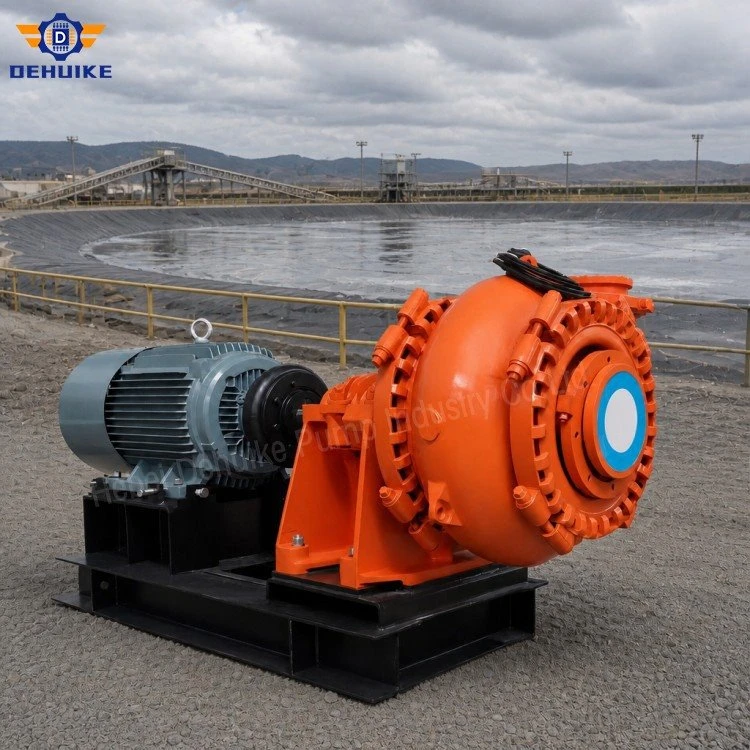
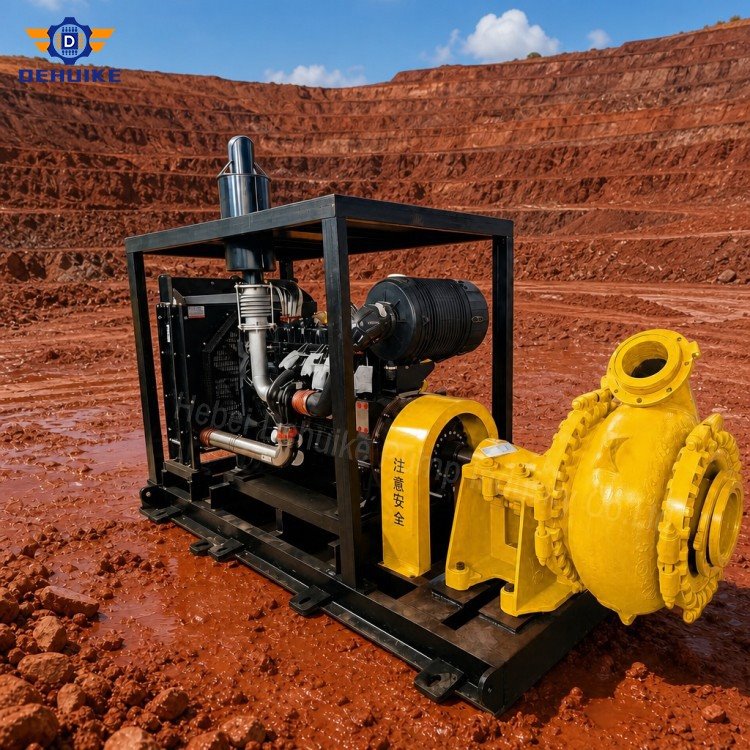
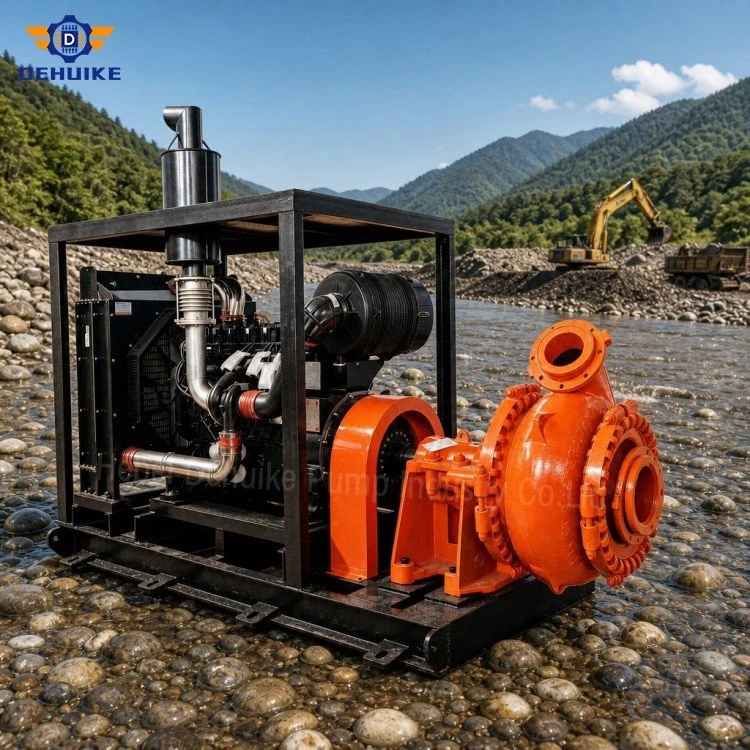
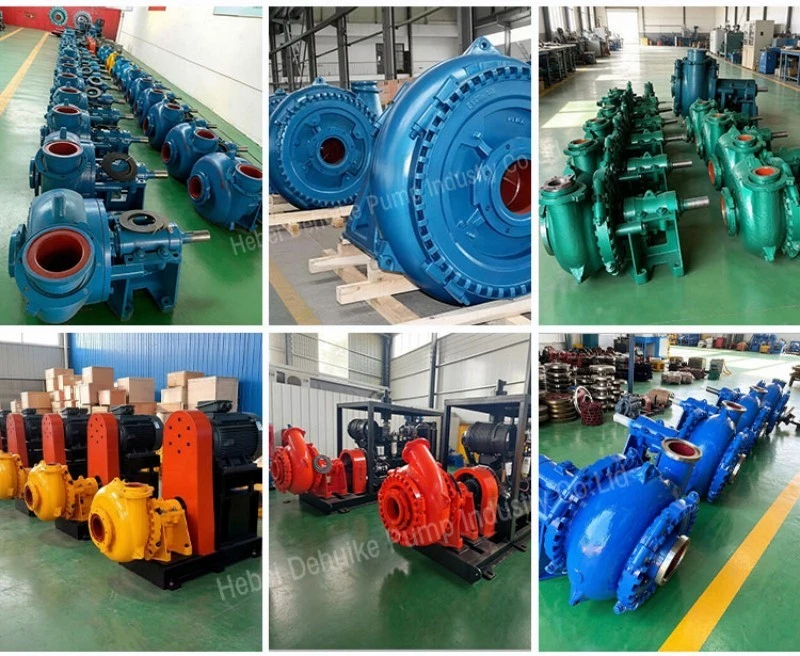
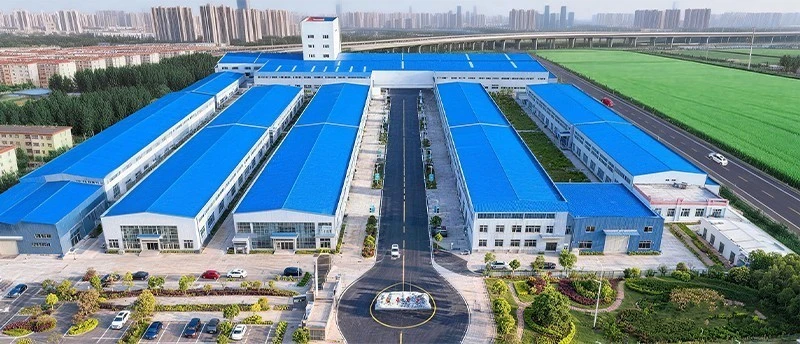
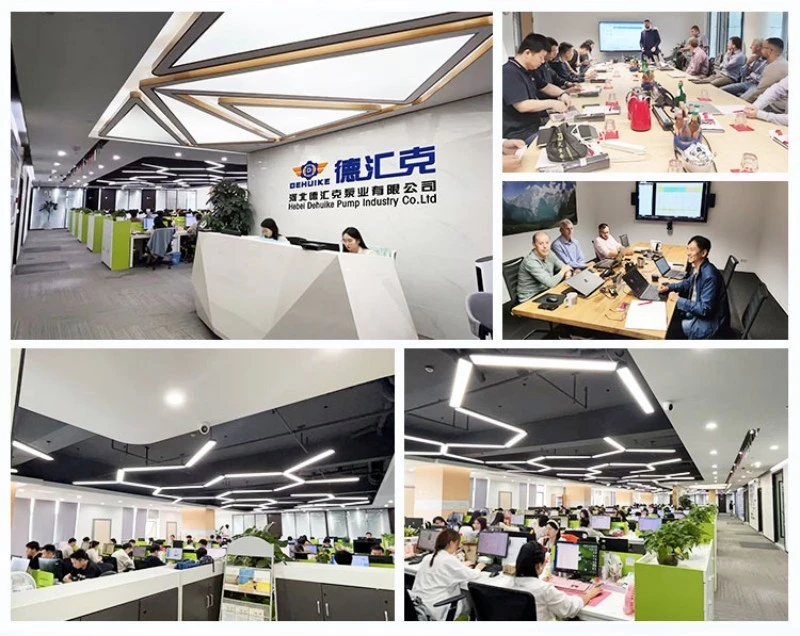
Hebei Dehuike Pump Industry Co., Ltd. is one of the most reliable manufacturers and suppliers of dredge gravel pump in China. With abundant experience, we are committed to providing high quality customized pumps with competitive price. Welcome to wholesale bulk dredge gravel pump for sale here from our factory. Also, pricelist is available.
Introduction | Control The Coarse Fraction Before It Reaches The Pump
A Dredge Gravel Pump transfers a water-borne mixture that can contain sand, graded gravel, shells and occasional coarse fragments released by dredging equipment. Unlike a uniform sand duty, the feed can change within a few metres of excavation. A gravel lens, compact layer or isolated cobble may alter intake stability, impact loading and the probability of an obstruction even when average mixture flow remains similar.
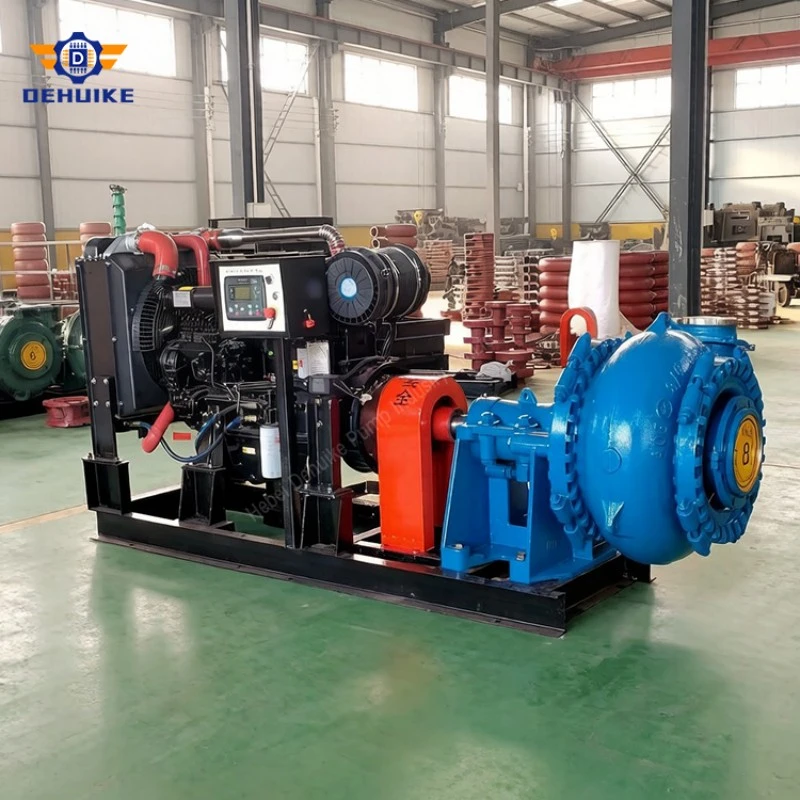
The five G Series records below are reference coordinates for screening pump size and hydraulic duty. Selecting a Dredge Gravel Pump also requires a continuous solids-path review. The excavator, suction mouth, protective grid where used, pump inlet, impeller passages, casing outlet, flexible connectors, valves, bends and discharge pipe must accept the defined feed without introducing a hidden restriction.
A Heavy Duty Gravel Pump can be appropriate when coarse mineral solids are expected, but the category name is not an unlimited particle guarantee. The project must define a normal grading, an upper percentile, the frequency of near-limit pieces and the treatment of timber, wire, scrap or man-made debris. Controlled exclusion is often more reliable than asking the pump to pass every object exposed by the cut.
Specifications / Technical Data | Audit Every Opening In The Gravel Path
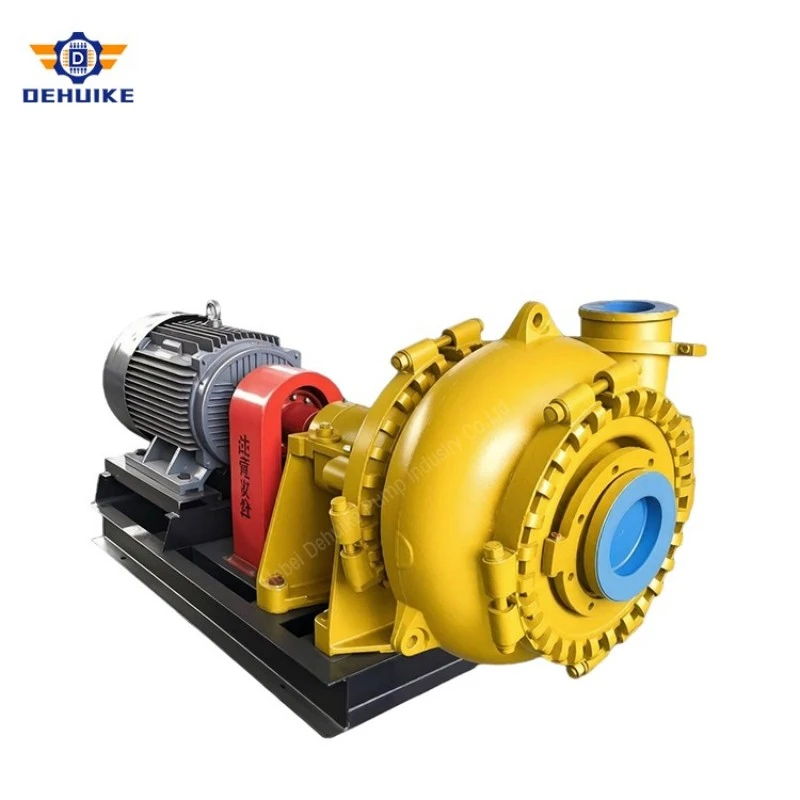
The dimensional fields and hydraulic points in these tables come from selected rows of the available G Series product data. Flow, head, speed, efficiency and motor data are preserved as complete source-row combinations. The available product data does not provide an impeller passage drawing, suction-mouth dimensions, allowable sphere test, grading curve, oversize-event frequency, pipeline pressure class or dredging production guarantee.
|
G Series model |
Particle reference (mm)* |
Suction size (mm) |
Discharge size (mm) |
Pump weight (kg) |
|
6/4D-G |
82 |
150 |
100 |
460 |
|
8/6E-G |
127 |
200 |
150 |
1120 |
|
10/8F-G |
178 |
250 |
200 |
2250 |
|
14/12G-G |
241 |
350 |
300 |
5400 |
|
16/14-G |
255 |
400 |
350 |
6950 |
|
G Series model |
Mixture flow (m3/h) |
Total head (m) |
Speed (r/min) |
Point efficiency (%) |
Motor entry (kW) |
|
6/4D-G |
158 |
50.5 |
1480 |
52 |
75 |
|
8/6E-G |
410 |
43 |
1400 |
60.8 |
110 |
|
10/8F-G |
670 |
42 |
980 |
49.3 |
220 |
|
14/12G-G |
2320 |
56.5 |
700 |
64.2 |
900 |
|
16/14-G |
2249 |
40.4 |
500 |
64.5 |
800 |
Treat the particle value as a catalogue reference that needs manufacturer interpretation. It is not proof that a continuous feed at that size will pass, nor does it describe angularity, flatness or the proportion of coarse material. Request the relevant internal drawing and the definition used to establish the value before converting it into a project acceptance limit.
Create a passage register for the entire dredging train. For each component, record the smallest clear opening, internal diameter, bend radius, reducer orientation, valve type, liner intrusion and cleanout access. Compare this register with a representative sieve analysis and an agreed oversize rule. The smallest or most abrupt feature, not the pump label, commonly governs what the system can transport.
Separate three feed definitions. Normal grading describes routine production. Maximum planned feed describes the upper material that may be accepted without intervention. Accidental oversize covers infrequent cobbles or debris that should trigger rejection, stopping or clearing. Combining all three into one maximum number hides the operational response needed when material changes.
Calculate total head for each practical discharge arrangement. Include static elevation, pipe friction, fittings, floating or submerged sections, shore transitions and terminal pressure. Then check the pump curve at the same mixture-flow basis. Coarse-particle acceptance and hydraulic suitability are different gates; passing one does not demonstrate the other.
The listed motor belongs to the recorded catalogue coordinate. Final power selection requires the defined mixture density, slurry correction, drive loss, service margin and transient loading review. Intermittent gravel-rich slugs can change torque and vibration without appearing in an average concentration value. Ask how the proposed drive and protection settings address that variation.
Build a coarse-fraction mass balance beside the pump schedule. Record mixture flow, measured density, dry-solids basis and the percentage retained on the project-relevant sieve sizes. This shows whether increased water flow is actually carrying more saleable or removable gravel. Keep the calculation outside the technical data table so available product data values remain distinguishable from site assumptions.
Use a probability-based oversize log during investigation and commissioning. Record how many pieces above each threshold occur per sample mass or operating hour, where they were found and whether their shape could bridge an opening. A rare elongated fragment may create more blockage risk than a larger rounded stone, so count, shape and orientation matter alongside nominal diameter.
Prepare operating cases for the fine matrix, the expected gravel band and the highest credible coarse event. Review suction stability, corrected head, absorbed power, passage margin, transport condition and shutdown clearing for each case. The case controlling wear may not control motor power, and the case controlling blockage may occur too briefly to dominate average production data.
For supplier comparison, require a marked curve, selected speed, impeller identity, internal-passage evidence, pressure boundary, accepted feed envelope and exclusions. Also identify whether any reducer, flexible hose, check valve or discharge fitting supplied with the package has a smaller practical opening than the pump. A technically coherent Dredge Gravel Pump offer must preserve the coarse-solids path beyond the casing nozzles.
Product Detail | Follow Gravel Through The Energy-conversion Zone
Excavation equipment first releases material and mixes it with carrier water. The suction arrangement then determines which particles approach the impeller and how evenly they enter. In the rotating passages, energy is transferred to the mixture. Coarse particles can lag behind the liquid, strike boundaries and concentrate locally, creating impact and wear patterns that differ from clear-water flow.
A Dredge Gravel Pump must therefore be considered as both a hydraulic machine and a controlled solids passage. The eye, vane entrances, casing cutwater and outlet transition can experience different collision angles. Rounded river gravel, angular crushed fragments and shell-rich material may not produce the same wear map even when their sieve curves look similar.
After discharge, the mixture encounters reducers, bends, hose connections and pipe joints. Poor geometry can cause local separation, bed formation or bridging. The available product data does not define the wet-end design, materials, seal arrangement or connected pipeline, so these details require a vendor drawing and project-specific review rather than assumption.
Features / Equipment Characteristics | Design For Irregular Coarse-feed Events
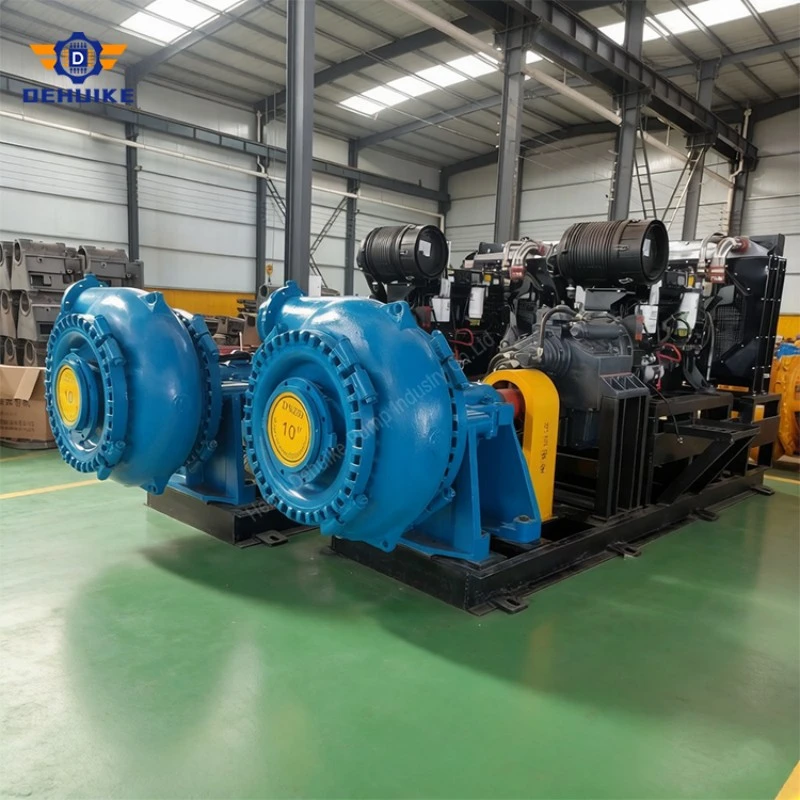
Gravel dredging rarely supplies a perfectly steady solids stream. The cut may alternate between sand-rich layers and gravel pockets, and the excavation tool may release short, dense batches. Equipment characteristics should be judged against this variability, not only against a time-averaged concentration.
-Define the full grading curve and particle shape. Top size alone cannot reveal whether coarse pieces are isolated, frequent, flat or angular.
-Provide an oversize response. Screening, a rock trap, operator rejection or controlled cleanout may protect uptime better than unrestricted passage.
-Preserve opening continuity. The suction mouth, Heavy Duty Gravel Pump, connectors and line fittings should be reviewed as one passage chain.
-Allow safe inspection. Wear mapping and accessible cleanout points help separate gradual material loss from a sudden lodged-object event.
No universal clearance ratio or transport velocity is inserted here. Acceptable margins depend on particle shape, size distribution, concentration, pipe bore, route and operating method. The supplier should state the basis used for passage and transport recommendations so the buyer can compare proposals on the same feed definition.
Our Advantages | Compare Systems By Recoverable Coarse Material
For a Dredge Gravel Pump, evaluate recoverable gravel delivered to the intended destination per operating period. Account for dilution water, rejected oversize, clearing time, relocation, pipeline flushing, wear inspection and disposal of debris. A higher mixture-flow figure does not necessarily produce more accepted gravel if coarse material is excluded or the line is repeatedly interrupted.
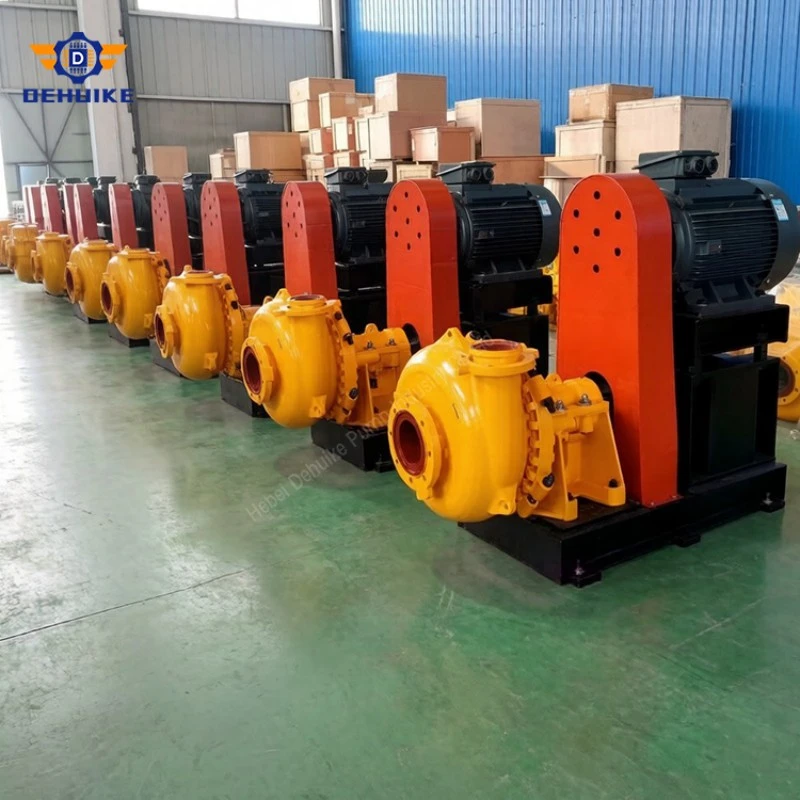
A structured passage register also makes competing Heavy Duty Gravel Pump packages easier to audit. Buyers can identify whether a proposal changes the feed limit, relies on another screening method or includes different cleanout access. This is more useful than comparing broad claims such as non-clogging or suitable for all gravel without defined evidence.
Production Process And Quality Assurance | Establish A Dimensional Baseline For The Wet End
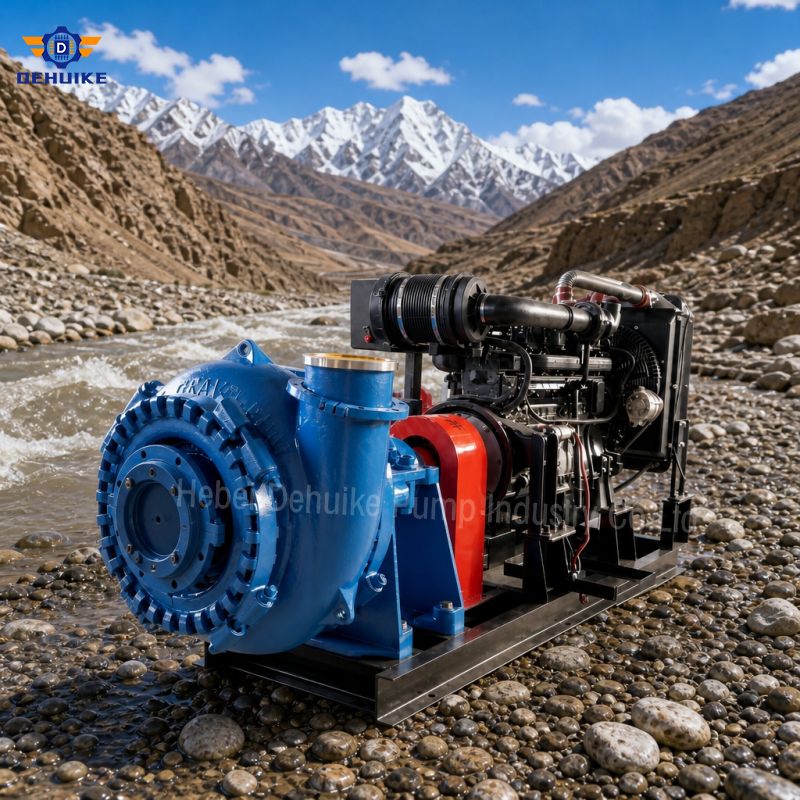
Manufacturing documents should identify the selected model, impeller configuration, casing arrangement, wetted materials, seal, shafting, drive interface and nozzle orientation. Critical passage and fit dimensions should correspond to the submitted drawing. These are purchase requirements for configuration control; they do not claim undocumented factory practices.
Before shipment, preserve the identity of the Dredge Gravel Pump and major loose parts. Protect machined faces and open nozzles, and provide verified lifting information for the supplied assembly. Bare-pump weight from the available product data assists planning but does not include every base, guard, coupling, driver or accessory.
Quality assurance: record condition before gravel service
A baseline can include dimensional checks, material documentation, rotating-assembly records and photographs or measurements of selected internal areas. Later inspection can then distinguish manufacturing geometry from service wear. If hydraulic testing is required, define the configuration, liquid, speed, instruments and acceptance points contractually.
The parameter available product data states no material grade, allowable-sphere method, test code, pressure rating, vibration criterion, wear guarantee or dredging production acceptance. Request only evidence relevant to the agreed supply. Do not convert a clean-water test or visual inspection into an unsupported claim that all project gravel will pass.
Applications | Match The Pump To The Gravel-bearing Deposit
A Dredge Gravel Pump may be evaluated for permitted aggregate recovery, river or reservoir gravel removal, selected harbour excavation, construction borrow transfer and coarse reclamation fill. These are engineering contexts, not records of completed customer projects. Deposit investigation and local environmental or mining requirements remain outside the available product data.
Compact aggregate recovery with controlled oversize
The 6/4D-G and 8/6E-G reference points are 158 m3/h at 50.5 m and 410 m3/h at 43 m. Their particle references and nozzles differ substantially. A smaller installation can still need upstream rejection when isolated pieces exceed the accepted passage or when debris is mixed with the deposit.
Intermediate gravel-bearing excavation route
The selected 10/8F-G row lists 670 m3/h at 42 m with a 220 kW motor entry. Use the full sieve curve, pipeline profile and corrected-power basis to assess the duty. If the coarse fraction is commercially important, reconcile delivered grading with the material sampled at the face.
Large-volume coarse dredging or booster service
The 14/12G-G coordinate is 2320 m3/h at 56.5 m, while the 16/14-G coordinate is 2249 m3/h at 40.4 m. Similar flow scale does not mean interchangeable system duty. A Heavy Duty Gravel Pump used in a multi-station line needs matching flow, defined pressure zones and consistent coarse-solids acceptance through every station.
Deposit with alternating sand and gravel seams
Plan separate operating windows for each layer rather than averaging the borehole log. Excavation rate, dilution and pump setting may need to change when the coarse fraction rises. Record the layer being worked with pressure, power, density and blockage events so later adjustments are based on evidence.
Coarse fill delivered through a changing land line
As the placement point advances, pipe length, elevation and bends can change while the feed grading remains constant. Recalculate hydraulic resistance and confirm that the line still transports the accepted coarse band. A hydraulic shortfall and a passage obstruction can produce different symptoms and require different corrective actions.
Brownfield replacement after repeated blockages
Document the location and object responsible for each blockage before replacing the pump. A lodged piece in a reducer, check valve or damaged hose will not be solved by changing only the wet end. Use recovered-object dimensions and wear patterns to update the passage register and oversize-control plan.
Our Service, Experience And Markets | Submit Evidence About The Coarse Feed
Provide borehole logs or representative samples by depth and location, together with a sieve analysis extending into the coarse fraction. State particle shape, mineral type, compactness, shells, clay binding and the expected number of oversize pieces. Add photographs with scale where they improve interpretation.
For a Dredge Gravel Pump enquiry, identify the excavation method, suction-mouth geometry, pump position and every component in the discharge route. Supply normal and limiting water levels, pipeline dimensions, terminal elevation, target mixture flow and the required basis for gravel production. Mark measured data separately from assumptions.
Request the selected curve, slurry correction, absorbed-power check, passage evidence, material schedule, seal plan, package drawing, inspection scope, initial spares and exclusions. Confirm the commercial availability of commissioning or field support. No named project, regional service network or response-time commitment is present in the available product data, so none is asserted.
Installation, Operation And Maintenance | Keep Coarse Solids Observable And Removable
Install the pump, driver and connected piping on supports designed for the package loads and operating movement. Avoid reducers or fittings that defeat the accepted passage without being documented. Where the system design uses a trap, screen or cleanout, provide safe access and a method for handling the removed material.
Commission the Dredge Gravel Pump with baseline speed, pressure, power and vibration readings under controlled feed. Introduce coarse material according to the approved procedure and record the corresponding grading or source layer. A water-only reading is useful as a reference but does not establish gravel production.
During service, log blockage location, recovered object, wear pattern and operating data. Rising power with unstable suction, falling pressure with increased vibration, or a sudden flow change can have different causes. Inspect the known restriction points before changing speed or excavation rate.
Before opening a Heavy Duty Gravel Pump or cleanout, isolate all energy sources, prevent remote start, relieve trapped pressure and secure moving dredging equipment. Flush or drain settled sections according to the approved procedure. Set inspection intervals from measured wear and gravel exposure rather than an unsupported universal schedule.
Faq | Specify A Dredge Gravel Pump With A Defined Passage Envelope
1. What is the difference between a dredge gravel pump and a sand pump?
The intended feed places greater emphasis on coarse-particle grading, shape, passage continuity, impact wear and oversize control. Final selection still depends on hydraulic duty, mixture properties and the complete dredging arrangement.
2. Is the catalogue particle value a guaranteed feed size?
No such guarantee is stated in the available product data. Ask how the value is defined, obtain relevant internal dimensions and specify normal grading, upper-percentile material and accidental oversize separately.
3. Why is a full sieve curve required?
It shows how much material occupies each size range. Two deposits can share the same maximum piece but create different transport, wear, power and blockage behaviour because their distributions differ.
4. Should the pump pass every cobble found in the cut?
Not automatically. The project should decide which material is accepted, which is rejected and how rare oversize is handled. Screening, trapping or controlled clearing may be part of the system.
5. Can a larger nozzle eliminate blockage risk?
No. Internal passages and downstream valves, reducers, bends or hose joints can still be restrictive. Particle shape, concentration, debris and operating method also influence obstruction risk.
6. What data is needed for motor selection?
Use the selected hydraulic point, mixture density, slurry correction, drive loss, service margin and credible operating cases. Include transient coarse-feed behaviour where it can affect load or protection settings.
7. How should repeated blockages be investigated?
Record the exact location, recovered object, feed layer, pressure, power, speed and preceding operating change. Compare the evidence with the passage register before altering the pump or pipeline.
8. What should be requested in a technical quotation?
Request the marked curve, selected speed, corrected power, passage definition, accepted feed envelope, materials, seal, drawing, tests, pressure limits, spares, exclusions and package boundaries.

Request A Coarse-dredging Duty Review
For a Dredge Gravel Pump proposal, send the deposit grading, oversize history, excavation method, suction arrangement and complete pipe route. If a Heavy Duty Gravel Pump is recommended, require evidence that the accepted gravel path, corrected hydraulic point, motor basis and cleanout plan are compatible before approval.
Hot Tags: dredge gravel pump, China dredge gravel pump manufacturers, suppliers, factory