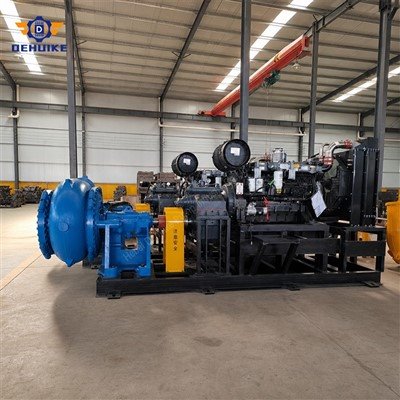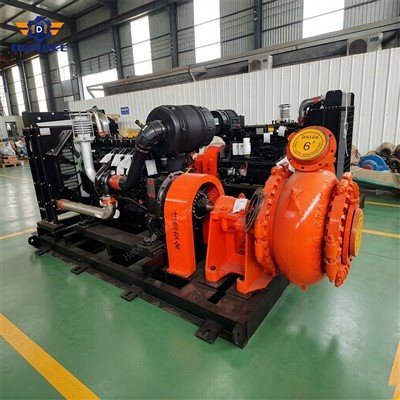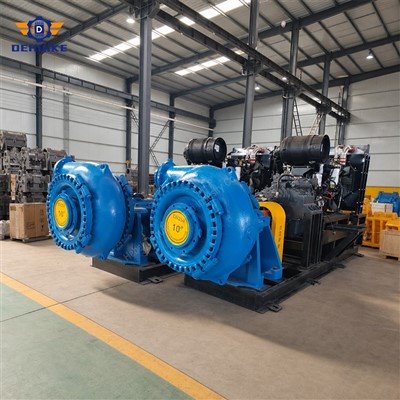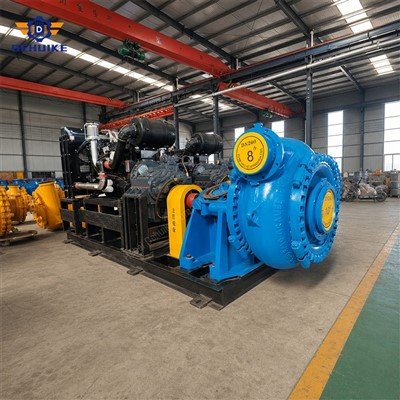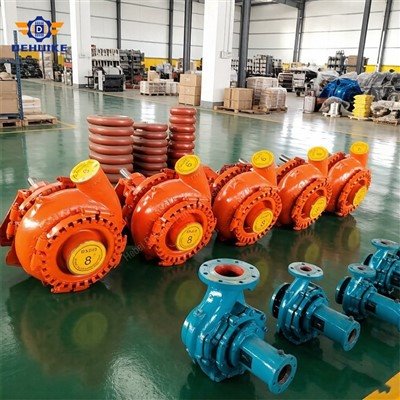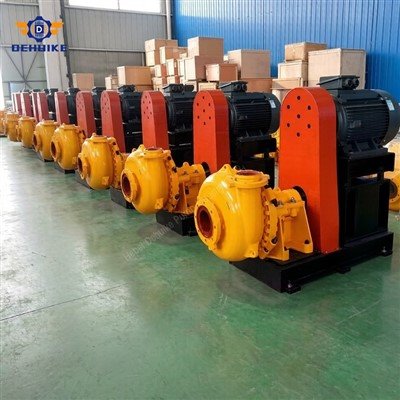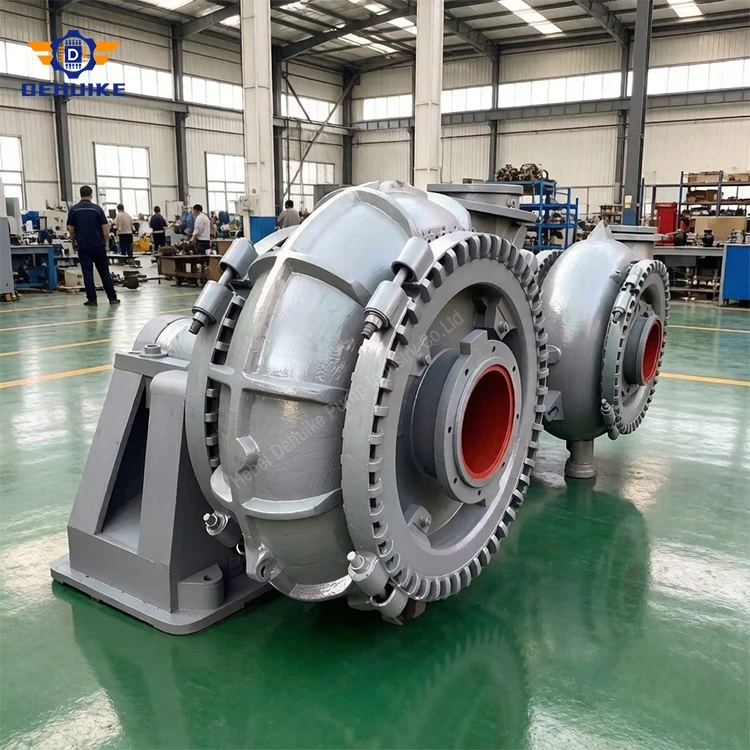
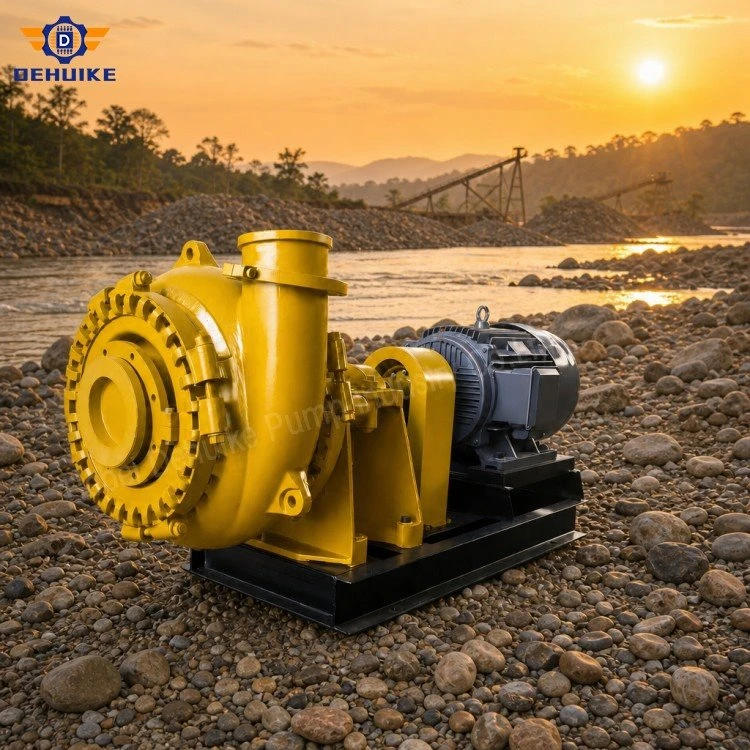
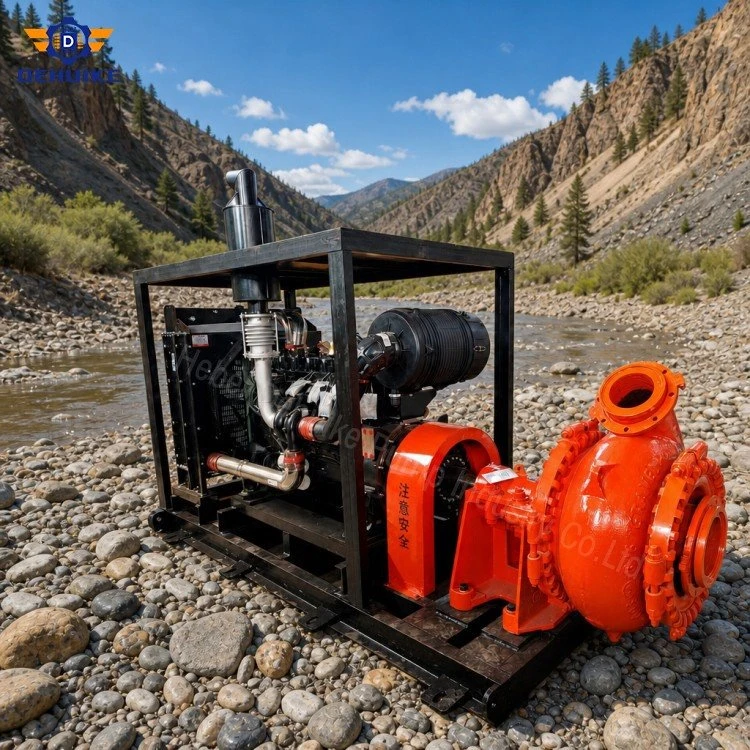
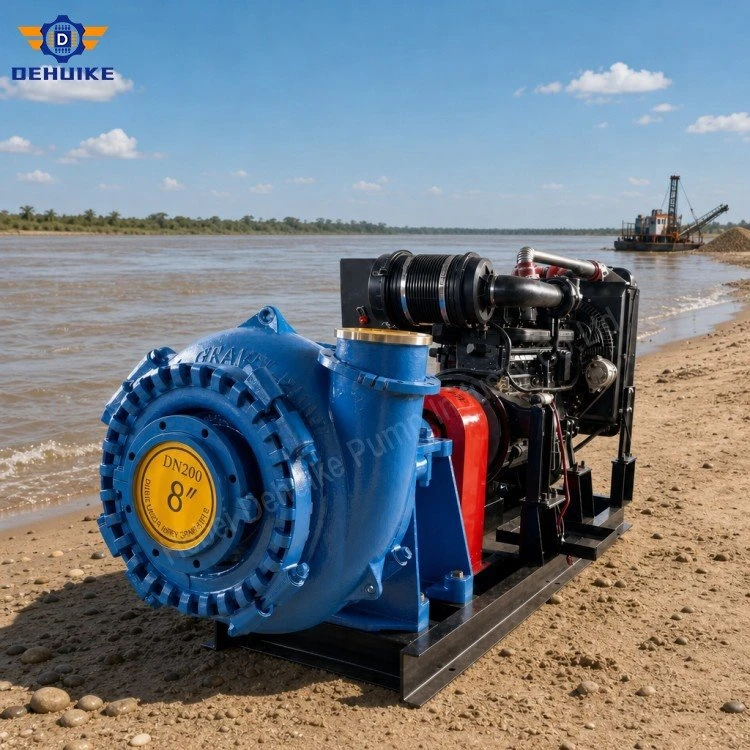
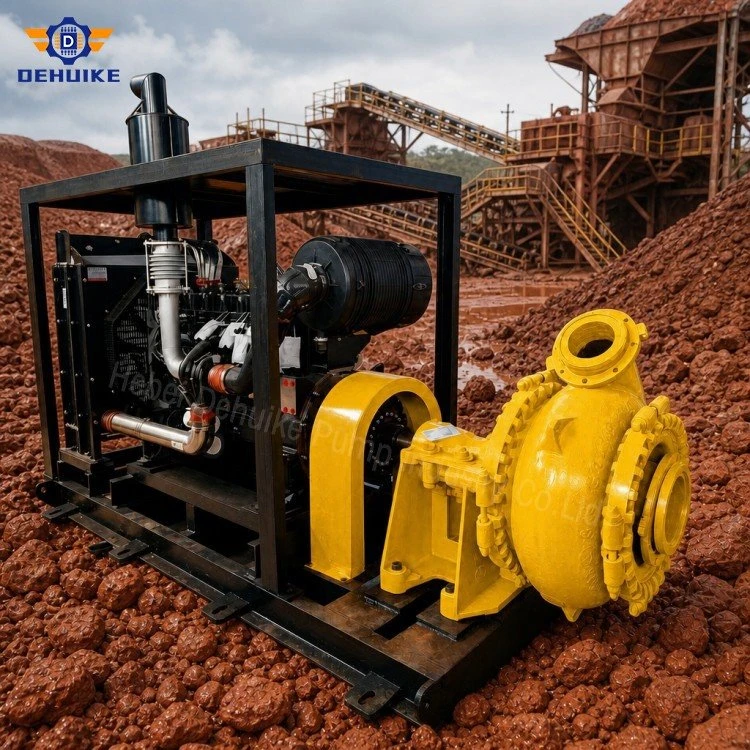
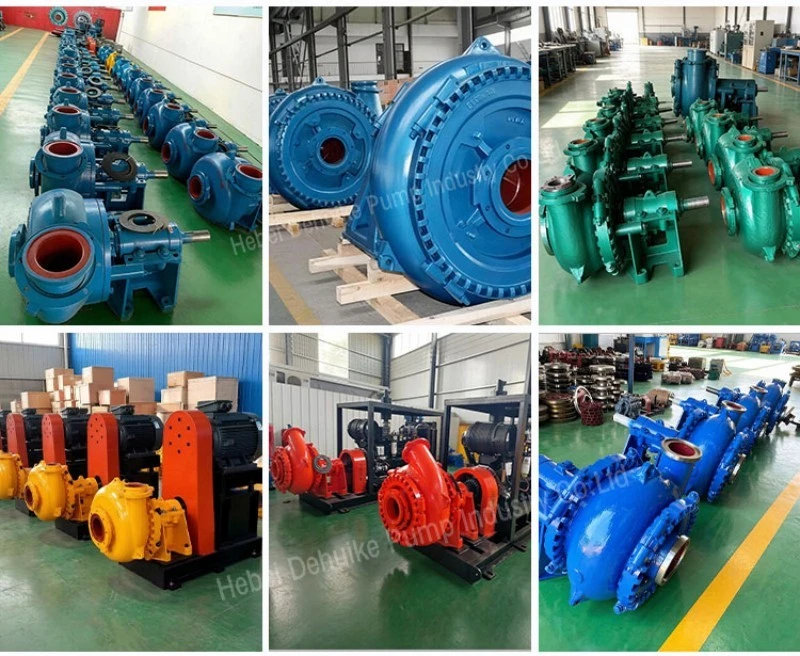
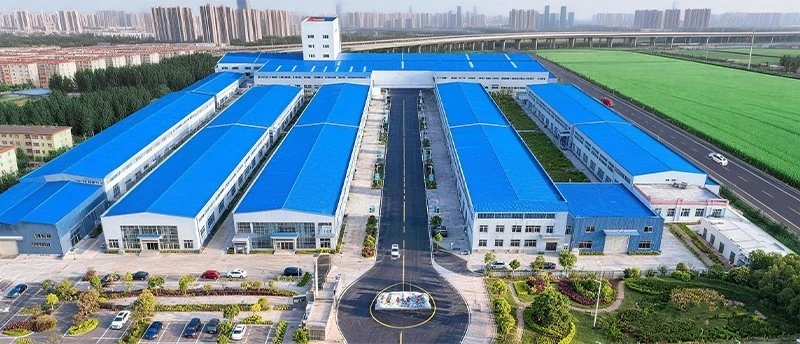
Hebei Dehuike Pump Industry Co., Ltd. is one of the most reliable manufacturers and suppliers of gravel slurry pump in China. With abundant experience, we are committed to providing high quality customized pumps with competitive price. Welcome to wholesale bulk gravel slurry pump for sale here from our factory. Also, pricelist is available.
Introduction | Describe The Slurry Before Choosing The Machine
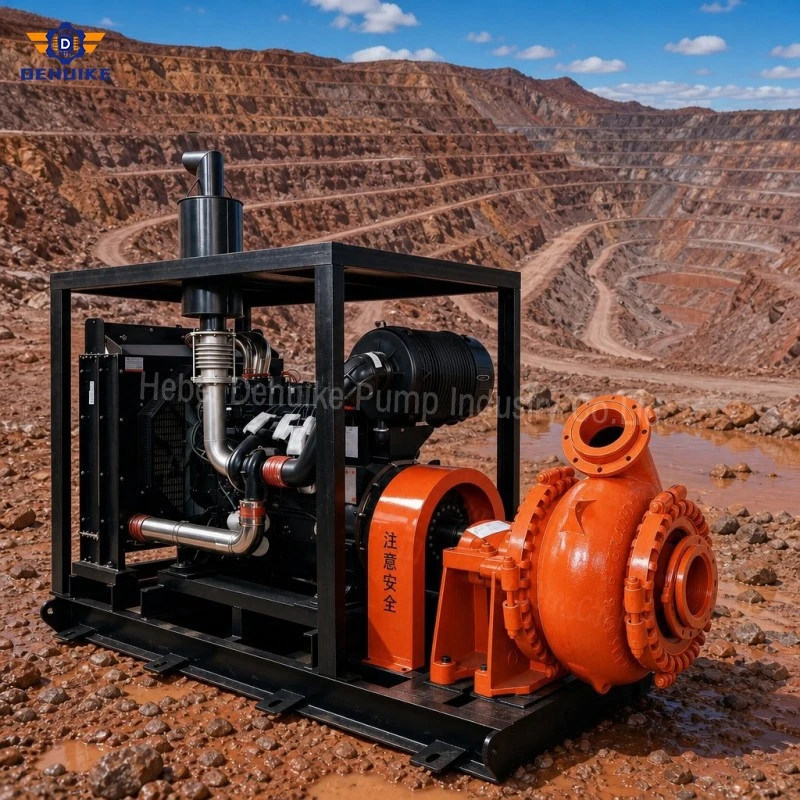
A Gravel Slurry Pump transfers a liquid carrying sand, gravel and other mineral solids as a mixed stream. The word slurry is important because the pump does not handle the liquid and solids independently. Mixture density, concentration, particle grading and carrier properties influence hydraulic duty, absorbed power, wear and pipeline behaviour at the same time.
The five G Series records on this page provide reference duties for different flow and head combinations. A Gravel Slurry Pump should be selected only after the mixture description and system calculation use compatible units. An undefined phrase such as heavy slurry is not enough for motor selection or a performance commitment.
Where coarse fragments are a normal part of the feed, the Heavy Duty Gravel Pump category may provide the necessary passage and construction class. That description still requires limits for concentration, particle distribution and foreign material. The largest stone does not describe the thousands of smaller particles that determine much of the transported mass and internal wear.
Specifications / Technical Data | Keep Catalogue Coordinates Separate From Slurry Assumptions
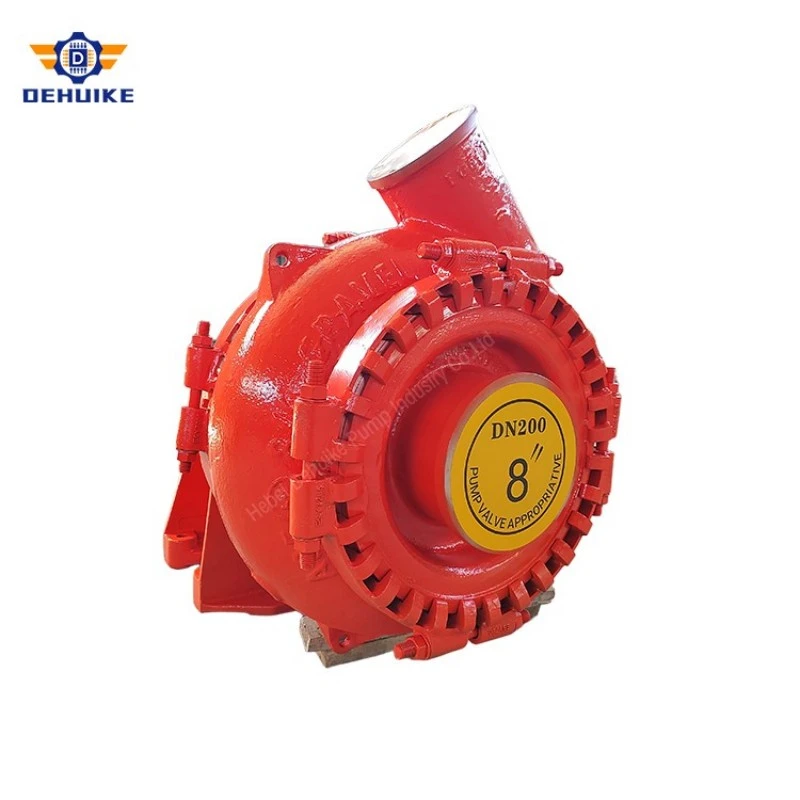
The physical fields and operating coordinates below are copied from selected G Series product data. Every flow, head, speed, efficiency and motor entry remains tied to its original row. The product data does not identify solids concentration, mixture specific gravity, particle d50, viscosity or slurry correction factor.
|
G Series model |
Particle reference (mm)* |
Inlet (mm) |
Outlet (mm) |
Pump weight (kg) |
|
6/4D-G |
82 |
150 |
100 |
460 |
|
8/6E-G |
127 |
200 |
150 |
1120 |
|
10/8F-G |
178 |
250 |
200 |
2250 |
|
14/12G-G |
241 |
350 |
300 |
5400 |
|
16/14-G |
255 |
400 |
350 |
6950 |
|
G Series model |
Flow (m3/h) |
Total head (m) |
Speed (r/min) |
Point efficiency (%) |
Motor entry (kW) |
|
6/4D-G |
129 |
50.0 |
1400 |
52 |
75 |
|
8/6E-G |
450 |
44.2 |
1470 |
60.8 |
132 |
|
10/8F-G |
650 |
41.8 |
950 |
49.3 |
220 |
|
14/12G-G |
1992 |
42.5 |
600 |
64.2 |
560 |
|
16/14-G |
2430 |
24.8 |
400 |
67.6 |
560 |
The particle field is a catalogue reference rather than a routine-feed specification. It gives no d50, upper-percentile size, shape distribution or frequency of near-limit gravel. Ask the manufacturer how the value is defined and compare it with the narrowest part of the complete system.
Before using these coordinates, create a slurry data sheet with liquid specific gravity, solids specific gravity, concentration by weight or by volume, mixture specific gravity, grading, particle shape, temperature and chemistry. Mark the concentration basis explicitly. A value written as 30% is incomplete when the reader cannot tell whether it is based on mass or volume.
Hydraulic Institute guidance shows that mixture specific gravity depends on the liquid and solids specific gravities and the selected concentration basis. That calculated mixture value influences power evaluation. It does not, by itself, determine the head and efficiency correction caused by particle size, distribution and slurry behaviour.
Use the pump supplier's correction method to convert the project duty into the reference basis used by the performance chart. Then review corrected absorbed power and the motor margin. The motor entry in the available product data is an associated catalogue record, not permission to use the same driver for every Gravel Slurry Pump mixture at that model and speed.
Maintain a selection register beside the table. Useful fields include water-curve number, impeller configuration, slurry head ratio, efficiency ratio, corrected duty, calculated power, NPSH data, acceptable operating zone and the revision of every assumption. This separates verified source data from engineering inputs added for the project.
Audit every concentration value before calculation. Record who took the sample, where it was taken, whether the stream was well mixed, the sampling duration, laboratory method and time relationship to the stated production rate. A grab sample from the pipe wall or the surface of a sump may under-represent coarse solids and create a misleading mixture-density input.
Build at least three slurry cases when the feed varies: dilute start-up, expected normal operation and the highest credible solids condition. For each case, retain the same definitions for concentration and dry-solids rate. Compare corrected head, required power, pipeline transport and inlet conditions case by case. The controlling case for motor power may differ from the controlling case for deposition or wear.
Add an uncertainty column to the duty schedule. Particle grading, density and concentration often come from samples with natural variation, while pipeline roughness and operating level may be estimated. State a defensible range rather than hiding uncertainty behind extra decimal places. Ask the pump supplier how sensitive the proposed selection is to those ranges and which input would justify further testing.
If dry-solids production is a design target, reconcile it independently with measured or specified mixture flow. The calculation should name the solids moisture convention and avoid counting dissolved material as dry mineral product. Keep the mass-balance result beside, not inside, the source performance table so catalogue values remain auditable.
Product Detail | Understand How A Coarse Suspension Moves Through The Wet End
The impeller adds energy to the carrier liquid and entrained particles as they enter the rotating passage. Solids do not necessarily follow the liquid perfectly. Relative motion, collisions and recirculation create additional losses, which is one reason a coarse suspension can produce different head and efficiency from a clear-water test.
A broadly graded Gravel Slurry Pump feed may contain fine particles that remain readily suspended together with larger fragments that tend to settle. The fines can change apparent rheology, while coarse particles respond strongly to line velocity and geometry. A single maximum size cannot predict the behaviour of that combined distribution.
The casing, impeller and seal region experience different local velocity and pressure conditions. Material selection therefore depends on abrasion, impact and carrier-liquid chemistry, while seal choice depends on leakage tolerance and available support liquid. The available product data does not identify these components, so the final configuration must be confirmed by drawings and a material schedule.
Features / Equipment Characteristics | Define Whether The Mixture Settles Or Behaves Uniformly
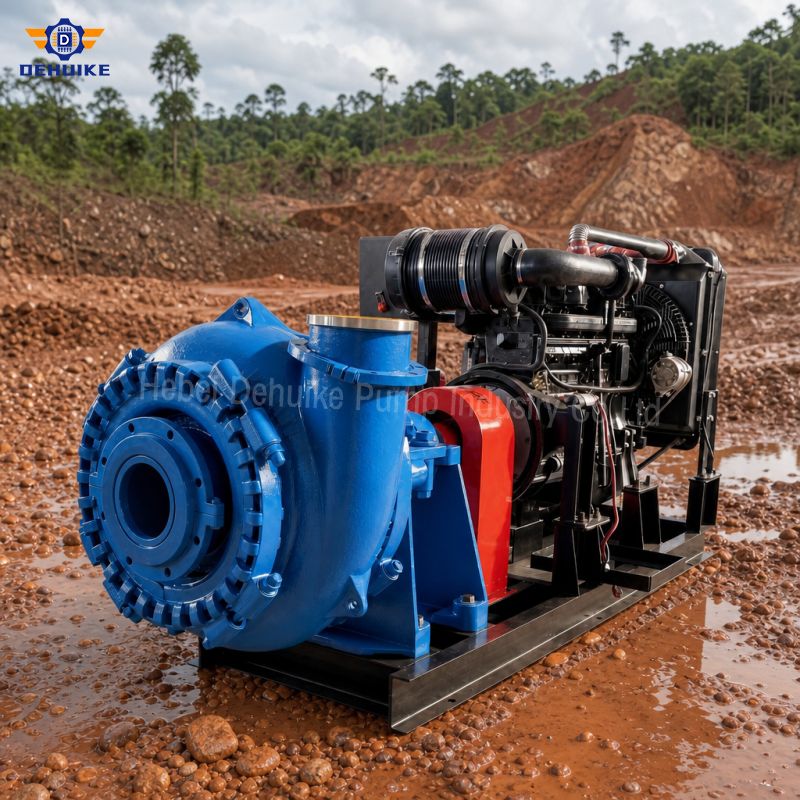
Slurries are not all hydraulically alike. Fine, high-concentration material may behave more uniformly, while coarse gravel slurry usually has a stronger tendency to settle when transport conditions decline. The process description should state which behaviour is expected instead of applying one generic slurry rule.
-Report particle distribution as more than top size. Include d50 and other useful percentiles so the supplier can see how much material occupies the coarse and fine ranges.
-State solids concentration with its measurement basis and expected variation. Samples collected at different pipe locations may not represent the same suspension condition.
-Identify solids and liquid specific gravity separately. Mixture density changes power demand and production calculations but does not replace hydraulic correction.
-Check the minimum planned operating condition. A Heavy Duty Gravel Pump line that is stable at full production may allow deposition during reduced feed or controlled slowdown.
The acceptable transport window must be calculated for the actual pipeline and solids. Excessively low velocity can promote a stationary bed; unnecessarily high velocity can raise friction and erosive wear. This page does not insert a universal metres-per-second value because pipe diameter, grading, concentration and solids density differ by project.
Our Advantages | Use Mixture Data To Make Performance Claims Auditable
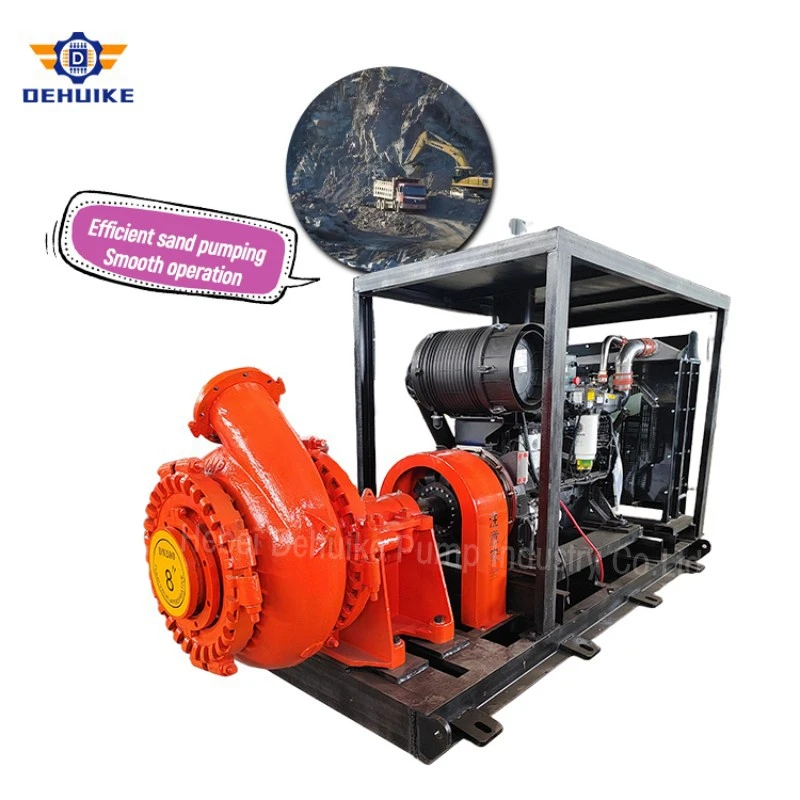
For a Gravel Slurry Pump, a credible proposal states both the reference curve and the conversion used for the project mixture. The buyer can then review why the selected speed and motor are appropriate and how the expected concentration range affects the operating envelope. A bare claim of suitable for heavy slurry provides none of this traceability.
Operating records can refine future selection. Trend mixture density, dry-solids rate, pump speed, pressure, motor load and component wear over the same time periods. These aligned records help distinguish a material problem from a hydraulic shift or a concentration change before the next Heavy Duty Gravel Pump is specified.
Production Process And Quality Assurance | Freeze The Hydraulic Build And Document Its Materials
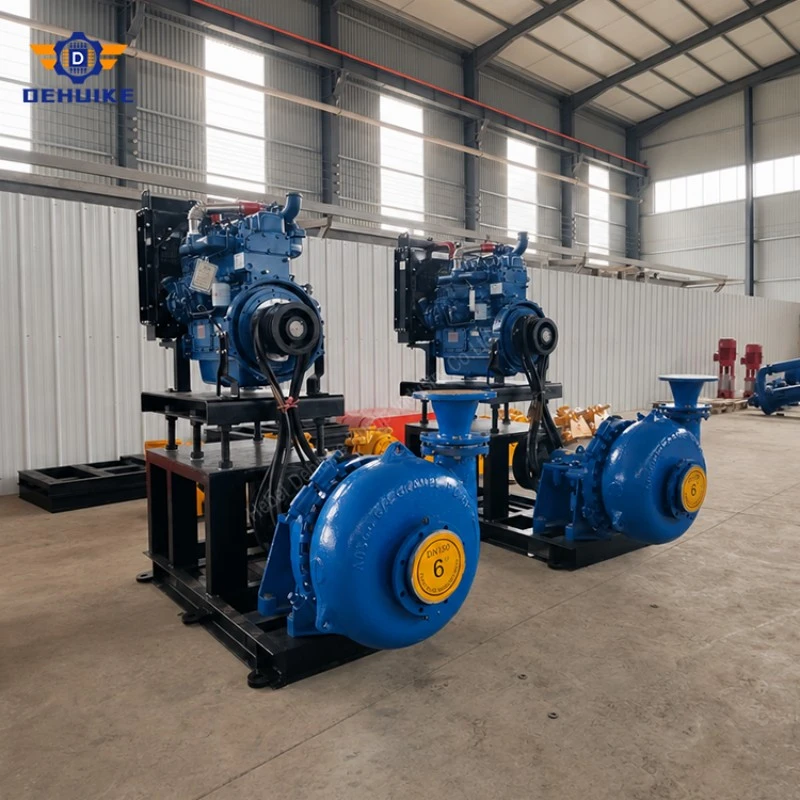
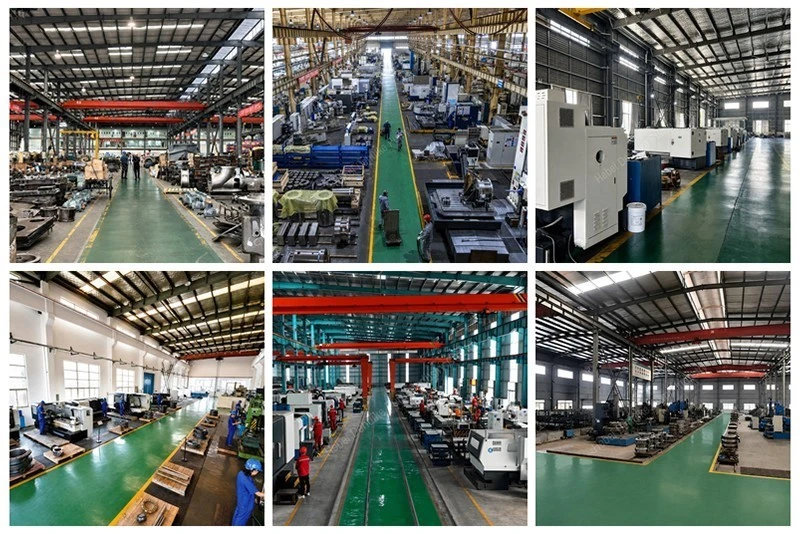
Release manufacturing against an approved model, impeller configuration, casing arrangement, seal plan and wetted-material list. Machining and assembly checks should preserve the interfaces and clearances relevant to the submitted curve.
Component identification should remain linked to the delivered Gravel Slurry Pump. When a replacement impeller or casing is ordered, matching external dimensions are not enough; hydraulic configuration, balance and material must correspond to the approved assembly. Packing records should identify loose seal-support and drive items separately.
Quality assurance: distinguish reference testing from slurry prediction
A defined clean-water test can verify reference flow, head and power under the agreed configuration. Slurry prediction remains an engineering conversion based on mixture data and the supplier's method. If slurry testing is contractually required, document the solids, concentration, temperature, sampling procedure and acceptance basis.
The parameter file states no test standard, curve tolerance, pressure class, material certificate, seal performance or guaranteed wear period. Add required evidence to the purchase specification. Do not claim certified gravel-slurry performance merely because catalogue points and slurry calculations appear in the same document.
Applications | Match Grading And Concentration To The Transfer Duty
A Gravel Slurry Pump may be evaluated for suitable aggregate, quarry, dredging, mineral-recovery and excavation-transfer systems. The examples below show how mixture characterization changes the selection question. They are not customer records or guaranteed field outputs.
Low-capacity, higher-head coarse transfer
The 6/4D-G reference is 129 m3/h at 50.0 m, while 8/6E-G is 450 m3/h at 44.2 m. Both operate at high listed speed relative to the larger examples. Confirm particle distribution, corrected power and expected wear rather than comparing head alone.
Intermediate dense-mixture pipeline
The selected 10/8F-G point lists 650 m3/h at 41.8 m. If concentration increases, mixture density and power can rise while slurry correction changes the hydraulic interpretation. The 220 kW motor record must be checked against the defined mixture and service margin.
Large process or dredging transfer
The 14/12G-G and 16/14-G coordinates are 1992 m3/h at 42.5 m and 2430 m3/h at 24.8 m. They address different flow-head requirements. A Heavy Duty Gravel Pump proposal must show which corrected point and pipeline condition support the selected model.
Circuit with seasonal or campaign-based feed changes
A change in source material can alter density, grading, angularity and fines content even when nominal production remains constant. Define multiple slurry cases and check each one. A machine selected for the average feed may face its greatest power or deposition risk during a less frequent campaign.
Our Service, Experience And Markets | Submit A Complete Slurry Characterization Package
For a Gravel Slurry Pump enquiry, include the pipeline profile, internal diameter, fittings, source-level range, discharge condition and required solids production. Separate measured values from design assumptions. If production is stated as dry tonnes per hour, show the conversion to mixture volume and its moisture basis.
Request the marked performance curve, slurry corrections, motor calculation, suction data, material schedule, seal plan, inspection documents and exclusions. Confirm the commercial scope of engineering and commissioning services. The available product data contains no evidence of named projects, country coverage or response times, so those claims are omitted.

Installation, Operation And Maintenance | Monitor The Slurry And The Machine Together
Install sampling and instrumentation points where they can represent the process safely. Pressure, flow, density, speed and motor load are more useful when time-aligned. A single density sample collected from a poorly mixed location can mislead both production reporting and pump diagnosis.
Commission the Gravel Slurry Pump first under the approved procedure, then increase solids feed in controlled steps where the system design permits. Compare measurements with the selected slurry basis. Record the point at which density, pressure and power stabilize rather than assuming the final water setting remains correct.
During operation, investigate a change in delivery together with concentration and particle data. A denser feed, altered grading, line deposition, wear or suction disturbance can create different combinations of pressure and power. Avoid changing speed until the likely cause has been identified and the revised condition checked.
For shutdown, apply the approved isolation and line-clearing procedure, particularly where the mixture settles. Before opening a Heavy Duty Gravel Pump, prevent automatic start, relieve pressure and secure connected piping. Base inspection frequency on observed wear and campaign data rather than a universal calendar interval.
Faq | Specify A Gravel Slurry Pump With Consistent Definitions
1. What is gravel slurry?
It is a mixture in which a carrier liquid transports gravel, sand and possibly finer mineral particles. Its behaviour depends on concentration, solids and liquid density, grading, particle shape, chemistry and operating conditions.
2. Why must concentration state weight or volume basis?
The two percentages use different denominators and are not numerically interchangeable. They produce different mixture-property and production calculations. Write the basis with every concentration value and document the sampling method.
3. Can mixture specific gravity select the pump by itself?
No. It is important for power and mass-balance work, but particle size, distribution, slurry rheology, system resistance, suction condition and material suitability also affect selection.
4. What is slurry head correction?
It is an engineering adjustment used because solids can change centrifugal-pump head and efficiency relative to a clear-water curve. Use the pump supplier's method with the actual slurry properties.
5. Does maximum particle size describe the entire slurry?
No. It gives only an upper reference. Selection also needs representative percentiles such as d50, the fines fraction, particle shape and how often coarse fragments occur.
6. How is motor power checked for gravel slurry?
Start from the corrected pump duty and absorbed-power basis, then account for mixture specific gravity, drive loss, service margin and operating cases. Do not rely only on a catalogue motor entry.
7. Why can slurry settle in a pipeline?
Coarse particles tend to fall relative to the liquid when transport conditions are insufficient. Pipe diameter, velocity, grading, concentration and solids density influence deposition behaviour. A project-specific transport review is required.
8. What should be included in a quotation request?
Include mixture and system data, required duty, grading, concentration basis, densities, chemistry and operating range. Request the curve, correction method, power calculation, materials, seal arrangement, drawing, tests, spares and exclusions.

Request A Slurry-duty Selection Review
For a Gravel Slurry Pump proposal, send the complete slurry characterization and pipeline profile. If a Heavy Duty Gravel Pump is recommended, require the corrected operating point, motor basis, accepted feed definition, material schedule and documented supply boundary before approval.
Hot Tags: gravel slurry pump, China gravel slurry pump manufacturers, suppliers, factory