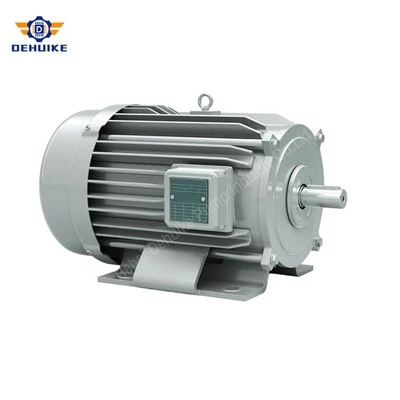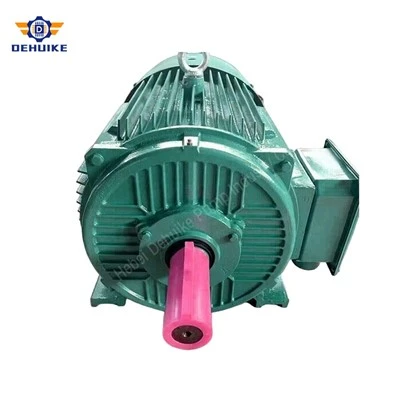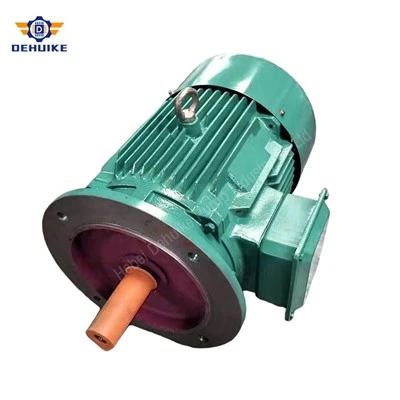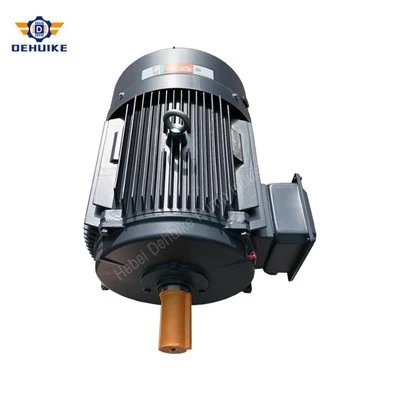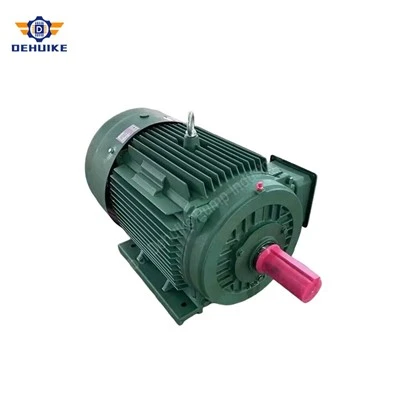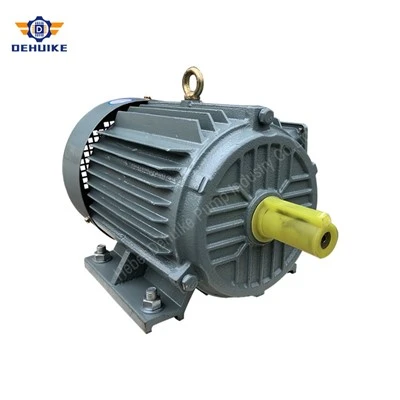

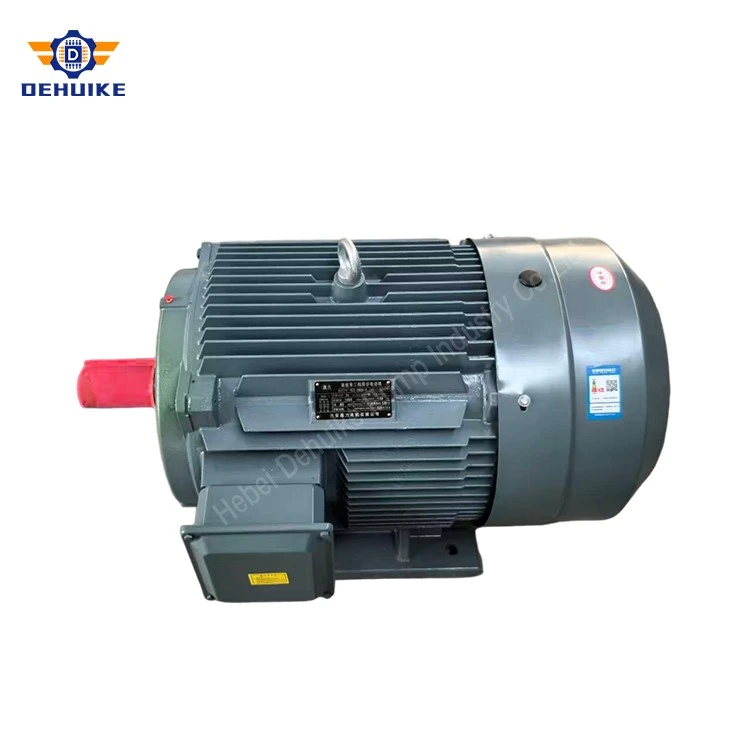
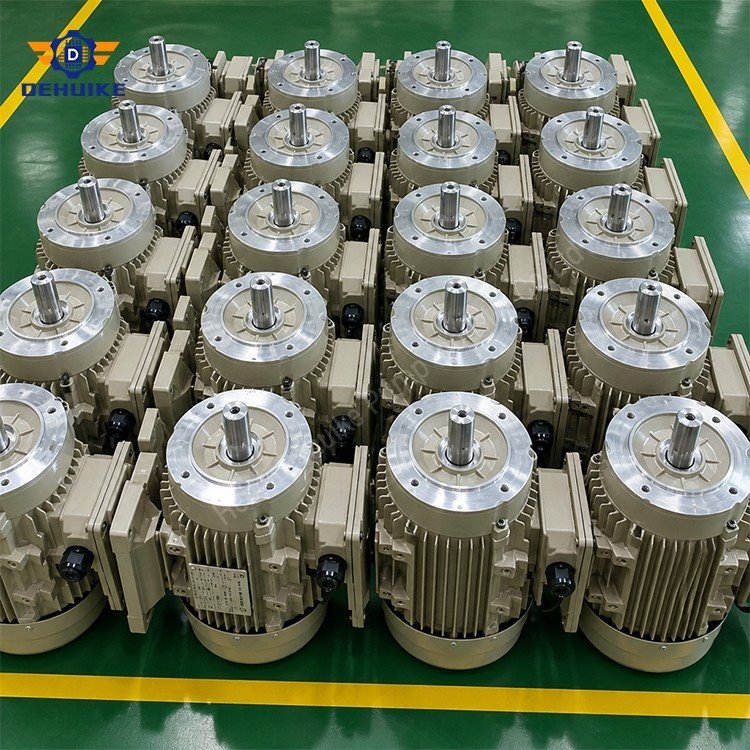
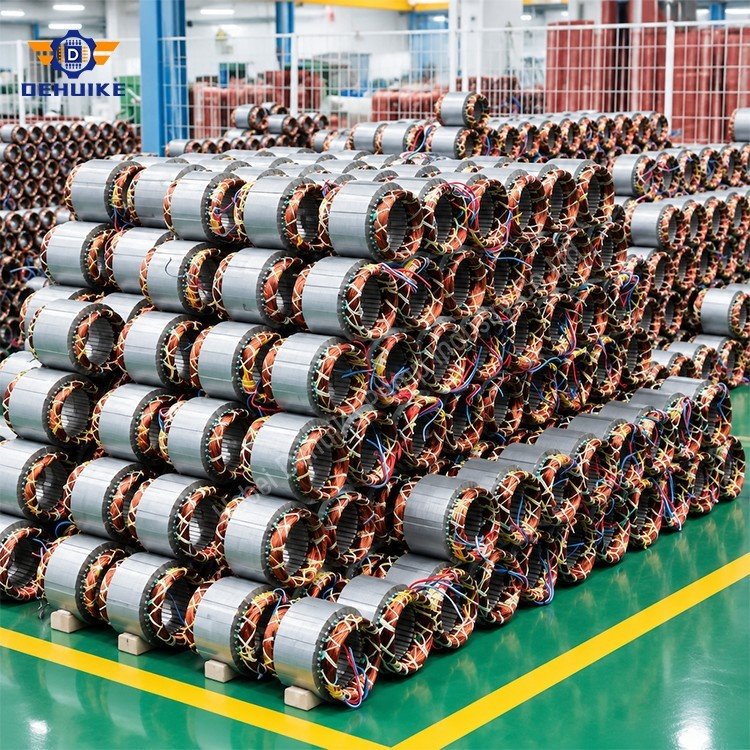
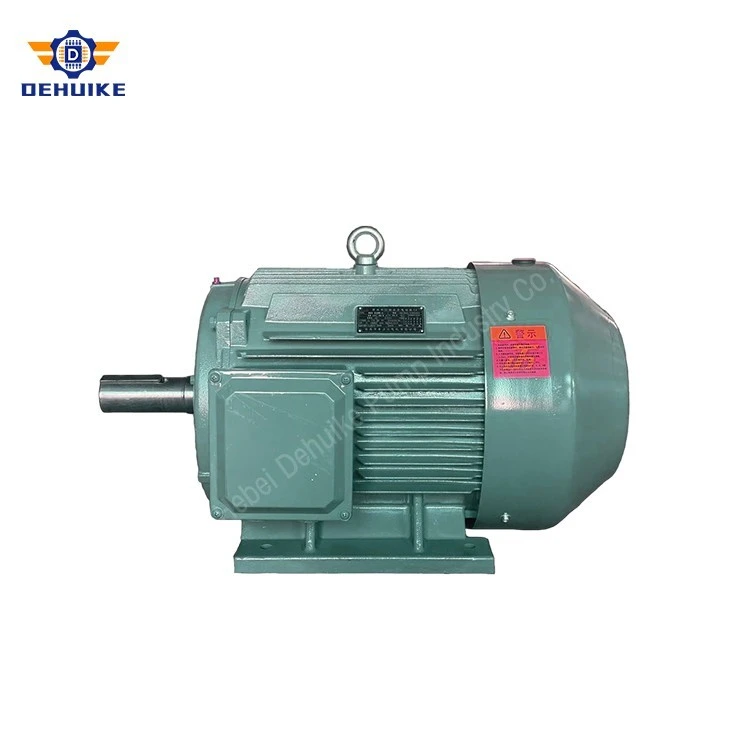
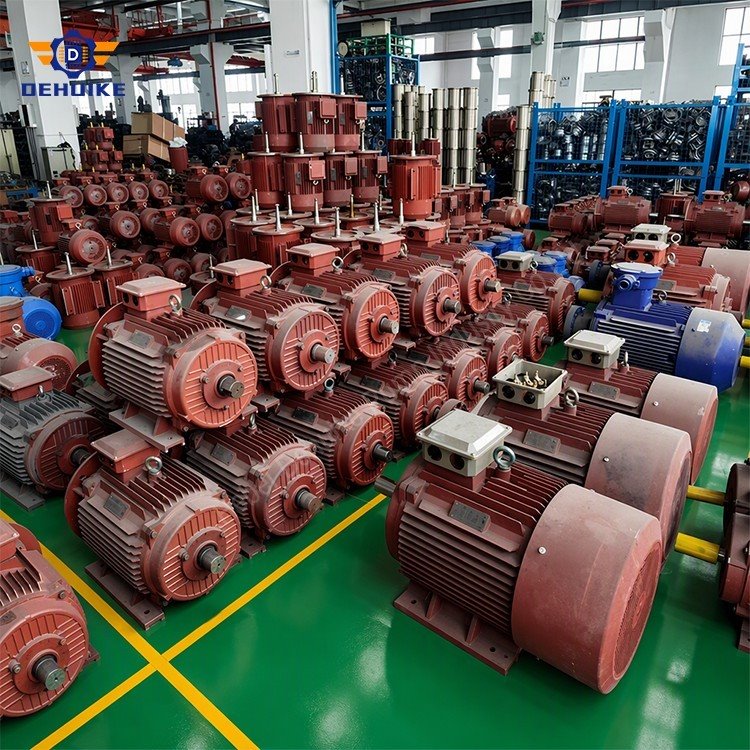
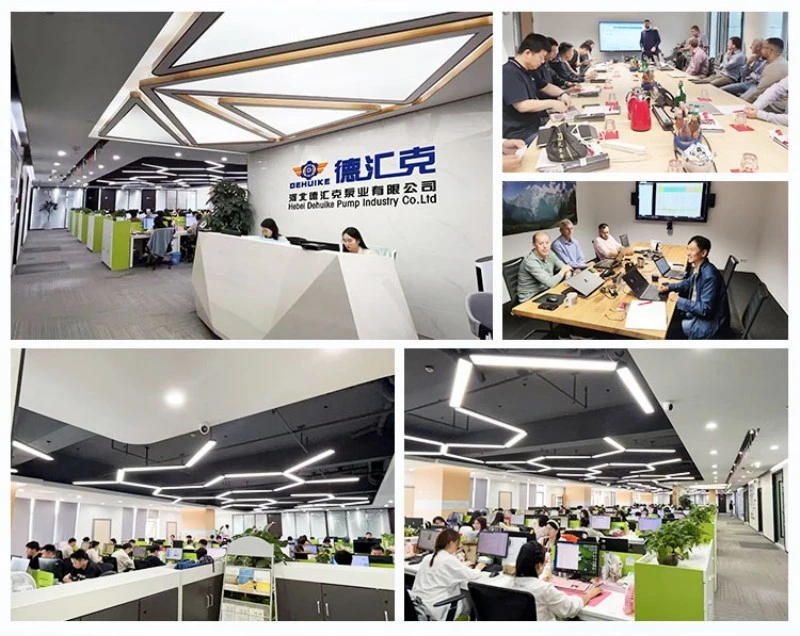
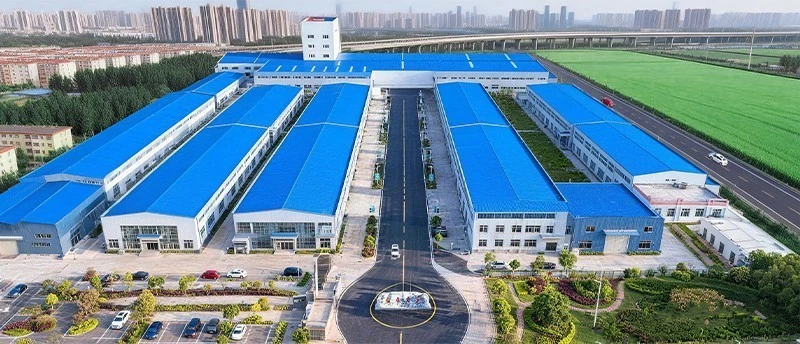
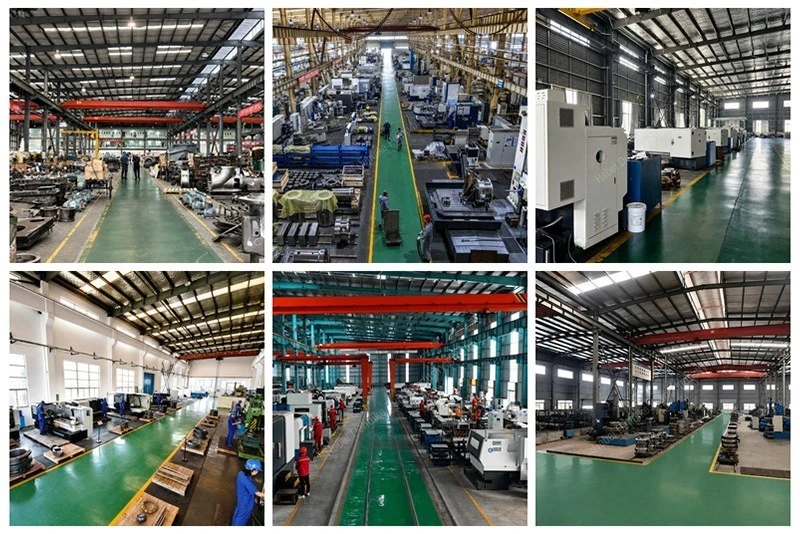
Hebei Dehuike Pump Industry Co., Ltd. is one of the most reliable manufacturers and suppliers of tefc electric motor in China. With abundant experience, we are committed to providing high quality customized pumps with competitive price. Welcome to wholesale bulk tefc electric motor for sale here from our factory. Also, pricelist is available.
TEFC Electric Motor for Dusty, Damp, and General Industrial Environments
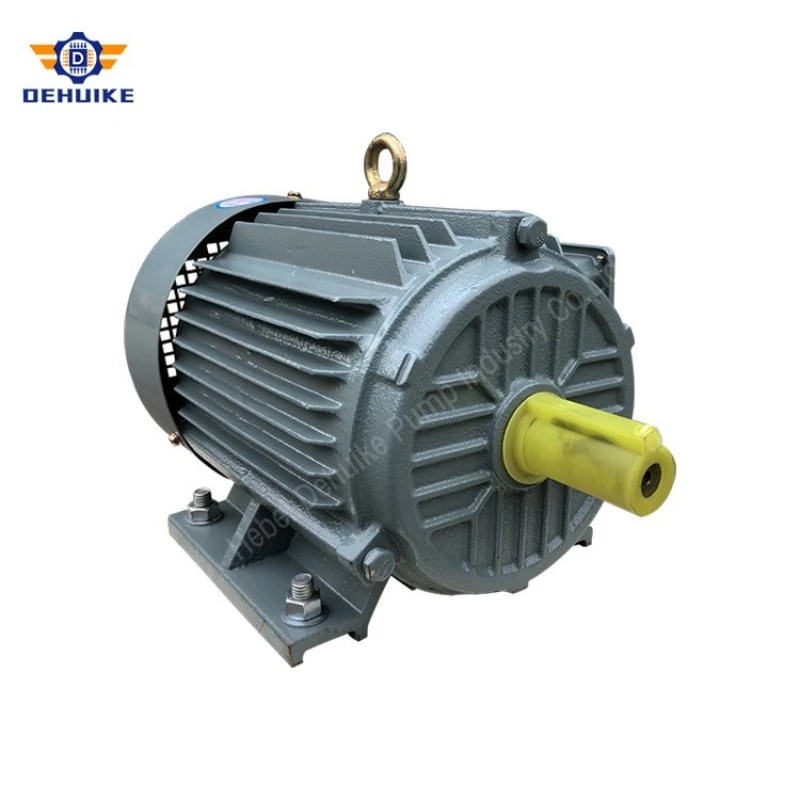
A TEFC Electric Motor is designed around a simple but important idea: separate the internal electrical parts from the outside atmosphere while using an external fan to move cooling air across the outer frame. TEFC means Totally Enclosed Fan Cooled. The enclosure is intended to prevent outside air from freely circulating through the motor interior, while the external cooling arrangement helps remove heat from the motor frame during normal operation.
This construction is often considered for equipment installed where airborne dust, moisture, fibers, incidental splash, insects, workshop contamination, or outdoor exposure make an open motor arrangement unsuitable for the application. Pumps, fans, conveyors, compressors, packaging machinery, farm equipment, workshop machines, and process auxiliaries can all present environments where the relationship between enclosure, cooling, and maintenance deserves careful attention.
The product title alone does not define every protection or performance characteristic. A TEFC Electric Motor must still be configured for the actual project: electrical supply, output requirement, speed, mounting, duty, ambient conditions, exposure, cooling clearance, mechanical interface, and destination requirements all need final confirmation. This page does not claim specific ratings, dimensions, materials, ingress-protection levels, certifications, temperature limits, or test results that have not been confirmed for an ordered configuration.
Understand the Difference Between Enclosure and Cooling
The expression "totally enclosed" can be misunderstood if it is treated as a promise that the motor is sealed against every possible condition. In practical engineering, enclosure selection and cooling method are related but not identical decisions. A TEFC design keeps outside air from freely passing through the internal electrical space, yet the motor still needs a way to release the heat generated during operation. That is the role of the external fan and the outer cooling surfaces.
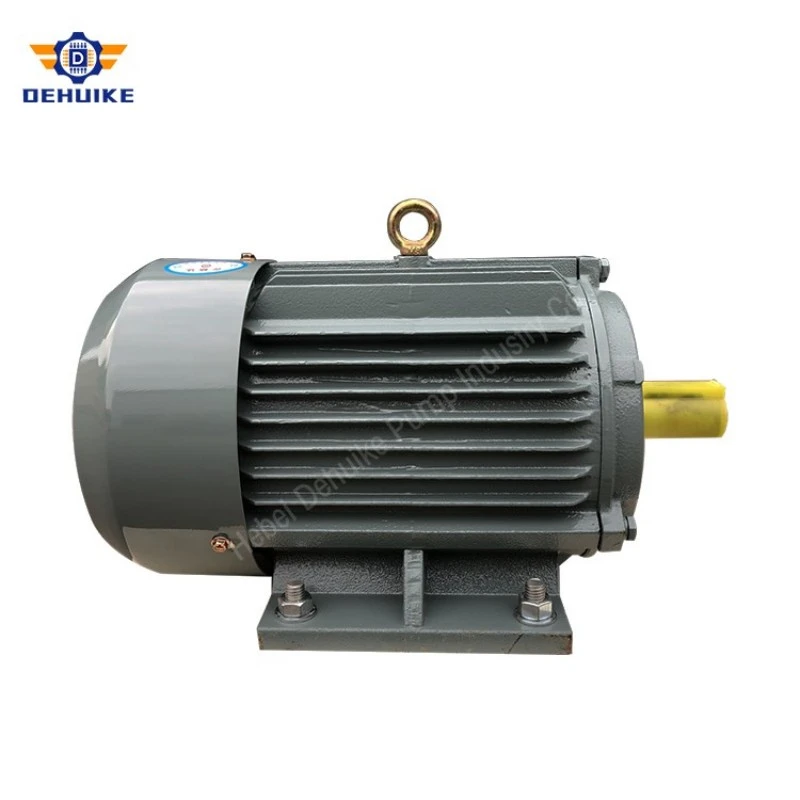
In a typical TEFC concept, an external fan mounted at the non-drive end moves ambient air over the motor's external frame. The frame may include fins or ribs that increase the surface area available for heat transfer. The cooling air remains outside the internal electrical enclosure. This design helps separate internal windings and rotating parts from general airborne contamination while allowing the exterior to shed heat.
The cooling path therefore extends beyond the motor itself. The installation must provide enough surrounding air movement for the fan and frame to operate as intended. A motor placed inside a tight cabinet, behind a blocked guard, beneath accumulated product, or against a wall with inadequate clearance may not experience the same cooling conditions assumed by the equipment design.
A useful selection discussion separates three questions:
1. What contaminants or exposure exist around the machine?
2. What cooling air can realistically move around the external fan and frame?
3. What enclosure and environmental characteristics are required for the actual location?
The answers must be included in the technical review. It is not enough to request "TEFC" without describing the place where the motor will work.
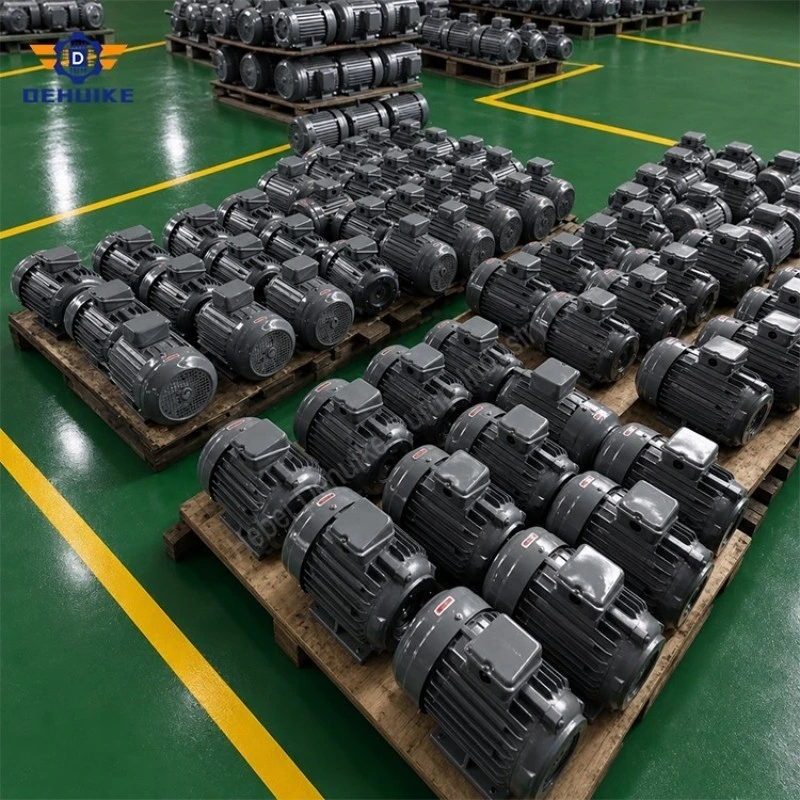
Identify the Environmental Challenge Before Selecting the Motor
Industrial sites are not all alike. A motor beside a clean packaged machine encounters a different environment from one near a grain transfer point, a woodworking operation, a washdown area, a cooling tower, a pump room, or an outdoor skid. The type of exposure matters because it influences not only the enclosure requirement but also inspection intervals, cleaning method, cable-entry design, protective accessories, and the service route.
Airborne dust can build up on the outer cooling fins and fan cover. Fibers can collect around air paths. Moisture may come from weather, condensation, cleaning activity, or process leakage. Oil mist, corrosive vapor, salt-laden air, chemical residue, and fine particulate matter each create different considerations. The project specification should identify the real exposure instead of applying a broad industrial description.
Use the following environmental profile when preparing an inquiry:
|
Site Condition |
Information Needed for the Motor Review |
|
General dust |
Source of dust, concentration pattern, cleaning method, and whether deposits can accumulate on the frame. |
|
Moisture or splash |
Origin of water, direction of exposure, cleaning routine, drainage, and downtime for inspection. |
|
Outdoor location |
Rain exposure, sun, temperature variation, windblown debris, insects, and shelter arrangement. |
|
Corrosive atmosphere |
Source of vapor or chemical residue, proximity to the process, and expected maintenance controls. |
|
High ambient heat |
Nearby furnaces, heated pipes, enclosed rooms, poor ventilation, and actual temperature profile. |
|
Fibrous material |
Paper, textile, wood, agricultural residue, or other material that can obstruct fan covers and fins. |
|
Limited maintenance access |
Available clearance, platforms, lighting, isolation points, and safe cleaning route. |
A TEFC Electric Motor can be part of a strong environmental-control strategy, but it does not remove the need to control the condition around the machine. The installation should prevent avoidable buildup, protect external cooling surfaces, and make routine inspection practical.
Follow the External Cooling Air Path
The external fan is central to a fan-cooled enclosed motor design. It directs air over the outer body so that heat can move away from the frame. If airflow is blocked, recirculated from a hot zone, restricted by a close panel, or contaminated by deposits, the thermal conditions at the motor can change.
The installation layout should therefore give attention to the non-drive end, fan cover, cooling fins, surrounding guards, and nearby equipment. A decorative or protective cover that prevents access to cooling air may conflict with the motor's intended operation. Likewise, a narrow gap between the fan cover and a wall can reduce effective air movement even though the motor remains electrically connected and mechanically secure.
An airflow review is especially important when the motor is installed in an enclosed machine compartment. The compartment needs an engineered ventilation path; relying on the motor fan alone may not be sufficient for the complete space. Hot air should not simply circulate inside a small enclosure and return to the motor. The relevant machine and motor documentation should guide the final arrangement.
The industry commonly associates the IC411 cooling designation with a totally enclosed fan-cooled configuration under IEC 60034-6 cooling-method terminology. The actual cooling code, airflow arrangement, and product details must be checked on the documentation for the supplied motor rather than assumed from a general TEFC description.
Keep the Cooling Surfaces Serviceable
A clean frame is part of the cooling system. In dusty or fibrous sites, cleaning external fins and the fan cover can be an operational requirement, not merely a cosmetic task. The safe method and frequency depend on the equipment, site rules, contamination type, and accessibility. Personnel should isolate the equipment according to applicable procedures before performing maintenance work.
When planning the installation, make sure that the motor can be inspected without removing unrelated machinery. An inaccessible fan cover, frame buried behind pipework, or motor located below a leaking process line can turn basic maintenance into a major intervention. Good equipment layout protects the cooling path and gives technicians the access needed to preserve it.
Select a TEFC Electric Motor for the Actual Duty
A pump, a belt conveyor, a compressor, a fan, and a mixer each create different mechanical demands. The buyer should provide a clear description of the equipment and what happens during start-up, normal running, process change, and shutdown. Where the motor is a replacement, the original motor should be reviewed along with the machine data and installation conditions.
The application review should cover:
•The driven machine and process function.
•Required shaft output and expected load behavior.
•Electrical supply, frequency, phase arrangement, and connection method.
•Required speed or any need for controlled speed operation.
•Starting condition, rotating inertia, and starts per operating period.
•Direct coupling, belt drive, gearbox, pulley, or other mechanical connection.
•Mounting orientation and available service clearance.
•Ambient exposure, contamination, weather protection, and cleaning process.
•Required documentation, test information, marking, packing, and delivery conditions.
This approach keeps the enclosure discussion connected to the complete motor duty. A motor can have an appropriate external cooling design and still be unsuitable if the connected machine has a different starting requirement or mechanical interface.
Compare TEFC With Other Enclosure Concepts Carefully
Motor enclosure terminology is useful only when it is connected to the application. An open construction, a totally enclosed fan-cooled construction, and other enclosed designs may each suit different conditions. The correct choice depends on contamination, ambient temperature, ventilation, machine layout, operating duty, and applicable project rules.
A TEFC arrangement may be considered where keeping outside airborne material from freely circulating through the motor interior is beneficial and where external airflow can be maintained. An open design may be considered in a clean, well-ventilated location if the project requirements permit it. A different enclosed approach may be evaluated when the application requires a particular cooling method, low external air movement, special environmental protection, or non-ventilated design.
The key is not to label one enclosure type as universally superior. A fan-cooled enclosure relies on external airflow. A non-ventilated motor may have a different thermal capability. An open motor may be practical in clean conditions but unsuitable near contaminants. The engineering decision should be made from the actual site conditions and approved product data.
|
Selection Question |
Why It Matters for TEFC Evaluation |
|
Is the surrounding air clean enough for the external cooling path? |
The external fan and fins still interact with ambient air. |
|
Can deposits be removed safely? |
Fins and covers may need periodic cleaning in dusty or fibrous environments. |
|
Is there physical clearance for airflow? |
Fan discharge and frame cooling need space around the motor. |
|
Does the motor sit in a hot compartment? |
High surrounding temperature can reduce the effectiveness of external cooling. |
|
Is water exposure continuous, incidental, or related to cleaning? |
The exact enclosure requirement must be confirmed for the exposure. |
|
Does the machine have a guard or cover? |
The guard must not interfere with cooling or service access. |
|
Does the site require a particular code or rating? |
Product suitability must be verified against project documentation. |
Install the Motor Without Blocking Its Design Function
Installation quality has a direct effect on the usefulness of a TEFC motor. The motor should be mounted securely, aligned with the driven equipment, connected using the approved electrical arrangements, and surrounded by the clearance needed for cooling and maintenance.
Before installation, compare the delivered motor with the approved order information. Confirm the physical mounting, shaft arrangement, terminal location, rotation requirement, accessories, and applicable documentation. The machine base should be stable and prepared for the required connection. A motor should not be forced into position by misaligning a coupling, modifying a guard without review, or routing cables across service points.
The external fan cover deserves its own visual check. It should not be crushed, obstructed, or positioned against a fixed surface that prevents airflow. Fan covers are sometimes damaged during transport or installation, then overlooked because the motor still appears to run. That condition should be corrected through the appropriate service process rather than treated as normal.
For belt-driven equipment, the guard arrangement must protect personnel while preserving the cooling space needed by the motor. For direct-coupled pumps or gearboxes, nearby pipework and supports should not block fan air discharge or prevent access to the motor feet, terminals, or coupling. The complete machine layout must be considered.
Confirm Cooling Clearance at Handover
At commissioning, examine the motor from the perspective of a future maintenance technician. Can the external fan cover be inspected? Can the fins be cleaned? Can the terminal area be reached after isolation? Is there a safe route to remove the motor if it must be replaced? Does nearby equipment discharge hot air or contamination toward the motor?
These questions are simple, but they influence long-term serviceability. A TEFC motor installation works best when the external protection and cooling features remain usable after the machine is placed into normal production.
Use TEFC Motors in Contaminated and General-Purpose Applications
The TEFC concept is relevant to many industries because it addresses a common need: an industrial motor that can operate without freely drawing the surrounding air through its internal electrical space. The final configuration must be selected for each application.
Water and Fluid Equipment
Pumps may be installed in utility rooms, treatment areas, outdoor enclosures, irrigation systems, drainage stations, and process skids. These areas can include humidity, incidental splash, dust, weather variation, or limited access. The motor review should include pump duty, coupling, location, ventilation, service clearance, and the actual source of moisture or contamination.
Material Handling and Processing
Conveyors, feeders, mixers, grinders, and packaging machines may generate fine dust, fibers, fragments, or product residue. The external cooling surfaces should remain accessible for inspection and cleaning. The motor should be selected with the transmission arrangement, guard design, operating cycle, and process exposure in mind.
Agricultural and Food-Related Facilities
Agricultural equipment, feed systems, greenhouse machinery, grain handling, food-support machinery, and related installations can experience dust, washdown activity, temperature changes, and seasonal operation. Describe the specific exposure and cleaning practice during inquiry rather than relying on a general agricultural label.
Wood, Paper, Textile, and Fiber Handling
Fine fibers and dust can collect around fan guards and frame fins. A fan-cooled enclosure can be useful where the product is configured for the duty, but cleaning access must be part of the machinery design. The motor should not be mounted where deposits cannot be observed or removed under safe maintenance procedures.
General Workshops and Equipment Packages
Machine tools, compact process skids, small compressors, ventilation equipment, and workshop systems may use TEFC motors where general environmental separation and external cooling are desired. The buyer should still define electrical supply, load, mounting, ventilation, and expected usage conditions.
Maintain the Exterior as Part of the Motor System
A TEFC motor's external condition is operationally important because the fan cover and cooling frame are part of the heat-rejection path. Maintenance should be planned around the site environment and the equipment's criticality.
Routine observations may include checking that the fan cover is intact, cooling fins are not heavily coated, unusual noise is not present, mounting hardware remains secure, the terminal area is undamaged, and no new source of contamination or water exposure has appeared. These are observations, not a substitute for qualified electrical or mechanical inspection when a concern is found.
Cleaning should follow site safety rules and the product documentation. Do not use a cleaning method that drives contamination into unintended areas, damages components, or creates an electrical hazard. The correct procedure depends on the installed equipment, contamination type, and applicable safety requirements.
Maintenance records can be particularly useful in facilities with repeated contamination issues. Note when deposits were observed, what cleaning was completed, whether the motor's surrounding layout changed, and whether abnormal temperature or vibration indications were reported. Over time, these records can identify whether the issue is a motor problem or an equipment-layout problem that needs correction.
Recognize Conditions That Require Further Review
Do not assume that the answer is always to replace the motor with another unit. If the surrounding equipment continues to block the cooling air, leak process material, transmit abnormal vibration, or operate outside its intended load, the same condition can recur. A meaningful investigation should consider the motor, the load, the installation, and the environment together.
Useful diagnostic questions include:
•Has the motor's external cooling path changed since the original installation?
•Is the fan cover or frame coated with dust, fibers, oil, or other material?
•Has a guard, panel, or nearby machine been moved closer to the motor?
•Did the process load, product, belt tension, pump condition, or operating schedule change?
•Is the motor exposed to a new heat source, leak, washdown routine, or ventilation change?
•Do approved records show a trend in alarms, temperature observations, vibration, or maintenance activity?
The answers help guide a responsible corrective action rather than an unsupported assumption.
Prepare a TEFC Electric Motor Inquiry With Environmental Detail
For replacement orders, provide photographs of the installed motor from the drive end, non-drive end, terminal side, and surrounding machine layout. A nameplate image and a picture of the fan-cover clearance can be especially useful. These details help determine whether the original enclosure and cooling concept remain suitable or whether the installation conditions have changed.
|
Inquiry Section |
Information to Provide |
|
Driven equipment |
Machine type, process role, load behavior, speed requirement, and operating cycle. |
|
Electrical data |
Available voltage, frequency, phase arrangement, control method, and connection requirements. |
|
Mechanical interface |
Mounting, shaft details, coupling or belt arrangement, orientation, and installation envelope. |
|
Cooling layout |
Clearance around the fan cover and frame, enclosure ventilation, and nearby heat sources. |
|
Environmental exposure |
Dust, fiber, moisture, washdown, chemicals, outdoor weather, insects, and cleaning practice. |
|
Maintenance access |
Cleaning route, isolation point, terminal access, lifting path, and inspection space. |
|
Project documents |
Drawings, marking, inspection needs, packing, shipping requirements, and destination rules. |
Frequently Asked Questions
Q: What does TEFC mean on an electric motor?
A: TEFC means Totally Enclosed Fan Cooled. It describes a motor concept in which outside air does not freely circulate through the internal electrical enclosure while an external fan moves air across the outer frame for cooling. The exact product configuration must be confirmed from the documentation for the ordered motor.
Q: Does "totally enclosed" mean the motor is protected from every environment?
A: No. The exact environmental suitability depends on the specific motor construction, approved rating, installation conditions, and project requirements. A TEFC description should not be used as a substitute for confirming the required protection for water, dust, chemicals, outdoor weather, or other exposure.
Q: Why does a TEFC motor need an external fan?
A: The external fan helps move ambient air over the outside frame to remove heat while keeping the internal electrical space separate from freely circulating outside air. The fan cover and frame must have adequate surrounding clearance and remain free of obstructive deposits.
Q: Can a TEFC motor operate in a dusty location?
A: It may be considered for dusty environments when the final configuration is suitable and the external cooling surfaces can be maintained. The type of dust, accumulation rate, cleaning method, airflow clearance, and project requirements should be reviewed before selection.
Q: Can the fan cover be placed close to a wall or panel?
A: The installation needs enough space for the external cooling arrangement to work and for maintenance access. The required clearance should be confirmed using the product documentation and the equipment layout rather than assumed from a general installation practice.
Q: What should be checked before replacing a TEFC motor?
A: Confirm the actual electrical supply, driven equipment, mounting, shaft interface, external-fan clearance, environmental exposure, contamination pattern, control arrangement, and existing motor identification. Review why the original motor was replaced before selecting a new configuration.
Q: How should the outer frame and fan cover be maintained?
A: Inspect their condition and keep them accessible for cleaning according to site safety procedures and the product documentation. In dusty or fibrous environments, deposits can affect external cooling, so maintenance planning should reflect the real accumulation condition.
Q: Does this page provide fixed IP ratings or performance values?
A: No. Specific ratings, dimensions, cooling codes, output values, and test information must be confirmed in the technical documents for the selected motor. This page does not make unverified product claims.

Hot Tags: tefc electric motor, China tefc electric motor manufacturers, suppliers, factory