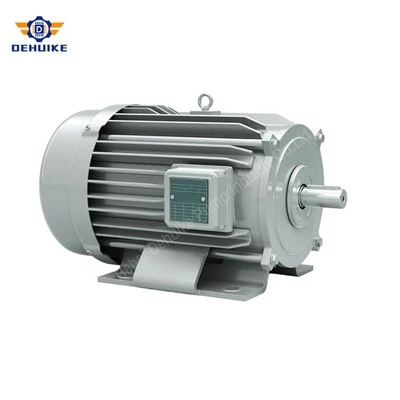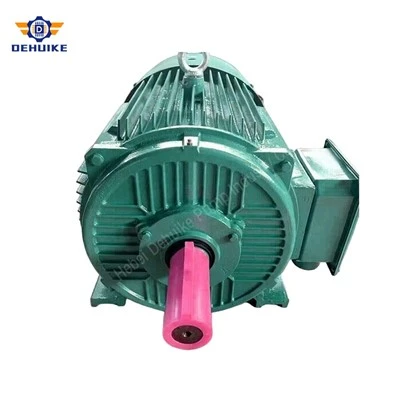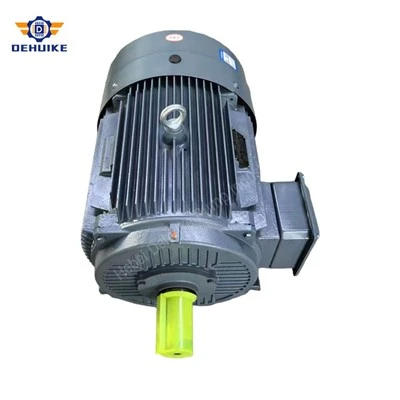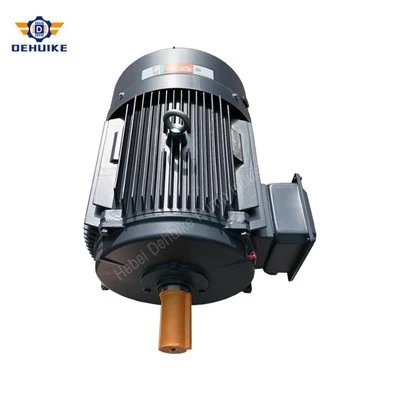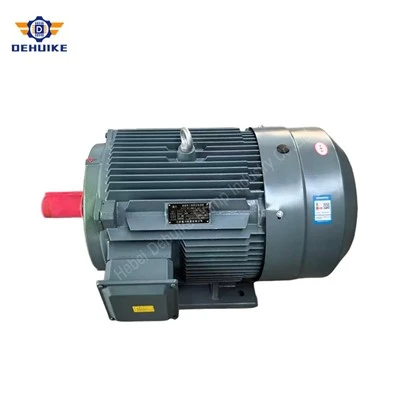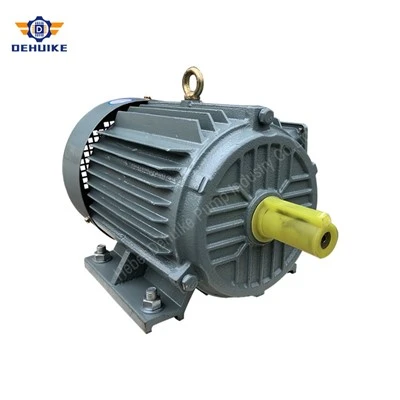

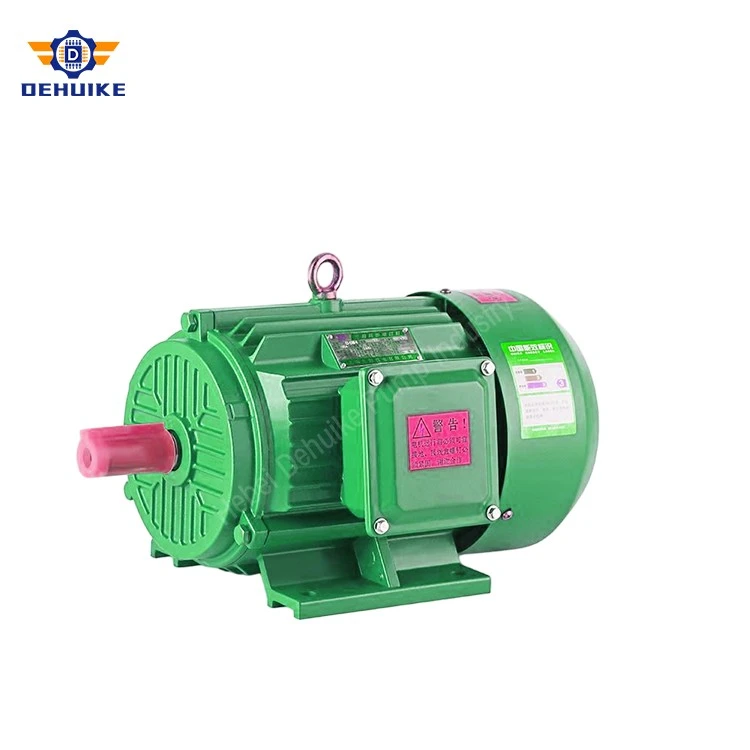
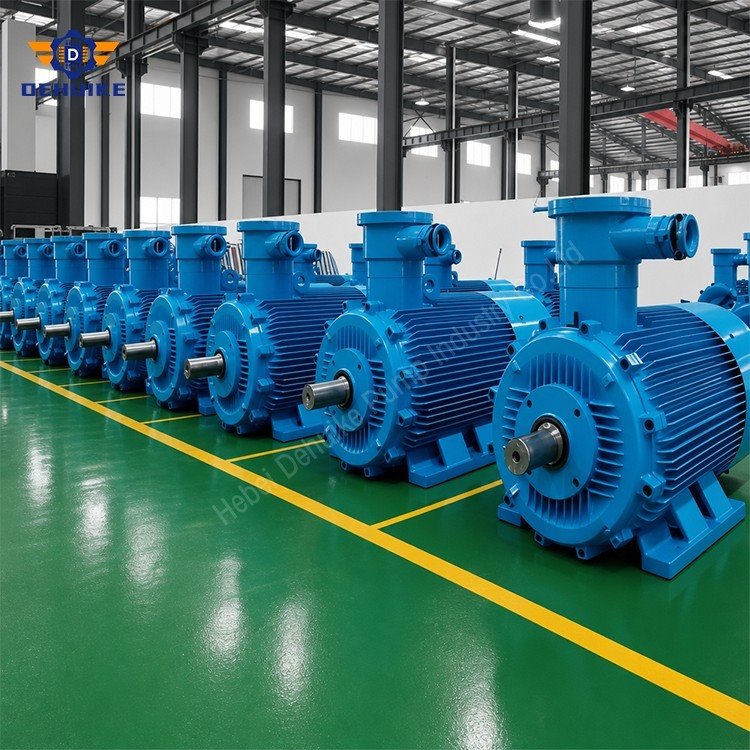
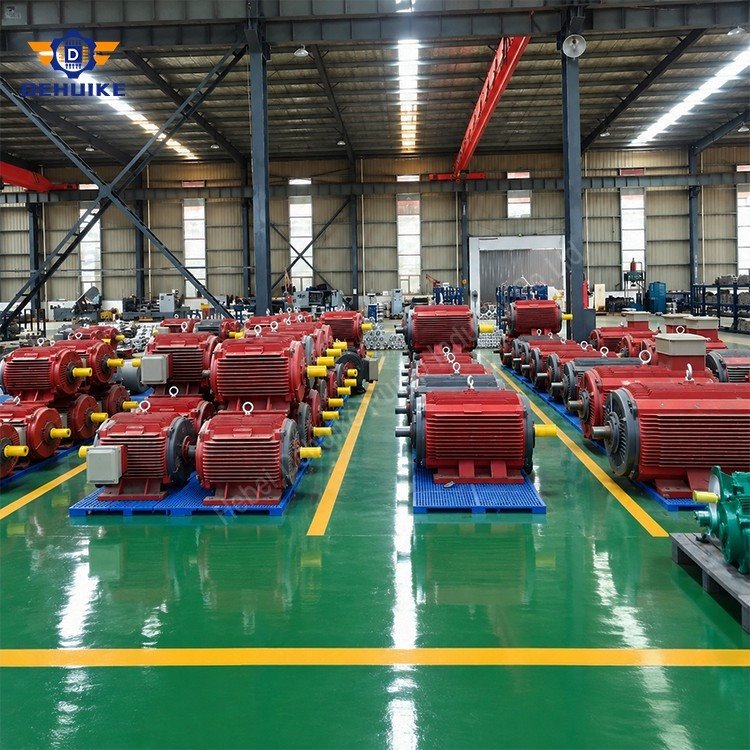
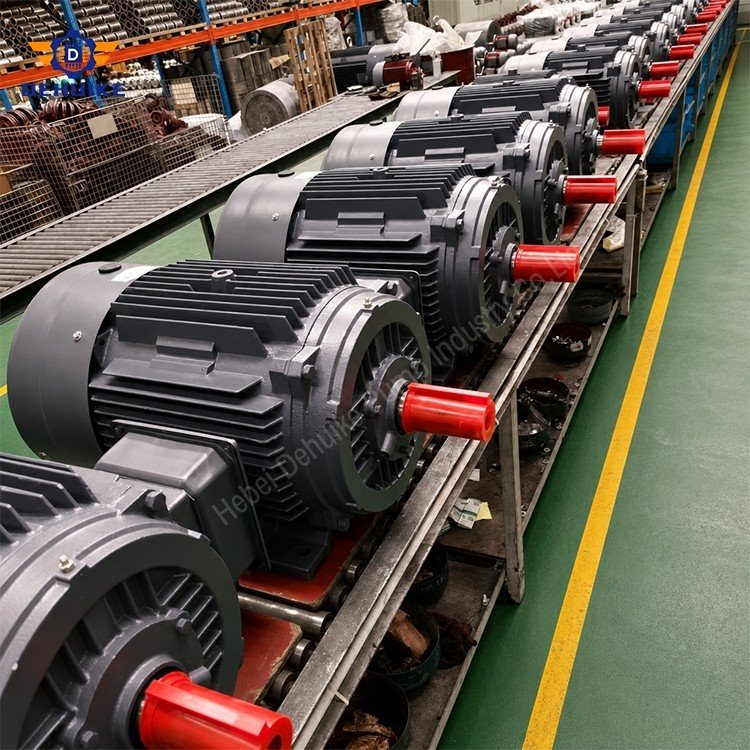
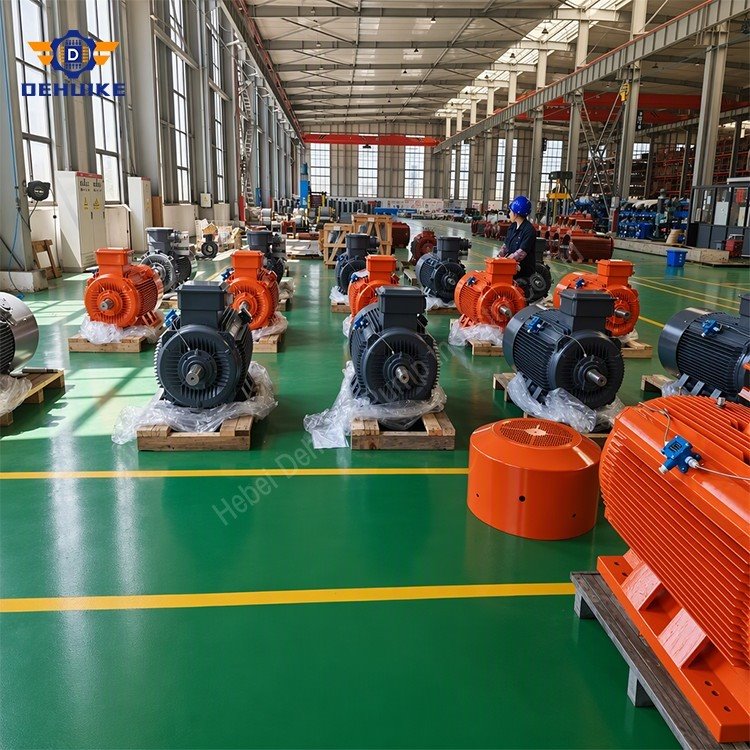
Hebei Dehuike Pump Industry Co., Ltd. is one of the most reliable manufacturers and suppliers of electric induction motor in China. With abundant experience, we are committed to providing high quality customized pumps with competitive price. Welcome to wholesale bulk electric induction motor for sale here from our factory. Also, pricelist is available.
AC Electric Motor for Reliable Industrial Drive Systems
An AC Electric Motor is a practical choice for industrial equipment that needs dependable rotary motion, straightforward system integration, and a configuration matched to the real duty cycle. From pumps and fans to compressors, conveyors, mixers, and general machinery, the motor is not an isolated component: it is the drive element that influences process stability, equipment uptime, energy use, and maintenance planning.
This product is intended for buyers who need to specify an AC motor around the application rather than select only by a nameplate power value. A suitable motor selection begins with the driven machine, supply conditions, starting method, load profile, installation arrangement, and surrounding environment. When these factors are considered together, the result is a drive package that is easier to install, operate, and maintain over its working life.
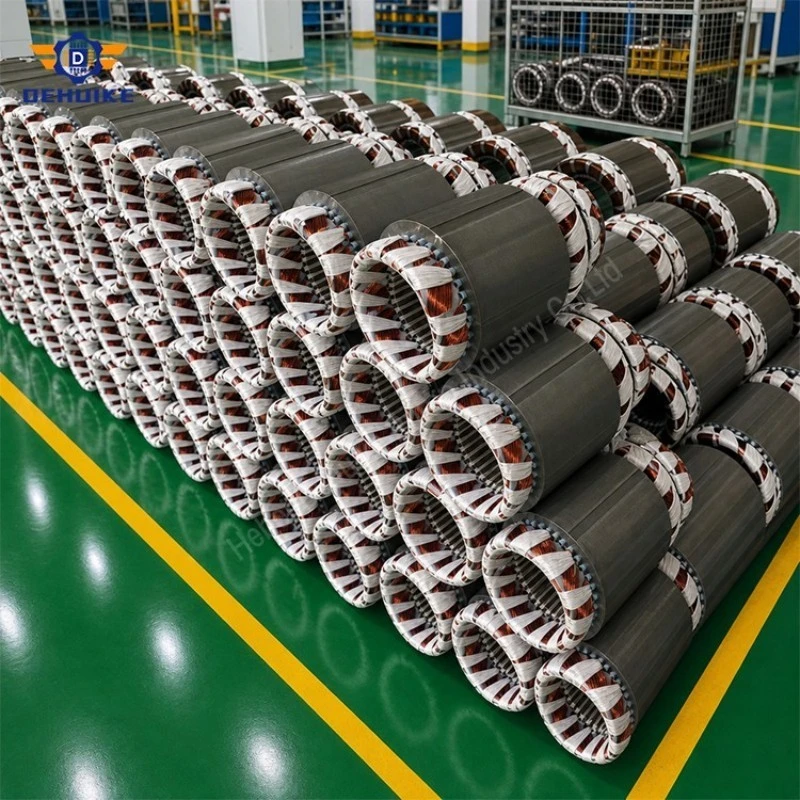
An AC Electric Motor converts electrical energy into mechanical rotation through the interaction of its magnetic fields. In common industrial use, an induction motor operates with a stationary stator winding and a rotating rotor. The stator produces a rotating magnetic field when supplied with alternating current. That field induces current in the rotor and develops electromagnetic torque, allowing the shaft to turn the connected load. This principle supports robust operation across a wide range of industrial applications without relying on a commutator or brushes.
For procurement teams, the key benefit is not a generic promise of performance. It is the ability to match the motor to a defined operating requirement. A properly specified motor can support consistent production, reduce unsuitable replacements, and give maintenance personnel a clear basis for inspection and spare-parts planning.
Select an AC Electric Motor Around the Actual Load
The right motor selection starts with the equipment being driven. Different machines create very different torque and speed demands. A centrifugal pump or fan usually follows a variable-torque load pattern, while a conveyor, crusher, mixer, hoist, or positive-displacement machine may require a higher starting torque or a more stable torque response during operation. Treating all loads as identical can result in a motor that starts poorly, runs outside its intended duty, or leaves too little margin for changing process conditions.
Before selecting an AC Electric Motor, define the following application information:
•The driven equipment type and its operating purpose.
•Required output power at the shaft under normal operating conditions.
•Starting load, breakaway torque, and acceleration expectations.
•Required speed and whether speed adjustment is needed.
•Supply voltage, frequency, phase arrangement, and permitted voltage variation.
•Starting method, such as direct-on-line, reduced-voltage, soft-start, or variable-frequency drive control.
•Mounting arrangement, shaft orientation, coupling method, and available installation space.
•Ambient temperature, altitude, ventilation conditions, dust, moisture, corrosive exposure, and vibration level.
•Expected daily operating hours, starts per hour, and duty cycle.
•Project requirements for documentation, inspection, marking, packaging, and delivery coordination.
This information allows the selection process to focus on technical compatibility rather than assumptions. It also helps prevent a common purchasing error: choosing an apparently similar motor that has a different frame, mounting arrangement, electrical supply requirement, or thermal duty requirement.
Understand the Induction Motor Operating Principle
An induction motor uses alternating current supplied to the stator winding to create a rotating magnetic field. The rotor follows this field at a speed lower than synchronous speed. The difference between the rotating magnetic field speed and rotor speed is known as slip. That slip is essential to the induction process because it enables current to be induced in the rotor and torque to be produced.
In practical terms, the motor develops torque to overcome the load resistance and accelerate the connected machine. As load demand changes, the operating point changes as well. The motor, driven equipment, starter, coupling, and supply system therefore need to be evaluated as one working system.
This operating principle matters to equipment designers and maintenance teams for several reasons. Starting behavior affects the electrical system and the driven machine. Load inertia affects acceleration time. Incorrect alignment increases bearing and coupling stress. Restricted airflow can raise operating temperature. Repeated starts can create a thermal duty that differs substantially from continuous running. None of these factors should be inferred from power rating alone.
For applications that require adjustable speed, a variable-frequency drive can be considered as part of the drive system. The final motor and drive arrangement should be selected for the application conditions, including the operating speed range, load characteristics, cable arrangement, and required control method. Project-specific compatibility must be confirmed before supply.
Evaluate the Technical Parameters That Matter
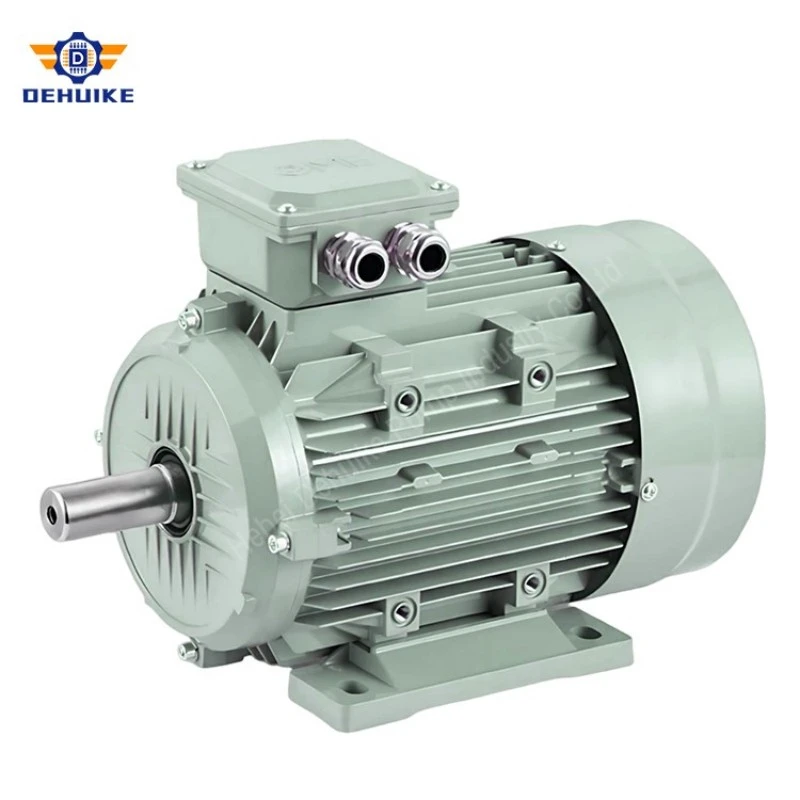
A meaningful AC motor specification is a complete operating description, not a short list of isolated numbers. The following technical data should be reviewed during inquiry and order confirmation.
The supplied parameter document should define the final values for the ordered configuration. If a value is not shown in the confirmed technical schedule, it should be treated as a project confirmation item rather than assumed. This approach protects both buyer and supplier by keeping the quotation, approval documentation, and delivered configuration aligned.
|
Parameter |
Why It Matters for Selection |
|
Rated output power |
Establishes the mechanical power available at the shaft for the defined duty. |
|
Rated voltage and frequency |
Must match the site electrical supply and intended operating region. |
|
Phase arrangement |
Determines compatibility with the available electrical network and control scheme. |
|
Rated speed |
Must suit the driven equipment, pulley ratio, gearbox, or direct-coupled system. |
|
Pole arrangement |
Relates to nominal speed behavior at the specified supply frequency. |
|
Duty type |
Clarifies whether the motor is intended for continuous, intermittent, or another defined operating cycle. |
|
Starting method |
Affects inrush current, starting torque, control hardware, and network impact. |
|
Mounting arrangement |
Determines how the motor integrates with the machine base, flange, shaft, or gearbox. |
|
Frame and shaft dimensions |
Supports mechanical interchangeability and coupling design. |
|
Enclosure and protection |
Must be chosen for the actual dust, water, ventilation, and exposure conditions. |
|
Insulation and thermal protection arrangement |
Supports thermal suitability for the stated duty and environment. |
|
Bearing arrangement |
Influences maintenance planning, load capability, and coupling considerations. |
|
Noise and vibration requirements |
Important where the motor is installed near operators, sensitive equipment, or occupied areas. |
Build the Drive Package Around Mechanical Integration
Direct-coupled equipment requires careful attention to alignment. Angular or parallel misalignment can introduce additional radial or axial forces, accelerate bearing wear, increase vibration, and reduce coupling life. Flexible couplings can accommodate limited movement, but they do not remove the need for correct installation. Baseplates should be rigid enough for the operating load, and fastening points should be checked during commissioning.
Belt-driven systems need a different review. Excessive belt tension can impose unnecessary radial load on the motor shaft and bearings. Insufficient tension can lead to slip, heat generation, and unstable transmitted power. Pulley diameter, belt speed, and guard design should be considered together with the required motor speed.
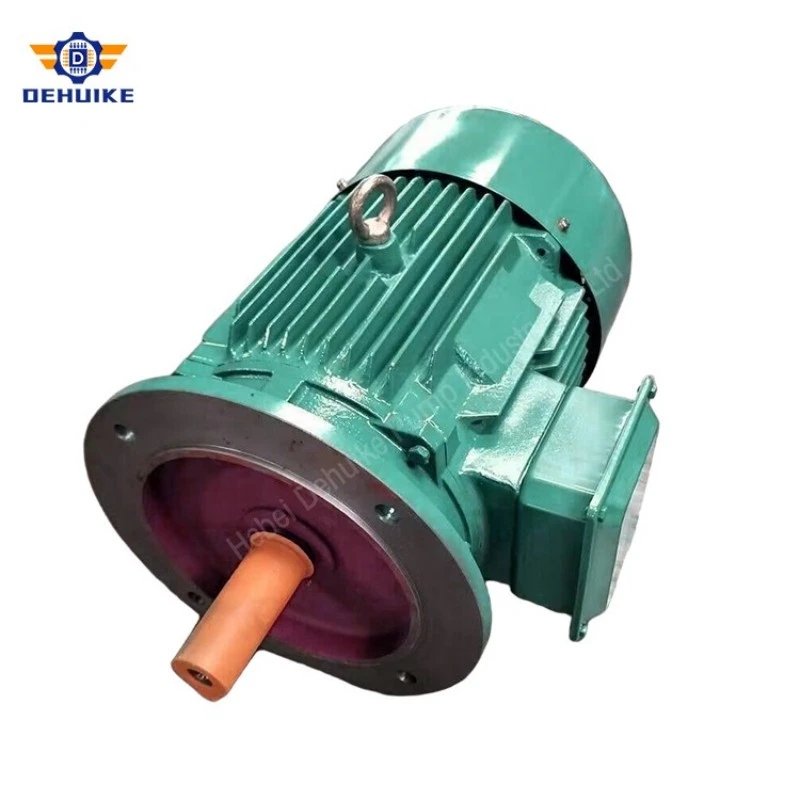
For vertical or special-position installations, the mounting orientation and load direction must be confirmed. The installation drawing should identify the shaft position, cable-entry direction, available service access, and any restrictions from nearby machinery. This is particularly important for packaged equipment where the motor is installed within a compact enclosure.
Use the Motor Across Diverse Industrial Applications
Pumping Equipment
Water supply pumps, circulation pumps, process pumps, drainage systems, irrigation equipment, and fluid-transfer systems rely on stable shaft rotation. For pump duty, buyers should identify the pump curve, required flow range, head range, coupling arrangement, liquid characteristics, site supply, and whether variable-speed control is planned. A motor selected for a pump should support the defined hydraulic duty without assuming that one power rating suits every operating point.
Fans and Air-Handling Systems
Ventilation fans, exhaust systems, air-handling units, cooling equipment, and dust-collection systems often operate for long periods. Here, the drive selection should consider fan inertia, airflow control method, start frequency, ambient temperature, and available ventilation around the motor. Where speed control is needed, the control strategy and usable operating range should be evaluated as part of the system.
Conveyors and Material Handling
Conveyors can operate with varying load conditions, frequent starts, inclined sections, or process interlocks. The selection process should evaluate start-up torque, acceleration time, gearbox ratio, belt or chain arrangement, duty cycle, and stopping requirements. The goal is to choose a drive arrangement that is appropriate for the conveyed material and expected operating sequence.
Compressors and Process Machinery
Compressors, mixers, agitators, extruders, machine tools, and general process equipment may impose demanding starting or running conditions. The driven machine manufacturer should provide torque, inertia, and speed information so the motor can be evaluated against the real mechanical requirement. In applications with variable material properties or changing viscosity, operating conditions should be defined carefully rather than represented by an average assumption.
Agricultural and Utility Equipment
Grain-handling machines, feed-processing equipment, irrigation systems, workshop machinery, and utility drives may operate in dusty, humid, or seasonally variable environments. The enclosure selection, ventilation path, mounting arrangement, and maintenance accessibility should be reviewed according to the installation conditions.
Improve Reliability Through Correct Installation and Commissioning
Reliable operation begins before the motor is energized. A structured installation and commissioning process helps identify mismatch issues before they become downtime events.
First, verify that the delivered motor configuration matches the approved order information. Confirm the nameplate details, physical mounting arrangement, shaft interface, terminal arrangement, and accessory requirements against the equipment drawing. Do not connect a motor until the electrical supply has been verified as compatible with the motor rating and connection diagram.
Second, inspect the installation environment. The motor should have adequate clearance for cooling air and service access. Dust buildup, obstructed ventilation, water exposure, and nearby heat sources can alter real operating conditions. The machine base should be secure, and the coupling or belt system should be aligned according to the equipment requirements.
Third, complete electrical checks using qualified personnel and applicable site procedures. Confirm protective devices, earthing, cable selection, terminal tightening, and starter or drive settings. Where a variable-frequency drive is used, verify that the programmed settings reflect the approved motor and application requirements.
During the initial run, observe rotation direction, current behavior, vibration, noise, temperature trend, load response, and any interaction with the driven equipment. The commissioning record should document the actual configuration and observations. This provides a useful baseline for future maintenance and troubleshooting.
Plan Maintenance Around Operating Conditions
An AC induction motor is often selected because its basic construction can support dependable industrial service when it is installed and maintained correctly. Maintenance should be based on operating environment, duty cycle, and equipment criticality rather than a fixed assumption for every site.
Routine inspection may include checking for unusual noise, vibration, overheating signs, loose fasteners, damaged cable entries, contamination around ventilation openings, and visible coupling or belt issues. A motor installed in a clean, well-ventilated indoor area may require a different inspection interval from a motor exposed to dust, moisture, temperature variation, or continuous process duty.
Bearing condition deserves particular attention because bearings are affected by installation alignment, mechanical loading, lubrication practice where applicable, vibration, and environmental contamination. Any maintenance procedure should follow the requirements for the actual motor configuration and site safety rules.
Electrical maintenance can include checking terminal condition, insulation condition using appropriate procedures, protection-device settings, and drive-system alarms where a variable-frequency drive is used. Measurements should be assessed by trained personnel and compared with the equipment history rather than interpreted in isolation.
Good maintenance records make replacement planning easier. They help teams identify recurring issues, track running conditions, and specify a replacement motor with the correct mechanical and electrical interface when a future purchase is needed.
Manage Procurement With Clear Technical Documentation

A successful motor purchase depends on accurate technical communication. The request for quotation should include the application description, electrical supply details, required output, operating speed, mounting arrangement, starting method, environmental conditions, quantity, and any requested inspection or documentation items.
For packaged equipment, it is useful to provide the machine drawing or interface dimensions. For replacement projects, include nameplate photographs, mounting dimensions, shaft details, terminal-box orientation, coupling information, and a description of the original operating issue. These details reduce the risk of receiving an electrically similar but mechanically unsuitable replacement.
The procurement review should distinguish between confirmed requirements and items that require engineering confirmation. Typical confirmation items can include supply voltage, frequency, mounting arrangement, shaft dimensions, enclosure requirement, terminal orientation, cable-entry arrangement, duty cycle, braking requirement, control method, and special environmental exposure. Keeping these items visible avoids hidden assumptions during production, shipment, and installation.
Buyers should also coordinate packaging, handling, and delivery requirements based on the size and quantity of the ordered motors. Storage conditions at the receiving site should protect the product from moisture, impact, contamination, and unsuitable stacking before installation.
Quality Assurance Begins With Traceable Requirements
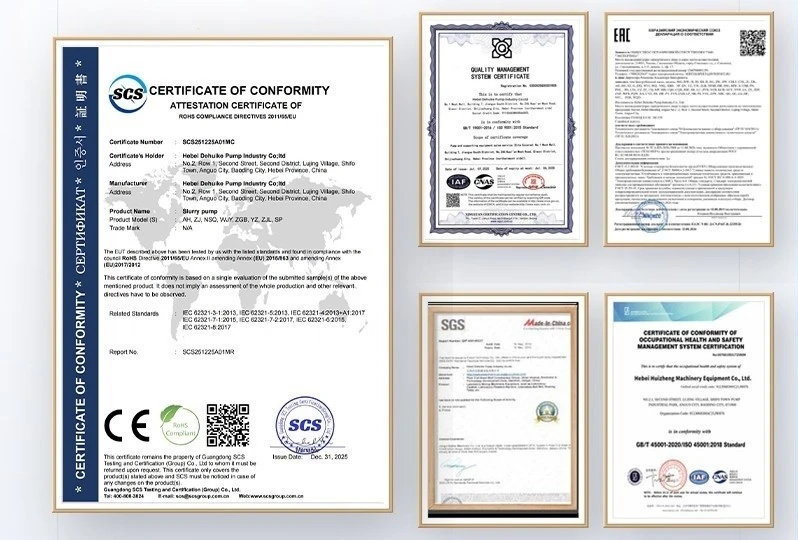
Quality assurance is most effective when the inspection plan is connected to the approved technical requirements. A meaningful review can include checking identification information, visual condition, physical configuration, and the documentation agreed for the order. The exact inspection scope should be confirmed before production and shipment.
Rather than relying on broad claims, a disciplined supply process uses clear drawings, approved parameter schedules, and documented order requirements. This gives the buyer a practical reference during incoming inspection and gives the supplier a defined basis for production control.
For projects with special standards, third-party inspection, specific test procedures, export marking, or customer documentation requirements, these items should be included in the inquiry stage. Requirements that are identified early are easier to integrate into the supply plan than requirements added after the configuration has been finalized.
International references such as IEC 60034 address the rating and performance framework for rotating electrical machines, while IEC 60034-12 addresses starting performance for single-speed three-phase cage induction motors. These references can assist buyers in defining technical expectations, but project compliance must be confirmed for the selected motor configuration and destination requirements. The U.S. Department of Energy also identifies electric motors as machines that convert electrical power into rotational mechanical power and highlights the role of efficient equipment and motor-system practices in energy management.
Frequently Asked Questions
Q: What information is required to select an AC Electric Motor?
A: Provide the driven-machine type, required shaft output, supply voltage and frequency, target speed, mounting arrangement, starting method, operating hours, environmental conditions, and any space or interface drawings. This information allows the motor to be matched to the application instead of selected only by nominal power.
Q: Can one motor be used for both 50 Hz and 60 Hz systems?
A: Electrical supply compatibility must be confirmed for the specific motor configuration. Frequency affects speed behavior and can influence the application operating point. The approved nameplate and technical data should be reviewed before installation on any supply system.
Q: How do I choose between direct-on-line starting and controlled starting?
A: The decision depends on network capacity, starting-current limits, driven-load torque, inertia, required acceleration, and process-control needs. Direct-on-line starting, reduced-voltage methods, soft starters, and variable-frequency drives serve different system requirements. The starter selection should be made with the complete drive system in mind.
Q: Can an AC Electric Motor operate with a variable-frequency drive?
A: A variable-frequency drive may be considered where speed adjustment or controlled starting is required. The motor, drive, operating speed range, load type, cable arrangement, and control settings must be evaluated together for the intended application. Confirm the final configuration before ordering.
Q: Why is the mounting arrangement important?
A: The mounting arrangement affects base connection, flange interface, shaft alignment, service access, and mechanical interchangeability. Two motors with similar electrical ratings may not be mechanically interchangeable if their frame, feet, flange, shaft, or terminal orientation differs.
Q: What causes motor overheating in service?
A: Possible contributors include inadequate ventilation, overload, repeated starts, unsuitable ambient conditions, misalignment, restricted airflow, electrical supply issues, or a mismatch between the motor and driven load. Investigation should focus on the actual installation and duty conditions rather than a single assumed cause.
Q: What should be checked before a replacement motor is ordered?
A: Confirm the existing nameplate data, supply conditions, power requirement, speed, mounting dimensions, shaft details, coupling method, terminal-box orientation, operating environment, and the reason the previous motor is being replaced. A replacement should solve the application requirement, not merely duplicate an incomplete description.
Q: How should an AC Electric Motor be stored before installation?
A: Store the motor in a clean, dry, protected location that avoids impact, excessive moisture, contamination, and unsuitable stacking. Before commissioning after extended storage, follow the applicable inspection procedures for the specific product and site requirements.

Request a Configuration Review for Your Drive Application
A correctly selected AC Electric Motor begins with clear application data. Share the driven-equipment type, required power and speed, supply conditions, mounting arrangement, control method, operating environment, and project quantity. This allows the final technical configuration to be reviewed against the real installation requirement before order confirmation.
For pumps, fans, conveyors, compressors, mixers, and other industrial equipment, the right drive choice supports practical installation, dependable operation, and a clearer maintenance path. Submit your application details and interface information to begin a configuration-focused inquiry.
Hot Tags: electric induction motor, China electric induction motor manufacturers, suppliers, factory