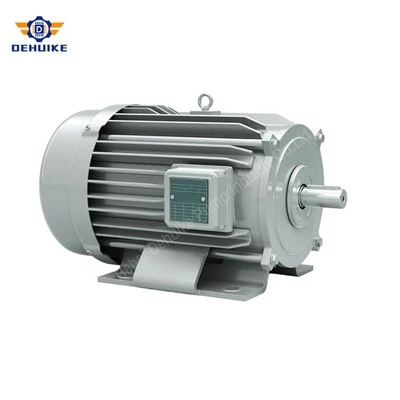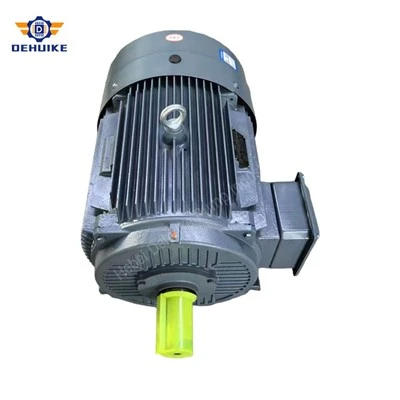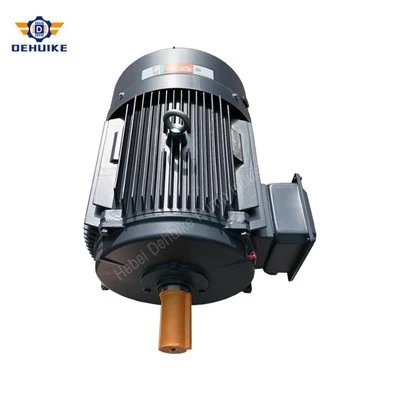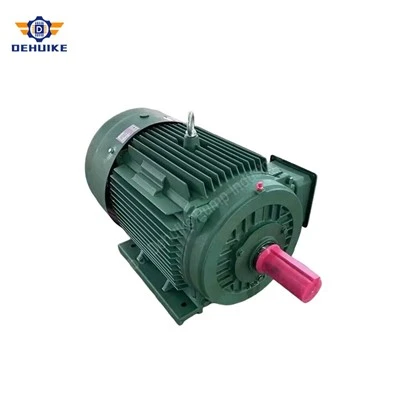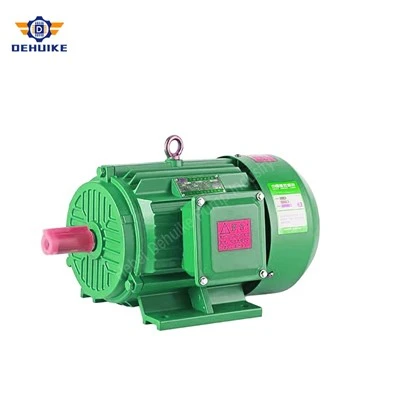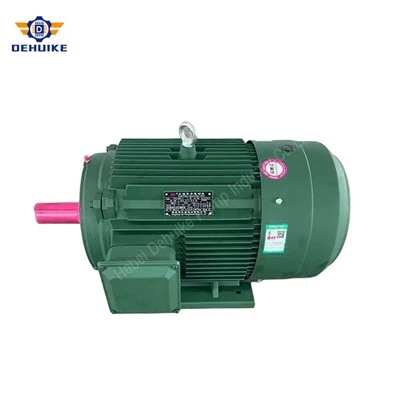

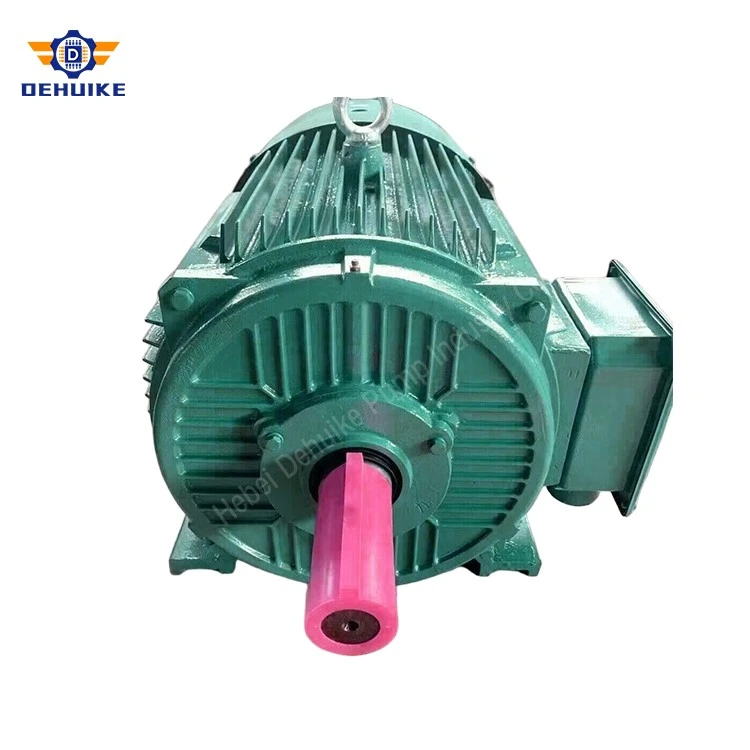
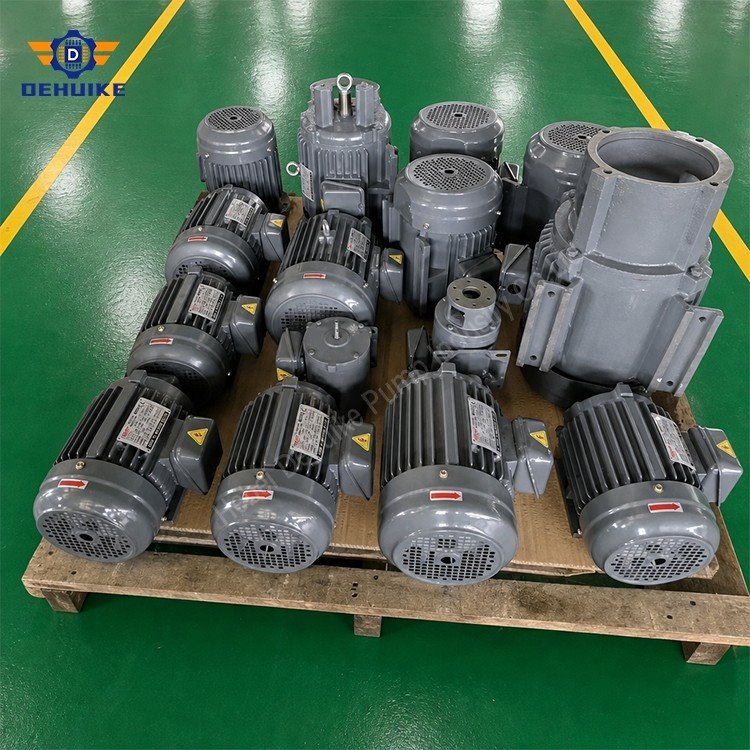
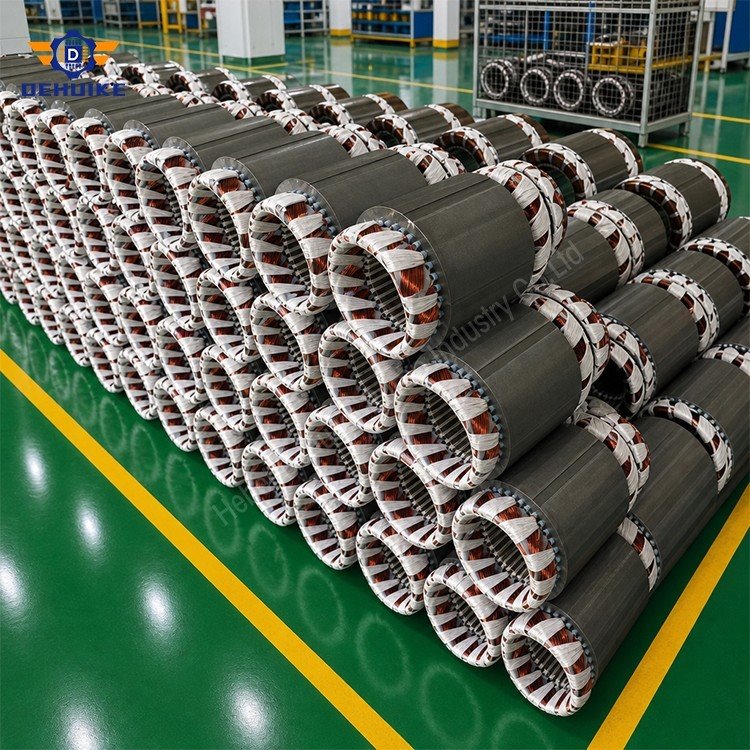
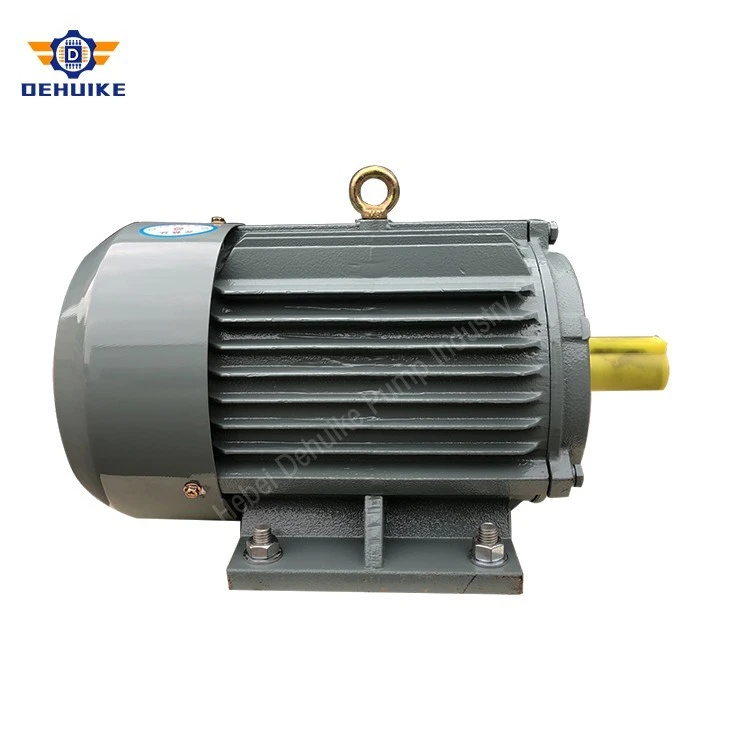
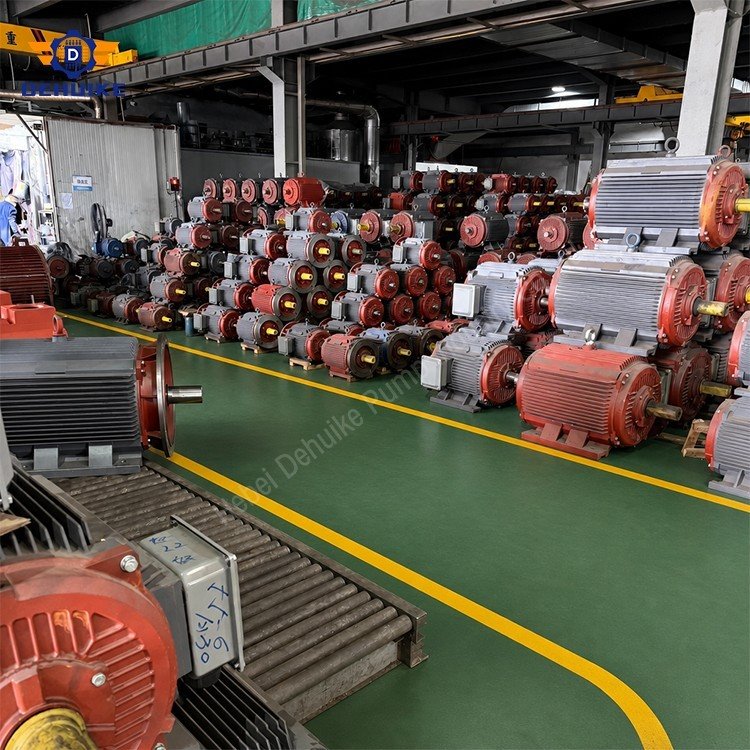
Hebei Dehuike Pump Industry Co., Ltd. is one of the most reliable manufacturers and suppliers of ac electric motor in China. With abundant experience, we are committed to providing high quality customized pumps with competitive price. Welcome to wholesale bulk ac electric motor for sale here from our factory. Also, pricelist is available.
Introduction
A Diesel Generator Set is a self-contained power solution designed to convert the mechanical output of a diesel engine into electrical power for equipment, facilities, infrastructure, and temporary sites. It is selected when electricity must be available independently of the normal grid, when continuity of supply is important, or when work takes place where utility power is unavailable or insufficient. For contractors, distributors, plant operators, and project procurement teams, generator selection is not only a question of nominal output. It is a process of matching operating duty, load behavior, physical installation conditions, fuel planning, and service access to a dependable source of power.
The DHK diesel generator range in the supplied performance schedule covers a broad selection of generator set models. Available records extend from DHK-7 through DHK-3000, with recorded prime-power values from 8 kW to 3300 kW and standby-power values from 9 kW to 3600 kW. The schedule also lists China II (Tier 2) and China III (Tier 3) entries. These figures provide a practical basis for defining a power range, while the final set selection should always follow the confirmed load study, project duty, destination requirements, and installation arrangement.
A properly planned Diesel Generator Set must work with the actual electrical demand, not merely with the largest nameplate in the facility. Motor starts, welding equipment, pumps, compressors, heating loads, electronic controls, lighting circuits, and nonlinear loads can produce different demand patterns. Some systems operate steadily for many hours; others experience sudden step loads or short, high-demand events. Understanding these patterns allows buyers to specify a unit with suitable prime or standby duty instead of treating all projects as identical.
This product page is structured for practical procurement. It combines verified model data from the supplied DHK generator set table with application guidance, installation considerations, quality-oriented receiving checks, and selection questions that support a clearer quotation. The goal is to help the buyer define the correct generator set scope before shipment, reducing technical uncertainty at the point where cost, delivery, and field reliability all meet.
Technical Parameters
The table below presents representative DHK models selected directly from the supplied generator set performance schedule. Each line keeps the related output, engine, fuel-consumption, dimensional, and weight fields together as one recorded configuration. Prime power and standby power must be assessed according to the expected operating duty. Dimensions and net weight should be used for preliminary transport and site planning, while the final approved drawing, installation layout, and configuration should be confirmed for the ordered unit.
|
Emission Standard |
Model |
Prime Power (kW) |
Standby Power (kW) |
Cylinders |
Bore x Stroke (mm) |
Displacement (L) |
Fuel Consumption (g/kW.h) |
Overall Dimensions (LxWxH mm) |
Net Weight (kg) |
|
China II (Tier 2) |
DHK-7 |
8 |
9 |
3 |
77 x 81 |
1.131 |
252 |
1400 x 500 x 1000 |
400 |
|
China II (Tier 2) |
DHK-64 |
72 |
79 |
4 |
105 x 127 |
4.4 |
211 |
2000 x 600 x 1200 |
1050 |
|
China II (Tier 2) |
DHK-120 |
131 |
144 |
6 |
105 x 135 |
7 |
205 |
2400 x 600 x 1400 |
1500 |
|
China II (Tier 2) |
DHK-200 |
217 |
238 |
6 |
105 x 135 |
7 |
212 |
2600 x 800 x 1600 |
2000 |
|
China II (Tier 2) |
DHK-400 |
435 |
478 |
6 |
137 x 171 |
15 |
207 |
3400 x 800 x 1800 |
3600 |
|
China II (Tier 2) |
DHK-900 |
947 |
1055 |
8 |
160 x 190 |
30.561 |
206 |
4200 x 1000 x 1950 |
7300 |
|
China II (Tier 2) |
DHK-1800 |
1875 |
2083 |
16 |
160 x 190 |
61.123 |
205 |
5400 x 1600 x 2500 |
14000 |
Product Details and Power Planning
A Diesel Generator Set is made up of an engine-driven generating system integrated with supporting mechanical and electrical assemblies. In the complete installation, the engine supplies rotational power and the generating section converts that mechanical energy into electrical output. The finished set also requires a suitable base, cooling and exhaust arrangements, fuel supply planning, electrical protection, cable routing, and an operating environment that permits safe access. The generator set is therefore best viewed as part of a power system, not as an isolated item of equipment.
The first question in power planning is the intended duty. Prime power is relevant where the generator is expected to provide normal operating power over an extended period under a managed load profile. Standby power is relevant where the set serves as an emergency or backup source when the primary supply is interrupted. The table distinguishes these fields by model. Buyers should declare the actual operating role in the inquiry, because an emergency unit supporting essential circuits is specified differently from a unit intended to carry a routine operating load.
Load composition matters as much as total kilowatts. A group of resistance loads may behave differently from an installation containing large motors, pumps, compressors, or variable-load machinery. Starting events can demand more from the generator than steady running. The load schedule should identify major consumers, their starting methods, expected simultaneous operation, future expansion, and which loads must remain energized during an outage. This information supports selection of a Diesel Generator Set that can respond to the actual duty rather than only the arithmetic sum of equipment ratings.
Physical planning starts early. The supplied table records overall dimensions ranging from 1400 x 500 x 1000 mm for the listed DHK-7 configuration to 8142 x 2573 x 2645 mm among the supplied series records. Recorded net weights range from 400 kg to 28000 kg. These values show why transport route, lifting method, foundation capacity, service clearances, ventilation path, and access doors should be reviewed before delivery. A generator set may fit on paper but still be difficult to position if site access and handling constraints are not considered in advance.
Equipment Characteristics and Configuration Scope
Generator set performance depends on the way the unit is integrated into the project. The electrical output must match the site voltage, frequency, phase arrangement, earthing concept, distribution equipment, and planned load transfer method. These project-specific electrical values should be confirmed in the approved technical schedule because they are not represented in the supplied performance table. Avoiding assumptions is important: a generator set intended for one local supply arrangement should not be treated as automatically suitable for another without technical confirmation.
The engine data shown in the performance schedule offers useful information for comparing configurations. The listed models include three-, four-, six-, eight-, ten-, twelve-, sixteen-, eighteen-, and twenty-cylinder entries. Bore and stroke dimensions, displacement, fuel consumption rate, envelope size, and net weight vary with the recorded model. Buyers should use these fields as connected configuration data, rather than selecting one parameter independently from another. For example, a set with a particular output is also associated with a specific engine layout, fuel-consumption value, dimension set, and weight in the source schedule.
Installation conditions should be stated clearly at the quotation stage. Indoor plant rooms, outdoor enclosures, construction sites, agricultural facilities, telecom support locations, industrial plants, and public-service facilities impose different requirements on access, ventilation, noise management, exhaust routing, fuel storage, and weather protection. The project team should define the location and operating environment before finalizing the set arrangement. A clear site description is more valuable than a generic request because it allows the generator package to be considered together with the conditions it will actually face.
The fuel-consumption rate in the supplied schedule is expressed in g/kW.h and varies among listed configurations. It is a technical comparison field, not a standalone prediction of site fuel use. Actual consumption during operation depends on the confirmed model, output level, operating duty, load profile, maintenance condition, and site practice. Procurement teams should therefore use the recorded figure with the related model and duty information when developing fuel planning, and should avoid treating it as a universal consumption guarantee across every operating condition.
Production and Receiving Quality Focus
A quality-oriented generator project begins with accurate order definition. The model designation, duty category, required output, electrical interface, destination, installation arrangement, documentation requirement, and packing method should be aligned before production and dispatch. Clear definition protects both the buyer and the installation team. It reduces the possibility that a technically correct machine is delivered with an interface that does not suit the project, such as an unsuitable distribution connection, incomplete accessory scope, or missing information needed for site coordination.
Receiving inspection should be structured around the approved order. The receiving team can verify the generator set model identification, external condition, recorded dimensions and weight information, packing condition, documentation package, and visible interfaces against the shipment documents. Any discrepancy should be documented before the unit is moved into service. This process is particularly important for long-distance shipments and multi-contractor projects, where equipment may pass through several handling stages before it reaches the installation location.
Mechanical preservation during storage is also important. If commissioning is not immediate, the project team should store the unit according to the approved handling and preservation instructions. The storage area should protect the equipment from conditions that could affect its condition or complicate later installation. Access should be controlled, lifting points protected, and the unit kept associated with its documents. These practical measures help preserve the value of the generator set between delivery and commissioning.
Final acceptance should be tied to the approved project scope. A well-organized acceptance record can include the confirmed model, duty role, installation location, interface documents, delivered accessories, and the status of commissioning activities. This is more useful than a simple delivery signature because it provides a traceable basis for operation, maintenance planning, and future procurement. It also helps the owner distinguish between the equipment supplied and the site systems that must be completed by other project parties.
Application
Diesel generator sets are used across a wide range of power-security and off-grid applications. In industrial facilities, they can support essential production areas, utilities, workshops, material handling systems, and process equipment when the normal supply is unavailable or when an independent power source is planned. The correct application approach begins by identifying which circuits are essential, which loads can be shed, and which equipment has demanding starting characteristics. This creates a more realistic selection basis than treating the whole site as one undifferentiated electrical load.
Construction, infrastructure, and remote work sites often need portable or site-installed generation to support tools, lighting, dewatering, temporary offices, welding, material handling, and auxiliary services. In such projects, access conditions, fuel logistics, weather exposure, transport dimensions, and lifting plans deserve early attention. The DHK range includes compact listed units as well as large-format configurations, so site logistics should be considered alongside output selection. A smaller unit may simplify placement, while a larger unit may require a defined lifting plan and dedicated installation route.
Commercial buildings, agricultural operations, water-related facilities, communication support locations, and public-service sites may use a Diesel Generator Set to protect critical functions during outages. The load strategy should identify whether the generator will supply the full facility, only essential circuits, or a staged sequence of loads. This decision influences output planning and transfer arrangements. It also helps facility managers prepare operating procedures that are understandable during an actual interruption, when clarity and prioritization matter most.
For distributors, application-specific communication strengthens technical credibility. Instead of presenting every set as interchangeable, a quotation can explain how the proposed configuration relates to the customer's load, expected duty, site footprint, handling conditions, and requested documents. This does not require exaggerated claims. It requires careful use of the available data and disciplined confirmation of the items that depend on the customer's project. Such an approach supports repeat business because the customer receives a solution that is easier to review, install, and maintain.
Procurement, Service Coordination, and Lifecycle Value
A sound procurement process begins with a complete inquiry. The buyer should state the required operating role, target output, estimated load schedule, electrical supply requirement, location, installation type, environmental conditions, delivery destination, and requested documents. If the set supports a defined project, the inquiry should also identify the project schedule, interface with transfer or distribution equipment, and any limitations on transport or installation. This level of preparation allows the commercial offer to be built around a real requirement instead of an incomplete comparison.
Commercial evaluation should compare like with like. Two generator quotations may appear similar while differing in duty definition, model data, accessory scope, control arrangement, packing, documentation, or delivery basis. Procurement teams can improve decision quality by using a comparison sheet that separates confirmed facts from pending project decisions. The source performance schedule provides core fields such as prime and standby power, engine configuration, fuel-consumption rate, dimensions, and net weight. Other project-specific items should be confirmed rather than silently assumed.
Service planning begins before the generator is delivered. The site should identify who will receive the equipment, who will manage installation, who will connect the electrical system, who will commission the unit, and how operating records will be maintained. Clear responsibilities help prevent gaps between delivery and operation. The project file should retain the approved model information, installation documents, operating procedures, maintenance plan, and spare-parts strategy appropriate to the final configuration.
Lifecycle value is supported by accurate records. Keep the final technical schedule, order confirmation, packing list, receiving record, installation details, and operating history together. When a facility expands, when a generator is relocated, or when a replacement is considered, these records provide a factual starting point. They also reduce dependence on memory and informal descriptions. For a Diesel Generator Set, disciplined documentation is a practical form of risk control because it supports continuity from selection through operation and future planning.
Installation and Operating Considerations
Installation work should be completed by qualified personnel in accordance with the approved project documents and applicable local requirements. Before positioning the generator, verify the foundation or supporting structure, access route, lifting arrangement, service clearance, ventilation path, exhaust route, fuel arrangement, electrical cable route, and earthing plan. The aim is to create an installation that can be operated and maintained safely, rather than only finding a location where the equipment physically fits.
Electrical connection requires coordination with the project distribution system. The generator, protection equipment, transfer arrangement, load circuits, and earthing system must be reviewed as a complete installation. The final connection details depend on the confirmed generator configuration and site design. Before the first start, installers should verify that mechanical installation is complete, that fluids and connections are managed according to approved instructions, and that access around the unit remains adequate for observation and maintenance.
Commissioning should follow an organized sequence. The team should verify documentation, inspect the installation, confirm electrical interfaces, review safety arrangements, and observe the system under the approved operating procedure. Where loads are transferred in stages, the sequence should be documented and understood by operators. The purpose of commissioning is to establish that the project system functions as designed, including the generator set and the connected distribution or transfer equipment.
Routine operating discipline supports dependable service. Operators should use the approved instructions for start-up, load management, inspection, shutdown, fuel handling, and record keeping. Maintenance activities should follow the applicable schedule for the delivered configuration and operating environment. If the unit is used only for emergency duty, periodic readiness checks should be organized by the facility. If it supplies regular power, operating hours, load behavior, fuel use, and maintenance actions should be recorded to support sound lifecycle planning.
FAQ
Q: What is the difference between prime power and standby power?
A: Prime power refers to the designated operating-duty field for normal or extended generator use, while standby power refers to the listed emergency or backup-duty field. The selected duty must match the actual project role. The DHK table records both fields for many configurations, and the buyer should confirm which one applies before ordering.
Q: How should I choose a Diesel Generator Set output?
A: Start with a load schedule that identifies running loads, major motor starts, simultaneous demand, essential circuits, and future expansion. Then define whether the unit is for prime operation or standby operation. Do not select only from a single appliance rating or from the total of every possible connected load without considering how the site will operate.
Q: Why are dimensions and net weight important before purchase?
A: The generator must be transported, lifted, positioned, ventilated, serviced, and sometimes housed in a dedicated room or enclosure. The supplied table records dimensions and net weight for each configuration, which should be considered during route planning, foundation review, handling preparation, and site layout.
Q: Does the listed fuel-consumption rate predict all fuel use at site?
A: No. The g/kW.h value is recorded for the related model in the performance schedule. Actual site fuel use depends on the selected configuration, operating output, duty, load profile, and operating condition. Use the figure as a model-specific technical field within a complete fuel-planning exercise.
Q: What details should be included in a quotation request?
A: Provide required power, intended duty, site electrical requirements, load schedule, installation environment, destination, delivery timing, required documents, and any limits on transport or installation. If the unit supports a critical facility, identify the circuits that must remain energized.
Q: Can a generator set be selected only by standby power?
A: Not always. A standby rating alone does not define prime-duty suitability, site electrical compatibility, load-starting behavior, or installation constraints. The final selection should consider the complete operating role and project specification.
Q: What should be checked when the unit arrives?
A: Compare the delivered model identification, visible condition, packing, associated documents, dimensions and handling information with the approved order. Record any discrepancy before installation. Keep the supplied documents with the project file so they remain available for commissioning and later maintenance.
Q: How can future replacement or expansion be managed more easily?
A: Retain the final model data, duty definition, electrical interface information, site layout, installation record, and operating history. This documentation provides a clear baseline when the facility needs a second set, a replacement unit, or a revised load strategy.

Request a Technical Quotation
Send the required power range, duty type, load list, operating location, destination, and installation conditions to prepare a Diesel Generator Set proposal aligned with your project. Clear technical input supports accurate model selection, transparent commercial comparison, and a smoother route from shipment to commissioning.
Hot Tags: ac electric motor, China ac electric motor manufacturers, suppliers, factory