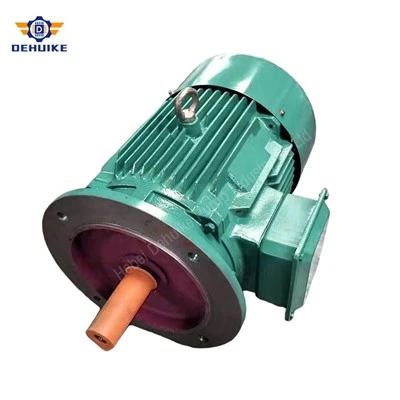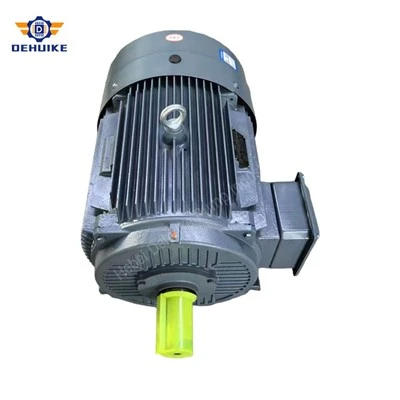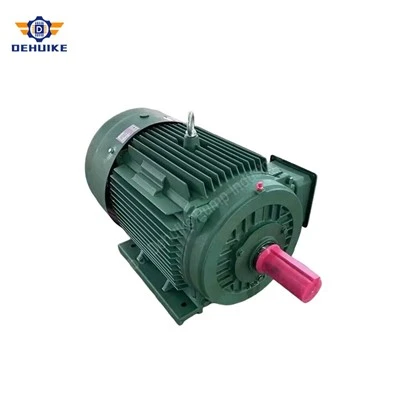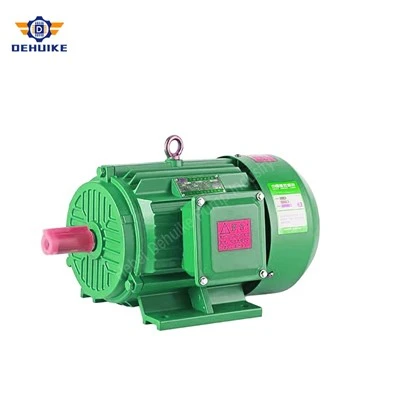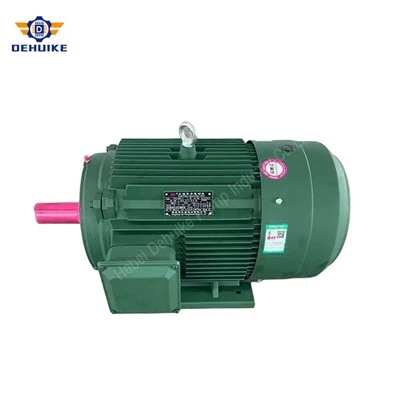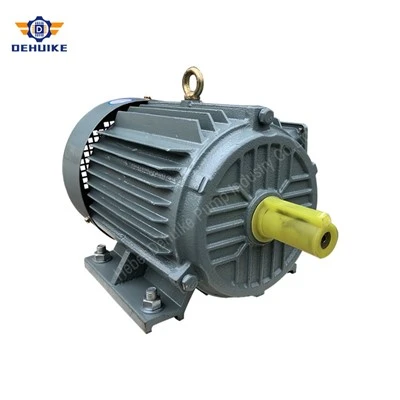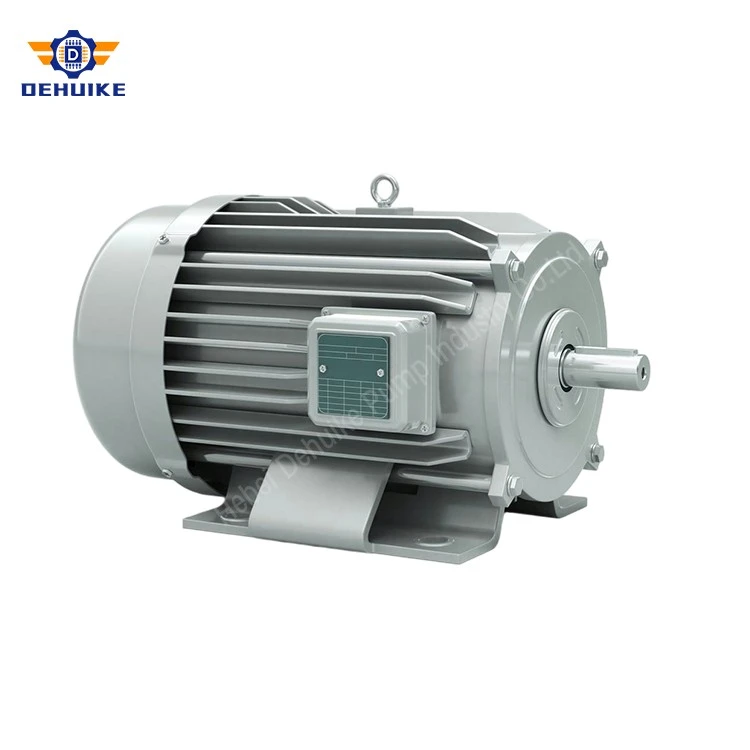
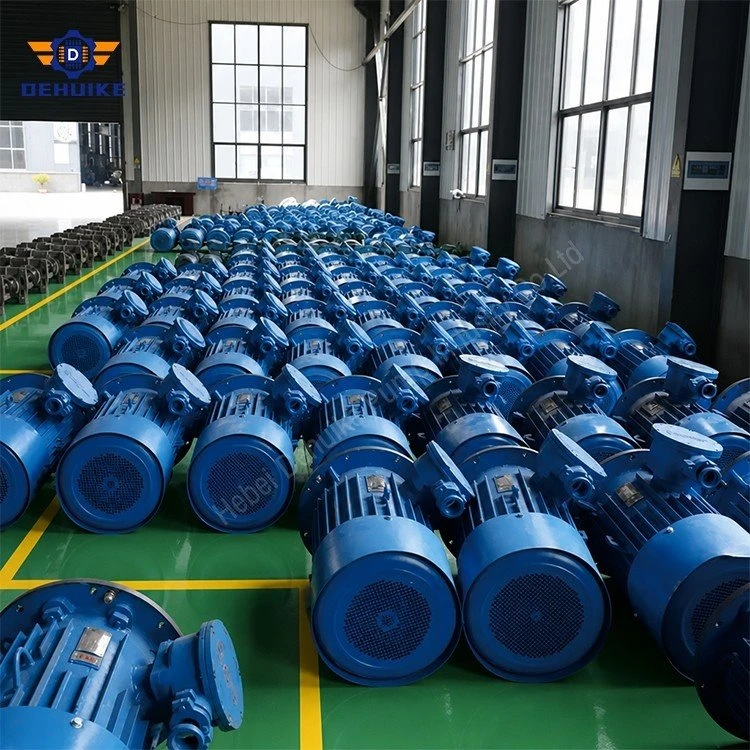
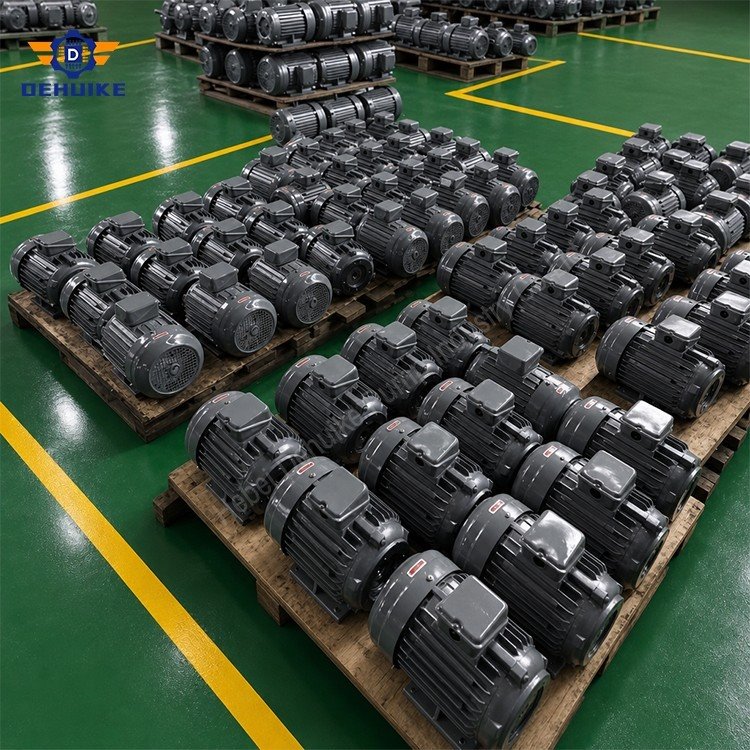
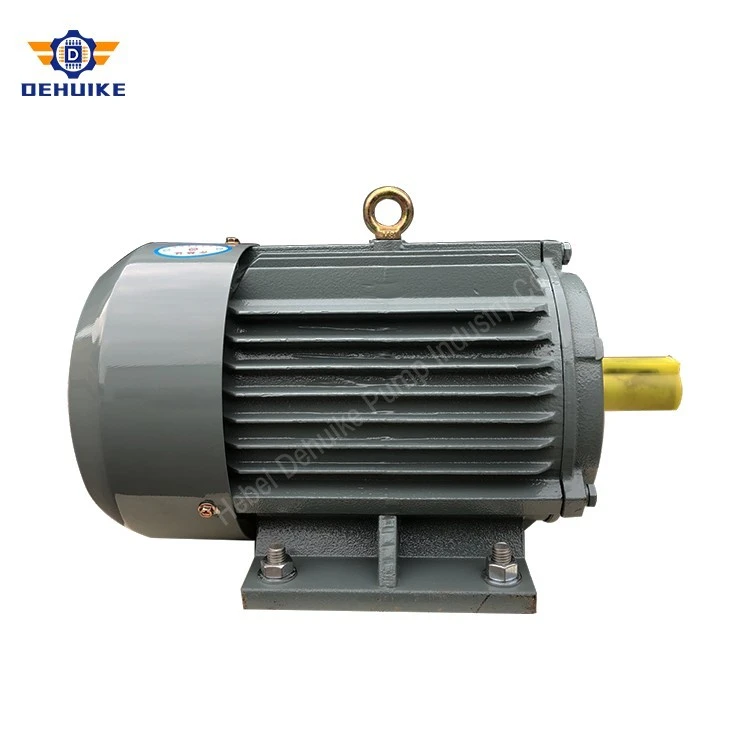
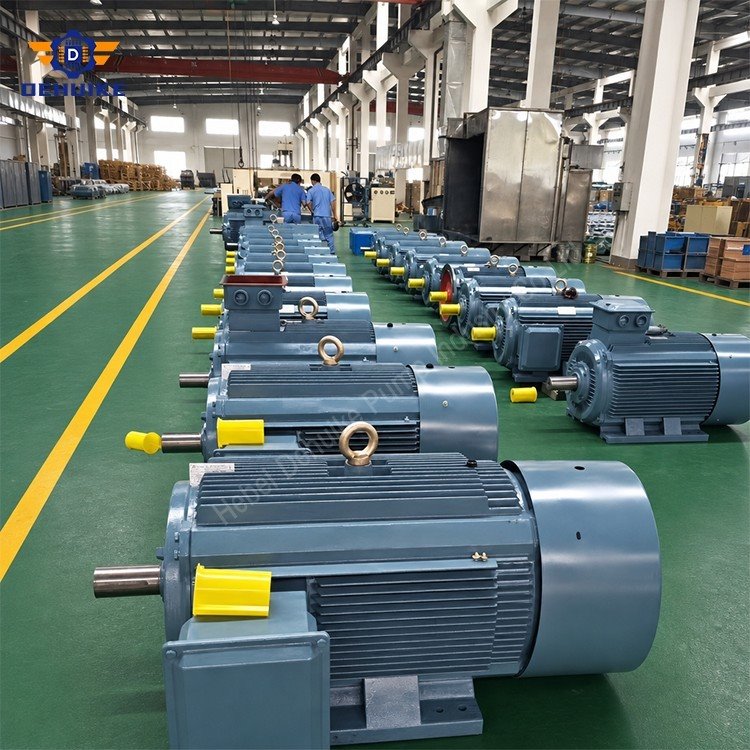
Hebei Dehuike Pump Industry Co., Ltd. is one of the most reliable manufacturers and suppliers of industrial electric motor in China. With abundant experience, we are committed to providing high quality customized pumps with competitive price. Welcome to wholesale bulk industrial electric motor for sale here from our factory. Also, pricelist is available.
Introduction
An industrial electric motor forms the core mechanical power source across modern production facilities, utility stations, material‑handling yards and processing plants. Unlike general‑purpose small‑duty motors built for light intermittent household usage, industrial‑grade units are engineered to sustain variable load shocks, long continuous‑run cycles, fluctuating site ambient conditions and repeated start‑stop events that commonly occur within factory environments.
Many procurement errors originate from selecting a motor purely based on nameplate power rating. Real‑world operational success depends on matching electrical parameters, mechanical mounting compatibility, actual load characteristics, on‑site power‑network constraints and environmental exposure together as one integrated drive system. Even a technically‑correct power‑rated motor will suffer premature wear, nuisance tripping or complete failure if mechanical interfaces, cooling conditions or starting duty are overlooked at the specification phase.
This article delivers application‑oriented guidance for equipment designers, purchasing managers and plant‑site engineering staff. It avoids blanket performance promises. All definitive numeric ratings including output power, voltage class, frame dimensions, insulation grade, protection ingress rating and efficiency tier shall be finalised against formal project order documentation.
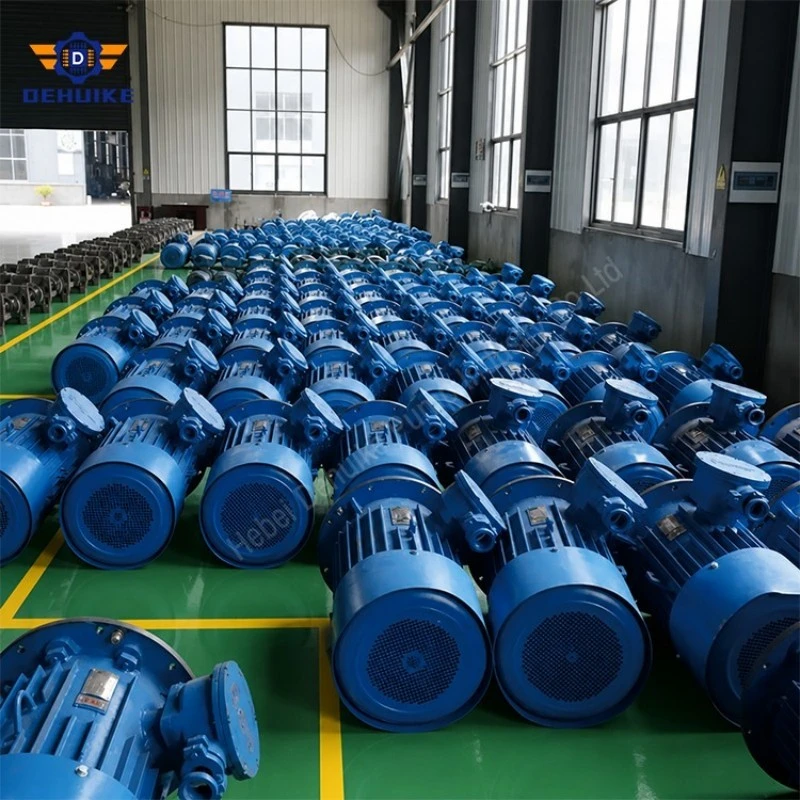
Defining real‑world load duty before motor specification
Every industrial machine exerts a unique load signature, which defines how the motor will behave throughout its service life. Before picking any motor model, the engineering team must map out the full operating cycle instead of only reading a machine's nominal power requirement.
Three key load attributes need documenting for every project: steady‑state running torque, break‑away starting torque, and load inertia of the whole rotating assembly including couplings, gearboxes, impellers, rollers and flywheels.
Different equipment categories show distinctly different duty patterns:
Centrifugal‑type machinery (pumps, fans, blowers): torque rises proportionally with rotational speed; starting condition remains relatively mild with un‑throttled free‑running impellers.
Conveying & bulk‑handling equipment (belt conveyors, screw feeders, bucket elevators): high static break‑away torque occurs at stand‑still when material is already loaded onto the transport mechanism.
Agitation & mixing vessels: torque varies drastically according to liquid viscosity, filling height and batch processing phases.
Reciprocating compressors: cyclic torque fluctuations emerge during each compression stroke, placing periodic mechanical stress on rotor and bearing assemblies.
Beyond static torque values, operators should also record operating‑mode facts: daily running duration, permitted number of starts per hour, intermittent versus continuous duty S1‑S9 classification, potential overload occurrences and seasonal production‑output changes.
If only a single power number is provided for quotation, hidden risks remain: over‑sized motors lower partial‑load operating efficiency; under‑sized units overheat under peak process conditions. A complete duty description eliminates these avoidable risks.
Electrical system compatibility matching
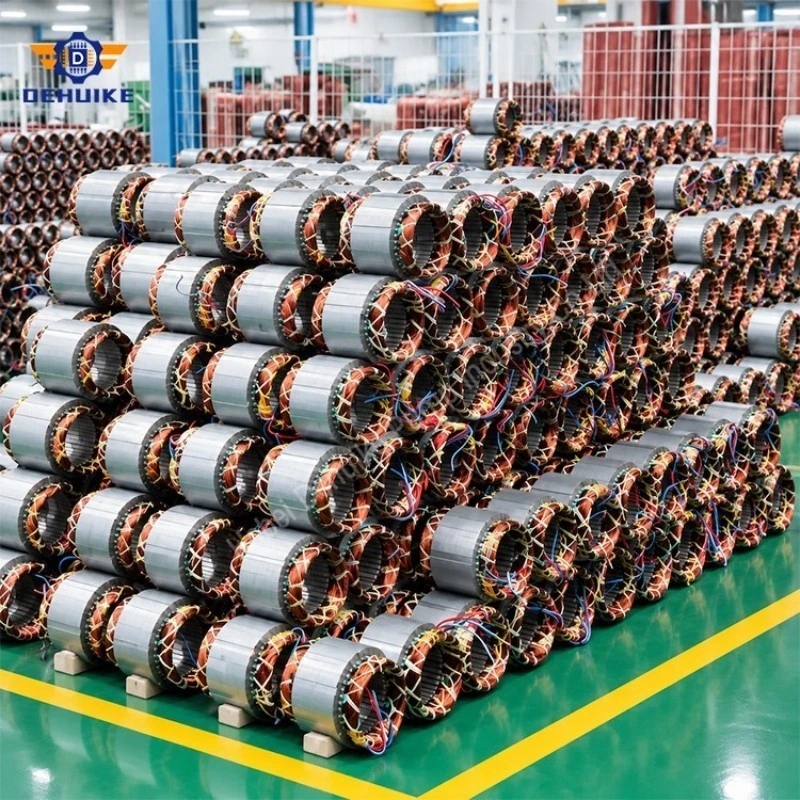
he motor cannot operate in isolation from the plant's power distribution infrastructure. Site‑specific electrical realities govern starting performance, thermal rise and long‑term operational stability.
Collect site‑side electrical input data: nominal supply voltage, tolerance band of voltage fluctuation, frequency, phase configuration, prospective short‑circuit current at motor feeder terminals, and length plus layout of connecting power cables.
Starting‑mode selection represents one of the most critical decision points. Direct‑on‑line (DOL) initiation creates large in‑rush current. This may trigger voltage dips that disturb nearby sensitive instruments or overload ageing distribution transformers inside older factories. Where network capacity is constrained, alternative approaches such as soft‑start or variable‑frequency drive control become necessary.
Important practical detail: the same motor will deliver different starting‑torque output when terminal voltage deviates from rated value. Starting torque scales with the square of applied voltage; moderate voltage drop can sharply reduce break‑away capability for high‑inertia or pre‑loaded machinery.
Protection coordination should also be planned concurrently with motor selection. Overload relays, short‑circuit fuses or circuit‑breakers must coordinate their tripping curves to match motor thermal withstand capacity. Protection settings cannot simply copy from other unrelated drives on‑site. Mis‑coordinated protection either causes unnecessary process shutdowns or fails to safeguard windings under genuine fault events.
Where variable‑frequency drives (VFD) are deployed, extra factors apply: winding insulation stress from high‑speed pulse signals, derating requirements for extended low‑speed operation, auxiliary independent cooling provisions and shielded cable installation standards. A standard general‑purpose motor may require minor configuration adjustments before pairing with VFD hardware.
Mechanical integration for reliable field operation
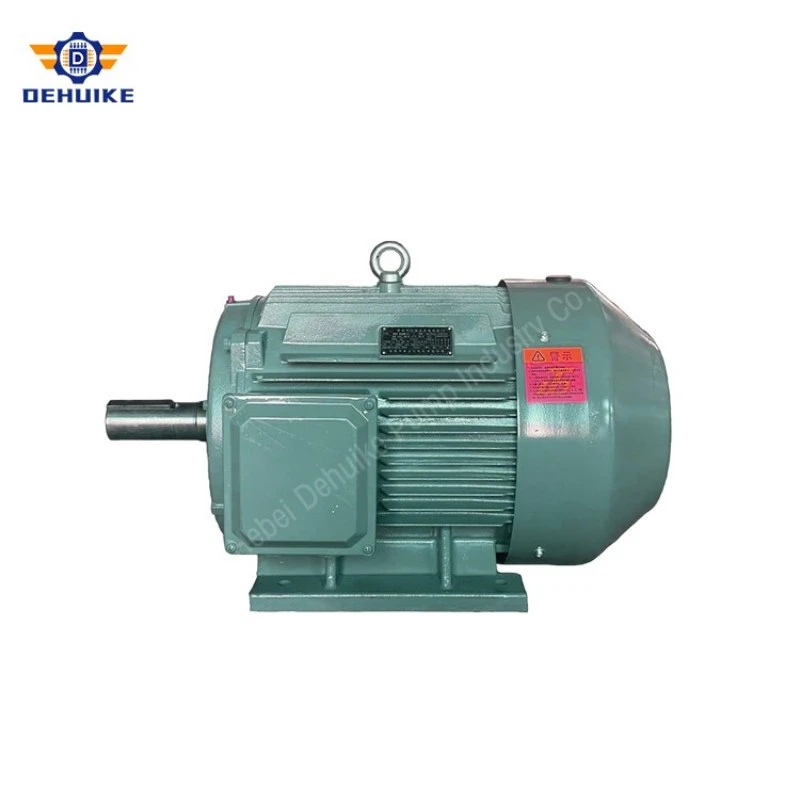
Electrical parameters only represent half the complete motor specification. Mechanical mis‑fit stands behind a large percentage of premature industrial motor failures in the field. Four mechanical dimensions demand thorough validation: mounting configuration, shaft interface, transmission setup and on‑site service clearance.
Mounting forms include B3 foot‑mounted, B5 large‑flange, B14 small‑face‑mounted and mixed combined versions. Frame size alone does not guarantee interchangeability. Two motors sharing identical kW rating can have different foot hole spacing, flange diameter, shaft height from base and terminal‑box orientation. Replacement projects frequently run into assembly difficulties when buyers only reference old power rating without measuring physical interfaces.
Shaft‑end specifications cover shaft diameter, keyway dimensions, shaft extension length and permissible radial / axial loading exerted by connected transmission parts. Belt drives impose significant side‑load stress onto motor bearings; gear‑reducer applications transmit thrust forces back towards the rotor assembly. All externally applied forces must sit within motor‑manufacturer allowable thresholds.
Transmission hardware choices (flexible coupling, belt‑pulley, chain‑sprocket, gear‑box) each bring installation constraints. Precision alignment is mandatory for direct‑coupled arrangements. Parallel or angular mis‑alignment generates extra vibration, accelerates bearing fatigue and damages mechanical seals over short operating periods. Belt tension also requires precise tuning: excessive tension shortens bearing service life; insufficient tension produces slip, heat‑build‑up and power‑transmission loss.
Site layout planning often gets overlooked during purchasing. Enough physical space must be reserved around the motor unit: unobstructed cooling‑air flow paths, access space for terminal‑box wiring, lifting room for future motor removal, safe isolation zone for maintenance work. When motors get fitted inside compact machine‑housings, poor ventilation and blocked service access will create persistent operational headaches for maintenance crews.
Environmental adaptation for real‑plant conditions
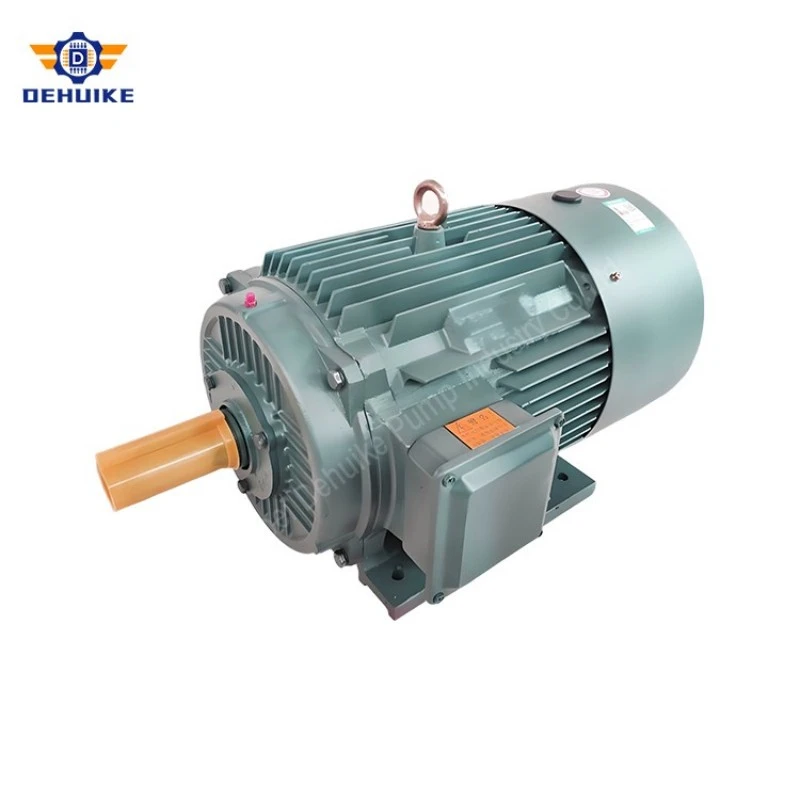
Identical motor models will perform differently when placed in dissimilar ambient surroundings. Enclosure type, material choice and protection grade must adapt to actual site exposure rather than defaulting to a "standard industrial" assumption.
Document surrounding operating conditions: indoor or outdoor placement, maximum and minimum ambient temperature, installation altitude (higher altitude reduces natural cooling capacity), presence of dust, textile fibres, water splashes, wash‑down cycles, chemical vapours, salt‑laden moist air and risk of mechanical particle ingress.
TEFC (Totally Enclosed Fan‑Cooled) configurations represent mainstream selection for most general‑purpose factory environments. Still, TEFC does not equal fully‑sealed against all forms of liquid or solid contamination. Its external cooling fan and cooling fins rely on unobstructed ambient air circulation. Heavy dust or fibre accumulation will coat heat‑dissipation surfaces and push winding temperature upwards over time.
Open‑type motors with free internal ventilation can achieve superior cooling performance in clean, dry indoor workshops, yet they cannot survive dusty, humid or wash‑prone production zones. For aggressive corrosive atmospheres, enhanced surface coating, special shaft sealing structures and upgraded bearing grease formulations become required custom options.
High‑altitude installations deserve special attention. Above 1 000 m elevation air density drops, degrading natural heat dissipation. Motor output power may need appropriate derating unless specially adapted for high‑land deployment.
Industrial Environments Require Configuration Discipline
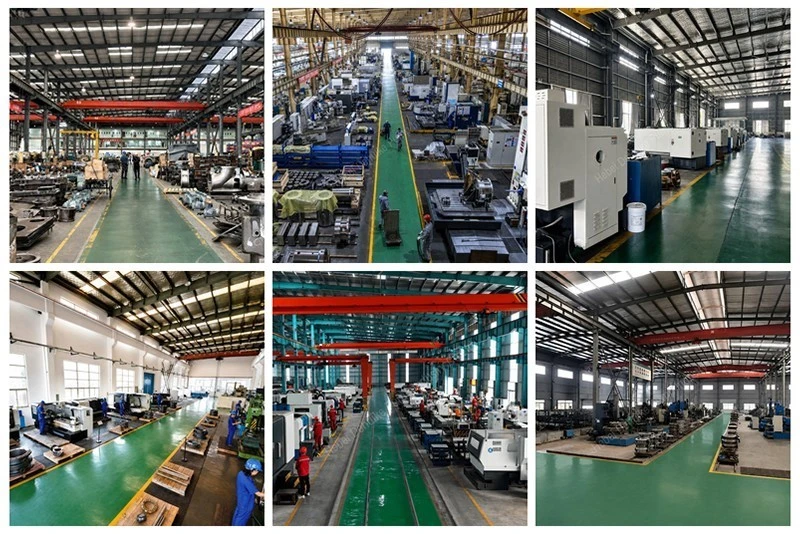
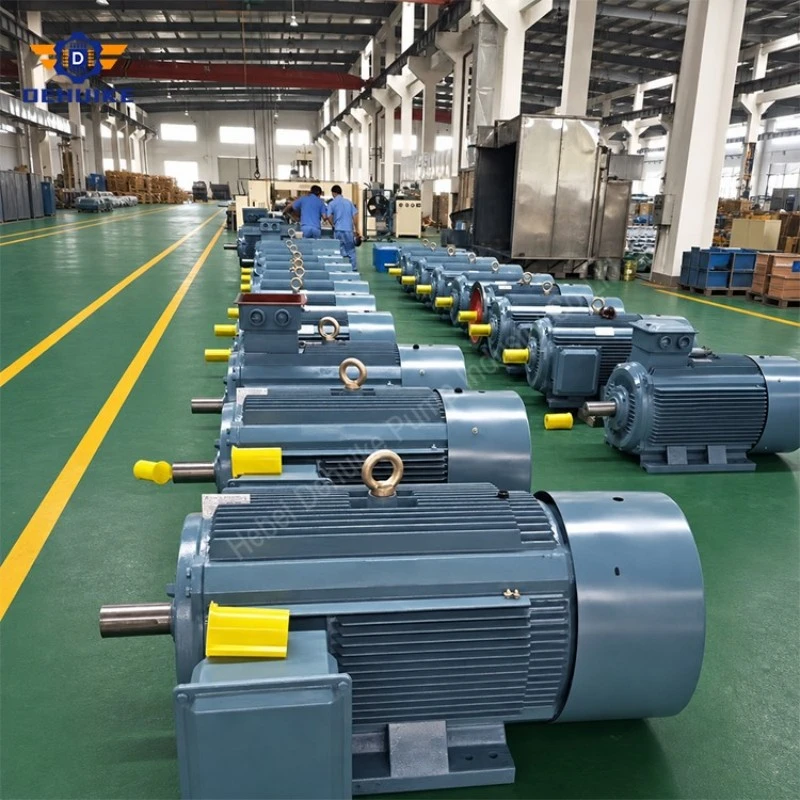
Factories, pump rooms, mines, farms, workshops, water-treatment sites and packaged equipment rooms are not identical environments. Dust, fibers, humidity, outdoor weather, nearby heat sources, chemical vapor, vibration and limited airflow all change the way a motor should be specified and maintained. The buyer should describe the real site condition instead of relying only on the word industrial.
Cooling space is especially important. Motor frames, fan covers and ventilation paths must remain usable after installation. A motor placed behind a tight guard, below a leaking process line or inside a hot cabinet may face a harsher condition than expected. The installation layout should keep cooling surfaces visible and serviceable.
Terminal access also matters. Maintenance personnel should be able to reach cable entries and identification points after proper isolation. If a terminal box is hidden behind pipework, framing or a machine cover, future service work becomes slower and less reliable. A good industrial design considers the technician who will inspect the motor several years after delivery.
Application-Specific Content for Independent Website Buyers
Pump and fluid equipment: when the motor drives a centrifugal pump, transfer pump, drainage pump or utility pump, the motor review should include pump curve, operating duty, coupling arrangement, suction and discharge system behavior, start condition and pump-room layout. Motor selection should follow the pump requirement and site power supply together.
Fans and ventilation systems: for air movement, the motor should be reviewed with fan curve, duct resistance, operating hours, airflow control method, ambient temperature and maintenance access. If speed control is used, the useful operating range must be discussed with the complete fan system.
Conveyors and material handling: conveyors, feeders and elevators may experience changing material load, frequent starts or dusty surroundings. The motor enquiry should include belt or chain design, gearbox ratio, start condition, guard arrangement and the consequences of stoppage in the production flow.
Mixers and processing machines: mixers, agitators, mills and process equipment may require higher starting torque or different operating stages. Material viscosity, batch sequence, transmission design and service intervals should be included before the motor is finalized.
OEM equipment and export packages: machine builders need repeatable documentation, mounting consistency, terminal orientation and packing details. A motor used inside an exported machine should be easy for the receiving customer to identify, wire, protect and replace.

Hot Tags: industrial electric motor, China industrial electric motor manufacturers, suppliers, factory