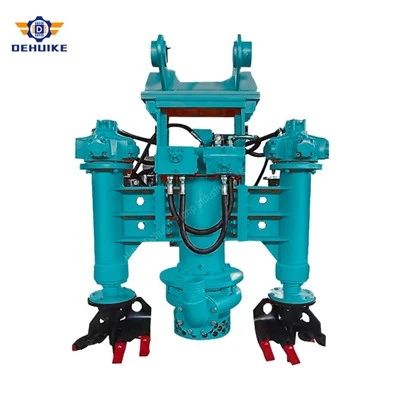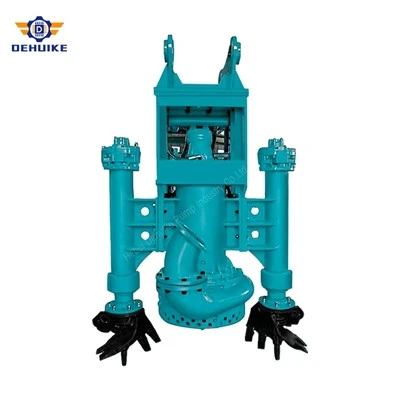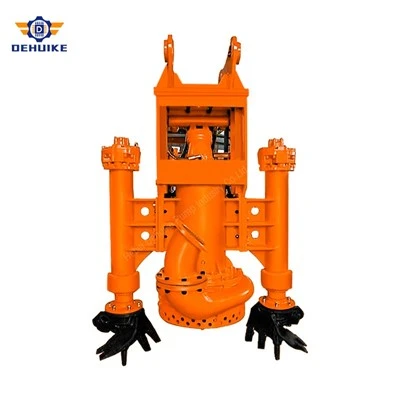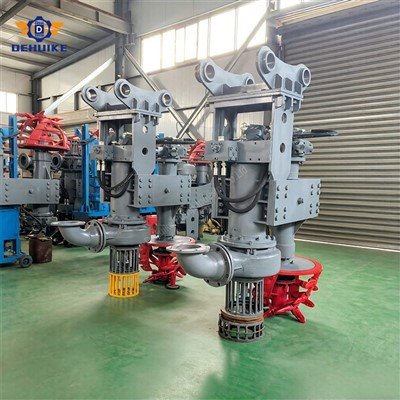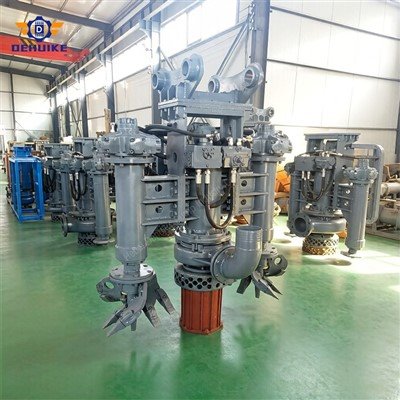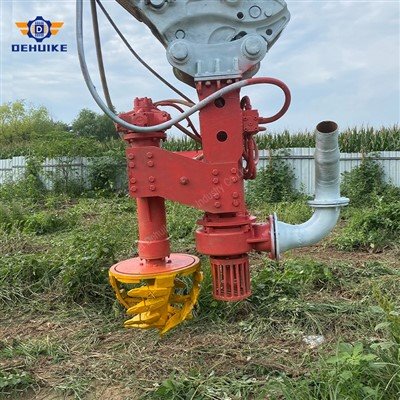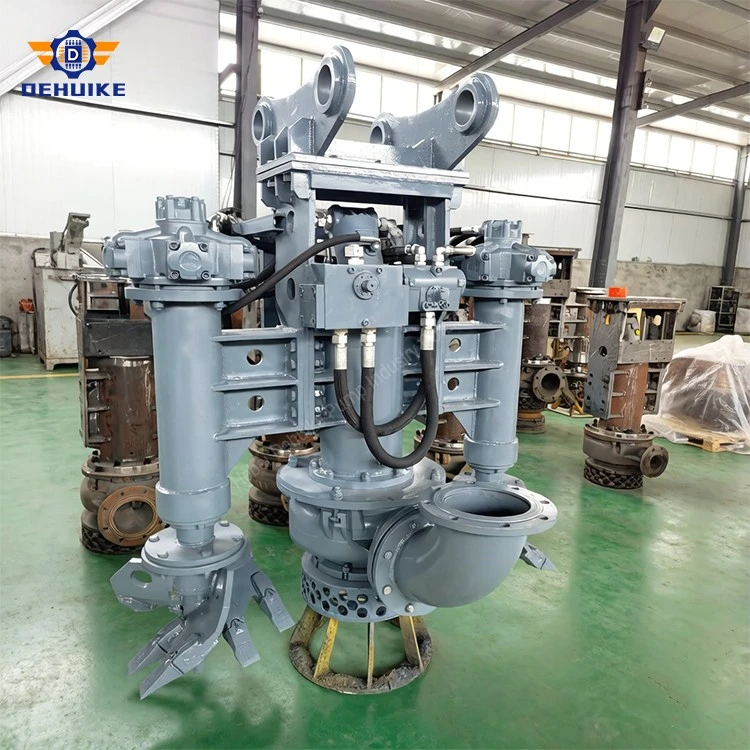
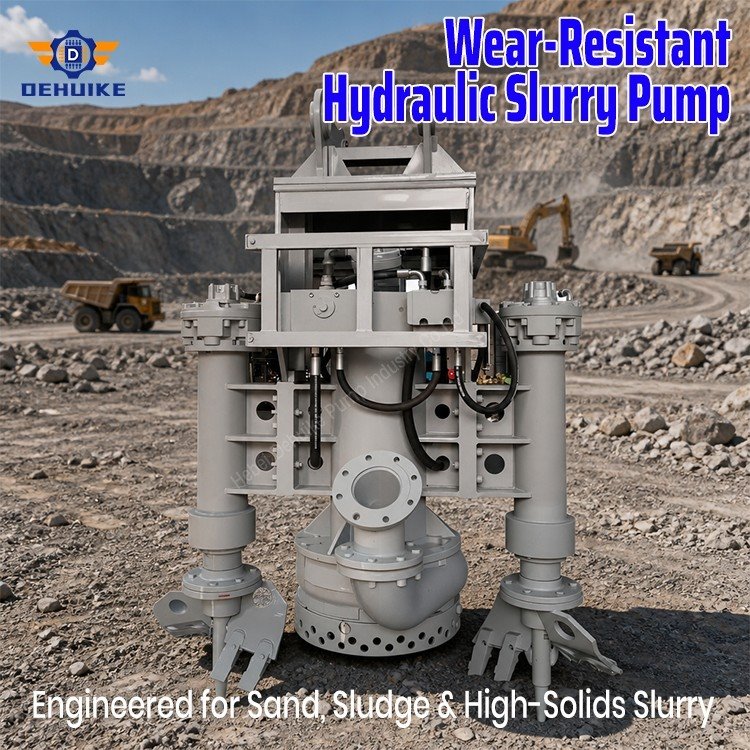
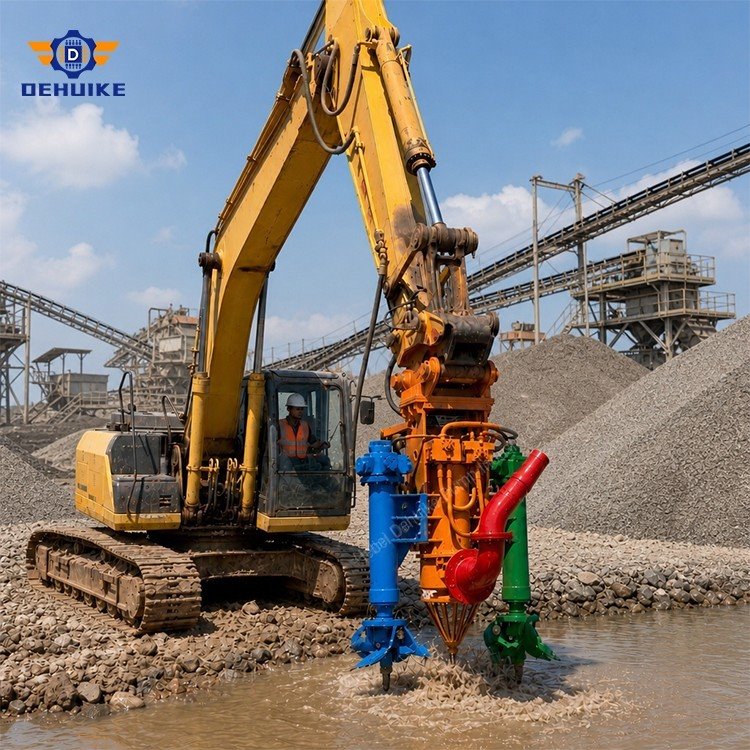
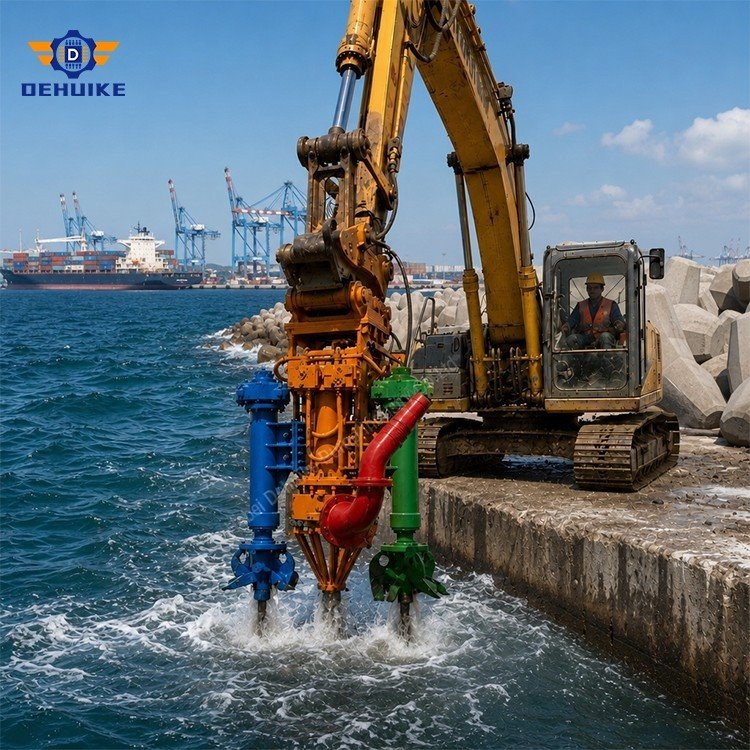
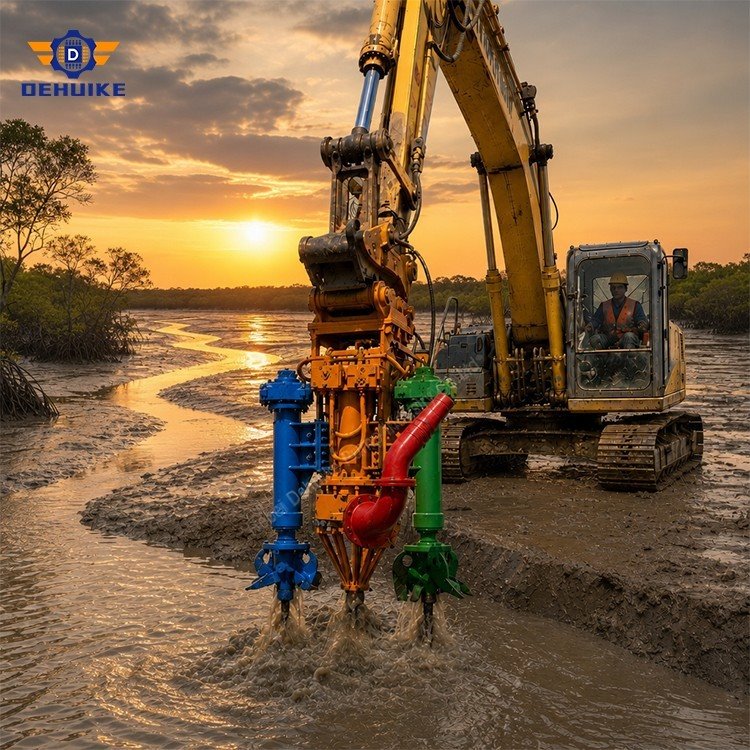
Hebei Dehuike Pump Industry Co., Ltd. is one of the most reliable manufacturers and suppliers of hydraulic dredging slurry pump in China. With abundant experience, we are committed to providing high quality customized pumps with competitive price. Welcome to wholesale bulk hydraulic dredging slurry pump for sale here from our factory. Also, pricelist is available.
Introduction: Submerged Hydraulic Power Dynamics for Heavy Silt and Dredging Slurry Transport
Submerged solids transfer in riverbeds, coastal approaches, tidal lagoons, and industrial settling basins presents operating challenges that rapidly exceed the mechanical limits of conventional electric pumping units. In marine and inland dredging environments, suspended sediments do not behave as uniform Newtonian fluids. Instead, they form complex two-phase mixtures of coarse sand, abrasive silt, gravel fines, and decomposing organic clay with specific gravities frequently exceeding 1.35 to 1.60. Pumping such dense, abrasive media requires machinery capable of generating sustained volumetric displacement while resisting aggressive hydrodynamic erosion. The Hydraulic Dredging Slurry Pump represents a purpose-engineered fluid machinery architecture designed specifically to address these severe operating conditions by directly coupling high-torque hydraulic motors with high-chrome wet-end assemblies.
The fundamental operational advantage of a Hydraulic Dredging Slurry Pump lies in the complete decoupling of the primary power generation source from the submerged operating environment. Conventional electric submersible pumps rely on high-voltage trailing cables, submerged electric motor stators, and complex internal moisture sensors. When deployed into abrasive riverbeds or ocean surf zones, electrical trailing cables are prone to mechanical crushing by debris or excavating machinery, while submerged motor housings face catastrophic winding burnout if mechanical seals suffer abrasive weeping. In contrast, a hydraulically driven system places the diesel engine or electric power pack safely on dry land, on a mobile excavator chassis, or aboard a floating barge. Hydraulic energy is transmitted through reinforced high-pressure fluid lines, enabling the pump head to remain fully submerged at significant depths for continuous duty cycles without electrical hazards.
Furthermore, hydraulic drive systems deliver superior torque adaptability that is critical when dredging non-uniform sediments. In dredging operations, suction density varies unpredictably from clear surface water to semi-consolidated sediment banks. When a suction eye encounters a sudden slump of compacted sand or cohesive clay, an electric motor experiences severe current spikes and potential thermal overload trips. A hydraulic axial piston motor, however, responds with continuous high torque at reduced rotational speeds, sustained by hydraulic system relief valves that safely manage shock pressures without mechanical damage. Operators can seamlessly adjust impeller rotational speed between 800 and 1450 r/min simply by regulating hydraulic oil delivery from the carrier's auxiliary proportional valves, directly optimizing flow velocity and discharge head to match changing pipeline lengths.
Dredging contractors and industrial site engineers require pumping solutions that withstand prolonged exposure to severe micro-cutting and gouging wear. Whether suspended from an excavator boom stick, lowered via an A-frame hoist on a dredging barge, or integrated into a guided dredging ladder, the modern Hydraulic Dredging Slurry Pump operates as the primary mechanical tool for deep water desilting, channel maintenance, and industrial lagoon remediation. Engineered with integrated mechanical agitators and high-chrome metallurgy, these units liquefy settled benthic deposits directly at the suction intake, transforming compacted silt strata into pumpable slurries and maintaining steady, productive discharge cycles across demanding earthmoving and marine engineering projects.
Specifications / Technical Parameters / Technical Data: Complete WJY Hydraulic Operating Spectrum
Accurate hydraulic duty selection requires matching available carrier hydraulic oil flow and pressure against required slurry mixture flow rate, total dynamic head, and discharge pipe friction losses. The following technical parameter matrix reflects the complete factory-verified operating spectrum of the WJY series Hydraulic Dredging Slurry Pump models manufactured by Hebei Dehuike Pump Industry Co., Ltd. All performance figures are based on clear water rating curves at nominal rotational speed; field slurry capacity will vary according to slurry specific gravity, particle size distribution, and solids concentration.
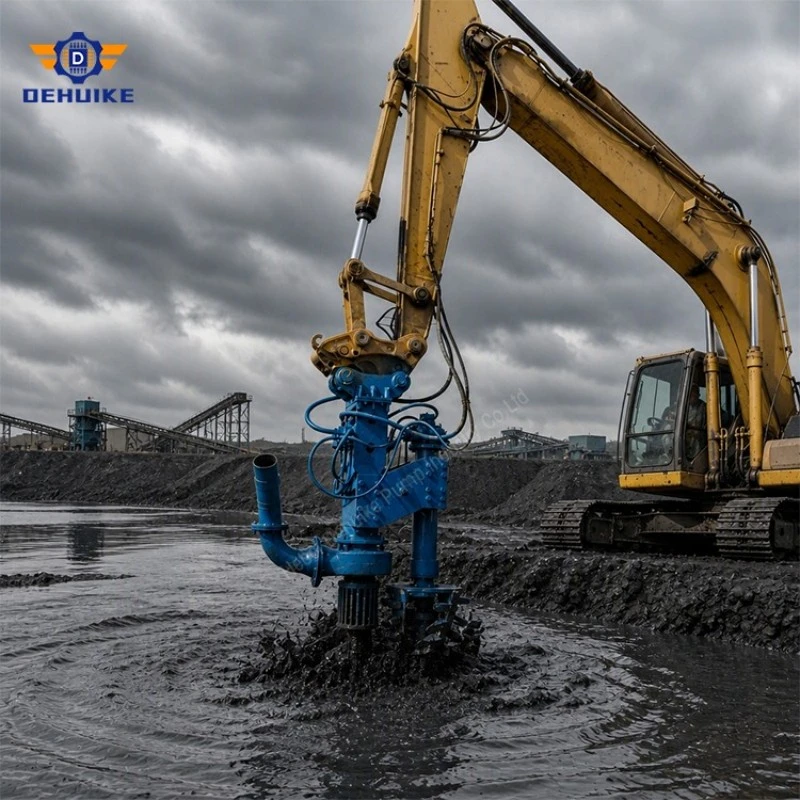
|
No. |
Model Code |
Outlet Caliber (mm) |
Mixture Flow (m³/h) |
Total Head (m) |
Speed (r/min) |
|
1 |
WJY50-20 |
80 |
50 |
20 |
1450 |
|
2 |
WJY80-20 |
80 |
80 |
20 |
1450 |
|
3 |
WJY120-18 |
100 |
120 |
18 |
1450 |
|
4 |
WJY150-25 |
100 |
150 |
25 |
1450 |
|
5 |
WJY200-40 |
100 |
200 |
40 |
1450 |
|
6 |
WJY260-28 |
150 |
260 |
28 |
1450 |
|
7 |
WJY300-20 |
150 |
300 |
20 |
1450 |
|
8 |
WJY300-25 |
150 |
300 |
25 |
1450 |
|
9 |
WJY350-25 |
150 |
350 |
25 |
1450 |
|
10 |
WJY400-20 |
200 |
400 |
20 |
1450 |
|
11 |
WJY450-25 |
200 |
450 |
25 |
1450 |
|
12 |
WJY450-30 |
200 |
450 |
30 |
1450 |
|
13 |
WJY500-40 |
200 |
500 |
40 |
1450 |
|
14 |
WJY600-20 |
250 |
600 |
20 |
1450 |
|
15 |
WJY600-30 |
250 |
600 |
30 |
1450 |
|
16 |
WJY700-20 |
250 |
700 |
20 |
1450 |
|
17 |
WJY700-25 |
250 |
700 |
25 |
1450 |
|
18 |
WJY800-22 |
300 |
800 |
22 |
1450 |
|
19 |
WJY1000-18 |
300 |
1000 |
18 |
1450 |
|
20 |
WJY1000-20 |
350 |
1000 |
20 |
1450 |
Analysis of Technical Tiers and Duty Classification:
Compact Localized Desilting Tier (WJY50-20 to WJY200-40): Featuring discharge calibers from 80 mm to 100 mm and flow rates between 50 and 200 m³/h, these compact units are ideally matched to small-to-midsize excavators (8 to 18 tons) or mobile crane boom hooks. They offer agile maneuverability in narrow drainage culverts, industrial factory sumps, bridge caisson excavations, and agricultural intake channels where physical clearance is severely restricted.
Medium-Range Channel & Basin Desilting Tier (WJY260-28 to WJY400-20): Operating through 150 mm to 200 mm discharge ports with volumetric capacities ranging from 260 to 400 m³/h, this category represents the primary workhorse for civil contractors. Compatible with 20 to 30 ton excavators and mid-sized dredging pontoons, these units provide balanced hydraulic head (20 m to 28 m) capable of driving slurry through discharge piping networks spanning several hundred meters.
Extended Head Industrial Transfer Tier (WJY450-30 and WJY500-40): Designed specifically for projects requiring substantial elevation lift or prolonged overland transport across complex site terrain. With total dynamic heads of 30 m and 40 m respectively at flow rates of 450 to 500 m³/h, these units deliver the kinetic energy required to overcome heavy pipeline friction losses and maintain critical slurry suspension.
High-Throughput Reclamation & Harbor Tier (WJY600-20 to WJY1000-20): Engineered for large-scale capital dredging, commercial harbor basin maintenance, land reclamation dikes, and mining tailings recovery. Utilizing massive 250 mm to 350 mm discharge calibers, these high-volume pumps move up to 1000 m³/h of slurry mixture, delivering maximum solids throughput when powered by heavy hydraulic crawler excavators or dedicated floating hydraulic power stations.
Hydraulic Drive Sizing and Rotational Speed Regulation: The rated rotational speed across the entire WJY series is standardized at 1450 r/min. Operating speed is directly governed by hydraulic oil input volume (L/min) supplied to the onboard axial piston motor, calculated according to the motor's displacement volume per revolution. Concurrently, hydraulic circuit operating pressure (typically ranging between 18 and 28 MPa) determines the instantaneous shaft torque delivered to the impeller. When pumping high-viscosity silt or high-density mineral slurry, the hydraulic pressure rises proportionally to sustain shaft torque, preventing rotational stalling and maintaining steady slurry velocity above the critical settling threshold.
Product Details: Wet-End Architecture, High-Chrome Metallurgy & Mechanical Agitation
A heavy-duty Hydraulic Dredging Slurry Pump must maintain structural integrity and hydraulic efficiency under severe conditions involving severe fluid turbulence, heavy mechanical shock loads, and continuous particle abrasion. The Dehuike WJY series incorporates specialized mechanical and metallurgical engineering across every wet-end and drive-train component to guarantee reliable operation in challenging submerged environments.
Wet-End Hydraulic Geometry and Casing Design: The volute casing of the WJY series is cast with extra wall thickness, particularly around the volute cutwater tongue where localized slurry velocity and particle impingement reach peak intensity. The internal fluid pathways feature generous radial clearances and streamlined contours that minimize recirculating eddy currents. High-velocity eddies accelerate localized gouging wear; by smoothing hydraulic transitions between the impeller vane tips and the volute collector channel, kinetic wear is distributed uniformly across wear liners rather than concentrating in localized failure pockets. Both semi-open and enclosed heavy-duty slurry impellers are precision-cast with broad passage widths, permitting the unhindered transit of gravel, compacted clay nodules, and coarse mineral fragments without clogging.
High-Chromium White Cast Iron Metallurgy (A05 / Cr27): All primary wet-end components-including the volute casing, suction plate, wear plates, impeller, and mechanical agitator-are cast from proprietary high-chromium white cast iron (equivalent to ASTM A532 Class III Type A, nominal 27% Cr). This alloy undergoes rigorous electric induction furnace melting and multi-stage heat treatment to produce a microstructure consisting of extremely hard, discontinuous eutectic chromium carbides (M7C3) uniformly embedded in a tough, fully transformed martensitic matrix. With a surface and cross-sectional hardness of HRC 58 to 62, this metallurgical structure provides outstanding micro-cutting resistance against sharp silica sand particles. For coastal marine dredging or acidic industrial effluents, optional metallurgy including duplex stainless steels (such as 2205 or CD4MCu) is available to resist combined chemical corrosion and slurry erosion.
Heavy-Duty Submerged Tandem Mechanical Sealing System: Isolating the hydraulic motor and drive shaft bearings from high-pressure submerged slurry is achieved through a multi-stage seal isolation chamber. The system utilizes heavy-duty tandem mechanical seals running in an environmentally safe, non-toxic oil barrier reservoir. Seal faces are manufactured from precision-lapped silicon carbide (SiC) and tungsten carbide (TC), providing exceptional compressive strength, thermal conductivity, and resistance to micro-abrasive scoring. An internal hydrostatic pressure compensation diaphragm balances the pressure between the barrier oil chamber and external water depth. This prevents positive external differential pressure from forcing abrasive fines between the seal faces, ensuring dependable sealing reliability even when operating submerged at depths exceeding 25 meters.
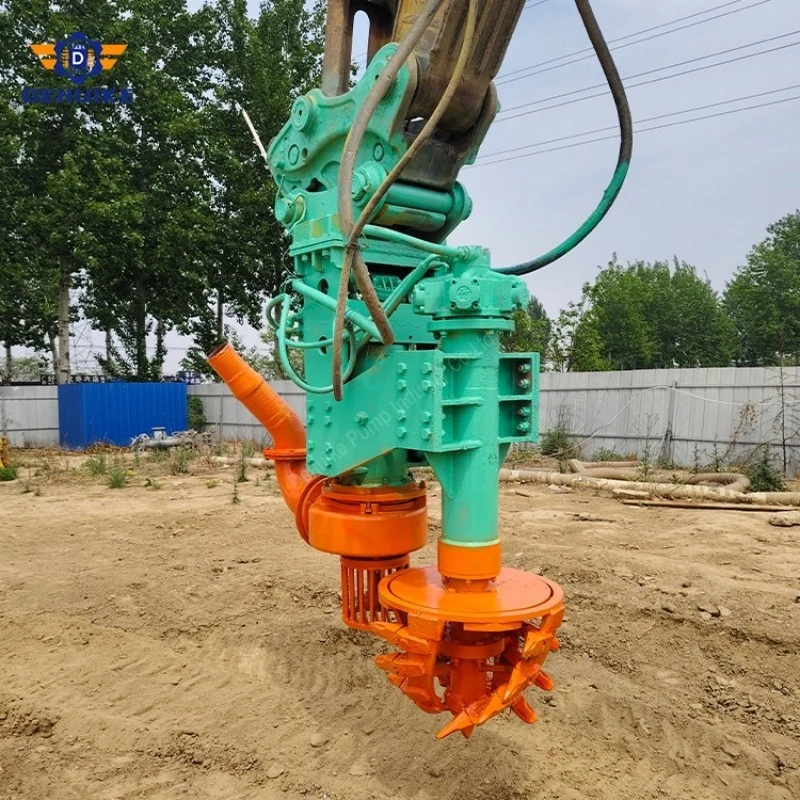
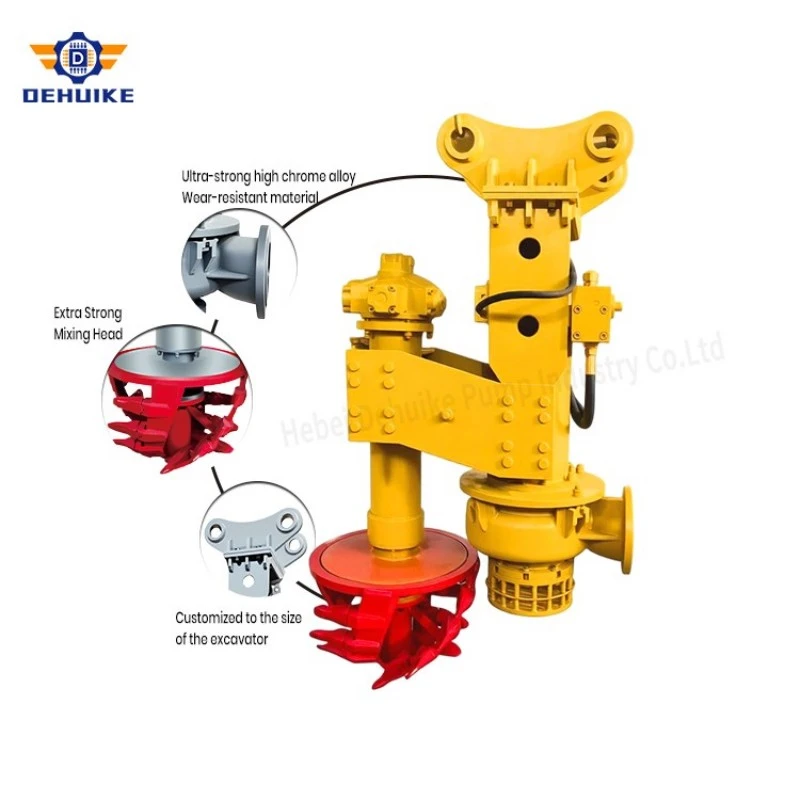
Direct-Drive Mechanical Agitator and Auxiliary Cutter Integration: Unlike clean water pumps that depend entirely on ambient liquid fluidity, a dredging pump must actively mobilize settled deposits. The WJY series features an integral bottom mechanical agitator mounted directly on the lower extension of the alloy drive shaft. Manufactured from high-chrome alloy, the agitator rotates synchronously with the impeller, utilizing aggressive reverse-pitch spiral blades to churn, break apart, and liquefy consolidated sediment banks into a dense, pumpable slurry immediately adjacent to the suction inlet eye. For compacted alluvial clay layers or tree-root bound soils, the pump casing incorporates reinforced structural mounting lugs for dual auxiliary hydraulic side cutters or high-pressure water jetting rings, transforming the pump into a comprehensive underwater excavating attachment.
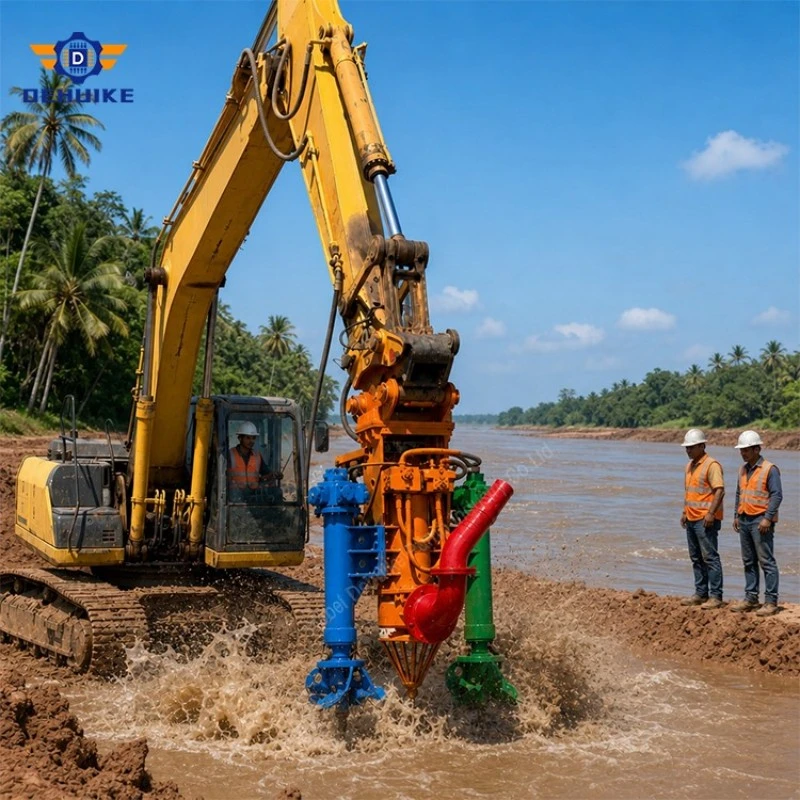
Application: Demanding Dredging Environments, Harbour Desilting, and Tailings Reclamation
The operational versatility and high power-to-weight ratio of the Hydraulic Dredging Slurry Pump make it an indispensable tool across marine engineering, resource extraction, municipal infrastructure, and industrial environmental remediation. By adapting seamlessly to diverse carrier configurations-including crawler excavators, floating dredging barges, pontoon cranes, and fixed gantry hoists-the WJY series operates reliably across demanding deployment scenarios:
Commercial Port, Marina, and Navigational Channel Desilting: Tidal currents and river discharge continuously deposit fine silt, marine mud, and sand bars within commercial shipping berths, vessel approach channels, and dry docks. Fixed electrical infrastructure is rarely available across long jetty structures, and traditional cutter suction dredge vessels are often too bulky to navigate crowded marinas. Mounted directly to long-reach excavator arms positioned on quays or spud barges, the WJY pump operates close to sheet pile walls and under mooring piers, rapidly removing accumulated silt to restore certified navigational draft depths without disrupting maritime traffic.
River Training, Canal Maintenance, and Flood Basin Restoration: Accumulated sedimentation severely restricts the discharge capacity of floodways, agricultural irrigation canals, and reservoir intake structures during seasonal monsoons. Deploying a hydraulic dredging pump powered by amphibious excavators allows contractors to navigate marshlands and shallow riverbanks, liquefying consolidated sandbars and pumping abrasive slurry through floating HDPE pipelines to designated containment diking areas several hundred meters away.
Mining Tailings Recovery and Mineral Sand Extraction: In mining and mineral processing operations, tailings storage facilities (TSF) accumulate millions of tons of settled tailings containing recoverable minerals or requiring decommissioning transfer. In alluvial mining operations for gold, tin, and heavy mineral sands (zircon, rutile, ilmenite), the WJY hydraulic dredging unit operates continuously in slurry wash ponds, extracting high-density sediment feeds (up to 55% solids by weight) and transferring them directly to spiral separation circuits or hydrocyclone batteries.
Coastal Land Reclamation and Marine Geotextile Tube Filling: Modern coastal protection, artificial island development, and beach replenishment projects rely heavily on underwater sand harvesting. Suspended from barge cranes, high-capacity models like the WJY700-25 and WJY1000-20 excavate offshore sand deposits and deliver slurry mixtures directly into porous geotextile dewatering tubes or coastal containment bunds, constructing stable maritime defense barriers with minimal auxiliary earthmoving equipment.
Industrial Settling Ponds, Coal Ash Basins, and Municipal Digester Cleanouts: Thermal power generating stations, integrated steel mills, and municipal wastewater treatment facilities frequently encounter thick, stratified sludge deposits. Industrial coal ash runoff ponds, blast furnace scale settlement pits, and municipal anaerobic sludge digesters require periodic desilting. Because the WJY series utilizes sealed hydraulic drive technology, it can safely pump abrasive fly ash slurry, metallic mill scale sediment, and thick biological sewage sludge without the explosion or electrical shock hazards associated with non-certified electric equipment.
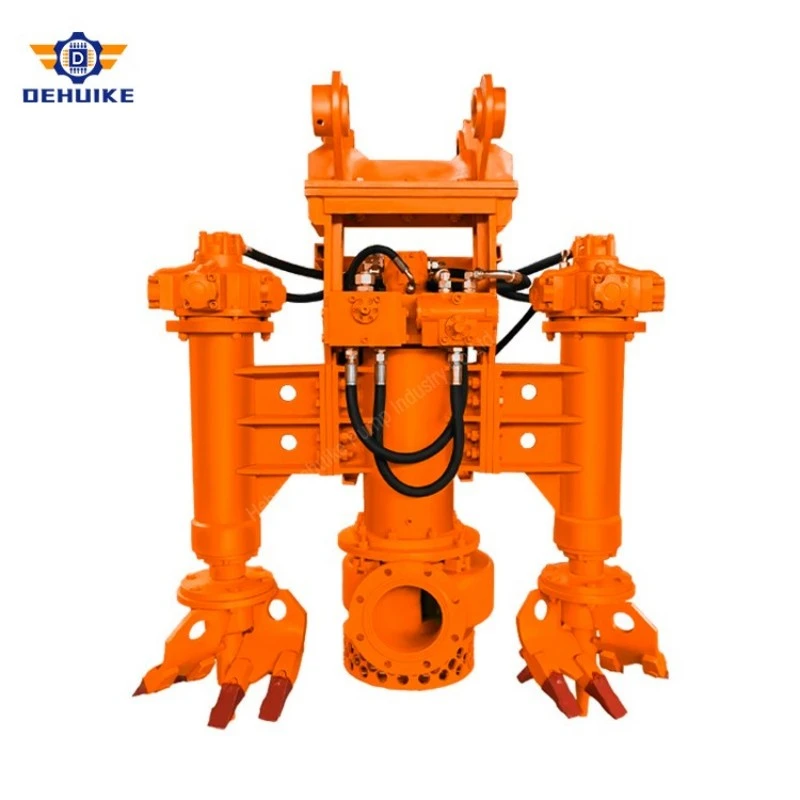
Hebei Dehuike Manufacturing Infrastructure, 30+ Years Precision Engineering & Industrial Strength
Hebei Dehuike Pump Industry Co., Ltd. is an established Chinese industrial slurry pump manufacturer with over 30 years of dedicated engineering and precision production experience. Since its founding, the company has focused on developing robust fluid machinery tailored for aggressive abrasive, corrosive, and high-solids operating environments. Combining in-house metallurgical casting with modern CNC machining and computerized testing, Dehuike offers global buyers a dependable, vertically integrated supply partner capable of supporting large-scale infrastructure, mining, and marine dredging initiatives.
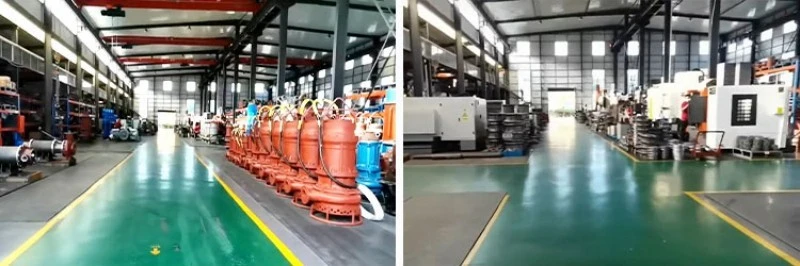
Manufacturing Scale and Integrated Supply Network: Dehuike operates a self-built, modern industrial manufacturing campus covering over 6,000 square meters (expanded to over 8,000 square meters across modern workshops and assembly facilities). The company's production ecosystem is integrated with more than 900 vetted, quality-audited upstream raw material, alloy casting, and industrial component suppliers. This expansive infrastructure ensures uninterrupted raw material supply, tight quality governance, and dependable delivery scheduling even during peak global manufacturing seasons.
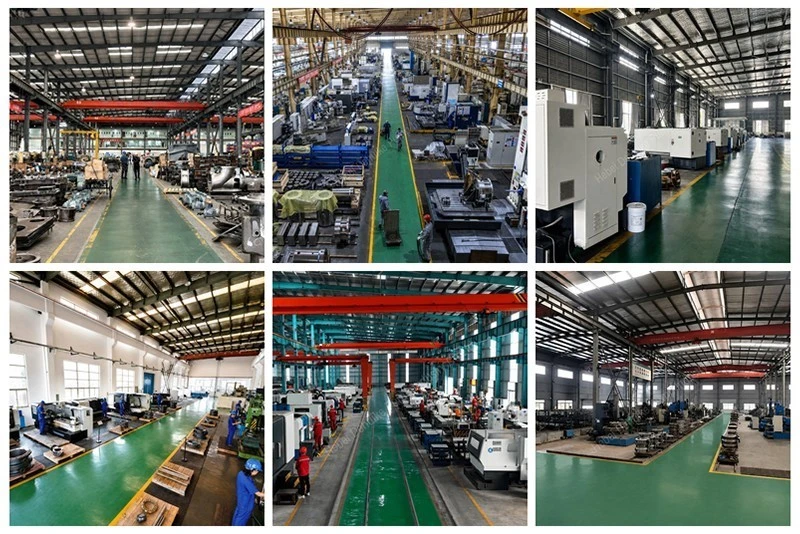
Advanced Heavy Production & Testing Machinery: Our manufacturing facility is equipped with comprehensive precision machine tools designed for large-scale pump fabrication. In-house assets include heavy CNC horizontal and vertical boring centers, heavy-duty CNC lathes, multi-axis milling machines, automated resin-bonded sand molding lines, and computer-controlled dynamic balancing rigs. Every high-inertia slurry impeller and agitator is dynamically balanced to ISO 1940 Grade G2.5 standards, eliminating radial vibration and safeguarding hydraulic motor bearings. Our closed-loop computerized testing station verifies real-time hydraulic flow, head, power consumption, and mechanical sealing integrity prior to dispatch.
International Quality Certification & Rigorous Compliance: Dehuike maintains strict adherence to internationally recognized quality and manufacturing standards. Our operations are fully certified under the ISO 9001 International Quality Management System. Furthermore, our complete industrial pump machinery complies with European CE Machinery Directives, Eurasian Customs Union EAC certification, and RoHS environmental standards. These accreditations provide global procurement teams, engineering contractors, and government authorities with verifiable compliance documentation for cross-border engineering projects.
Comprehensive 2-Year Commercial Warranty Coverage: Reflecting our confidence in mechanical design, metallurgical consistency, and manufacturing precision, Dehuike provides an industry-leading 2-year (24-month) warranty covering the complete pump machine (normal wear parts subject to severe slurry abrasion excluded). This commercial warranty is backed by responsive engineering support, clear warranty protocols, and prioritized spare parts provisioning, minimizing downtime risks for project operators.
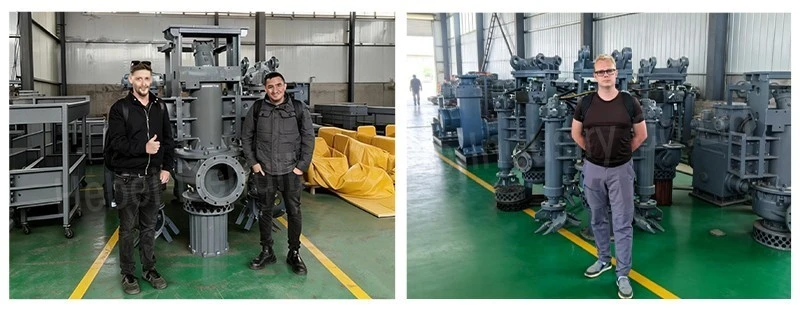
Global Export Track Record & Professional International Logistics: Dehuike's pumping products have been successfully exported to over 50 countries and regions worldwide, serving commercial dredging contractors, open-pit mining operations, and civil infrastructure authorities across Southeast Asia, Central Asia, the Middle East, Africa, Europe, and the Americas. International shipping is handled through secure, standardized trade procedures:
• Standardized International Trade Terms: We provide fully transparent, documented quotation models adhering to Incoterms 2020, offering FOB terms or CIF delivery to your named destination port worldwide, giving overseas buyers clear cost control without hidden logistics fees.
• Heavy Seaworthy Packaging: Every pump unit, hydraulic motor, and spare parts kit is packaged inside heavy-duty, moisture-sealed, fumigated solid wooden crates reinforced with steel corner framing and external banding, engineered to withstand long-distance maritime transit and rough port handling.
• Dual Logistics Architecture: For major equipment and batch orders exceeding 500 kg, containerized ocean freight (FCL and LCL) delivers cost-effective project transport. For urgent operational spare parts and critical hydraulic replacement assemblies weighing between 50 kg and 500 kg, express air cargo arrangements guarantee rapid worldwide jobsite delivery.
.
Production Process: Advanced Foundry Metallurgy, Heat Treatment & Precision CNC Machining
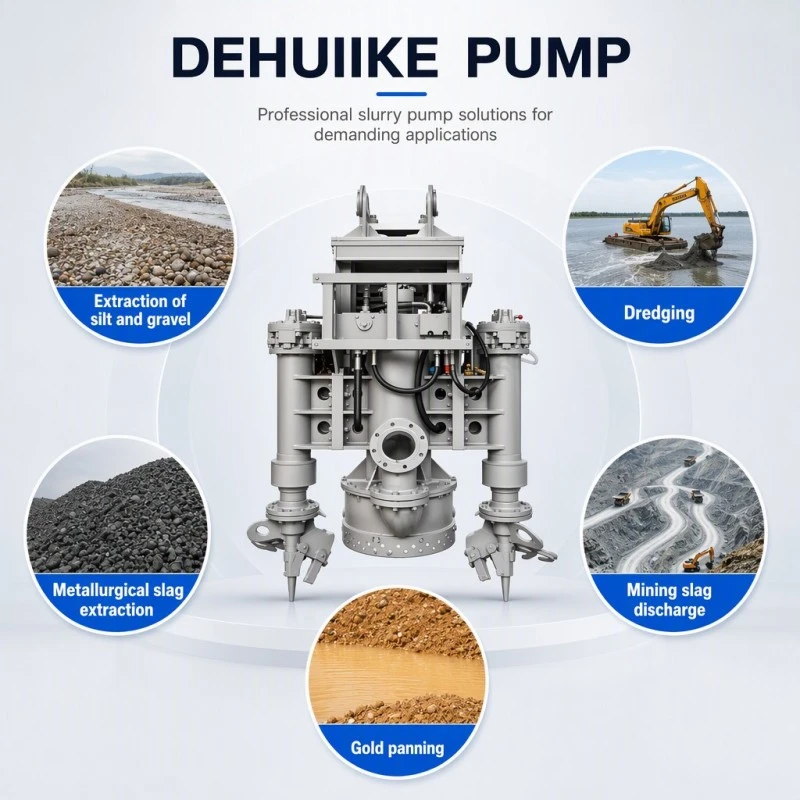
Manufacturing high-performance dredging equipment capable of surviving extreme slurry impact requires rigorous process control from initial computer-aided design through final machine assembly. At Dehuike, every Hydraulic Dredging Slurry Pump follows a strictly controlled, multi-stage production sequence engineered to achieve dimensional precision, metallurgical density, and mechanical reliability.
Computational Hydraulic Modeling & Solidification Simulation: Component engineering begins with 3D hydraulic modeling and Computational Fluid Dynamics (CFD) analysis to optimize vane curvature, passage width, and volute expansion angles. Before pattern manufacturing, computer-aided casting solidification simulation software evaluates thermal gradients, mold filling turbulence, and shrinkage hot spots. This predictive modeling optimizes riser and chill placement, ensuring that heavy high-chrome castings achieve uniform volumetric density free from internal microporosity.
Precision Resin-Sand Molding & Electric Induction Melting: Foundry molds are prepared using chemically bonded resin sand, which provides exceptional dimensional stability, high refractory resistance, and smooth casting surface finishes. High-purity scrap steel, low-carbon ferrochrome, and alloying elements (molybdenum, manganese, nickel) are melted in medium-frequency electric induction furnaces. Prior to pouring, melt chemistry is verified using an optical emission spectrometer (OES), confirming that carbon, chromium (27% nominal), and silicon ratios fall strictly within proprietary metallurgical limits.
Multi-Stage High-Temperature Heat Treatment: As-cast high-chromium white iron contains residual austenite, which is brittle and susceptible to premature fracture. Castings undergo a controlled multi-stage thermal cycle in digital heat treatment furnaces: high-temperature destabilization annealing at 980°C to 1050°C, followed by forced-air quenching to transform the austenitic matrix into high-hardness martensite with densely precipitated secondary chromium carbides. A subsequent secondary low-temperature tempering cycle (250°C to 300°C) relieves internal casting stresses while stabilizing bulk hardness at HRC 58 to 62.
Precision CNC Machining and Mechanical Tolerancing: Because high-chrome alloy cannot be machined with standard tooling, Dehuike employs heavy-duty CNC boring centers and vertical lathes equipped with cubic boron nitride (CBN) and ceramic tooling. Critical locating spigots, mechanical seal cavities, shaft mating surfaces, and bearing bracket housings are machined in single-setup clamping operations. This eliminates cumulative tolerance errors and guarantees concentricity within 0.02 mm, preventing shaft deflection, seal leakage, and uneven bearing loading during high-torque operation.
Dynamic Balancing, Hydraulic Motor Integration & Assembly: Individual impellers and bottom agitator heads undergo computerized dynamic balancing on dual-plane horizontal balancing benches, correcting unbalance through precise material grinding. In clean assembly bays, technicians assemble the drive shaft, precision spherical roller bearings, tandem mechanical seals, and hydraulic axial piston motors using calibrated torque wrenches. Every mechanical seal oil chamber undergoes a nitrogen pressure decay test to ensure zero seal face leakage prior to final protective coating and seaworthy packaging.
Quality Assurance: Rigorous Testing Protocols, Non-Destructive Inspection & Testing Standards
At Hebei Dehuike Pump Industry Co., Ltd., quality assurance is not merely an inspection checkpoint at the end of the line-it is an integrated quality engineering framework embedded into every manufacturing phase. Because dredging machinery operates in isolated submerged locations where field repairs are exceptionally costly, our quality verification protocols guarantee that every Hydraulic Dredging Slurry Pump delivered to an international jobsite conforms strictly to certified specifications.
Raw Material & Spectrometric Metallurgical Verification: Every batch of alloy casting is accompanied by certified material test reports (MTR). Optical emission spectrometry logs exact chemical composition for every melt heat. Microstructural analysis is conducted under optical metallographic microscopes to verify uniform carbide dispersion and martensitic matrix conversion, ensuring the finished components meet abrasive wear standards.
Non-Destructive Testing (NDT) Protocol: Critical structural and pressure-containing components undergo thorough non-destructive evaluation. Ultrasonic testing (UT) is conducted on all forged alloy drive shafts to detect internal fissures, inclusions, or voids. Magnetic particle inspection (MPI) and liquid penetrant testing (PT) are performed across high-stress zones-including impeller vane fillet radii, volute cutwater transitions, and motor mounting flanges-to verify the total absence of surface micro-cracks.
Hydrostatic Casing Pressure Testing: Every pump volute casing, suction plate, and discharge connection assembly is mounted to a hydraulic pressure testing rig and subjected to hydrostatic pressure testing at 1.5 times the maximum rated shut-off head for a minimum dwell time of 30 minutes. The assembly must exhibit zero structural deformation, weeping, or pressure drop, ensuring robust pressure containment under hydraulic water hammer or pipeline surge conditions.
Closed-Loop Hydraulic Performance Testing (ISO 9906 Grade 2B): Completed pump units undergo performance verification on our computerized closed-loop hydraulic test bench. Electromagnetic flowmeters, digital pressure transmitters, and vibration sensors capture real-time performance parameters across the entire operating curve. Total dynamic head, volumetric mixture flow rate, shaft power draw, and mechanical efficiency are recorded and compared against engineering tolerances conforming to ISO 9906 Grade 2B standards. Certified factory acceptance test (FAT) reports are supplied with commercial shipping documents.
Structured After-Sales Technical Diagnosis and Warranty Policy: All Dehuike pumps are backed by our standardized 2-year (24-month) warranty covering manufacturing defects and structural failures of non-wear components. Our engineering support desk maintains a 24-hour initial response policy for operational troubleshooting. In the event of an operational anomaly, clients provide operating logs, slurry parameters, and equipment photos, and our technical group rapidly conducts diagnostic assessments, coordinating corrective engineering guidance or rapid dispatch of replacement components via air cargo.
Our Service | Prepare a Dredging Duty Brief
A complete duty brief allows the supplier to review the WJY data against the actual dredging task.
Sediment profile: material type, particle range, solids percentage, density if known and water condition.
Dredging route: pickup method, water depth, suction condition, discharge distance, lift and receiving point.
Hydraulic supply: available oil flow, pressure, carrier equipment or power-pack details.
Configuration request: wet-end materials, seals, hose, frame, pickup equipment, controls and cleaning arrangement.
Commercial request: pump scope, motor scope, spares, documents, inspection, packing and delivery requirements.
This package helps separate the published specifications values from the equipment details required for a complete dredging offer.
Installation, Maintenance and Precautions | Plan for Sediment Settling and Line Cleaning
Before operation, check the hydraulic connection, pickup arrangement, discharge line, supports, valve condition and flushing plan. If solids settle in the pipe during downtime, agree the cleaning and restart sequence before work begins.
During use, observe delivery, vibration, leakage, hose condition, hydraulic temperature, abnormal sound and sediment accumulation. A change in water level, material concentration or particle mix can alter the operating condition.
Maintenance planning should identify inspection points, replacement parts, cleaning responsibilities and hydraulic isolation steps. Do not allow dry operation, blocked discharge, reverse flow, oversized solids, unapproved chemical exposure or unconfirmed temperature conditions without supplier authorization.
FAQ: Frequently Asked Technical and Operational Questions for Dredging Contractors
To assist project engineers, equipment managers, and procurement specialists during preliminary project design and equipment evaluation, our engineering department has compiled answers to frequently asked technical and commercial questions regarding the WJY Hydraulic Dredging Slurry Pump series:
Q1. How do I correctly match the hydraulic motor of a Hydraulic Dredging Slurry Pump to my existing excavator auxiliary circuit?
Matching requires verifying two critical parameters: auxiliary hydraulic flow rate (L/min) and maximum relief pressure (bar or MPa). The hydraulic flow rate determines motor rotational speed (rated at 1450 r/min for the WJY series); our engineering team provides motor displacement options sized to your excavator's auxiliary oil delivery. Simultaneously, your excavator's auxiliary circuit relief valve must be set to deliver sufficient operating pressure (typically 180 to 250 bar) to produce the shaft torque required for high-density slurry. Crucially, the hydraulic motor requires an unrestricted case drain line connected directly back to the carrier's hydraulic oil tank with zero backpressure (maximum allowable backpressure < 1.5 bar) to protect motor internal shaft seals from over-pressurization.
Q2. What is the primary operational difference between a Hydraulic Dredging Slurry Pump and a standard electric submersible pump?
The primary differences lie in safety, torque adaptability, and weight efficiency. Electric submersible pumps require high-voltage cables and submerged motor stators, creating severe electrical hazard risks in marine environments and susceptibility to winding failure under abrasive seal ingress. Furthermore, an electric motor trips its circuit breaker or overheats when encountering sudden solids blockages. A hydraulic slurry pump is driven by safe hydraulic fluid lines, offers variable speed regulation from zero to maximum RPM, delivers full starting torque from a dead stop, and safely tolerates sudden impeller stalls via hydraulic system relief valves without equipment damage.
Q3. How do slurry specific gravity and solids concentration affect total dynamic head and drive power calculations?
The technical parameter table lists head and flow based on standard water testing. When pumping mineral slurry or sand-water mixtures with specific gravity Sm > 1.0, two core adjustments must be made: First, friction head losses in the discharge pipe increase due to solid-liquid slip and solids settling friction, requiring a head derating factor (typically Hm / Hw = 0.85 to 0.95 depending on particle sizing). Second, shaft power demand increases in direct proportion to slurry specific gravity (P_slurry = P_water × Sm). Therefore, carrier hydraulic pressure must be sufficient to supply the increased shaft torque demanded by dense mixtures.
Q4. What is the maximum solid particle size that the WJY series can safely pass without clogging?
Spherical solids clearance depends directly on the pump model and discharge caliber. For smaller models such as the WJY50-20 (80 mm discharge), spherical clearance is approximately 25 mm. For mid-range models like the WJY260-28 and WJY450-30 (150 mm to 200 mm discharge), spherical particle clearance ranges between 40 mm and 60 mm. On our largest dredging pumps-such as the WJY1000-20 (350 mm discharge)-the impeller passages allow solids up to 85 mm to pass freely. Additionally, the bottom mechanical agitator crushes agglomerated clay clusters and breaks oversized sediment into manageable fragments before entering the suction eye.
Q5. What routine maintenance practices are recommended to achieve maximum wet-end component service life?
Key field maintenance practices include: (1) Periodic inspection of the mechanical seal barrier oil chamber-monitoring oil clarity through the inspection plug to ensure zero water contamination; (2) Maintaining correct axial clearance between the impeller front shroud and the suction wear liner (recommended clearance 0.5 to 1.0 mm)-utilizing external adjustment studs to advance the throatbush as wear occurs, which restores volumetric efficiency; (3) Flushing the pump wet-end with clean water for 3 to 5 minutes prior to long shutdowns to prevent settled sand from cementing the impeller in place.
Q6. What commercial trade terms, packaging methods, and global transport arrangements are provided by Dehuike?
Complete pump units and heavy drive assemblies are securely packaged in export-grade, fumigated solid wooden crates reinforced with steel banding, with moisture-proof plastic inner wrapping and desiccant packs. Shipments exceeding 500 kg are transported via containerized sea freight (FCL/LCL). Emergency replacement parts and specialized components weighing 50 to 500 kg can be dispatched via air cargo.

Hot Tags: hydraulic dredging slurry pump, China hydraulic dredging slurry pump manufacturers, suppliers, factory