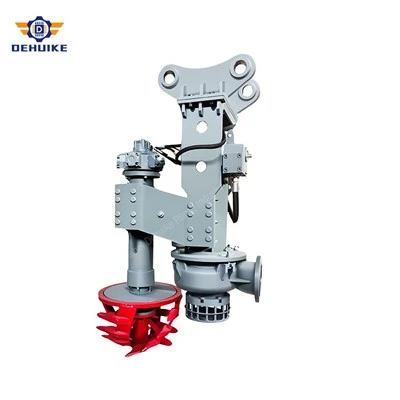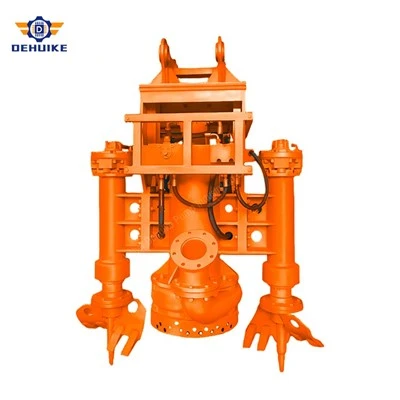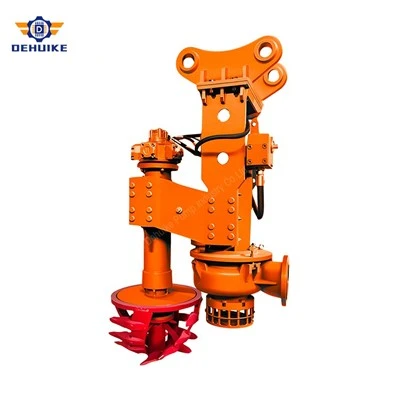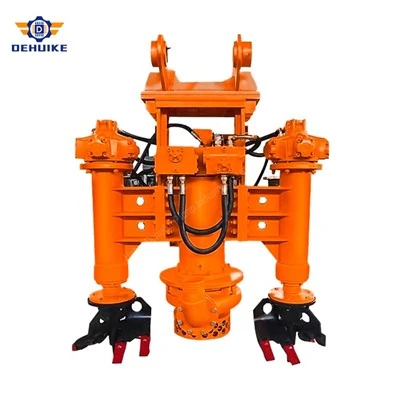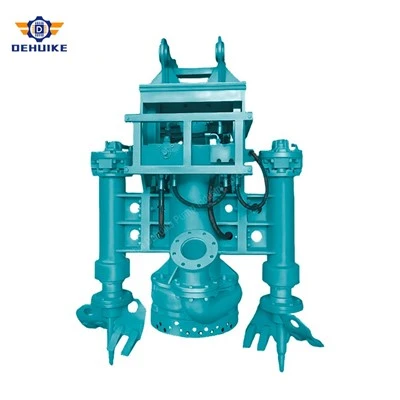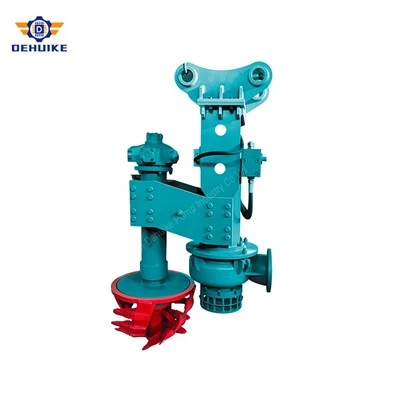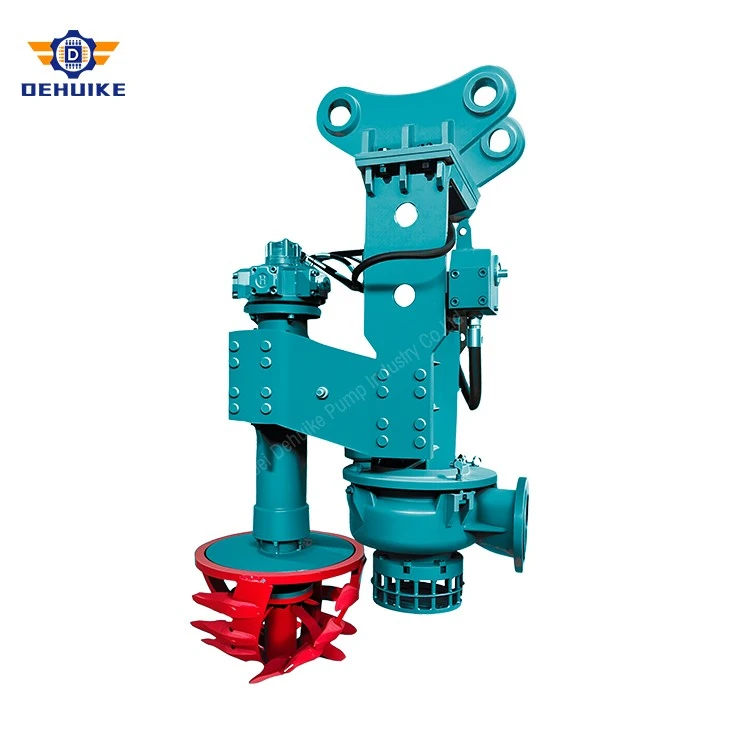
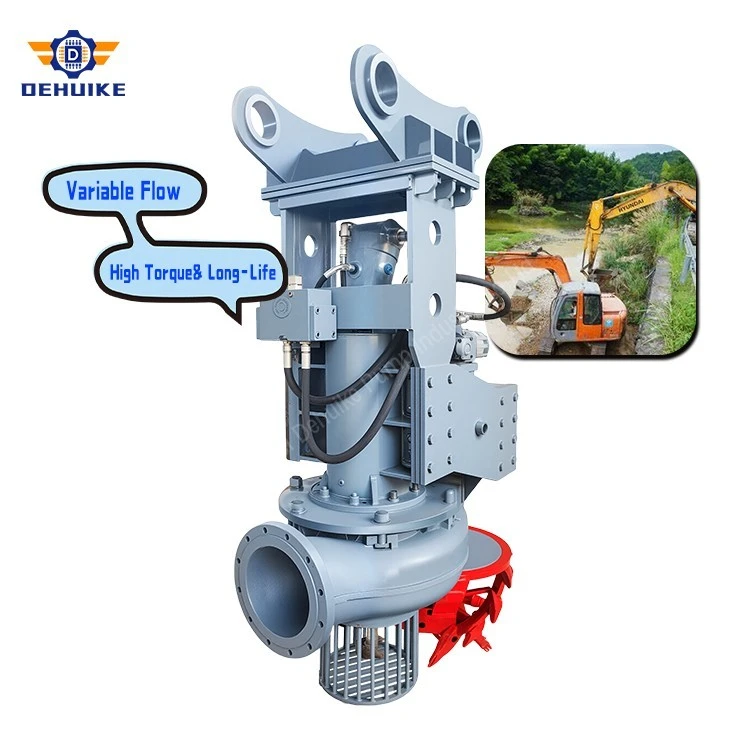
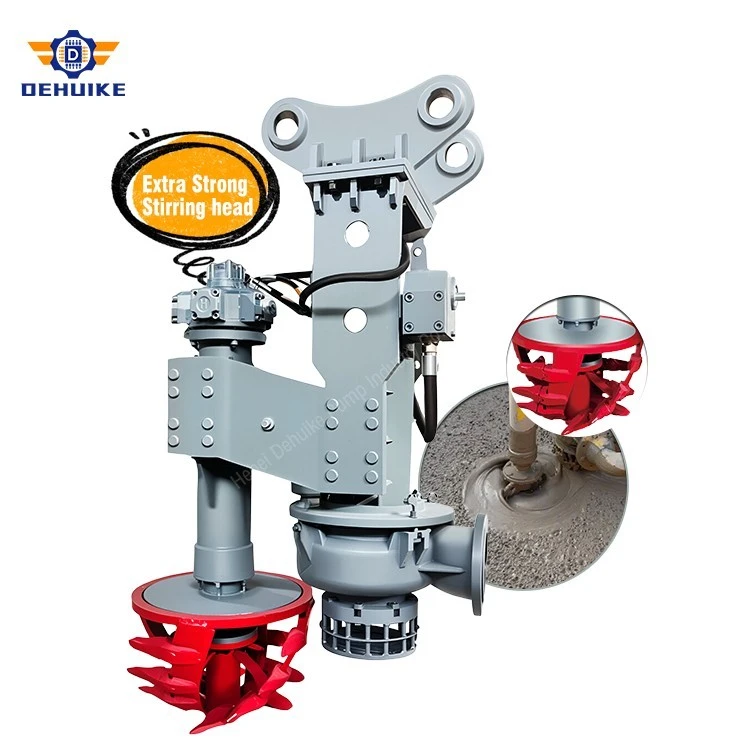
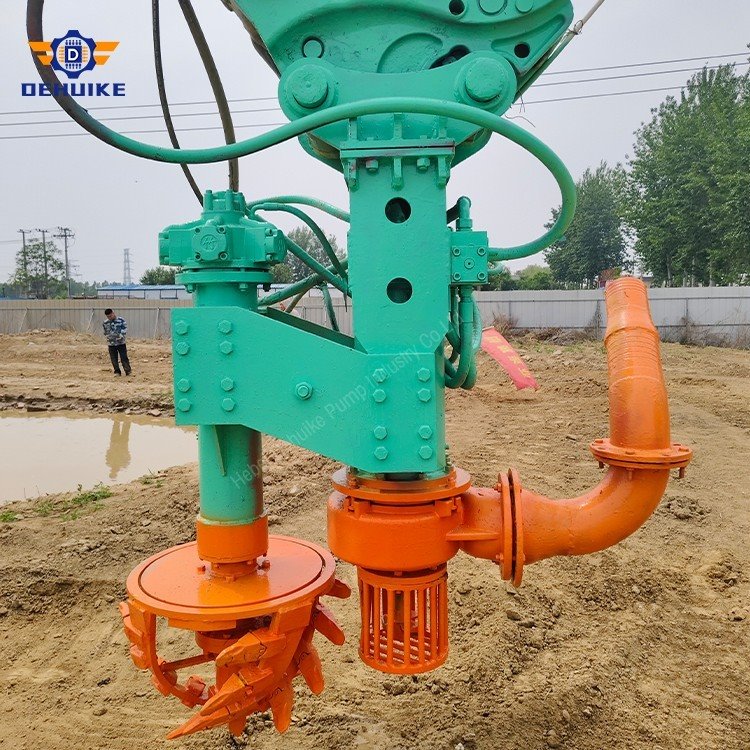
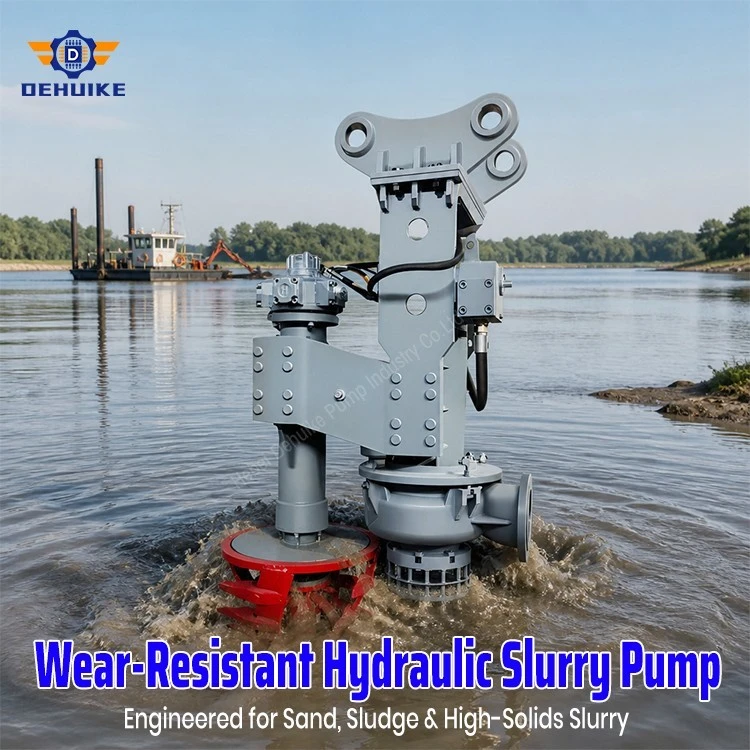
Hebei Dehuike Pump Industry Co., Ltd. is one of the most reliable manufacturers and suppliers of hydraulic slurry pump for quarrying in China. With abundant experience, we are committed to providing high quality customized pumps with competitive price. Welcome to wholesale bulk hydraulic slurry pump for quarrying for sale here from our factory. Also, pricelist is available.
Introduction | Put Quarry Solids Before the Model Name
A Hydraulic Slurry Pump for Quarrying belongs in the part of the plant where water starts carrying abrasive mineral fines. The first selection discussion should therefore begin with the quarry process point: screen washing, crusher-area cleanup, sand-classifier overflow, pond return, or a pit sump collecting runoff and fine aggregate.
A quarry-duty quotation needs more than a table. State the stone type if known, the amount of fines in the water, the route to the settling area, and the hydraulic power already available on site. With those facts, the supplier can check whether a listed WJY reference is a serious candidate rather than a capacity number copied into a request.
Hydraulic Slurry Pump for Quarrying Specifications / Technical Parameters / Technical Data
The following matrix uses every WJY row visible in the supplied Technical Parameters sheet. The layout is arranged by quarry review questions instead of copying the previous dredging table order: first the model, then the pump-duty pair, then the interface and speed entries.
*Outlet entry is listed in the source column named "Outlet caliber." No unit is supplied, so it is not treated as DN, millimetres, inches, flange drilling or hose size.
The speed entry is identical across the visible sheet, but that does not prove a speed-adjustable package. Ask for the motor data and approved hydraulic circuit before connecting to a carrier, power pack, or existing quarry
hydraulic .

Product Details | Connect Quarry Solids to Pump Selection
A Hydraulic Slurry Pump for Quarrying works in a duty where solids are often sharp, variable and mixed with wash water. The hydraulic drive supplies rotation, while the wet end handles the quarry slurry. Both sides must be reviewed separately: pump flow is not hydraulic oil flow, and quarry-site head is not identical to the table's pump-head entry.
Quarry materials vary widely. Fine silt from washing, crushed stone fines, sand-rich slurry and sediment from settling ponds create different wear and pipeline risks. General pump guidance notes that solids and viscosity can affect performance and wear; slurry may also settle in piping if the system is not properly matched.
The listed technical data does not confirm an agitator, cutter, screen, suction strainer, skid, float, excavator bracket or quarry plant integration package. If the quarry installation needs any of these, request a separate technical proposal and drawing. Treat the WJY sheet as a model and performance-entry list, not a complete quarry slurry handling system.
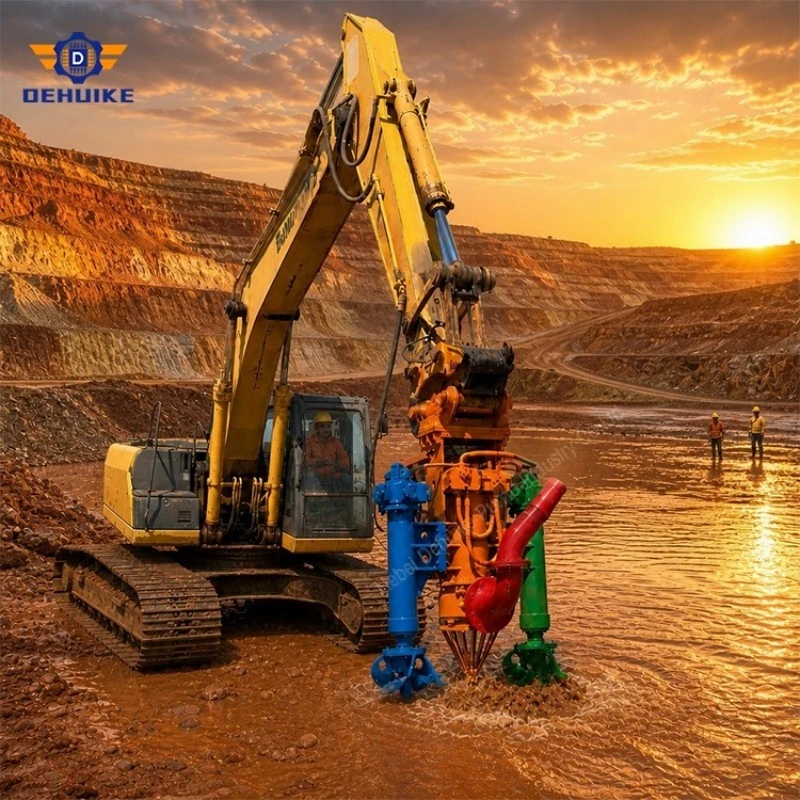
Features / Equipment Characteristics | Evaluate the Range for Quarry Conditions
The complete WJY list gives quarry buyers a wide starting range for small wash-water sumps, mid-volume fines transfer and higher-capacity slurry movement. The useful point is not a single largest number, but the relationship between flow, head and site restrictions.
Complete model visibility: all 20 records are displayed, allowing engineering and purchasing teams to review the visible source range without hidden omissions.
Multiple flow bands: the sheet moves from 50 m3/h to 1000 m3/h, giving options for smaller maintenance sumps and larger quarry-water handling duties.
Same flow, different head choices: WJY300-20 versus WJY300-25, WJY450-25 versus WJY450-30, and WJY600-20 versus WJY600-30 show why a quarry proposal must check both capacity and system resistance.
High-head references: WJY200-40 and WJY500-40 both list 40 m head, but with different capacities. They are not interchangeable without curve and installation review.
Connection caution: outlet entries remain visible, but their unit is not confirmed. This prevents premature hose or flange selection.
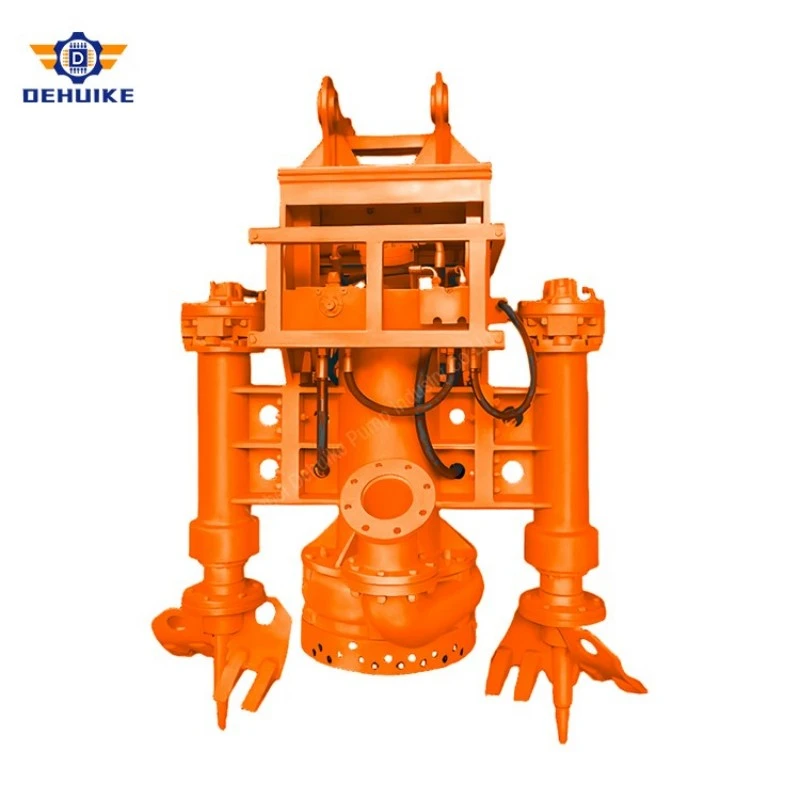
Our Advantages | Quarry-Focused Selection Discipline
For quarrying, the advantage is a clear technical boundary. The page gives the full parameter set, explains what the data can support, and states which quarry-duty facts are still required. That helps avoid a common purchasing mistake: choosing a slurry pump by capacity while leaving abrasive wear, settlement and hydraulic compatibility unresolved.
No claim is made that every WJY model has a special quarry alloy, long-life liner, built-in agitator, dry-run tolerance or certified mine/quarry approval. Such claims require supplier documentation.
Production Process and Quality Assurance | Define Quarry-Duty Evidence Before Build
Duty confirmation: define quarry material, target flow, required head, discharge route, solids behavior and available hydraulic power. Include whether the pump will be used in a sump, wash plant, settling pond, mobile unit or fixed transfer system.
Design confirmation: approve the selected model, wetted construction, motor interface, connection drawing and supply boundary. The Excel table alone does not identify material grade, seal arrangement or accessory scope.
Manufacturing preparation: request material and component records appropriate to the agreed design. Casting, machining, coating or other process records should be tied to the actual ordered construction, not assumed from the product category.
Assembly inspection: specify dimensional checks, model identification, connection verification and component traceability. Any substitution affecting wet-end construction or hydraulic drive should require approval.
Quality Assurance: agree the test method, test medium, measurements, tolerances, inspection documents and release criteria. A catalogue table is not a factory test report. Certification, warranty and destination-specific compliance must be confirmed in the contract.
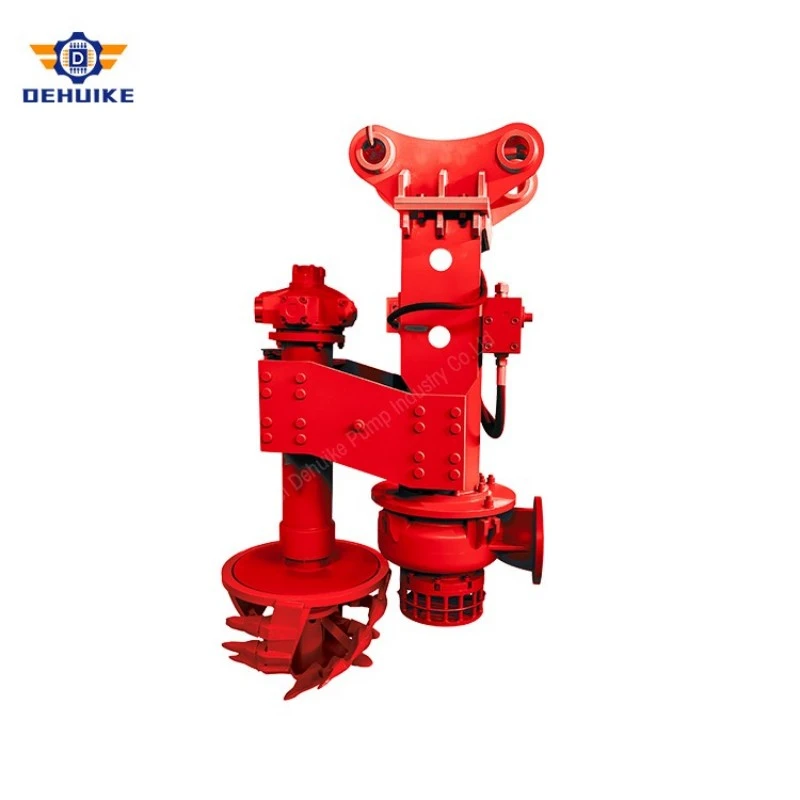
Application | Quarrying Scenarios for Engineering Review
A quarry system often changes over time as sediment accumulates or water level shifts. The selected pump must be checked against the worst expected operating condition, not only the cleanest water condition. Ask for the manufacturer's assessment when abrasive particles, variable solids or long discharge runs are involved.
|
Quarrying scenario |
How the full table helps |
What still needs confirmation |
|
Wash plant fines transfer |
Compare low and mid-range capacities from 50 to 350 m3/h |
Fines concentration, pipe route, settlement risk and hydraulic supply. |
|
Quarry sump with sand and stone fines |
Review head choices at moderate capacity |
Solids size, suction arrangement, access and wear material. |
|
Sediment pond cleaning |
Compare higher-flow references from 400 to 800 m3/h |
Material pickup method, discharge distance and maintenance plan. |
|
Large process-water slurry movement |
Use 1000 m3/h entries as high-flow references |
Whether 18 m or 20 m head suits the system and whether power is available. |
Experience and Markets | Request Quarry-Relevant Proof
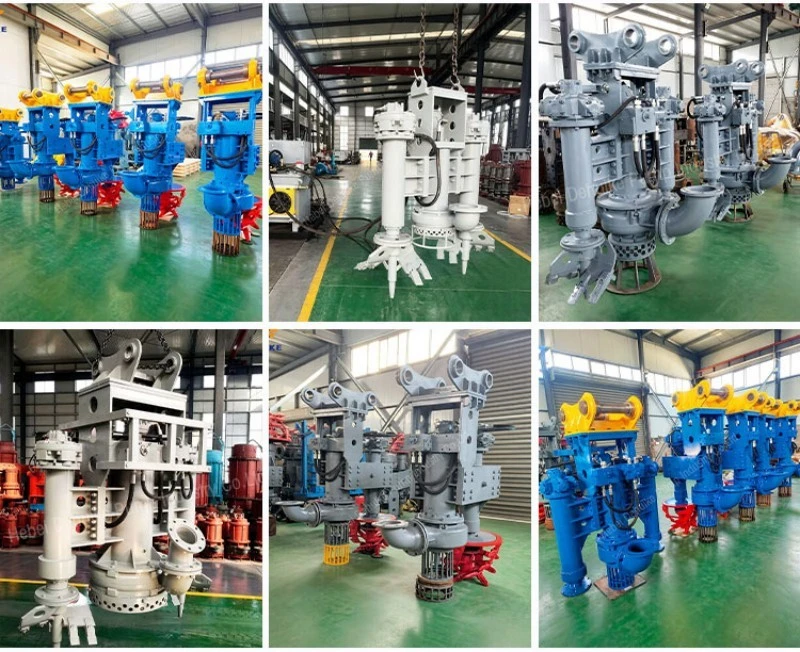
Experience should be relevant to quarrying, not just to slurry in general. A useful reference explains the material moved, the operating arrangement, the model supplied, inspection records and actual conditions. A photo or broad export statement does not prove wear life, production rate or hydraulic compatibility.
The provided parameter sheet does not include customer cases, quarry site names, export destinations, operating hours or market coverage. Those facts are therefore not stated as supplier evidence. Buyers can request case records for sand washing, aggregate fines transfer, settling pond cleaning or sump slurry transfer if those are important for approval.
For distributors, EPC buyers and quarry operators, documentation can be as important as the pump itself. Confirm the language of manuals, spare-parts identification, inspection documents, packaging, warranty handling and service communication before shipment.
Our Service | Prepare a Quarry Pump Inquiry That Can Be Quoted
A quarrying quotation becomes more reliable when the application is described clearly. The following service items can be requested from the supplier and must be confirmed commercially.
Duty review: provide slurry source, required flow, required head, pipe route, water level and material description for model assessment.
Hydraulic-drive review: submit available hydraulic flow and pressure data, power-unit details or carrier-machine information. Do not use pumped-flow values as hydraulic requirements.
Connection review: request outlet drawings and installation interface information before selecting hoses, flanges or reducers.
Documentation package: specify manuals, drawings, inspection records, parts list and any language requirements for quarry operators.
Wear-part and support discussion: agree how replacement parts are identified and what support is available after delivery.
State whether the order requires only the pump or a larger quarry slurry handling package. Hydraulic motor, power unit, hoses, mounting frame, control equipment and site accessories should be itemized rather than assumed.
Installation, Maintenance and Precautions | Protect the Quarry Slurry System
Before installation, confirm connection dimensions, mounting, hydraulic supply, discharge route and expected solids. If the pump works in a pond, sump, mobile quarry unit or fixed wash-plant circuit, confirm the allowed arrangement in writing.
During operation, monitor flow change, abnormal vibration, leakage, hydraulic behavior and signs of pipeline settlement. Quarry slurry can change quickly when the feed source changes. Do not compensate by increasing pressure or speed outside documented limits.
For maintenance, establish wear inspection intervals, shutdown steps, component limits and replacement-part references before commissioning. Isolate hydraulic energy before service and follow site safety rules. Do not assume dry running, blocked discharge, oversized solids or chemically aggressive slurry is permitted.
FAQ | Quarry Buyer Questions Before Selection
Q1. Where does this pump fit in a quarry process?
It is evaluated where water carries mineral fines: washing circuits, sump cleanup, sediment pond transfer, or aggregate fines return. The page does not claim a finished quarry package; it frames the information needed to judge one.
Q2. Did the page use the whole WJY sheet?
Yes. The visible technical parameter table list contains 20 WJY model rows, and the specification matrix includes those 20 rows. The table was reorganized for quarry reading, but every listed listed model remains present.
Q3. Why is the model with 1000 m3/h not automatically the right choice?
Quarry slurry must travel through a real line with losses, elevation changes and settling risk. WJY1000-18 and WJY1000-20 are high-flow references, yet their head entries are modest. The system curve decides whether either can work.
Q4. How should I treat WJY200-40 and WJY500-40?
Both carry a 40 m head entry, but one pairs it with 200 m3/h and the other with 500 m3/h. They solve different review questions and need separate hydraulic-drive and wear assessments.
Q5. Can I order pipework from the outlet column?
No. The outlet entry has no stated unit or flange standard. Treat it as a technical parameter table identifier until a drawing confirms the actual interface.
Q6. What quarry wear information is missing?
The sheet does not state wet-end material, liner style, hardness, seal plan, expected service life, particle size, or solids concentration. Share stone type, fines content and operating hours so the supplier can review abrasive duty.
Q7. What equipment is outside the confirmed table?
Hydraulic power pack, motor details, hoses, controls, mounting frame, suction accessories, screens and site installation hardware are not identified by the technical parameter table. Ask the supplier to list inclusions and exclusions in the quotation.
Q8. What makes an inquiry usable for engineering?
Provide the quarry process point, slurry description, target duty, discharge route, available hydraulic source, installation arrangement and required documents. A short equipment name alone is not enough for selection.

Hot Tags: hydraulic slurry pump for quarrying, China hydraulic slurry pump for quarrying manufacturers, suppliers, factory