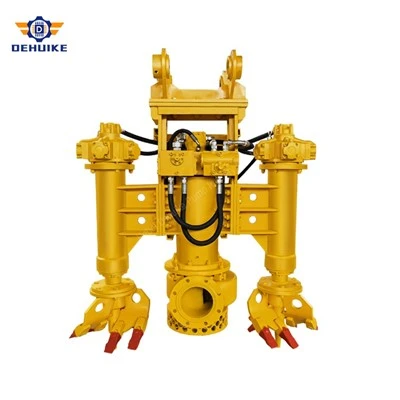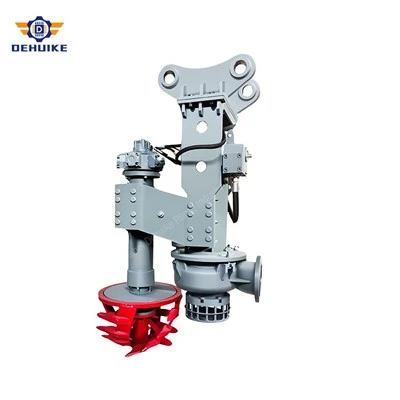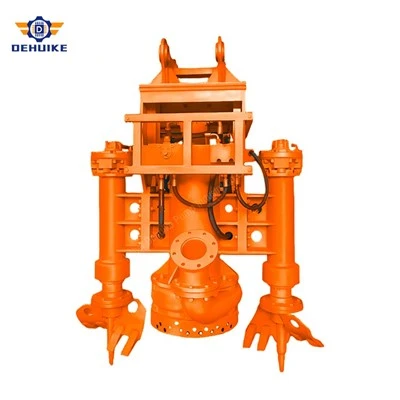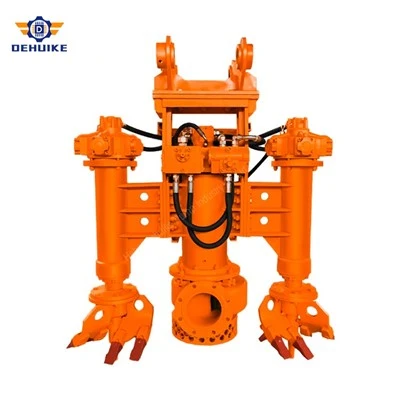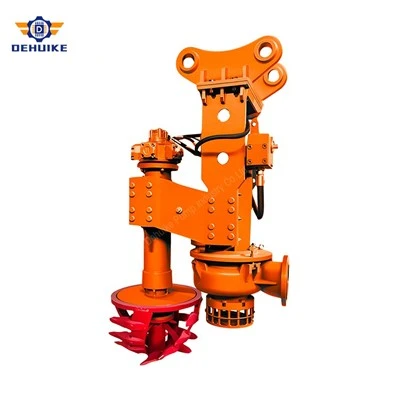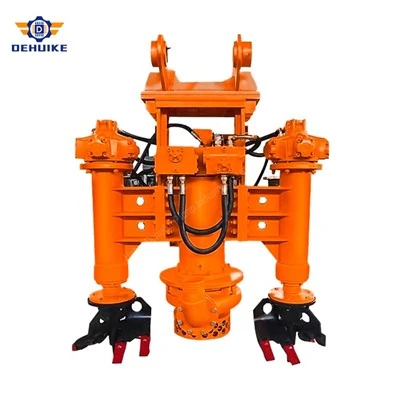

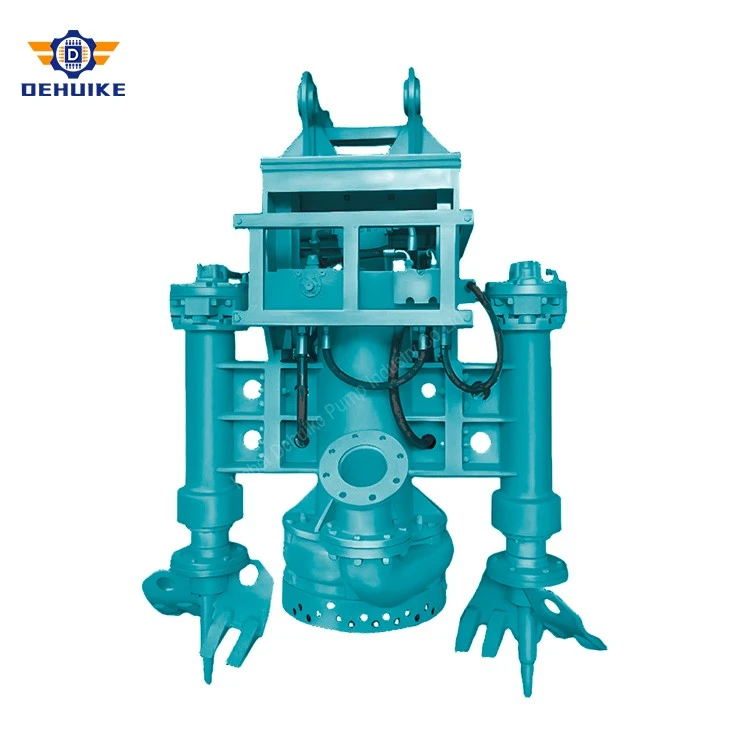
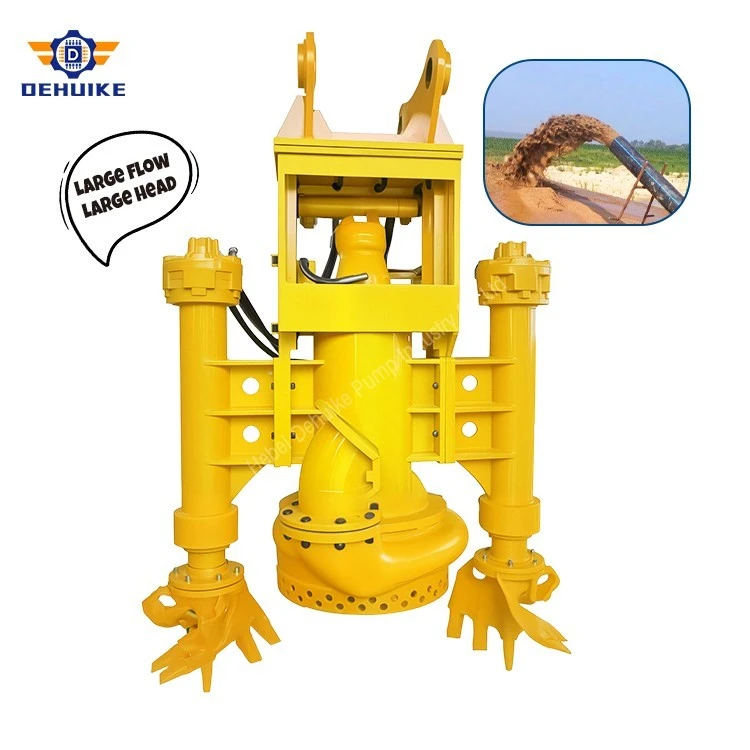
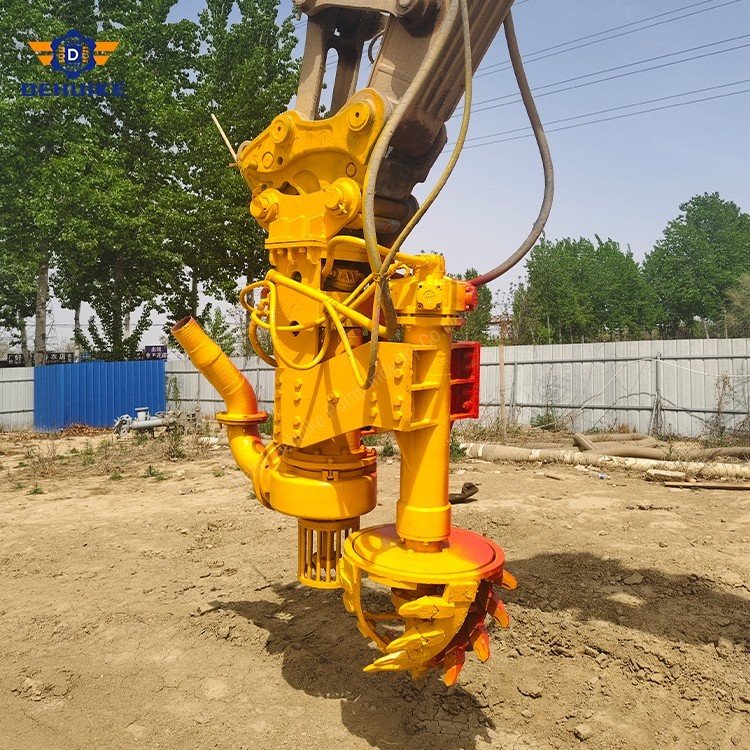
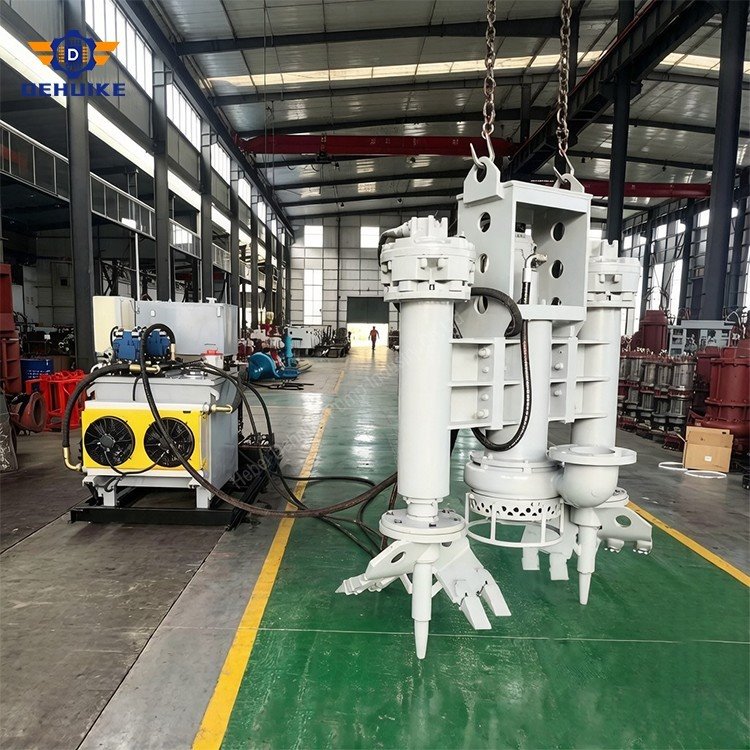
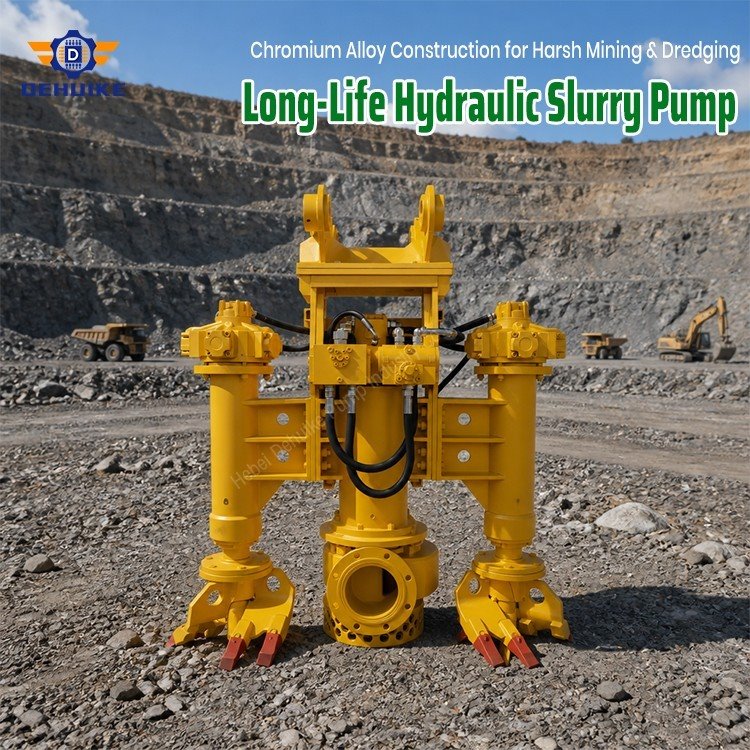
Hebei Dehuike Pump Industry Co., Ltd. is one of the most reliable manufacturers and suppliers of hydraulic slurry pump for oil sand in China. With abundant experience, we are committed to providing high quality customized pumps with competitive price. Welcome to wholesale bulk hydraulic slurry pump for oil sand for sale here from our factory. Also, pricelist is available.
Introduction | Review Oil Sand as a Mixed-Material Duty
A Hydraulic Slurry Pump for Oil Sand should be selected with the full mixture in mind: sand, water, fine solids and possible bitumen-bearing material. The pump name alone does not prove compatibility with oil sand. For a B2B buyer, the practical question is whether the listed hydraulic slurry pump data can be matched with the real material, temperature, viscosity, solids loading, discharge route and hydraulic power available on site.
Oil sand service requires more confirmation than a normal sand-water transfer inquiry. Before selecting a Hydraulic Slurry Pump for Oil Sand, ask the supplier to review liquid condition, hydrocarbon contact, abrasive solids, expected settling, cleaning method and whether the offered construction is suitable for that environment.
Hydraulic Slurry Pump for Oil Sand Specifications / Technical Parameters / Technical Data
Oil-Sand Reading Notes
The flow and head references are model-line parameters only. They are not bitumen-handling ratings, dry solids production figures, viscosity limits or particle-passage guarantees. The repeated 1450 r/min value is also a listed value; the file does not define a control range.
Use the ledger to start the model discussion, then request a duty review for oil-bearing sand, expected liquid properties, temperature, cleaning method and hydraulic-drive demand.
Unconfirmed Technical Fields
The spreadsheet does not state oil compatibility, wet-end material, seal type, temperature rating, elastomer grade, explosion-proof status, chemical resistance, particle size, density, solids percentage, dimensions, weight, warranty or certification. These remain project-specific confirmation items.

The table below keeps every listed WJY row from the Technical Parameters sheet. It is ready for direct product-page use and keeps each model's outlet entry, flow, head and speed in the same model line.
Product Details | Separate Pump Data from Oil-Sand Compatibility
A Hydraulic Slurry Pump for Oil Sand needs two layers of review. The first layer is the listed parameter table: model, outlet entry, flow, head and rotating speed. The second layer is compatibility with oil-bearing abrasive material. The Excel sheet confirms only the first layer.
Oil sand can combine abrasion, settling and liquid-property challenges. Hydraulic Institute resources explain that slurry solids and viscosity can affect pump systems, while solids characteristics can influence material selection and operating behavior. These references support general engineering background only; they are not WJY test certificates.
The hydraulic drive also needs confirmation. A pumped-slurry flow value is not the same as hydraulic oil flow. Before quotation, request the hydraulic motor data, oil pressure requirement, oil flow demand, connection drawing and supply boundary.

Features / Equipment Characteristics | Match the WJY Range to Oil-Sand Questions
The complete WJY range gives a structured starting point for discussing oil-sand transfer duties.
Lower-capacity entries help evaluate localized transfer, sampling-related handling or smaller sumps where oil-sand mixture volume is limited.
Mid-range entries support review of process transfer where sand, water and possible hydrocarbon content move through a defined line.
Higher-volume entries can be discussed for large circulation or pond-related movement, subject to viscosity and solids review.
Repeated flow values in the specification table show why head and outlet entry must remain linked to the model row.
The 1450 r/min speed entry appears throughout the sheet, but the allowed control method is not provided.
Our Advantages | Clear Boundaries Before Quotation
This page keeps the original WJY data intact and highlights the missing oil-sand information. That helps purchasers separate confirmed numbers from engineering questions. It avoids claiming oil compatibility, long wear life, explosion-proof safety or chemical resistance without documents.
For overseas B2B procurement, this evidence-led structure makes inquiry discussions clearer. Buyers can send one requirement sheet covering slurry condition, hydraulic interface, connection requirements and documentation expectations.
Production Process and Quality Assurance | Confirm the Oil-Sand Build Scope
Duty confirmation: define mixture composition, temperature, solids concentration, bitumen or hydrocarbon presence, required flow, required head and operating hours.
Configuration review: verify pump model, wet-end material, seal material, elastomer compatibility, hydraulic motor interface, connection drawing and optional accessories.
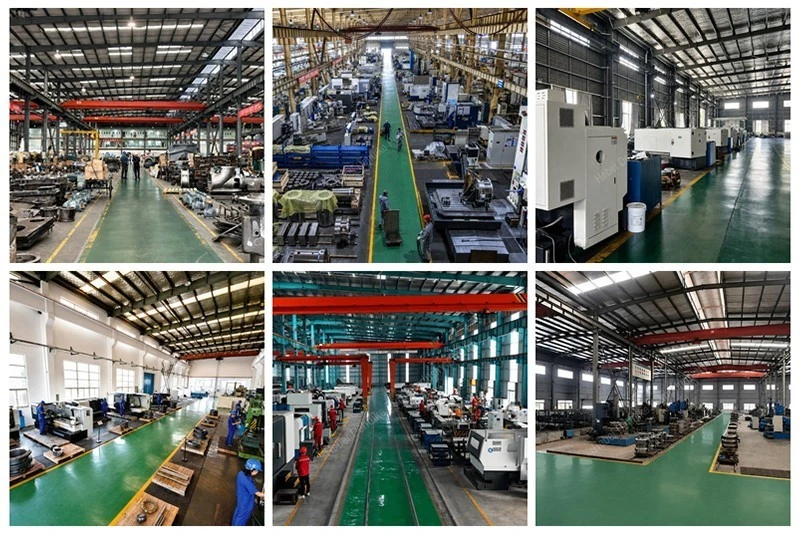
Manufacturing control: require traceable records for materials and purchased components only when those items are included in the supplier's final offer.
Inspection and release: agree what will be checked before shipment: model identity, assembly condition, interface dimensions, rotation, hydraulic connection, packing and document set.
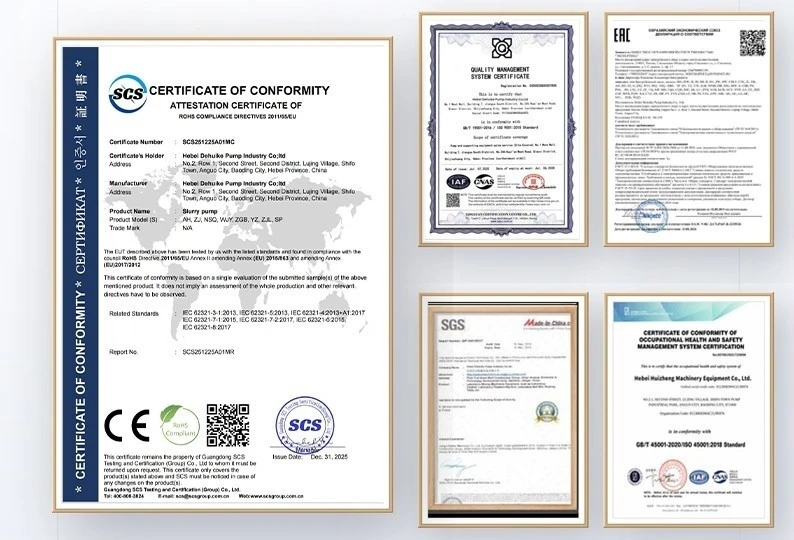
Quality Assurance: testing scope, acceptance criteria, certificates and warranty terms must be written in the contract. The parameter sheet alone is not an oil-sand performance guarantee.
Application | Oil-Sand and Hydrocarbon-Bearing Slurry Review
Do not approve an oil-sand application based on product naming only. Chemical contact, temperature and abrasive solids may require special construction that is not shown in the specification table.
|
Oil-sand situation |
First confirmation item |
Why the WJY table helps |
|
Oil-bearing sand slurry |
Viscosity, solids percentage and temperature |
Flow and head entries support first-pass model screening. |
|
Settled oil-sand pond material |
Pickup method and settlement behavior |
Multiple capacity levels help frame the duty range. |
|
Hydrocarbon-contaminated sediment |
Material and seal compatibility |
Outlet entries and head values guide interface questions. |
|
Process transfer before separation |
Pipeline route and hydraulic source |
The full model list supports staged selection discussions. |
Experience and Markets | Require Similar Oil-Sand Evidence
Experience claims should be connected to similar media. For oil-sand work, a useful reference should state the material handled, operating temperature, solids condition, model used, construction details and inspection result.
Distributors, EPC buyers and plant operators may also need spare-part lists, installation drawings, maintenance instructions, packing information and after-sales contact procedures before purchase.

Our Service | Prepare an Oil-Sand Inquiry Package
Material description: sand type, solids concentration, water/oil ratio, bitumen or hydrocarbon presence and temperature.
Duty requirement: required flow, head, operating hours, suction condition and discharge route.
Hydraulic information: oil flow, oil pressure, carrier machine or hydraulic power unit details if available.
Compatibility check: ask for wet-end material, seals, elastomers and any hydrocarbon-contact limitations.
Scope definition: specify pump only, pump with motor, hose set, frame, power pack, controls, spares or documentation.
The more clearly the application is described, the less risk there is of treating oil sand like ordinary water-based slurry.
Installation, Maintenance and Precautions | Control Oil-Sand Handling Risks
Before operation, verify the hydraulic power source, connection interface, discharge route and cleaning procedure. If oil-bearing material can settle, harden or separate, discuss shutdown and flushing requirements before commissioning.
During operation, watch for delivery loss, abnormal vibration, seal leakage, hydraulic temperature rise, pipeline deposition and changes in mixture consistency. A variation in oil content or solids concentration can change pump loading.
For maintenance, define inspection intervals, wear-part criteria, seal checks and cleaning steps. Isolate hydraulic energy before service. Do not assume dry running, blocked discharge, incompatible chemicals, high temperature or flammable environments are allowed without supplier confirmation.
FAQ | Oil-Sand Slurry Pump Questions
Q1. What does this page confirm?
It confirms the listed WJY parameter rows from the supplied technical parameter table and uses all 20 records in the specification section. It does not confirm oil-sand compatibility by itself.
Q2. Is this a certified oil-sand pump?
No certification is provided in the Excel sheet. Certification, explosion-proof requirements, hydrocarbon compatibility and oil-field compliance must be confirmed separately.
Q3. Are all 20 models included?
Yes. Rows B4:F23 in the Technical Parameters sheet are represented in the product page without skipping or mixing rows.
Q4. Does the table state material or seal type?
No. Wet-end material, seal material, elastomers, liner type and chemical compatibility are not stated in the technical parameter table.
Q5. Which rows show the largest listed flow?
WJY1000-18 and WJY1000-20 both show 1000 m3/h. Their head entries are 18 m and 20 m, so the two rows are not identical duties.
Q6. Which rows show the highest listed head?
WJY200-40 and WJY500-40 both show 40 m. Selection still depends on oil-sand properties and construction confirmation.
Q7. Can the outlet entries be used as final connection sizes?
No. The source does not provide a unit or standard for the outlet field. Request a drawing before selecting hoses, flanges or reducers.
Q8. What should I send for quotation?
Send the required duty point, oil-sand composition, temperature, solids content, pipeline route, hydraulic source and requested supply scope.

Hot Tags: hydraulic slurry pump for oil sand, China hydraulic slurry pump for oil sand manufacturers, suppliers, factory