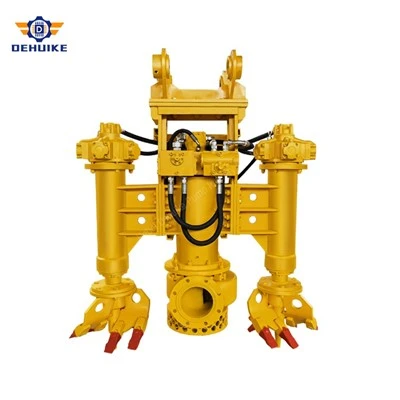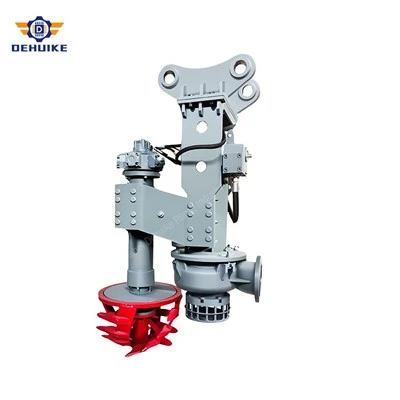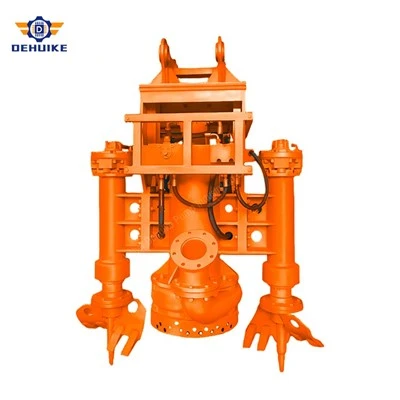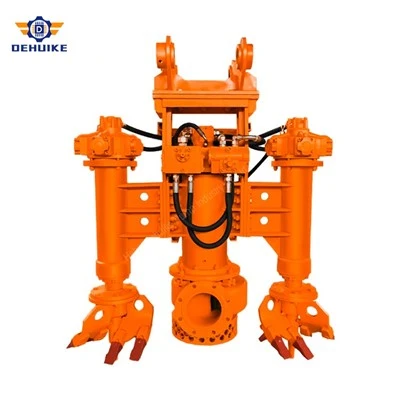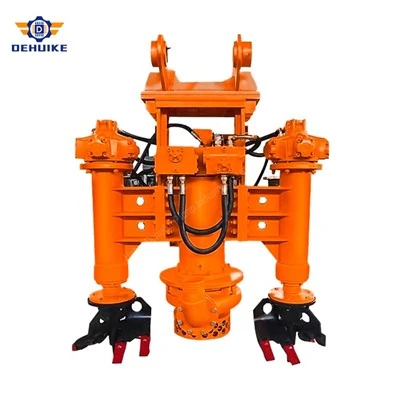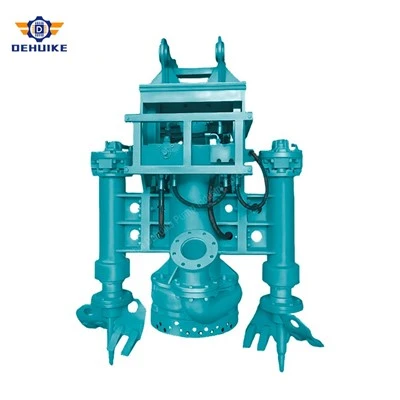

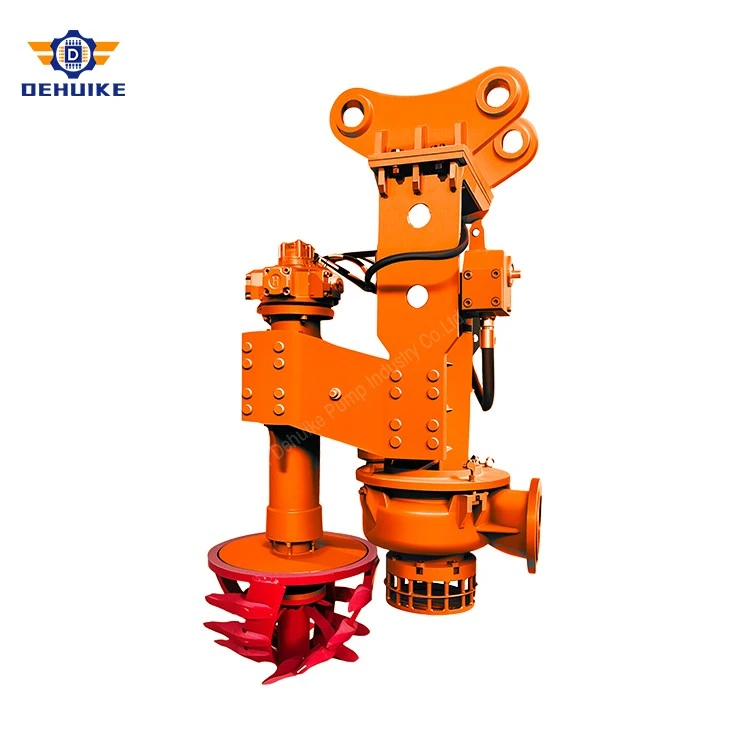
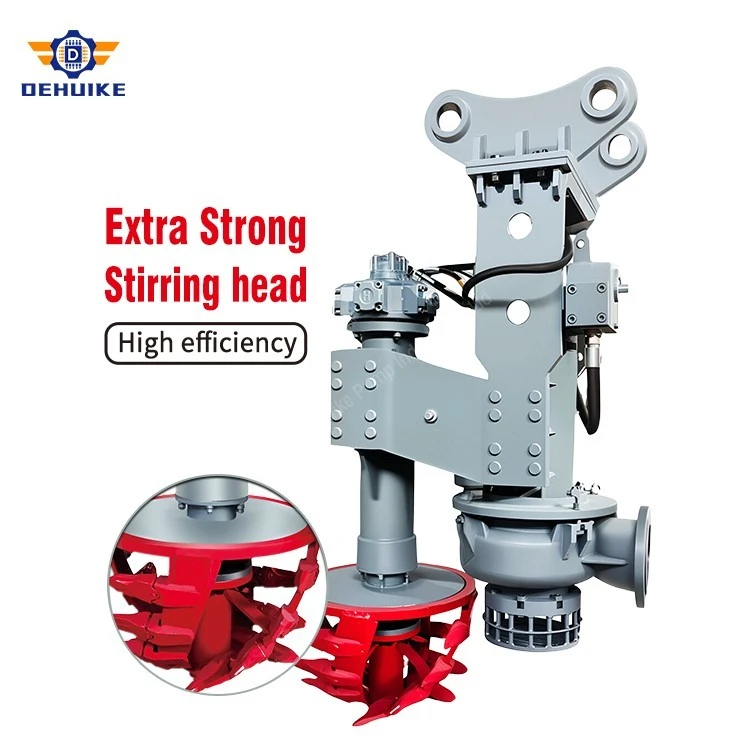
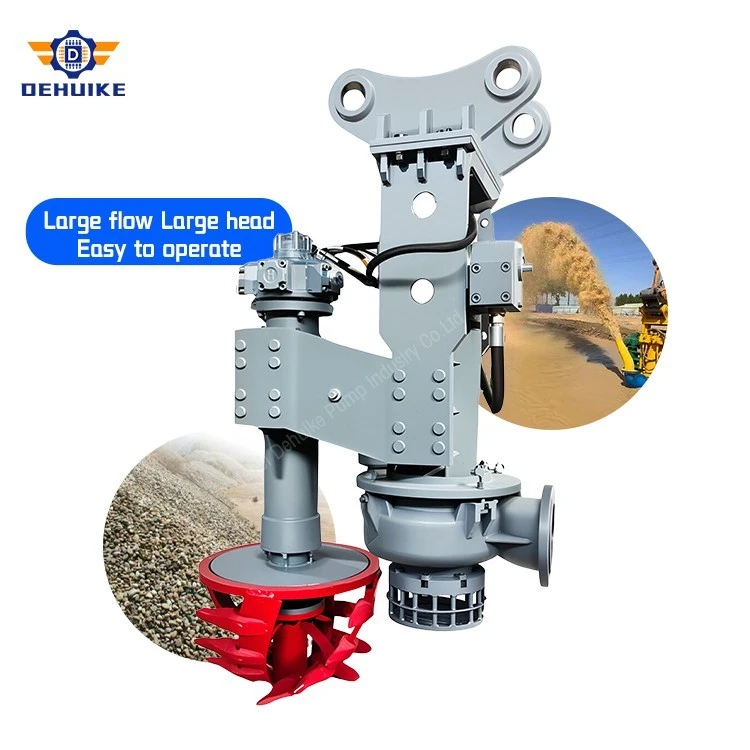
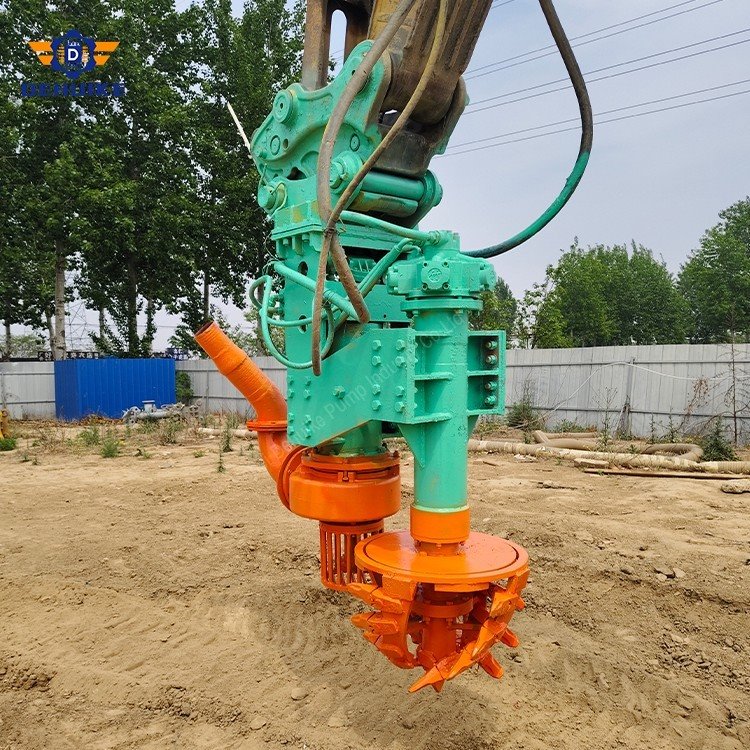
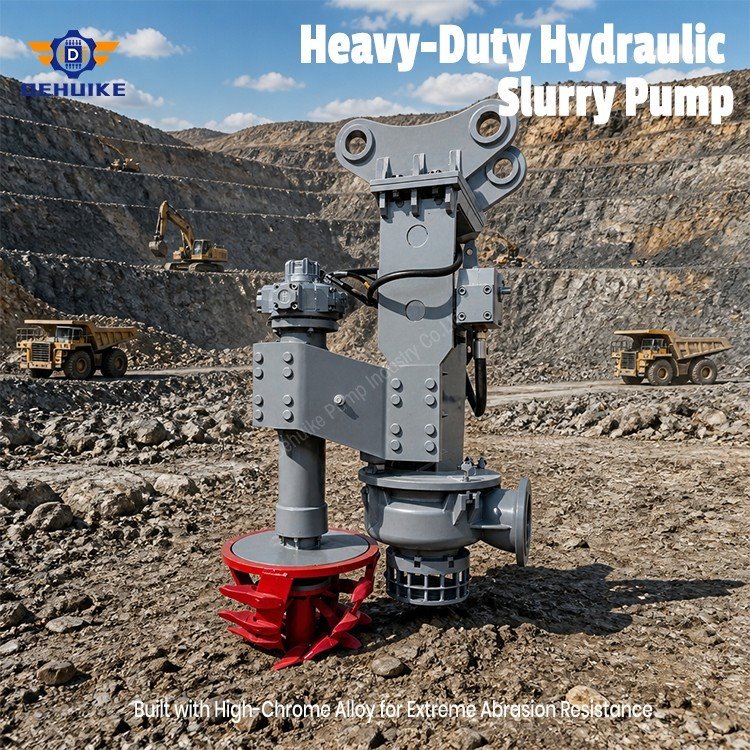
Hebei Dehuike Pump Industry Co., Ltd. is one of the most reliable manufacturers and suppliers of hydraulic sludge pump in China. With abundant experience, we are committed to providing high quality customized pumps with competitive price. Welcome to wholesale bulk hydraulic sludge pump for sale here from our factory. Also, pricelist is available.
Introduction | Establish the Sludge Condition Before Equipment Selection
A Hydraulic Sludge Pump is considered where sludge, settled solids, wastewater residue, biological sludge, lagoon deposits or slurry-like process waste must be moved using hydraulic drive. The product name is only the start of selection. A thin wastewater sludge, a dense settling-tank deposit and a fibrous municipal sludge can place very different demands on the pumping arrangement.
For a useful proposal, describe the sludge source, solids percentage, viscosity, temperature, fibre content, chemical condition, required transfer rate, discharge route and available hydraulic circuit. These facts determine whether a listed Hydraulic Sludge Pump can be reviewed for the intended duty.
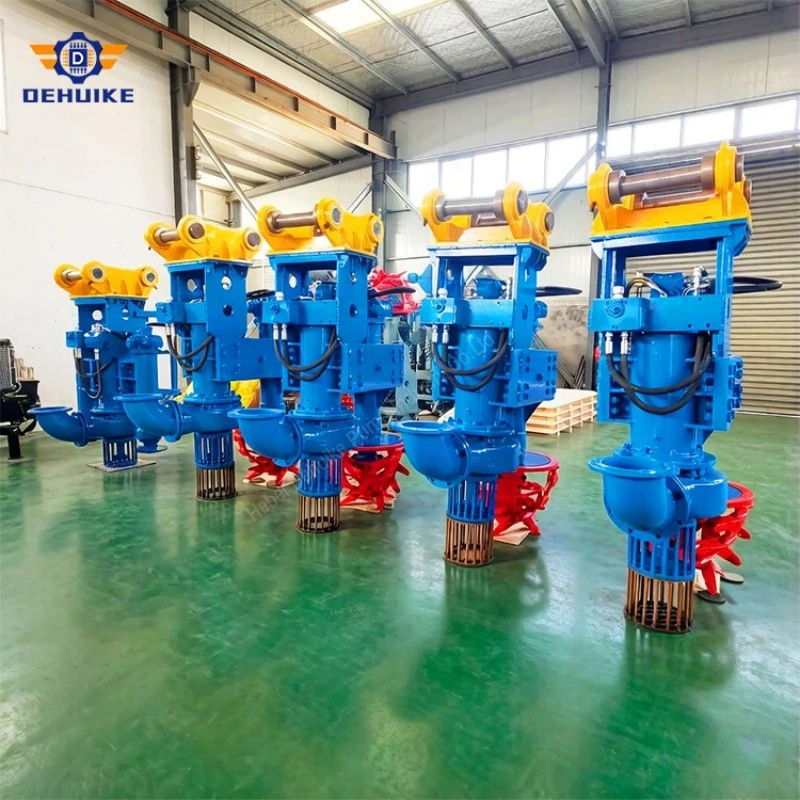
Hydraulic Sludge Pump Specifications / Technical Parameters / Technical Data
*"Outlet entry" copies the parameter-table field named "Outlet caliber." The technical parameter table does not state its unit, connection standard, pipe size, hose size, flange rating or drawing.
Interpret the WJY Data as technical references
The capacity figures are stated in m3/h and the head figures in metres. They are not dry-sludge tonnage, sludge-cake output, viscosity limits, maximum fibre size, blockage limits or hydraulic oil demand. All visible records show 1450 r/min, but the technical parameter table gives no permitted speed range, control method or motor displacement.
Use the tables to identify a preliminary model range. Final selection needs sludge rheology, solids loading, suction conditions, pipeline losses, cleaning method and hydraulic-drive data. A higher capacity value does not, by itself, confirm suitability for thicker sludge.
Technical Information to Confirm
The technical parameter table does not provide wet-end material, impeller geometry, liner construction, seal type, fibre-handling design, cutter, agitator, maximum solids size, maximum solids concentration, pH limits, temperature rating, hydraulic oil flow, operating pressure, power, efficiency, dimensions, weight, certification or warranty. These are project confirmation items.
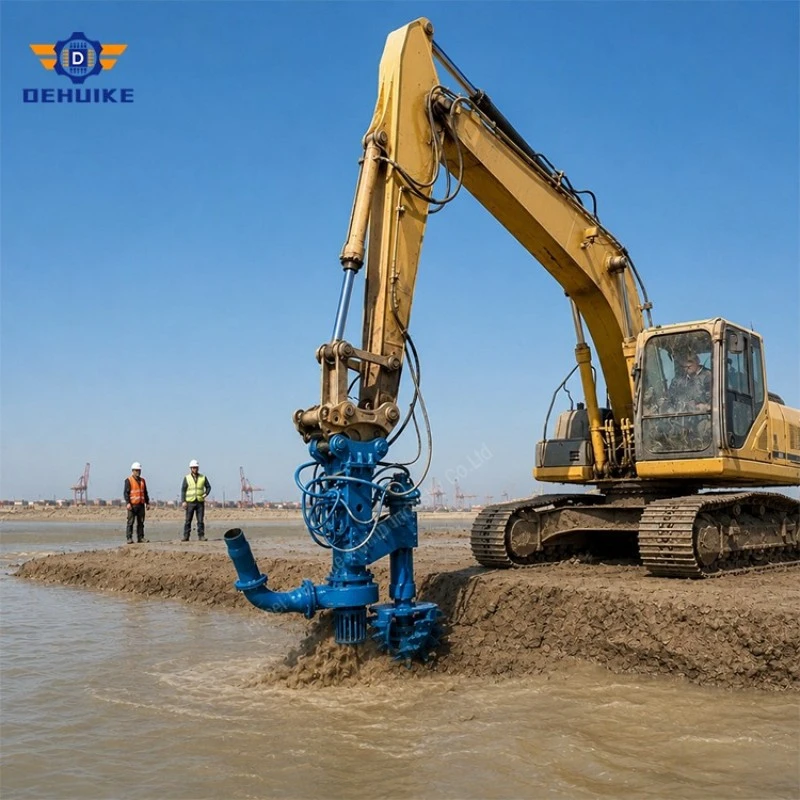
Sludge collection references
WJY50-20
|
Field |
listed value |
|
Model code |
WJY50-20 |
|
Capacity reference |
50 m3/h |
|
Head reference |
20 m |
|
Outlet entry* |
80 |
|
Speed reference |
1450 r/min |
WJY80-20
|
Field |
listed value |
|
Outlet entry* |
80 |
|
Speed reference |
1450 r/min |
|
Model code |
WJY80-20 |
|
Capacity reference |
80 m3/h |
|
Head reference |
20 m |
WJY120-18
|
Field |
listed value |
|
Head reference |
18 m |
|
Model code |
WJY120-18 |
|
Outlet entry* |
100 |
|
Capacity reference |
120 m3/h |
|
Speed reference |
1450 r/min |
WJY150-25
|
Field |
listed value |
|
Capacity reference |
150 m3/h |
|
Speed reference |
1450 r/min |
|
Head reference |
25 m |
|
Outlet entry* |
100 |
|
Model code |
WJY150-25 |
WJY200-40
|
Field |
listed value |
|
Outlet entry* |
100 |
|
Head reference |
40 m |
|
Model code |
WJY200-40 |
|
Speed reference |
1450 r/min |
|
Capacity reference |
200 m3/h |
Treatment and transfer references
WJY260-28
|
Field |
listed value |
|
Capacity reference |
260 m3/h |
|
Head reference |
28 m |
|
Speed reference |
1450 r/min |
|
Model code |
WJY260-28 |
|
Outlet entry* |
150 |
WJY300-20
|
Field |
listed value |
|
Speed reference |
1450 r/min |
|
Outlet entry* |
150 |
|
Capacity reference |
300 m3/h |
|
Model code |
WJY300-20 |
|
Head reference |
20 m |
WJY300-25
|
Field |
listed value |
|
Model code |
WJY300-25 |
|
Head reference |
25 m |
|
Capacity reference |
300 m3/h |
|
Outlet entry* |
150 |
|
Speed reference |
1450 r/min |
WJY350-25
|
Field |
listed value |
|
Outlet entry* |
150 |
|
Model code |
WJY350-25 |
|
Speed reference |
1450 r/min |
|
Head reference |
25 m |
|
Capacity reference |
350 m3/h |
WJY400-20
|
Field |
listed value |
|
Head reference |
20 m |
|
Capacity reference |
400 m3/h |
|
Outlet entry* |
200 |
|
Speed reference |
1450 r/min |
|
Model code |
WJY400-20 |
Thickened-sludge references
WJY450-25
|
Field |
listed value |
|
Model code |
WJY450-25 |
|
Capacity reference |
450 m3/h |
|
Head reference |
25 m |
|
Speed reference |
1450 r/min |
|
Outlet entry* |
200 |
WJY450-30
|
Field |
listed value |
|
Outlet entry* |
200 |
|
Head reference |
30 m |
|
Model code |
WJY450-30 |
|
Capacity reference |
450 m3/h |
|
Speed reference |
1450 r/min |
WJY500-40
|
Field |
listed value |
|
Speed reference |
1450 r/min |
|
Capacity reference |
500 m3/h |
|
Outlet entry* |
200 |
|
Model code |
WJY500-40 |
|
Head reference |
40 m |
WJY600-20
|
Field |
listed value |
|
Head reference |
20 m |
|
Model code |
WJY600-20 |
|
Speed reference |
1450 r/min |
|
Outlet entry* |
250 |
|
Capacity reference |
600 m3/h |
WJY600-30
|
Field |
listed value |
|
Capacity reference |
600 m3/h |
|
Outlet entry* |
250 |
|
Head reference |
30 m |
|
Speed reference |
1450 r/min |
|
Model code |
WJY600-30 |
High-volume sludge references
WJY700-20
|
Field |
listed value |
|
Model code |
WJY700-20 |
|
Outlet entry* |
250 |
|
Capacity reference |
700 m3/h |
|
Head reference |
20 m |
|
Speed reference |
1450 r/min |
WJY700-25
|
Field |
listed value |
|
Speed reference |
1450 r/min |
|
Head reference |
25 m |
|
Outlet entry* |
250 |
|
Model code |
WJY700-25 |
|
Capacity reference |
700 m3/h |
WJY800-22
|
Field |
listed value |
|
Outlet entry* |
300 |
|
Capacity reference |
800 m3/h |
|
Model code |
WJY800-22 |
|
Speed reference |
1450 r/min |
|
Head reference |
22 m |
WJY1000-18
|
Field |
listed value |
|
Head reference |
18 m |
|
Speed reference |
1450 r/min |
|
Model code |
WJY1000-18 |
|
Outlet entry* |
300 |
|
Capacity reference |
1000 m3/h |
WJY1000-20
|
Field |
listed value |
|
Capacity reference |
1000 m3/h |
|
Model code |
WJY1000-20 |
|
Head reference |
20 m |
|
Outlet entry* |
350 |
|
Speed reference |
1450 r/min |
Product Details | Place the Pump in the Sludge Process
A Hydraulic Sludge Pump should be selected according to its place in the process. It may be considered for primary settling deposits, digester residue, sludge lagoon cleanup, wastewater-treatment transfer, industrial effluent solids or dewatering feed. Each position has different risks involving settling, variable viscosity, trapped air, fibrous matter and shutdown behavior.
The WJY table defines pump-side reference values only. It does not state whether the material contains rags, polymers, grit, corrosive chemicals, hydrocarbons or biological solids. It also does not define the hydraulic motor, hose set, power unit, controls or supply boundary. Those items need to be confirmed separately.
Hydraulic Institute material on solids, slurry characteristics and viscosity gives useful general context for reviewing suspended solids systems. These references do not certify a WJY model for wastewater, municipal sludge or industrial sludge service.
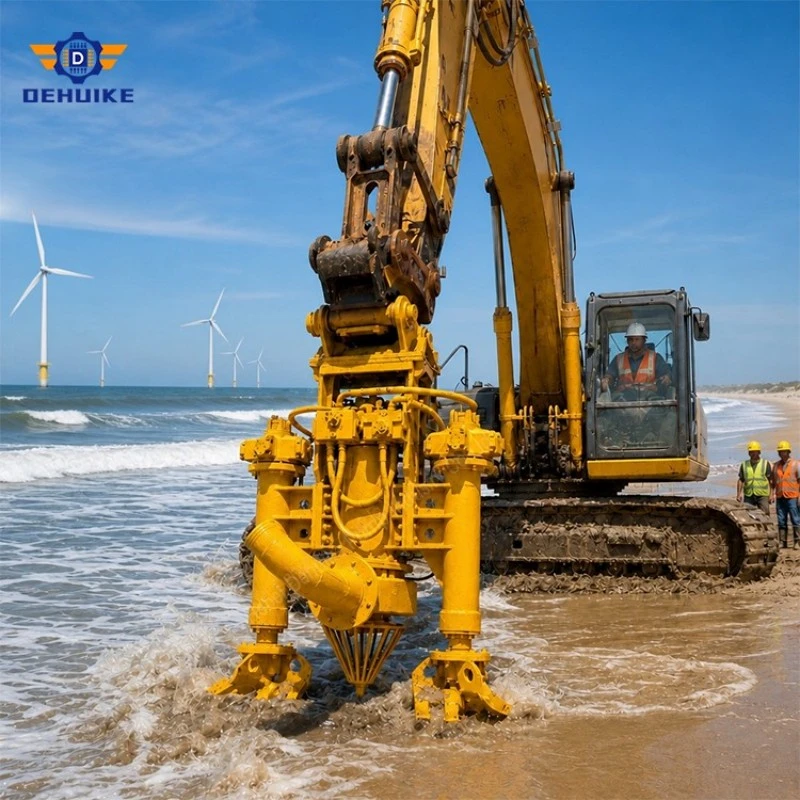
Features / Equipment Characteristics | Compare Sludge Duties with the Full WJY Range
The full WJY list provides a practical starting point for comparing duty levels before detailed sludge information is available.
50 to 200 m3/h entries can be reviewed for smaller collection points, compact tanks or localized sediment removal.
260 to 400 m3/h entries provide alternatives for plant transfer lines and process sludge movement.
450 to 600 m3/h entries offer multiple flow and head combinations for thicker or higher-volume duties after viscosity is checked.
700 to 1000 m3/h entries create a larger-duty shortlist, but they require careful review of suction conditions, piping and solids behavior.
Equal capacity does not mean equal duty: WJY300-20 and WJY300-25, for example, have different head entries; the same applies to several higher-capacity pairs.
Our Advantages | Clear Data Before Site Assumptions
This page shows all listed-model records and identifies what still requires engineering confirmation. That approach helps buyers compare options without turning missing data into claims about non-clogging performance, chemical resistance, maintenance interval or service life.
For B2B buyers, one technical inquiry can combine the WJY model range with the sludge description, hydraulic interface and expected documentation. This makes quotations easier to compare and reduces the risk of selecting only by nominal flow.
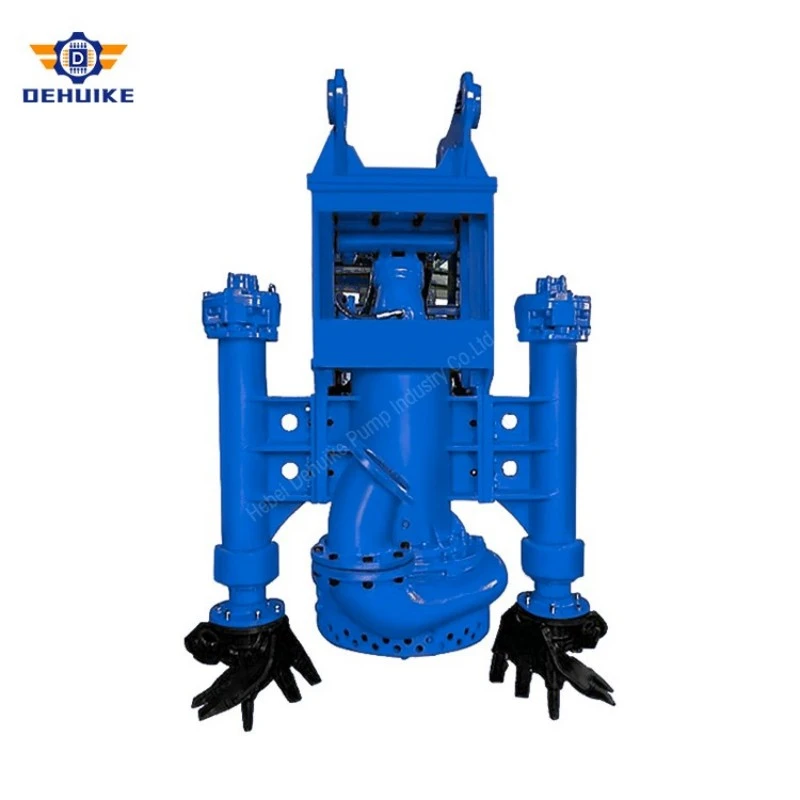
Production Process and Quality Assurance | Define the Sludge Configuration First
Sludge profile review: record solids content, viscosity, fibre content, temperature, chemistry, required flow, required head, operating cycle and cleaning requirement.
Configuration release: confirm the selected WJY model, wet-end construction, seals, hydraulic connection, interfaces, accessories and documentation before manufacturing begins.
Component verification: request traceable material or purchased-component records only for specifications actually included in the purchase order. Generic descriptions do not prove suitability for a specific sludge stream.
Inspection planning: define identity checks, assembly checks, interface dimensions, functional verification, packaging and shipment documentation in the agreed inspection plan.
Quality Assurance: testing method, acceptance criteria, certificates and warranty coverage must be written into the order documents. The listed parameter sheet is not a wastewater-duty guarantee.
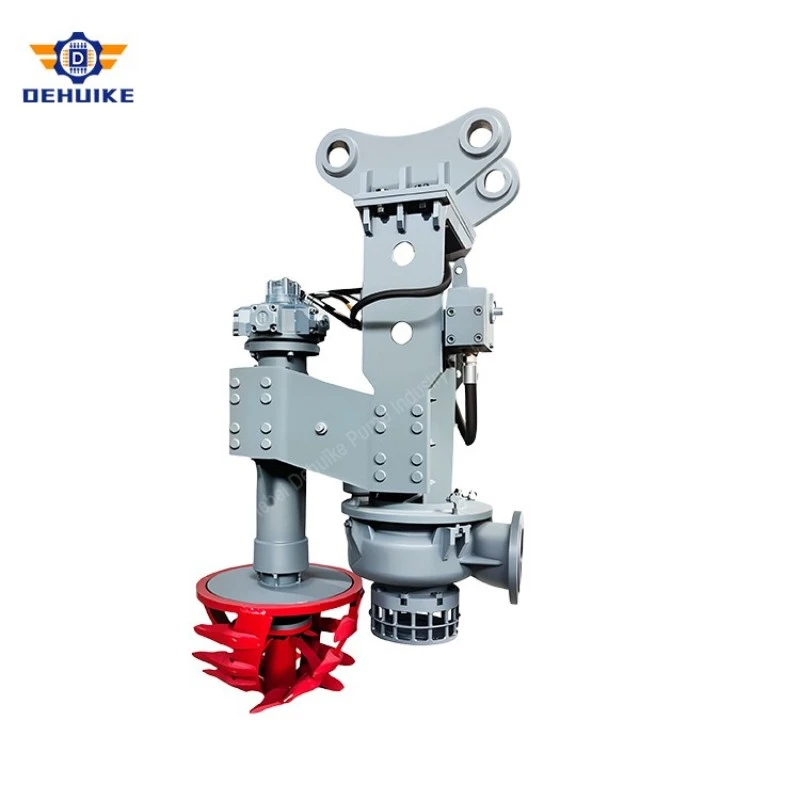
Application | Sludge Duties Requiring Project Confirmation
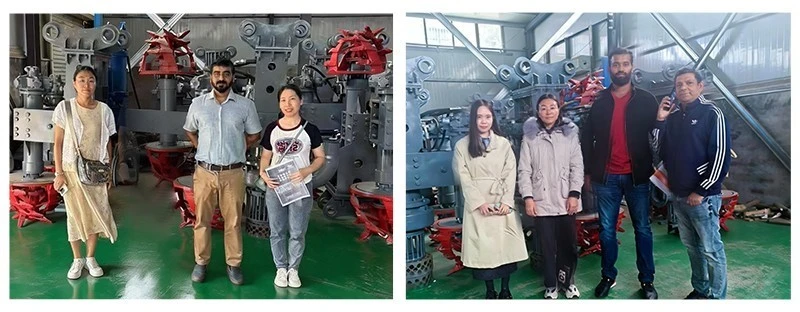
A Hydraulic Sludge Pump may be evaluated for sludge and solids-handling duties where the actual material condition is known and the configuration can be confirmed.
|
Sludge location |
Key duty questions |
Purpose of the product data |
|
Settlement basin |
Solids concentration, pickup arrangement and run time |
Helps establish a starting capacity range. |
|
Treatment-plant transfer |
Viscosity, fibre content, pipe route and cleaning method |
Frames the duty-point and interface review. |
|
Lagoon or pond deposit |
Depth, sediment condition and suction access |
Identifies required installation information. |
|
Industrial wastewater solids |
Chemistry, temperature and seal compatibility |
Separates the listed technical data from material decisions. |
A sludge label alone is not enough for approval. The buyer should provide the real process conditions before a final pump configuration is selected.
Experience and Markets | Request Comparable Sludge Evidence
For export projects, confirm drawings, manuals, spare-part identification, packing requirements, inspection documents, warranty text and after-sales communication process before release.
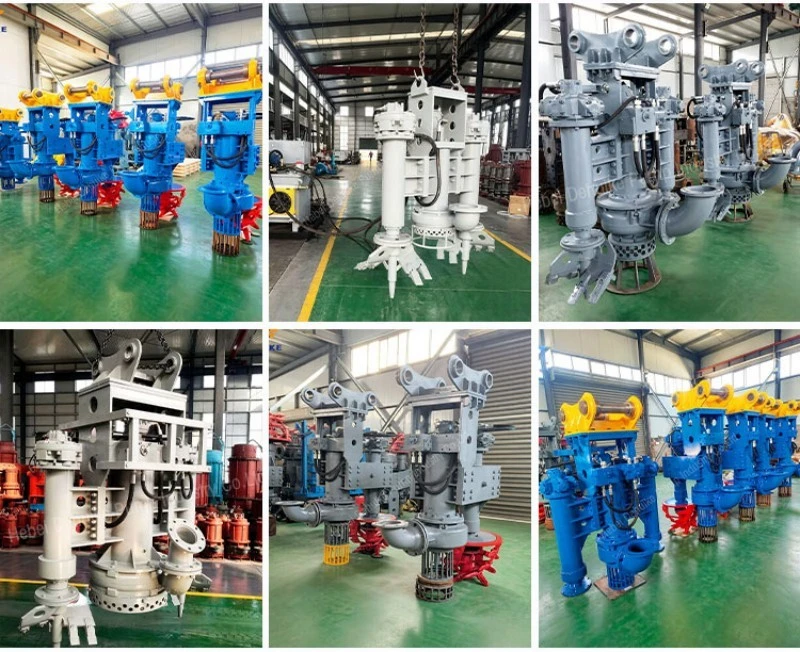
Our Service | Send a Sludge-Duty Information Pack
A detailed request helps the supplier determine whether the WJY reference data can support the intended sludge application.
Material facts: sludge origin, solids percentage, viscosity, fibre content, temperature, pH and chemical contact.
System facts: required capacity, total head, suction arrangement, discharge route, pipe length and elevation change.
Hydraulic facts: available oil flow, pressure, carrier machine or hydraulic power-pack details.
Configuration needs: wetted material, seal, anti-clogging requirement, hose, frame, controls and cleaning arrangement.
Commercial needs: pump-only scope, motor scope, spare parts, test documents, certification request, packing and delivery terms.
This information allows the offer to distinguish technical parameter table parameters from project-specific sludge requirements.
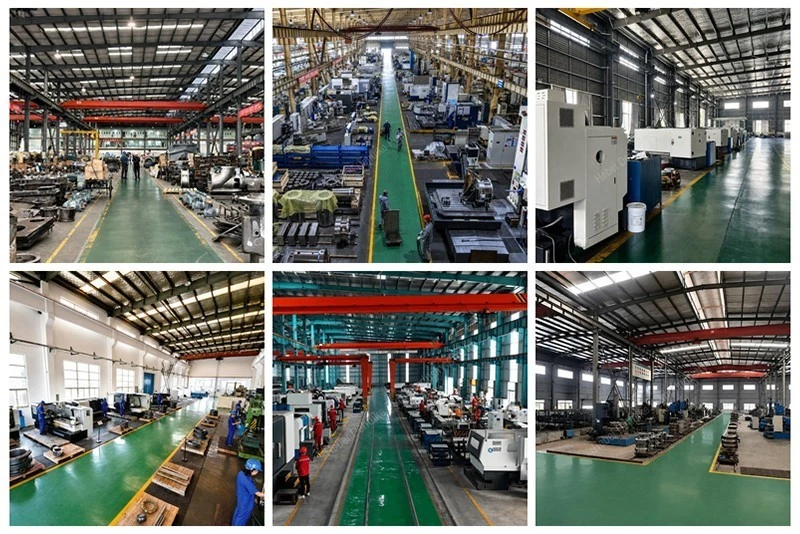
Installation, Maintenance and Precautions | Manage Settling and Shutdown Conditions
Before start-up, confirm the hydraulic supply, suction arrangement, discharge route, valve positions, pipe supports and planned flushing sequence. Where sludge settles during a shutdown, agree a restart and cleaning method before commissioning.
During operation, check delivery stability, vibration, leakage, hose condition, hydraulic temperature, abnormal noise and buildup in the line. Changes in viscosity or solids concentration can alter system behavior quickly.
Maintenance planning should identify inspection intervals, wear parts, seal checks, cleaning responsibilities and hydraulic isolation steps. Dry operation, blocked discharge, reverse movement, excessive fibre, unapproved chemicals and unconfirmed temperature conditions should not be accepted without written supplier guidance.
FAQ | Hydraulic Sludge Pump Buyer Questions
Q1. What data is verified on this page?
The WJY model, capacity, total head, outlet-entry and rotating-speed values are listed in the technical parameter table. Sludge compatibility is not verified by the table alone.
Q2. Are all listed models included?
Yes. The technical parameter table lists 20 WJY records and the four selection matrices contain all 20 models.
Q3. Can the listed capacity be used as dry-sludge production?
No. Capacity is a pumped-mixture volume reference in m3/h. Dry-solids output requires density and solids information that is not included in the technical parameter table.
Q4. Which entries show 40 m total head?
WJY200-40 and WJY500-40 each show 40 m. Their capacity references differ, and neither record defines sludge viscosity or construction material.
Q5. Which entries show 1000 m3/h capacity?
WJY1000-18 and WJY1000-20 each show 1000 m3/h. Their total-head entries are 18 m and 20 m respectively.
Q6. Is the outlet entry a final piping dimension?
No. The technical parameter table gives no unit or standard for "Outlet caliber." A supplier drawing is required before selecting pipework, hoses or reducers.
Q7. What should be included in a sludge quotation request?
Send the sludge profile, duty point, pipe layout, hydraulic information, expected operating schedule and requested supply scope.
Q8. Does the sheet prove non-clogging or wastewater certification?
No. The technical parameter table does not state fibre passage, anti-clogging design, wastewater approval or certification. Request supporting documents for these requirements.

Hot Tags: hydraulic sludge pump, China hydraulic sludge pump manufacturers, suppliers, factory