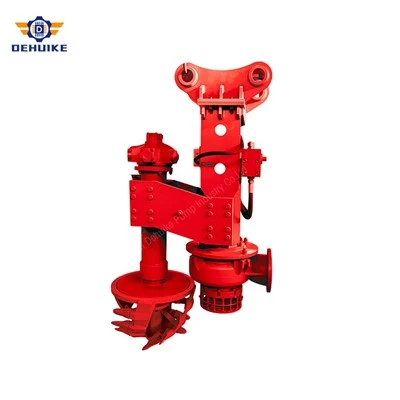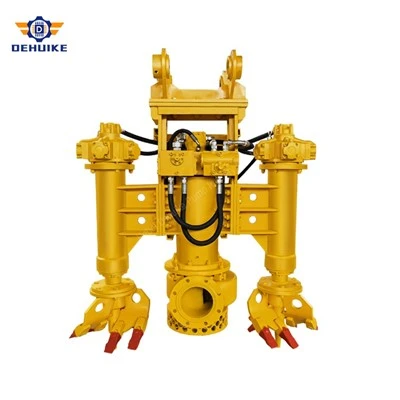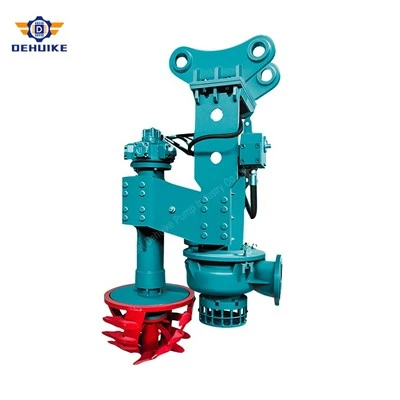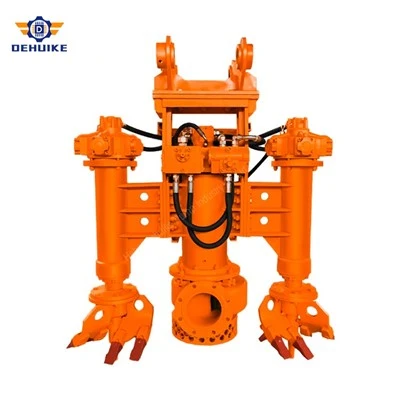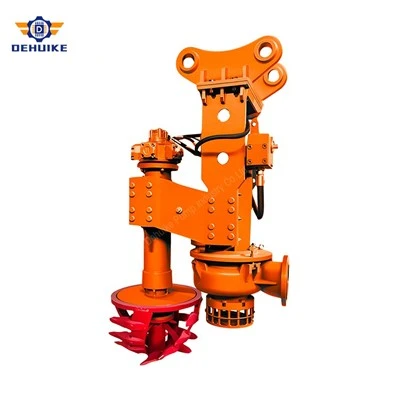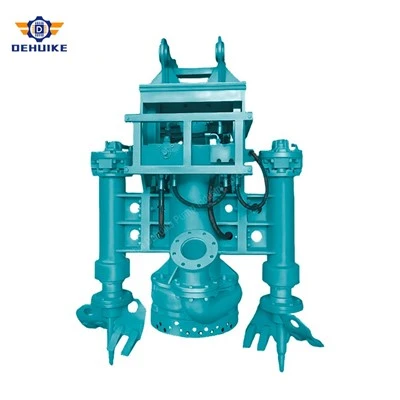

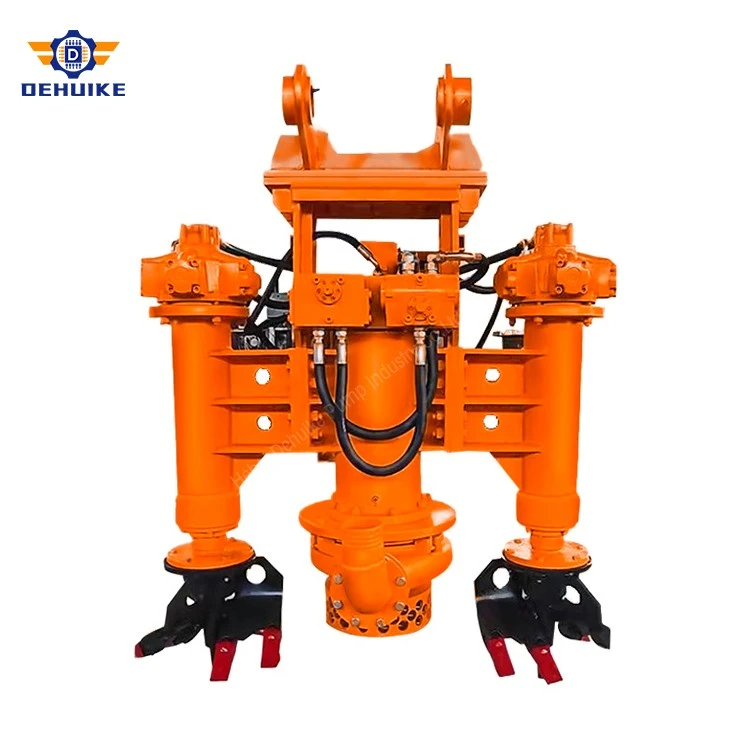
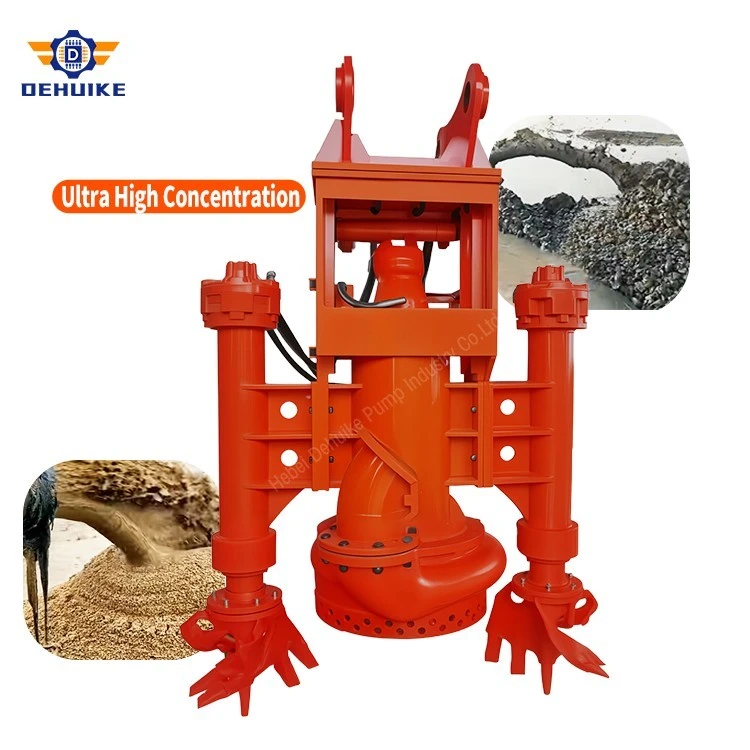
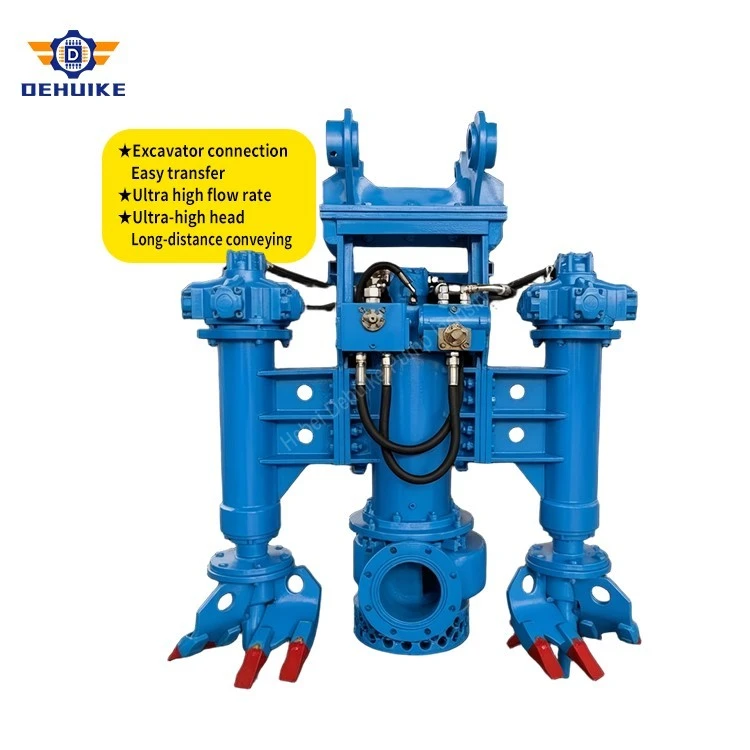
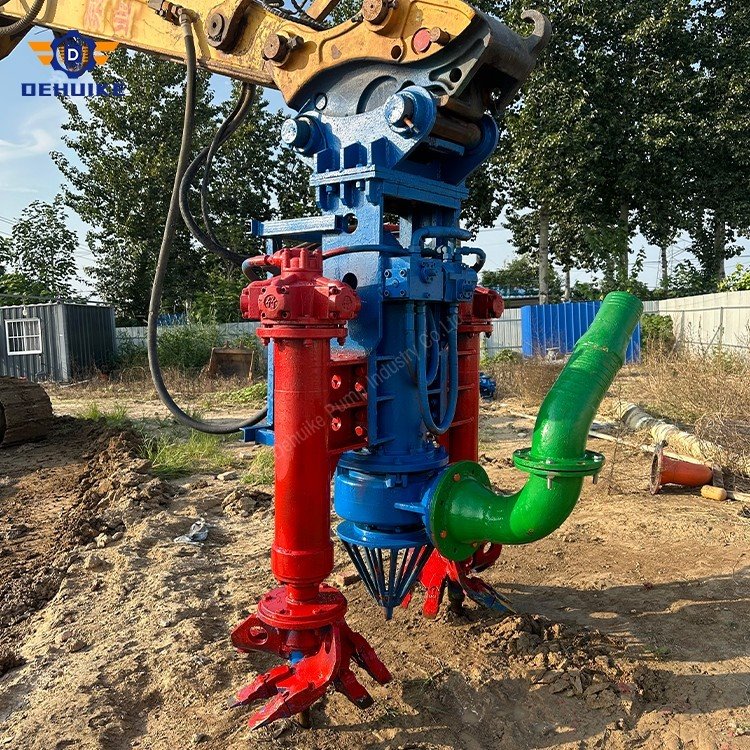
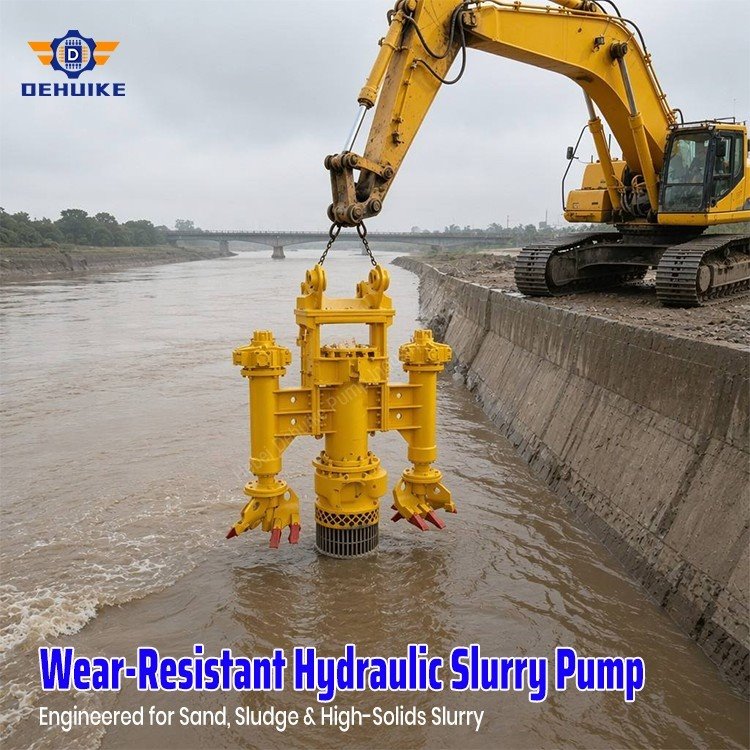
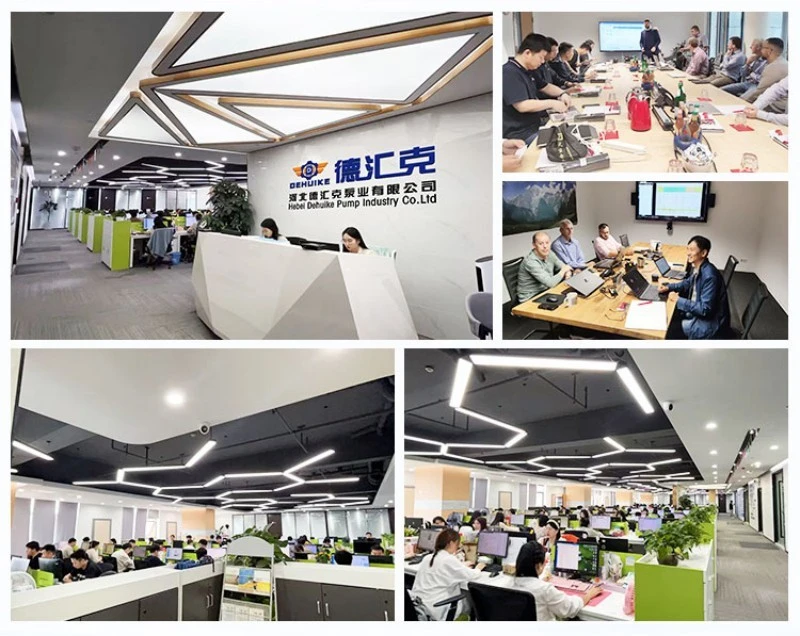
Hebei Dehuike Pump Industry Co., Ltd. is one of the most reliable manufacturers and suppliers of hydraulic abrasive slurry pump in China. With abundant experience, we are committed to providing high quality customized pumps with competitive price. Welcome to wholesale bulk hydraulic abrasive slurry pump for sale here from our factory. Also, pricelist is available.
Introduction | Define the Wear Mechanism First
A Hydraulic Abrasive Slurry Pump is reviewed for duties where suspended solids scrape, impact or erode the wetted path. The problem may be angular rock fines, coarse sand, mineral residue, tailings or settled sediment. In each case, the purchasing discussion should begin with how the particles damage equipment, not with a capacity headline.
For an abrasive-duty quotation, provide the solids description, expected concentration, pipeline layout, run hours and available hydraulic circuit. Only then can a listed WJY reference be checked as a practical candidate for a wear-prone service.
Hydraulic Abrasive Slurry Pump Specifications / Technical Parameters / Technical Data
Reading the Abrasive-Duty Figures
The duty pair combines the same row's flow and head only for easier reading. It does not create a new test point. These values do not state dry solids throughput, wear life, particle passage or hydraulic oil demand. Speed is repeated as 1450 r/min in all model lines, but the technical parameter table does not define a speed-adjustment envelope.
For abrasive slurry, selection needs material evidence after the initial table review. Request curves, construction details, wear-part information and hydraulic-drive requirements before issuing a purchase order.
Technical Fields Still Open
The sheet does not provide particle hardness, angularity, size distribution, solids percentage, slurry density, wet-end material, lining method, impeller design, seal construction, bearing arrangement, oil flow, working pressure, power, efficiency, outline size, weight, certification or warranty. These remain supplier-confirmed items.
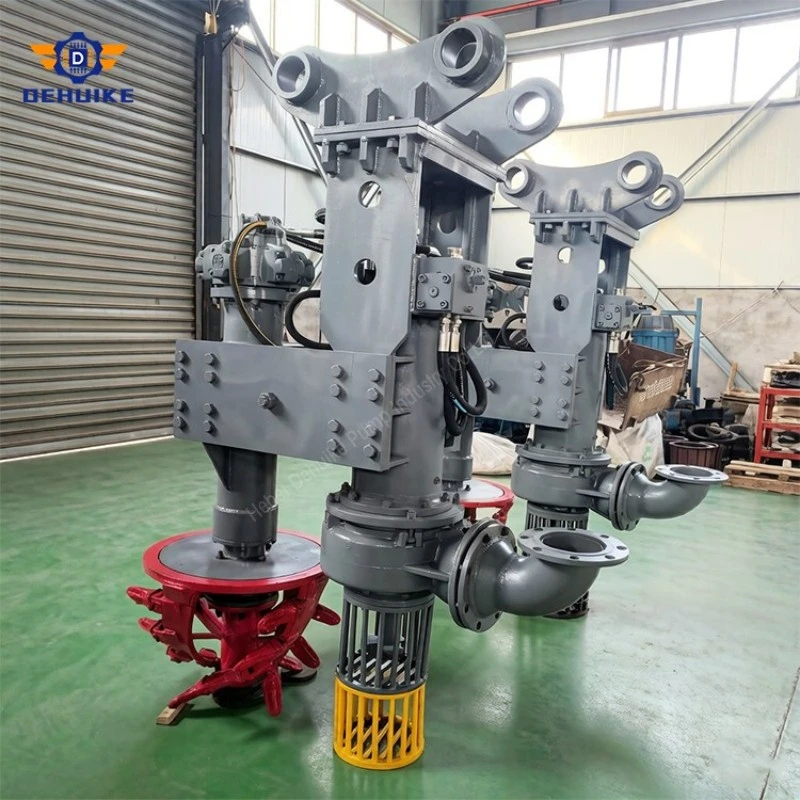
Lower-flow references for localized abrasive transfer
|
No. |
Model |
outlet entry |
Duty pair |
Speed |
|
1 |
WJY50-20 |
80 |
50 m3/h at 20 m |
1450 r/min |
|
2 |
WJY80-20 |
80 |
80 m3/h at 20 m |
1450 r/min |
|
3 |
WJY120-18 |
100 |
120 m3/h at 18 m |
1450 r/min |
|
4 |
WJY150-25 |
100 |
150 m3/h at 25 m |
1450 r/min |
|
5 |
WJY200-40 |
100 |
200 m3/h at 40 m |
1450 r/min |
Mid-range references for mineral slurry movement
|
No. |
Model |
outlet entry |
Duty pair |
Speed |
|
6 |
WJY260-28 |
150 |
260 m3/h at 28 m |
1450 r/min |
|
7 |
WJY300-20 |
150 |
300 m3/h at 20 m |
1450 r/min |
|
8 |
WJY300-25 |
150 |
300 m3/h at 25 m |
1450 r/min |
|
9 |
WJY350-25 |
150 |
350 m3/h at 25 m |
1450 r/min |
|
10 |
WJY400-20 |
200 |
400 m3/h at 20 m |
1450 r/min |
High-throughput references for heavier circulation duties
|
No. |
Model |
outlet entry |
Duty pair |
Speed |
|
11 |
WJY450-25 |
200 |
450 m3/h at 25 m |
1450 r/min |
|
12 |
WJY450-30 |
200 |
450 m3/h at 30 m |
1450 r/min |
|
13 |
WJY500-40 |
200 |
500 m3/h at 40 m |
1450 r/min |
|
14 |
WJY600-20 |
250 |
600 m3/h at 20 m |
1450 r/min |
|
15 |
WJY600-30 |
250 |
600 m3/h at 30 m |
1450 r/min |
Largest listed references in the supplied sheet
|
No. |
Model |
outlet entry |
Duty pair |
Speed |
|
16 |
WJY700-20 |
250 |
700 m3/h at 20 m |
1450 r/min |
|
17 |
WJY700-25 |
250 |
700 m3/h at 25 m |
1450 r/min |
|
18 |
WJY800-22 |
300 |
800 m3/h at 22 m |
1450 r/min |
|
19 |
WJY1000-18 |
300 |
1000 m3/h at 18 m |
1450 r/min |
|
20 |
WJY1000-20 |
350 |
1000 m3/h at 20 m |
1450 r/min |
*"outlet entry" is listed in the parameter-table column named "Outlet caliber." The source gives no unit or connection standard, so the entry is not a confirmed DN, millimetre, inch, hose or flange size.
Product Details | Separate Wear Risk from Pump Capacity
A Hydraulic Abrasive Slurry Pump must be reviewed around the solids that cause wear. Abrasion can be influenced by particle hardness, angularity, concentration, velocity and the contact path through the pump and discharge line. Hydraulic Institute guidance on solids and slurry properties explains that abrasive service affects material selection and pump-system behavior; viscosity and slurry settling also influence performance in general slurry systems.
The hydraulic drive side also needs its own data. The pump table gives pumped-mixture flow, not oil flow. It also does not identify motor displacement, pressure demand or hydraulic control requirements. The wet end and the hydraulic motor should therefore be reviewed as related but separate parts of the offer.
No parameter confirms a wear-resistant alloy, rubber lining, high-chrome construction, special seal, agitator, cutter, suction screen, skid, or power pack. If a duty requires any of those, request a written configuration and drawing from the supplier.
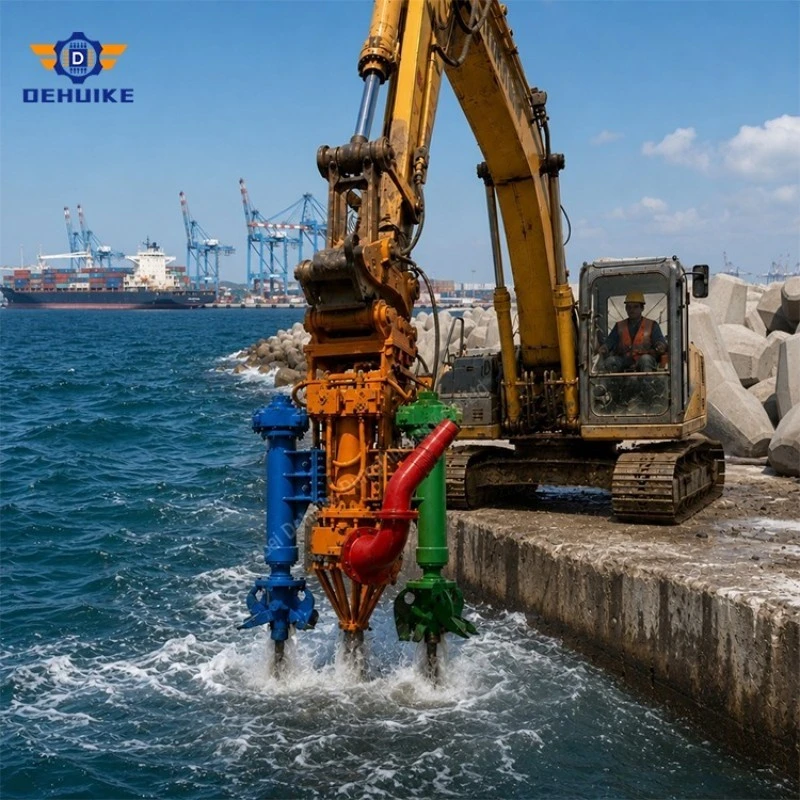
Features / Equipment Characteristics | Use the Range to Compare Wear Exposure
The complete 20-model WJY list helps a buyer compare capacity levels without losing the abrasive-duty questions that matter in real operation.
Small abrasive transfer references: WJY50-20, WJY80-20 and WJY120-18 can be reviewed where the required volume is limited and the system layout is compact.
Mid-flow abrasive slurry options: WJY150-25 through WJY450-30 provide several points for plant drains, sand-rich process water or mineral fines transfer.
Higher-volume references: WJY500-40 through WJY800-22 may be considered where the volume is larger, provided the wear material and system head are checked.
Largest listed flow entries: WJY1000-18 and WJY1000-20 both show 1000 m3/h, but they still require abrasive-service and head review.
Flow alone is incomplete: two models can share a flow while differing in head or outlet entry, so duty details must guide selection.
Our Advantages | Abrasive-Duty Selection Support
The page presents all listed parameters and avoids unsupported wear claims. That helps engineers and purchasing teams discuss the correct model, the missing construction data and the site conditions in one place.
A professional abrasive-slurry offer should state what is confirmed and what needs approval. It should not promise universal wear resistance, clog-free operation or long service life without material data, duty information and inspection evidence.

Production Process and Quality Assurance | Control the Wear-Related Build Details
Duty definition: record the particle type, concentration, liquid condition, target flow, head requirement, discharge route and hydraulic power source.
Construction confirmation: approve the selected model, wetted parts, wear components, motor interface and connection drawing. The specification table alone does not specify these parts.
Material and component control: request the records appropriate to the ordered construction. Material grade, liner arrangement, heat treatment, coating or purchased-component details should be documented only when they are actually part of the supplier's offer.
Assembly inspection: verify model identity, connection dimensions, rotating assembly, component fit and package boundary. Any substitution affecting wear parts or hydraulic drive should be approved before shipment.
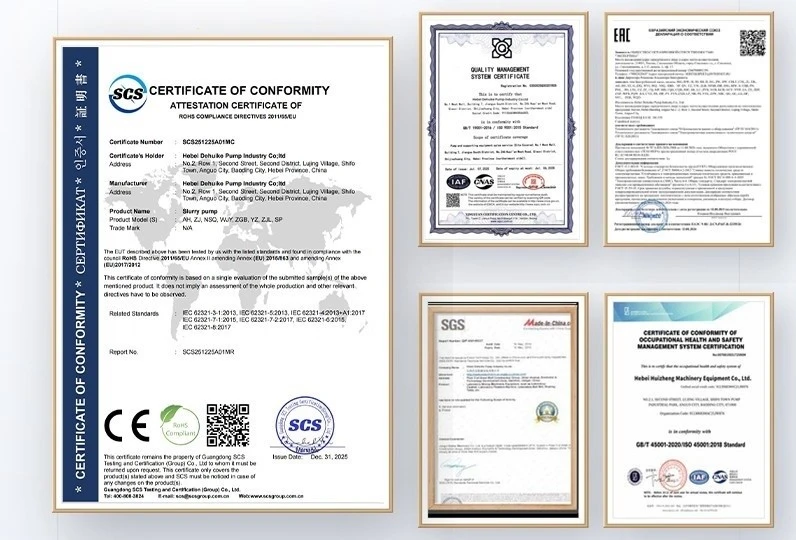
Quality Assurance: agree testing method, inspection scope, measured items and release documents. A parameter table is not a performance test report or a wear-life guarantee. Certification, warranty and compliance statements must be supported by supplier documents.
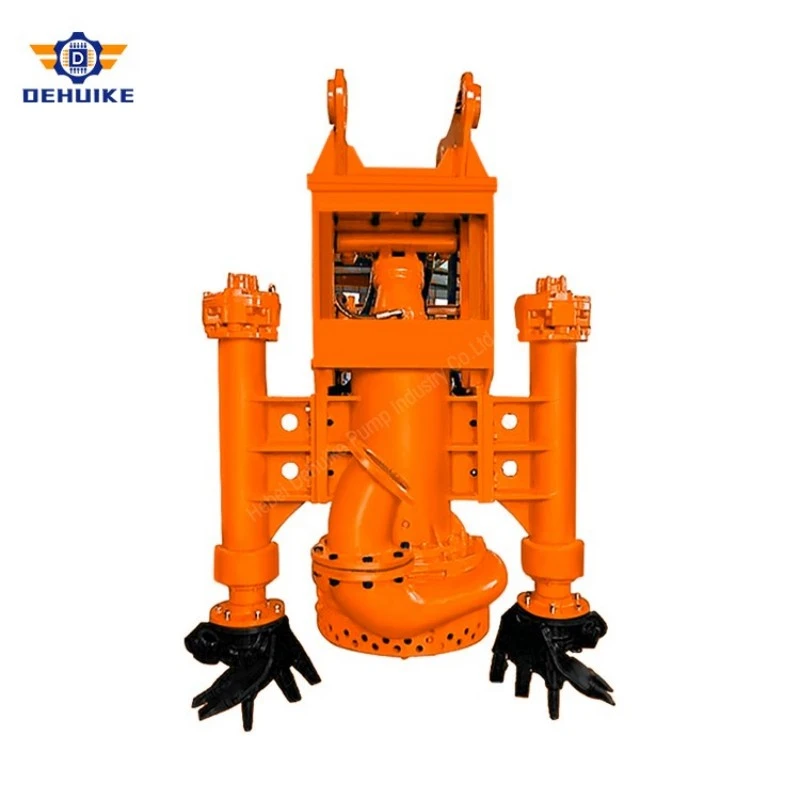
Application | Abrasive Slurry Situations for Review
Applications should not be approved by name alone. Two abrasive slurries can behave very differently if the particle hardness, shape or concentration changes. Share the actual material description before confirming the pump.
|
Abrasive situation |
What to review first |
Why the table helps |
|
Sand-rich water |
Solids concentration, line velocity and settlement risk |
Flow bands support an initial capacity shortlist. |
|
Crushed stone or quarry fines |
Particle angularity and wear material |
Head and flow entries help compare candidate models. |
|
Tailings or mineral residue |
Density, chemistry and operating hours |
The full model list avoids narrowing selection too early. |
|
Sediment with mixed particles |
Pickup method and component exposure |
Multiple head levels help frame the discharge review. |
Experience and Markets | Ask for Abrasive-Service Evidence
Experience is useful only when the reference duty resembles the buyer's abrasive slurry. A valid reference should identify the material, model, operating arrangement, inspection basis and service conditions. A general statement that a pump handles slurry does not prove abrasive-duty suitability.
For overseas B2B projects, request manuals, connection drawings, parts identification, inspection records, packing requirements, warranty terms and after-sales communication procedures. These items help distributors, EPC buyers and plant operators control risk after delivery.
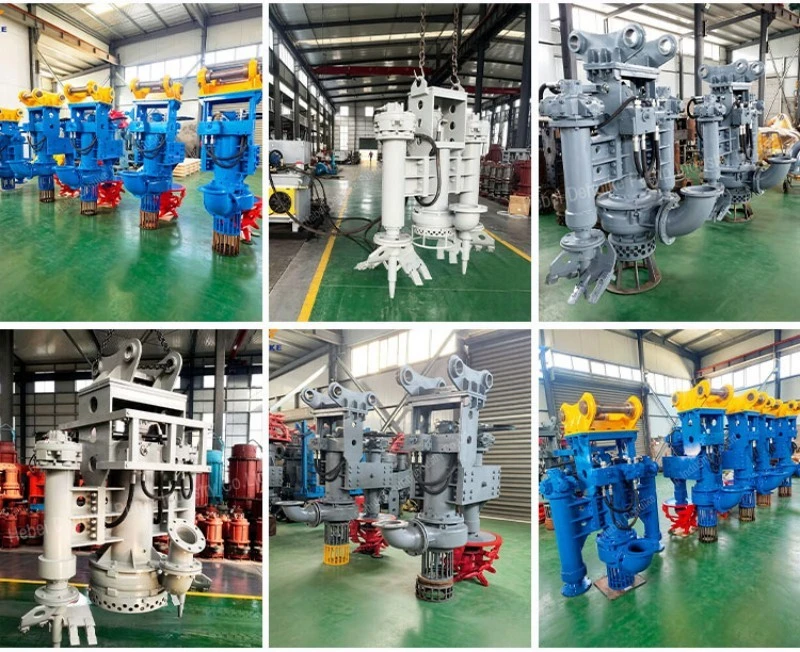
Our Service | Prepare a Wear-Focused Inquiry
Abrasive material review: provide particle type, hardness if known, concentration, liquid condition and expected operating hours.
Pump-duty review: state the required flow, head, discharge route, line length and operating pattern.
Hydraulic interface review: submit hydraulic oil flow, pressure, carrier-machine details or power-pack information if available.
Connection review: request outlet drawings and installation interface details before selecting pipework.
Spare and maintenance support: agree wear-part identification, inspection routine, replacement process and warranty handling.
If the order needs only the pump, say so. If it needs motor, hoses, power unit, frame, controls or abrasive-service accessories, list each item separately in the quotation request.
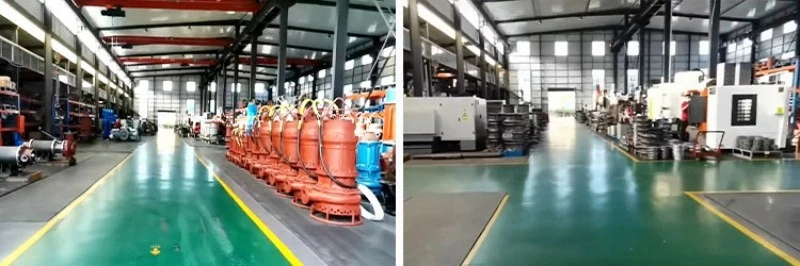
Installation, Maintenance and Precautions | Plan Inspection Around Wear Parts
Before start-up, record the route the abrasive mixture will follow through hose, pipe, elbows and valves. Confirm the hydraulic source, connection interface and support method. If the line contains severe bends or sudden reductions, ask whether the arrangement changes the recommended operating limits.
During running, compare delivery, vibration, bearing area temperature, leakage signs and hydraulic response with the accepted baseline. A sudden change may indicate blockage, settling, wear progression or a duty shift rather than a simple need for more pressure.
For service planning, define inspection points, allowable wear criteria, spare descriptions and shutdown responsibilities before the first operating campaign. Stored hydraulic energy and rotating parts require isolation before intervention. Dry operation, reverse flow, blocked discharge and oversized solids should remain prohibited unless the supplier approves otherwise.
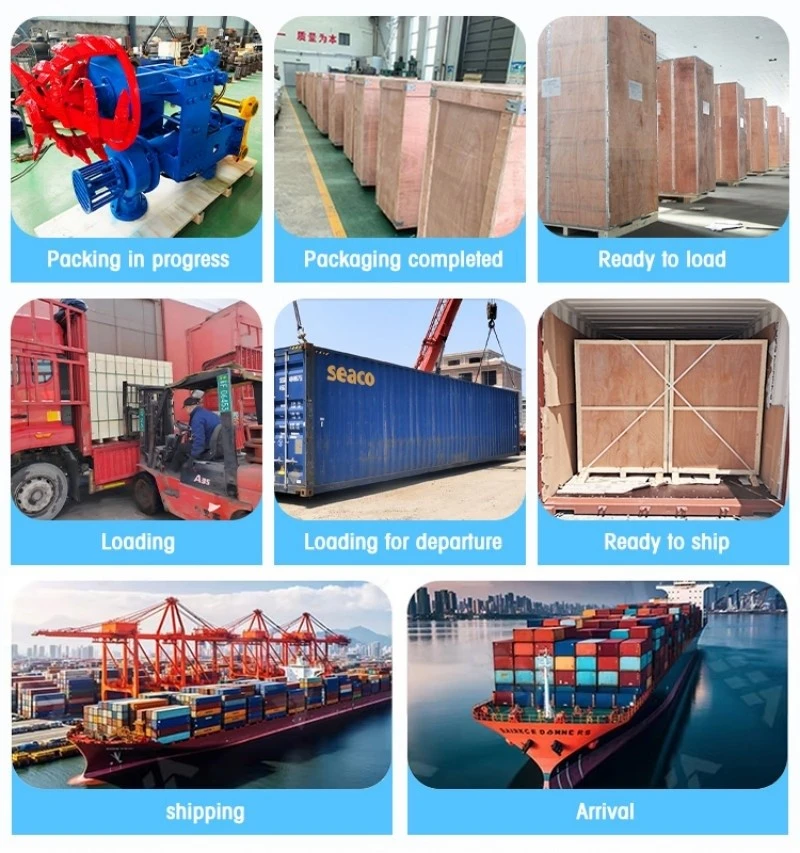
FAQ | Questions for Abrasive-Service Buyers
Q1. What is confirmed by the technical parameter table?
Only the visible rows for model, outlet entry, flow, head and speed are confirmed. The technical parameter table does not confirm wet-end construction, wear material or service life.
Q2. How many models are represented?
The Technical Parameters sheet shows 20 WJY model rows. This page includes those 20 rows and keeps each row's values together.
Q3. Can abrasion resistance be inferred from the model name?
No. Abrasion resistance needs evidence such as material specification, hardness, liner design, operating experience or supplier-approved construction. The model name alone is not enough.
Q4. Why are particle details important?
A rounded fine particle and an angular hard particle may produce different wear even at the same flow. Share particle type, size range, shape and concentration before selecting equipment.
Q5. Which rows should be checked for the highest head?
The rows for WJY200-40 and WJY500-40 both carry a 40 m head entry. Because their flows differ, they should be reviewed for different operating points.
Q6. Which rows reach the largest listed flow?
The two 1000 m3/h rows are WJY1000-18 and WJY1000-20. Their head entries are not the same as a wear rating or pipeline guarantee.
Q7. What should be confirmed before buying connections?
Ask for the drawing that defines the outlet. The source column has no unit or standard, so accessories should not be chosen from the numeric entry alone.
Q8. What belongs in the RFQ package?
Include the abrasive material description, requested duty point, hydraulic power information, discharge route, operating hours, spare-parts expectations and document requirements.

Request an Abrasive-Duty Review
Submit the abrasive slurry details and intended duty point for Hydraulic Abrasive Slurry Pump selection support. Ask the supplier to mark confirmed data, assumptions, exclusions and optional wear-related items separately.
Hot Tags: hydraulic abrasive slurry pump, China hydraulic abrasive slurry pump manufacturers, suppliers, factory