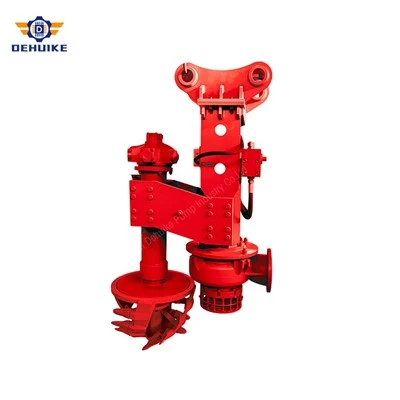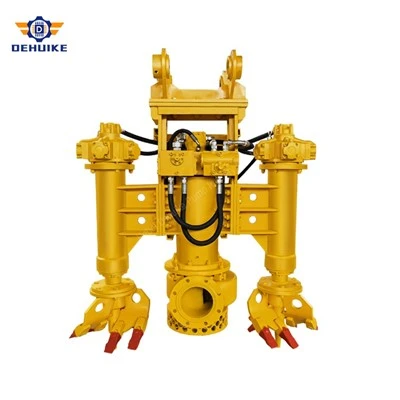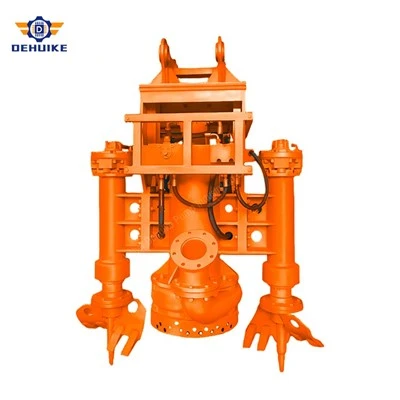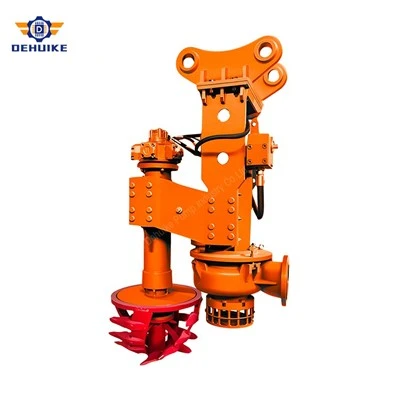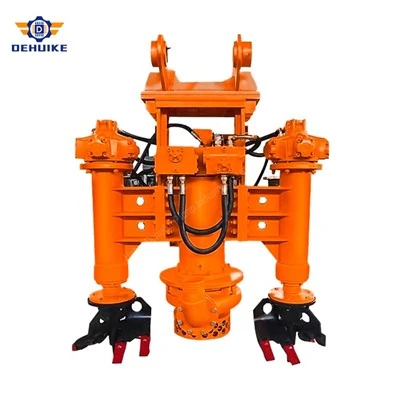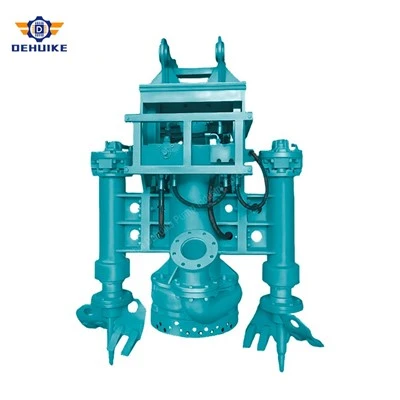

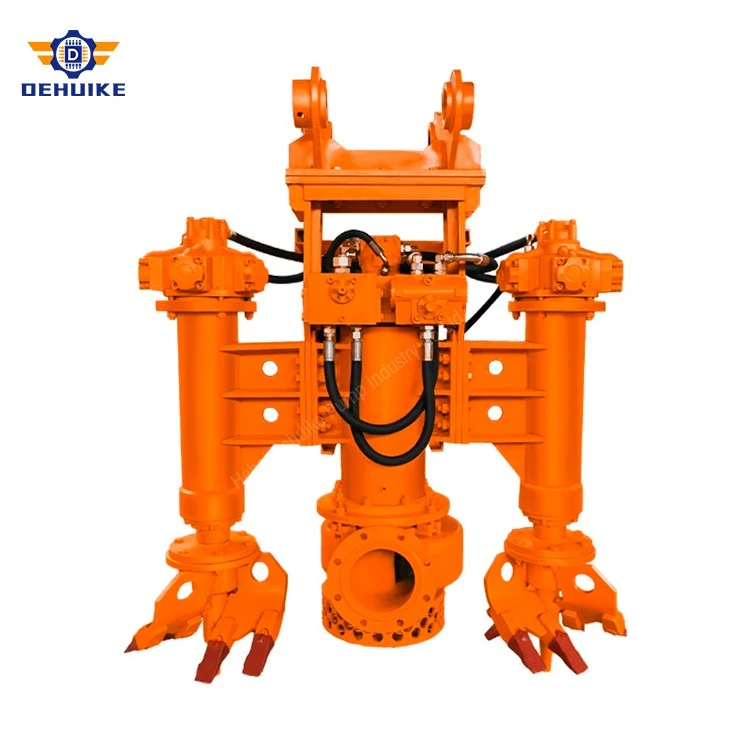
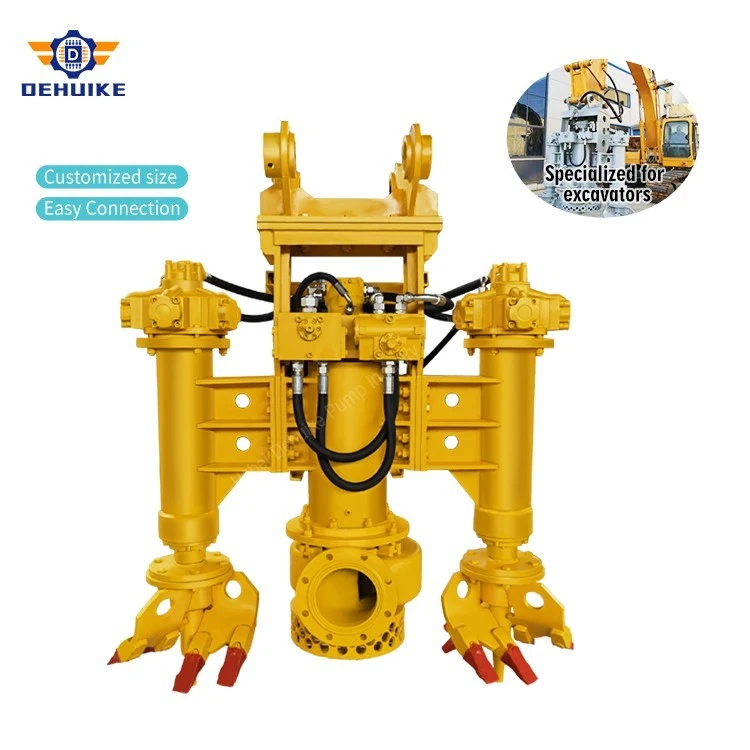
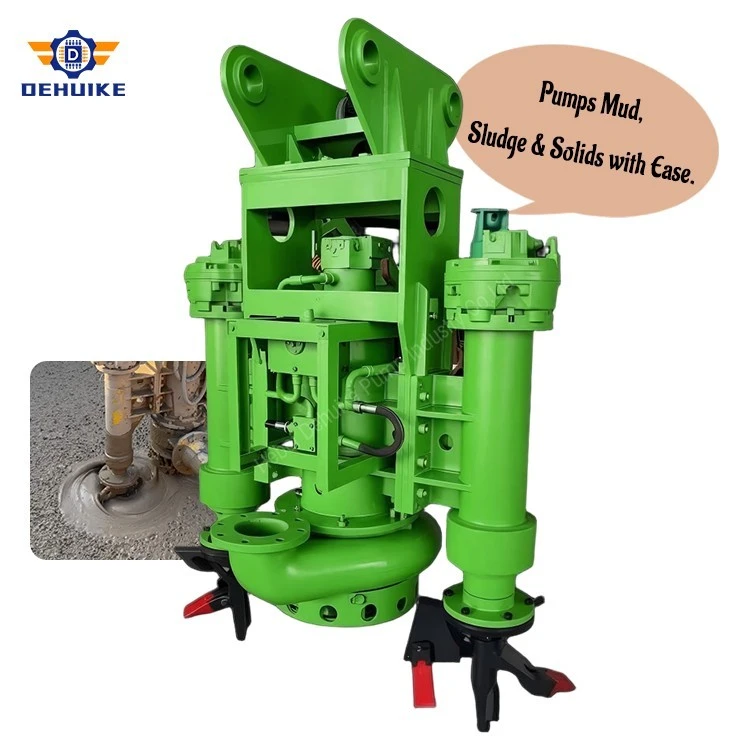
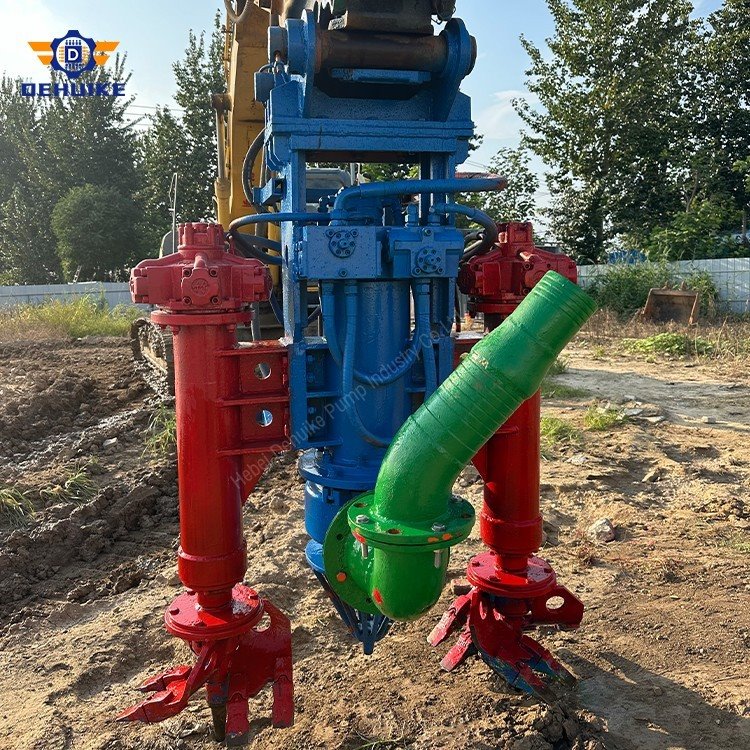
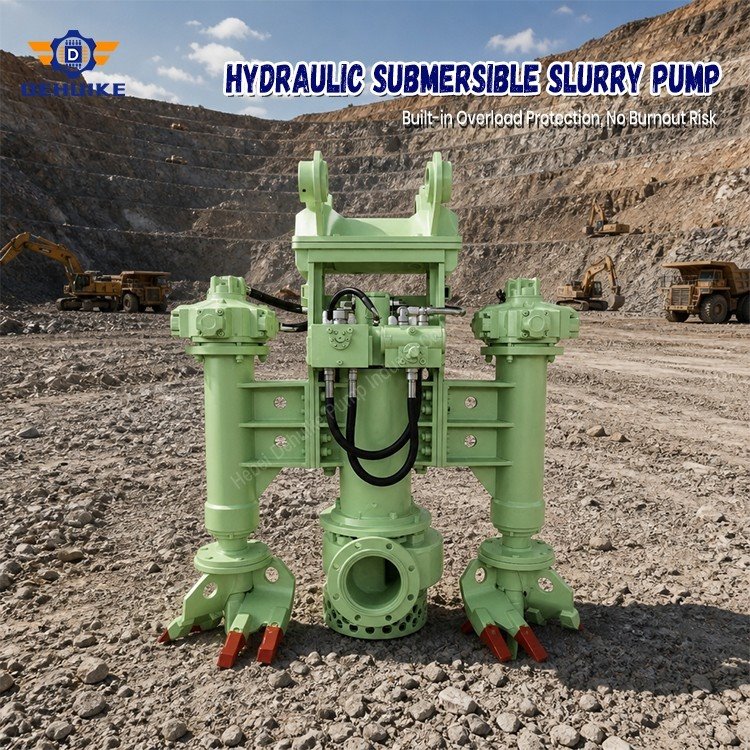
Hebei Dehuike Pump Industry Co., Ltd. is one of the most reliable manufacturers and suppliers of hydraulic sand pump in China. With abundant experience, we are committed to providing high quality customized pumps with competitive price. Welcome to wholesale bulk hydraulic sand pump for sale here from our factory. Also, pricelist is available.
Introduction | Define the Sand Before Choosing the Pump
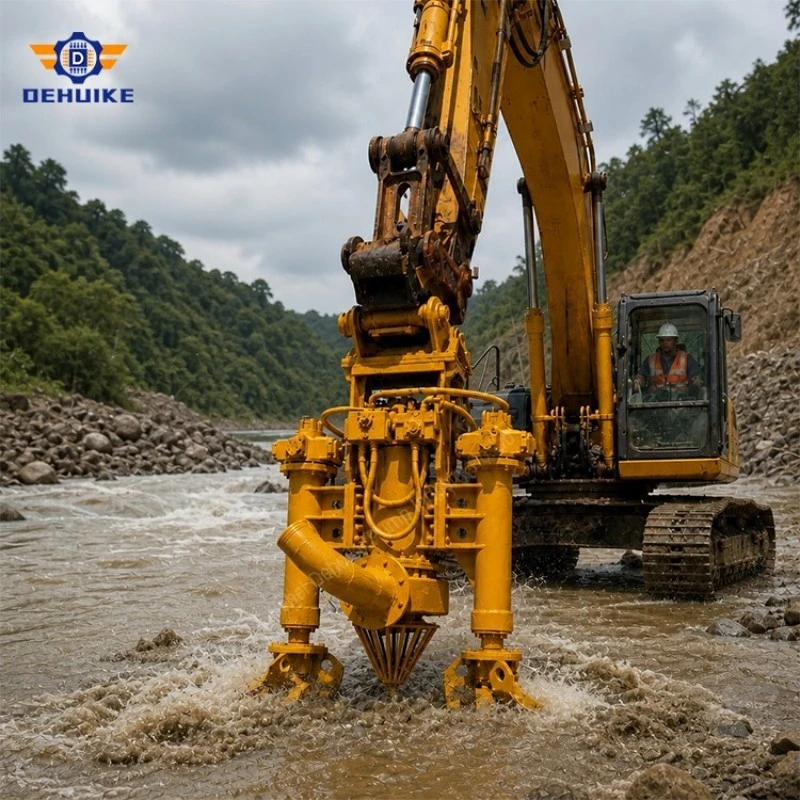
A Hydraulic Sand Pump is specified when water carries sand, grit, washed fines or similar mineral particles and the site prefers hydraulic drive rather than an electric motor at the working point. In sand-handling work, the first technical question is not simply the largest capacity. It is the sand condition: loose river sand, washed aggregate fines, settled pond material, return water from classification, or a sand-rich slurry from an excavation or processing area.
For a practical quotation, describe the sand, water, lift route and hydraulic power source together. A Hydraulic Sand Pump can be reviewed only when the pump duty and the sand-transfer arrangement are understood as one system.
Hydraulic Sand Pump Specifications / Technical Parameters / Technical Data
|
Model no. |
Outlet entry* |
WJY model |
Speed reference |
Head reference |
Sand-water flow reference |
|
1 |
80 |
WJY50-20 |
1450 r/min |
20 m |
50 m3/h |
|
2 |
80 |
WJY80-20 |
1450 r/min |
20 m |
80 m3/h |
|
3 |
100 |
WJY120-18 |
1450 r/min |
18 m |
120 m3/h |
|
4 |
100 |
WJY150-25 |
1450 r/min |
25 m |
150 m3/h |
|
5 |
100 |
WJY200-40 |
1450 r/min |
40 m |
200 m3/h |
|
6 |
150 |
WJY260-28 |
1450 r/min |
28 m |
260 m3/h |
|
7 |
150 |
WJY300-20 |
1450 r/min |
20 m |
300 m3/h |
|
8 |
150 |
WJY300-25 |
1450 r/min |
25 m |
300 m3/h |
|
9 |
150 |
WJY350-25 |
1450 r/min |
25 m |
350 m3/h |
|
10 |
200 |
WJY400-20 |
1450 r/min |
20 m |
400 m3/h |
|
11 |
200 |
WJY450-25 |
1450 r/min |
25 m |
450 m3/h |
|
12 |
200 |
WJY450-30 |
1450 r/min |
30 m |
450 m3/h |
|
13 |
200 |
WJY500-40 |
1450 r/min |
40 m |
500 m3/h |
|
14 |
250 |
WJY600-20 |
1450 r/min |
20 m |
600 m3/h |
|
15 |
250 |
WJY600-30 |
1450 r/min |
30 m |
600 m3/h |
|
16 |
250 |
WJY700-20 |
1450 r/min |
20 m |
700 m3/h |
|
17 |
250 |
WJY700-25 |
1450 r/min |
25 m |
700 m3/h |
|
18 |
300 |
WJY800-22 |
1450 r/min |
22 m |
800 m3/h |
|
19 |
300 |
WJY1000-18 |
1450 r/min |
18 m |
1000 m3/h |
|
20 |
350 |
WJY1000-20 |
1450 r/min |
20 m |
1000 m3/h |
*The parameter-table column is named "Outlet caliber," but no measurement unit or connection standard is supplied. The entry is therefore listed as listed technical data only and must be confirmed by drawing before ordering pipework or hose connections.
Product Details | Focus on Sand Movement, Not Generic Slurry Claims
A Hydraulic Sand Pump is generally discussed for waterborne sand transfer, pit cleanup, wash plant return, pond sediment removal and similar duties where the abrasive solid is mainly sand or mineral fines. The hydraulic motor side and the pump wet end need separate review. Pumped mixture flow cannot be used as the hydraulic oil requirement.
Sand can appear easy to move when it is suspended, but it can settle quickly in a pipe or suction area. Hydraulic Institute material on slurry properties notes that solids and fluid behavior influence pump systems, and slurry settlement in piping is a recognized issue in general slurry handling. Those references support cautious engineering review; they do not certify the WJY models for any specific sand duty.
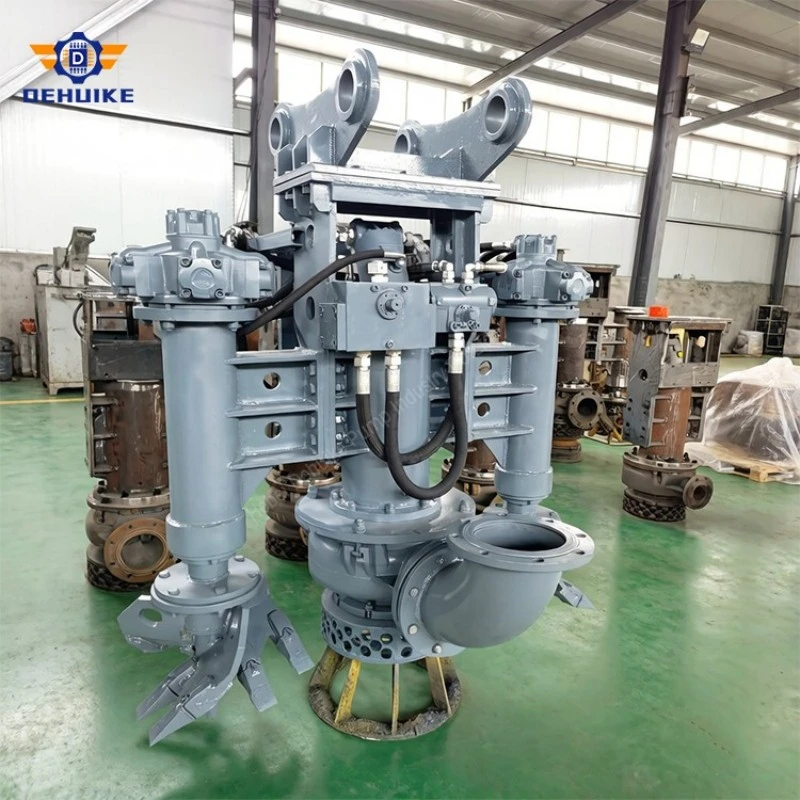
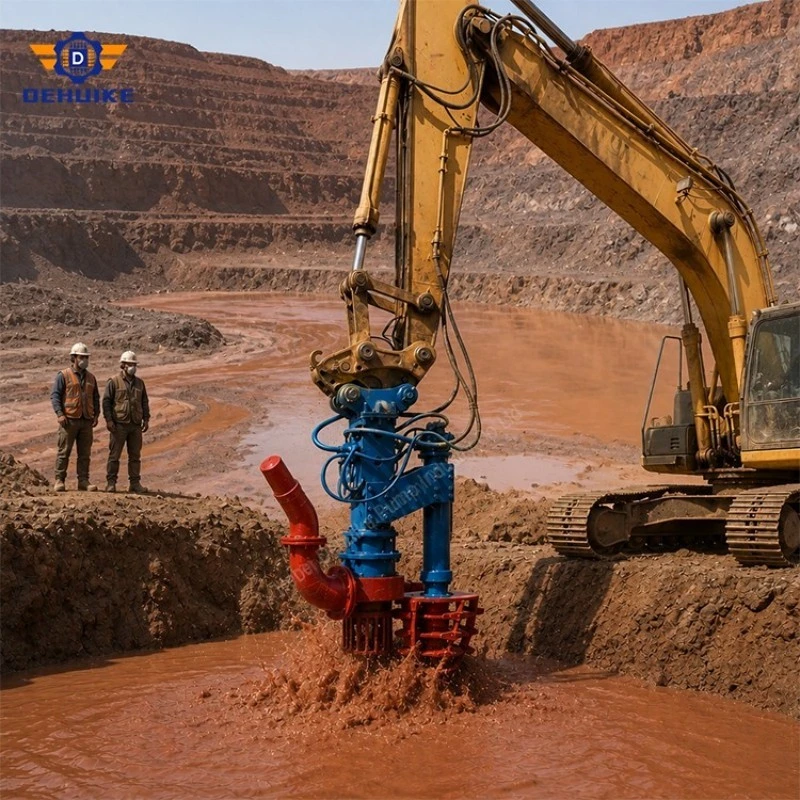
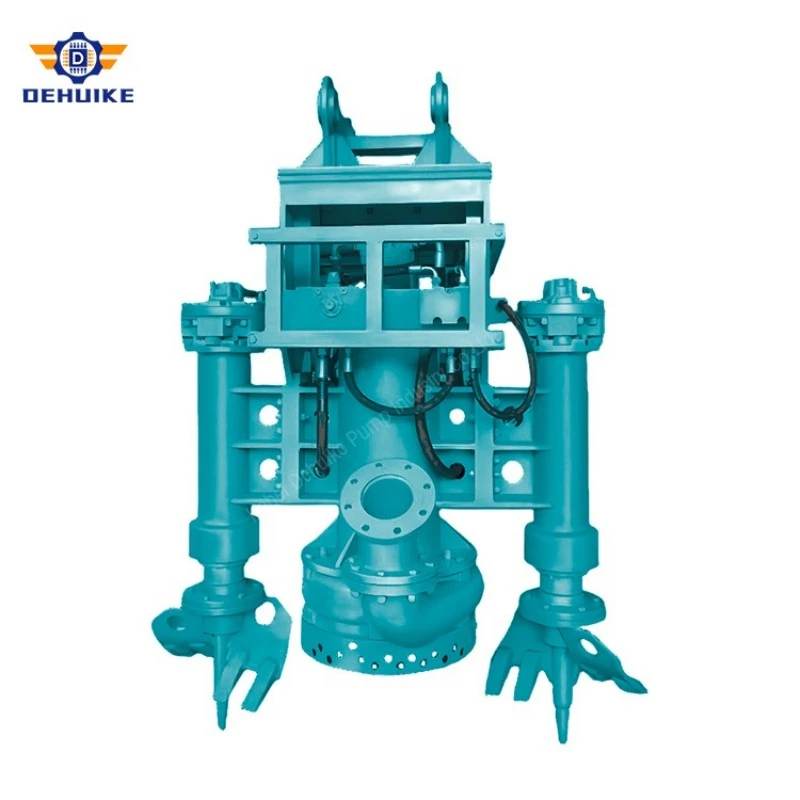
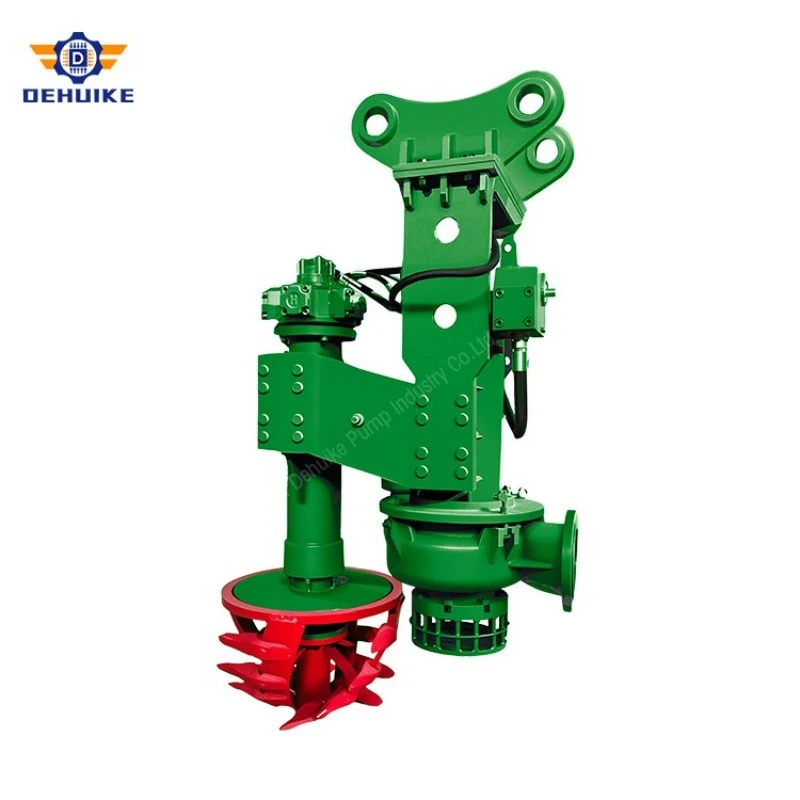
The technical parameter table does not identify an agitator, sand cutter, suction head, screen, skid, float, excavator mount or complete sand-recovery package. If the working site requires any of these items, list them explicitly in the inquiry and request technical drawings.
Features / Equipment Characteristics | Review the Range by Sand Duty
The WJY table gives several useful review bands for sand transfer. A buyer can start by grouping the models by flow and then checking whether the head and site layout remain realistic.
Small sand-water handling: WJY50-20, WJY80-20 and WJY120-18 can be reviewed for limited transfer duties where the system does not require a large flow.
Mid-range sand slurry movement: WJY150-25 through WJY450-30 offer intermediate flow references for washing water, sump return or process recirculation.
Higher-volume sand transfer: WJY500-40 through WJY800-22 can be compared where a larger volume must be moved, provided system head and hydraulic power are checked.
Maximum listed flow entries: WJY1000-18 and WJY1000-20 both show 1000 m3/h, but each still requires evaluation against the low head entries and the discharge system.
Repeated capacities show selection nuance: 300, 450, 600, 700 and 1000 m3/h appear with different head or outlet entries, so a single flow figure is not enough.
Our Advantages | Transparent Data for B2B Sand Handling
The main value of this page is controlled technical presentation. The full table is shown, the missing parameters are named, and the user is guided to provide sand-specific information. This approach is more useful for overseas B2B buyers than a broad claim such as "suitable for all sand pumping."
No statement is made that any WJY model includes special sand liners, guaranteed wear life, non-clog performance, self-agitation or a complete hydraulic power unit. Those points require separate manufacturer confirmation.
Production Process and Quality Assurance | Tie Manufacturing to the Sand Duty
A Hydraulic Sand Pump order should be released against a confirmed configuration, not just a product title. The production and quality plan should reflect the sand handled, the installation and the agreed supply scope.
Duty clarification: define sand type, approximate fines content, required mixture flow, head demand, discharge route, hydraulic source and working cycle.
Design confirmation: approve the model, wetted construction, motor interface, outlet drawing and any accessories needed for the sand-handling arrangement. The spreadsheet does not define these items.
Component preparation: request records linked to the actual wet-end construction and purchased hydraulic components. Do not assume material grade, coating, heat treatment or machining scope unless stated in the accepted specification.
Assembly inspection: verify model identity, connection dimensions, component fit and package boundaries. If a motor or wear component changes, obtain a revised approval before shipment.
Quality Assurance: agree test conditions, inspection documents, measurement records and release criteria. A parameter table is not a factory acceptance test. Certifications and warranty obligations must be written into the purchase documents.
Application | Sand-Handling Scenarios for Technical Review
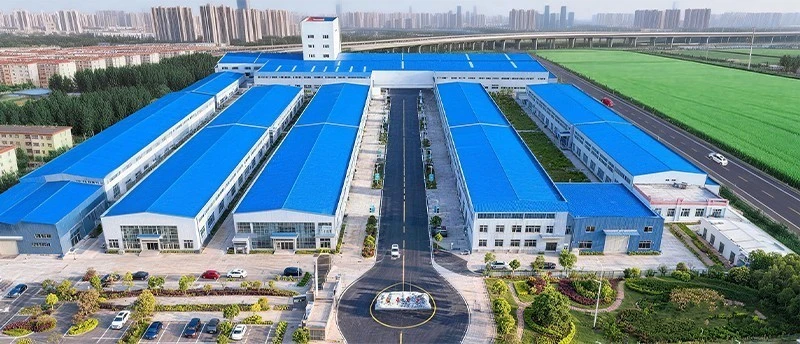
The following scenarios show how a Hydraulic Sand Pump may be discussed during selection. They are examples for engineering review, not approvals of every model.
|
Sand-handling situation |
Why the full WJY list helps |
Selection questions still open |
|
Fine sand in wash water |
Smaller and mid-flow references can be compared without ignoring larger options |
Solids percentage, return line length and available hydraulic power. |
|
Sand settling in a pit or sump |
Multiple head entries help start the lift and discharge discussion |
Suction method, settlement depth, access and expected stoppages. |
|
Aggregate plant fines transfer |
Mid and higher-flow models help compare process-water movement |
Abrasion, pipeline velocity, and whether material settles during pauses. |
|
Sand pond cleanup |
Larger references can be checked against desired removal rate |
Pickup method, mixture density and how the site will inspect the pump. |
The application should be described by material and system behavior, not only by industry name. Sand that moves easily in shallow water may behave differently in a long discharge line or after concentration rises. The model choice must therefore stay connected to the actual duty.
Experience and Markets | Ask for Sand-Duty Evidence
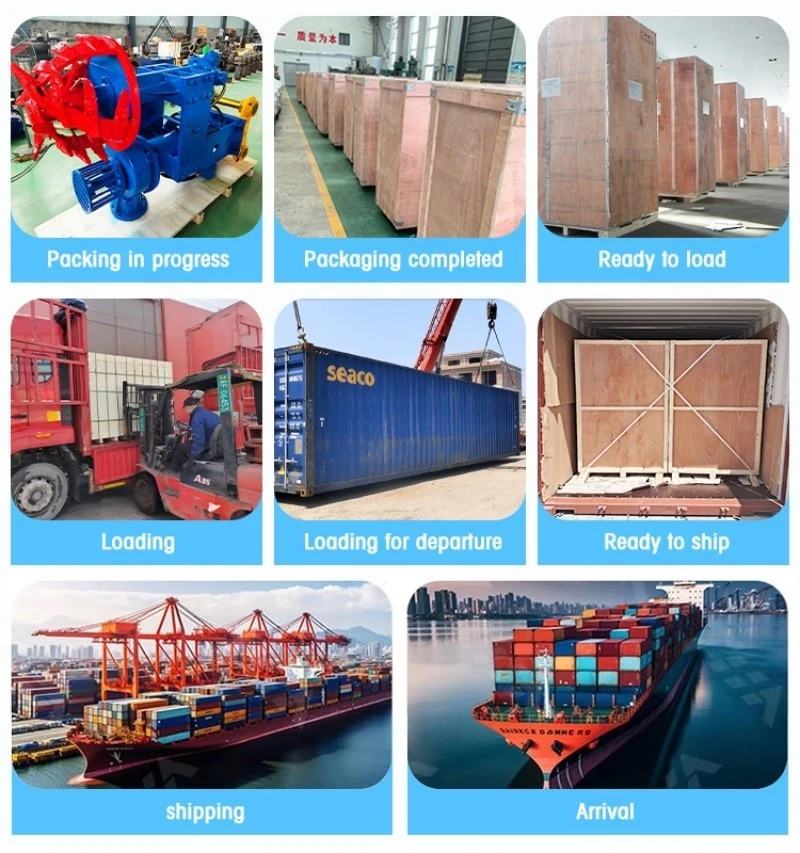
For overseas markets, documentation matters: drawings, manuals, parts references, packing requirements, commercial warranty terms and after-sales contact process should be confirmed before shipment. None of these are created by the numeric table alone.
Our Service | Prepare a Sand Pump Inquiry
Sand duty review: provide sand source, mixture condition, target flow, required head and discharge line information.
Hydraulic matching review: submit available oil flow, pressure, controls, carrier machine or power pack information.
Connection confirmation: request outlet drawings and interface details before buying hoses, reducers or pipe fittings.
Document package: specify required manuals, inspection records, parts list and language needs.
Spare and service discussion: agree wear-part identification, replacement process, support contact and warranty handling.
If the purchase needs only a bare pump, state that. If the project requires motor, hoses, frame, hydraulic power unit, suction accessory or control device, each item should be listed separately.
Installation, Maintenance and Precautions | Keep Sand from Becoming a System Problem
Install a Hydraulic Sand Pump only after the confirmed drawings and operating instructions are available. This product page is a selection draft, not a commissioning procedure.
Before installation, check the route from sand pickup to discharge point. Confirm the connection, support method, hydraulic source and whether the pump can be inspected without unsafe access. Avoid ordering hose and flange items from the unlabelled outlet entry.
During operation, watch for reduced delivery, line vibration, abnormal hydraulic temperature, leakage and signs of sand settling. Do not respond by exceeding approved pressure, speed or operating limits. If sand concentration changes, the working point may also change.
For maintenance, establish inspection intervals, wear limits and replacement parts before the first run. Isolate hydraulic energy before service. Dry running, blocked discharge, oversize particles, reverse rotation and chemically aggressive liquid should not be treated as acceptable unless the manufacturer approves them for the supplied configuration.
FAQ | Questions Buyers Ask About Sand Pumping
Q1. What does Hydraulic Sand Pump mean on this page?
It means a hydraulic-drive slurry pump being evaluated for sand-rich water and similar mineral fines. It does not automatically prove a complete sand-recovery unit or a ready-to-run power package.
Q2. Are all listed models used?
Yes. The technical parameter table contains 20 WJY rows, and all 20 appear in the specifications table. The layout groups each row's flow, head, outlet entry and speed without changing the numbers.
Q3. Which entries show the largest flow?
WJY1000-18 and WJY1000-20 both show 1000 m3/h. Their head references are 18 m and 20 m, so selection still depends on the system curve and sand concentration.
Q4. Which entries show the highest head?
WJY200-40 and WJY500-40 both show 40 m. They differ in flow, so they should be reviewed as different duty options rather than alternatives of the same pump.
Q5. Can the outlet entry be used as a confirmed pipe size?
No. The outlet value has no unit or connection standard in the technical parameter table. Use it as listed technical data only until the supplier provides an approved drawing.
Q6. Does the table prove the pump can handle coarse sand?
No. The technical parameter table does not state particle size, solids concentration or passage limits. Send sand grading and process information for review before selecting a model.
Q7. Is the hydraulic power requirement listed?
No. Pumped mixture flow is separate from hydraulic oil flow. Request oil flow, pressure and motor information for the exact configuration.
Q8. What should be included in a quotation request?
Include sand source, target flow, required head, discharge route, hydraulic source, installation method, required accessories and documentation expectations. Clear duty information prevents a capacity-only quotation.

Hot Tags: hydraulic sand pump, China hydraulic sand pump manufacturers, suppliers, factory