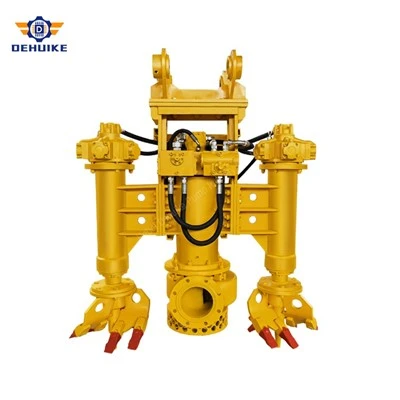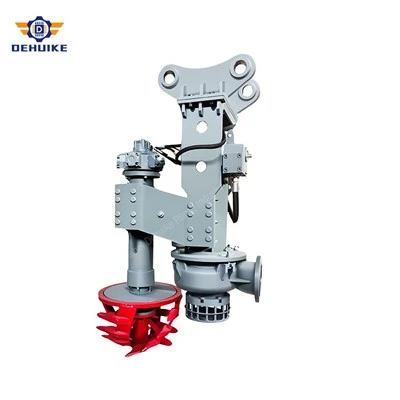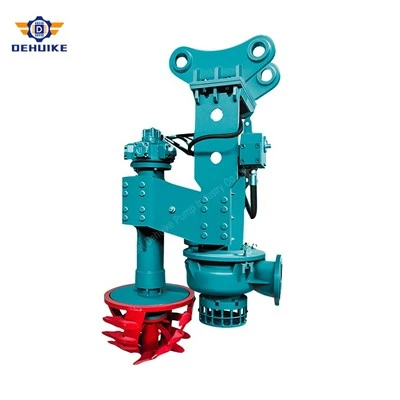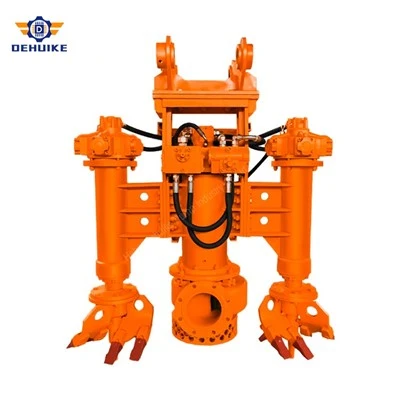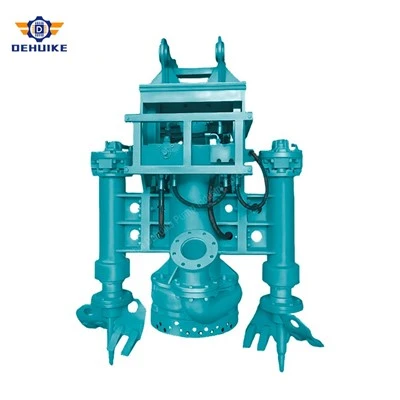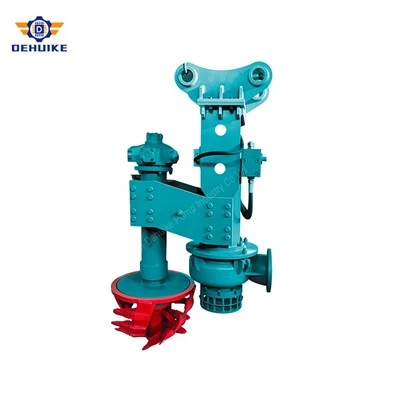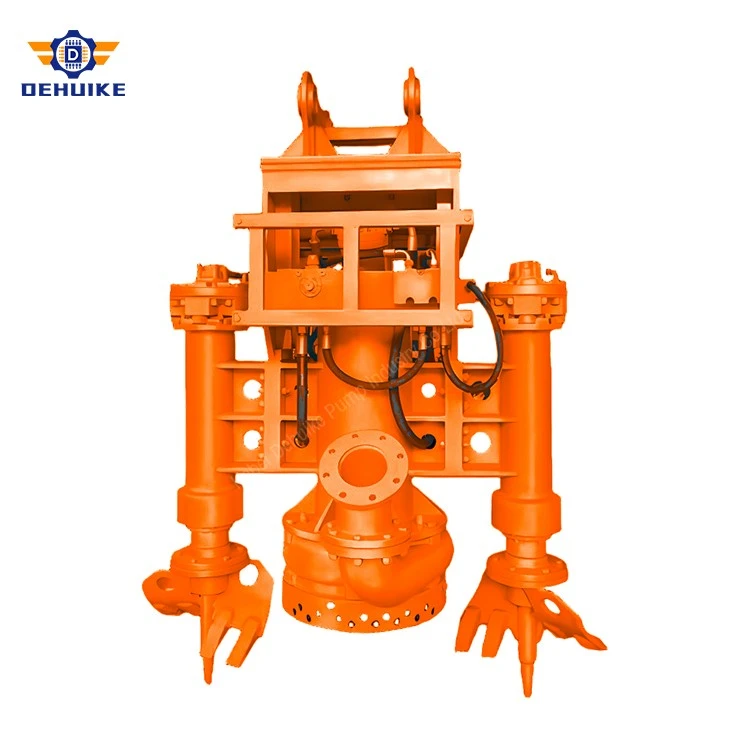
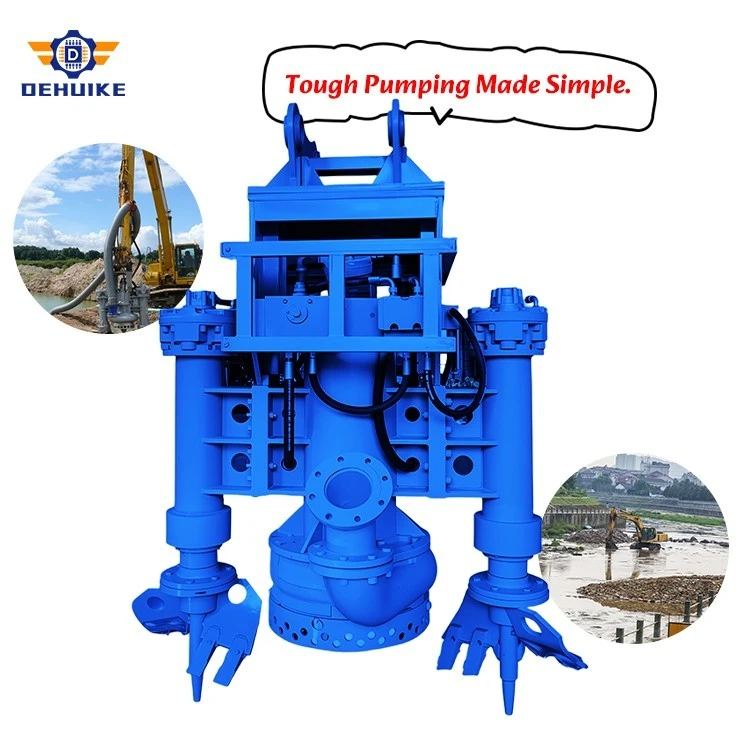
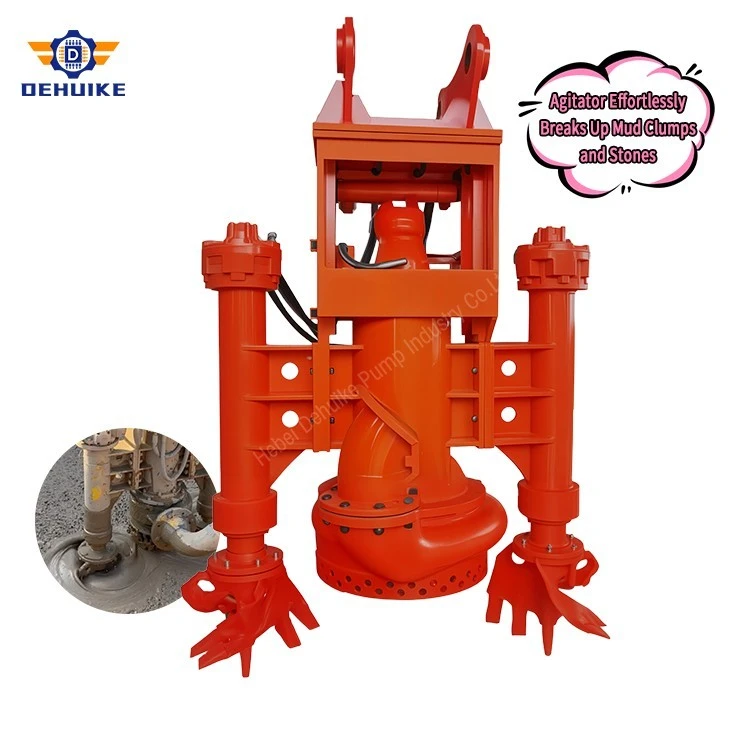
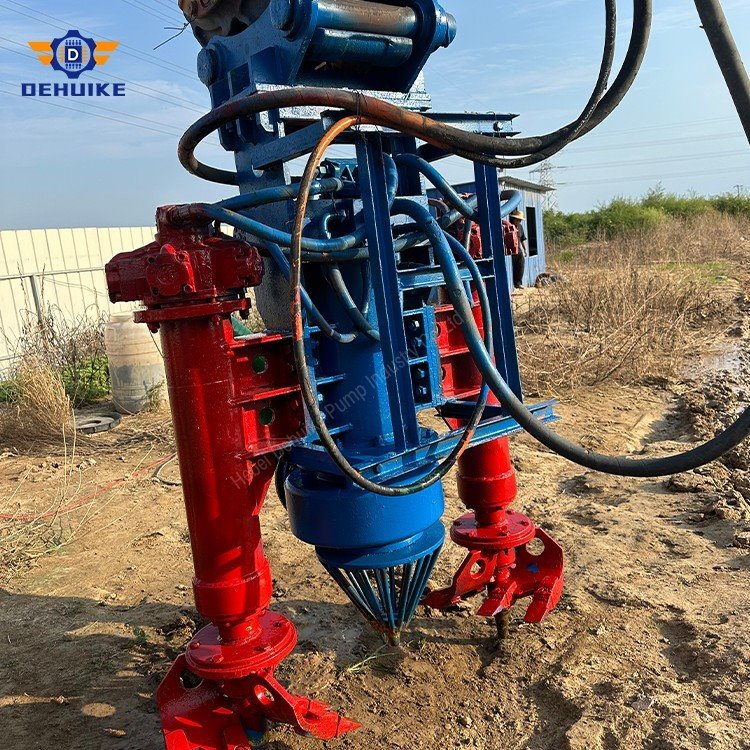
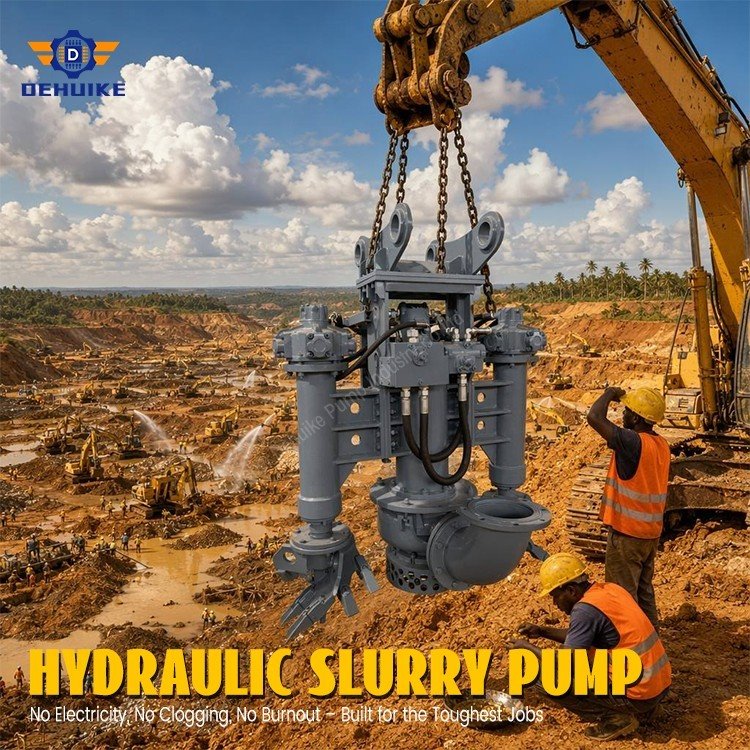
Hebei Dehuike Pump Industry Co., Ltd. is one of the most reliable manufacturers and suppliers of hydraulic dredging pump in China. With abundant experience, we are committed to providing high quality customized pumps with competitive price. Welcome to wholesale bulk hydraulic dredging pump for sale here from our factory. Also, pricelist is available.
Introduction | Build the Dredging Duty Around the Site
WJY series for sediment removal and slurry transport
The discharge pipe is often the most revealing part of a dredging enquiry. Its route shows how far the mixture has to travel, where the elevation changes and what the pump must overcome between the excavation area and the receiving point. A capacity figure is useful only when considered alongside that route and the material entering the pump.
Hydraulic drive adds another part to the selection. The pump moves a water-and-solids mixture, while its motor receives power through an oil circuit. These are separate flows with separate requirements. Matching the wet end to the dredging task and matching the motor to the available hydraulic supply are related decisions, but one cannot be established from the other without the relevant data.
The WJY records below provide twenty combinations of pumped flow and head, each at a listed speed of 1450 r/min. They offer a way to narrow the discussion before a complete proposal is prepared. The selected equipment must also suit the sediment, the means of reaching it and the carrier or installation that will hold the pump in position.
Start with the deposit
Describe what is to be removed before choosing a model. Loose sand, fine settled silt, mineral residue and process sludge can present different handling problems even where the required liquid flow is similar. Include the sediment condition in place, rather than only the description it has after dilution or disturbance.
Where samples or site records are available, provide solids concentration, particle distribution and mixture density. Identify coarse fragments, fibres or other debris that may reach the inlet. The WJY table gives no solids-passage limit, so none of its model names can establish an acceptable maximum particle size. That question requires a specific answer for the offered construction.
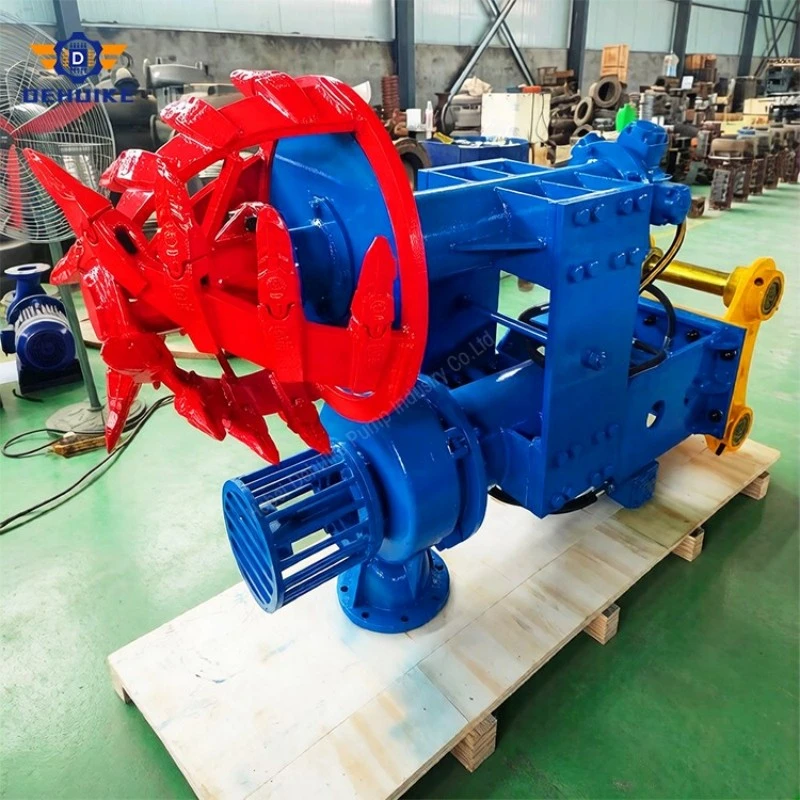
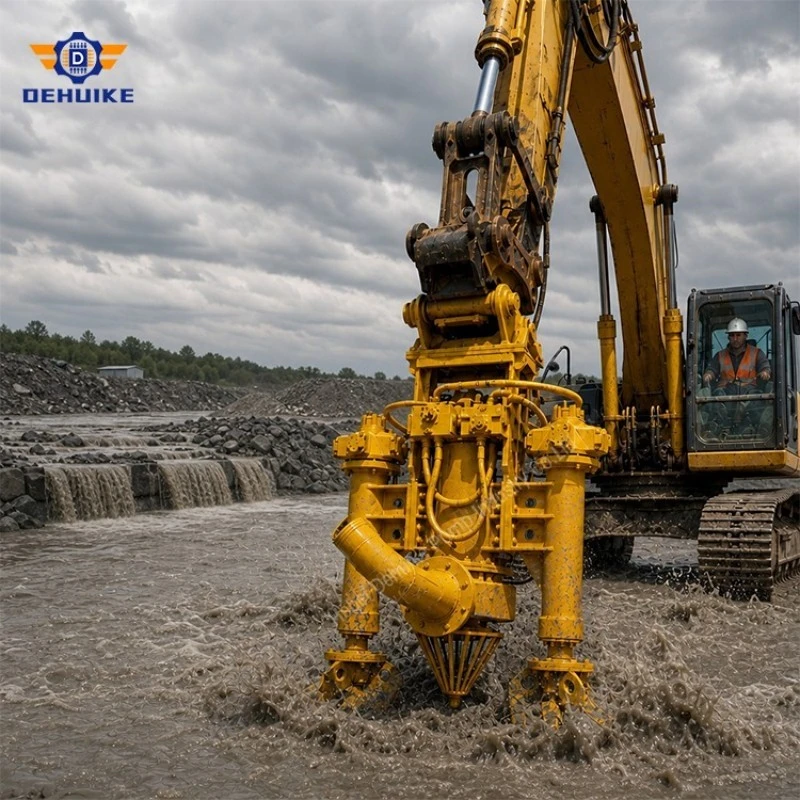
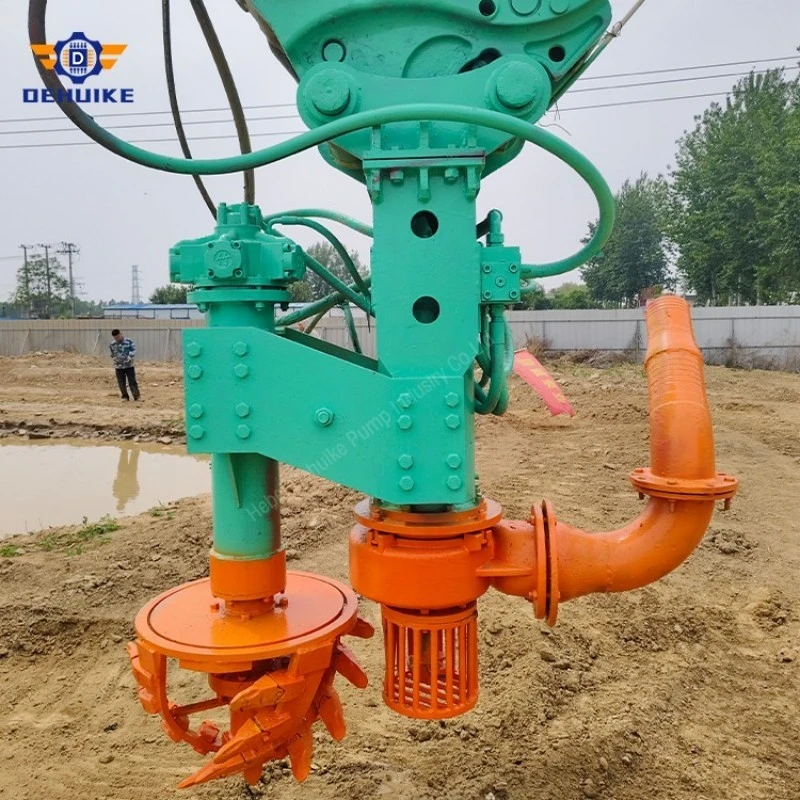
Deposited material also has to reach the intake. A pump may be proposed with a separate means of loosening or feeding the sediment, but that equipment is not established by the parameter sheet. Explain how the material will be mobilised and whether the pump supplier is expected to provide any part of that function.
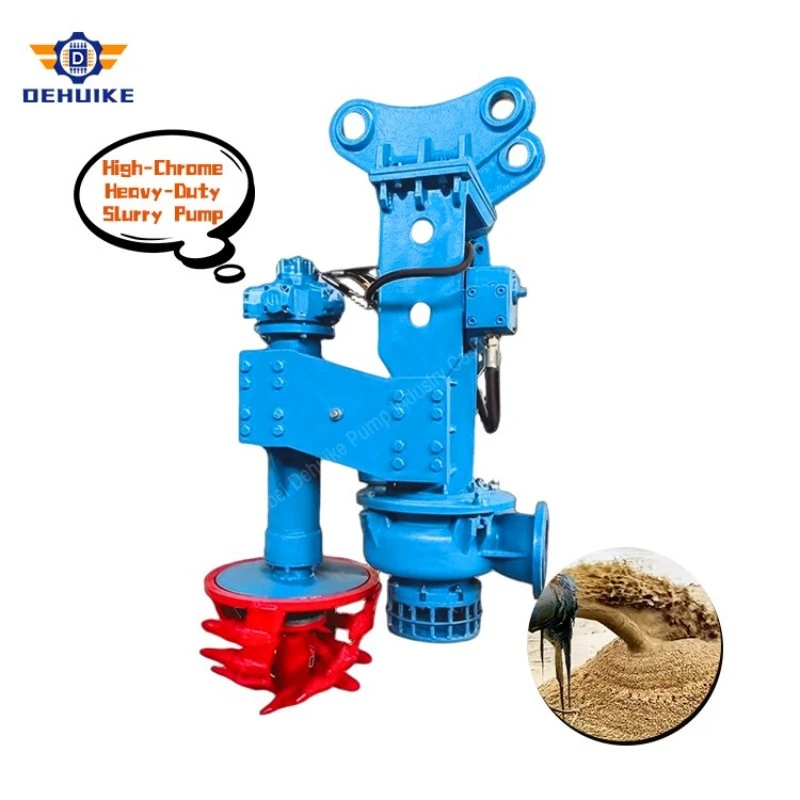
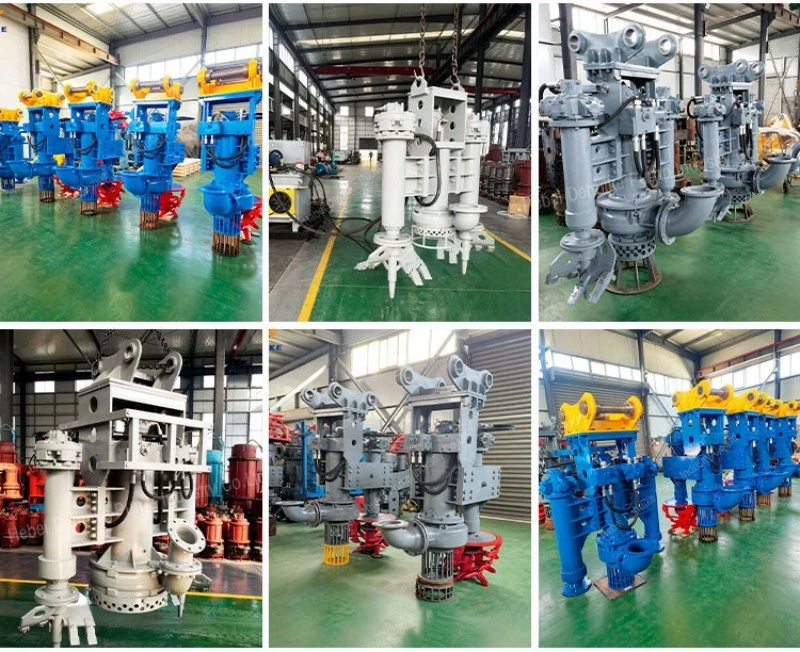
Agitators and cutters are therefore order items to discuss, not features implied by the word dredging. If one is required, describe the work it must perform and request the proposed component arrangement. Its power needs and connection to the carrier or hydraulic circuit should be visible in the offer. A photograph of another installation is not sufficient to define what is included.
WJY model data
|
Model |
Outlet reference* |
Flow m³/h |
Head m |
Speed r/min |
|
WJY50-20 |
80 |
50 |
20 |
1450 |
|
WJY80-20 |
80 |
80 |
20 |
1450 |
|
WJY120-18 |
100 |
120 |
18 |
1450 |
|
WJY150-25 |
100 |
150 |
25 |
1450 |
|
WJY200-40 |
100 |
200 |
40 |
1450 |
|
WJY260-28 |
150 |
260 |
28 |
1450 |
|
WJY300-20 |
150 |
300 |
20 |
1450 |
|
WJY300-25 |
150 |
300 |
25 |
1450 |
|
WJY350-25 |
150 |
350 |
25 |
1450 |
|
WJY400-20 |
200 |
400 |
20 |
1450 |
|
WJY450-25 |
200 |
450 |
25 |
1450 |
|
WJY450-30 |
200 |
450 |
30 |
1450 |
|
WJY500-40 |
200 |
500 |
40 |
1450 |
|
WJY600-20 |
250 |
600 |
20 |
1450 |
|
WJY600-30 |
250 |
600 |
30 |
1450 |
|
WJY700-20 |
250 |
700 |
20 |
1450 |
|
WJY700-25 |
250 |
700 |
25 |
1450 |
|
WJY800-22 |
300 |
800 |
22 |
1450 |
|
WJY1000-18 |
300 |
1000 |
18 |
1450 |
|
WJY1000-20 |
350 |
1000 |
20 |
1450 |
Translate the production target into a pumping duty
A contractor may describe the job in cubic metres of sediment to be removed. The pump table instead lists the volume of mixture transferred per hour. Those quantities should remain distinct. The mixture contains water as well as solids, and the useful removal rate also depends on the feed reaching the inlet and the continuity of operation.
If the project specifies a production target, explain how it is measured. An in-place sediment quantity, a solids mass and a discharge-slurry volume are different bases. They can all matter to the commercial outcome, but they are not interchangeable numbers. Agree the basis before asking a supplier to relate the target to the proposed pumping equipment.
Describe the line the slurry will travel through
A discharge sketch should show pipe or hose sizes, approximate lengths, rises and falls, bends and the final delivery point. Note any existing sections that have to remain. If a head calculation has already been prepared, supply it with the assumptions used. A supplier can then review a defined route instead of interpreting "long-distance discharge" without dimensions.
The head in the table is not excavation depth. It also does not represent an allowable hose length. A route with a modest elevation change can still impose significant resistance, while a different arrangement may require more static lift. The proposed mixture and piping need to be evaluated together to establish the duty against which the model will be selected.
Settling behaviour matters when planning slurry transport. Tell the supplier if the material deposits rapidly or if the line will be stopped frequently. The operating and shutdown arrangements need to address the actual material and route. Increasing the pump size without reviewing the line does not, by itself, resolve every transport problem.
Obtain the relevant pump curve for the configuration and speed being offered. The listed duty point is useful for comparison, but it does not show the whole operating range. Where slurry performance adjustments are needed, ask how they have been applied. The proposal should make clear which assumptions support the predicted result.
Match the hydraulic motor to the available supply
The flow column cannot be used to size the hydraulic oil supply. It refers to the pumped mixture. The parameter sheet provides no oil-flow requirement, working pressure, motor displacement or motor efficiency. Obtain those details for the exact pump-and-motor combination before assessing compatibility with a power pack or carrier machine.
For an existing hydraulic source, provide its relevant specifications and the intended control arrangement. Identify other equipment expected to operate from the same source during pumping. If a dedicated power unit is being purchased, ask the supplier to define its required output and the equipment within its scope rather than leave the drive interface unresolved.
The listed 1450 r/min is common to every row. It is a reference speed, not permission to operate across an unspecified speed range. Ask for the limits and controls appropriate to the offered assembly. The table alone does not show whether the proposed oil supply will achieve that speed under the intended load.
Connections deserve their own review. Request the motor-port information and the requirements for the supply, return and any other lines specified for the selected circuit. Hose and fitting choices should follow that documentation. The presence of hydraulic drive does not establish that an existing set of hoses is compatible with the new equipment.
Review the proposal before manufacture
An engineering submission should identify the selected WJY reference, intended operating point and associated hydraulic requirements. It should also show how the offered arrangement meets the site's physical constraints. Where performance is conditional on a particular material or line configuration, retain those conditions in the approved record.
Testing needs a defined purpose. State which quantities are to be measured, the conditions under which they will be measured and how acceptance will be judged. If a report is required at shipment, include it in the order. A catalogue point does not establish that an individual assembly has passed an agreed performance test.
Decide how the pump reaches the work
Access can determine the arrangement as strongly as the duty point. A shore-based operation, a floating installation and an attachment carried by another machine raise different physical questions. Explain the intended method before asking for mounting details. The WJY model table does not establish compatibility with a particular excavator, platform or dredging frame.
If an excavator attachment is required, identify the carrier and ask for the proposed mechanical and hydraulic interfaces. If the pump is to hang from a frame or work from a platform, provide the layout and movement expected in service. These details allow the supplier to define the support arrangement rather than assume that a generic bracket will meet the need.
Submerged operation also needs explicit confirmation. The product title and pumping data do not establish an underwater rating, permissible depth or orientation. Request the limits for the complete unit, including the motor and connections. An installation drawing should identify the offered position and any conditions the operator must maintain.
Select construction for the actual mixture
The sheet does not name a wetted alloy, lining material or seal design. These items remain to be specified. Describe both abrasion and chemical exposure so the proposed construction can be reviewed against the service. A general slurry-pump designation is not evidence that a particular material grade or sealing arrangement is fitted.
Ask the offer to identify the material of the principal wear components. If an alternative material is proposed, keep its designation linked to the relevant part. The reason for the choice should be tied to the expected mixture and operating conditions, rather than to a broad claim that one construction is suitable for all dredging work.
Seal and bearing details are also relevant to the proposed installation. Request a description of the offered arrangement and the operating instructions that apply to it. Do not import a seal specification from another product family simply because it also handles slurry. The hydraulic dredging assembly needs documentation for its own construction.
Define the equipment being purchased
Establish whether the request is for a wet-end assembly, a pump with hydraulic motor or a broader working package. The distinction affects both price and responsibility. A contractor who needs a ready-to-connect unit should not have to infer which drive components are included from a single model number on the quotation.
List additional items individually where required: power unit, hoses, controls, frame, mounting hardware and any sediment-loosening equipment. Ask the supplier to identify inclusions and exclusions against that list. A component necessary at site is not automatically part of the pump manufacturer's supply.
Commercial comparisons should use the same scope and duty basis. Two offers at the same listed flow may differ in head, drive equipment, material or accessories. Put those differences beside the price so that a lower figure is understood in relation to what it buys. A comparison of model labels alone leaves too much hidden.
Prepare for operation and maintenance
Installation and commissioning should use the instructions for the delivered assembly. Confirm the approved operating position, hydraulic connections and discharge arrangement before deployment. The product description provides selection information; it does not establish a universal starting sequence for every configuration listed in the range.
During service, use the supplied limits and the site's operating procedure to assess changes in delivery, unusual noise, leakage or hydraulic behaviour. A reduction in output is not a reason to exceed an unverified speed or pressure limit. The cause may involve the feed, the line or the equipment and should be investigated within the documented operating boundaries.
Agree how planned stops will be handled when the material is liable to settle. The relevant procedure depends on the slurry and the complete installation. Obtain the supplier's instructions instead of assuming that every line can remain full or that every unit can run without liquid. The table does not establish permission for dry operation, reverse rotation or a blocked discharge.
Maintenance preparation should identify the replacement components, inspection requirements and isolation procedure. Hydraulic energy must be isolated and handled according to the supplied instructions and site rules before servicing. Keep the parts references and assembly documentation available to the team responsible for the unit, particularly if the dredging equipment will move between projects.
Hot Tags: hydraulic dredging pump, China hydraulic dredging pump manufacturers, suppliers, factory