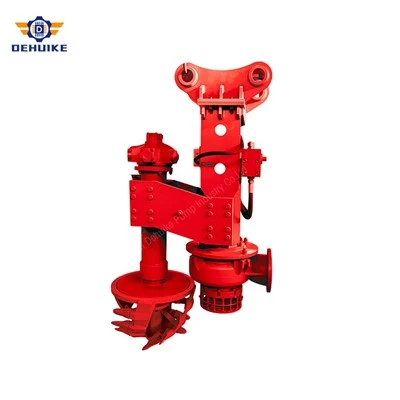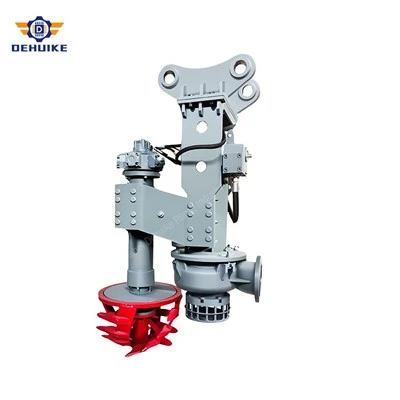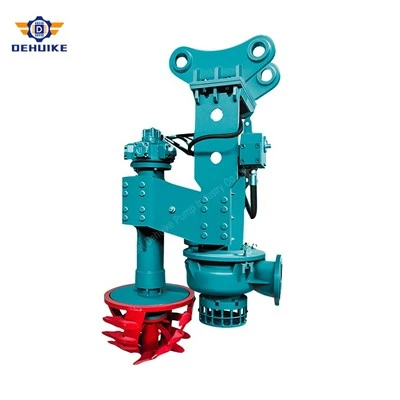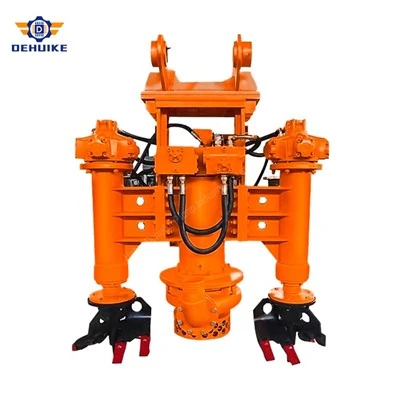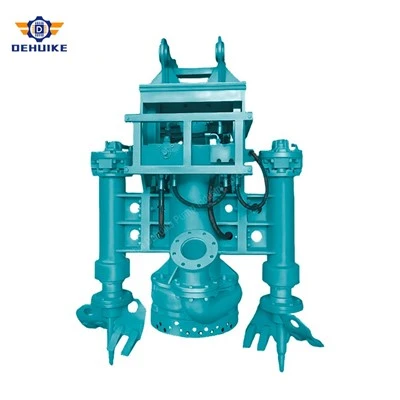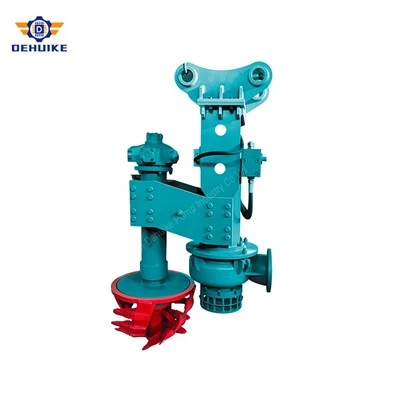

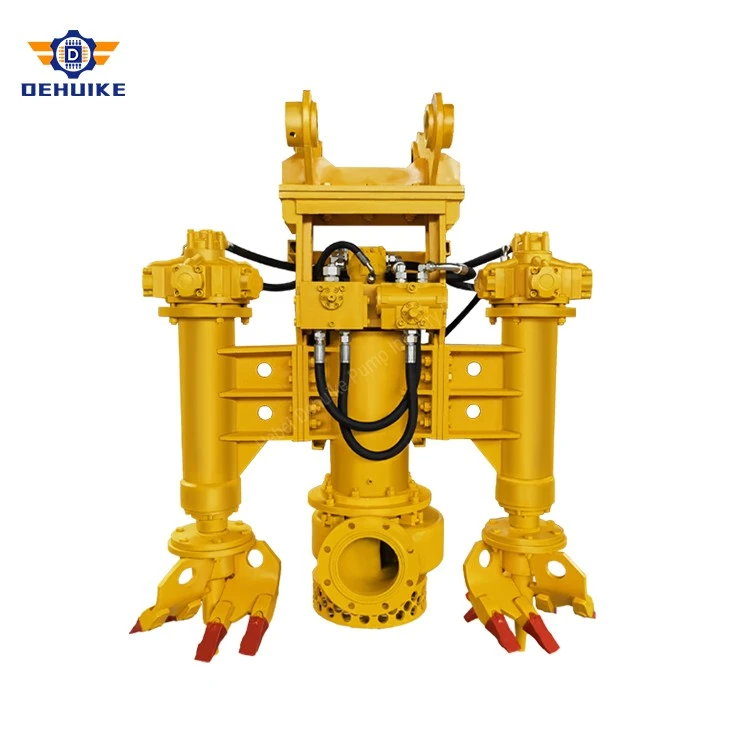
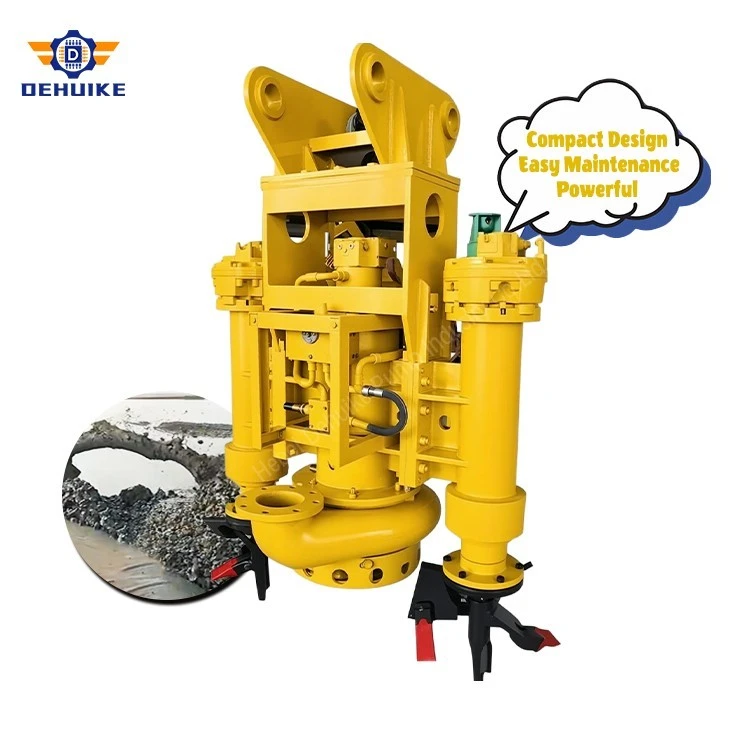
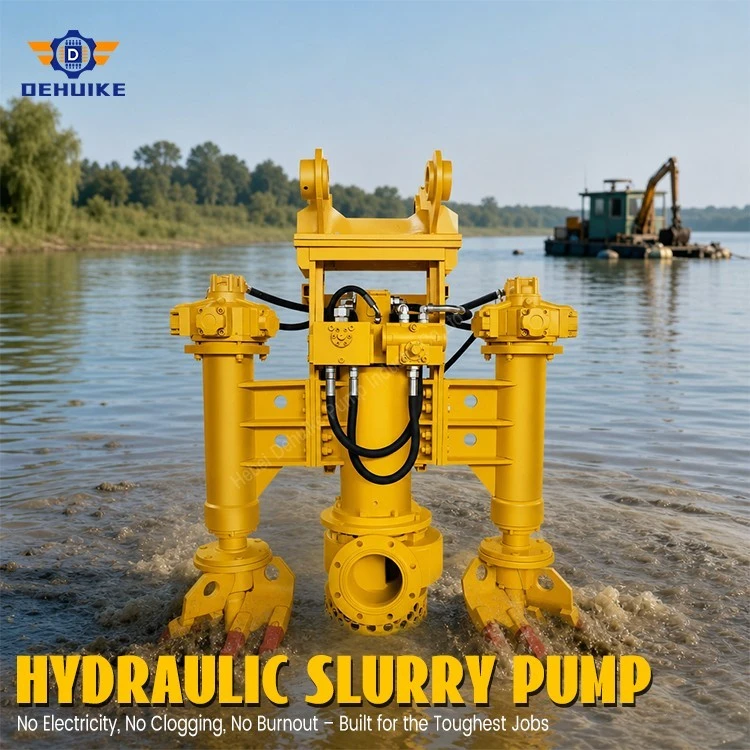
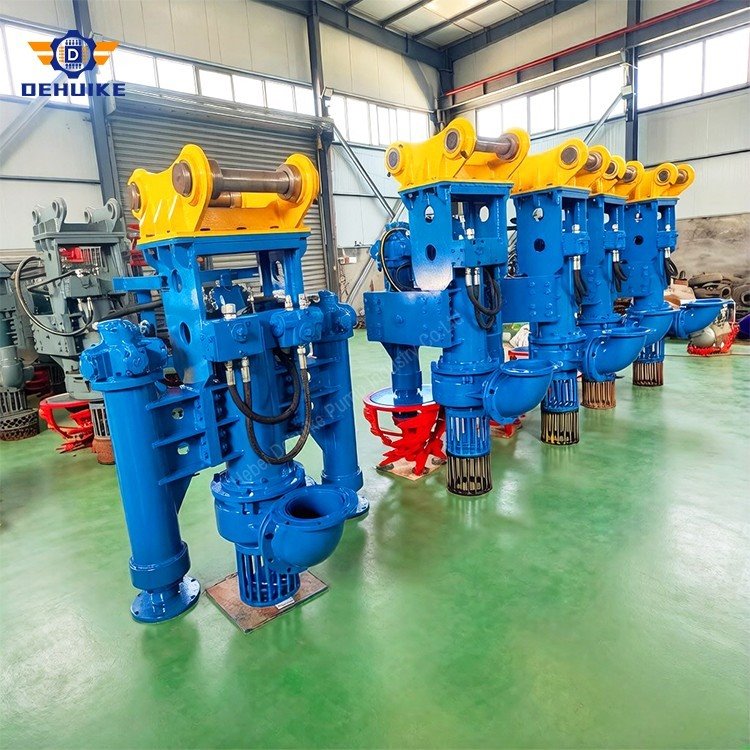
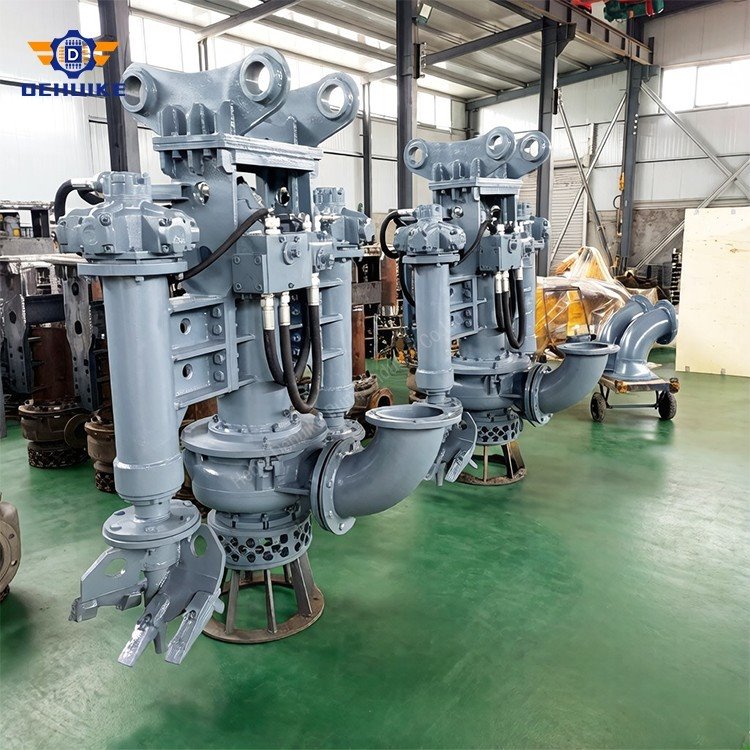
Hebei Dehuike Pump Industry Co., Ltd. is one of the most reliable manufacturers and suppliers of hydraulically powered slurry pump in China. With abundant experience, we are committed to providing high quality customized pumps with competitive price. Welcome to wholesale bulk hydraulically powered slurry pump for sale here from our factory. Also, pricelist is available.
Introduction | Plan the Pump and Its Power Supply Together
The WJY Hydraulically Powered Slurry Pump is a hydraulic-drive option for transferring liquids containing suspended solids. For equipment integrators and industrial purchasers, the first decision is not simply which capacity looks largest. It is whether the proposed pump, its hydraulic source and the receiving process can operate as a compatible package.
This page focuses on that integration decision. Five WJY references allow initial comparison, followed by the information needed to define the drive connection, assess the mixture and prepare an order. An existing hydraulic installation may be a starting point for discussion, but compatibility must be established for the particular equipment. A model designation alone cannot settle it.
Bring the process requirement and the hydraulic supply specification into the same inquiry. That gives purchasing and engineering a common basis for reviewing the offer, rather than leaving critical interfaces unresolved until delivery.
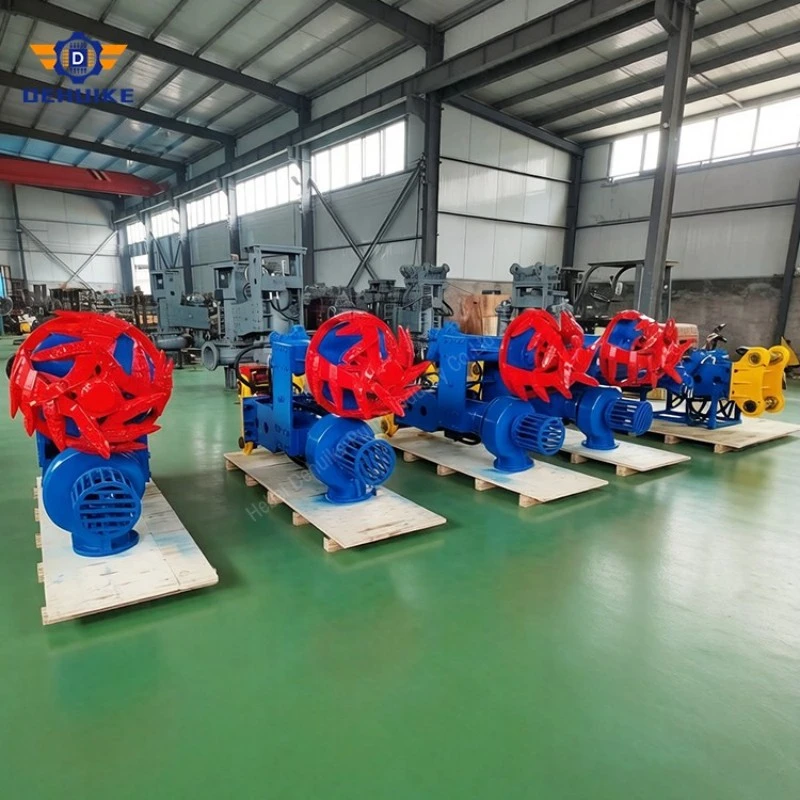
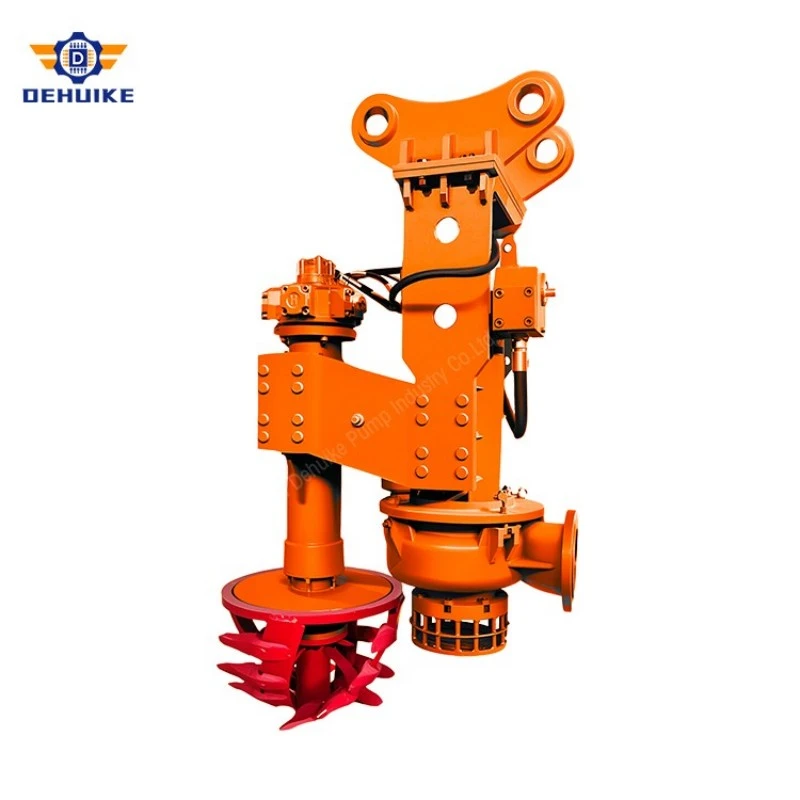
Hydraulically Powered Slurry Pump Specifications / Technical Parameters / Technical Data
Read down each model column to keep its performance entries together. The matrix retains all four technical fields for the five selected references from the supplied "Technical Parameters" technical parameter table; it changes the presentation, not the data.
No outlet-caliber unit is identified in the source. These entries are not assigned a millimetre size, a DN designation or an imperial equivalent. Dimensions, flange drilling and the connection specification remain subject to drawing approval.
|
Parameter |
WJY50-20 |
WJY150-25 |
WJY300-25 |
WJY500-40 |
WJY800-22 |
|
Capacity, m3/h |
50 |
150 |
300 |
500 |
800 |
|
Head, m |
20 |
25 |
25 |
40 |
22 |
|
Speed, r/min |
1450 |
1450 |
1450 |
1450 |
1450 |
|
Outlet caliber, original entry* |
80 |
100 |
150 |
200 |
300 |
Product Details | Separate the Energy Interface from the Material Path
With a Hydraulically Powered Slurry Pump, the hydraulic motor provides rotation by converting fluid power into mechanical motion. That describes the drive principle, not the internal construction of every WJY assembly. The motor specification and pump drawing must establish how the selected unit is built.
Review the package through three interfaces:
Power connection: identify the required hydraulic supply, control arrangement and return connections in the approved circuit documentation. Ask which components belong to the supplier's package and which remain part of the existing installation.
Process connection: establish how material enters the pump and reaches the receiving equipment. Connection dimensions and the actual slurry description need separate approval; an outlet entry does not define particle passage.
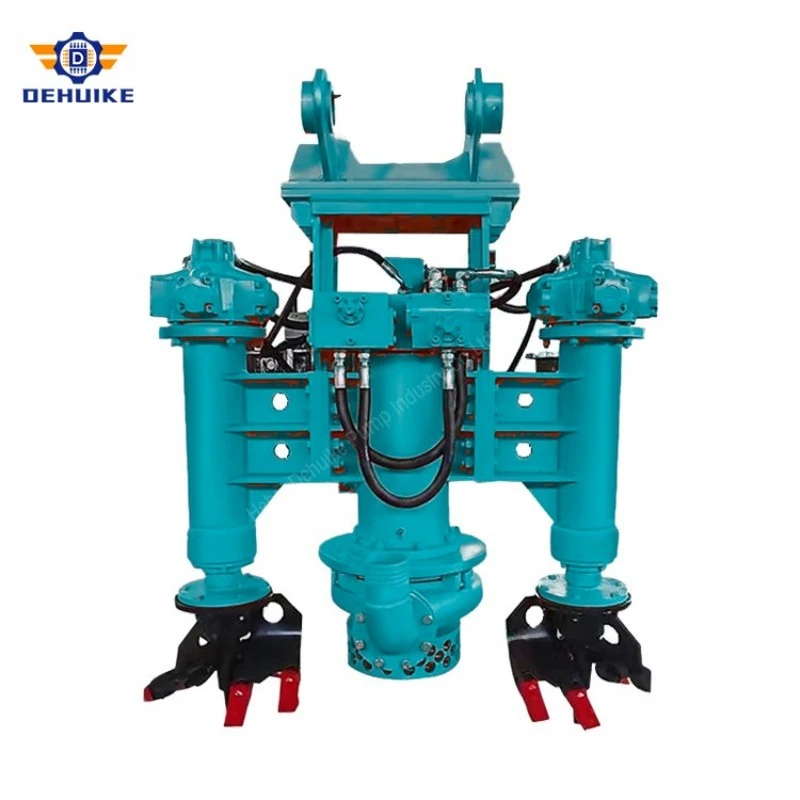
Mechanical integration: obtain the mounting envelope, supported loads, lifting instructions and access requirements relevant to the proposed arrangement. No bracket, agitator or cutting device is established by the available data.
Material compatibility deserves its own decision. Hydraulic Institute references distinguish mixture density, abrasive behaviour and viscosity as relevant selection considerations. Where chemical attack accompanies abrasive wear, the appropriate construction must address both. These principles guide the engineering review; they do not identify a WJY alloy or confirm a particular duty.

Features / Equipment Characteristics | Choose the Useful Difference
The selected entries describe a family with different capacity-and-head combinations, rather than interchangeable pumps with different names. For a Hydraulically Powered Slurry Pump shortlist, the useful distinction is the requirement each entry can help investigate.
Compare equal-head alternatives. WJY150-25 and WJY300-25 share a 25 m head entry but list capacities of 150 m3/h and 300 m3/h respectively. This is a useful comparison when throughput requirements differ. It does not establish identical dimensions, power demand or wear behaviour.
Keep head-led and capacity-led decisions separate. The 40 m entry belongs to WJY500-40 at 500 m3/h. WJY800-22 instead pairs 800 m3/h with 22 m. Increasing the selected capacity therefore cannot be assumed to increase the available head.
Our Advantages | A Reviewable Product Offer
The value demonstrated by this selection is a clear distinction between models and between confirmed data and open engineering questions. For the purchaser, that supports a more precise bid comparison: retain the required duty, identify the proposed WJY reference and ask suppliers to declare deviations explicitly.
Construction-related advantages such as longer wear life, corrosion resistance, quiet operation or reduced energy consumption require supporting evidence. They are not presented as established properties of this product family.
Production Process and Quality Assurance | Agree the Hold Points
Before production release: resolve the outstanding interface questions and identify the accepted design revision. List the documents requiring purchaser approval and the changes that would trigger another review.
During component preparation: define which material records, dimensional results and purchased-component identifiers must accompany the job. Casting, machining, fabrication and treatment requirements depend on the final construction; no particular route is claimed here.
At assembly acceptance: specify how the completed equipment will be identified and checked against the approved configuration. Resolve substitutions before acceptance, including changes to the motor or connection arrangement.
At final inspection: establish the test conditions and pass criteria before testing begins. A meaningful record associates measurements with the supplied unit and states what was actually checked. Performance, functional and other inspection requirements should be named individually in the order.
Quality Assurance is more than a certificate heading. Confirm the applicable test standard, permitted tolerances, any witnessing arrangement and the required release evidence. The technical parameter table supplies no proof of certification, completed testing or warranty coverage; public technical references are not substitutes for those records.
Application | Assess Integration Situations, Not Just Industry Labels
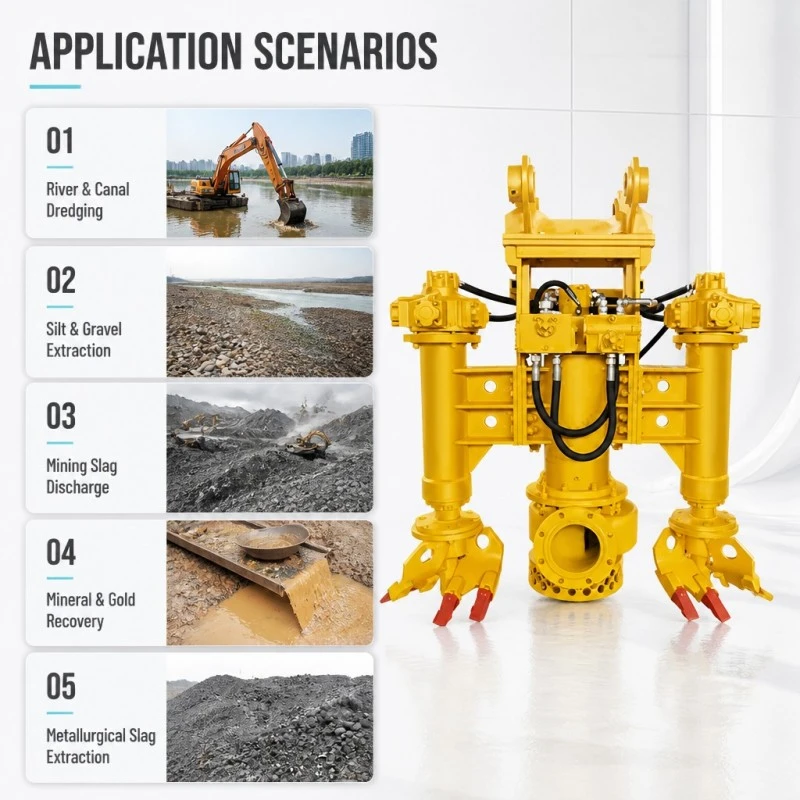
A project can involve more than one of these situations. Resolve the binding constraint first: an acceptable pumping point cannot compensate for an unsuitable hydraulic connection or unapproved installation arrangement. For reactive liquids or hazardous locations, obtain a specific engineering and compliance assessment before considering an order.
|
Integration situation |
Main procurement question |
Information needed for assessment |
|
Retrofitting an existing slurry transfer station |
Can the proposed equipment fit the current process and power interfaces? |
Existing drawings, hydraulic source details and required operating duty. |
|
Feeding a mineral-processing stage |
Does the pump proposal match the receiving process as well as the feed? |
Mixture composition, required delivery and downstream constraints. |
|
Planning sediment-removal equipment |
Is the proposed arrangement approved for the location and material? |
Sediment description, access plan and any immersion or carrier requirements. |
|
Handling sand-bearing process water |
What construction and operating conditions are appropriate for the solids? |
Particle distribution, mixture concentration, liquid chemistry and pipeline details. |
Experience and Markets | Make References Relevant to Your Purchase
A distributor needs documentation that can be passed to the end user. An equipment builder needs dependable interface information. A plant purchaser needs an acceptance basis that fits the process. These are different purchasing needs even when they concern the same pump reference.
When reviewing experience behind a Hydraulically Powered Slurry Pump proposal, ask for evidence addressing your own integration problem. A reference for a fixed installation does not, by itself, validate a carrier-mounted arrangement. Likewise, a familiar industry name cannot establish suitability for a different mixture.
Useful reference material identifies the equipment configuration, operating context and the basis of any reported result. Obtain permission before using customer names or site photographs in public material. The supplied technical parameter table contains no substantiated export destinations, installed-base totals, customer endorsements or service history, so none are claimed on this page.
State the delivery destination and end-user documentation requirements with the inquiry. Regional acceptance and support arrangements must be settled for that purchase rather than assumed from general market coverage.

Our Service | Organize the Technical Handover
Inquiry stage: provide the process description and explain whether the purchase replaces existing equipment or forms part of a new system. Include available drawings so unresolved interfaces can be listed at the outset.
Offer stage: request an itemized equipment schedule for the Hydraulically Powered Slurry Pump package. Distinguish the pump assembly from any separately quoted power source, connecting lines, instruments or installation hardware. Ask the supplier to identify exclusions and document dependencies.
Handover stage: specify the required operating instructions, component list and final technical records. Agree the responsible contact for questions raised during equipment acceptance.
After delivery: define how replacement components will be identified and how technical assistance will be requested. Spare availability, response commitments, field attendance and warranty remedies belong in the contract; no fixed response time or lifetime support is promised here.
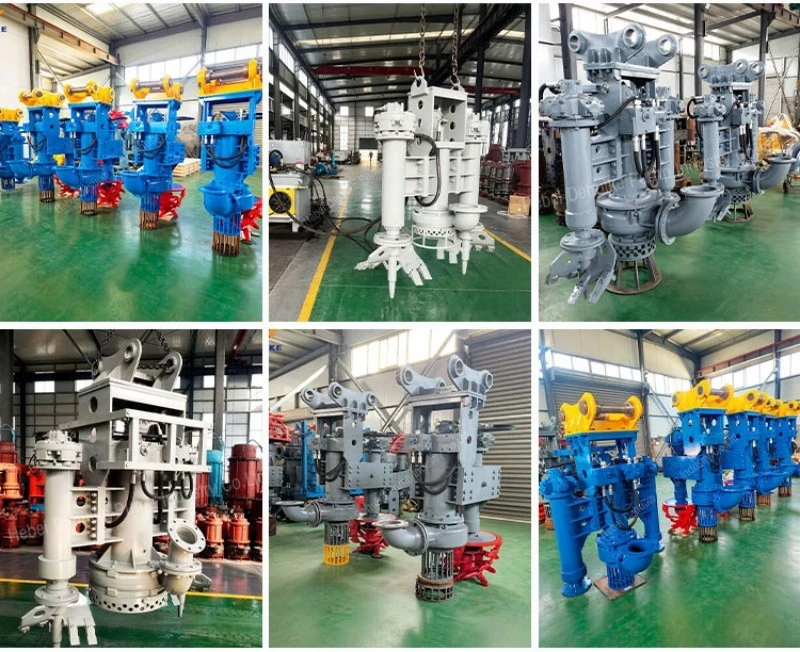
Installation, Maintenance and Precautions | Prepare for Controlled Operation
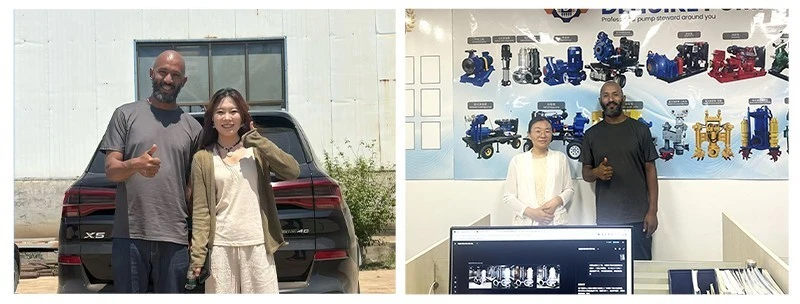
Release equipment for installation only after its model-specific documentation has been accepted. This overview identifies planning priorities and must not be used as a commissioning procedure.
Installation readiness: reconcile the physical connections with the approved drawings. Establish the permitted orientation and support arrangement before positioning equipment. Use the manufacturer's instructions for lifting and handling.
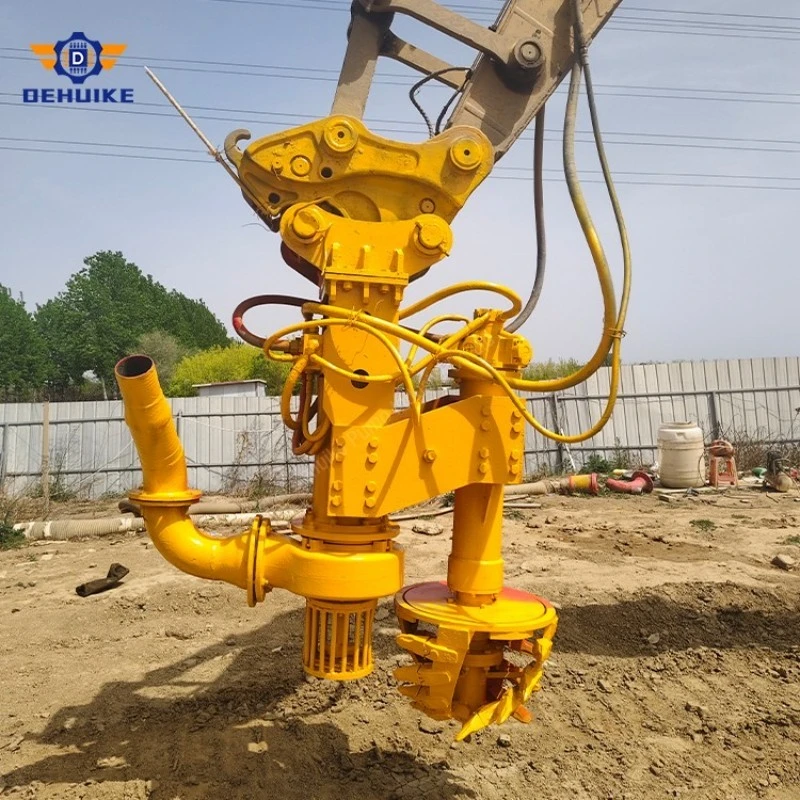
Commissioning readiness: obtain the authorized hydraulic settings, protection requirements and start/stop sequence. Immersion, attachment to a carrier and operation in special environments need explicit approval for the supplied configuration.
Maintenance readiness: set up a record for observations, inspections and component changes. Obtain the supplier's criteria for wear assessment, fluid care and replacement intervals rather than deriving them from the performance table.
Safe intervention: use approved site isolation procedures and competent personnel. Follow the equipment instructions before opening connections or accessing moving parts. Never treat dry operation, reverse running or a blocked discharge as permitted without explicit manufacturer guidance.
Keep alterations to the Hydraulically Powered Slurry Pump installation under technical review. Changes to the mixture, pipework or power arrangement may invalidate the conditions used for the original selection.
FAQ | Answer the Integration Questions
Q1. Does "hydraulically powered" describe the slurry or the drive?
It describes the energy source used to drive the pump. The material being transferred is the process slurry. Its delivery requirement and the motor's hydraulic supply requirement must be specified independently, even though they meet in one equipment package.
Q2. Why do two models show the same head but different capacities?
WJY150-25 is listed at 150 m3/h with 25 m head; WJY300-25 has 300 m3/h with 25 m head. These are separate model entries, not a speed-change calculation. Their curves and hydraulic requirements are needed to judge either candidate for the intended system.
Q3. Is the highest-capacity entry also the highest-head option?
Not in this selection. WJY800-22 carries the 800 m3/h capacity entry with 22 m head, while WJY500-40 carries 500 m3/h with 40 m head. Choose against the required operating point rather than ranking models by one number.
Q4. Can a Hydraulically Powered Slurry Pump use the hydraulic source already on site?
That requires an interface assessment. Provide the source equipment's documentation and obtain the requirements for the proposed motor. The spreadsheet contains pumping data, not the oil delivery, pressure, control or return-line specification needed to confirm a connection.
Q5. What can be concluded from the 1450 r/min entries?
Each of the five selected references is tabulated at that speed. Nothing in the sheet establishes a permitted speed envelope, motor displacement or control method. Additional operating points require the manufacturer's supporting data, not an extrapolation from this table.
Q6. Can outlet caliber be used to order a flange or determine solids passage?
No. Its unit and connection details are absent from the supplied data, and an outlet entry does not describe the smallest internal passage. Obtain approved interface dimensions and a separate statement of solids-handling limits before specifying accessories or accepting the material duty.
Q7. What evidence is needed before claiming wear resistance or chemical compatibility?
Request the actual wetted construction and an assessment against the intended mixture. Relevant inputs include solids hardness and shape, concentration, liquid composition and temperature. Generic slurry-pump terminology cannot establish alloy grade, service life or resistance to a particular chemical.
Q8. What makes a quotation technically comparable?
Use one agreed requirement sheet for every proposal. Identify the selected model, target duty, interfaces, included equipment, exclusions and acceptance documents. Require unresolved points to remain visible. This separates a genuinely comparable offer from a price attached to an incomplete specification.

Hot Tags: hydraulically powered slurry pump, China hydraulically powered slurry pump manufacturers, suppliers, factory