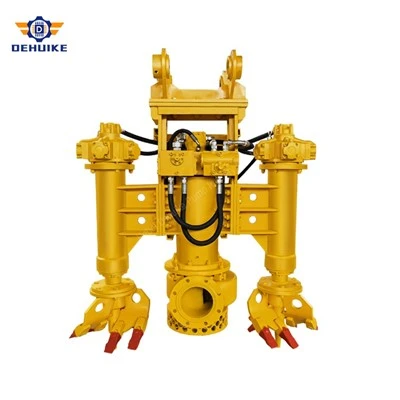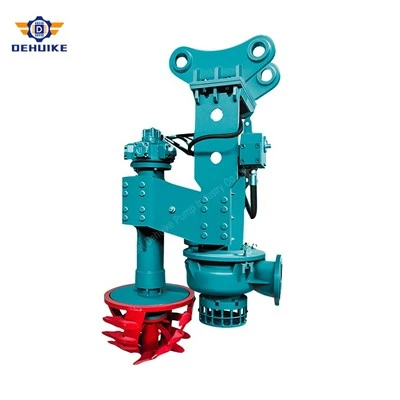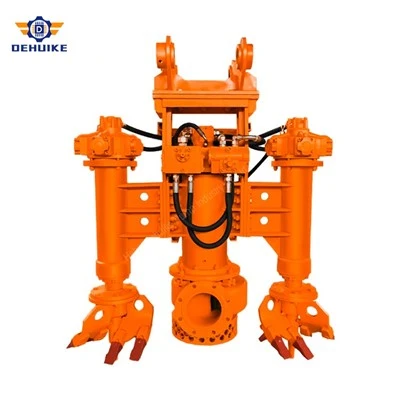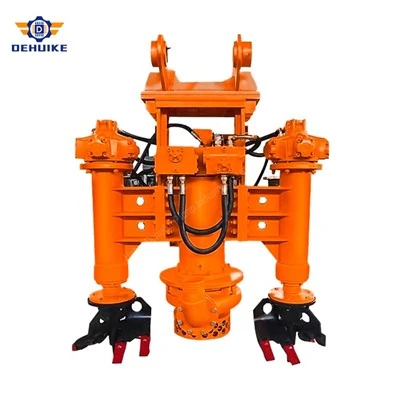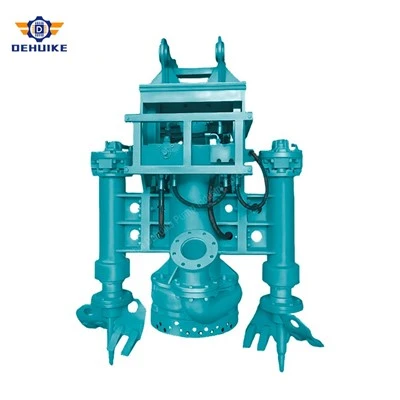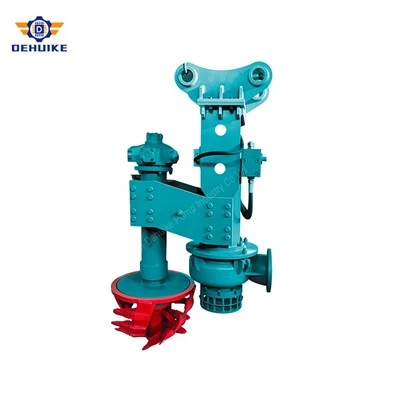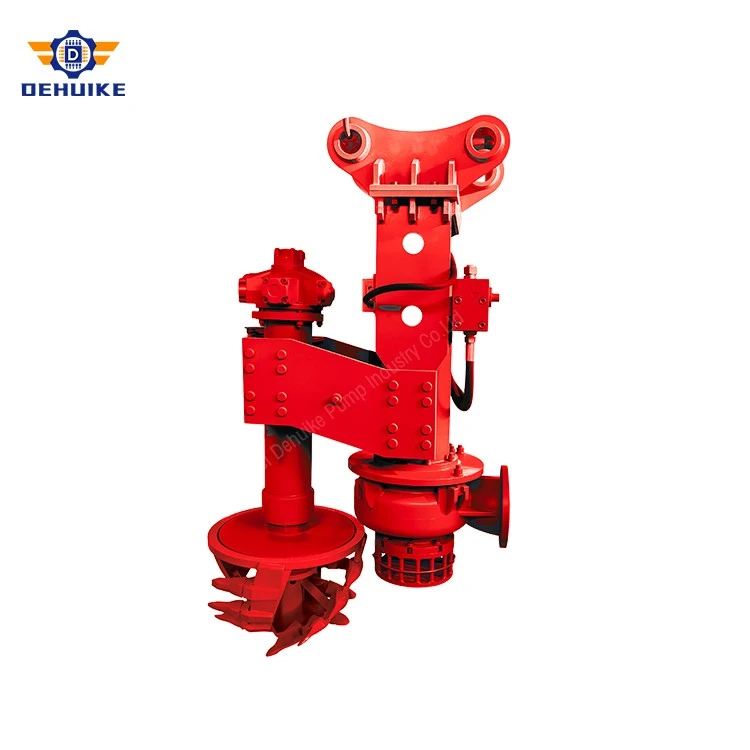
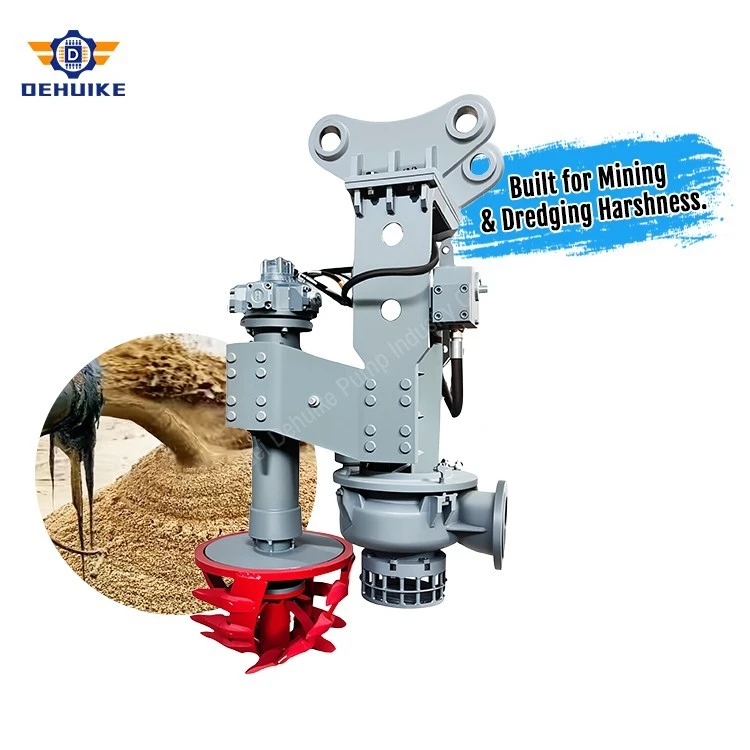
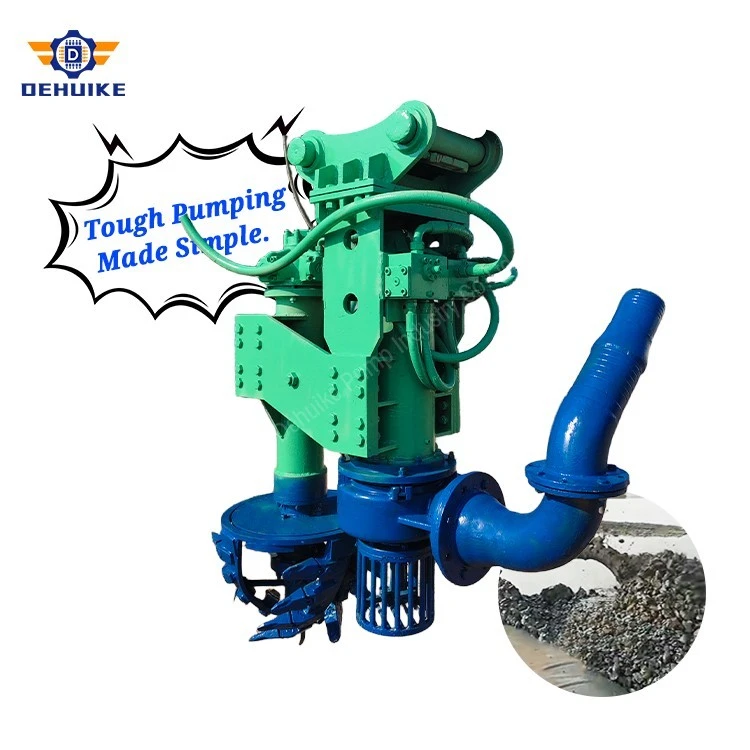
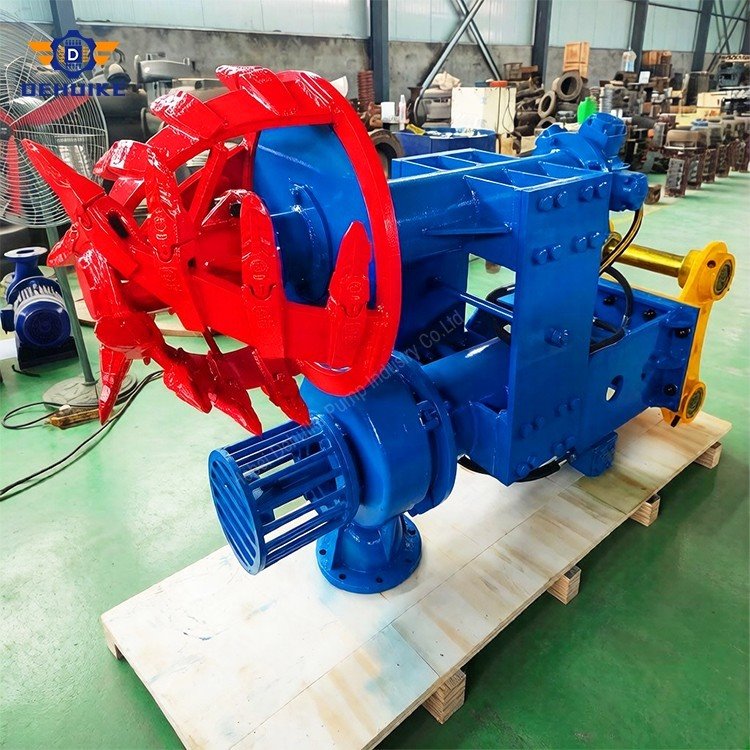
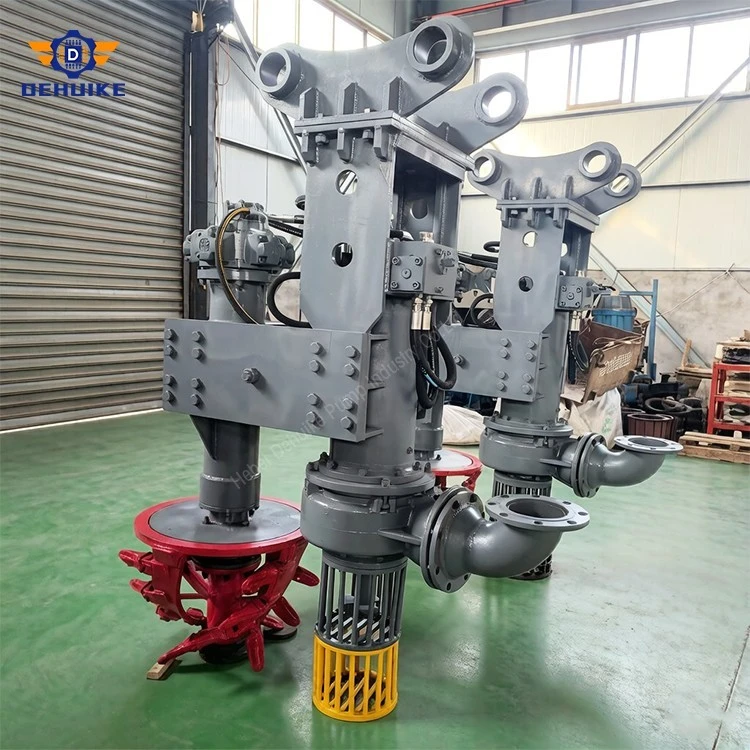
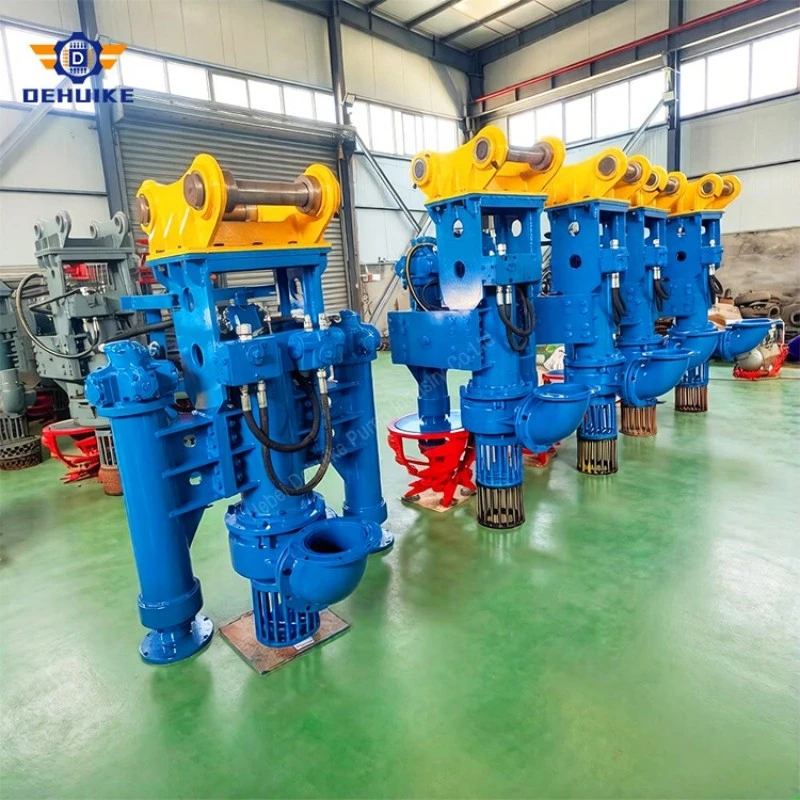
Hebei Dehuike Pump Industry Co., Ltd. is one of the most reliable manufacturers and suppliers of hydraulically driven slurry pump in China. With abundant experience, we are committed to providing high quality customized pumps with competitive price. Welcome to wholesale bulk hydraulically driven slurry pump for sale here from our factory. Also, pricelist is available.
Introduction | Select Around the Slurry, Not Just the Flow
A Hydraulically Driven Slurry Pump uses hydraulic power to drive a pump handling a mixture of liquid and solids. The WJY models listed below provide a starting point for projects where slurry transfer must be matched to an available hydraulic supply, a discharge pipeline and a defined solids duty.
Start with the material you need to move. Sand-bearing water, mineral slurry and settled sediment place different demands on a pumping system. Flow alone cannot establish suitability: the solids description, required head and installation arrangement belong in the same selection discussion. Send these details with your preferred model to request a project-specific quotation.
Hydraulically Driven Slurry Pump Specifications / Technical Data
The technical parameter table does not state the unit for "Outlet caliber." Values are preserved without assigning mm, DN or an inch equivalent. Confirm dimensions and the connection standard before ordering pipework.
The flow figures describe pumped-fluid volume, not hydraulic oil demand or dry-solids output. Head and flow must be considered together; a higher-flow model is not necessarily the higher-head choice. All five entries list 1450 r/min. The table provides individual reference points, not full performance curves, operating envelopes or guaranteed slurry-duty results.
The source does not identify the test medium, slurry concentration, particle limit, hydraulic pressure, oil flow, input power, efficiency, materials, seal arrangement, immersion rating or certifications. These items require model-specific confirmation. The listed head is not a hydraulic circuit pressure rating or a guaranteed horizontal conveying distance.
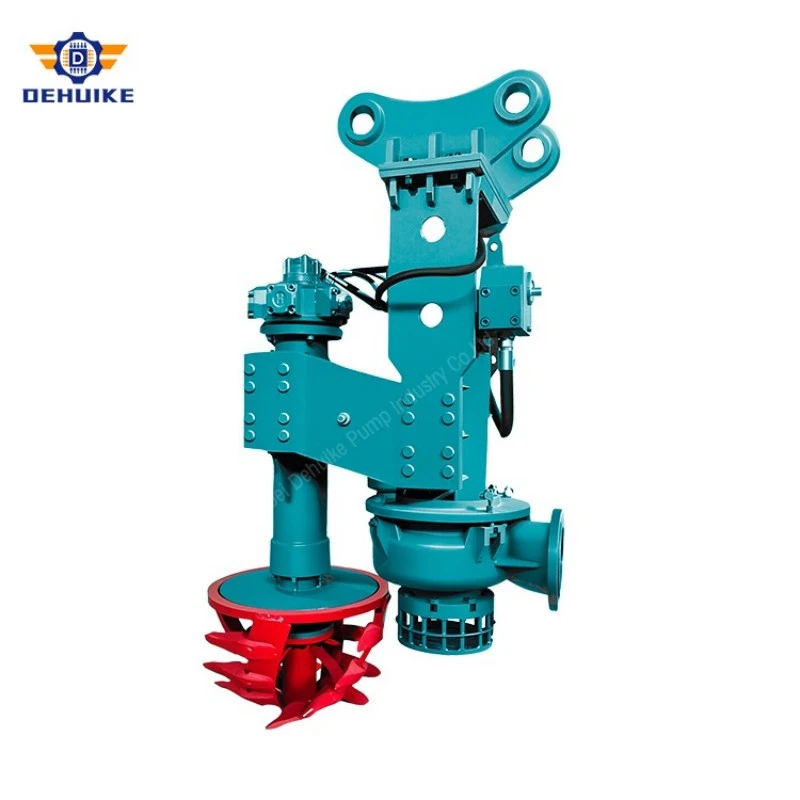
|
Model |
Outlet caliber* |
Flow rate / capacity (m3/h) |
Head (m) |
Rotating speed (r/min) |
|
WJY50-20 |
80 |
50 |
20 |
1450 |
|
WJY150-25 |
100 |
150 |
25 |
1450 |
|
WJY300-25 |
150 |
300 |
25 |
1450 |
|
WJY500-40 |
200 |
500 |
40 |
1450 |
|
WJY800-22 |
300 |
800 |
22 |
1450 |
Product Detail | Understand the Drive and Pumping Duty
A Hydraulically Driven Slurry Pump has two distinct duties: the hydraulic circuit supplies drive energy, while the pumping side moves the process mixture. In a hydraulic motor, fluid energy is converted into mechanical rotation. Do not use the slurry flow column to size the hydraulic supply.
For the selected WJY model, request the motor specification, hydraulic circuit diagram and pump sectional drawing together. They should establish the drive interface, inlet and outlet arrangement, service access and component identification. The spreadsheet alone does not establish impeller geometry, motor construction, an agitator, a cutter or an excavator mounting system.
Slurry composition matters just as much as drive compatibility. Hydraulic Institute guidance explains that solids affect pump performance and wet-end wear, while some mixtures can settle in piping. Viscosity can also change rotodynamic pump performance. Selection should therefore use the actual mixture description rather than assuming a clean-water duty represents site conditions.
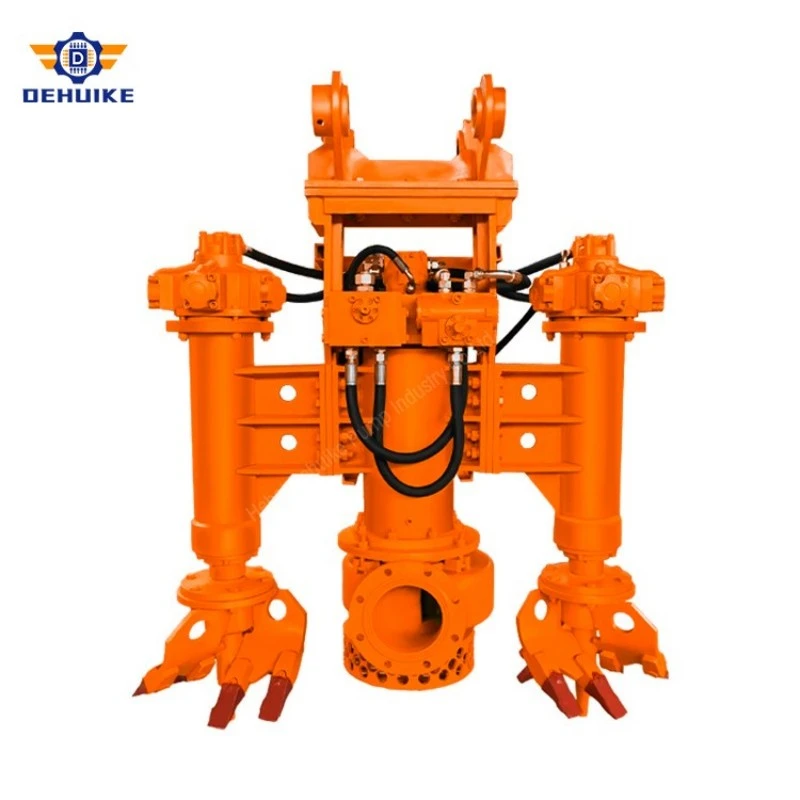
Features, Equipment Characteristics and Our Advantages
The practical value of a Hydraulically Driven Slurry Pump starts with a clear match between the pump and the job. This selection offers specific, checkable differences rather than a single headline capacity.
Five distinct reference points: compare lower-flow, intermediate and higher-flow entries without combining values from different models.
A common listed speed: every selected entry uses the same rotating-speed reference, making the table easier to review consistently.
Different flow and head priorities: WJY500-40 lists a higher head than WJY800-22; the latter lists a higher flow. Neither is universally the better selection.
Transparent connection information: the outlet entry entries remain visible, with the missing unit clearly identified before fittings are purchased.
Our Advantages | A Clear Basis for Technical Comparison
The advantage presented here is traceability: model, flow, head and speed stay linked. Buyers can compare a proposed Hydraulically Driven Slurry Pump against their duty sheet and identify what still needs approval before committing to a package. No unverified energy-saving percentage, wear-life promise or corrosion-resistance claim is used to make that comparison.
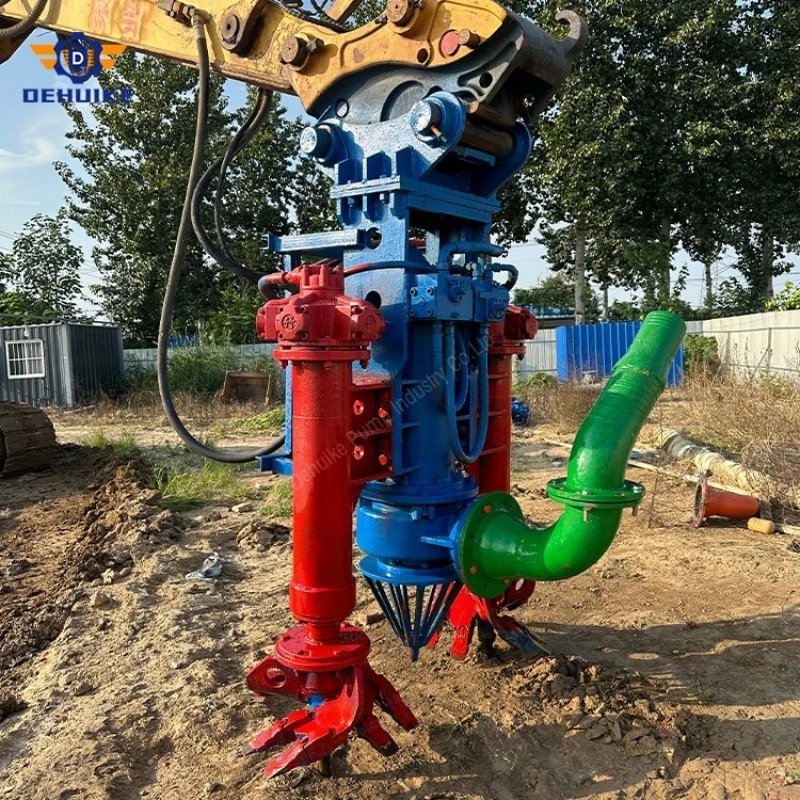
Production Process and Quality Assurance | Define the Inspection Record
Specification review: approve the duty description, model, drive requirements, drawing revision and supply boundary.
Material and component confirmation: establish the agreed wetted materials, seal details and purchased hydraulic components.
Manufacturing review: request the applicable casting, machining, fabrication or other process records for the confirmed design; do not assume every process applies.
Assembly inspection: define dimensional checks, component identification and assembly acceptance points.
Testing and release: agree the test method, medium, measured quantities, tolerances, witness requirements and release documents before manufacture.
Quality assurance depends on records tied to the supplied unit. Ask for the approved data sheet, applicable inspection results and operating documentation. A reference to industry guidance is not evidence that a WJY model is certified to that guidance. Warranty terms, test certificates and any destination-specific approvals must be confirmed in the order documents.
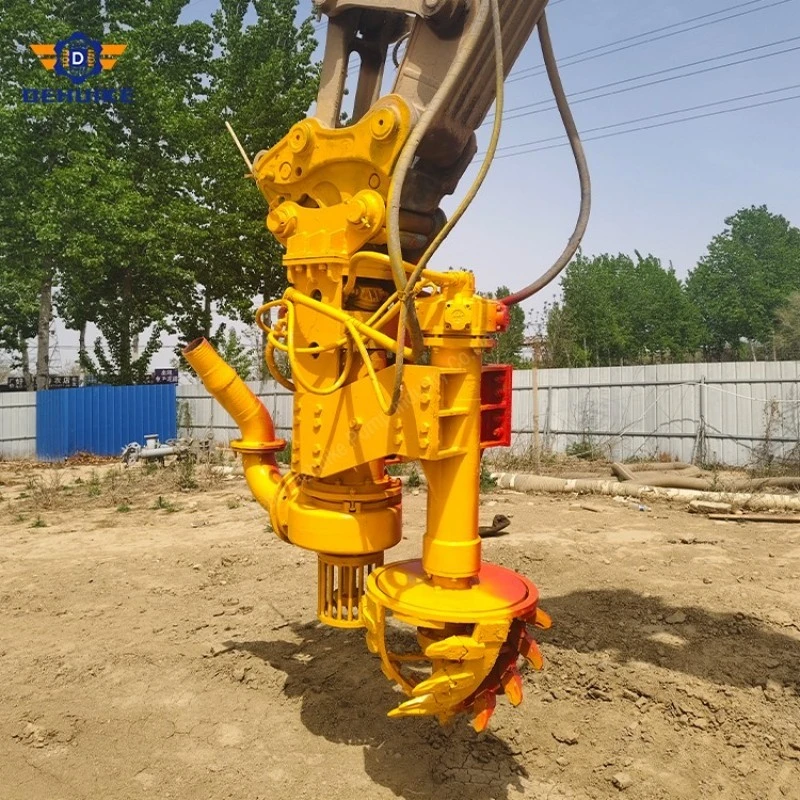
Application | Build a Shortlist Around the Site
A Hydraulically Driven Slurry Pump can be evaluated for solids-handling projects such as mineral slurry transfer, sediment removal and sand-bearing water movement. These are application categories for engineering review, not confirmed approvals for every WJY model.
Illustrative Selection Situations
These situations explain how to use the specification table. They are not completed customer installations or performance guarantees.
|
Project question |
specification-table starting point |
What still decides suitability |
|
A lower-flow transfer duty needs an initial candidate. |
WJY50-20: 50 m3/h and 20 m head. |
Actual slurry properties, required system head and drive match. |
|
Two alternatives need comparison at the same listed head. |
WJY150-25 and WJY300-25: 150 and 300 m3/h, both at 25 m head. |
Required mixture throughput, pipeline losses and verified curves. |
|
The shortlist places greater emphasis on head. |
WJY500-40: 500 m3/h and 40 m head. |
System resistance, slurry correction and available hydraulic power. |
|
A higher-flow reference point is needed. |
WJY800-22: 800 m3/h and 22 m head. |
Pipeline design, receiving capacity and hydraulic supply requirements. |
Do not specify a Hydraulically Driven Slurry Pump for oversized solids, chemically aggressive media or an explosive atmosphere merely from its product category. Obtain written confirmation for the actual material, environment and installation.
Experience and Markets | Ask for Comparable Evidence
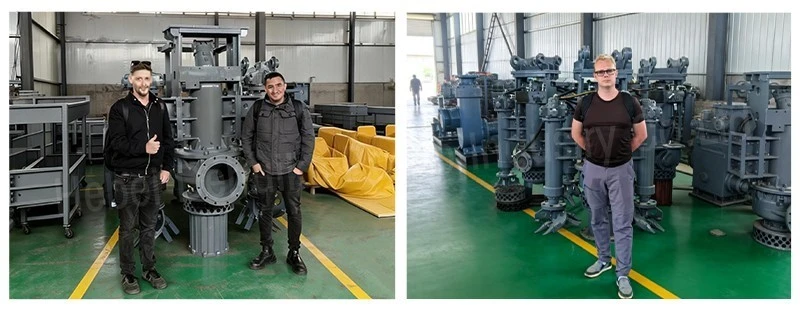
When assessing a Hydraulically Driven Slurry Pump, a useful case record identifies the supplied model, application, duty conditions and inspection or operating evidence. Photographs alone do not establish throughput, wear life or hydraulic compatibility.
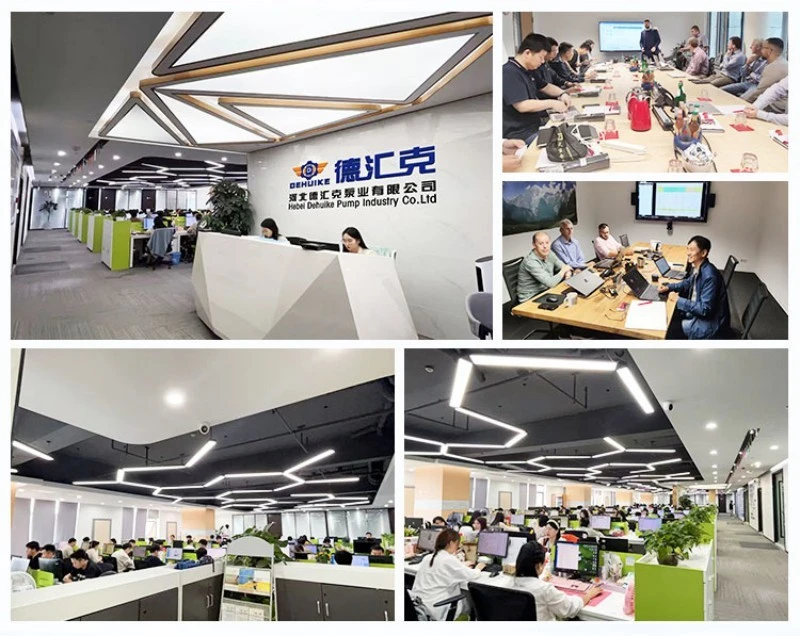
No verified customer history, export-market list or operating case record accompanied the parameter sheet. Those claims are therefore not presented here. For your destination market, state the documentation language, site rules, certification requirements and service arrangements needed so they can be addressed in the quotation.
Our Service | Put the Supply Boundary in the Quotation
A quotation for a Hydraulically Driven Slurry Pump should make clear what is included and what the purchaser supplies. Use the following items to request a service scope suited to your project; availability, timing and charges require supplier confirmation.
Selection review: submit the slurry description, target flow, required head and available hydraulic supply for model assessment.
Interface review: request the connection drawing, mounting information and drive requirements before installation planning.
Documentation: specify the manuals, parts identification, inspection records and language required at handover.
Support and spares: agree commissioning assistance, replacement-part availability, warranty conditions and the support contact in writing.
Identify separately whether the order requires a pump only, hydraulic motor, power unit, hoses, controls or other equipment. No accessory is treated as standard merely because it may be needed on site.
Installation, Maintenance and Precautions
Before commissioning, resolve the outlet unit and connection details, mounting arrangement, operating orientation, hydraulic supply requirements and protective measures. If immersion or carrier-machine mounting is required, obtain explicit confirmation for that arrangement. Do not infer either capability from the product name.
For maintenance planning, request the prescribed inspection intervals, wear limits, hydraulic-fluid requirements and shutdown procedure. Agree how operators will record changes in discharge performance, leakage and operating condition. Unusual behaviour should be assessed against the approved operating limits rather than corrected by unapproved speed or pressure increases.
Keep the system isolated under the site's approved safety procedure before inspection or service, and have competent personnel follow the equipment manual. Do not assume the pump permits dry running, reverse rotation, blocked-discharge operation or operation outside its verified limits.

FAQ | Resolve the Selection Questions Before Ordering
Q1. What is a Hydraulically Driven Slurry Pump?
It is a slurry-handling pump driven by hydraulic power. The hydraulic supply drives the pump, while the process side transports the liquid-and-solids mixture. Hydraulic oil demand and slurry delivery are separate specifications.
Q2. Which five models are compared on this page?
The selected models are WJY50-20, WJY150-25, WJY300-25, WJY500-40 and WJY800-22. Each entry preserves its model-line parameters. They are comparison candidates, not automatic recommendations for a particular application.
Q3. Can I select a Hydraulically Driven Slurry Pump from flow alone?
No. Review flow together with head, slurry properties and the available hydraulic supply. A higher flow entry does not prove that the model can overcome greater system resistance. Request the verified performance curve and an assessment of your actual duty.
Q4. Are the outlet figures in millimetres?
The source does not specify a unit. This page preserves the figures exactly without converting them or assigning a nominal connection standard. Request the dimensioned connection drawing before selecting a hose, flange or adapter.
Q5. What hydraulic oil flow and pressure are required?
Those values are not included in the supplied spreadsheet. Request the hydraulic requirements for the exact motor-and-pump combination. Neither the slurry flow nor the listed head can be substituted for hydraulic circuit data.
Q6. What particle size, solids concentration and materials are available?
The table does not establish these limits or the material grades. Provide particle size distribution, maximum solids size, concentration, liquid chemistry and temperature for assessment. Abrasion and corrosion must be considered together when relevant; wear resistance alone does not establish chemical suitability.
Q7. Can the pump work underwater or connect directly to an excavator?
Neither arrangement is confirmed by the supplied sheet. Request written approval for immersion, mounting, mechanical interfaces and hydraulic compatibility. A hydraulic drive designation does not prove suitability for every carrier or working environment.
Q8. What should I send with an inquiry?
Send the intended duty, slurry description, required flow and head, pipeline information, operating arrangement and hydraulic supply details. Add your preferred model, destination and required documents. This allows a quotation to address the application instead of relying on a model name alone.

Hot Tags: hydraulically driven slurry pump, China hydraulically driven slurry pump manufacturers, suppliers, factory