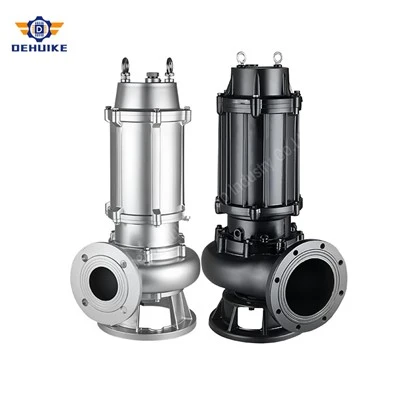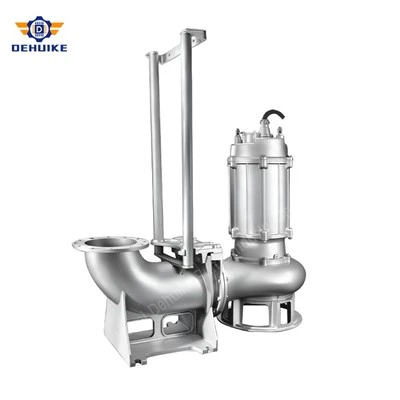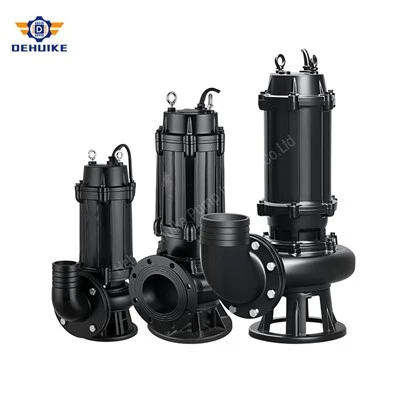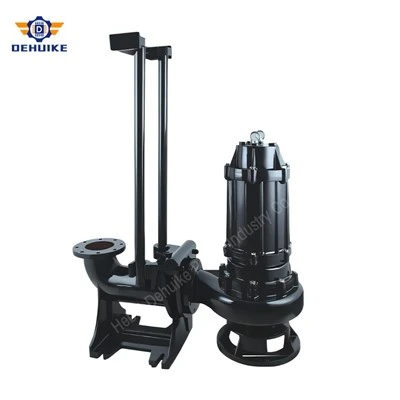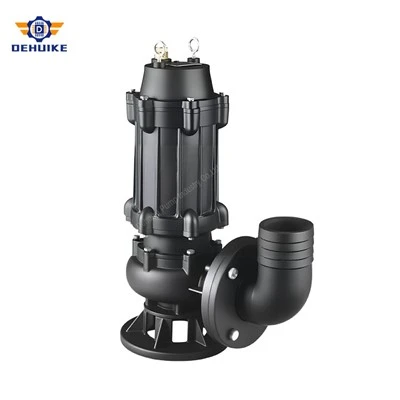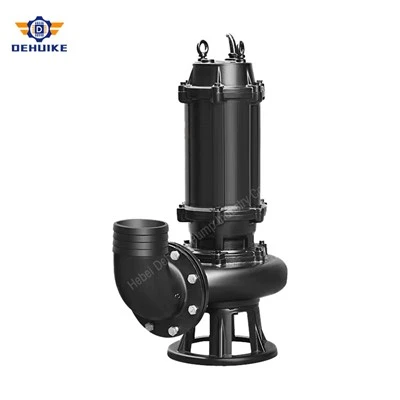

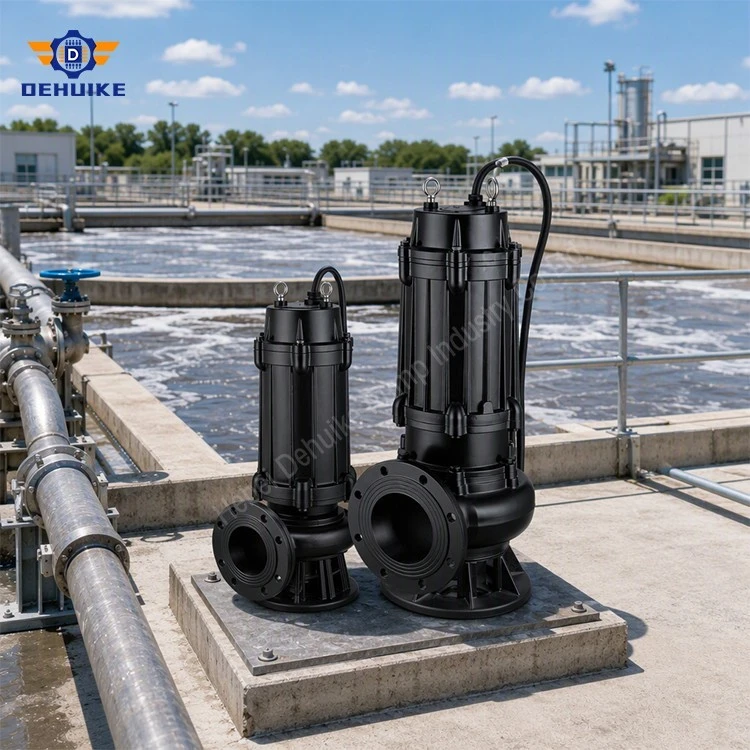
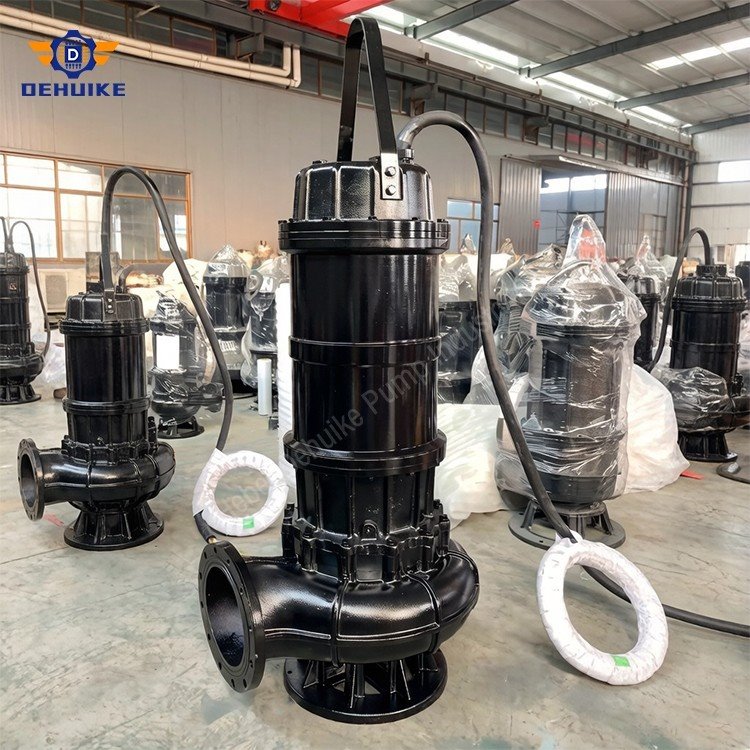
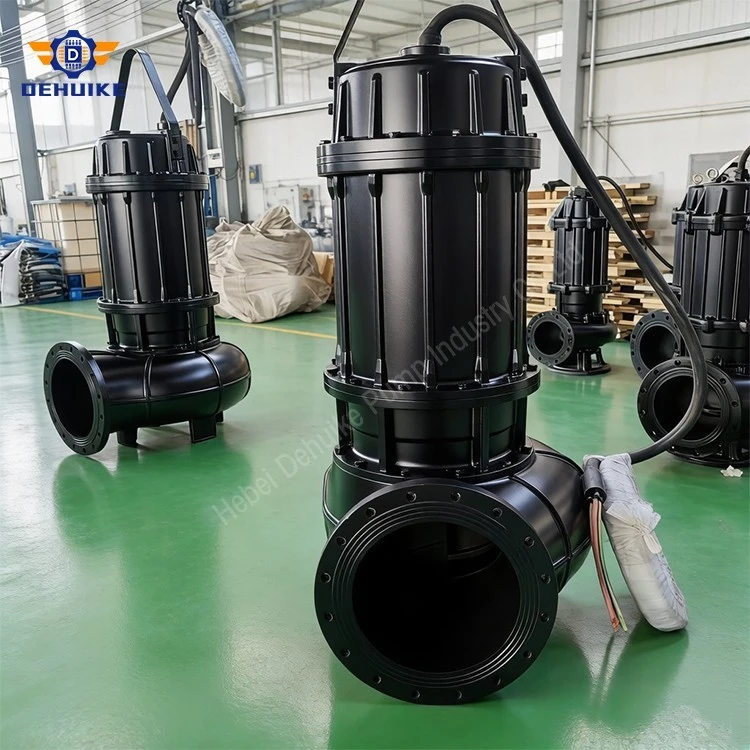
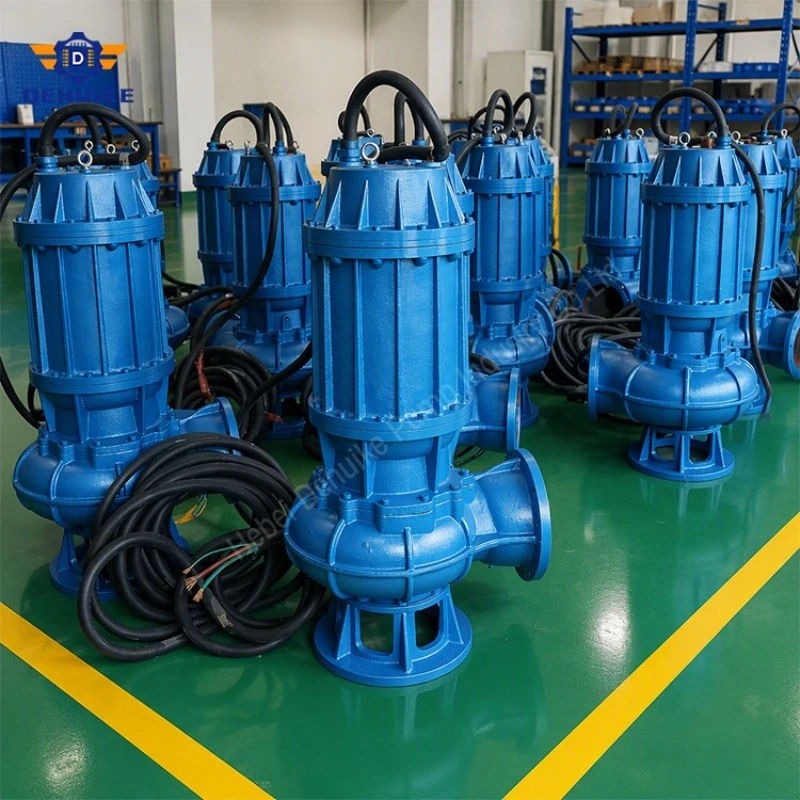
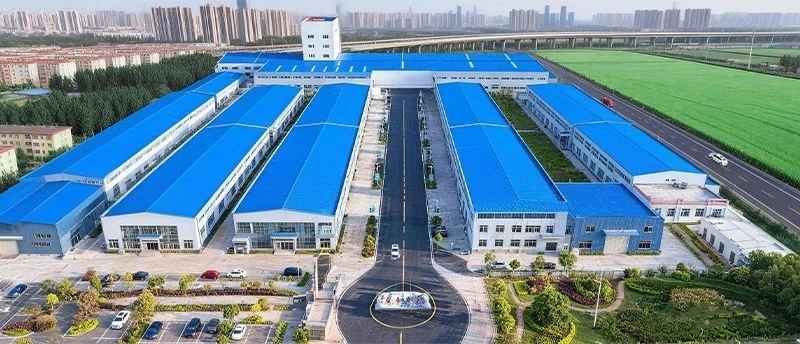
Hebei Dehuike Pump Industry Co., Ltd. is one of the most reliable manufacturers and suppliers of municipal submersible sewage pump in China. With abundant experience, we are committed to providing high quality customized pumps with competitive price. Welcome to wholesale bulk municipal submersible sewage pump for sale here from our factory. Also, pricelist is available.
Municipal Sewer Network Inflow Dynamics and Diurnal Peaking Hydrographs
A municipal submersible sewage pump serves as the foundational hydraulic engine of urban environmental infrastructure. Unlike isolated commercial sumps or batch industrial drainage tanks, a municipal sewage pump station collects raw domestic wastewater, commercial effluent and stormwater infiltration from hundreds of square kilometers of urban catchment areas. The inflow reaching a municipal lift station is characterized by extreme diurnal volume fluctuations, following synchronized human activity hydrographs with sharp morning and evening discharge peaks alongside prolonged midnight base flows.
To prevent urban sewer back-ups and street manhole overflows while avoiding continuous low-efficiency off-point operation, municipal consulting engineers select and configure multiple municipal submersible sewage pump units in staged cascade arrangements. The hydraulic performance envelope of a municipal submersible sewage pump must maintain high operating efficiency across wide head and flow bandwidths to accommodate dry-weather flows (DWF) as well as severe wet-weather peak storm inflows (WWF).
Diurnal peak factor compensation. Municipal inflow curves typically exhibit peak-to-average flow ratios (peaking factors) ranging from 1.8 to 3.2. Pumping stations incorporate parallel lead/lag pump sequencing, deploying high-efficiency variable frequency drives (VFD) that modulate motor speed between 35 Hz and 50 Hz, precisely tracking the incoming diurnal hydrograph.
Sanitary gravity interceptor dynamics. Deep municipal trunk sewers terminate in large wet wells where gravity velocities drop below self-cleansing thresholds. The municipal submersible sewage pump intake coordinates with the wet-well floor benching to accelerate localized fluid velocities, preventing sludge consolidation at the invert.
Combined sewer overflow (CSO) mitigation. In older urban districts with combined sanitary and stormwater piping, sudden cloudbursts dilute sewage while multiplying inflow volume tenfold. Heavy municipal sewage pumps provide immediate high-volume lifting capacity to direct surplus flows into storage retention vaults, protecting natural waterways from untreated discharge.
Continuous 24/7 duty reliability. Municipal public health regulations mandate uninterrupted operation. Municipal sewage pumps operate under continuous IEC Duty S1 ratings, logging between 4,000 and 8,000 operational hours per year with scheduled preventative maintenance.
By mastering urban catchment hydrology and diurnal peaking profiles, utility directors ensure that the municipal submersible sewage pump protects public health without municipal flooding or hydraulic bottlenecks.
Wide-Range Municipal Hydraulic Efficiency and Operating Region Profiling
In large municipal wastewater utilities, electrical energy consumed by submersible pump motors represents over 60% to 75% of the total life-cycle operational expenditure (OPEX) of the lift station. Over a ten-year operating horizon, the cumulative cost of electricity consumed by a single 75 kW to 160 kW continuous-duty pump dwarfs its initial capital purchase price by more than five- to eight-fold. Consequently, selecting a municipal submersible sewage pump with verified high hydraulic efficiency at the Peak Efficiency Point (BEP) and a wide Preferred Operating Region (POR) is paramount.
A high-performance municipal submersible sewage pump incorporates advanced double-shrouded, closed two-channel or three-channel non-clogging impellers modeled via computational fluid dynamics (CFD). These closed impellers deliver hydraulic efficiencies exceeding 75% to 85%, far outperforming open vortex impellers while maintaining generous spherical solids passage (80 mm to 150 mm) for untangling municipal wipes and rags.
Key municipal hydraulic performance characteristics:
- Broad Preferred Operating Region (POR): The hydraulic curve is contoured to ensure that pump operation remains within the ISO 9906 Preferred Operating Region (between 70% and 115% of BEP flow) even as fluctuating force-main pressures shift system dynamic heads by several meters.
- Non-overloading power curve characteristic: The brake horsepower (BHP) curve flattens gracefully toward maximum flow, preventing electric motor overload even if a downstream pipe rupture reduces system head to zero.
- Dynamically balanced closed channels: Each cast impeller undergoes precision dynamic balancing to ISO 1940-1 Grade G2.5, eliminating radial hydraulic unbalance and hydraulic flutter across the full 1450 rpm or 980 rpm operating range.
- Machined dual wear-ring clearances: Replaceable casing wear rings and impeller wear rings maintain microscopic running clearances (0.35 mm to 0.50 mm), minimizing internal pressure leakage from the volute discharge back into the suction eye.
Achieving superior hydraulic efficiency across an expanded operating band enables the municipal submersible sewage pump to save hundreds of thousands of kilowatt-hours annually for water utilities.
Dry-Pit and Wet-Well Dual Installation Flexibility
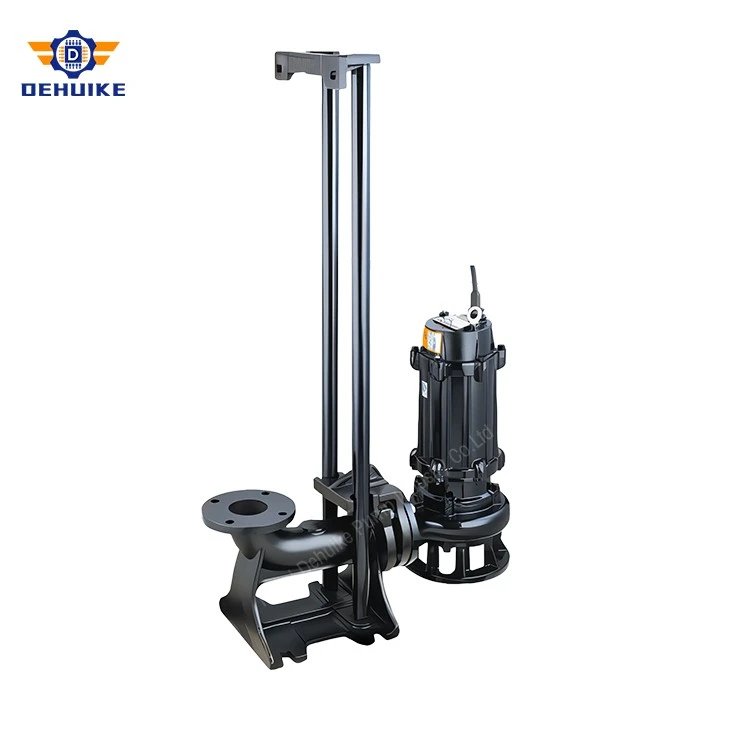
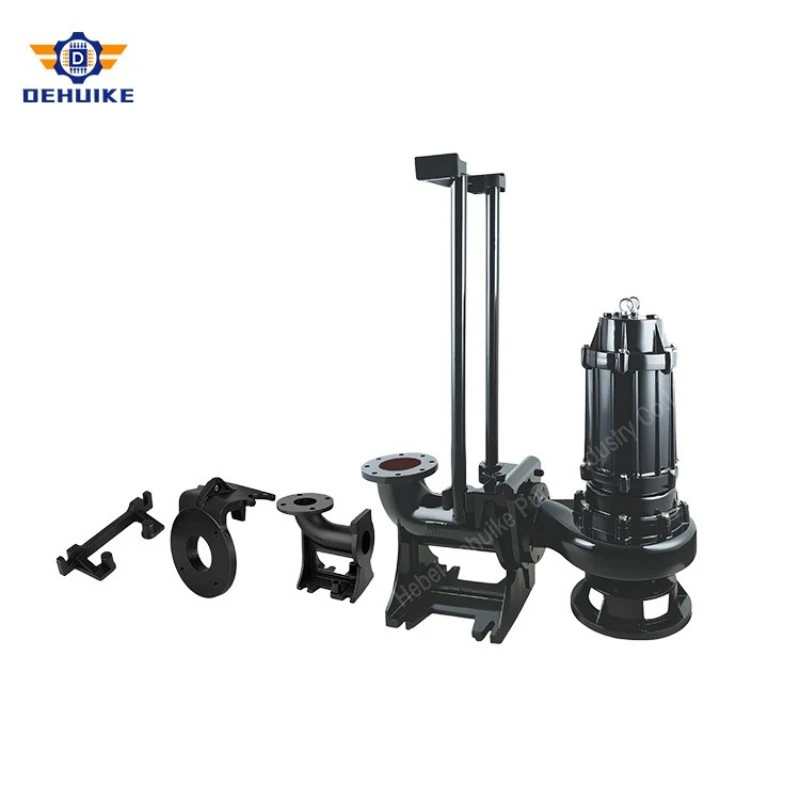
Municipal wastewater infrastructure employs two distinct civil architectural typologies for pump station design: conventional submerged wet-well installations and clean, accessible dry-pit installations. A premier municipal submersible sewage pump provides modular engineering versatility, capable of being deployed in either submerged wet wells on auto-coupling duckfoot pedestals or permanently bolted onto concrete floor bases in separate dry pump rooms.
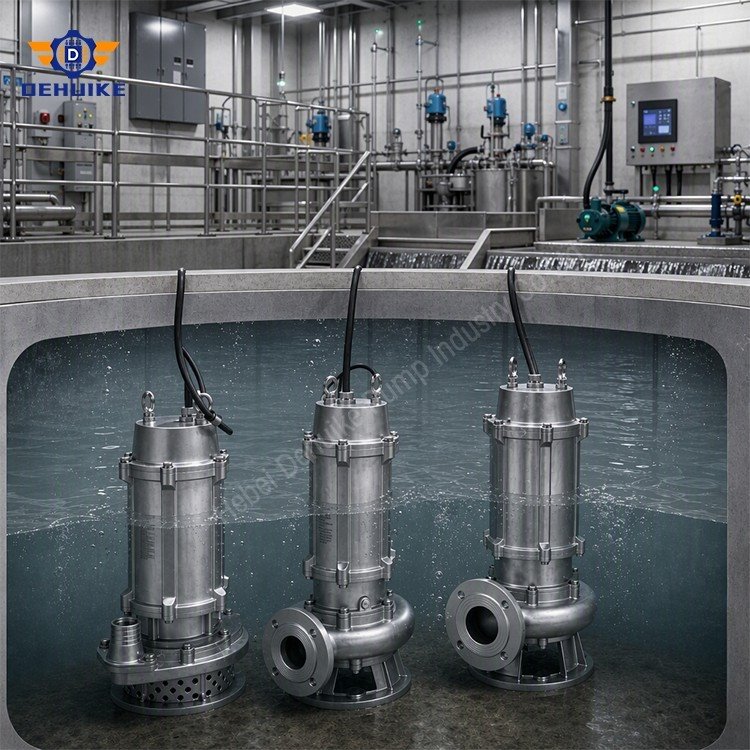
In wet-well installations, the pump remains fully submerged in wastewater, eliminating the need for separate pump rooms, reducing civil excavation volume and providing natural liquid convective cooling. In dry-pit installations, the pump is installed in an isolated, dry mechanical vault with suction and discharge flanges permanently bolted into rigid piping, offering clean, walk-in maintenance access for utility technicians.
Key wet-well versus dry-pit structural configurations:
- Submerged wet-well auto-coupling system: Mounted on a cast-iron duckfoot discharge elbow anchored to the wet-well floor, the pump glides down twin stainless steel guide rails and mates automatically under its own gravitational weight, forming a leak-tight metal-to-metal wedge seal.
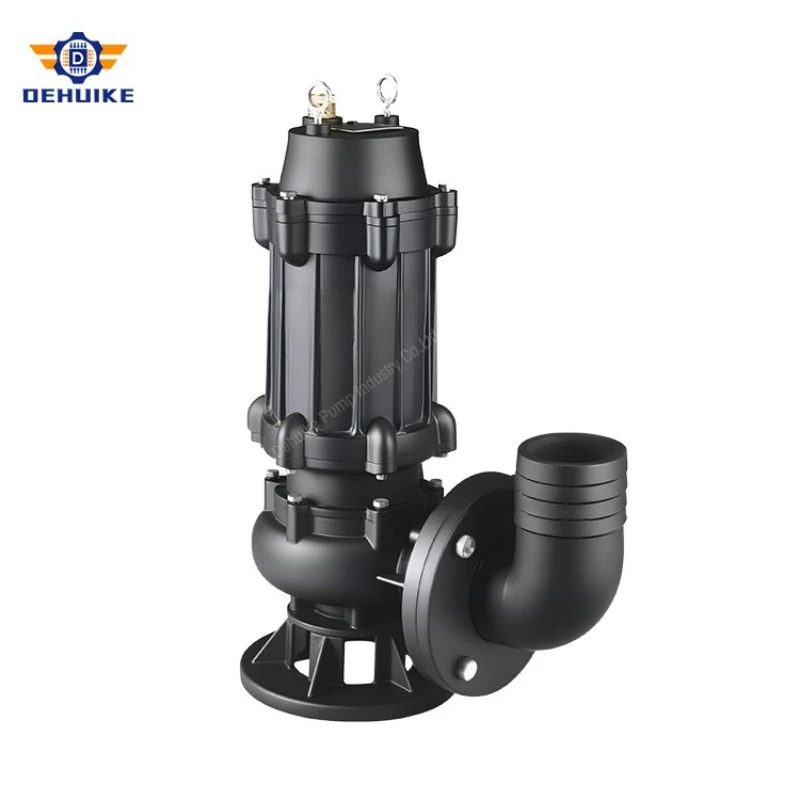
- Dry-pit vertical suction elbow base: For dry-well deployment, the pump is fitted with a heavy cast-iron vertical support stand incorporating a 90-degree flanged suction bend and hand-hole clean-out port, permitting rigid anchoring to the dry-room concrete slab.
- Flood-proof dry-pit security: Unlike conventional dry-installed end-suction pumps that short-circuit and burn out if the dry well floods, a dry-installed municipal submersible sewage pump features an IP68 hermetically sealed motor that operates continuously without interruption even if the pump room becomes completely submerged by broken piping.
- Closed-loop motor cooling jackets: To operate continuously in dry-pit air environments without liquid submergence, the motor housing is equipped with an internal glycol cooling jacket or forced-circulation cooling shroud that continuously conducts stator heat away.
This dual-installation flexibility allows municipal consulting engineers to standardize pumping machinery across both wet and dry lift stations throughout a municipal utility network.
Coarse Bar Screen Coordination and Pre-Treatment Grit Handling
At the headworks of municipal wastewater treatment plants (WWTP) and major terminal interceptor stations, raw municipal wastewater carries an aggressive payload of inorganic debris, construction rocks, timber fragments, sanitary textiles, plastic bottles and heavy abrasive road grit. Before wastewater enters secondary biological treatment aeration basins or settling clarifiers, it must pass through primary screening and raw sewage lifting stations. The municipal submersible sewage pump operates in direct mechanical coordination with upstream mechanical bar screens and grit collection chambers.
Coarse bar screens (with bar spacings of 20 mm to 50 mm) intercept large floating objects, while a heavy-duty municipal submersible sewage pump handles the downstream screened effluent, easily swallowing soft organic rags and suspended grit that bypass the bar screens without clogging or binding.
Integrated screening and pump sequencing. Automated level sensors monitor differential head across the upstream bar screens. When screen cleaning cycles initiate, the municipal submersible sewage pump control panel modulates pump flow to maintain steady intake channel velocity, preventing scouring surges through the screens.
Grit chamber aeration and suspension. In aerated grit chambers, injected air induces a spiral vortex that settles dense quartz grit while keeping organic sewage solids suspended for pump evacuation.
Oversized spherical solids passage. The municipal submersible sewage pump volute and impeller passages are engineered to swallow solid objects matching or exceeding upstream screen openings, ensuring that any debris penetrating the bar screen clears the pump easily.
Wear-resistant leading vane edges. Impeller blade inlet edges are contoured with thick, rounded radii cast from wear-resistant ductile iron, deflecting heavy solids smoothly into the channel without vane notch erosion.
This harmonious integration between civil screening works and the municipal submersible sewage pump maintains continuous flow into wastewater treatment biological processes without unscheduled blockages.
Acoustic Emission Suppression and Structural Vibration Dampening
As urban sprawl expands, modern municipal sewage pumping stations are frequently constructed in close proximity to high-density residential subdivisions, commercial business districts and public municipal parks. Underground pump stations operating large 55 kW to 160 kW pumping machinery generate significant acoustic noise, mechanical vibration and low-frequency hydraulic pulsation. If uncontrolled, structural vibration transmits through wet-well concrete into neighboring foundations, generating residential noise complaints and inducing pipe weld fatigue failures.
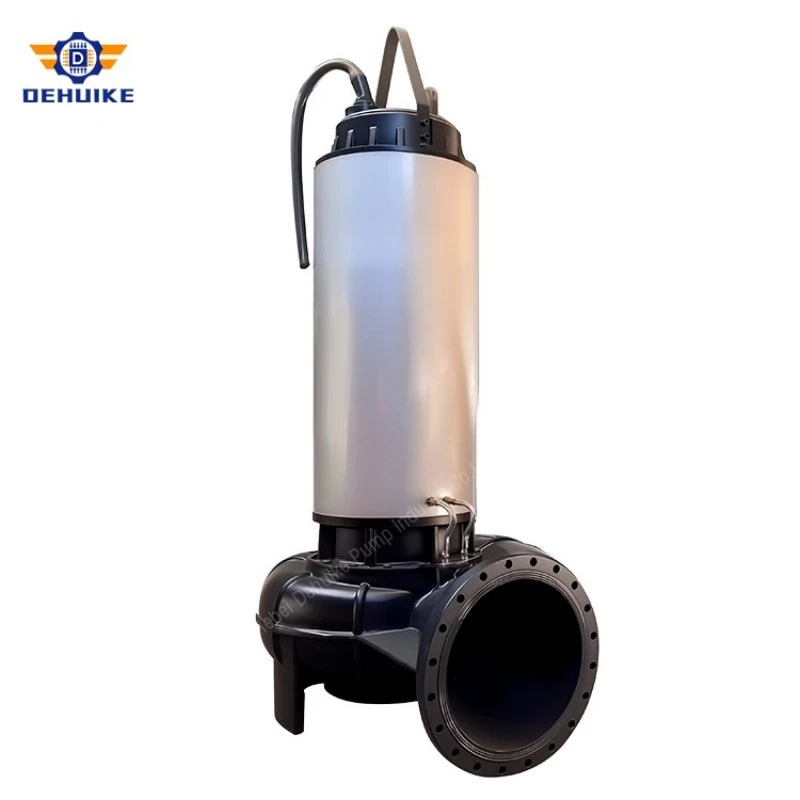
A heavy municipal submersible sewage pump incorporates advanced noise suppression, hydrodynamic pulsation dampening and precision dynamic balancing that strictly limit airborne and structure-borne emissions to compliant environmental decibel levels.
Key vibration suppression and acoustic control features:
- Submerged acoustic attenuation: When operating submerged in wet wells, wastewater liquid mass provides natural acoustic insulation, attenuating airborne noise to less than 65 dB(A) at ground surface level.
- Blade-pass frequency hydraulic dampening: Impeller vane counts and volute cutwater clearances are engineered using acoustic fluid mechanics to eliminate hydraulic resonance and pressure standing waves within the discharge riser pipes.
- Vibration velocity limits (ISO 10816-7): Precision dynamic two-plane rotor balancing ensures that operating vibration levels remain well below 2.8 mm/s RMS across all flow rates, exceeding ISO 10816-7 Class B vibration criteria for industrial fluid machinery.
- Elastomeric isolation coupling gaskets: Discharge connection flanges utilize heavy molded rubber sealing profiles and flexible elastomeric expansion joints that decouple hydraulic pump pulsation from downstream municipal force mains.
Designing for acoustic comfort and low structural vibration ensures that the municipal submersible sewage pump operates harmoniously within densely populated urban environments.
Municipal Long-Cycle Thermal Dissipation and Stator Insulation Health
In municipal wastewater collection networks, pumps are expected to deliver a minimum service life of 15 to 20 years. Operating 24 hours a day under continuous submerged electrical conditions, the electric motor stator is exposed to chronic dielectric stress, thermal aging and potential moisture ingress. The single most common root cause of premature motor failure in municipal pumping stations is the gradual thermal degradation of winding insulation.
To guarantee two decades of reliable service, a municipal submersible sewage pump incorporates Class H insulated motor windings engineered to operate within conservative Class B temperature rise thresholds, combined with comprehensive integrated thermal and moisture condition monitoring systems.
Class H insulation with 100°C thermal margin. The stator is wound with high-purity electrolytic copper wire insulated with Class H enameled resin (rated for 180°C continuous service). Electromagnetic design restricts actual full-load temperature rise to Class B limits (below 80°C), providing an enormous 100°C safety margin that slows insulation thermal aging exponentially.
Vacuum Pressure Impregnation (VPI) insulation. The entire stator assembly undergoes automated Vacuum Pressure Impregnation utilizing specialized solventless epoxy resins, eliminating microscopic internal air voids and providing superior moisture resistance, dielectric strength and thermal conductivity.
Embedded PT100 platinum resistance temperature detectors. Precision PT100 temperature sensors are embedded directly into each stator phase winding and upper/lower bearing housings, transmitting continuous real-time temperature telemetry to municipal SCADA control networks.
Stator chamber moisture float switches. A sensitive float leakage detector is mounted in the lower portion of the stator housing. If a microscopic seal failure allows moisture to accumulate in the stator cavity, the switch triggers an early maintenance alarm long before dielectric flashover can occur.
This multi-layered electromechanical defense ensures that the municipal submersible sewage pump maintains robust electrical insulation integrity over decades of continuous operation.
Municipal Utility Concession (BOT/TOT) Energy Lifecycle Economics
Global municipal water infrastructure is increasingly financed, constructed and operated through public-private partnerships, including Build-Operate-Transfer (BOT), Transfer-Operate-Transfer (TOT) and Design-Build-Operate (DBO) concession models spanning 20- to 30-year operational contracts. Under these performance-based contracts, private concessionaires or municipal utility authorities bear direct commercial responsibility for total operating costs, power tariffs and equipment overhaul expenditures. In this economic framework, lowest initial bid price is replaced by Total Cost of Ownership (TCO) lifecycle analysis.
A comprehensive lifecycle evaluation demonstrates that initial capital expenditure (CAPEX) accounts for a mere 10% to 15% of total pump ownership costs, while electrical energy consumption accounts for 75% to 80%, with maintenance making up the remaining balance. Selecting a high-efficiency municipal submersible sewage pump delivers millions of dollars in net commercial savings across concession periods.
Lifecycle economic assessment dimensions:
- Energy efficiency index (EEI) optimization: Pumps equipped with premium-efficiency motors (IE3/IE4 standards) and CFD-optimized hydraulics reduce electrical kilowatt-hour consumption by 8% to 15% compared to standard industrial units.
- Extended mean time between overhauls (MTBO): Heavy-duty shafting, oversized bearings and silicon carbide mechanical seals extend major maintenance intervals from 2 years out to 5 to 7 years, dramatically reducing crane hire and labor costs.
- Standardized spare parts interchangeability: Standardizing pump hydraulics and wear components across municipal station networks minimizes inventory holding costs and reduces stock-out downtime.
- Municipal carbon footprint reduction: Reduced electrical power demand translates directly into lowered carbon dioxide emissions, helping municipal utilities achieve governmental greenhouse gas reduction targets.
By aligning pump engineering with long-term utility financial models, the municipal submersible sewage pump provides unmatched economic returns for municipal concessionaires and public water boards.
Municipal Lift Station Specification Standards and Verified WQ Rated Duty Table
Engineering an optimal municipal lift station requires rigorous hydraulic calculations that balance peak inflow demands, sewer force main velocity constraints, static lift variations and electrical grid capacity. Municipal consulting engineers and procurement authorities should verify their technical tender specifications against the following engineering verification matrix:
|
Municipal Procurement Parameter |
Municipal Engineering Tender Requirement |
Technical Submittal Verification Focus |
|
Hydraulic Duty & Flow Head |
Design peak flow (m³/h), total dynamic head (m) and operational range across system curve |
Verify pump duty falls strictly within the Preferred Operating Region (POR) between 70% and 115% BEP. |
|
Hydraulic Efficiency & BEP |
Verified hydraulic efficiency at peak efficiency point (BEP) exceeding 75% to 85% |
Require factory certified performance test curves in compliance with ISO 9906:2012 Grade 2B/1B. |
|
Installation Typology |
Submerged wet-well auto-coupling duckfoot pedestal or dry-pit vertical stand with cooling jacket |
Verify dual-O-ring hermetic sealing, Schedule 80 stainless steel guide rails and Grade 80 lifting chain. |
|
Solids Handling Capability |
Double-channel closed non-clogging impeller passing spherical solids from 80 mm to 150 mm |
Ensure spherical solids passage matches or exceeds upstream mechanical bar screen mesh sizing. |
|
Motor Insulation & Thermal Class |
Class H insulation with Class B temperature rise (80°C rise limit), embedded PT100 sensors |
Confirm Vacuum Pressure Impregnation (VPI) stator encapsulation and 1.15 motor service factor. |
|
SCADA & Telemetry Interface |
Volt-free dry contacts, RS-485 Modbus-RTU communications, moisture and thermal sensors |
Verify seamless integration with centralized municipal SCADA wastewater monitoring networks. |
|
Certified Factory Acceptance |
Hydrostatic casing pressure test, ISO 9906 hydraulic performance test, MTC material certs |
Require 24-hour submittal package including dimensional CAD drawings and electrical schematics. |
Verified WQ Series municipal high-capacity rated models (Official Factory Data)
The following engineering table features verified large-scale WQ models extracted directly from the official factory engineering workbook, serving as representative hydraulic platforms for municipal lift station engineering (ranging from 150 mm to 500 mm discharge sizes with flow capacities up to 2,500 m³/h):
|
Model |
Out. mm |
Q m³/h |
H m |
kW |
r/min |
η % |
kg |
L×W×H mm |
|
150WQ140-18-15* |
150 |
140 |
18 |
15.0 |
1450 |
73 |
300 |
575×460×1100 |
|
150WQ200-30-37* |
150 |
200 |
30 |
37.0 |
1450 |
65 |
750 |
960×640×1350 |
|
200WQ250-22-30* |
200 |
250 |
22 |
30.0 |
1450 |
71 |
720 |
915×560×1120 |
|
200WQ350-40-75* |
200 |
350 |
40 |
75.0 |
1450 |
73.2 |
1750 |
1230×990×2100 |
|
250WQ600-20-55* |
250 |
600 |
20 |
55.0 |
1450 |
73 |
1300 |
1070×740×1680 |
|
250WQ600-25-75 |
250 |
600 |
25 |
75.0 |
1450 |
71 |
1500 |
1120×760×1750 |
|
300WQ400-20-45 |
300 |
400 |
20 |
45.0 |
1450 |
74 |
1500 |
1110×900×1770 |
|
300WQ600-20-55 |
300 |
600 |
20 |
55.0 |
1450 |
73 |
1550 |
1110×900×1770 |
|
300WQ800-20-75 |
300 |
800 |
20 |
75.0 |
1450 |
75 |
1600 |
1110×700×1770 |
|
300WQ950-20-90 |
300 |
950 |
20 |
90.0 |
1450 |
76 |
1700 |
1110×700×1770 |
|
350WQ1200-18-90 |
350 |
1200 |
18 |
90.0 |
980 |
82.5 |
2000 |
1240×930×2140 |
|
400WQ1700-22-160 |
400 |
1700 |
22 |
160.0 |
980 |
83 |
2880 |
2130×1260×2620 |
|
500WQ2000-15-110 |
500 |
2000 |
15 |
110.0 |
980 |
83 |
2100 |
1350×990×2500 |
* Models marked with asterisk denote medium/heavy municipal platform reference points. Large 250mm through 500mm models represent heavy-capacity municipal pumping platforms capable of handling flow rates up to 2,000 m³/h.
Hot Tags: municipal submersible sewage pump, China municipal submersible sewage pump manufacturers, suppliers, factory