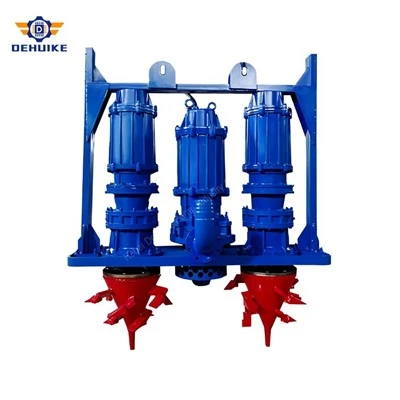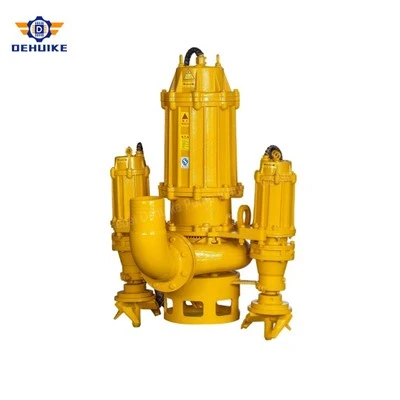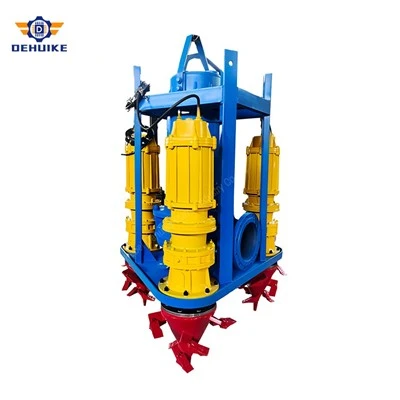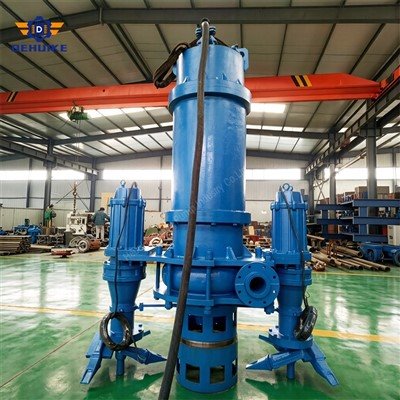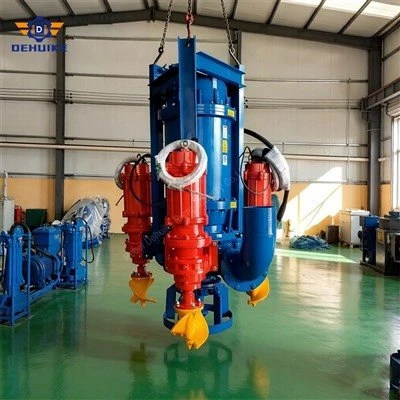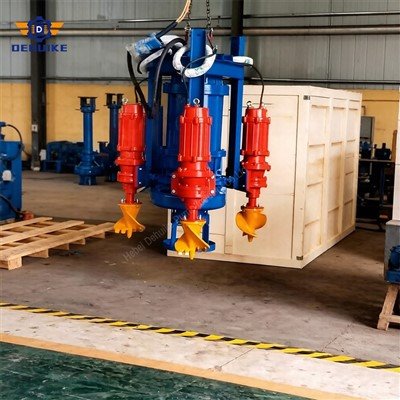

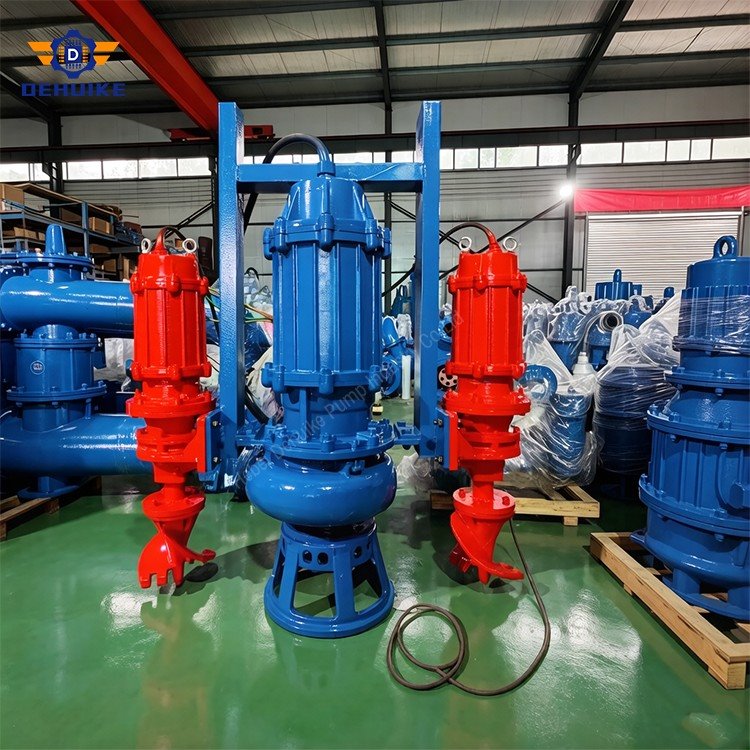
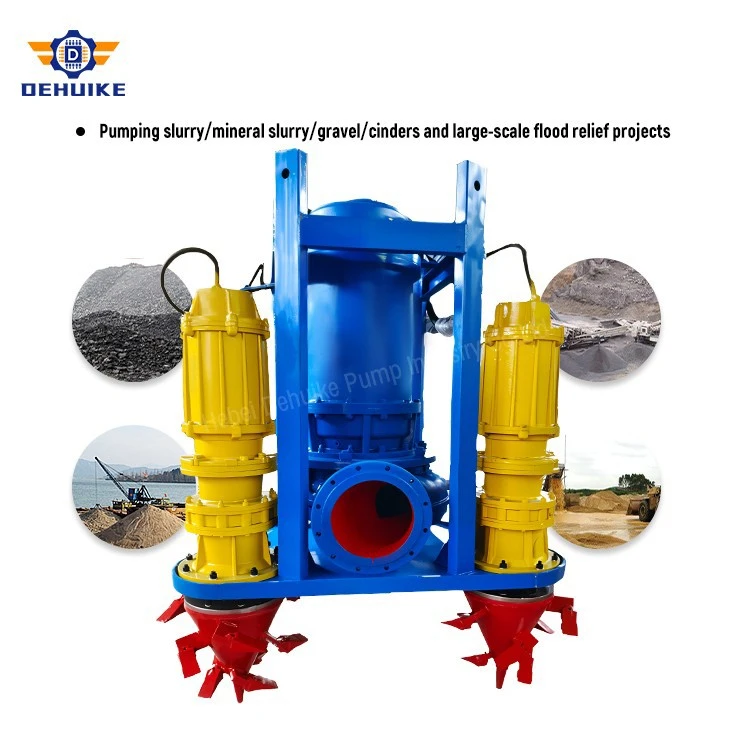
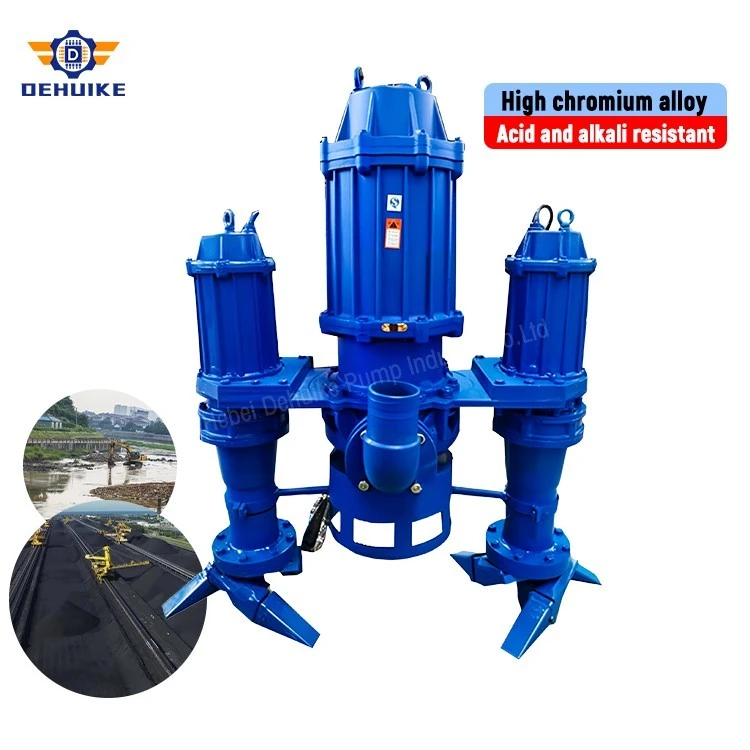
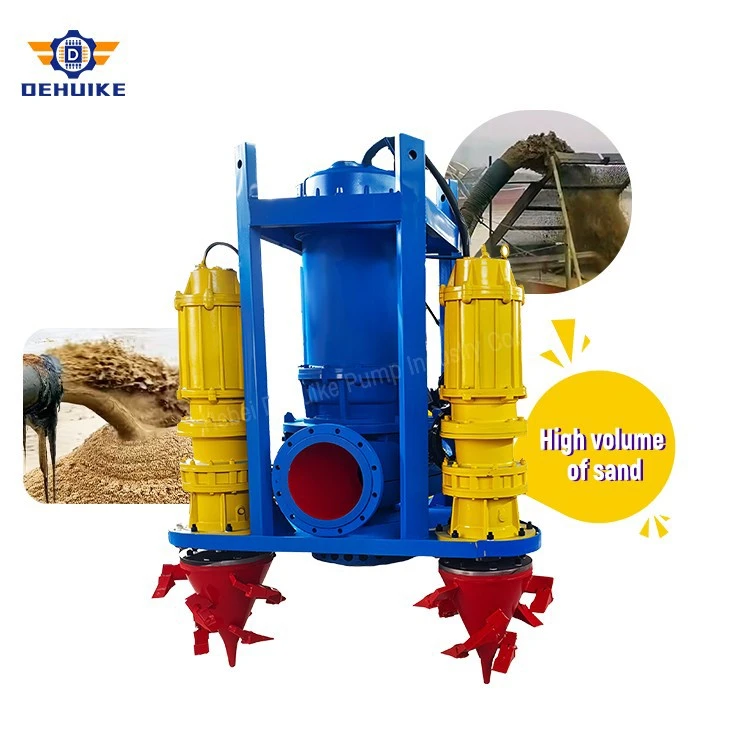
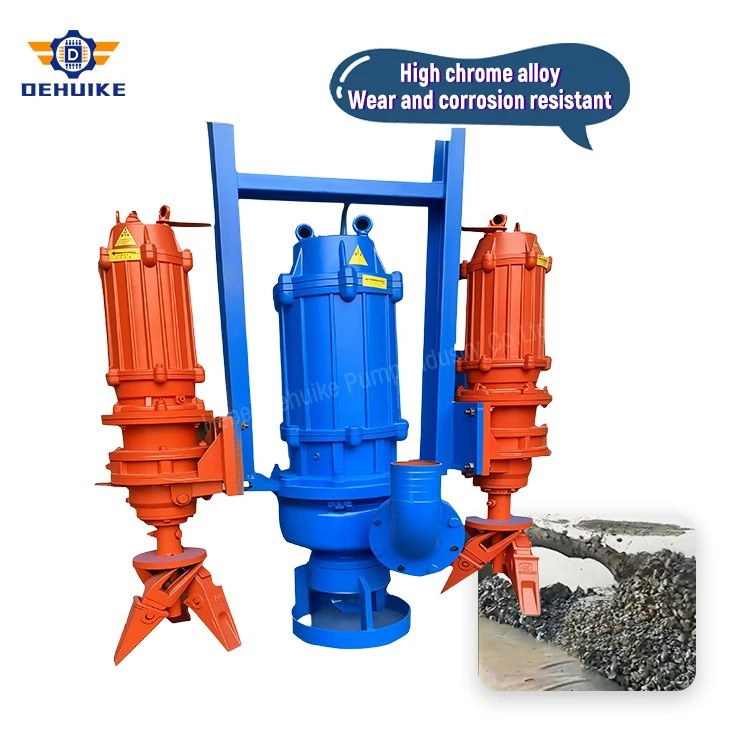
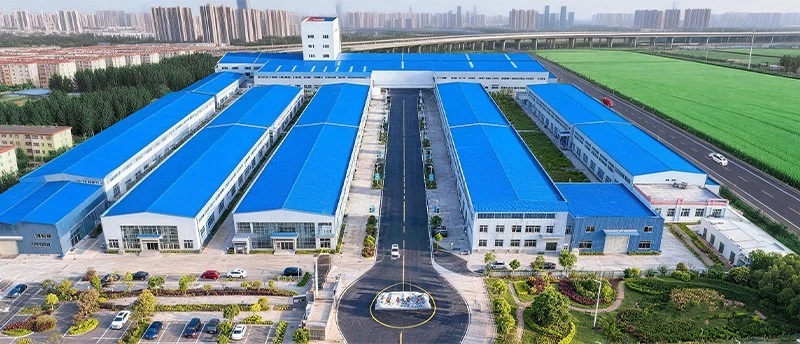
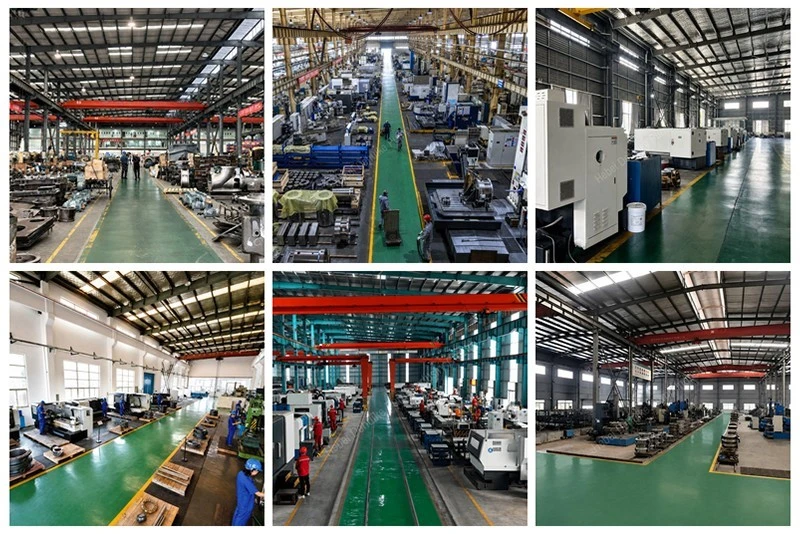
Hebei Dehuike Pump Industry Co., Ltd. is one of the most reliable manufacturers and suppliers of submersible sludge pump in China. With abundant experience, we are committed to providing high quality customized pumps with competitive price. Welcome to wholesale bulk submersible sludge pump for sale here from our factory. Also, pricelist is available.
Product Overview: A Direct-Immersion Approach to Sludge Transfer
A Submersible Sludge Pump is used where water, sludge, settled fines, organic solids, mineral residue, or process sediment must be moved from a low-level collection point. It operates with the pumping section immersed in the liquid environment, allowing the unit to work close to the sludge source in a sump, tank, basin, pit, lagoon, clarifier area, settlement zone, or treatment process. For many projects, this direct-immersion arrangement is useful because the transfer task begins where the material has accumulated rather than at a remote dry suction location.
The word "sludge" covers a wide range of conditions. A thin wastewater suspension, a biological sludge, a settled mineral sediment, a clay-rich mixture, a thickened process residue, and a cleaning slurry may all be described by the same word while behaving very differently in a pumping system. Some sludge flows readily once mixed. Some separates into a clear liquid layer and a dense lower bed. Some settles quickly during a stop. Some contains fibrous matter, rag-like debris, grit, or irregular particles. These differences must be understood before a pumping configuration is selected.
A useful product page should give buyers a realistic starting point. A Submersible Sludge Pump can be evaluated when the material contains enough liquid to reach the selected inlet and move through the confirmed hydraulic passage. It is not a statement that any compacted deposit, unprepared mass, or mixed waste stream can be pumped without process review. Material preparation, solids behaviour, intake position, discharge route, receiving capacity, and operating cycle all influence the result.
This article is designed for municipal and industrial wastewater operators, environmental contractors, construction teams, aggregate and mineral processors, facility maintenance departments, engineering buyers, and distribution partners. It explains the product through the lens of sludge behaviour and process continuity. Instead of centering the discussion on one alloy or a generic wear claim, it focuses on how a buyer can define a sludge-transfer duty, keep a collection area operable, coordinate the pump with downstream handling, plan service access, and prepare a more complete inquiry.
The page is also structured for Google SEO and GEO-style retrieval. It answers the questions buyers commonly ask in a direct form: What is a submersible sludge pump used for? Can it transfer settled solids? Which information defines a sludge pumping duty? How does the downstream treatment stage affect pump selection? What should be included in a technical inquiry? These answers are written in natural engineering language, with product terms placed where they add meaning rather than repeated mechanically.
Technical Data: Reference Capacity and Head Points for Project Discussion
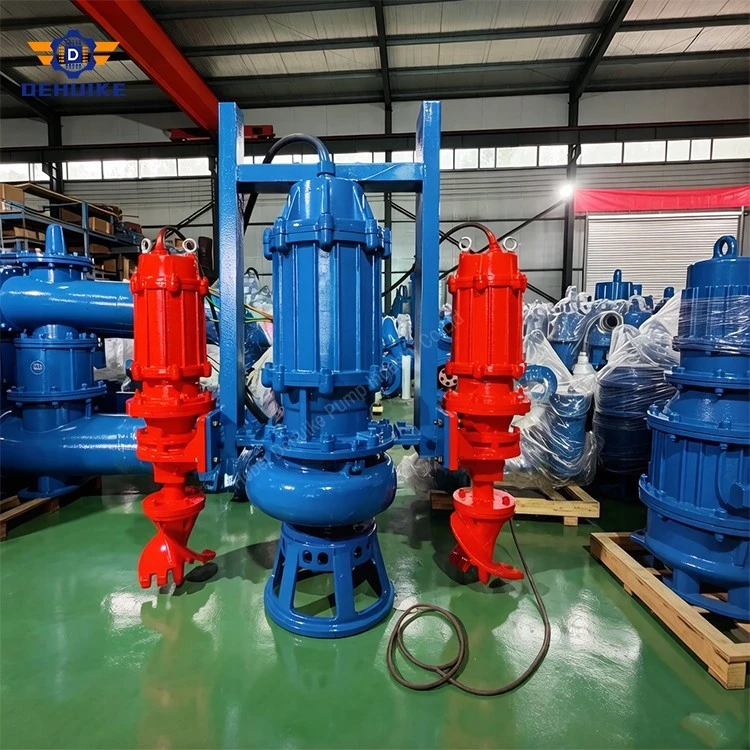
The reference models below are taken from the supplied NSQ submersible slurry pump family data. They are listed to support early-stage discussion of capacity, total head, speed, motor power, connection size, and weight. They should not be treated as a claim that every model is configured specifically for every sludge type. Final figures and configuration details must come from the approved technical sheet, performance curve, drawing, and order confirmation for the selected unit.
|
Reference Model |
Flow Rate / Capacity (m3/h) |
Total Head (m) |
Speed (r/min) |
Mating Motor Power (kW) |
Inlet / Outlet (mm) |
Reference Weight (kg) |
|
50NSQ25-32-5.5 |
17.5 |
36 |
2900 |
5.5 |
50 / 25 |
105 |
|
50NSQ40-30-7.5 |
28 |
33 |
2900 |
7.5 |
50 / 40 |
180 |
|
80NSQ50-25-7.5 |
35 |
27.5 |
2900 |
7.5 |
80 / 50 |
140 |
|
100NSQ70-22-11 |
49 |
23.5 |
1450 |
11 |
100 / 70 |
260 |
|
100NSQ100-15-7.5 |
70 |
17.5 |
1450 |
7.5 |
100 / 100 |
165 |
|
100NSQ100-25-15 |
70 |
28 |
1450 |
15 |
100 / 100 |
280 |
|
150NSQ100-30-22 |
91 |
35 |
1450 |
22 |
150 / 100 |
420 |
|
150NSQ300-30-45 |
240 |
35 |
1450 |
45 |
150 / 300 |
750 |
|
200NSQ400-20-30 |
275 |
26.8 |
1450 |
30 |
200 / 400 |
720 |
|
200NSQ400-25-45 |
280 |
28 |
1450 |
45 |
200 / 400 |
1280 |
|
200NSQ450-40-75 |
345 |
44.5 |
1450 |
75 |
200 / 450 |
1750 |
Use Technical Data to Frame the Question, Not Finish the Selection
The model table is valuable because it helps a buyer organize an early discussion. A project may need a modest transfer quantity from a local sump, a larger removal rate from a settlement pond, or a balance between output and delivery height. However, flow rate and total head only become meaningful after the discharge system is understood. A low point in a tank, a long pipe to a dewatering area, an elevated discharge point, or a receiving vessel with changing liquid level can create very different requirements even when the target volume per hour is similar.
The hydraulic route should be recorded from the pump outlet to the receiving point. Note the elevation difference, total pipe or hose length, nominal internal diameter, bends, reducers, valves, flexible sections, branches, and any downstream equipment that may create resistance. For sludge, it is particularly important to describe whether the line will be drained after each operation or remain filled between cycles. A stagnant line can behave differently when restarted, especially if solids settle in low-velocity zones.
Motor power should be matched to the confirmed duty and electrical supply. It should not be used as a short cut for comparing sludge capability. A higher motor power figure alone does not define passage geometry, material compatibility, discharge-system resistance, or suitability for a changing sludge concentration. Final voltage, frequency, phase, cable arrangement, starting method, control method, and protection requirements must be identified for the actual installation.
Understand Sludge Behaviour Before Selecting a Pumping Method
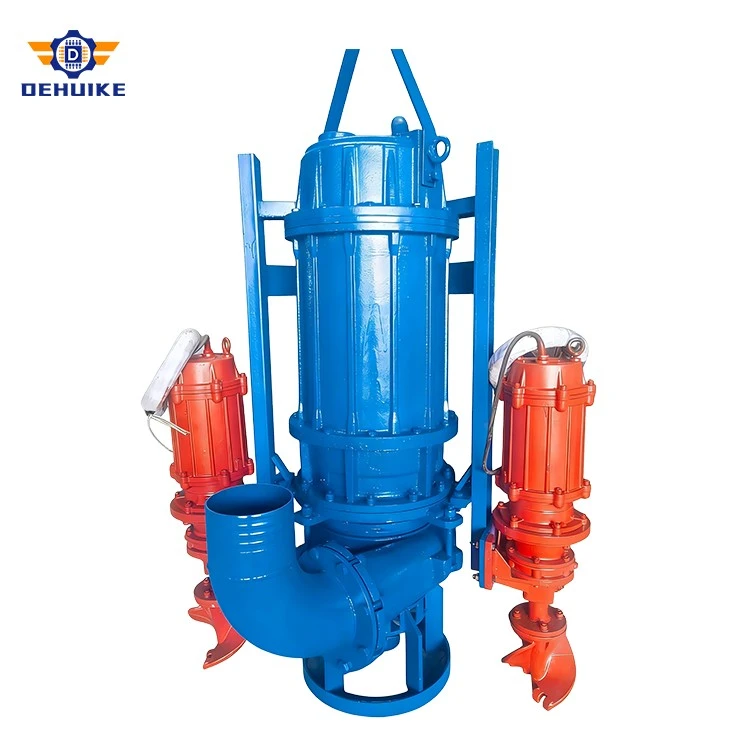
Sludge management begins with observation. Before a buyer asks for a Submersible Sludge Pump, it is useful to identify what the material does when it is left undisturbed and what it does when it is mixed. Does it form a uniform suspension? Does a heavier layer settle below clearer water? Does it contain a soft cohesive mass? Does it include sand, grit, scale, fibrous waste, plastic fragments, or process debris? Does it become denser at certain times of day, after a batch process, or during tank cleaning? These questions do not delay selection; they make it possible to select responsibly.
Distinguish Free-Flowing Sludge from Consolidated Deposits
A free-flowing sludge suspension may enter the pump inlet when the unit is correctly positioned and the surrounding liquid is sufficient. A consolidated deposit is different. It may remain stable at the bottom of a pit until it is disturbed by agitation, water addition, manual preparation, a mixing method, or process movement. Attempting to treat a compacted bed as if it were already a pumpable suspension can lead to poor inlet conditions and inconsistent transfer.
The practical decision is whether the sludge can be brought to the inlet in a form compatible with the selected hydraulic passage. If not, the project may need a preparation step. This might involve mixing, dilution, controlled loosening, or a change in the location where the pump is placed. The product page should make this boundary clear because it protects the buyer from relying on a pump name alone.
Describe Solids Content as a Range When It Changes
Many sludge streams vary during normal operation. A wastewater basin may receive dilute inflow for most of the day and a denser layer during cleaning. A settling pond may look uniform near the surface but have a much heavier material concentration near the bottom. A process tank may change after upstream filtration, washing, chemical treatment, or sediment removal. Providing only one average solids figure may hide the difficult condition that will determine how the transfer system behaves.
When exact measurement is not available, the buyer can still provide useful evidence: a short operating description, photographs of the sludge, a note on how quickly it settles, upstream process information, previous pump observations, or a sample description. Unknown values should be recorded as pending. A transparent gap is more valuable than an invented parameter because it tells the technical reviewer exactly what still needs confirmation.
Recognize the Role of Entrained Debris
Sludge can contain items that are not part of the intended process material. In a wastewater setting, these may include fibrous matter or floating debris. In an industrial sump, they may include pieces of packing, maintenance residue, or fragments from upstream equipment. In a construction pit, they may include soil clumps, vegetation, loose stone, or site waste. The presence of debris affects inlet planning, screening decisions, access for cleaning, and the selection discussion. A screen or protective arrangement should not be assumed to solve the issue unless its opening, cleaning access, and effect on intake flow have been reviewed.
Build the Pump Around the Sludge Process, Not as an Isolated Item
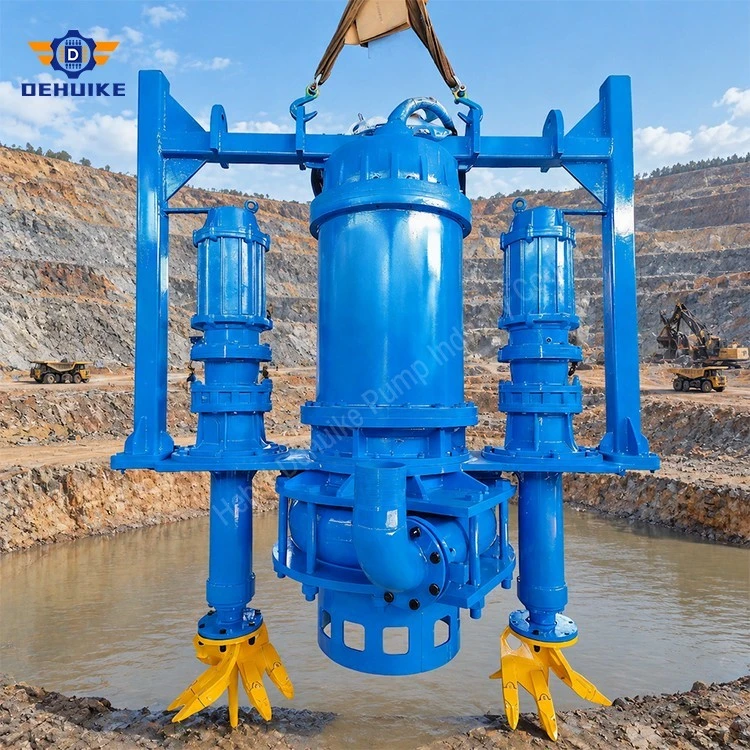
A Submersible Sludge Pump is one component in a wider material-handling sequence. The sequence usually begins with solids collecting in a location, then moves through preparation or mixing, inlet approach, pumping, pipeline transport, receiving, settling, thickening, dewatering, treatment, reuse, or disposal. If one stage changes, the pump duty may change as well. The best product selection is therefore connected to the process objective rather than limited to a catalogue model comparison.
Clarify the Source Condition
The source may be a sludge sump, clarifier floor, settlement tank, stormwater pit, industrial basin, dredged pocket, process trench, lagoon, or temporary excavation. The source condition defines physical constraints: normal liquid level, lowest liquid level, solids depth, access for lifting, nearby structures, inlet clearance, and available power. A unit placed near the source must be able to receive the material without sitting in a location where the inlet is blocked by a wall, base, sediment bed, or support structure.
Confirm the Receiving Stage
The receiving end deserves the same attention as the intake. It may be a dewatering unit, a filter feed point, a storage tank, a treatment basin, a settlement area, a transport container, or another collection pit. The receiving stage may accept a steady flow, operate by batch, have its own level control, or become unavailable during maintenance. If the destination cannot accept incoming sludge, the discharge condition changes. The pump system should therefore be operated with an agreed communication method or control logic between the source and the receiving point.
Consider Pipeline Cleanliness and Restart Behaviour
Sludge pipelines are not only transport routes; they also hold material after a stop. A route with low spots, sharp transitions, dead legs, or long sections that cannot maintain a suitable transport condition may create a difficult restart. The project review should identify whether the line is flushed, drained, kept filled, or restarted after a defined interval. These operational details can guide the selection of pipe routing, access points, valves, and site procedures.
A planned route should use real measurements rather than general descriptions such as "nearby" or "long distance." A sketch with elevations, diameters, and key fittings gives the project team a clearer foundation for determining total head and reviewing line behaviour. It also makes later troubleshooting faster because the actual route is documented rather than remembered differently by each shift.
Align the Operating Schedule with the Process
A sludge transfer pump may operate continuously, periodically, after tank cleaning, when a level reaches a set point, during an emergency drainage event, or only during maintenance shutdowns. The schedule affects how the system is controlled and how service work can be planned. Intermittent use can create a greater risk of settling in the source or line between starts; continuous use may require closer attention to stable receiving capacity and operational monitoring.
The buyer should state expected run hours, start frequency, planned shutdown windows, and whether the operation is attended. These inputs are useful for selecting control features and for determining how the system should be inspected. They also help set realistic expectations about cleaning access, standby arrangements, and critical spares.
Product Detail and Equipment Characteristics: Support a Controlled Sludge-Transfer Routine
One important characteristic of a submersible arrangement is proximity to the collection point. The inlet can be located within the wet area where sludge is available, reducing the need for an external priming routine associated with some dry-mounted layouts. This advantage is only meaningful when the pump remains in an appropriate operating position and there is sufficient liquid around the inlet. It does not replace the need for a proper discharge route or a review of the sludge condition.
Another characteristic is a compact working footprint around the source location. In a crowded plant, below-grade pit, mobile treatment area, or temporary project, keeping the pump in the liquid area may leave more access around the collection point. The site still needs safe lifting access, cable protection, a secure outlet connection, and a practical route for removal. The compact form does not justify handling shortcuts.
The cable system should be planned with the installation. It must reach the selected control point without tight bends at the entry, unprotected contact with abrasive surfaces, or loose loops near traffic and equipment. The cable should be supported as required by the site arrangement. It must not be used to suspend, drag, or retrieve the pump. The same rule applies to the discharge hose: the hose transfers fluid and may require support, but it is not a lifting tool.
Depending on the confirmed project, the installation may include a base, guide arrangement, lifting bracket, flexible hose, support frame, control cabinet, or intake-related accessory. These items should be identified as selected or optional rather than described as standard in every supply. Clear configuration language is valuable for buyers because it prevents a product page from being mistaken for an exact bill of materials.
Lifecycle and Service Planning: Turn Operating Records into Better Decisions
The value of a sludge-transfer system is not measured only by the first start. It is also measured by how clearly the team can understand changes in performance, arrange planned cleaning, schedule inspection, and return the unit to service after an interruption. A lifecycle approach begins with a simple baseline record at commissioning. The record can include unit identification, installation location, source condition, normal liquid level, discharge route, initial current observation, visible discharge condition, operating schedule, and any confirmed accessories.
Record What the Sludge Was Doing When Conditions Changed
When a transfer problem occurs, a maintenance note should say more than "pump stopped" or "output low." Record whether the sludge was denser than usual, whether the source had been idle, whether the line had been flushed, whether the receiving point changed, whether the liquid level was lower, and whether debris was observed. These details help separate a process change from an electrical, hydraulic, or mechanical issue.
A useful investigation follows a sequence. First, follow safe isolation procedure. Then check the source: is the inlet free, is the pump position stable, and has the sludge condition changed? Next, check the route: is the hose supported, is the pipe clear, are valves correctly positioned, and is the destination available? Then compare electrical and operating observations with the baseline. A systematic review reduces the risk of repeatedly restarting equipment while the root cause remains in the line or process.
Plan Cleaning and Inspection Around the Actual Duty
A periodic cleaning and inspection plan should reflect the application. A pump used for short, occasional basin cleaning is different from a unit operating through long shifts in a treatment process. The plan should identify how the unit will be isolated, lifted, cleaned, inspected, and returned to service. It should also identify the safe access route and the person responsible for confirming the receiving line before restart.
The inspection scope should follow the confirmed configuration and site procedure. It may include inlet condition, outlet connection, cable condition, lifting structure, visible hydraulic surfaces, sealing-related areas, motor-side observations, and control protection. The objective is not to generate unnecessary paperwork. It is to build enough evidence to recognize a trend before a small change becomes an unplanned interruption.
Choose Critical Spares with a Recovery-Time View
Critical spares should be chosen according to the supplied configuration, the application, and the time required to restore operation. They may include selected service components, connection gaskets, cable-related items, or site-specific accessories that are difficult to obtain quickly. A complete catalogue list is not necessarily a useful spare strategy. The right list is the one that supports the actual unit and the actual consequence of downtime.
The service record should be kept with the pump identification and configuration information. This makes it easier to order compatible components and to discuss future changes in process conditions. When a facility expands, changes sludge treatment, or receives different upstream material, the previous operating history can be used to review whether the original configuration remains appropriate.
Quality Documentation and
Project Communication: Make the Purchase Easier to Verify
A technically sound sludge pump purchase begins with a clear exchange of information. The buyer supplies application data; the supplier reviews the configuration; the final order record identifies what has been confirmed, what is optional, and what remains pending. This communication method is especially important for sludge work because the product name alone does not describe source condition, line behaviour, liquid chemistry, or downstream treatment requirements.
The project information package can include the medium description, estimated solids condition, required capacity, total head, site layout, water level range, pipe size and route, power supply, operating schedule, quantity, destination, and requested documents. Additional evidence can be helpful: photos of the source area, a simple elevation sketch, information about upstream treatment, a description of previous pumping difficulties, or a note about whether the line is flushed after use.
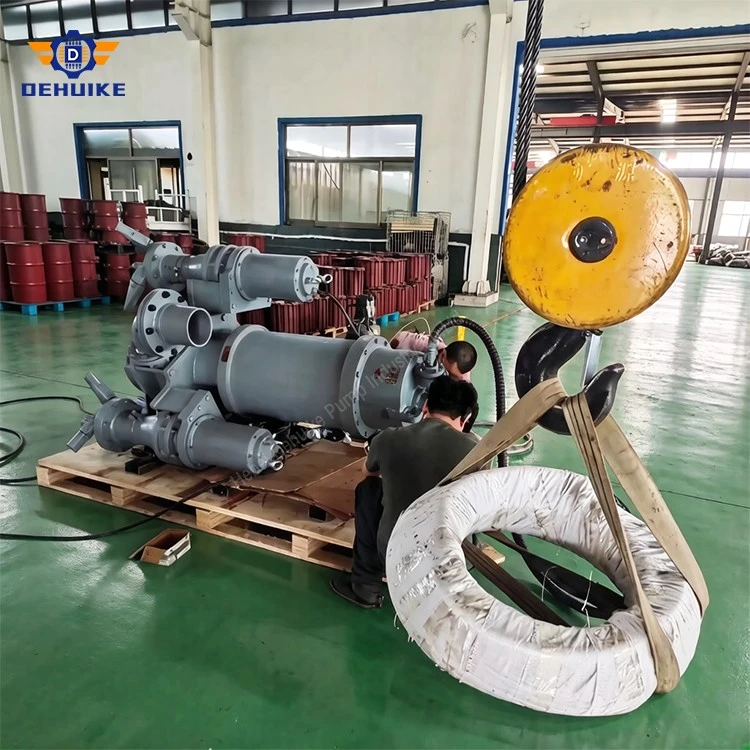
During production and pre-dispatch preparation, the configured unit can be checked against its identification, selected motor information, cable arrangement, discharge interface, lifting structure, accessories, packing requirements, and agreed technical documents. The scope of any testing or inspection record should be agreed as part of the order. Product copy should not imply a special approval, third-party certificate, or test result unless that documentation is actually applicable to the supplied unit.
Delivery preparation should preserve the practical information needed after the product arrives. The packing list, model identification, accessories, connection information, and confirmed documents help the receiving team inspect what was delivered. At site receipt, the package and visible equipment condition should be checked before installation. Any transport issue should be recorded immediately. This creates a more reliable handover between shipment, commissioning, and service teams.
Clear communication is also a conversion advantage. Buyers are more likely to advance an inquiry when they understand exactly which information matters and why it matters. Instead of receiving a vague response, they can see how their sludge description affects capacity selection, total head review, inlet arrangement, line planning, controls, service access, and documentation. That creates confidence without relying on unsupported performance claims.
FAQ: Key Questions About Submersible Sludge Pump Selection
Q: What is a Submersible Sludge Pump used for?
A: It is used to transfer water mixed with sludge, settled fines, sediment, process residue, or similar liquid-solid material from a wet collection location to a planned receiving point. Final suitability depends on the actual sludge condition, confirmed hydraulic passage, capacity, total head, discharge route, power supply, and operating cycle.
Q: Can it pump sludge that has settled at the bottom of a tank?
A: It can be evaluated when the settled material is mixed or loosened sufficiently to reach the inlet as a pumpable liquid-solid mixture. A compacted or highly consolidated deposit may need agitation, dilution, controlled loosening, or another preparation method before pumping.
Q: What information should be provided before selecting a model?
A: Provide the application, medium description, source location, solids condition, required capacity, total head, pipe route, liquid level range, power supply, expected operating hours, receiving point, quantity, destination, and document requirements. A sketch and photos can clarify difficult site conditions.
Q: Why does the downstream destination matter?
A: The receiving point affects the discharge condition. A dewatering unit, storage tank, treatment basin, or settlement area may have a changing level, limited intake capacity, or batch schedule. If it cannot accept the transferred material, the pump system must respond according to the operating plan.
Q: How should the pipeline be planned for sludge service?
A: Record the elevation difference, line length, internal diameter, fittings, bends, valves, flexible sections, and whether the line is flushed or left filled after operation. These details influence total head, settling risk, restart behaviour, and system troubleshooting.
Q: Which operating observations should be recorded?
A: Record liquid level, source condition, operating hours, current trend, discharge appearance, line condition, receiving availability, and any change in the sludge or process. These records support better maintenance and selection decisions.
Q: What should be done if the transfer rate becomes unstable?
A: Follow site isolation rules first. Then inspect the source condition, inlet clearance, sludge density, pump position, discharge route, valve position, receiving point, and electrical readings. The cause may be related to process change or line condition as well as the pump.
Q: What documents should be requested with an order?
A: Request the approved technical information for the selected configuration, relevant performance reference, drawing where agreed, packing list, operating notes, spare-part identification, and any order-specific inspection record or document required for the project.

Send Your Sludge Transfer Requirement
To request a practical Submersible Sludge Pump proposal, provide the application, sludge description, target transfer capacity, total head, discharge route, liquid level range, solids condition, operating schedule, power supply, connection requirement, quantity, destination, and document needs. If the sludge condition is uncertain, state what is known about settling, thickness, debris, liquid phase, and upstream process. A photo or simple site sketch can often clarify the source and delivery route quickly.
Once the project information is available, the technical discussion can connect the pump reference range with the real sludge process: source behaviour, preparation needs, inlet position, discharge route, receiving capacity, controls, service access, lifecycle records, and documentation. This produces a more credible quotation path and helps the buyer choose a solution that is easier to operate and maintain over time.
Hot Tags: submersible sludge pump, China submersible sludge pump manufacturers, suppliers, factory