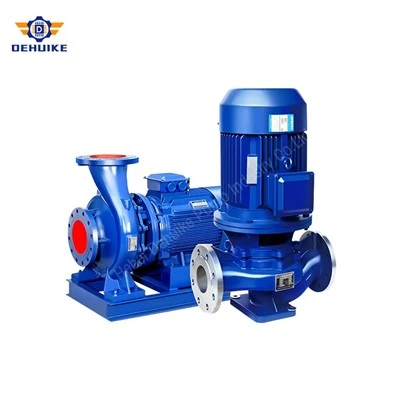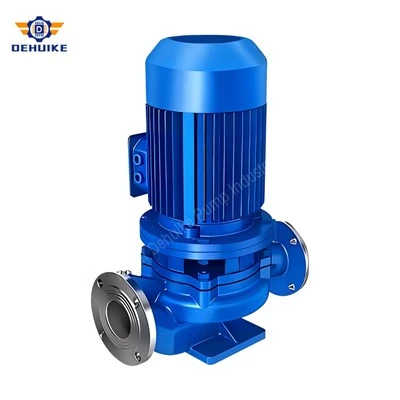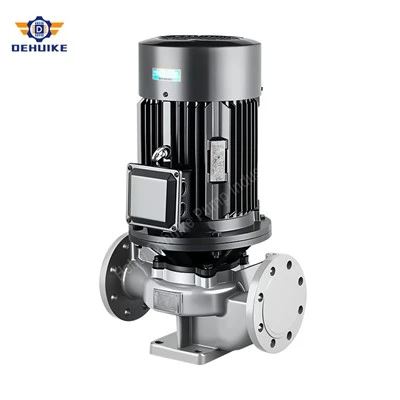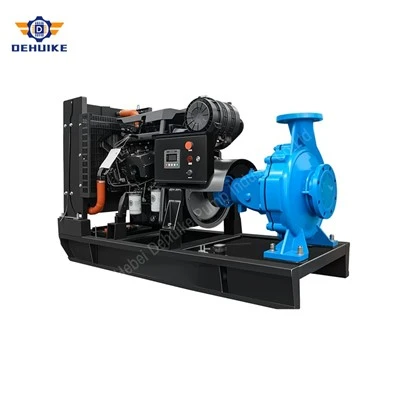
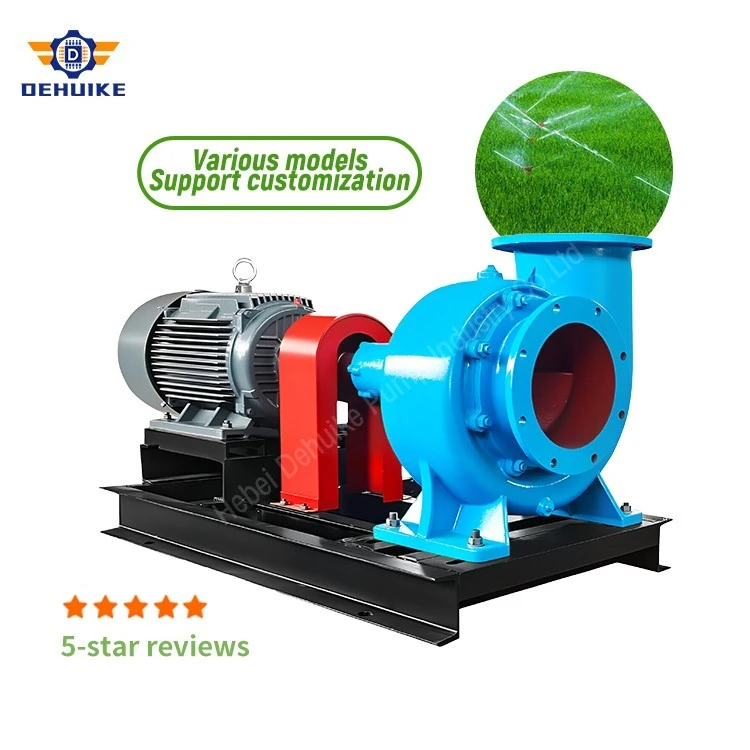
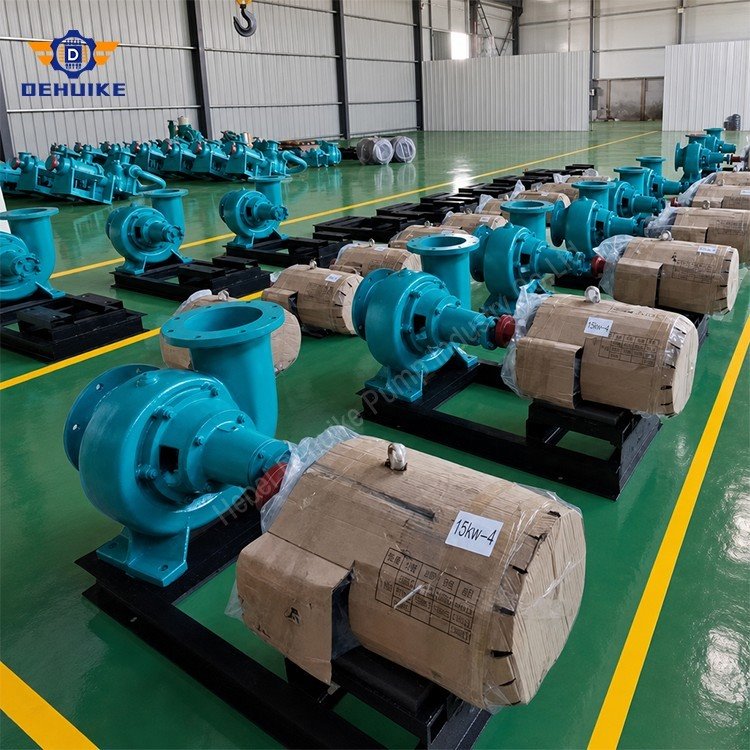
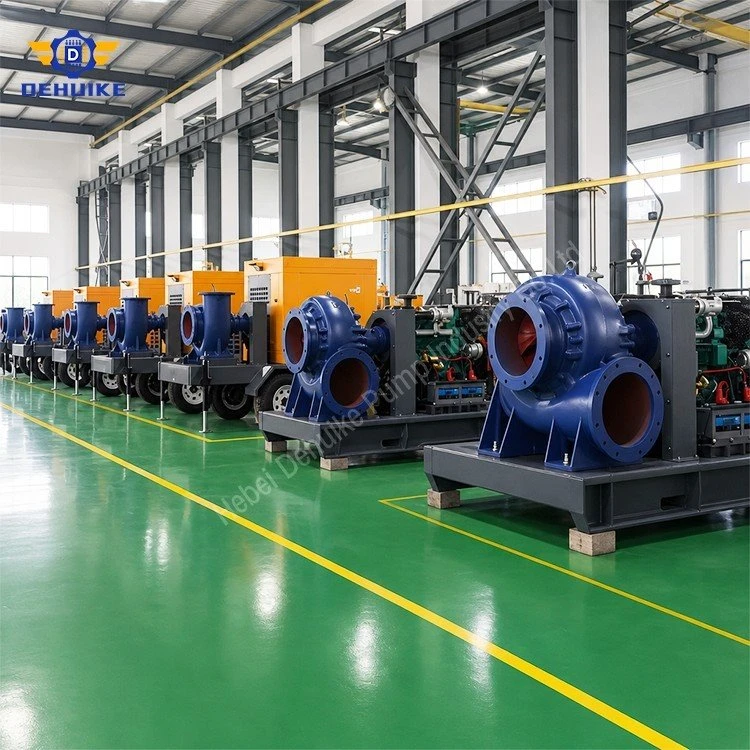
Hebei Dehuike Pump Industry Co., Ltd. is one of the most reliable manufacturers and suppliers of vertical mixed flow pump in China. With abundant experience, we are committed to providing high quality customized pumps with competitive price. Welcome to wholesale bulk vertical mixed flow pump for sale here from our factory. Also, pricelist is available.
Product Profile | From the Intake Chamber to the Outlet Main
The visible part of a vertical pumping installation tells only part of the story. Below the operating deck, the intake and hydraulic components handle the water; above it, the drive and discharge arrangement connect the machine to the station. A Vertical Mixed Flow Pump brings these functions into a continuous assembly.
The assembly can be discussed through its intake, hydraulic section, rising waterway, shaft system and discharge connection. Each module has a defined job and interfaces with the next. A consolidated schedule keeps model data together for comparison.
The DHW references cover four proposed sizes. Their catalogue entries are useful identifiers, but the engine powers associated with the stated flow and head are inconsistent. The duty and drive combination must be corrected before it can be quoted as guaranteed performance. The numerical schedule makes that status explicit.
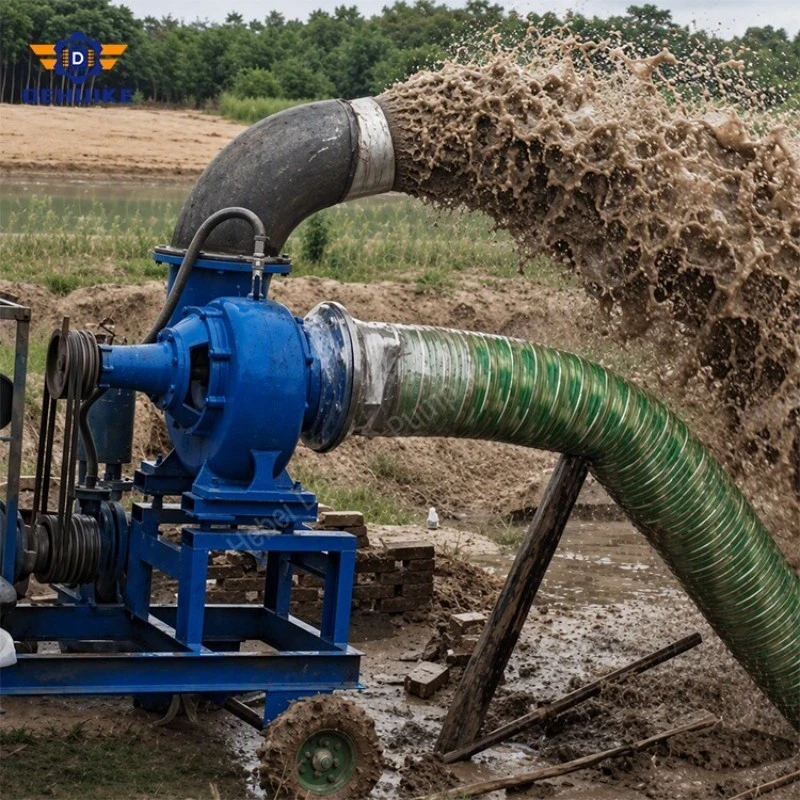
Vertical Mixed Flow Pump Intake Module
The entrance module establishes where water reaches the pump. Its position needs to be coordinated with the intake chamber and the range of levels permitted during operation. For a customer comparing proposals, the useful information is the actual location and geometry on the arrangement drawing. The model name or discharge diameter cannot establish those details.
An inlet shape is part of the hydraulic design, while acceptable incoming conditions also depend on the surrounding structure. The water approach should therefore be examined as an installation question. Nearby walls, the chamber floor and the approach route should be represented on the project drawing where they are relevant.
For new construction, coordinate this module before the civil geometry is fixed. For replacement work, provide existing measurements and identify restrictions that cannot be changed. The supplier can then address a real installation rather than assume an unrestricted chamber. Any required clearance or water-level limitation should be recorded with the offered assembly.
Source-water information belongs beside the geometry. Describe sediment, debris and constituents that may affect construction. Suitable clean-water service does not automatically include every liquid found in a drainage or industrial basin. Where uncertainty remains, identify it as an input to resolve.
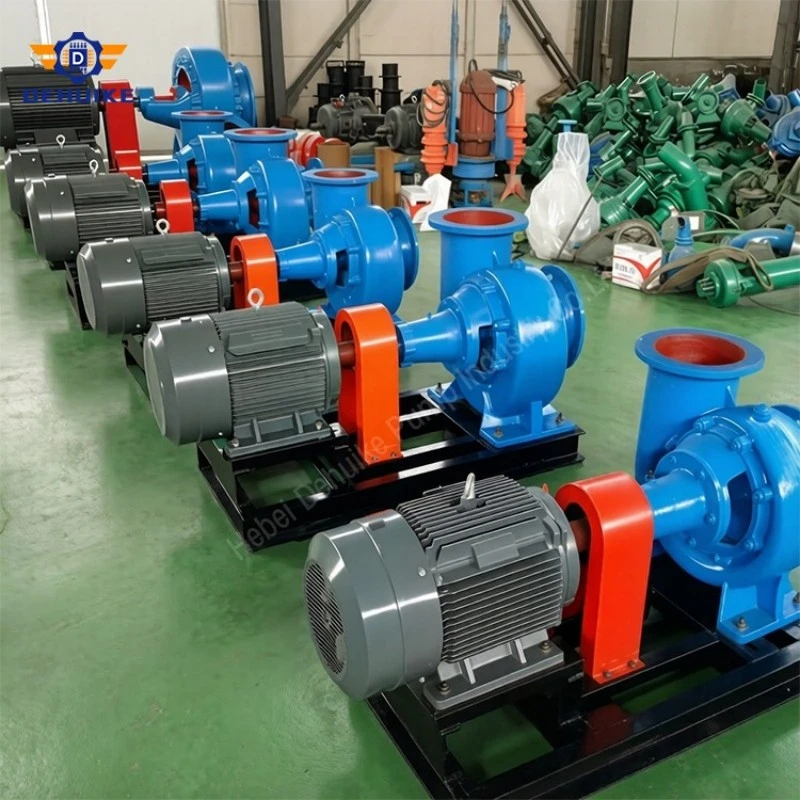
Module 2 | Impeller and Bowl Hydraulic Assembly
The impeller and its stationary passages form the water-energy module. The mixed-flow arrangement directs the stream with radial and axial components, while the surrounding passages lead it onwards through the assembly. For selection, this module needs the performance characteristic of the actual geometry.
A rated condition is only one point within that description. The project may encounter different source levels or receiving conditions, so the relevant cases should be placed on the applicable curve. The delivered capacity is linked to the network as well as the pump. This is why a brochure figure cannot be treated as a constant flow under every operating condition.
Material alternatives should be linked to the components concerned. A proposal may distinguish the impeller construction from the bowl or another wetted part. That distinction is more useful than describing the whole machine with one material label. If an alternative is recommended for a different liquid or operating environment, ask for its scope and selection basis.
The replacement identity of the hydraulic module matters later. A similar-looking component may differ in geometry or construction. Retain the approved references and identify any accepted substitution in the final record. This lets the owner request parts for the assembly supplied and prevents an overhaul from becoming an undocumented performance change.
Module 3 | Column and Waterway Between Bowl and Head
The rising section carries water between the submerged assembly and the discharge arrangement. Its length and construction follow the station geometry, with the applicable interfaces shown on the drawing. A nominal outlet size is not a complete description of this module.
When reviewing a proposal, distinguish connection diameter from the internal passage dimensions used for hydraulic calculations. They may serve different purposes in the equipment record. The original DHW description assigned a universal velocity claim to its listed diameters, but the tabulated flow combinations do not support that conclusion if those diameters are treated as internal bores.
Section joints and interfaces should follow the accepted assembly design. The order information should identify how the parts relate and which site work is required. If the length changes during approval, obtain a reviewed arrangement instead of treating the change as an additional straight pipe. Shafting, supports and the installation procedure also need to remain appropriate.
Removal planning should use the real section arrangement and available overhead route. Provide the manufacturer with restrictions imposed by the building or adjacent equipment. The owner should know how the relevant components will be accessed within those constraints. This does not require a universal overhaul-time claim; it requires a feasible maintenance arrangement for the actual station.
Module 4 | Shafting Guides and Bearing Support
The rotating connection between drive and impeller belongs to the same assembly as the column. Its component identities and support arrangement should be documented for the supplied configuration. The customer should be able to distinguish the shafting, guiding parts and bearings instead of relying on a general phrase such as reinforced transmission.
Relevant dimensional checks should be defined through the applicable drawings. A numerical runout or straightness claim has meaning only when its subject and measurement basis are stated. If the purchase requires inspection records, specify which features and stages they cover. A tolerance quoted for one part cannot be applied automatically throughout the machine.
Where balance verification is required, agree its basis and the identity of the component assessed. Balance evidence and installed vibration observations answer different questions. The actual station condition involves supports, connections and operation in addition to the rotating component. Keep these records distinct so an owner can interpret them appropriately.
Maintenance instructions for this module need to match its construction. Lubricant requirements, service access and applicable observations should come from the documentation supplied with the equipment. Do not impose one generic interval on every bearing or guide arrangement. If a replacement part differs from the original, review compatibility before accepting it.
Module 5 | Discharge Head and Station Connection
The discharge head brings the rising waterway to the receiving pipe and provides an important station interface. Its position, orientation and connection details should be agreed before mating pipework is fabricated. Ask the supplier to show the customer connection and the relevant reference elevations. This is particularly useful where the route is constrained by existing civil work.
Where alternative outlet arrangements are offered, treat them as separate configurations for review. An above-deck connection and a below-deck route may affect the station differently. The accepted version needs a controlled drawing so the civil and piping teams work from the same information. If the project changes its route, ensure the equipment arrangement is updated rather than leaving conflicting revisions in circulation.
The support requirements associated with the head and drive should be communicated through the relevant equipment information. The structure must be designed for the actual arrangement rather than inferred from the visible size of the pump. Clarify which equipment the manufacturer supplies and which provisions belong to the site. Where project inputs are still provisional, show that status openly.
For an existing station, compare measured interfaces with the offered drawing before committing to a replacement. Identify fixed pipe positions, openings and access restrictions. The owner can then plan adaptations alongside the equipment purchase. Similar model names do not establish direct interchangeability. The Vertical Mixed Flow Pump should be reviewed as a complete fit within its station, including the connections and space required by the selected drive and maintenance arrangement.
Vertical Mixed Flow Pump Drive Module
The drive module should follow the verified power requirement of the hydraulic selection. A motor, engine or tractor-driven transmission is a different equipment proposal, with its own interfaces and services. Do not start by choosing an available driver and treating the catalogue water duty as guaranteed. The corrected pump data and applicable operating cases must establish the basis against which the manufacturer proposes a complete power path.
For an electric package, state the supply conditions and the functions required by the project. The offer should identify the motor construction, its mounting and connection to the pump. Controls and protection included in the price need their own descriptions. If a proposed substitution changes speed or another relevant characteristic, obtain the appropriate review. A motor reference should remain connected to the hydraulic configuration it was selected to support.
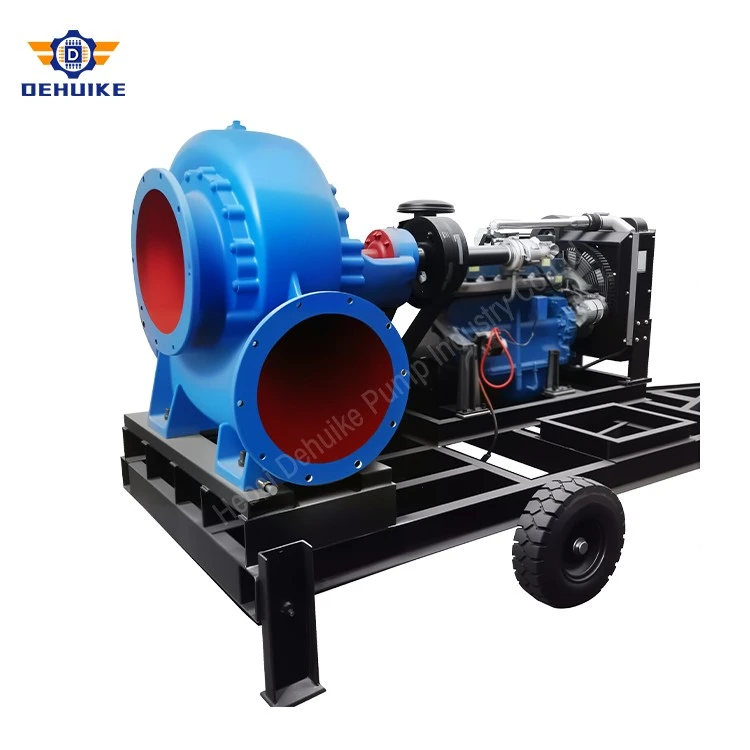
An engine package includes more than a horsepower figure. The engine, connection and any right-angle transmission need to be identified together. Their applicable ratings and installation requirements should suit the proposed assembly. Fuel-related equipment and other auxiliaries should be itemized where included, with site services clearly assigned. The original DHW driver entries cannot be treated as proven selections; their relationship to the stated water duties must first be reconciled by the manufacturer.
For a tractor option, provide the actual output available and the intended operating arrangement. Speed matching and the connection system should be developed for that combination. Tractor ownership alone does not demonstrate compatibility or establish that the full arrangement will be cheaper than a dedicated driver. The equipment proposal should identify included parts and applicable instructions, leaving the project with a defined package rather than a generic statement that power take-off operation is possible.
The drive choice also needs to fit the site routine. Identify who provides the driver, who checks the interfaces and which services are available. Where equipment is supplied by several parties, assign those responsibilities explicitly. The offer should make clear what remains to be installed or verified at the destination. This lets the owner compare proposals with equivalent scope instead of interpreting a driver photograph as evidence that every visible accessory is included.
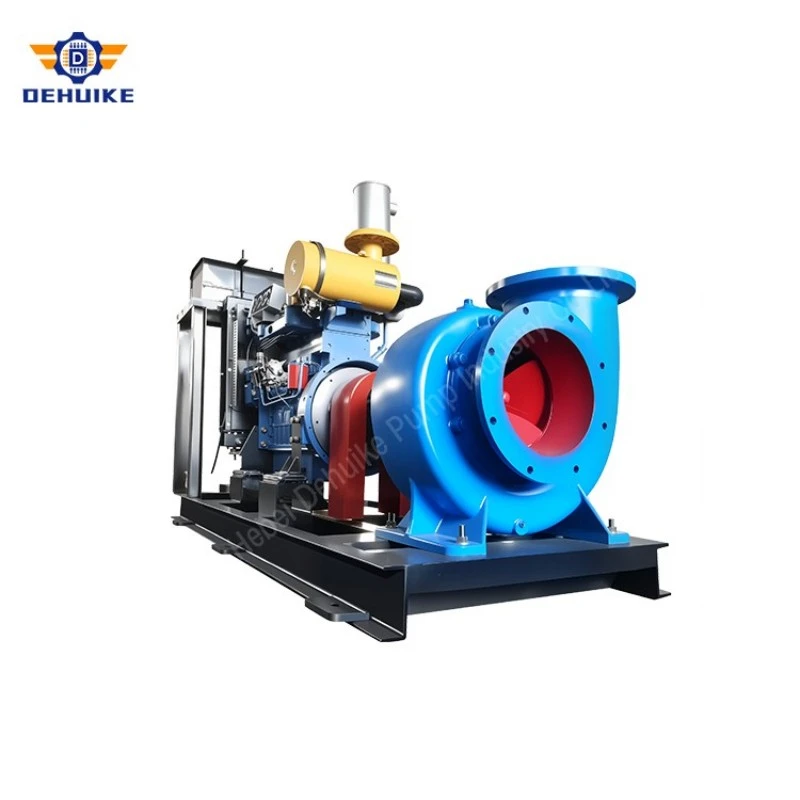
Model Schedule | Source Values and Required Power Correction
The consolidated schedule brings the four model references into one comparison. Model identifiers and original numerical entries are retained for traceability. The engine column is not an approved driver selection. For clean water, the proposed capacities at 20 m require theoretical hydraulic outputs exceeding the engine ratings listed with them. A revised performance record is therefore necessary before any of the combinations can be accepted as a complete operating package.
|
Reference |
Outlet |
Proposed duty |
Speed |
Source engine |
Match status |
|
DHW250-20 |
100 mm |
250 m³/h / 20 m |
1450 r/min |
8 HP |
UNVERIFIED |
|
DHW280-20 |
125 mm |
280 m³/h / 20 m |
1450 r/min |
8 HP |
UNVERIFIED |
|
DHW300-20 |
150 mm |
300 m³/h / 20 m |
1450 r/min |
15 HP |
UNVERIFIED |
|
DHW580-20 |
200 mm |
580 m³/h / 20 m |
1450 r/min |
22 HP |
UNVERIFIED |
Using a liquid density of 1000 kg/m³, the theoretical water powers for the four proposed conditions are approximately 13.6, 15.3, 16.4 and 31.6 kW respectively. These values exclude pump and transmission losses and are not recommended motor or engine sizes. By comparison, 8, 15 and 22 mechanical horsepower represent about 6.0, 11.2 and 16.4 kW. The manufacturer must correct the capacity, head or power information and identify the consistent configuration being offered.
The common speed entry of 1450 r/min is a reference for the data review, not a demonstration of noise, wear or life. A corrected submission should connect speed with the appropriate curve and drive. It should also define the relevant operating limits. Until that record is available, do not use the table to estimate fuel consumption, guaranteed site output or emergency drainage time. Valid conversions between units do not resolve an inconsistent hydraulic-and-driver pairing.
Package Configuration | Define What Arrives at the Site
A complete proposal should state whether the supply covers the hydraulic assembly only or includes column parts, head, drive and associated equipment. Keep each item identifiable. The buyer should be able to reconcile the scope with the arrangement drawing and price. Accessories mentioned elsewhere in a catalogue are not automatically part of the order. Where an item is optional, state its status rather than describing all possible equipment as one standard package.
Customer interfaces need equal clarity. Identify where the site connects waterway, electrical or other services and which installation activities remain outside the equipment supply. If final alignment, testing or attendance is required, describe its scope separately. A manufacturer-prepared assembly still needs the applicable destination work. This distinction helps the contractor plan completion without assuming that delivery means the entire station is ready for operation.
For comparisons between suppliers, use a common list of required deliverables. Otherwise a lower price may reflect excluded components or documentation. Ask each proposal to show its assumptions and exceptions alongside the model and performance basis. The purchase can then distinguish a technical alternative from an incomplete scope. This is especially important where an engine, transmission or electrical package is sourced through a different party from the pump itself.
Spare items should be identified by the applicable component references and quantities. The useful list depends on the supplied configuration and project requirements. A broad assertion of parts availability is different from a confirmed commitment for a particular order. If the owner needs delivery or stock provisions, agree them commercially. Keep those commitments with the final equipment record so later service enquiries can be tied to the actual assembly.
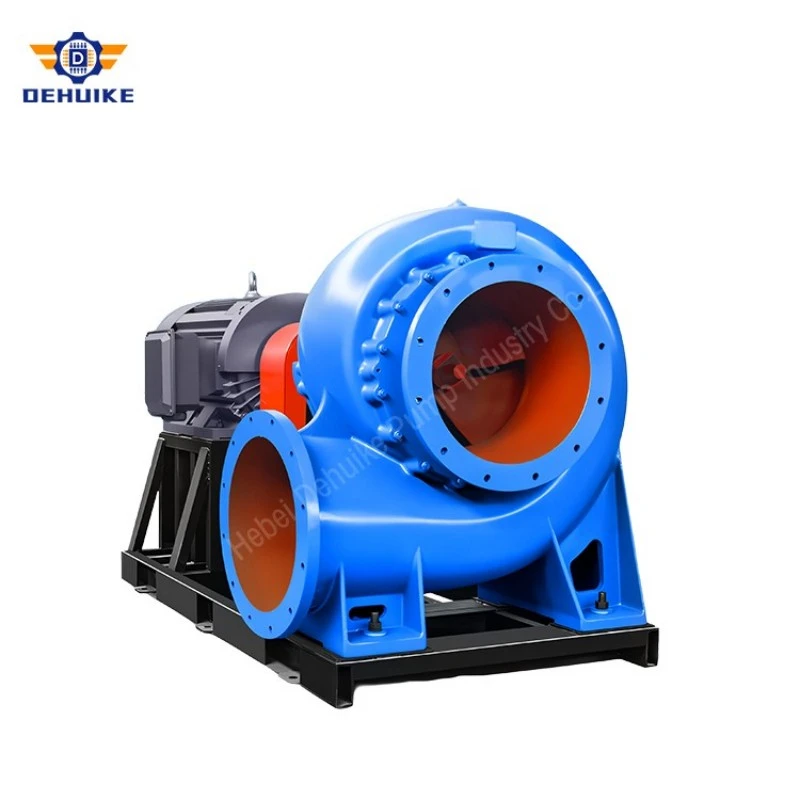
Water-Transfer Duties | Describe the Job Without Assuming the Rating
For irrigation, begin with the volume to be delivered and the period available. Add source and receiving levels and the route information needed to establish the duty. Access and power availability influence the installation, while the corrected curve establishes the candidate pump condition. Farm size or an industry label cannot replace those inputs. Sediment and debris should be described so construction suitability is assessed for the source actually being used.
A drainage enquiry should distinguish the incoming water from clean-water reference service. Provide relevant contamination, collection and receiving-route information. Any multiple-unit proposal requires assessment of the selected curves and connected system for the intended stages. Nominal capacities should not simply be added and presented as guaranteed station delivery. Within the station, this pump has a defined equipment function; the response of the complete drainage station depends on its design and supporting provisions.
For pond or aquaculture transfer, provide water composition and the intended task. Moving suitable water is different from requiring evidence concerning aquatic stock or a biological outcome. Such requirements need their own assessment and should not be inferred from mixed-flow geometry. Source and destination levels may vary within a transfer period. Use those cases and the volume requirement when reviewing a consistent hydraulic and drive proposal.
An industrial intake should identify the receiving equipment and the liquid handled. Utility water, process streams and basin effluent may need different constructions. A water-pump schedule cannot establish suitability for every nearby stream. Include temperature and relevant contaminants, then review the offered materials and sealing. Where the project seeks a particular maintenance or reliability outcome, request evidence for the actual assembly and duty rather than importing a claim from a general application description.
Verification Documents | Evidence for the Proposed Assembly
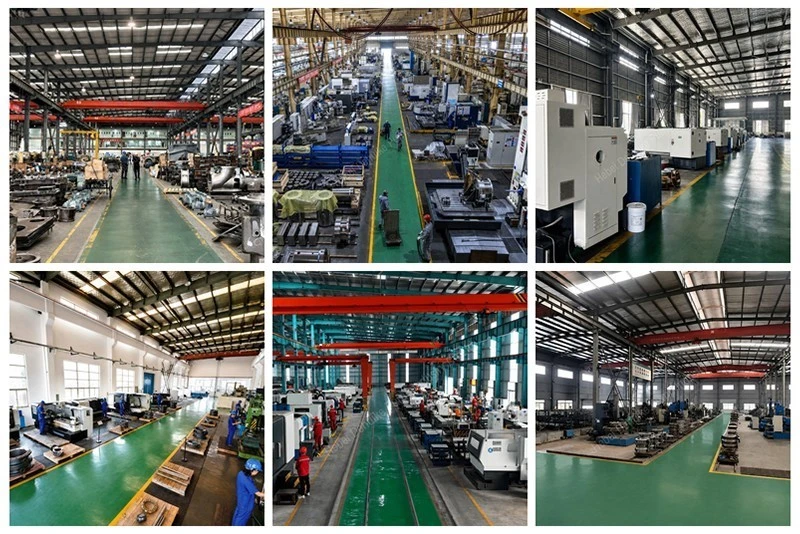
The order should identify which documents establish the accepted configuration and what inspections are required. Begin with drawings and the consistent hydraulic-and-power basis. Material information, dimensional records and other evidence need an applicable scope. The final file should distinguish results for an individual unit from reference information. This makes it possible to understand what was verified and avoids representing a list of test activities as proof of every property of the machine.
For pressure-related verification, agree the relevant procedure and acceptance criteria for the offered components or assembly. Records should identify what was tested and the result. Proof-test pressure does not serve the same purpose as the operating limit and cannot establish the transient behaviour of connected piping. The station's design should address its system conditions separately. Any required witnessing and reporting should be included in the inspection and delivery plan.
Hydraulic verification should state the configuration, liquid and speed and use the performance basis required by the order. Define any required test method and tolerance, and identify additional activities separately. A table of reference values does not prove that all tests are included. Here, reconciling the original driver conflict is necessary before a complete performance claim is made. The relevant reports should correspond to the revised equipment selection, not an unresolved combination.
The handover record should be usable after the original project team has left. Retain final drawings, instructions, equipment identity, agreed reports and accepted changes together. Different revisions and unapproved alternatives should not be mistaken for the supplied construction. Later enquiries about a component or operating issue can then use the correct reference. The value of documentation comes from its accuracy and connection to the assembly, rather than the number of certificates in a folder.
Project Delivery | From Accepted Arrangement to Receiving Inspection
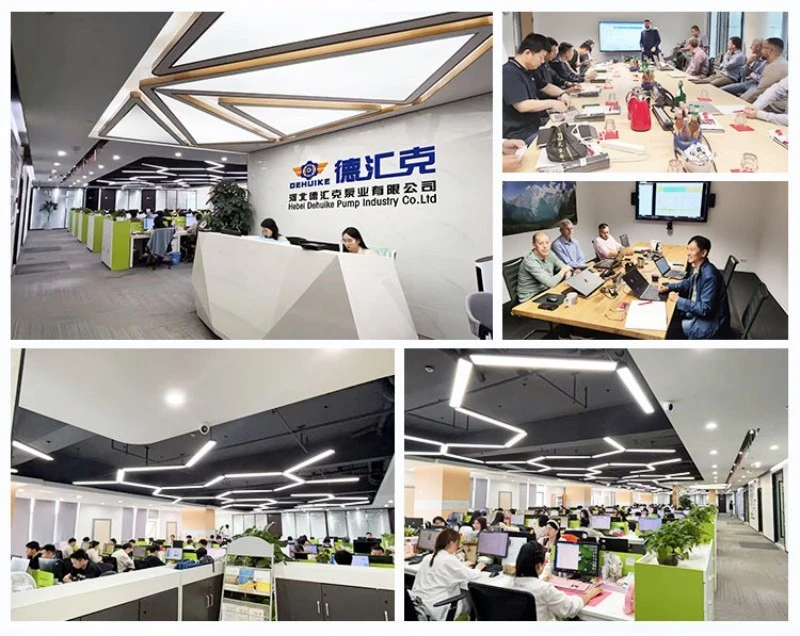
Delivery planning should use the model, quantity, verification scope and project schedule of the actual order. Drawing approval and purchased components can affect release, so identify the information needed from each party. Qualification claims about workshop size or supply networks do not establish a delivery date. Ask for the applicable milestones and commitments. If a change occurs during approval, review its effect on both the technical scope and the schedule rather than treating them as unrelated matters.
Packing and preservation should suit the route and expected storage before installation. Identify loose column components and other separately packed items. Obtain final dimensions and mass for handling and freight decisions. A generic weight threshold is insufficient for choosing a transport mode. The contract should state the trade term and named place, with document responsibilities clear, so the receiving team can reconcile the consignment and organize suitable storage.
Where the destination requires conformity evidence, establish its applicability to the offered equipment and scope. A broad catalogue list of certification names cannot demonstrate approval of every optional assembly. Supplier qualification information should also be distinguished from unit-specific acceptance evidence. Request relevant support for the requirements that influence the purchase. This leaves the project with a reviewable record instead of a general international-compliance claim that cannot be tied to its equipment.
Warranty and support need explicit commercial terms. State the period, commencement, coverage, exclusions and process for reporting a problem, including the treatment of bought-in components. If a 24-month period is offered, confirm how it applies to the actual package. Site attendance and parts supply should have their own commitments where required. Read those provisions alongside the final equipment schedule, so both parties understand which assembly and services the agreement covers.
Product Questions | Details to Settle Before Release
What distinguishes the hydraulic arrangement?
The impeller directs water with both axial and radial components before the stationary passage guides it onward. That identifies mixed-flow operation without proving a universal advantage over other pump types. Compare complete feasible selections for the same task using applicable curves, construction and installation information. The chosen arrangement should follow the water requirement and station constraints rather than a general ranking of hydraulic families.
Does a submerged inlet remove every inlet problem?
The location changes the suction arrangement but does not demonstrate acceptable operation at every level or in every chamber. Establish the relevant inlet conditions and restrictions for the selected assembly. The surrounding geometry and operating cases remain part of that review. A control command to start is not evidence that all hydraulic prerequisites are met. Coordinate the level logic and equipment requirements within the approved station design.
Can the column be lengthened without another review?
A different length affects the assembly being supplied and should be recorded through an approved arrangement. Column, shafting, supports and removal considerations need to remain coordinated. Do not treat the change as a loose pipe addition merely because the nominal outlet remains the same. The released drawing should identify the dimensions that production and the site will use, with obsolete alternatives clearly distinguished from the accepted version.
Why are the original engine values not usable as selections?
The theoretical power transferred to water at the proposed flow and head already exceeds the associated engine ratings. Real input must also account for losses. This cannot be resolved by a unit conversion or by calling the driver heavy duty. Obtain a corrected, internally consistent record from the manufacturer. The table in this document preserves the numerical discrepancy so it remains visible instead of becoming an unsupported performance promise.
What information makes a replacement enquiry useful?
Send the existing equipment identity and measured interfaces, with drawings or photographs showing access restrictions and connection locations. Describe the required duty and liquid rather than assuming the old model alone defines them. Identify any dimensions that cannot change. The supplier can then evaluate the fit and selection of the proposed assembly and make adaptations visible before the owner commits to the purchase or shutdown work.
How should the owner plan maintenance?
Use the instructions applicable to the pump, seal, bearings and drive actually supplied. Retain component identities and record approved repairs or substitutions. A general article cannot establish a common service period or adjustment amount for every construction. Access planning should provide the space and handling arrangements needed by the intended work. If an operating change is investigated, use readings with documented conditions rather than an isolated comparison with a catalogue number.
What should be included in a technical enquiry?
For a Vertical Mixed Flow Pump proposal from Hebei Dehuike Pump Industry Co., Ltd., provide the transfer duty, source and receiving conditions, water information and installation layout. State the available power and desired supply boundary. Ask for a corrected model record, an identified arrangement and a list of included documents and services. Any unresolved catalogue values should remain open items until the manufacturer's revised submission establishes a consistent package.
Hot Tags: vertical mixed flow pump, China vertical mixed flow pump manufacturers, suppliers, factory