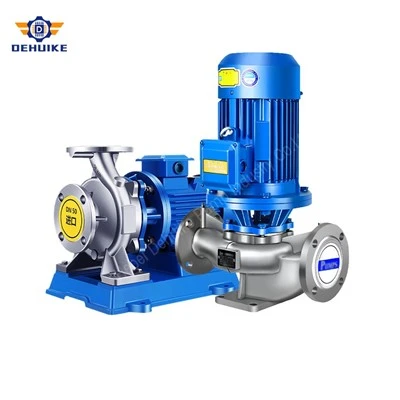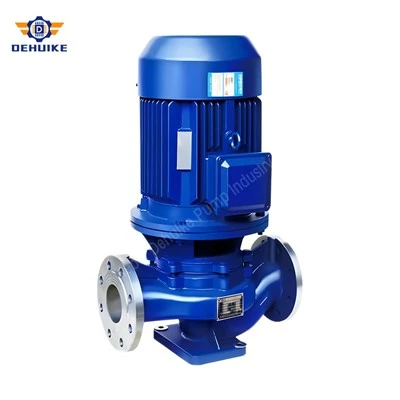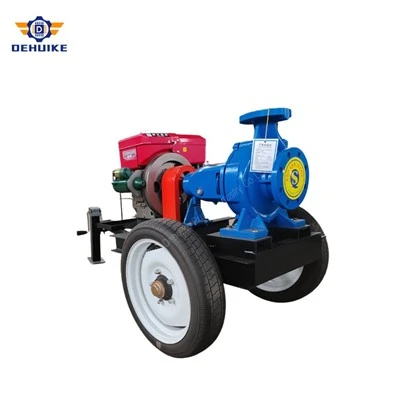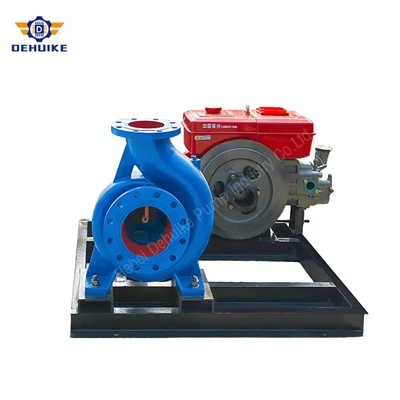
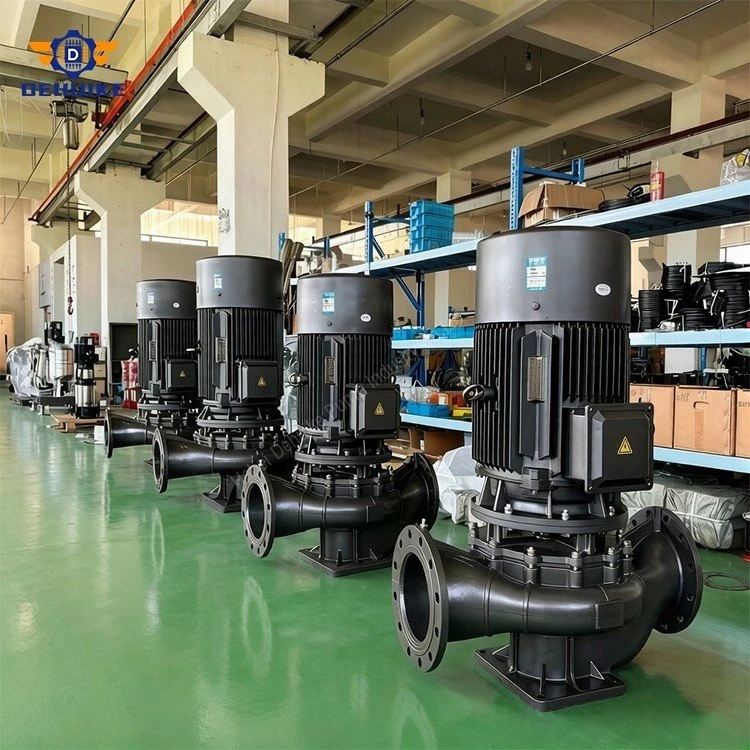
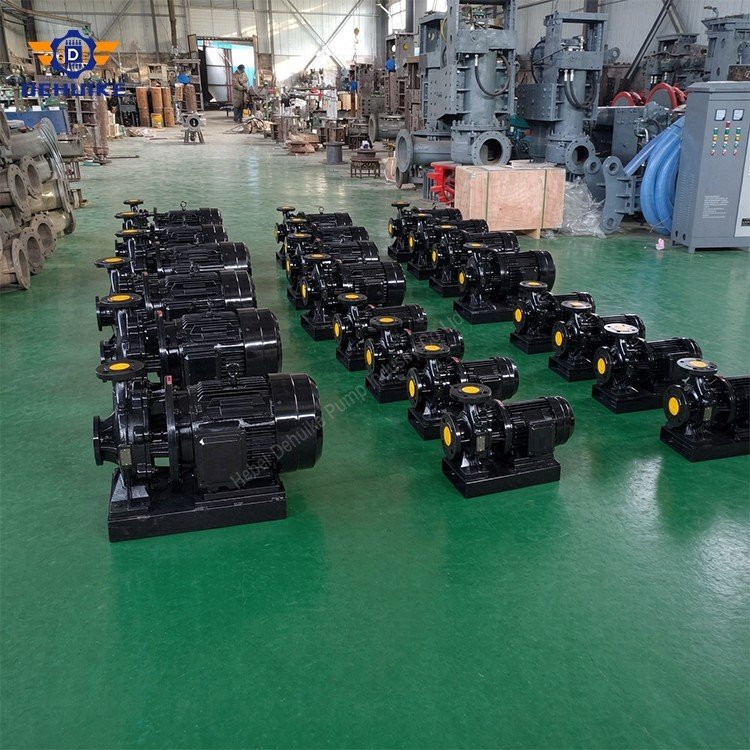
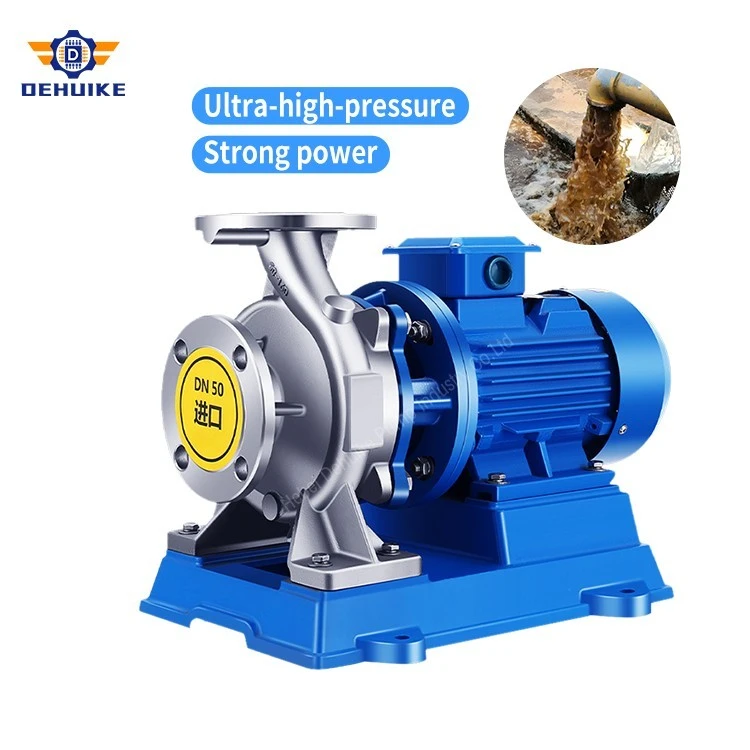
Hebei Dehuike Pump Industry Co., Ltd. is one of the most reliable manufacturers and suppliers of inline booster pump in China. With abundant experience, we are committed to providing high quality customized pumps with competitive price. Welcome to wholesale bulk inline booster pump for sale here from our factory. Also, pricelist is available.
Product Details: Structural Metallurgy, Component Geometry, and Mechanical Disassembly
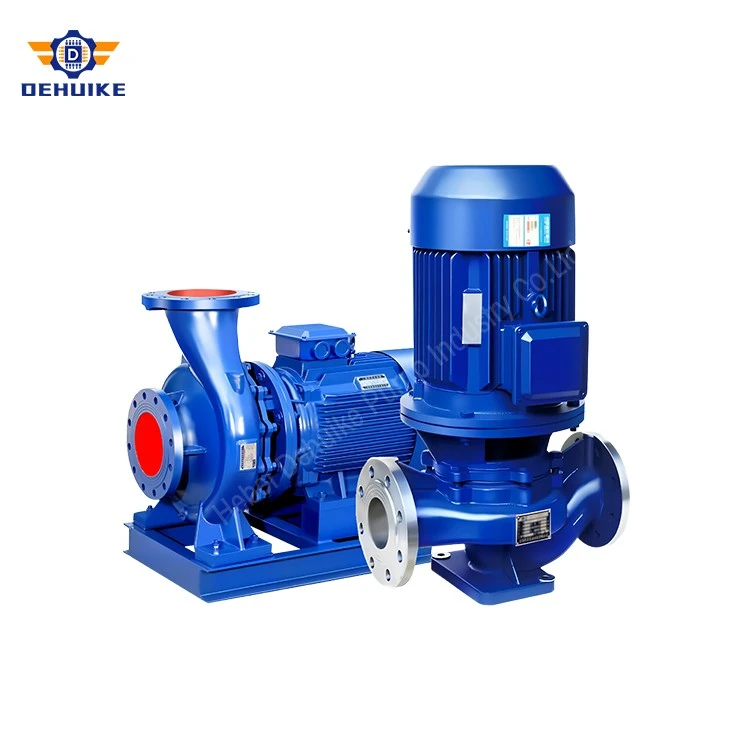
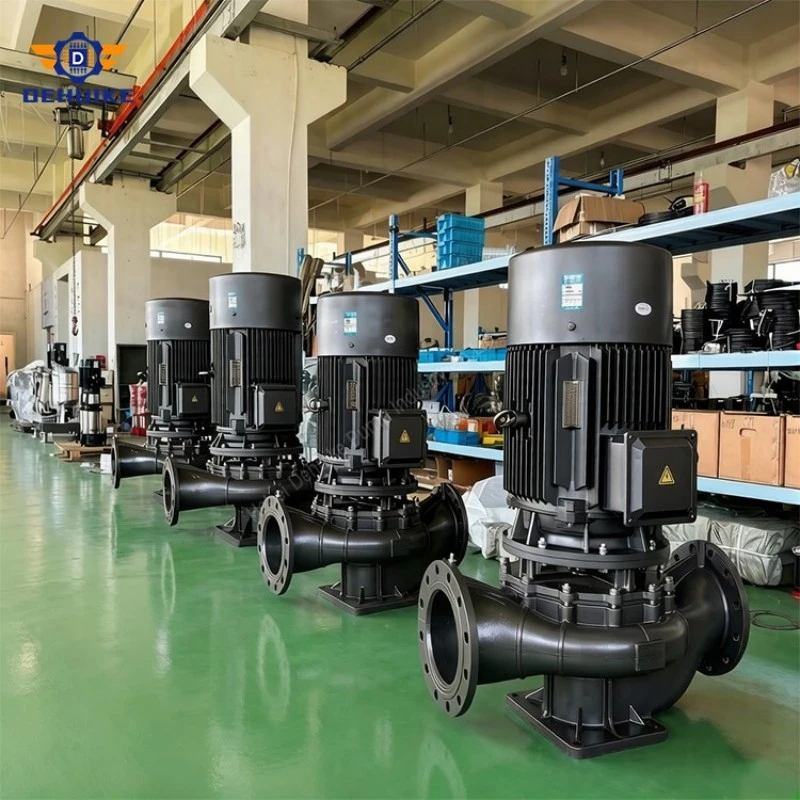
The mechanical architecture of our Inline Booster Pump line centers upon a co-axial in-line volute casing that establishes the fluid intake and discharge nozzles along a single horizontal centerline at 180 degrees. This linear pipeline-mounted geometry permits the pumping machinery to install cleanly into straight pipe corridors just like a flanged gate valve, doing away with complex right-angle piping bends or massive offset inertia foundation pads. Poured from high-density HT200 or HT250 grey cast iron with a uniform pearlitic microstructure, the cast housing provides superior structural rigidity, elevated containment of hydraulic surge transients, and natural attenuation of operational acoustic waves. For deep vertical risers, municipal trunk loops, or elevated pressure circuits necessitating wider safety factors, an optional QT450-10 nodular ductile iron casing is supplied, pushing the working pressure containment threshold from the standard 1.6 MPa (PN16) up to a robust 2.5 MPa (PN25).
Internally, the hydraulic passageways are modeled using modern computational fluid dynamics (CFD) simulation to generate a continuously expanding volute diffuser channel. This geometry decelerates high-velocity liquid leaving the impeller tips, converting velocity energy into stable static head with negligible boundary-layer turbulence and reduced internal vortex friction. The interior casting possesses generous fillet radii and strictly uniform wall thicknesses, eliminating localized metal thinning and stagnant dead-flow recesses where mineral precipitates might accumulate. Connecting flanges are precision-faced in strict conformity with DIN EN 1092-2 or ASME/ANSI B16.1 dimensions, offering smooth, parallel gasket landing shoulders that ensure reliable sealing under standard fiber or synthetic rubber flange gaskets.
At the hydraulic core of the unit is an enclosed radial-flow centrifugal impeller engineered with precision-formed three-dimensional curved vanes that seamlessly redirect water from the axial suction eye toward the radial collector. Base model impellers are cast from fine-grain HT200 cast iron, whereas corrosive liquid loops, demineralized boiler feed circuits, or marine coastal utilities can be furnished with wear-resistant tin bronze (ZCuSn10Pb1) or austenitic stainless steel (AISI 304 or AISI 316). Every raw impeller casting is subjected to precision CNC shroud machining and computerized dual-plane dynamic balancing adhering to ISO 1940 Grade G2.5 guidelines, restricting residual imbalance below 2.5 mm·g/kg and completely preventing shaft whip across continuous 2900 rpm or 1450 rpm rotational velocities.
Shaft fluid containment is assured by an industrial single-end mechanical seal cartridge housed within a spacious seal chamber. The primary sealing interface employs a wear-resistant silicon carbide versus silicon carbide (SiC/SiC) friction pairing or a resin-bonded carbon versus tungsten carbide (C/WC) combination, formulated specifically to combat erosion from microscopic abrasive particles common in pressurized municipal distribution piping. Secondary static sealing is achieved through high-resilience fluorocarbon (FKM) or ethylene propylene diene monomer (EPDM) synthetic elastomers, energized by multi-coil AISI 316 stainless steel springs that maintain constant face closing pressure despite thermal cycling. A built-in internal flushing bypass channels pressurized clean liquid from the high-pressure volute quadrant across the seal faces, sweeping away frictional thermal energy and preventing dry-running vapor formation.
The drive assembly features a high-strength 2Cr13 martensitic stainless steel or AISI 304/316 austenitic stainless steel stub shaft, precision-ground with total indicated radial run-out maintained strictly within 0.025 mm. This extended shaft locks directly into an IEC standard flange-mounted electric motor positioned vertically above a heavy-walled cast iron intermediate adapter stool. The stool provides wide lateral inspection openings, offering generous hand and wrench clearance for mechanical seal maintenance or replacement without requiring the motor to be unbolted. Heavy-duty deep-groove ball bearings inside the motor housing are generously oversized and packed with synthetic lithium-complex grease, engineered to carry combined radial thrust and residual axial hydraulic forces for a calculated L10h bearing service life exceeding 40,000 continuous operational hours.
Features & Equipment Characteristics: In-Line Hydraulics and Plant-Room Footprint Optimization
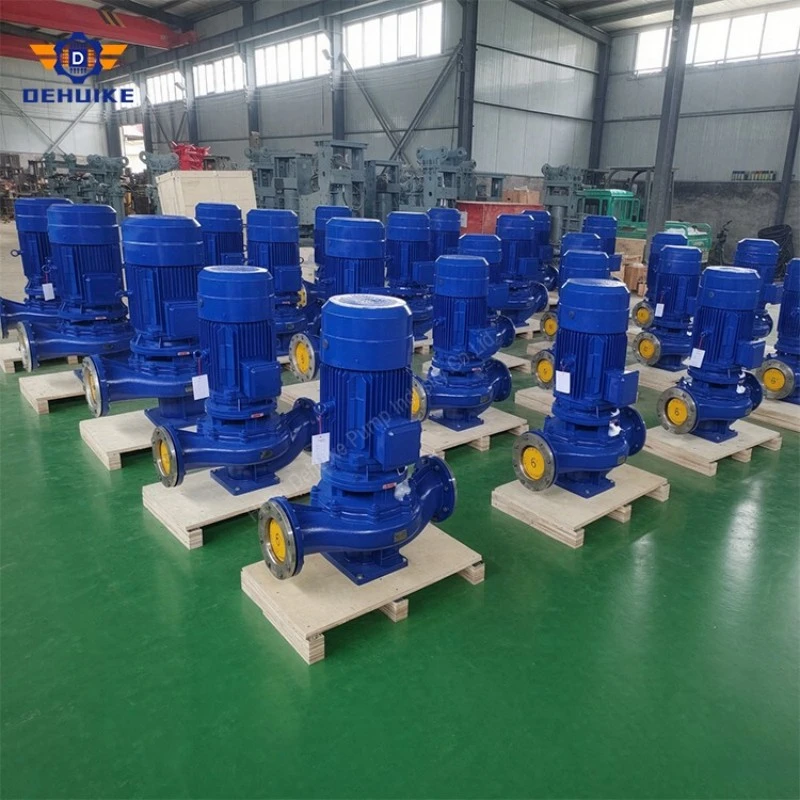
The defining physical advantage of this Inline Booster Pump design lies in its seamless mechanical integration within commercial and industrial pipe networks. Conventional horizontal end-suction booster pumps mandate dedicated concrete plinths, 90-degree suction sweep elbows, and extensive pipe routing to bridge offset intake and discharge axes. Conversely, the in-line configuration bolts directly into the existing pipe run. This linear arrangement slashes physical plant-room footprint requirements by 50 to 65 percent, permitting pre-engineered multi-pump parallel booster skids to fit neatly within cramped basement utility vaults, prefabricated containerized pump enclosures, or compact intermediate building service floors.
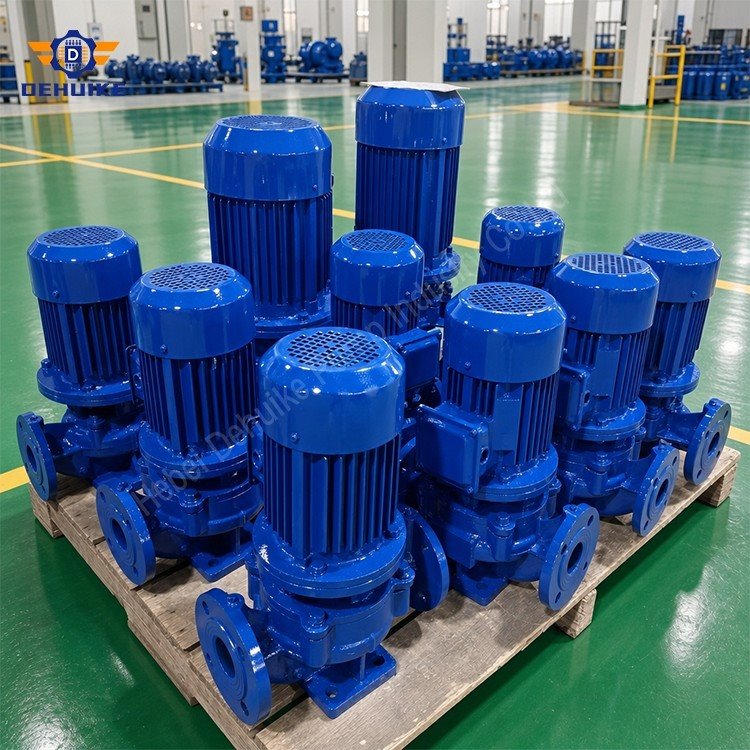
A paramount mechanical benefit of the vertical close-coupled architecture is permanent shaft and register alignment. Because the electric drive motor flange locates directly into a factory-machined pilot spigot on the cast iron motor stool, which in turn indexes squarely upon the volute casing cover, angular and parallel shaft misalignment is eliminated at the source. Mechanical engineers and piping contractors are entirely spared the tedious, error-prone on-site laser alignment routines mandatory for conventional baseplate-mounted flexible-coupling pump skids. This rigid coaxial assembly preserves true rotational concentricity over decades of duty, avoiding premature seal face grooving, accelerated bearing fatigue, and flexible coupling insert deterioration caused by structural foundation settling or thermal pipe stress.
Acoustic mitigation and minimal structural vibration constitute another major engineering asset. By discarding overhung cantilevered rotating masses and positioning the motor directly atop the hydraulic casing centerline, bending moments and low-frequency resonant vibrations are effectively suppressed. Rigorous factory sound measurements demonstrate operating sound pressure levels contained between 62 dB(A) for smaller frames and 78 dB(A) for the largest 90 kW industrial models under full hydraulic load, making these sets ideal for noise-sensitive applications including five-star hotel water towers, commercial medical centers, executive headquarters, and residential luxury apartments.
Service accessibility is streamlined via the top pull-out back-disassembly layout. When internal evaluation, seal renewal, or impeller servicing becomes necessary, maintenance crews simply loosen the casing cover studs and hoist the drive motor, adapter stool, and rotating element vertically out of the volute housing as a self-contained cartridge. Significantly, the pump volute remains rigidly connected within the piping layout, leaving suction and discharge pipe joints, isolation valves, and upstream/downstream instrumentation completely undisturbed. This mechanical feature shrinks scheduled maintenance downtime from days to mere hours, mitigating service interruptions in continuous manufacturing loops and commercial building water systems.
Hydraulically, the pump delivers a continuously declining H-Q curve from closed-valve shutoff head down to wide-open runout flow, completely free of saddle points or unstable flat plateaus. This steep, stable head characteristic stops hydraulic hunting, pressure surging, and flow oscillation when multiple units operate in parallel staged arrays or when driven by variable frequency drives (VFD) modulating over wide frequency ranges. Paired with a low net positive suction head required (NPSHr) curve across all pump sizes, the pump preserves ample cavitation protection even during hot-water circulation spikes or sudden municipal supply drawdowns.
Specifications & Technical Data: Rated Performance Matrix and Duty Selection Guidelines
Precise hydraulic selection for any Inline Booster Pump installation necessitates examining both the required volumetric transfer rate and the differential pressure head needed to offset elevation rise and pipeline friction losses. Unlike primary water-drawing pumps that lift fluid from open atmospheric sumps, an in-line booster operates with positive inlet suction pressure, contributing an additive boost differential head (Delta H) into the pressurized liquid stream. The resulting station discharge pressure equals the incoming main supply pressure plus the mechanical boost head generated across the pump volute, modeled by the relation Delta P = rho * g * Delta H / 100000, wherein generating a 10-meter water column differential corresponds to roughly 0.981 bar or 0.098 MPa of added system pressure.
System specification engineers should strive to align the designated continuous operating duty point with the pump's Peak Efficiency Point (BEP). Continuous operation within the optimal BEP envelope minimizes internal hydraulic recirculation eddies, averts localized cavitation inception, and equalizes radial hydraulic thrust forces across the rotating impeller, thereby maximizing bearing and mechanical seal longevity. Furthermore, mechanical piping design must verify that the net positive suction head available (NPSHa) at the pump inlet exceeds the factory-published NPSHr by a safety margin of at least 0.5 to 1.0 meters under peak delivery velocity.
The tables below catalog verified engineering performance ratings for standard clean-water service at two-pole 2900 rpm and four-pole 1450 rpm drive speeds, tested and certified on automated closed-loop test benches in full compliance with Grade 2B factory acceptance criteria under standard ISO 9906:2012.
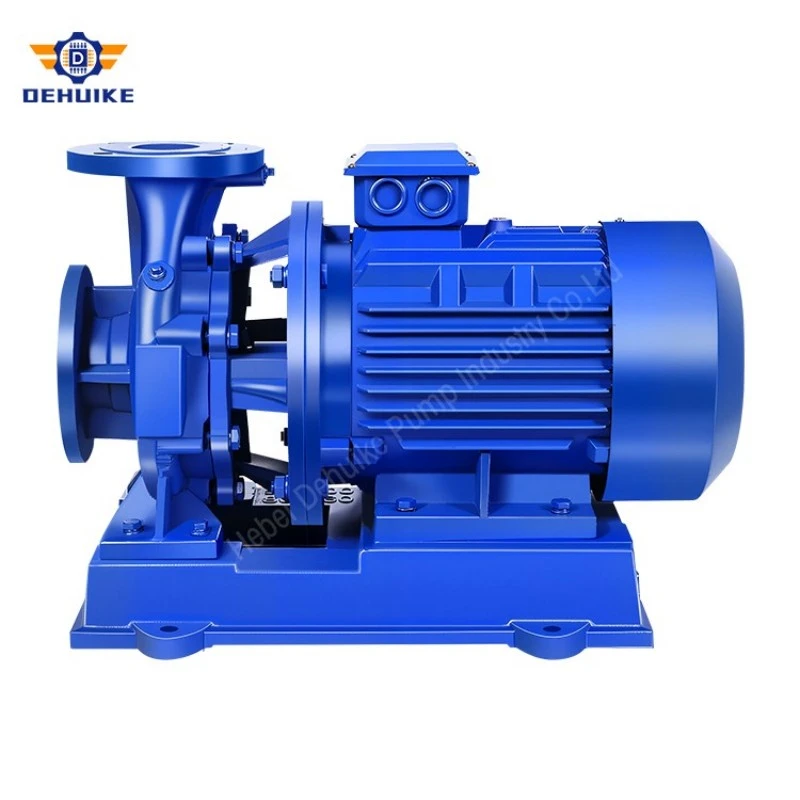
Table 1: Compact & Intermediate Series Rated Ratings Matrix (DN40 to DN65, 2900 rpm)
|
Pump Model |
Nominal Flange |
Rated Flow (m³/h) |
Equivalent Flow (L/s) |
Boost Head (m) |
Rated Motor (kW) |
Drive Speed (rpm) |
Peak Efficiency (%) |
Suction NPSHr (m) |
|
40-125 |
DN40 |
6.3 m³/h |
1.75 L/s |
20.0 m (~1.96 bar) |
1.1 kW |
2900 rpm |
46% |
2.3 m NPSHr |
|
40-160 |
DN40 |
6.3 m³/h |
1.75 L/s |
32.0 m (~3.14 bar) |
2.2 kW |
2900 rpm |
40% |
2.3 m NPSHr |
|
40-200 |
DN40 |
6.3 m³/h |
1.75 L/s |
50.0 m (~4.90 bar) |
4.0 kW |
2900 rpm |
33% |
2.3 m NPSHr |
|
40-250 |
DN40 |
6.3 m³/h |
1.75 L/s |
80.0 m (~7.85 bar) |
7.5 kW |
2900 rpm |
28% |
2.3 m NPSHr |
|
50-100(I) |
DN50 |
25.0 m³/h |
6.94 L/s |
12.5 m (~1.23 bar) |
1.5 kW |
2900 rpm |
69% |
2.5 m NPSHr |
|
50-125(I) |
DN50 |
25.0 m³/h |
6.94 L/s |
20.0 m (~1.96 bar) |
3.0 kW |
2900 rpm |
68% |
2.5 m NPSHr |
|
50-160(I) |
DN50 |
25.0 m³/h |
6.94 L/s |
32.0 m (~3.14 bar) |
4.0 kW |
2900 rpm |
63% |
2.5 m NPSHr |
|
50-200(I) |
DN50 |
25.0 m³/h |
6.94 L/s |
50.0 m (~4.90 bar) |
7.5 kW |
2900 rpm |
58% |
2.5 m NPSHr |
|
50-250(I) |
DN50 |
25.0 m³/h |
6.94 L/s |
80.0 m (~7.85 bar) |
15.0 kW |
2900 rpm |
50% |
2.5 m NPSHr |
|
50-315(I) |
DN50 |
25.0 m³/h |
6.94 L/s |
125.0 m (~12.26 bar) |
30.0 kW |
2900 rpm |
40% |
2.5 m NPSHr |
|
65-100 |
DN65 |
25.0 m³/h |
6.94 L/s |
12.5 m (~1.23 bar) |
1.5 kW |
2900 rpm |
69% |
2.5 m NPSHr |
|
65-125 |
DN65 |
25.0 m³/h |
6.94 L/s |
20.0 m (~1.96 bar) |
3.0 kW |
2900 rpm |
68% |
2.5 m NPSHr |
|
65-160 |
DN65 |
25.0 m³/h |
6.94 L/s |
32.0 m (~3.14 bar) |
4.0 kW |
2900 rpm |
63% |
2.5 m NPSHr |
|
65-200 |
DN65 |
25.0 m³/h |
6.94 L/s |
50.0 m (~4.90 bar) |
7.5 kW |
2900 rpm |
58% |
2.5 m NPSHr |
|
65-250 |
DN65 |
25.0 m³/h |
6.94 L/s |
80.0 m (~7.85 bar) |
15.0 kW |
2900 rpm |
50% |
2.5 m NPSHr |
Table 2: High-Capacity & Heavy-Differential Ratings Matrix (DN80 to DN150, 2900 & 1450 rpm)
|
Pump Model |
Nominal Flange |
Rated Flow (m³/h) |
Equivalent Flow (L/s) |
Boost Head (m) |
Rated Motor (kW) |
Drive Speed (rpm) |
Peak Efficiency (%) |
Dry Unit Mass (kg) |
|
80-160(I) |
DN80 |
100.0 m³/h |
27.8 L/s |
32.0 m (~3.14 bar) |
15.0 kW |
2900 rpm |
76% |
184 kg dry mass |
|
80-200(I) |
DN80 |
100.0 m³/h |
27.8 L/s |
50.0 m (~4.90 bar) |
22.0 kW |
2900 rpm |
74% |
251 kg dry mass |
|
80-250(I) |
DN80 |
100.0 m³/h |
27.8 L/s |
80.0 m (~7.85 bar) |
37.0 kW |
2900 rpm |
69% |
330 kg dry mass |
|
80-315(I) |
DN80 |
100.0 m³/h |
27.8 L/s |
125.0 m (~12.26 bar) |
75.0 kW |
2900 rpm |
66% |
675 kg dry mass |
|
80-350 |
DN80 |
50.0 m³/h |
13.9 L/s |
150.0 m (~14.71 bar) |
55.0 kW |
2900 rpm |
66% |
570 kg dry mass |
|
100-160 |
DN100 |
100.0 m³/h |
27.8 L/s |
32.0 m (~3.14 bar) |
15.0 kW |
2900 rpm |
76% |
191 kg dry mass |
|
100-200 |
DN100 |
100.0 m³/h |
27.8 L/s |
50.0 m (~4.90 bar) |
22.0 kW |
2900 rpm |
74% |
245 kg dry mass |
|
100-250 |
DN100 |
100.0 m³/h |
27.8 L/s |
80.0 m (~7.85 bar) |
37.0 kW |
2900 rpm |
69% |
345 kg dry mass |
|
100-315 |
DN100 |
100.0 m³/h |
27.8 L/s |
125.0 m (~12.26 bar) |
75.0 kW |
2900 rpm |
66% |
689 kg dry mass |
|
100-350 |
DN100 |
100.0 m³/h |
27.8 L/s |
150.0 m (~14.71 bar) |
90.0 kW |
2900 rpm |
57% |
950 kg dry mass |
|
125-160 |
DN125 |
160.0 m³/h |
44.4 L/s |
32.0 m (~3.14 bar) |
22.0 kW |
2900 rpm |
78% |
265 kg dry mass |
|
125-200 |
DN125 |
160.0 m³/h |
44.4 L/s |
50.0 m (~4.90 bar) |
37.0 kW |
2900 rpm |
77% |
395 kg dry mass |
|
125-250 |
DN125 |
160.0 m³/h |
44.4 L/s |
80.0 m (~7.85 bar) |
55.0 kW |
2900 rpm |
75% |
580 kg dry mass |
|
125-315 |
DN125 |
160.0 m³/h |
44.4 L/s |
125.0 m (~12.26 bar) |
90.0 kW |
2900 rpm |
70% |
790 kg dry mass |
|
150-200 |
DN150 |
200.0 m³/h |
55.6 L/s |
12.5 m (~1.23 bar) |
15.0 kW |
1450 rpm |
78% |
265 kg dry mass |
Comprehensive Operational Envelope: The factory production matrix covers discharge capacities starting from 3.8 m³/h on compact domestic booster frames and expanding outward to 260 m³/h on district-scale distribution units, delivering pressure boosts from 8.0 meters reaching a maximum differential head of 153.6 m. Connecting ports span DN40 through DN150, drilled per DIN EN 1092-2 rated for PN16 pressure, or ANSI B16.1 Class 150 drilling. Standard grey iron volutes provide 1.6 MPa working containment, while optional heavy-duty ductile iron variants achieve pressure thresholds up to 2.5 MPa. Allowable clean-liquid thermal envelopes extend from minus 10°C to positive 80°C in standard trim, with specialized high-temperature seal circulation circuits accommodating hot fluid loops reaching +120°C in high-temperature executions, or even +150°C under pressurized closed-loop conditions.
Production Process & Foundry Metallurgy: Precision Manufacturing from Raw Melt to Finished Core
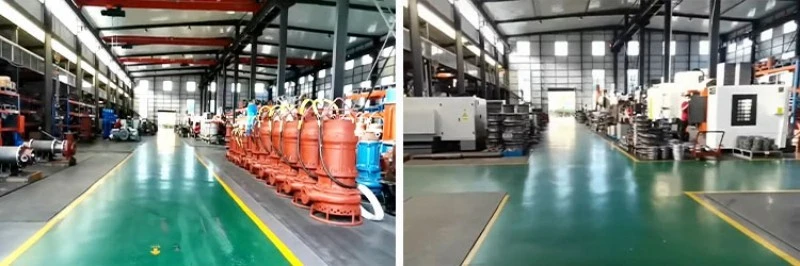
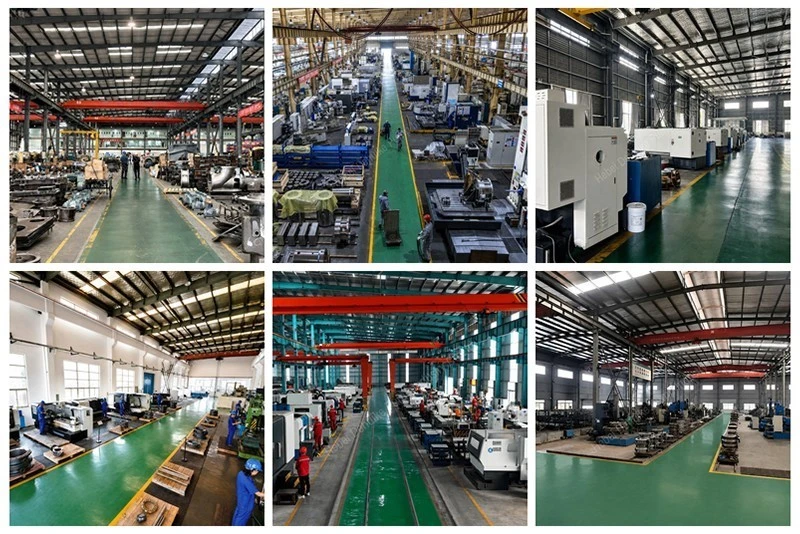
Manufacturing discipline throughout our pump facility begins in the melt shop with precise raw metallurgical charge control. Selected foundry pig iron, low-carbon steel scrap, and targeted silicon-manganese ferroalloys are melted inside medium-frequency electric induction furnaces under controlled thermal gradients. Prior to pouring molten alloy into refractory pouring ladles, metallurgical technicians analyze chill samples on an optical emission spectrometer, confirming that chemical composition, carbon saturation, and trace element boundaries strictly meet requirements for high-tensile HT200/HT250 grey iron or QT450-10 nodular ductile iron.
Volute molds and complex hydraulic core passages are produced using automated resin-bonded sand molding centers. High-accuracy metallic tooling and core boxes generate internal hydraulic cores with ultra-smooth surface finishes, preventing core shifting, sand inclusion, or hydraulic path distortion. After vacuum-assisted pouring and in-mold solidification, rough castings proceed through mechanical shakeout and high-intensity steel shot blasting to eliminate all clinging molding sand. Every raw volute housing then enters an electric heat-treatment furnace for stress-relieving thermal annealing, held at 550°C for four hours followed by gradual furnace cooling. This critical heat cycle dispels internal casting tensile stresses, permanently safeguarding the volute against dimensional drift during subsequent high-pressure hydrostatic testing and intensive multi-axis CNC machining.
Precision machining of critical mounting surfaces is executed entirely on multi-axis horizontal and vertical CNC machining centers. In a single clamped setup, automated tooling heads machine the co-axial suction and discharge flanges, internal wear ring recesses, casing cover registers, and mechanical seal cavity bores. Single-clamping CNC processing guarantees absolute perpendicularity between the shaft centerline and seal face registers within 0.015 mm, while maintaining suction-to-discharge flange parallelism within 0.02 mm across the entire face diameter. Flange bolt circles and tapping threads are CNC-drilled in identical coordinate operations, ensuring hassle-free on-site bolt hole alignment with matching pipeline counter-flanges.
Impellers undergo five-axis CNC profile trimming followed by dynamic balancing on computerized dual-plane balancing machines. Calibration weights are precisely ground from the impeller shroud until residual dynamic unbalance satisfies ISO 1940 Grade G2.5 limits. In the final assembly bay, rotating assemblies and balanced mechanical seals are fitted in clean, climate-controlled sub-assembly stations to eliminate airborne particulate contamination between polished seal friction faces. Assembly technicians utilize calibrated digital torque wrenches to tighten volute casing studs in a progressive cross-diagonal sequence, ensuring uniform gasket seating stress and zero housing distortion prior to final testing.
Quality Assurance & Factory Testing Protocols: Proofing, Dynamic Balancing, and Traceability
A comprehensive quality assurance architecture governs every phase of manufacturing, transforming quality control from an end-of-line filter into an integral manufacturing methodology. Quality governance is certified under the ISO 9001:2015 quality management framework, complemented by international EAC conformity certification for Eurasian markets and strict adherence to RoHS environmental material standards. Full traceability is established for every production batch: raw casting melt numbers, spectrometer chemistry records, heat-treatment temperature-time charts, and CNC coordinate inspection logs are indexed and archived under unique serialized identification plates riveted to each pump frame.
Every individual volute casing is subjected to 100% factory hydrostatic pressure proof testing prior to assembly and painting. Mounted on heavy-duty hydraulic test benches, the casing is sealed and charged with treated water to 1.5 times its rated maximum working pressure-translating to 2.4 MPa (24 bar) for standard PN16 casings and 3.75 MPa (37.5 bar) for heavy-duty PN25 ductile iron executions. The test pressure is maintained for a mandatory minimum dwell period of 30 minutes while ultrasonic sensors and visual inspectors examine all external casting surfaces, flange joints, and seal chamber walls for any indication of pressure drop, micro-porosity sweating, or wall deformation.
Following final assembly with its matched electric drive motor, every completed pump set advances to the computerized hydraulic testing station for automated closed-loop performance verification. Built in strict accordance with ISO 9906 Grade 2B hydraulic standards (2012 edition), the automated station employs calibrated electromagnetic and turbine flow meters, high-precision differential pressure transducers, and digital multi-function power analyzers linked directly to data acquisition computers. The system measures flow rate, differential boost head, absorbed motor shaft power, and electrical efficiency across at least seven distinct throttle points spanning from shutoff head to maximum runout flow. Acceptance algorithms compare live data against nominal performance curves, automatically flagging any deviation in head or power draw exceeding permissible Grade 2B tolerances.
Mechanical health verification concludes with tri-axial vibration spectrum analysis and thermal bearing monitoring under full operational load. Piezoelectric accelerometers mounted on the motor bearing housings capture vibration velocity and displacement across all three axes (horizontal, vertical, and axial). Overall RMS vibration velocity must remain strictly below 1.8 mm/s, satisfying the most stringent criteria of ISO 10816-3 Class 1 for rigid industrial machinery. A comprehensive documentation package-including EN 10204 Type 3.1 inspection certificates, hydrostatic test logs, certified hydraulic performance curve sheets, and dynamic balancing reports-is compiled into the official equipment dossier and dispatched alongside each commercial shipment.
Global Engineering Track Record & Export Markets: Proven Field Reliability Across 50+ Countries
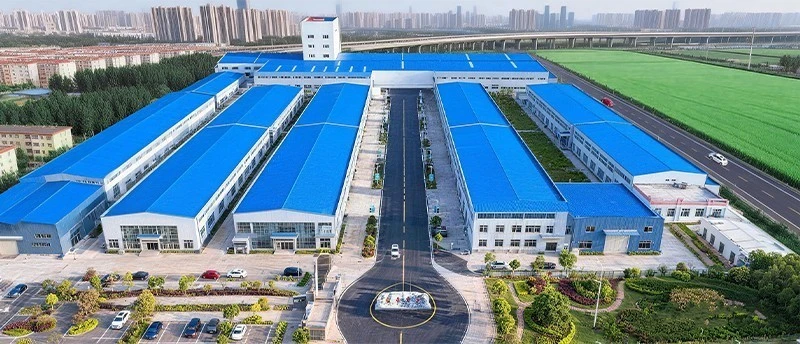
Hebei Dehuike Pump Industry Co., Ltd. (operating internationally under the DHK Pump brand) brings over three decades of continuous manufacturing heritage and fluid engineering mastery to the global industrial marketplace. Over this multi-decade operating span, our engineering department and technical sales specialists have collaborated with international mechanical contractors, municipal water supply operators, engineering procurement houses, and industrial facility managers installed in more than fifty distinct international markets. This extensive international exposure has cultivated deep insight into the regional operating environments, climatic extremes, and specific technical compliance standards that govern fluid infrastructure across Asia, the Middle East, Central Asia, Europe, and the Americas.
Concrete field deployments underscore our global operational reliability across diverse operating theaters:
Southeast Asian High-Rise Infrastructure Projects: In high-density urban centers including Bangkok, Manila, and Jakarta, DHK Pump in-line booster sets serve critical multi-zone domestic water systems in commercial office towers and luxury hotel developments. Operating under demanding tropical ambient temperatures and high relative humidity, these units deliver steady potable water pressure despite severe diurnal demand surges, with our close-coupled vertical design earning praise for conserving premium basement mechanical room square footage.
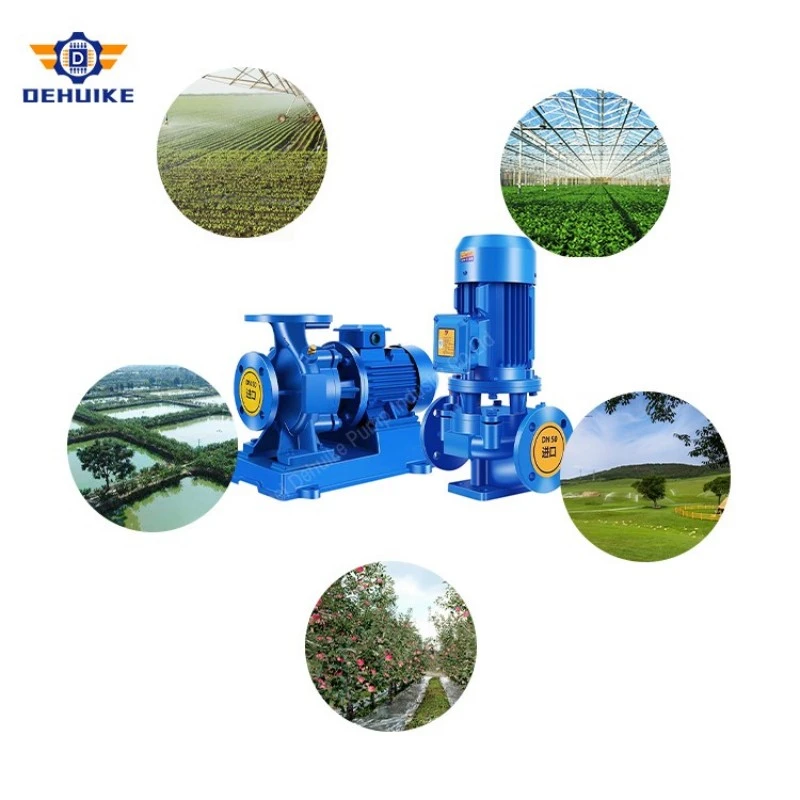
Middle Eastern Commercial Greenhouse & Fertigation Complexes: Across arid agricultural expansion zones in Saudi Arabia and the United Arab Emirates, specialized in-line booster units operate within automated high-pressure drip fertigation skids. Engineered with silicon carbide mechanical seal faces and tropicalized electric motors, these pumps maintain uninterrupted operating pressure despite ambient desert temperatures exceeding 48°C, sustaining critical irrigation schedules for commercial date palm plantations and automated hydroponic vegetable greenhouses.
Eastern European & Central Asian District Hydronic Energy Loops: In municipal district heating and industrial facility cooling networks throughout Poland, Kazakhstan, and Uzbekistan, our booster pumps operate in secondary pressure-boosting loops, handling continuous thermal cycling between -10°C in winter and elevated hydronic temperatures up to +120°C. Standardized DIN EN flange geometries and robust cast iron volutes provide reliable, vibration-free service through continuous multi-season heating campaigns.
South American Industrial Process Water Upgrades: In major manufacturing centers across Chile and Brazil, facility managers undergoing plant modernization have systematically replaced aged horizontal split-case pumps with our compact vertical in-line booster units. This retrofitting initiative reclaimed up to 60 percent of plant-room floor space while significantly reducing energy consumption and eliminating ongoing shaft alignment problems.
To support this diverse global client base, our electric drive motors are engineered for worldwide grid compatibility. Motor windings are available for three-phase 380V, 400V, and 415V at 50 Hz, as well as 220V, 440V, 460V, and 480V at 60 Hz, manufactured with Class F insulation systems, Class B temperature rise margins, and IP55 or IP65 ingress protection enclosures.
Professional Services, Customization Architecture, and Procurement Terms
Comprehensive Engineering Consultation and Turnkey Skid Packaging: Beyond supplying individual pump units, DHK Pump maintains an experienced in-house applications engineering team dedicated to supporting international procurement teams from initial concept design through final commissioning. We offer turnkey prefabricated multi-pump booster skid engineering, delivering fully integrated systems assembled upon structural steel baseframes complete with intake and discharge distribution headers, spring-loaded silent non-slam check valves, full-bore isolation butterfly valves, pressure sensing instrumentation, diaphragm surge suppression vessels, and custom-programmed VFD cascade control panels. Skid-mounted systems arrive at the project site fully hydrotested, wired, and parameter-preconfigured, dramatically reducing on-site installation labor and mechanical contractor integration costs.
Tailored Material Metallurgy and Custom Electric Specifications: Recognizing that challenging water chemistries require specialized material solutions, we provide extensive custom metallurgy options. Impellers and internal wear components can be cast in tin bronze (ZCuSn10Pb1) for seawater or brackish water boosting, or in CF8 (AISI 304) and CF8M (AISI 316) stainless steel for chemically treated industrial process water or high-purity water circuits. Electrical drives can be outfitted with specialized motor options, including integrated PTC thermistors for thermal winding protection, anti-condensation space heaters for high-humidity coastal environments, and variable-speed inverter-grade insulation systems designed to endure severe voltage spikes from pulse-width-modulated frequency drives.
Two-Year Comprehensive Manufacturer Warranty: Backed by our robust quality control infrastructure and exceeding 30 continuous years of fluid engineering experience, every Inline Booster Pump leaves our factory with an industry-leading 24-month (two-year) comprehensive manufacturer warranty covering the complete pump wet end and electric motor assembly against defects in materials or workmanship (standard consumable wear components excluded). Our global after-sales department maintains dedicated stocks of genuine replacement components-including pre-packaged mechanical seal kits, dynamic-balanced impeller spares, O-ring sets, and bearings-ready for expedited dispatch.
International Commercial Terms and Rigorous Quality Dossiers: Commercial quotations are formulated on standard Incoterms 2020 terms, offering flexible FOB or CIF destination port pricing to match customer freight forwarding preferences. Every commercial shipment is accompanied by a comprehensive engineering document dossier, incorporating EN 10204 Type 3.1 material inspection certificates, factory hydrostatic pressure test logs, witnessed ISO 9906:2012 Grade 2B performance curves, motor test reports, and illustrated installation and maintenance manuals.
Robust Export Packaging and Multi-Modal Logistics Support: All export cargo is packed inside heavy-duty, solid wooden crates manufactured from ISPM 15 certified, heat-treated fumigation-free lumber. Internal surfaces are lined with vapor corrosion inhibitor (VCI) protective film and supplemented with silica gel desiccant packs, safeguarding bare metal surfaces against ocean transit humidity and salt air corrosion. For urgent project timelines or emergency spare parts replacement, air freight services accommodate consignments weighing between 50 kg and 500 kg, while bulk project shipments and complete skid assemblies exceeding 500 kg move via ocean container freight with reinforced internal blocking and bracing.
Hot Tags: inline booster pump, China inline booster pump manufacturers, suppliers, factory