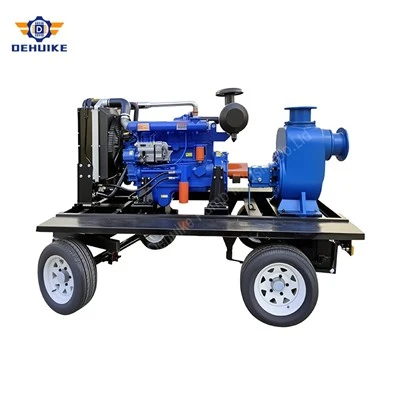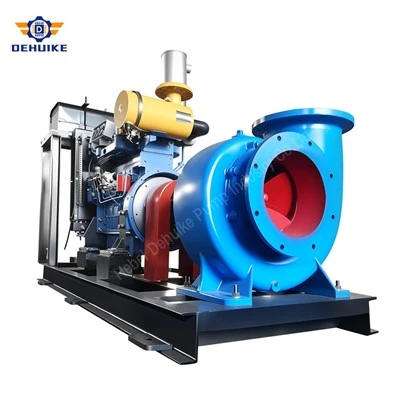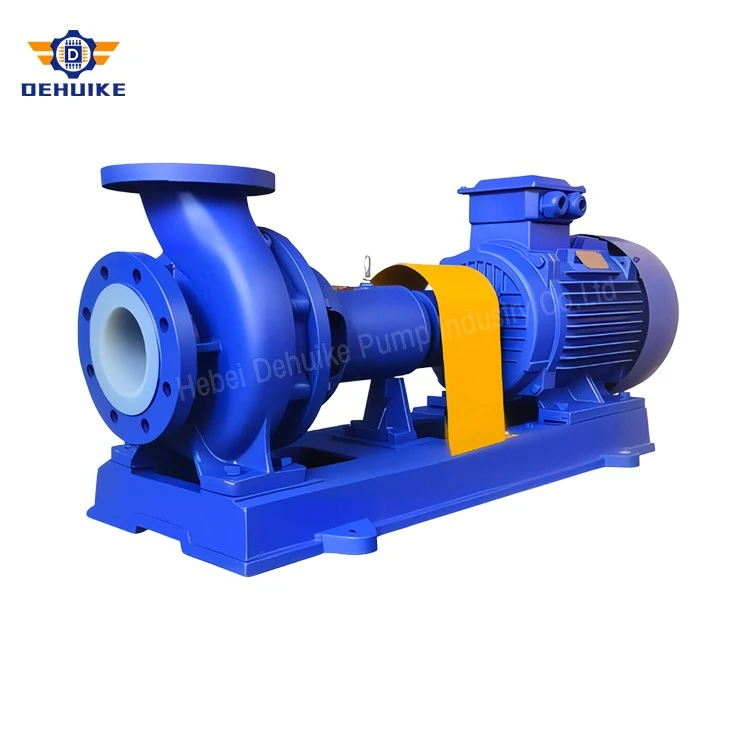
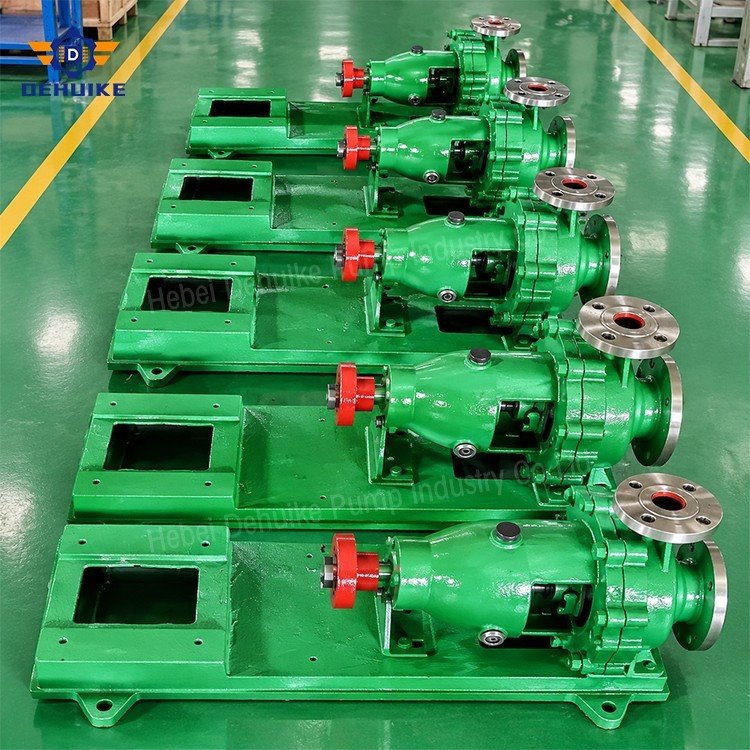
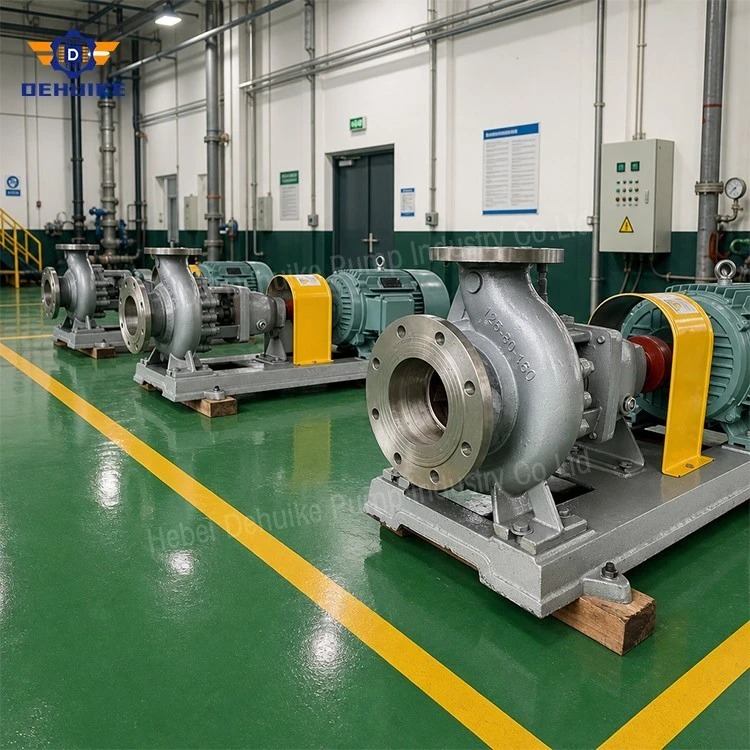
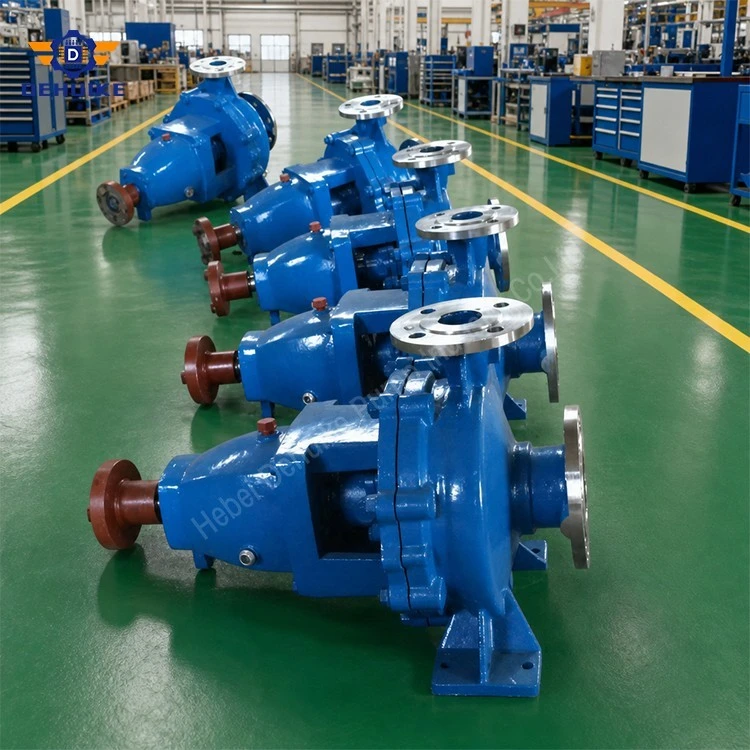
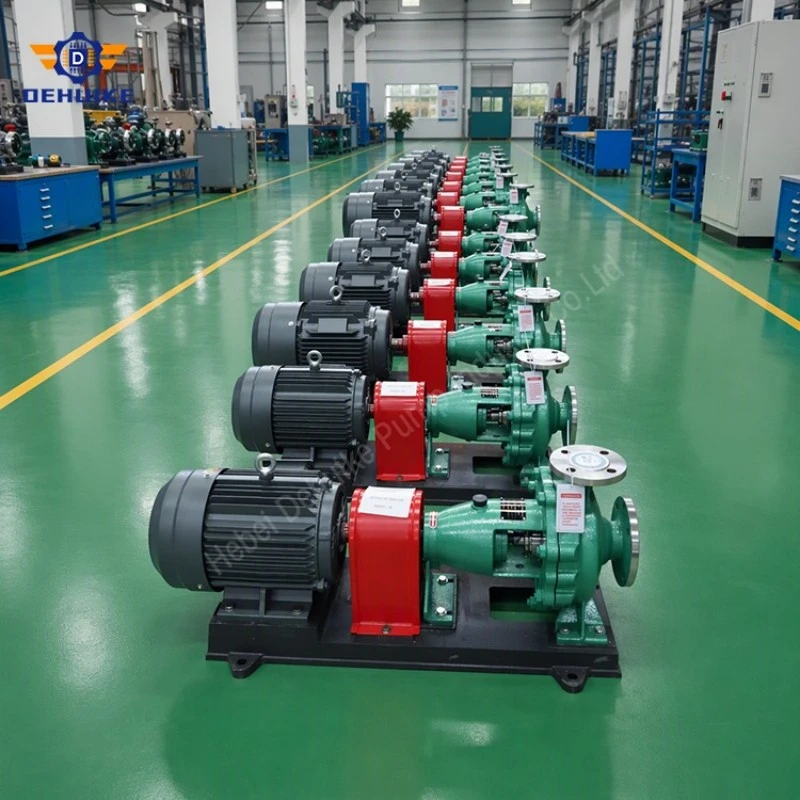
Hebei Dehuike Pump Industry Co., Ltd. is one of the most reliable manufacturers and suppliers of stainless steel chemical pump in China. With abundant experience, we are committed to providing high quality customized pumps with competitive price. Welcome to wholesale bulk stainless steel chemical pump for sale here from our factory. Also, pricelist is available.
Stainless Steel Chemical Pump for Reliable Corrosive Liquid Transfer
Selecting a stainless steel chemical pump is rarely a simple catalogue decision. In a real plant, the same pump may face warm cleaning liquid in the morning, slightly acidic wastewater in the afternoon, and long hours of circulation under changing tank levels. If the pump is chosen only by inlet size or motor power, the result can be seal leakage, noisy operation, corrosion around the casing, or repeated shutdowns that cost far more than the pump itself.
This article takes a practical buyer-focused approach. It explains where stainless steel construction is useful, where it has limits, what information should be confirmed before ordering, and how engineers can compare quotations more confidently. The goal is to help overseas B2B customers specify a stainless steel chemical pump that fits the liquid, the system curve, and the maintenance reality of the site.
Start With the Liquid, Not the Pump Model
A pump model number does not tell the whole story. Two projects may use similar flow and head, yet require different materials because one liquid contains chlorides, another has suspended crystals, and a third is cleaned weekly with a stronger chemical than the production fluid. For stainless steel chemical service, the liquid profile is the first design document.
Before asking for price, prepare the liquid name, concentration, normal temperature, maximum temperature, pH range, density, viscosity, solids content, vapor tendency, and cleaning method. If the liquid is a mixture, list the important ingredients rather than using a general name such as "waste liquid" or "process water." This one step reduces most quotation errors.
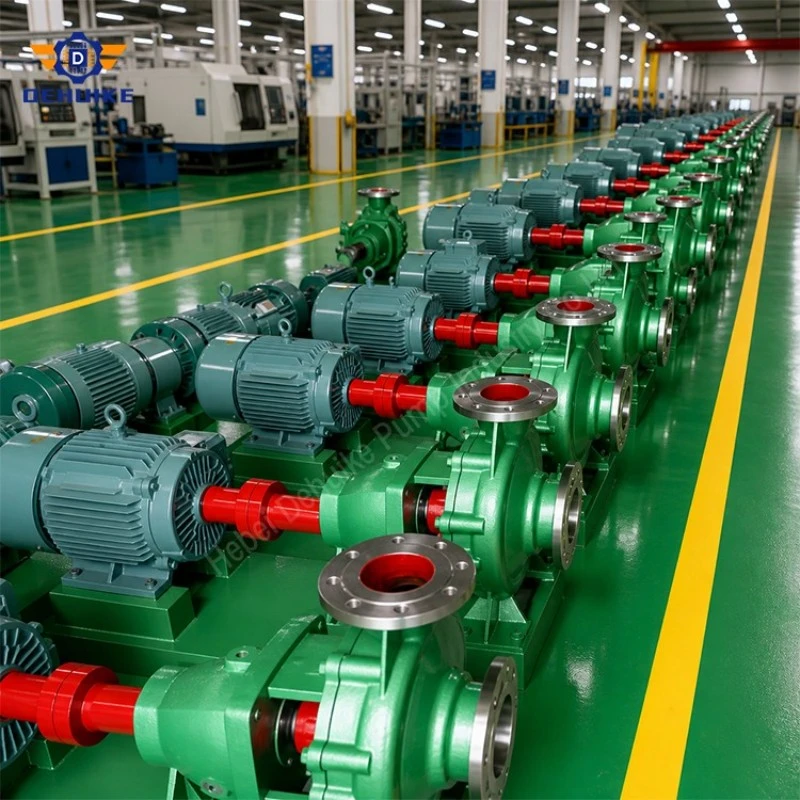
Why Stainless Steel Remains a Strong Choice
Stainless steel is used because it combines corrosion resistance with mechanical strength. It can handle pipe loads, vibration, frequent operation, and industrial handling better than many light-duty non-metallic structures. It also provides a cleaner wetted surface than cast iron, which is useful when rust contamination, liquid appearance, or general plant cleanliness matters.
The protection comes from a passive chromium-rich surface layer, but that layer needs the right environment. Hot chloride liquids, strong reducing acids, stagnant pockets, or poor drainage can damage stainless steel. Therefore, the material should be selected as 304, 316, 316L, duplex stainless steel, or another alloy according to real service data instead of assuming one grade fits every chemical.
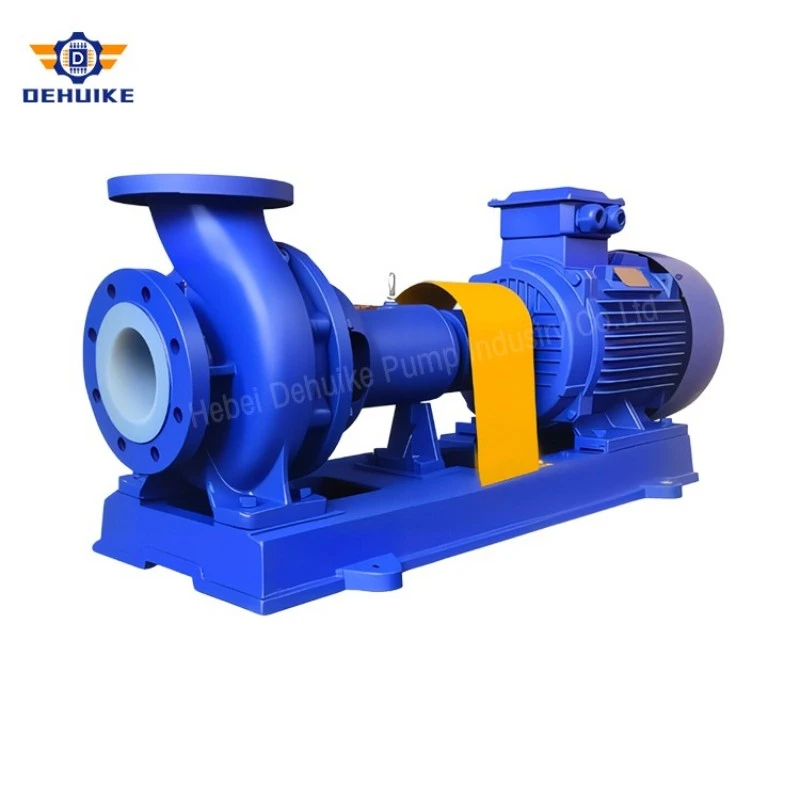
Pump Construction in Plain Engineering Terms
|
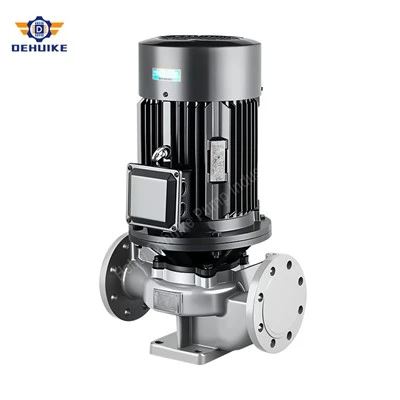
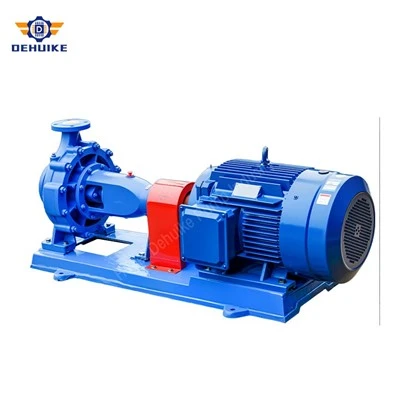
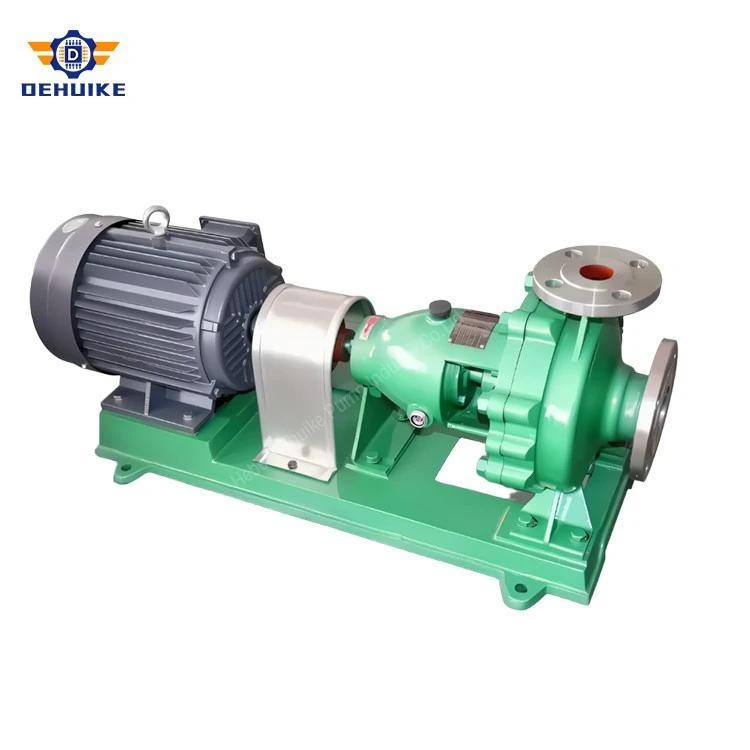
A stainless steel centrifugal chemical pump normally includes a volute casing, impeller, shaft, bearing housing, seal chamber, coupling, base, and electric motor. Liquid enters the impeller center, receives kinetic energy, and then leaves the volute at higher pressure. The design looks familiar, but chemical service changes the priorities: sealing becomes more important, wetted material details matter, and suction stability can decide whether the pump runs quietly or fails early. The casing should resist the liquid and provide enough pressure margin for the system. The impeller should match cleanliness, viscosity, and any limited solids in the fluid. The shaft and bearings should keep rotation stable so the seal faces are not overloaded. The mechanical seal should match chemical compatibility, temperature, pressure, and possible dry-running risk. The motor and control method should match site voltage, duty cycle, and any variable-speed operation. |
|
|
How to Write a Clear Inquiry for Faster Pump Selection
A complete inquiry helps suppliers recommend a reliable configuration without repeated clarification. When preparing a stainless steel chemical pump inquiry, include the following information:
Liquid name, concentration, temperature, pH, density, viscosity, and solids content if known.
Required flow rate and total head, plus whether the pump will run continuously or intermittently.
Suction tank condition, inlet pressure, liquid level, and any risk of vapor formation.
Preferred stainless steel grade or any material restrictions from the project specification.
Seal requirements, leakage limits, flushing availability, and whether the liquid is hazardous or valuable.
Motor voltage, frequency, control method, site environment, and installation space.
Required documents such as performance curve, outline drawing, material list, spare parts list, or test report.
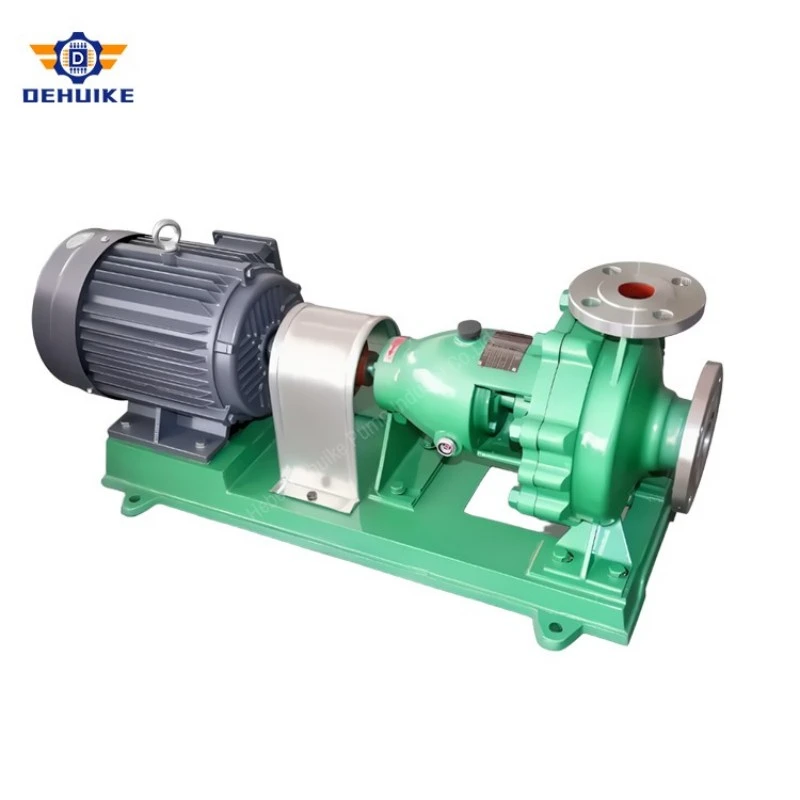
Operation and Maintenance Recommendations
Good operation practice extends the service life of a stainless steel chemical pump. Before startup, confirm the casing is filled, the suction valve is open, the discharge valve position follows the operating procedure, and the rotation direction is correct. Avoid dry running because the seal faces may overheat quickly. Avoid long operation against a closed discharge valve because the liquid inside the pump can heat up and damage internal components.
During routine checks, monitor vibration, unusual noise, bearing temperature, leakage, coupling condition, and any signs of external corrosion. If the liquid crystallizes or leaves deposits, plan flushing and drainage before shutdown. For plants running multiple shifts, keeping spare seals, gaskets, bearings, and impellers can reduce downtime during planned maintenance.
FAQ
Q1: Is stainless steel suitable for all chemical liquids?
No. Stainless steel works well in many industrial chemical duties, but compatibility depends on grade, concentration, temperature, chloride content, and operating condition. Strong acids, high chlorides, or specific oxidizing media may require another material or lining.
Q2: Which grade is better for a stainless steel chemical pump, 304 or 316?
316 generally offers better resistance than 304 in many chloride-containing environments, but the correct grade should be selected according to the exact liquid and temperature. For severe duties, 316L, duplex stainless steel, or a lined solution may need review.
Q3: Can this pump transfer both acid and alkali?
It may be possible only when the selected stainless steel, seal faces, and elastomers are compatible with both liquids. Each chemical should be checked separately, especially if concentration or temperature changes.
Q4: What causes cavitation in a chemical pump?
Cavitation can occur when suction pressure is too low, liquid temperature is high, the suction pipe is too restrictive, or the liquid is close to vapor pressure. It can damage the impeller, increase noise, and shorten seal life.
Q5: Do I need a double mechanical seal?
A double seal may be recommended when the liquid is toxic, volatile, valuable, crystallizing, or unacceptable to leak. For simpler non-hazardous liquids, a single seal may be sufficient after compatibility confirmation.
Q6: Can a stainless steel chemical pump handle solids?
Some models can tolerate limited suspended particles, but solids content, particle size, hardness, and concentration must be confirmed. Abrasive solids may require a different impeller design or material solution.
Q7: What documents should I request before ordering?
Ask for the pump curve, material configuration, seal specification, motor data, outline drawing, connection dimensions, spare parts list, and any inspection or test documents required by the project.

Hot Tags: stainless steel chemical pump, China stainless steel chemical pump manufacturers, suppliers, factory