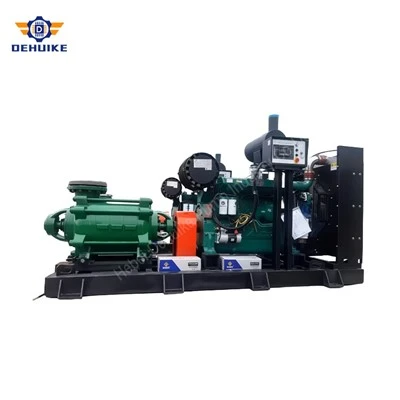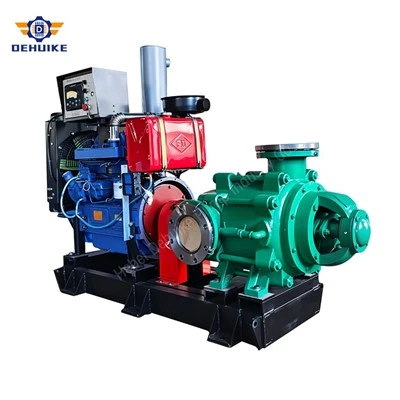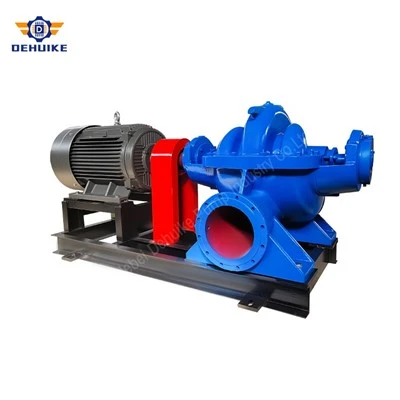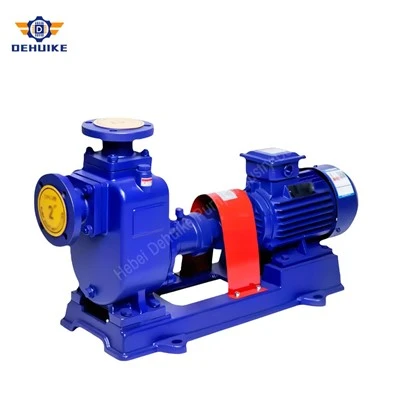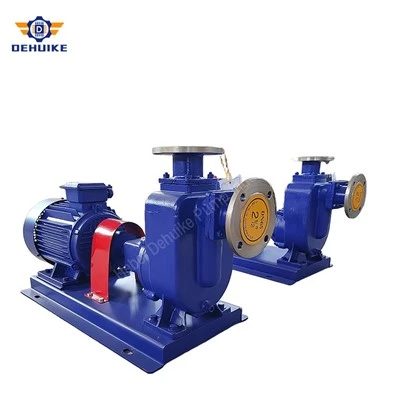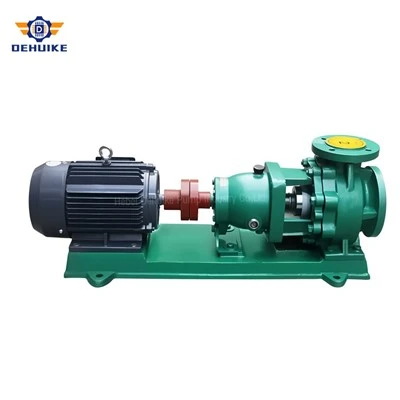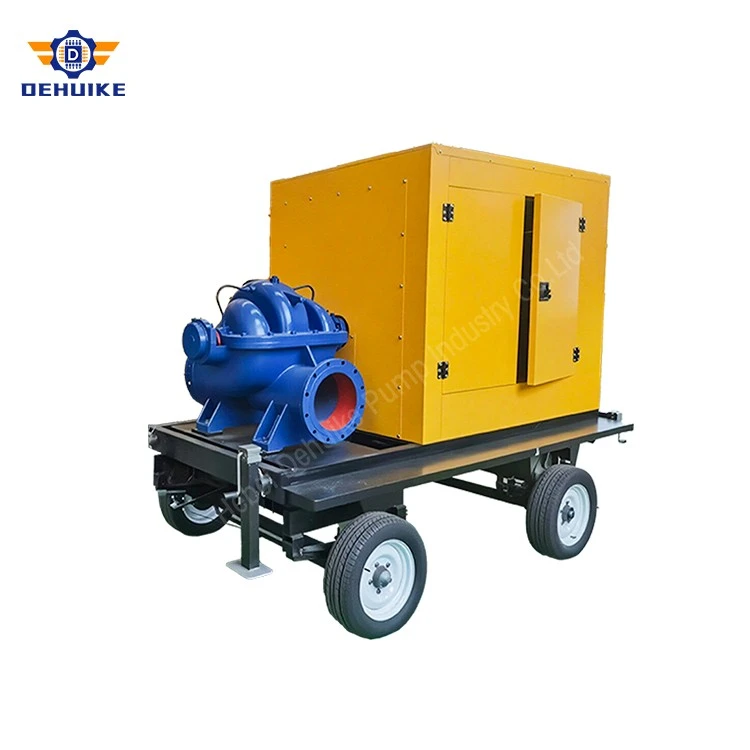
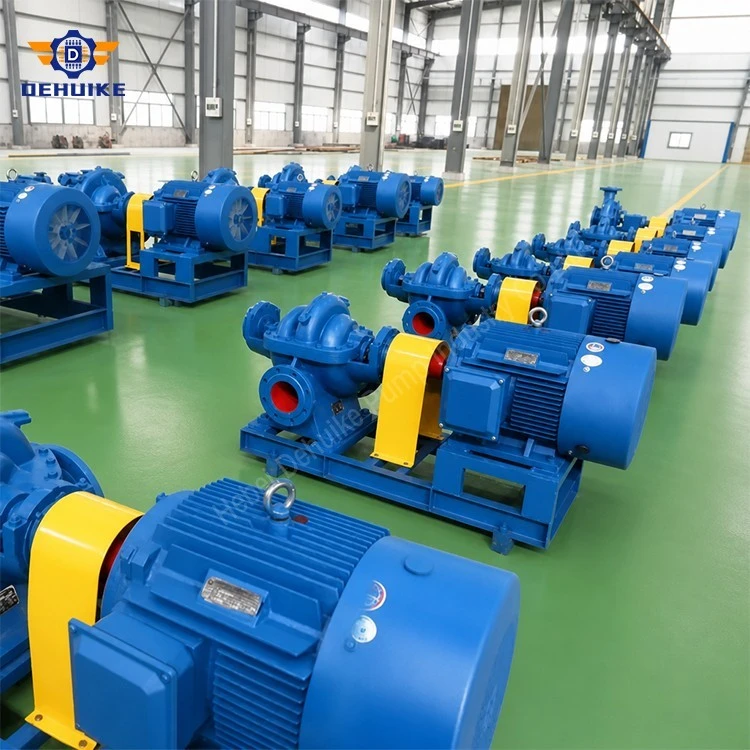
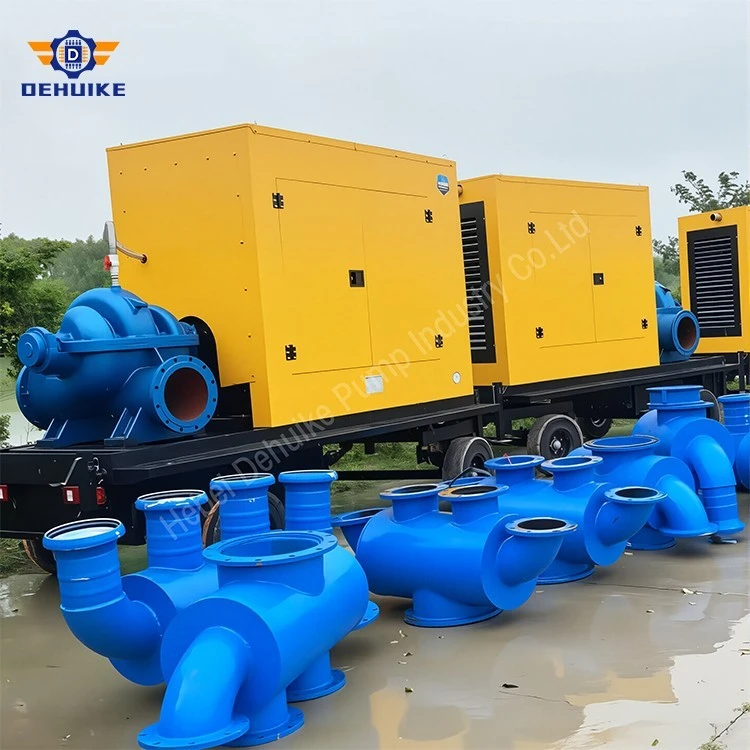
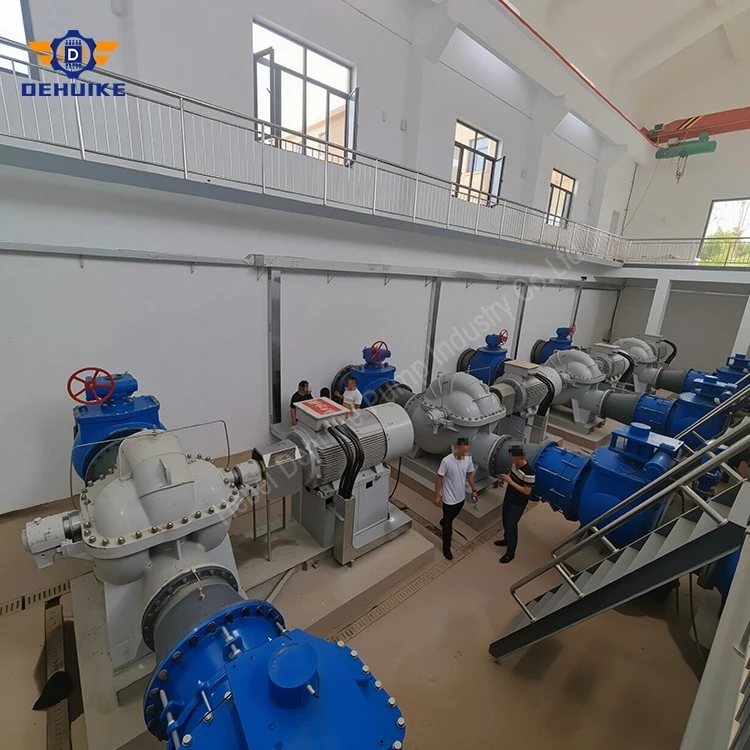
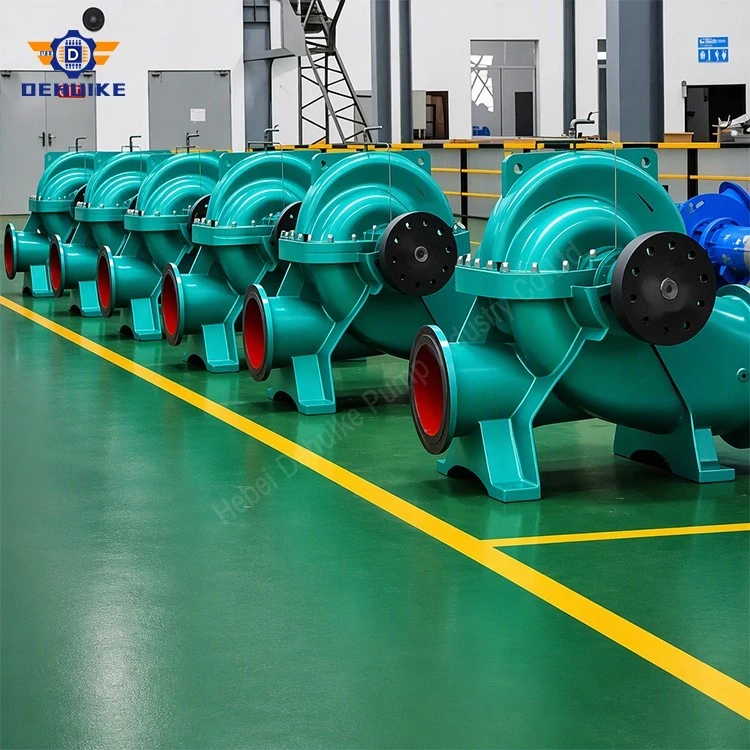
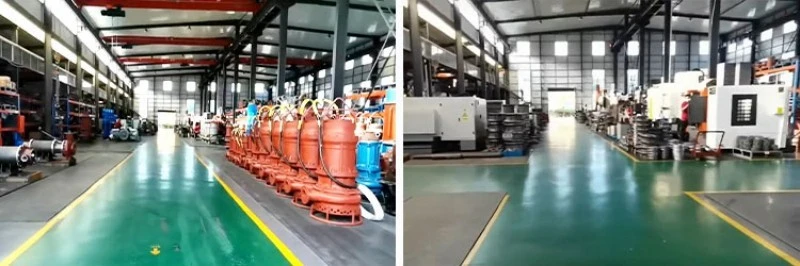
Hebei Dehuike Pump Industry Co., Ltd. is one of the most reliable manufacturers and suppliers of double suction split case pump in China. With abundant experience, we are committed to providing high quality customized pumps with competitive price. Welcome to wholesale bulk double suction split case pump for sale here from our factory. Also, pricelist is available.
Introduction
A performance table is a statement of intent. It says that a machine of this model, at this speed, with this impeller, will deliver this flow at this head while absorbing this power at this efficiency. Until somebody measures it on a test bed, none of that is a fact. Most pumps sold internationally are never seen by the buyer before shipment, so the test report is the only evidence that the statement was true when the machine left the works.
That makes the acceptance test a commercial document as much as a technical one, and it is worth understanding what it contains, what it deliberately does not, and where the numbers can mislead even when every instrument is honest.
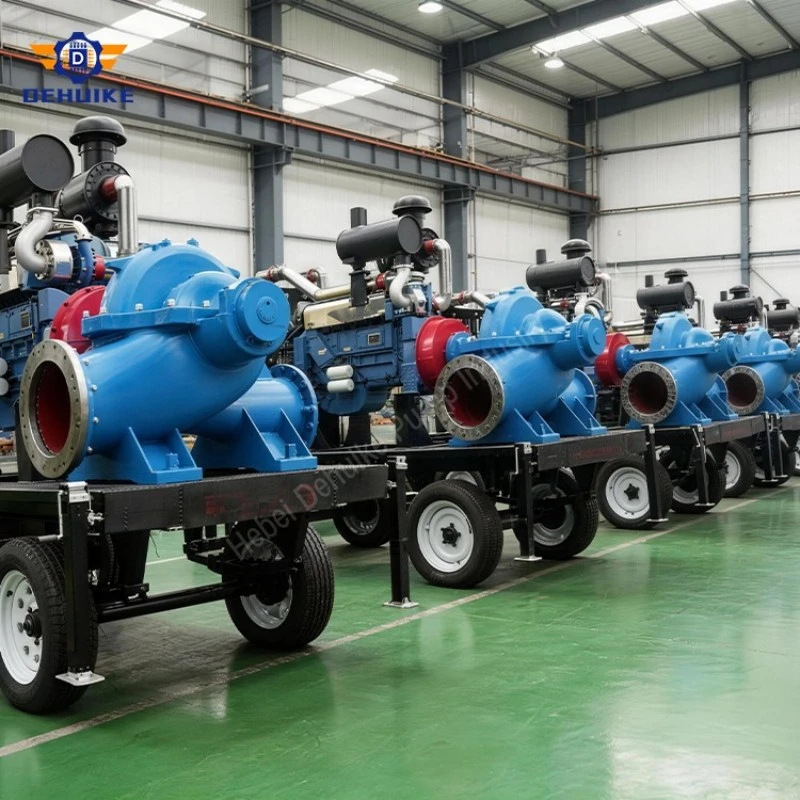
What the test bed actually measures
A standard performance test measures four quantities at a series of flows: the flow itself, the head developed across the pump, the shaft power, and the rotational speed. Efficiency is not measured; it is calculated from those four, by multiplying flow, head and density and dividing by shaft power. This matters because an error in any input propagates into the efficiency figure, and the efficiency number is the one buyers negotiate over.
Three details decide whether the result is meaningful. Head must be taken across the pump flanges with the gauge tapping points at the same elevation, not from a system gauge somewhere downstream. Speed must be the actual running speed, measured, not the nominal motor speed - a 1,450 r/min machine running at 1,470 changes flow and head by more than a rounding error. And shaft power must be measured at the coupling, either with a torque meter or by deducting motor losses from electrical input using the motor's own efficiency at that load, which is not the same as its nameplate figure.
One more condition is usually left unsaid: the water. Test beds run on cold, clean water at a known temperature, and the density and viscosity of that water are the basis for every figure in the report. A pump selected for cooling water at 40 °C or for irrigation water carrying a little silt will not reproduce those figures, not because the machine is different but because the fluid is. The report describes the pump, and the pump is only half of the duty.
An NPSH test is a separate exercise. It requires the suction pressure to be progressively reduced at constant flow until the head drops by a defined amount, which means a rig with a vacuum capability and a lot of water. It is performed at a few flows rather than the whole curve, and it is often the test that gets dropped when delivery is tight.
The tolerance grade is the part that is missing
Almost every quotation says the pump will be tested "according to ISO 9906", and almost none names the acceptance grade. The standard offers several grades with different tolerance bands for head, flow, power and efficiency, and the grade is what turns a test result into a pass or a fail. A machine that misses its guaranteed head by three per cent is acceptable under one grade and rejected under another, and without the grade stated in the order, the argument happens after the test rather than before it.
For a buyer the practical rule is to put three things in the purchase order: the guaranteed point (flow, head, efficiency and power at a stated speed), the acceptance grade, and whether the test is witnessed or only reported. Everything else is detail. A guaranteed point without a grade is a wish; a grade without a guaranteed point is a procedure with nothing to check.
Table 1 What each item in a test report proves
|
Record |
Proves |
Where it can mislead |
|
Head at rated flow |
The bowl and impeller produce the promised lift |
Tappings at the wrong elevation; gauge error at low heads |
|
Flow at rated head |
The duty point is reachable in the system |
Flat curves: a small head error moves the flow a long way |
|
Shaft power |
The driver and coupling are correctly sized |
Measured at motor terminals without deducting motor losses |
|
Efficiency |
The energy claim in the quotation is real |
Calculated from the three above; inherits all their errors |
|
NPSHr |
The suction margin quoted is achievable |
Tested at few flows, at a defined head drop, not at your duty |
|
Vibration and noise |
The rotor and bearings are sound at that flow |
Measured only at rated flow, not across the range |
A flat curve is hard to verify, and that is not the tester's fault
A low-head bowl such as 10Sh-13, rated at 486 m³/h and 23.5 m, has a head-flow curve that falls gently. Near the rated point the curve may drop only a fraction of a metre over a hundred cubic metres per hour. That has a direct consequence for testing: the flow is read from the curve, so a small uncertainty in head becomes a large uncertainty in flow. A gauge reading that is off by a couple of tenths of a metre can move the indicated flow by tens of cubic metres per hour, and the machine will look as though it is missing its duty when the instruments are simply too coarse for the curve.
This is why acceptance tests on flat-curve machines need better head instrumentation than on steep-curve ones, and why the flow should be measured directly rather than inferred wherever the rig allows it. It is also why a dispute over a flat-curve pump is so often unresolvable: both parties are reading the same curve with different precision.
The steep end of the family behaves the other way. A high-head bowl at 65 or 78 m has a curve that falls quickly with flow, so head measurement is relatively undemanding while flow is well defined by it. The trade is that such a bowl is less tolerant of a system whose actual resistance differs from the design assumption.
Speed correction, and what it hides
Large machines are sometimes tested at a lower speed than the rated one because the test bed cannot absorb the power. A 1200S85 at 12,240 m³/h and 85 m absorbs over 3 MW, and few works have a rig that size; testing at reduced speed and correcting by the affinity relationships is normal practice. The correction is exact for flow and head in theory, and approximately right for power, but the efficiency correction is empirical: it uses a scaling formula rather than a measurement, and the error can be a percentage point or more.
That is not dishonest, but it should be visible. A report that states the test speed and the corrected figures is acceptable; a report that presents corrected figures as if they had been measured at rated speed is not. When the efficiency is the commercial point of the order, the test speed deserves a question.
Checking performance on site, honestly
Site verification is worth doing, provided it is set up to measure the pump rather than the plant. The minimum kit is a flow measurement with adequate straight runs upstream and downstream, pressure gauges on both flanges with taps at the same level, a speed reading, and a power reading at the motor terminals with the motor efficiency known at that load. With those, pump efficiency can be estimated within a few per cent, which is enough to detect a machine that is badly off its curve and not enough to win a contractual argument.
Four things routinely distort site results. Air or dissolved gas in the water lowers the head a pump appears to produce, particularly when the suction comes from a tower basin or a sum. Fouling in the casing and on the impeller reduces flow at a given head and looks like a worn pump. Throttling the discharge to reach the duty point moves the operating point away from the best efficiency region and adds the valve loss to the plant, not to the pump. And a flowmeter installed too close to an elbow reads low or high depending on the swirl it sees.

The honest way to use a site test is as a baseline: measure once, soon after commissioning, when the machine is clean and the system is as designed, and record everything. Every later reading is then compared with a known starting point instead of with a datasheet that describes a different machine on a different day.
Table 2 Efficiency claims, and what they cost per year
|
Model |
Flow (m³/h) |
Head (m) |
Shaft power (kW) |
Efficiency |
Energy at 8,000 h (MWh) |
|
10Sh-13 / 250S24 |
486 |
23.5 |
36.2 |
86% |
290 |
|
10Sh-9 / 250S39 |
486 |
38.5 |
61.5 |
83% |
492 |
|
32Sh-9 / 800S76 |
5,500 |
76 |
1,250 |
91% |
10,000 |
|
1200S85 |
12,240 |
85 |
3,147 |
90% |
25,176 |
What to ask for in the order
A short list covers almost everything that goes wrong in acceptance. State the guaranteed point with the speed and the impeller diameter. Name the acceptance grade. Say whether the test is witnessed, and if it is, how much notice you will get. Ask for the instrument calibration certificates with the report. Ask whether NPSH will be tested, at which flows, and to what head-drop criterion. Ask for vibration readings in velocity at each bearing housing at the rated point and at the ends of the intended operating range.
Two of these are worth more than the rest. The grade, because it defines what "pass" means. And the vibration reading across the range rather than at one point, because a machine can be perfectly acceptable at its rated flow and unpleasant at the flow the plant will actually use - a part-load condition that the test bed never visits unless somebody asks.
FAQ
Q: The head is 3 per cent below the guarantee. Is the pump faulty?
A: Possibly not. Under most acceptance grades a small shortfall in head is permitted, provided the flow is met and the power is within limits. Check the grade in the order before rejecting the machine, and check whether the test speed was the rated one.
Q: Why is the measured efficiency lower than the catalogue figure?
A: Catalogue figures are usually quoted at the best efficiency point and at a nominal speed. A test at your duty point, at the actual speed, with the actual impeller diameter, will differ. The comparison that matters is against the guaranteed point in the order, not against the curve in the brochure.
Q: Can I accept the pump without a witnessed test?
A: Yes, and most international orders do. Insist on the full report with calibration data instead, and keep a site baseline. The risk you are accepting is that a shortfall is discovered after installation, when the remedy is a trim or a speed change rather than a replacement.
Q: The site flow is lower than the test flow at the same head. What changed?
A: Usually the system, not the pump: air in the water, fouling, a partly closed valve, or a suction line with more resistance than assumed. Compare the pressure across the pump flanges first, then look at the suction side, then at the flowmeter installation.

Hot Tags: double suction split case pump, China double suction split case pump manufacturers, suppliers, factory