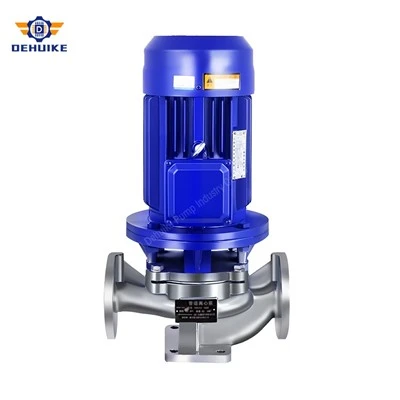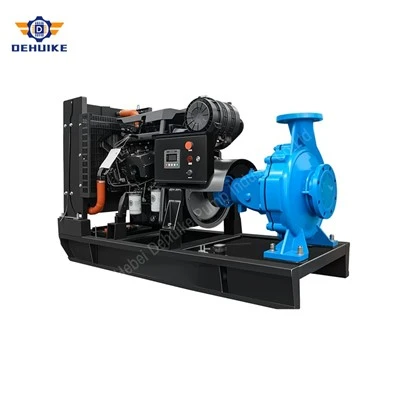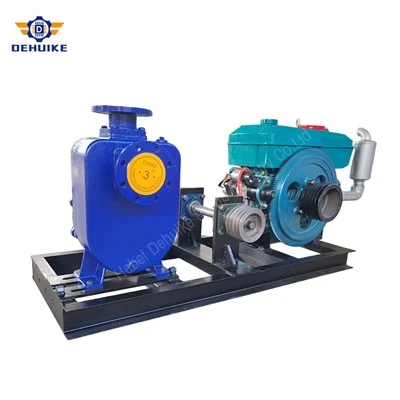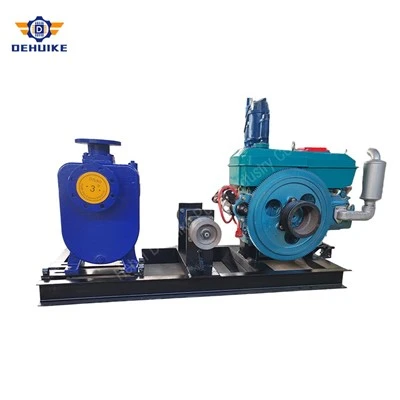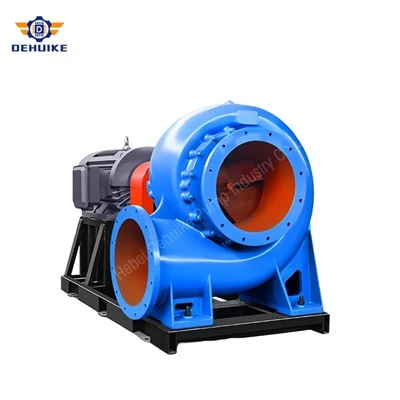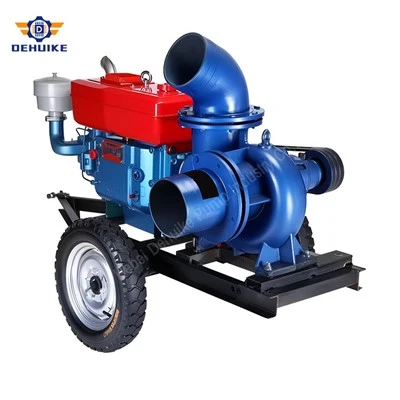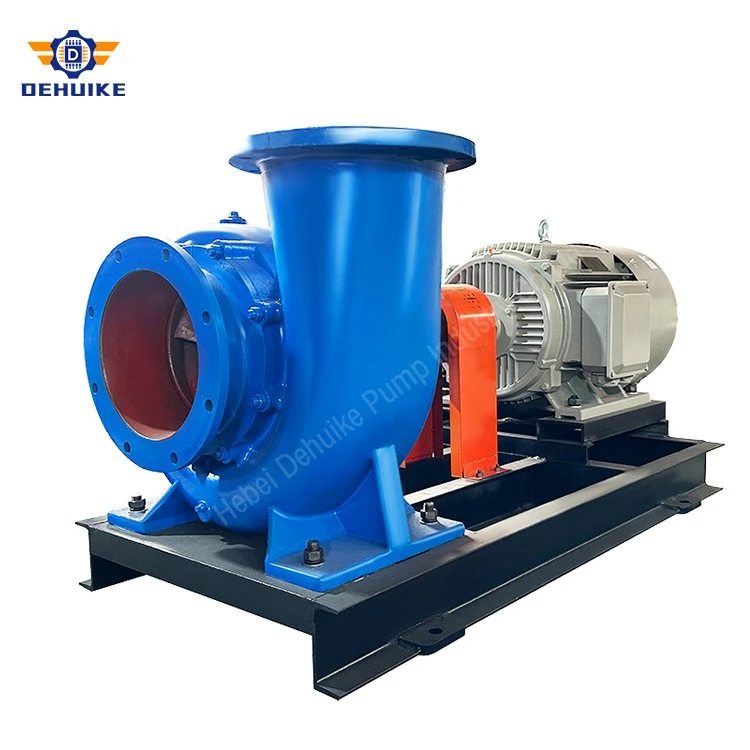
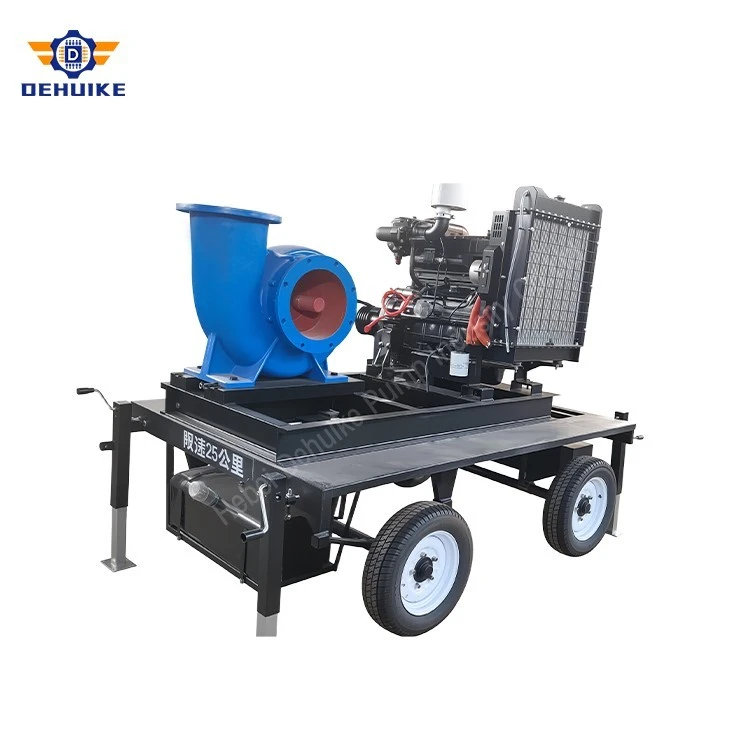
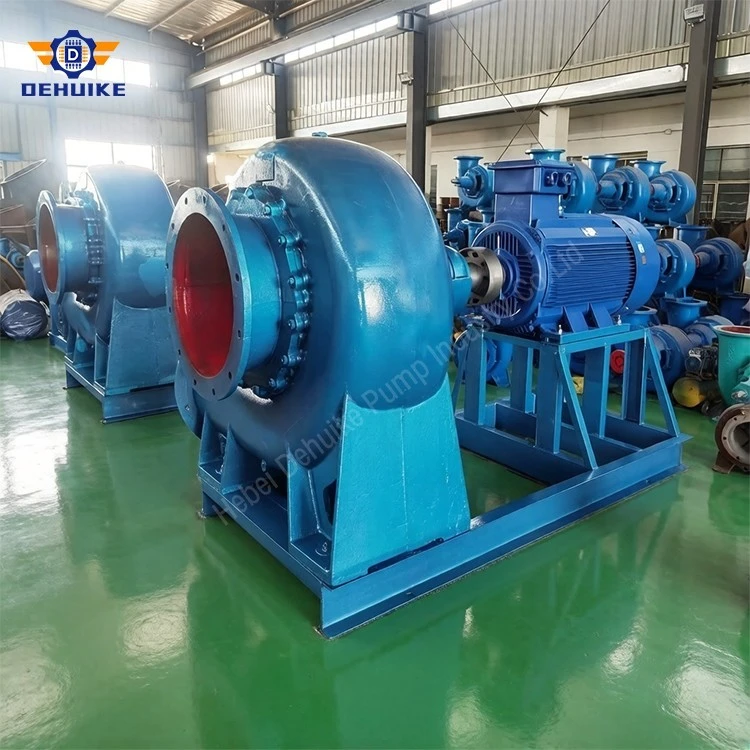
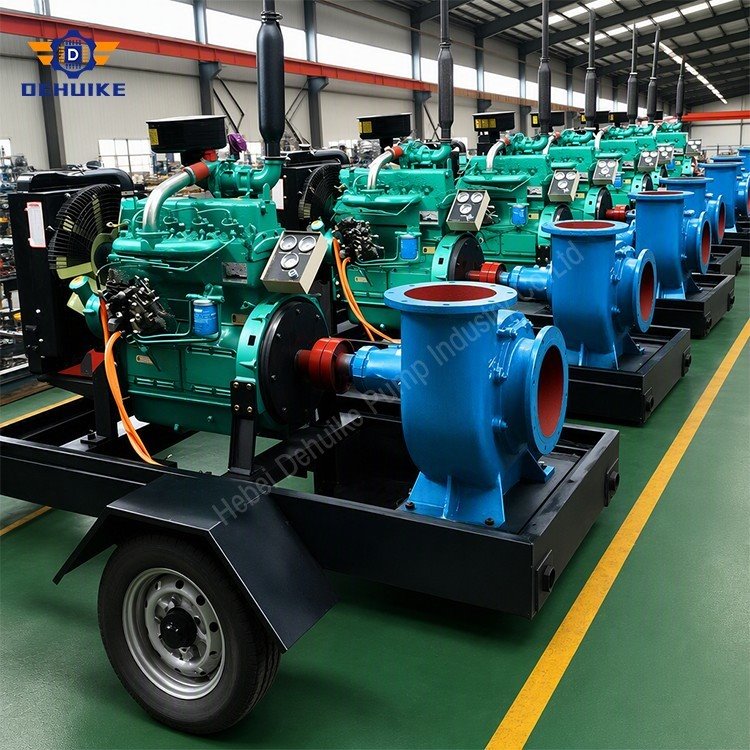
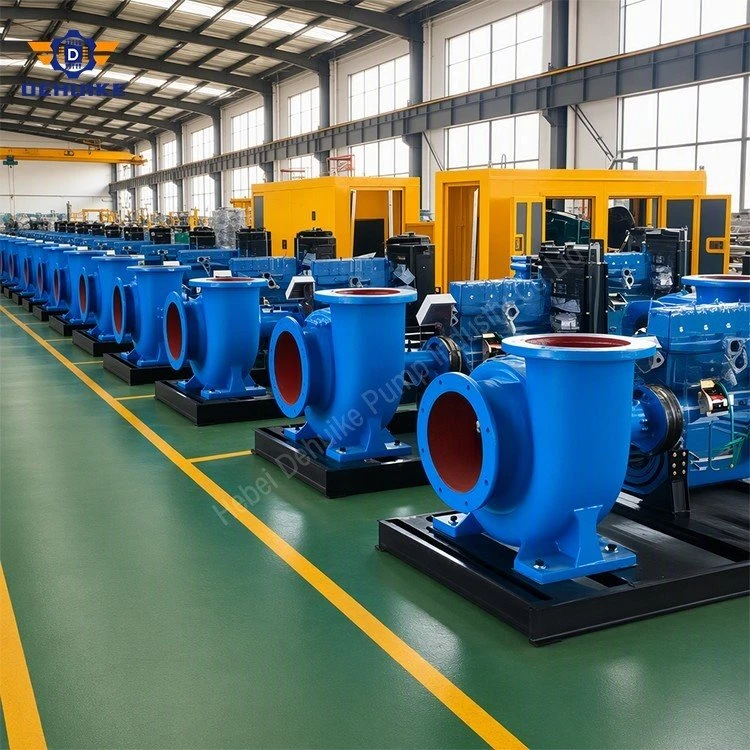
Hebei Dehuike Pump Industry Co., Ltd. is one of the most reliable manufacturers and suppliers of high flow mixed flow pump in China. With abundant experience, we are committed to providing high quality customized pumps with competitive price. Welcome to wholesale bulk high flow mixed flow pump for sale here from our factory. Also, pricelist is available.
Product Highlights
Customized Voltage Options: Supports 380/400/440/600V or fully customized voltage requirements.
Customized Frequency: Compatible with 50/60Hz or fully customized frequency settings.
Customized Size: Pump size can be fully customized to meet specific project needs.
Customized Color: Pump color is available in fully customized options.
High Max Head Performance: Delivers a maximum head exceeding 150 meters for demanding applications.
Large Capacity Flow: Offers a maximum capacity greater than 400 liters per minute.
Durable Cast Iron Material: Constructed from high-strength cast iron for long-lasting industrial use.
Comprehensive Warranty: Includes a 1-year warranty covering mechanical defects and parts.
Pumps are big flow , high head , High chromium alloy material Has high hardness, high corrosion resistance, and high wear resistance.
The suitable clearance between the pump cover plane and the impeller plane is 0.3~0.7MM, and the clearance between various mechanical components is appropriate, with high coaxiality and stable and reliable operation.
Technological upgrade, three heat treatment processes Fine polishing, durable and long-lasting
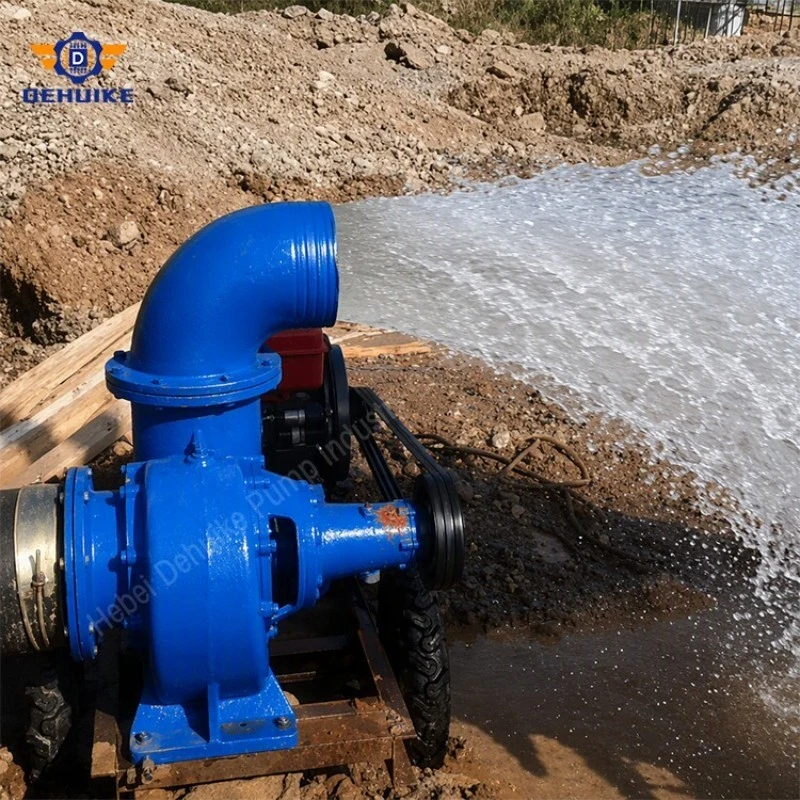
Comparing DHW Pump Sizes for Practical Project Procurement
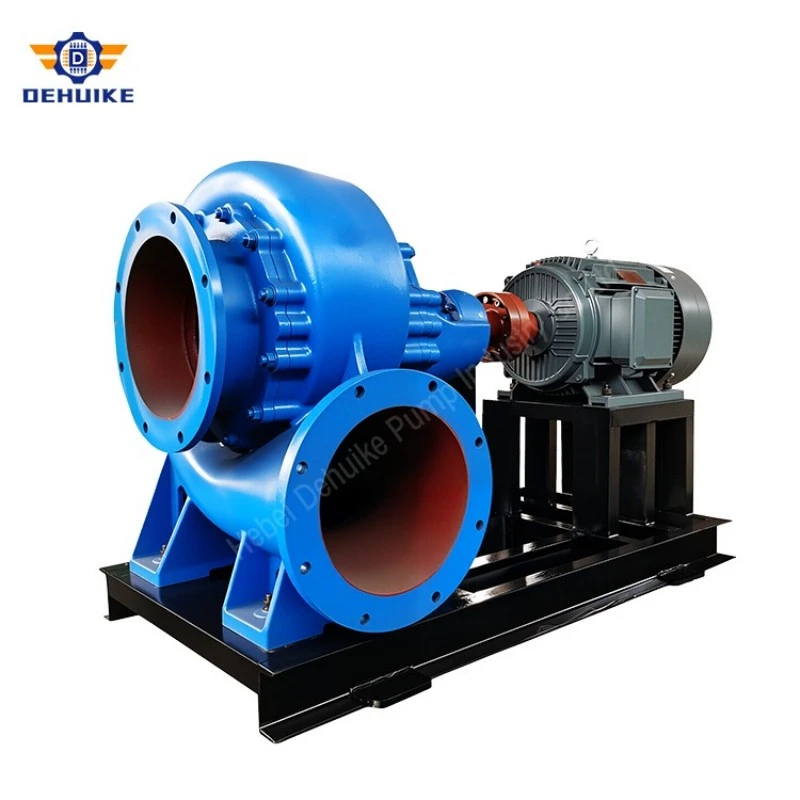
1.Balanced Hydraulic Design The mixed-flow impeller combines axial and centrifugal characteristics, delivering high flow rates at medium head. It suits agricultural irrigation, flood drainage and water circulation systems where both volume and lift are needed at the same time.
2. Stable Efficiency Across the Duty Range Impeller and casing passages are hydraulically matched, so efficiency remains relatively flat over a wide flow range. Part-load running draws less power, and running costs stay predictable over the service life of the unit.
3. Clog-Resistant Flow Passage Enlarged inlet and through-passage dimensions allow the pump to handle water carrying sand, silt and small suspended solids. Fewer blocked impellers mean less downtime and lower maintenance labour under field conditions.
4. Wear-Resistant Construction Casing, impeller and wear plates are available in cast iron, high-chrome alloy or stainless steel, chosen according to solids content and pH of the pumped medium. Correct material selection extends service intervals in abrasive duty.
5. Smooth, Low-Vibration Operation Rotating parts are dynamically balanced and the shaft is carried on heavy-duty bearings, which limits vibration and noise and extends bearing and seal life during continuous running.
6. Reliable Shaft Sealing Mechanical seal and packed gland options are offered for different media. The seal chamber design keeps leakage low and permits inspection or replacement without dismantling the entire pump, shortening maintenance time.
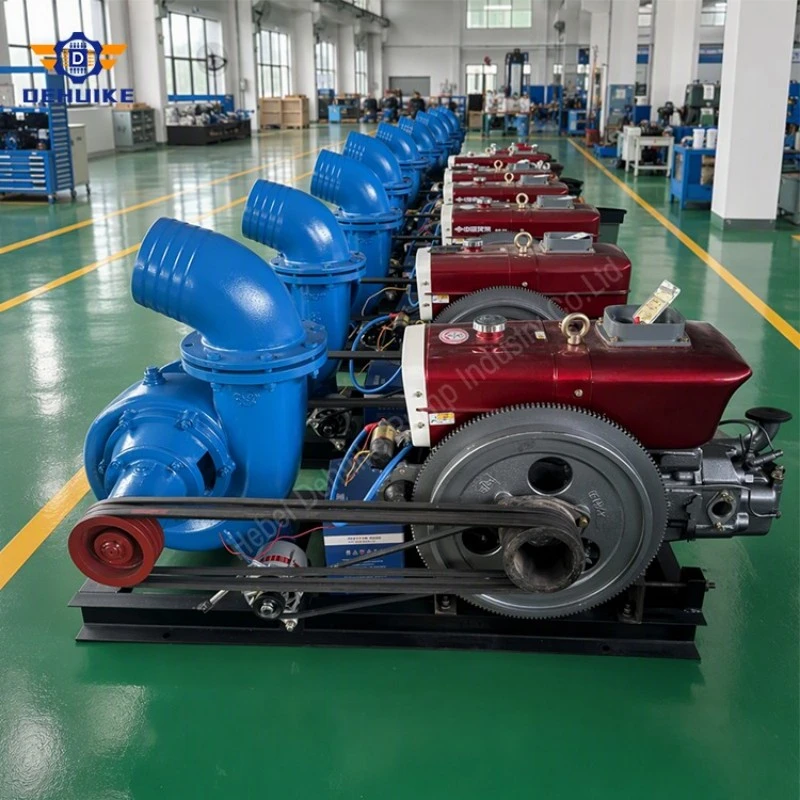
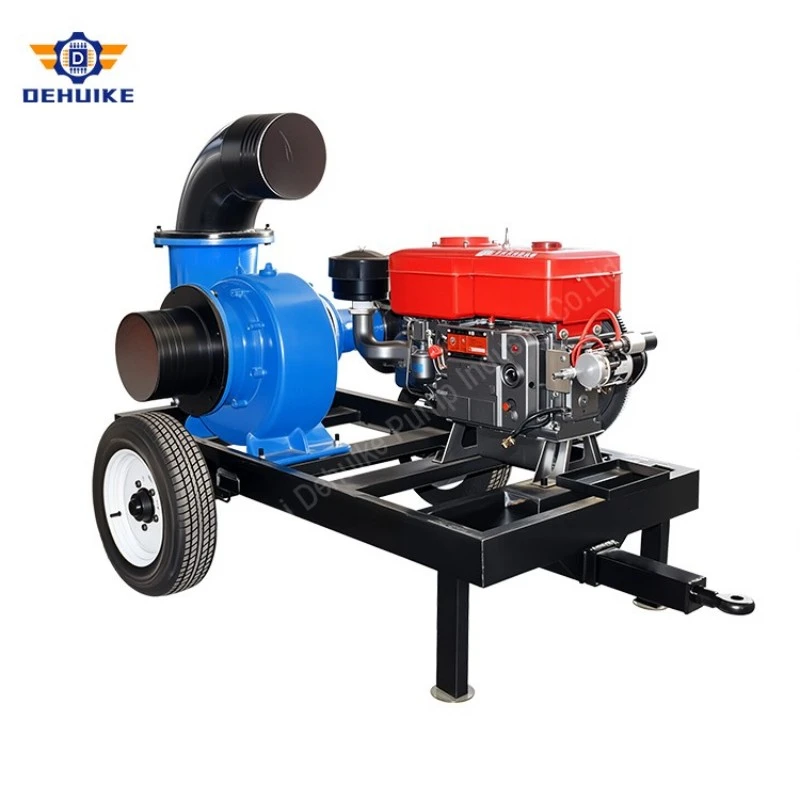
7. Flexible Drive and Installation Options Horizontal and vertical configurations are available, close-coupled or belt-driven, with electric motor or diesel engine power. Discharge orientation and mounting arrangement can be adapted to site layout and existing pipework.
8. Easy Servicing and Spare Parts Support The bearing housing and rotor assembly are designed for straightforward dismantling. Standardised wear parts, published performance curves and dimension drawings support planned servicing and keep spare-part sourcing predictable.
Balanced Hydraulic Performance
ixed-flow pumps occupy the space between axial-flow and centrifugal machines. Their impeller produces a partly axial and partly radial flow pattern, so the unit moves a large volume of water against a medium head rather than a small volume against a high head or a very large volume against almost no head. For many water transfer duties this is the practical operating point: an irrigation canal that must lift water a few metres into a distribution channel, a drainage station that must clear storm water quickly, or a circulation loop that must keep a large body of water turning over continuously.
Because the flow path through the casing is short and open, the pump tolerates water that is not perfectly clean and holds its capacity when the water level in the sump fluctuates. Selection normally starts from a published performance curve. The duty point is fixed by the required flow and the total head, which is the static lift plus friction losses in pipework, valves and fittings. Once the duty point is known, impeller trim, rotational speed and motor rating follow from the curve rather than from guesswork.
The same casing can often serve several duties by changing only the impeller or the speed. That keeps the number of variants a project has to stock low and makes later capacity changes simpler when a channel is extended, a field is enlarged or an additional branch is added to the network.
Stable Efficiency Across the Duty Range
A pump is rarely asked to run at exactly its design point. Water levels fall and rise, gates are opened and closed, and demand changes with the season. What matters in practice is how the efficiency curve behaves on either side of the best point.
The impeller and casing passages are hydraulically matched so that the efficiency curve stays relatively flat over a wide band of flows. In part-load operation the unit therefore draws noticeably less power instead of losing efficiency sharply, and the absorbed power curve is shaped so that overload at the top of the flow range is limited. Over a long irrigation season or a continuously running circulation loop, this difference in part-load behaviour dominates the electricity bill far more than the peak efficiency figure quoted on a data sheet.
Where a variable frequency drive is used, the affinity laws apply: reducing speed reduces flow proportionally, head by the square and power by the cube. Combined with a flat efficiency curve, speed control allows the pump to follow demand without throttling, which avoids the energy lost across a partly closed valve.
Efficiency figures should always be read together with the duty point, the pumped medium and the specified tolerance standard used in the test, since a number quoted without those conditions has little meaning for comparison.
Clog-Resistant Flow Passage

Water sources in the field are seldom clean. Canals carry silt, reservoirs carry algae and floating debris, and drainage sumps carry whatever the storm brings. A narrow, high-velocity passage blocks quickly, and a blocked impeller means an unplanned stop.
The inlet and through-passage dimensions are enlarged to pass water carrying sand, silt and small suspended solids, and the impeller vane count and blade profile are chosen to reduce the chance of fibrous material wrapping around the hub. Where the solids load is heavy, a strainer, a settling section upstream or a debris screen can be specified to keep oversized material out of the casing.
Blockage is not only a maintenance problem; it also changes the hydraulic balance. A partly blocked passage shifts the operating point, raises vibration and loads the bearing and seal. Keeping the passage open therefore protects the whole drive train, not just the impeller.
Access covers and inspection openings are positioned so that debris can be removed and the impeller checked without pulling the entire unit out of the sump, which shortens the time a drainage station stays out of service during a wet season.
Wear-Resistant Construction.
Wear is the main reason a pump in abrasive duty loses performance. Clearances open up, efficiency falls and the head the unit can develop drops, often gradually enough that the loss is noticed only when the discharge becomes insufficient.
Casing, impeller and renewable wear plates are offered in cast iron, high-chrome alloy and stainless steel, selected according to the solids content, particle size and pH of the pumped medium. Cast iron suits clean water and mild circulation duties; high-chrome alloy is chosen where sand and silt cause erosive attack; stainless steel is used where corrosion rather than erosion dominates, or where water quality must be protected.
Renewable wear plates allow the running clearance to be restored at overhaul instead of replacing the whole casing, which keeps long-term cost of ownership predictable. The materials should be matched to the actual water analysis rather than to a general assumption, and where water quality varies through the year the more severe condition governs the selection.
Routine inspection of clearance, impeller diameter and casing wall thickness at planned intervals gives an early indication of wear rate, so that renewal can be scheduled into a maintenance window instead of being forced by a breakdown.
Hot Tags: high flow mixed flow pump, China high flow mixed flow pump manufacturers, suppliers, factory