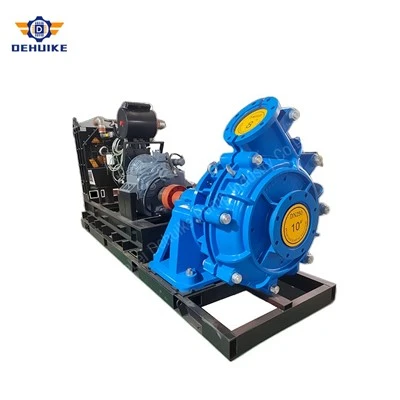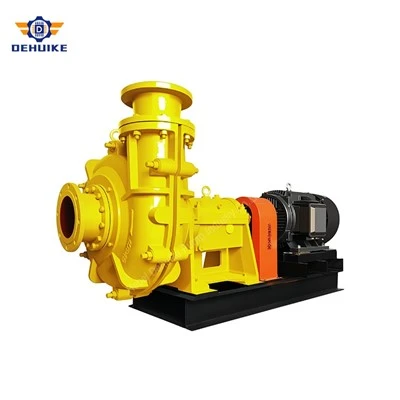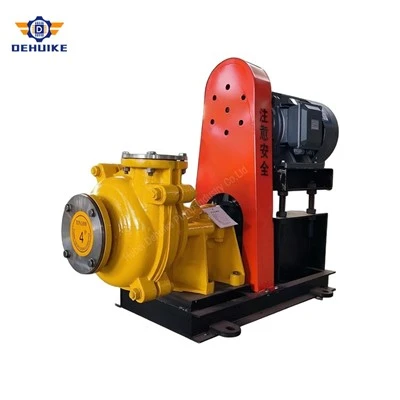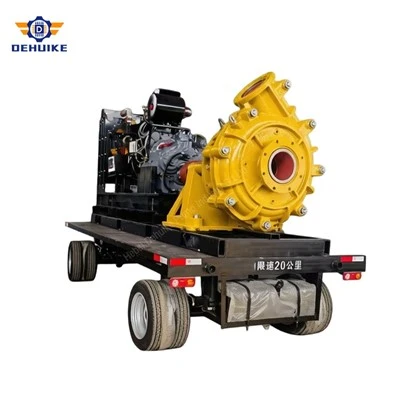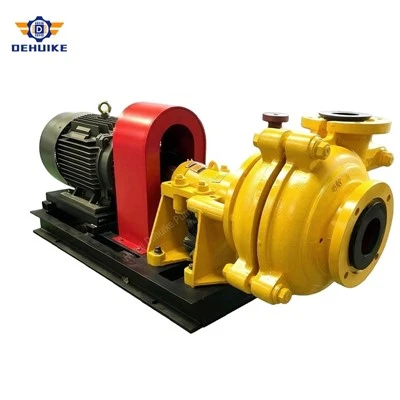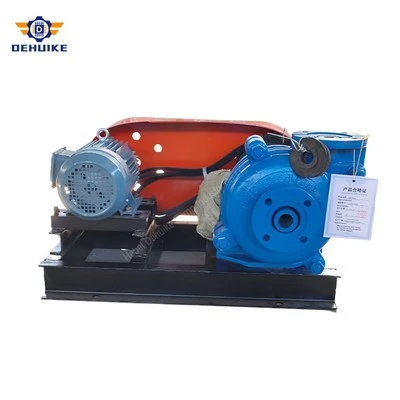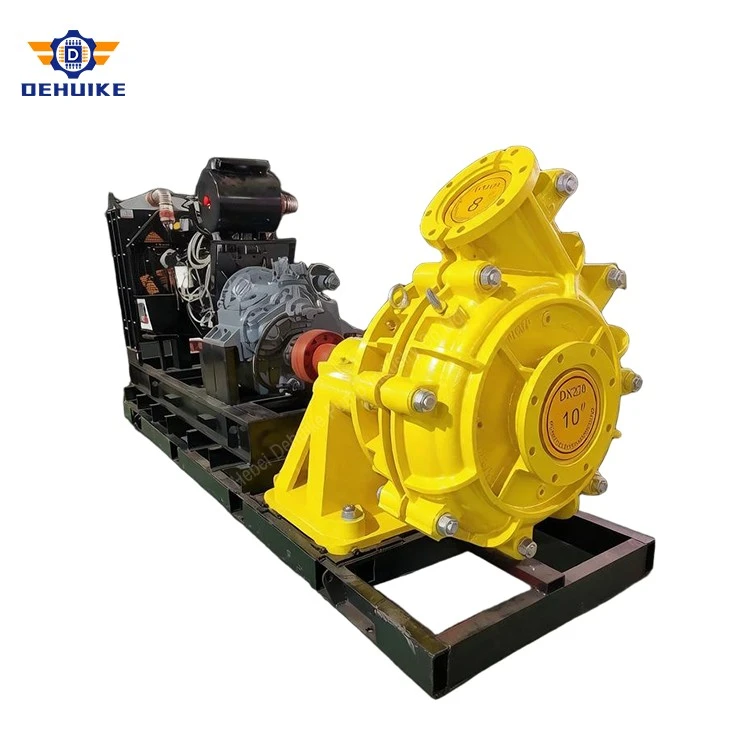
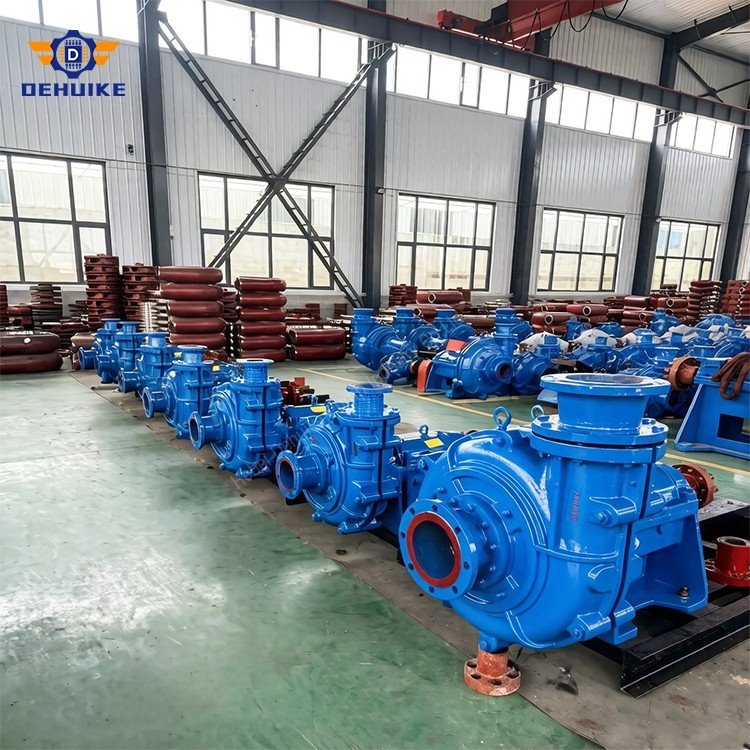
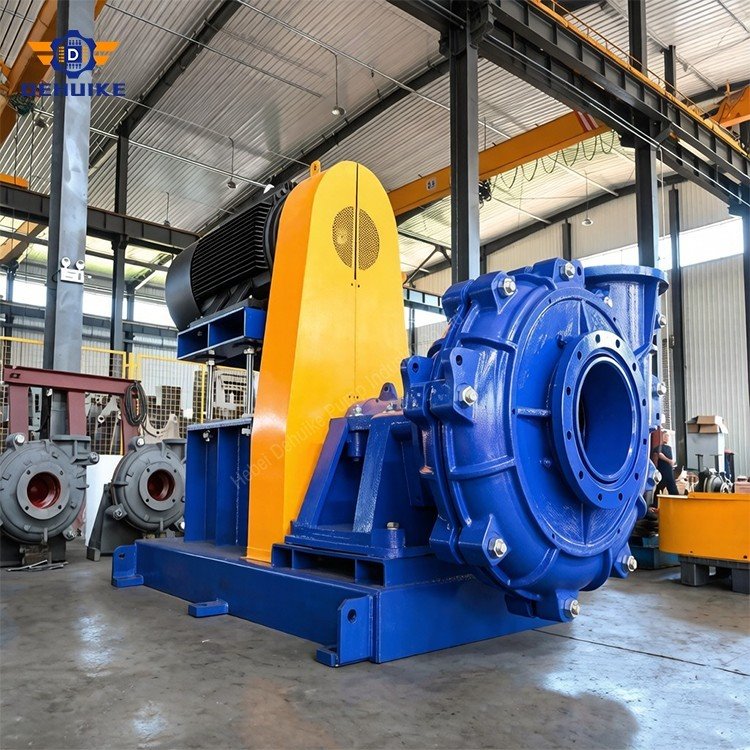
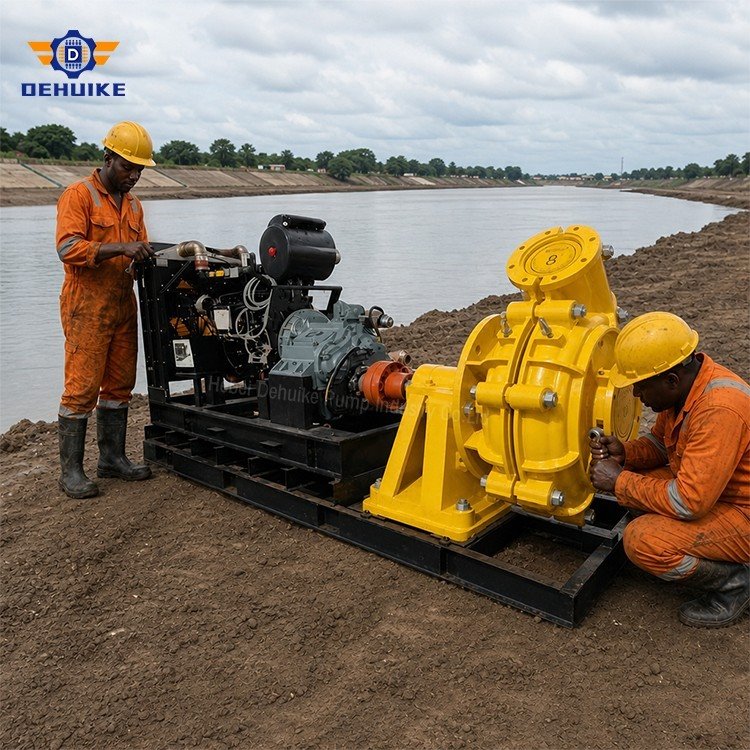
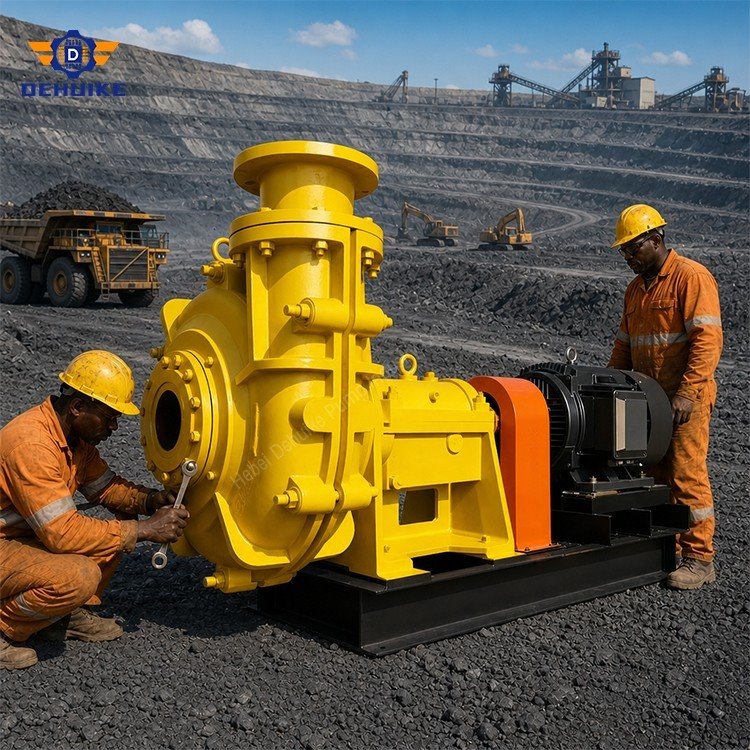
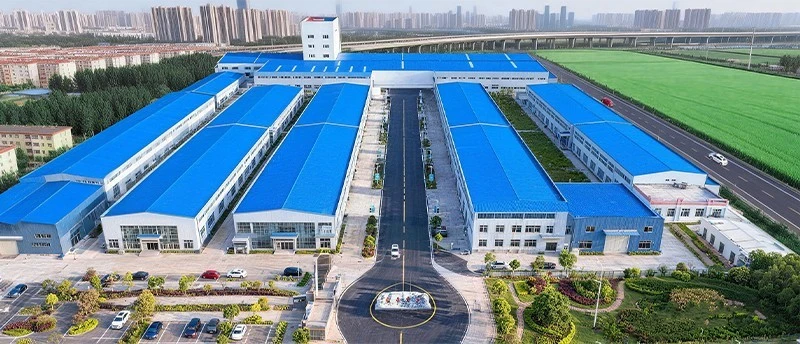
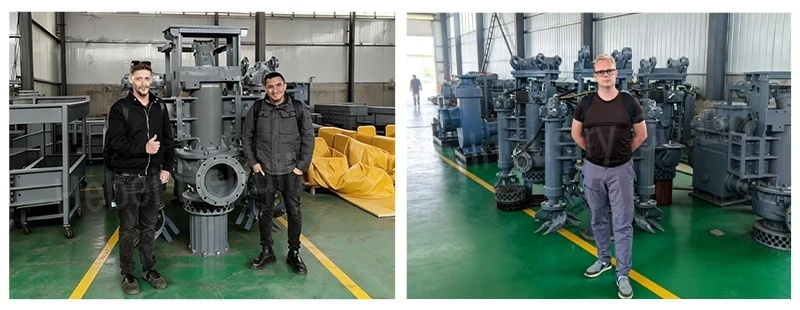
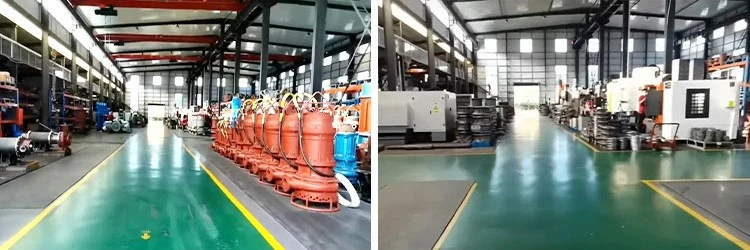
Hebei Dehuike Pump Industry Co., Ltd. is one of the most reliable manufacturers and suppliers of slurry transfer pump in China. With abundant experience, we are committed to providing high quality customized pumps with competitive price. Welcome to wholesale bulk slurry transfer pump for sale here from our factory. Also, pricelist is available.
Moving Slurry Between Plant Stages
Slurry Transfer Pump for Shifts That Cannot Wait
A tank is nearly full, the next batch is due and the receiving area still needs feed. That is often when a transfer problem becomes visible. A Slurry Transfer Pump has to clear material at the pace the plant actually works, including the thicker mixture near the end of a batch. Choosing it around that working cycle helps avoid a machine that looks adequate on paper but leaves operators waiting for the tank to empty.
Begin with what happens over a complete shift. Does the feed stay mixed, or do heavier particles gather while the pump is idle? Is the receiving vessel open, pressurised or fitted with equipment that restricts delivery? These details explain why two lines with the same nominal diameter can behave differently. A route sketch and a record of the difficult part of the cycle are useful starting points.
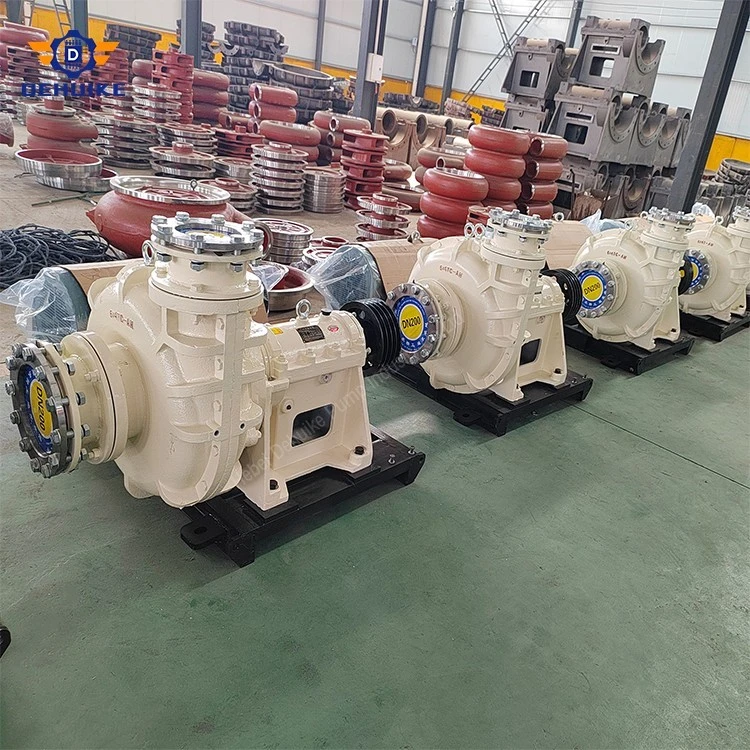
This DAH series overview is intended to help buyers turn that plant experience into an equipment enquiry. The aim is a workable arrangement for the material, the delivery schedule and the people maintaining it. Family references below help narrow the discussion; the final selection still needs the individual performance chart and the agreed build specification.
Planning the Transfer Around the Batch
Volume and delivery time
Establish how much material must leave the source and when the next stage needs it. Dividing batch volume by the permitted transfer time gives an initial delivery target. Add the lift and resistance along the actual route, then assess the mixture at the concentration expected during the demanding part of the cycle.
Getting material into the inlet
Watch the source near the end of a run. A falling level, a crust around the outlet or an air pocket can interrupt feed before the tank is empty. Show the supplier the outlet geometry and the minimum level. Explain how the vessel is mixed and how deposits are removed; those conditions cannot be inferred from its capacity.
Keeping the delivery line clear
Mark every rise, long horizontal run and place where material may remain after stopping. Discuss the velocity needed to carry the actual particles and how the line will be cleared. A bigger pipe may reduce friction, yet it also changes velocity at a given delivery rate. Pipe sizing therefore needs more than a pressure loss check.
Matching the receiving stage
Find out what the next stage will accept. A batch vessel may need a measured fill, while a separator may need steady feed. Include any back pressure that changes during the run. The proposed controls should suit that behaviour, rather than merely provide a convenient start button.
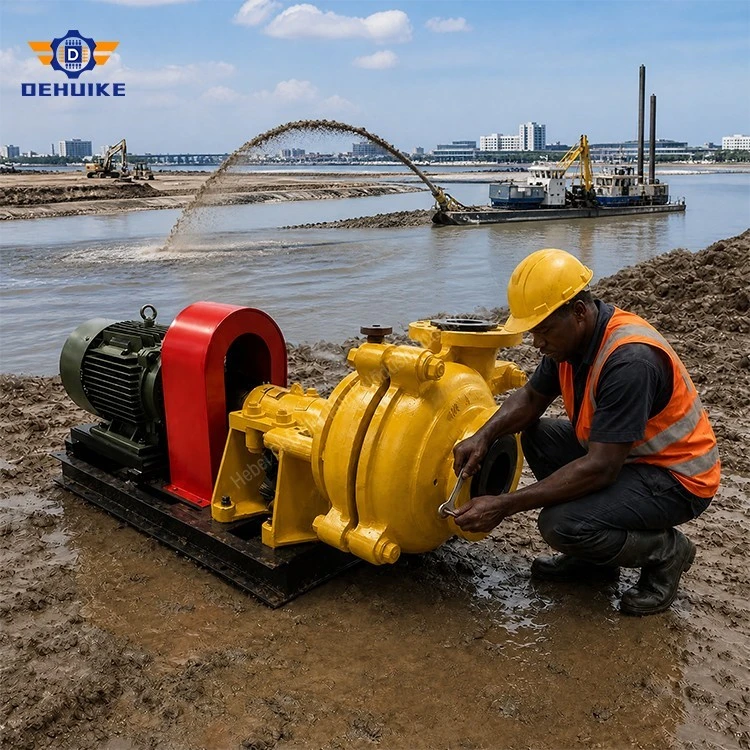
DAH Series Reference Schedule
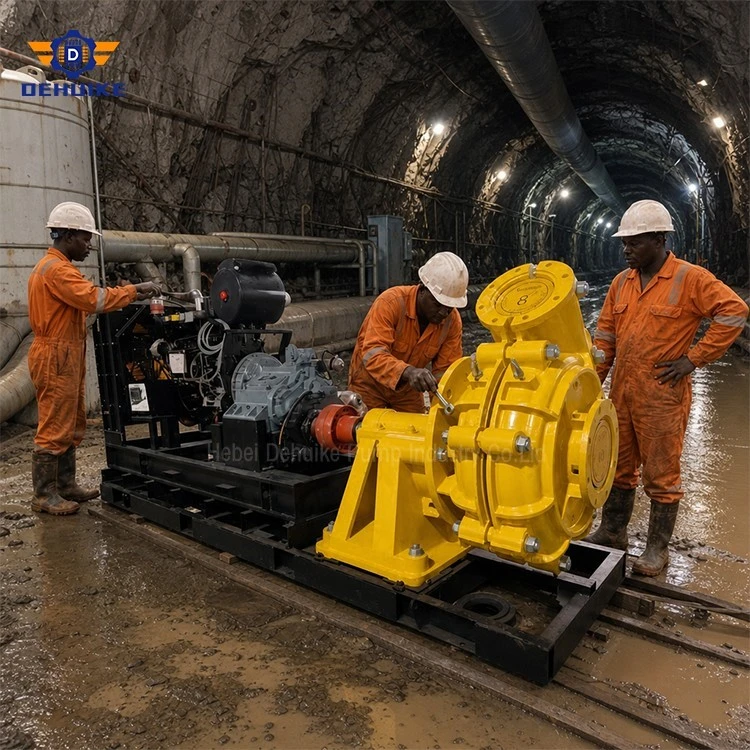
|
Item |
Offered reference |
|
Equipment class |
Horizontal centrifugal unit for abrasive mixtures |
|
Family designation |
DAH |
|
Mechanical layout |
Cantilever shaft; one impeller stage with a single inlet |
|
Volumetric delivery ceiling |
5,400 cubic metres per hour |
|
Head reference ceiling |
120 metres |
|
Rotational reference band |
370 to 3,500 revolutions per minute |
|
Listed connection size band |
25 to 500 millimetres |
|
Listed thermal band |
1 to 90 degrees Celsius |
|
Outer casing material |
Ductile cast iron |
|
Impeller alternatives |
White iron with high chromium content; elastomer option where specified |
|
Wetted lining alternatives |
High chromium white iron or a specified elastomer |
|
Shaft sealing alternatives |
Packed gland; expeller arrangement or mechanical option as specified |
|
Prime mover choices |
Electric or diesel power to the agreed duty |
|
Details to settle for the order |
Rated delivery and lift; rotational setting; electrical rating and supply; wetted build; sealing arrangement; replacement items |
Choosing Parts for the Material
A slurry sample says more than a broad description such as abrasive duty. Record particle size and shape, the proportion of solids and whether the liquid attacks the candidate material. If the mixture changes with the batch, describe the variation. The wettest sample may not represent what reaches the machine during the final minutes of emptying.
The listed build options include high chrome iron and elastomer components, but neither is a universal answer. Ask which parts contact the mixture and why their proposed materials fit it. Include the shaft sealing arrangement in that discussion. A lining suitable for one combination of particles and liquid may be unsuitable when either changes.
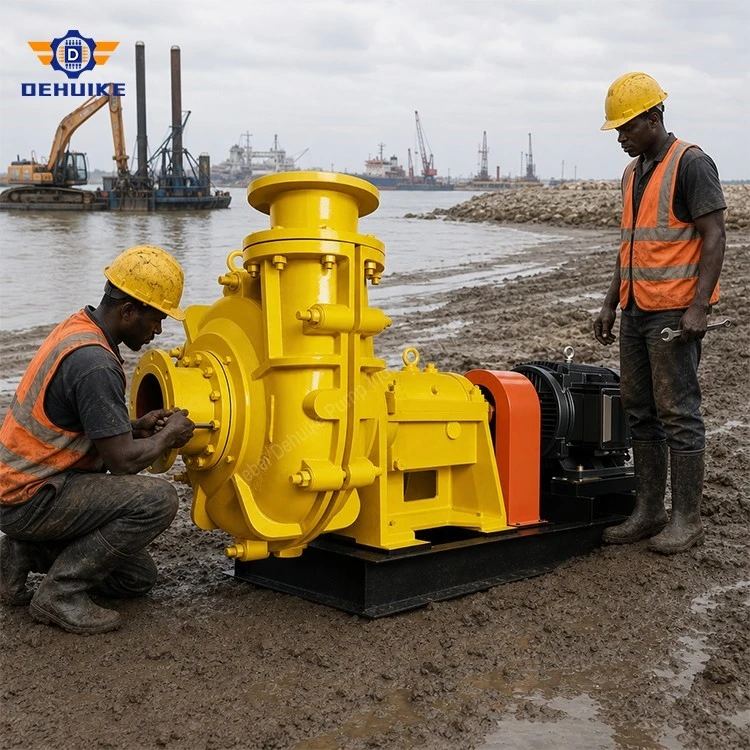
How the Assembly Handles the Mixture
The motor turns a shaft carrying the impeller. Material arriving at its centre is accelerated outwards and collected by the casing for delivery into the line. In the DAH arrangement described here, the horizontal cantilever construction keeps the drive and bearing assembly outside the main wetted passage. Confirm the actual arrangement on the selected drawing.
The inlet must keep supplying the rotating assembly with liquid and solids under the approved conditions. Air, a blocked feed or a settled plug can interrupt that supply. Establish what the operator should do after an unexpected stop, including any permitted clearing sequence. Do not assume a loaded line can simply be restarted after standing overnight.
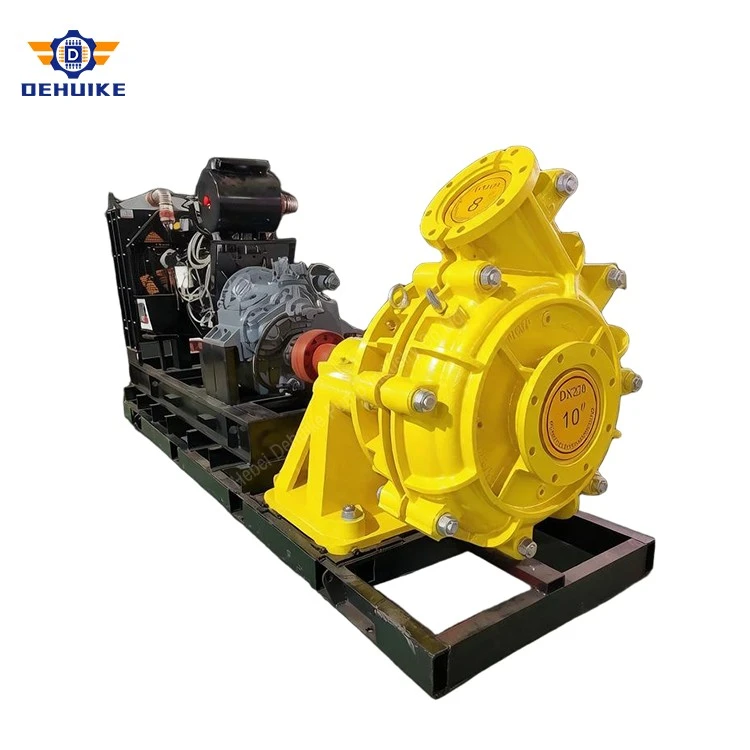
Where the Transfer Fits in the Plant
Describe the job by the event it must complete. The following examples give a starting point for discussing timing, mixture condition and delivery requirements:
Batch release: emptying a prepared mixture before the next charge enters the vessel.
Low level collection: lifting accumulated material from a collection pit to the treatment area.
Conditioning duty: returning a mixed stream while a batch is being prepared.
Residue removal: clearing the output of a production step into a designated holding area.
Raised delivery: carrying the mixture to a destination above the source level.
Recovery duty: bringing a recoverable stream back for another pass through the process.
Alternate routing: maintaining an agreed transfer while another section is unavailable, after checking the temporary line.
Setting Up the Station for Its First Run
Compare the assembly drawing with the plinth and the route available for lifting parts.
Walk the inlet pipe and identify pockets where air or settled material could remain.
Provide pipe supports that prevent the connections from being used to pull the assembly into position.
Leave room to read instruments and reach isolating devices while wearing normal site protection.
Have the installer verify alignment, guards, lubrication and the connections required by the selected seal.
Use the supplied instructions to verify rotation and electrical protection before admitting the working mixture.
Document a known running condition with the batch identity and source level alongside the readings.
Investigate an unexpected change in sound, heat or delivery using the approved shutdown procedure.

Running the Duty Through a Shift
A useful shift record connects the machine readings with the material being handled. Note which batch was transferred, its condition, the vessel level and the time taken. Compare later runs under similar circumstances. A pressure change means more when the operator can tell whether the mixture or the destination also changed.
Where the required delivery varies, agree the acceptable operating method before handing the station over. A lower speed or a partly closed valve affects more than the hourly volume: the ability to carry solids may change too. Define the permissible range and the cleaning action for a planned pause, with instructions specific to the chosen installation.
Finding Wear Before It Holds Up Production
Use the first inspections to learn where this particular duty wears the assembly. Record the condition of wetted parts and relate it to hours and material handled. If a run takes longer, check for deposits, altered feed and route changes as well as worn components. A higher electrical reading also needs context; it is not a diagnosis by itself. Compare like batches before deciding which part needs attention.
Build the spare list from the accepted assembly and its drawings. Give each item a traceable identity and material description. Consider replenishment time and the consequence of an unavailable part. A similar outline in a store cupboard is not enough evidence that a replacement belongs in the machine.
FAQ
Q: What does a Slurry Transfer Pump do?
A: It moves a liquid-solid mixture between defined process points such as tanks, sumps, treatment units, storage areas and pipeline destinations. The model must be selected from the complete route and duty point.
Q: What is the most important selection information?
A: Flow, total head, source and destination, pipeline layout, slurry specific gravity, solids concentration, particle size, temperature, chemistry and suction condition are essential.
Q: Can the pump transfer settled slurry?
A: It may be suitable when the pump design, suction arrangement, particle passage and restart procedure match the settled material. A system should not be restarted blindly after extended settlement.
Q: Can the flow be adjusted?
A: Flow adjustment may use a suitable valve arrangement, speed control or process control method, but the pump must remain within its approved operating range and motor load limits.
Q: Which materials are available?
A: Material options depend on abrasion, chemistry, temperature, particle condition and the exact pump design. Final material selection requires actual medium data.
Q: What should be checked when pressure becomes unstable?
A: Check liquid level, air entry, suction blockage, valve position, pipeline settling, pump speed, wear condition and downstream resistance. Record the change before dismantling the pump.
Q: What can be supplied for a project?
A: Depending on the confirmed scope, the supply may include the pump, drive components, base or coupling arrangement, spare parts and technical documents. The exact scope must be listed in the quotation.

Hot Tags: slurry transfer pump, China slurry transfer pump manufacturers, suppliers, factory