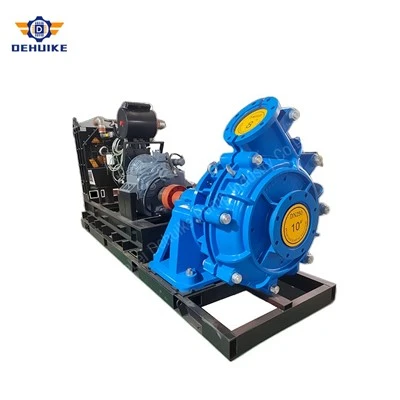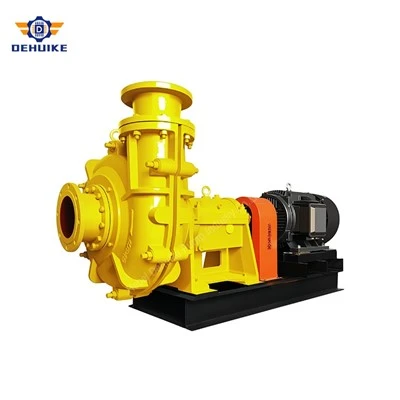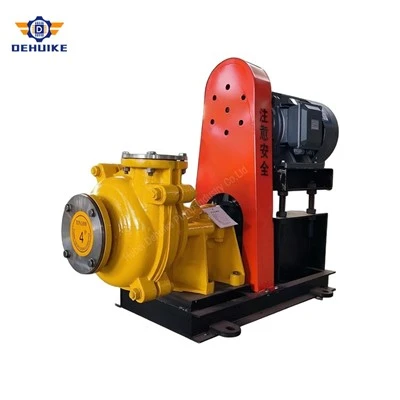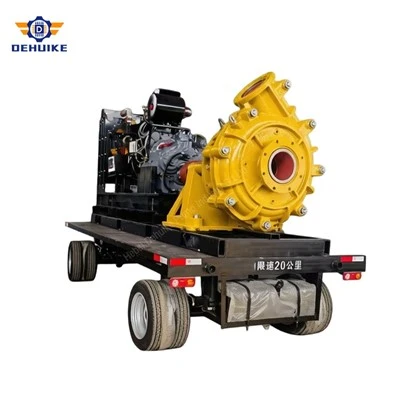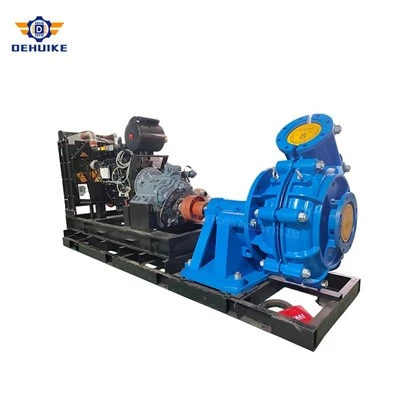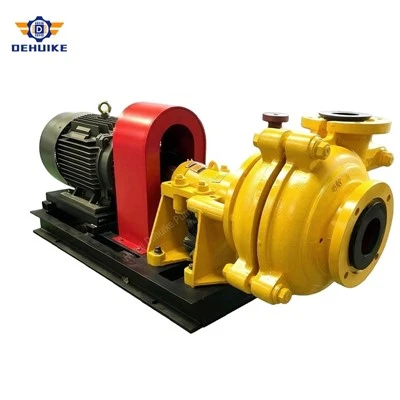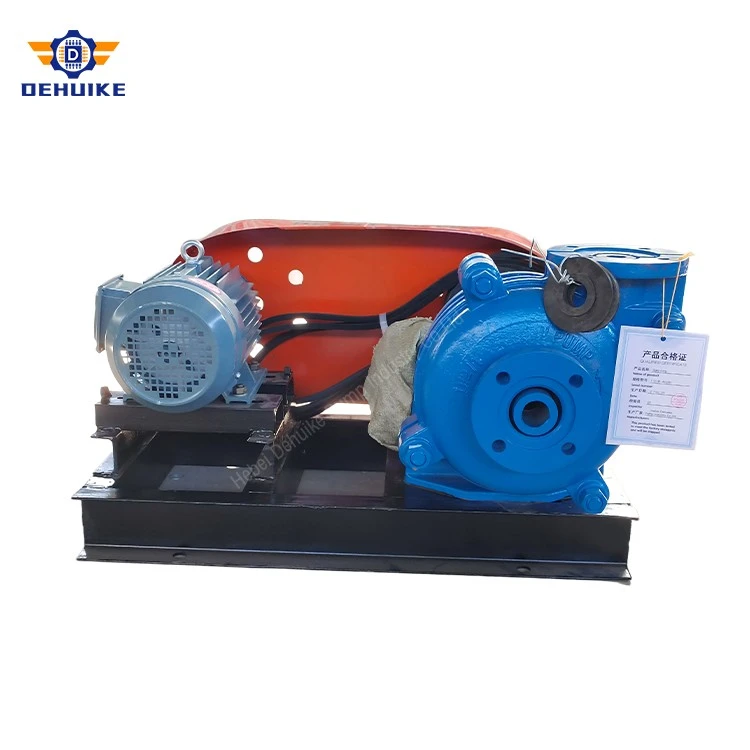
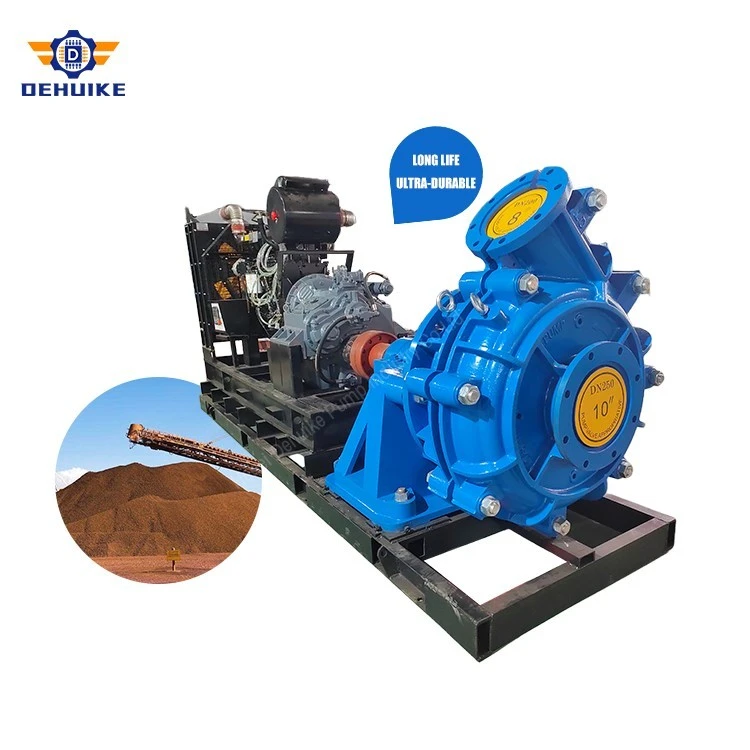
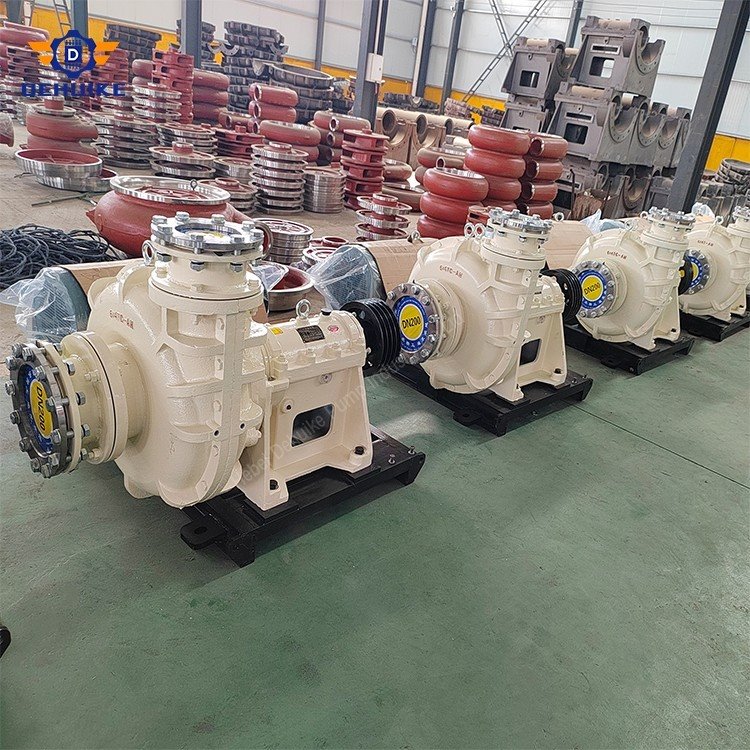
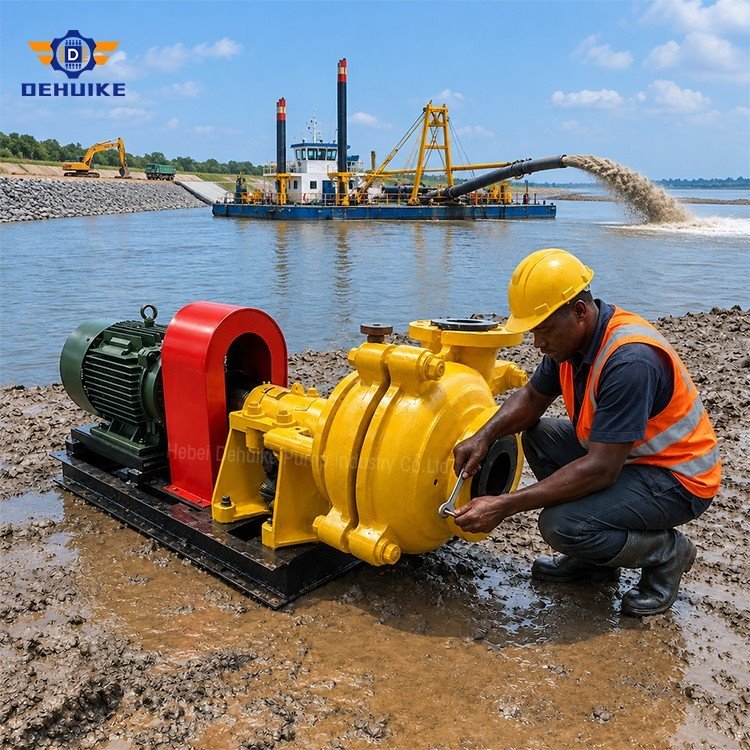
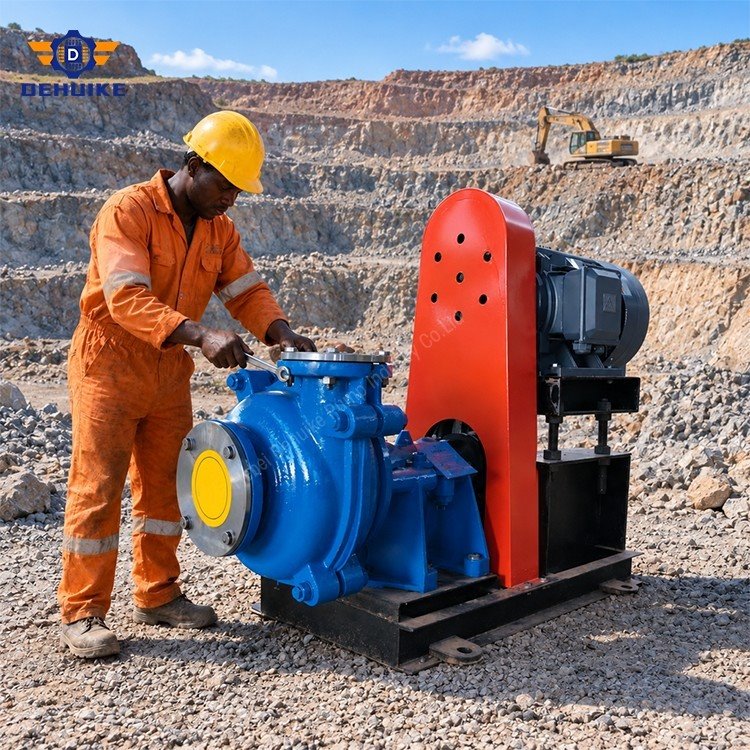
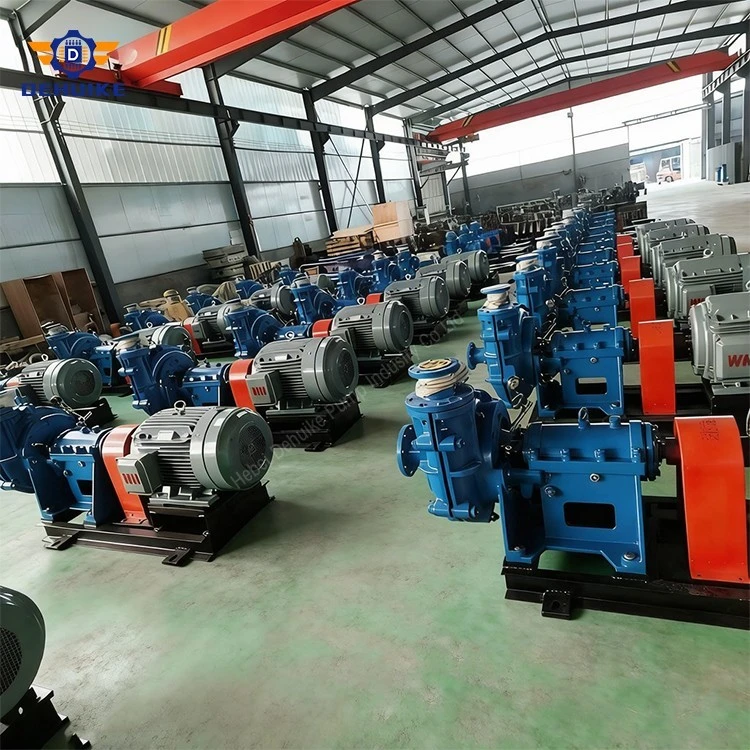
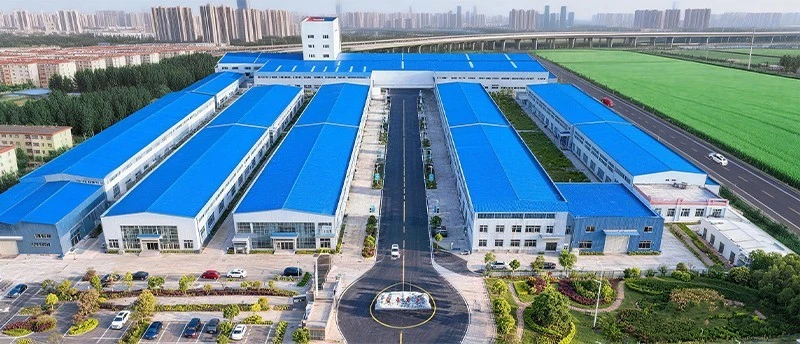
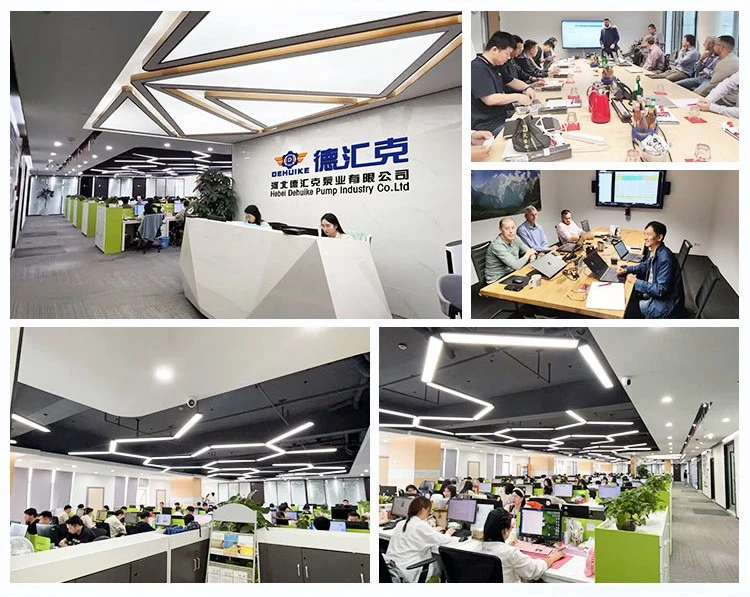
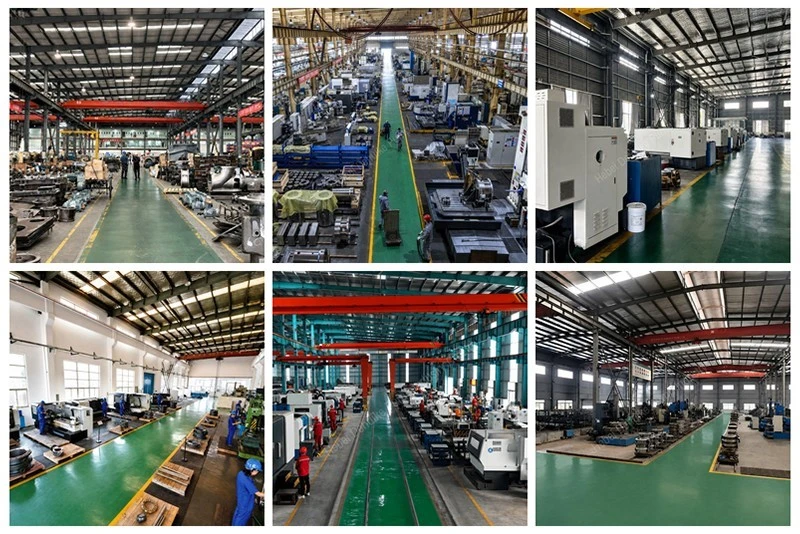
Hebei Dehuike Pump Industry Co., Ltd. is one of the most reliable manufacturers and suppliers of high chrome slurry pump for mining in China. With abundant experience, we are committed to providing high quality customized pumps with competitive price. Welcome to wholesale bulk high chrome slurry pump for mining for sale here from our factory. Also, pricelist is available.
Mining Process Positioning
High Chrome Slurry Pump for Mining Process Circuits
A High Chrome Slurry Pump for Mining is selected for mineral-processing duties where hard particles are carried through a liquid stream and repeatedly contact the pump's wetted surfaces. The pump may be positioned between a grinding circuit and classification equipment, downstream of a separation stage, at a concentrate transfer point or in a tailings route. Each position creates a different combination of density, particle size, flow, head, temperature and operating continuity.
The product is not chosen only because a mine handles abrasive solids. A High Chrome Slurry Pump for Mining must be matched to the actual process location and the way the slurry behaves at that location. A fine, dense discharge stream may require a different impeller passage and material balance from a dilute return stream. A pump at a lower sump may face settling and suction issues, while a pump on a long tailings line may require a different total head and drive arrangement.
This product-family page is prepared for mine operators, mineral-processing engineers, project contractors, equipment distributors and maintenance planners. It combines process positioning, slurry characterization, high-chrome wet-end selection, pump-station design, operating control and spare-parts planning. Exact model data must be completed from the approved performance curve, drawing, nameplate, material schedule and current manual.
Mining Slurry Characterization
Density and concentration
Slurry density and solids concentration affect the power required to move the mixture and can change the pressure response of the system. Record the normal range and the maximum expected condition rather than using one average value only. Start-up after a high-density event may require a different procedure from normal operation.
Particle size and hardness
The pump should be reviewed against the full particle distribution, including coarse particles that may appear occasionally. Particle hardness and shape influence cutting, sliding and impact wear. Maximum particle size must be confirmed from the exact pump model and should not be inferred from the pipe diameter.
Chemistry and temperature
Mine process water may include reagents, dissolved salts or chemical residues. These conditions can influence the selected wet-end material, seal arrangement and auxiliary flushing system. Temperature affects viscosity, settling behavior and the response of hard-metal components and seals.
Operating continuity
A pump running around the clock has a different maintenance and spare-parts requirement from a standby or intermittent pump. Record daily operating hours, start-stop frequency, planned shutdowns and the consequence of an unexpected stoppage.
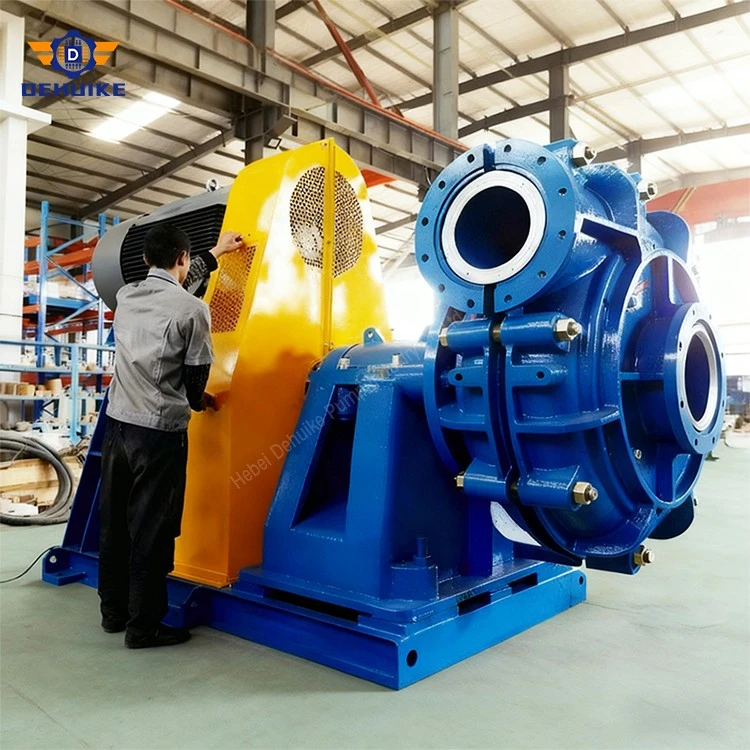
High Chrome Wet-End Configuration
The phrase "high chrome" describes a material direction, not one universal specification. The exact alloy designation, chromium content, hardness, heat-treatment condition and applicable components must be confirmed from the current technical documents. A mining pump may use high-chrome material on selected parts while other components follow a different material strategy.
Impeller
The impeller transfers energy to the slurry and determines much of the flow and head behavior. Its passage must be suitable for the expected particle size and concentration. Diameter and speed affect both the operating point and particle velocity, so any change requires a curve and motor-load review.
Casing and liners
The casing guides the slurry through the pressure-producing section. Replaceable liners, where included, create a service surface that can be changed after wear. The liner profile, thickness and fit must match the pump drawing; a similar-looking part may have a different clearance or flow passage.
Seal and bearing arrangement
The shaft seal controls leakage while the bearing assembly supports the rotating shaft. Seal water, flushing, lubrication and temperature checks should follow the ordered configuration. High-chrome wet-end parts cannot correct poor alignment or incorrect seal operation.
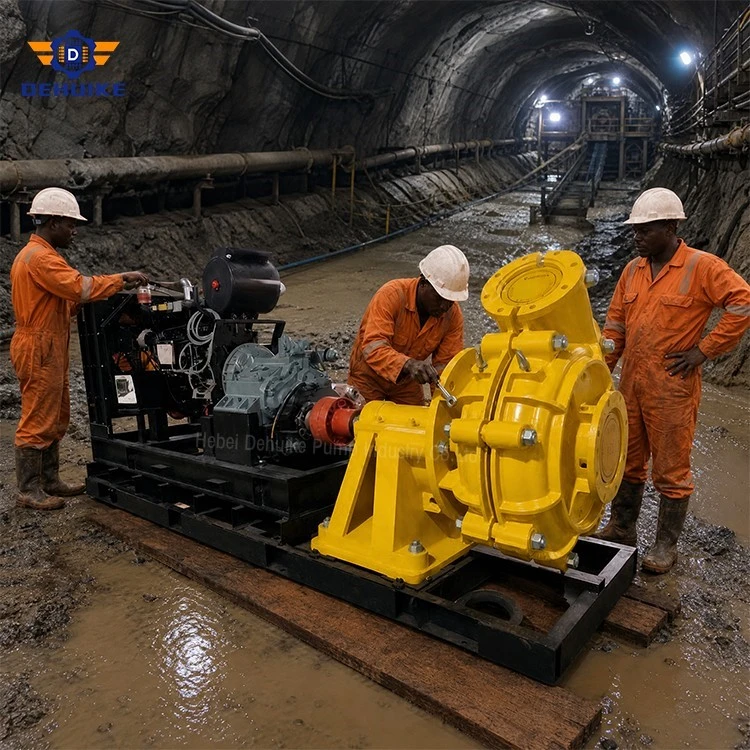
Technical Specifications
|
Parameter |
Listing value |
|
Pump type |
Abrasion-Resistant Horizontal Centrifugal Slurry Pump |
|
Model |
DAH Series |
|
Construction |
Horizontal, single-stage, single-suction, cantilever design |
|
Capacity |
Up to 5,400 m³/h |
|
Head |
Up to 120 m |
|
Speed |
370–3,500 r/min |
|
Size range reference |
25–500 mm |
|
Temperature reference |
1–90°C |
|
Casing |
Ductile iron |
|
Impeller |
High-chrome white iron; optional elastomer configuration |
|
Liner |
High-chrome white iron or elastomer |
|
Seal |
Gland packing; expeller or mechanical seal by configuration |
|
Drive |
Electric motor or diesel drive, subject to project requirements |
|
Customization |
Flow, head, speed, motor power, voltage, frequency, seal, material and spare parts |
Pump Station Arrangement
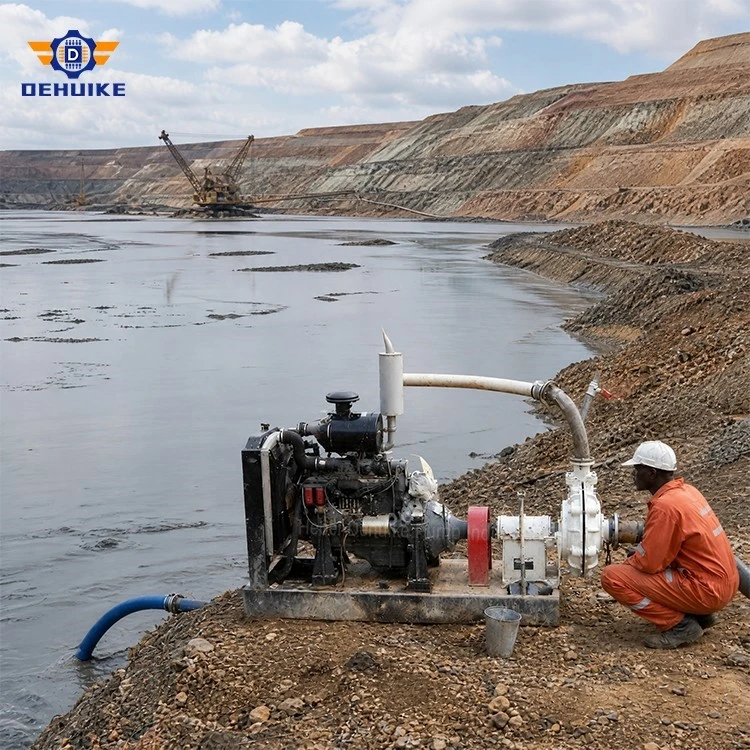
A mining pump station must be designed around access, isolation and restart conditions as well as hydraulic duty. Consider the source sump or tank, suction pipe, valve arrangement, discharge line, drain point, flushing connection, lifting route and space for removing the largest service component.
Sump and suction
The sump should provide an adequate liquid level and avoid excessive vortexing or air entry. If solids collect at the bottom, the sump shape, agitation and flushing method should be reviewed. A pump cannot make up for a suction layout that repeatedly introduces air or settled solids.
Standby and isolation
Where process continuity is important, the station may need an agreed standby arrangement, isolation valves and a safe changeover procedure. The exact number of pumps and control logic must be confirmed from the plant requirement rather than assumed in a general listing.
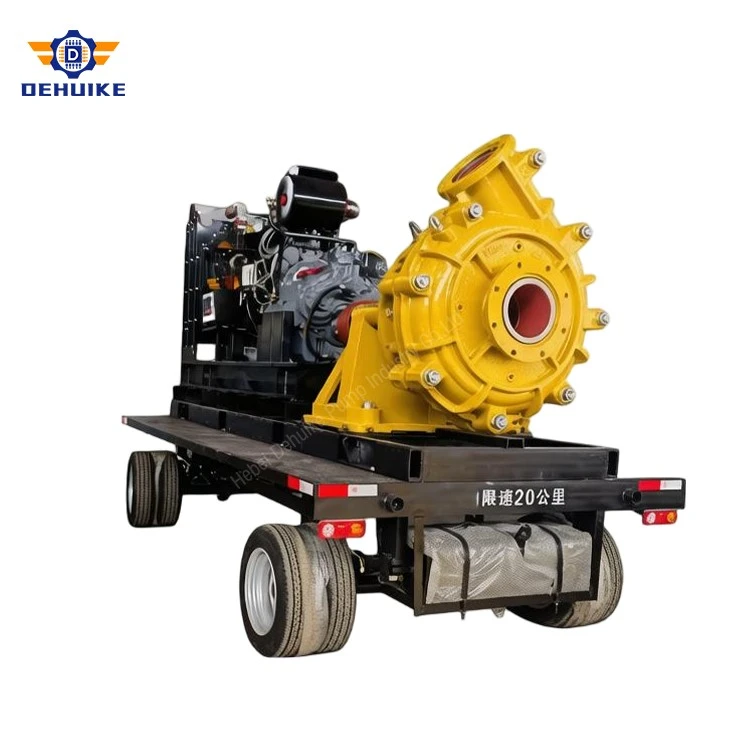
Mining Applications by Circuit
A High Chrome Slurry Pump for Mining may be considered for the following circuits when the model, material and duty point match the actual process:
- Mill discharge circuit: handling dense slurry with a confirmed particle distribution and operating point.
- Classification feed: supplying slurry to classification equipment through a defined pressure and flow route.
- Concentrate transfer: moving selected concentrate streams between process stages or storage points.
- Tailings routing: transferring tailings through pipelines after density, length and elevation are calculated.
- Return water and residue: moving solids-bearing return streams or residue for further treatment.
- Sand and mineral recovery: handling abrasive mineral mixtures within the confirmed particle limits.
Operating Strategy and Monitoring
Operate the pump near the approved duty point whenever the circuit allows. Flow, pressure, motor current, vibration, bearing temperature, seal leakage and slurry density should be recorded during normal operation. The baseline makes it easier to distinguish gradual wear from a sudden process change.
A falling head or flow may indicate wear, blockage, a changed valve position or increased pipeline resistance. Rising current may relate to density, excessive capacity, mechanical friction or a changed speed. Vibration may be associated with imbalance, misalignment, bearing condition, cavitation-like suction problems or damaged wet-end parts. The readings should be reviewed together rather than judged from one signal alone.
Avoid dry running, severe throttling, uncontrolled restart after settlement and operation outside the approved speed range. If the slurry settles during downtime, define a flushing, agitation or staged restart procedure.
Wear Inspection and Spare Planning
Inspect the impeller, casing, liners, throat area, shaft seal, bearings, coupling and fasteners according to operating hours and slurry conditions. Measure clearances where required and record the location and pattern of wear. A component that wears quickly in one circuit may have a different cause from a similar-looking component in another circuit.
A mine-site spare plan may separate critical start-up spares, routine wear parts and longer-lead components. The list may include high-chrome impellers, liners, seal parts, bearings, gaskets and coupling elements according to the exact model. All spares should be identified by model, drawing reference, material designation and storage condition.
Do not install a visually similar part without checking its passage, clearance, material and drawing reference. Do not promise a fixed service life without site records.
Installation and Commissioning
2.Align the pump and drive before connecting process piping.
3.Support suction and discharge lines independently from the casing.
4.Check liquid level, suction submergence, air entry, sediment and priming conditions.
5.Confirm seal water, flushing, lubrication and drain connections.
6.Verify rotation direction and motor protection settings.
7.Start according to the approved procedure and record operating data.
8.Stop for investigation if abnormal noise, pressure, current, temperature, vibration or leakage occurs.
FAQ
Q: What is a High Chrome Slurry Pump for Mining?
A: It is a slurry pump configured with selected high-chrome wet-end components for mineral-processing duties where hard particles create significant wear. The exact material and model must be confirmed from the mining slurry data.
Q: Which mining circuits can use it?
A: It may be considered for mill discharge, classification feed, concentrate transfer, tailings routing, mineral recovery and selected residue lines when the hydraulic point and material configuration match.
Q: Is high chrome suitable for every mine slurry?
A: No. The selection depends on particle hardness and size, concentration, chemistry, temperature, speed, pressure and impact condition. Some media may require another material strategy.
Q: What data is needed for mining selection?
A: Provide process location, flow, total head, density, solids concentration, particle distribution, temperature, chemical or reagent information, suction condition and operating hours.
Q: How can wear be monitored?
A: Record flow, pressure, current, vibration, temperature, leakage, density and inspection clearances. Compare the readings with the commissioning baseline and the previous maintenance record.
Q: What spare parts should a mine site keep?
A: The plan may include high-chrome impellers, liners, seal parts, bearings, gaskets and coupling elements according to the exact model and operating criticality.
Q: Can the pump be customized?
A: Model-specific material, speed, seal, drive, base, documentation and spare requirements may be reviewed. Final options must be recorded in the technical specification.

Hot Tags: high chrome slurry pump for mining, China high chrome slurry pump for mining manufacturers, suppliers, factory